
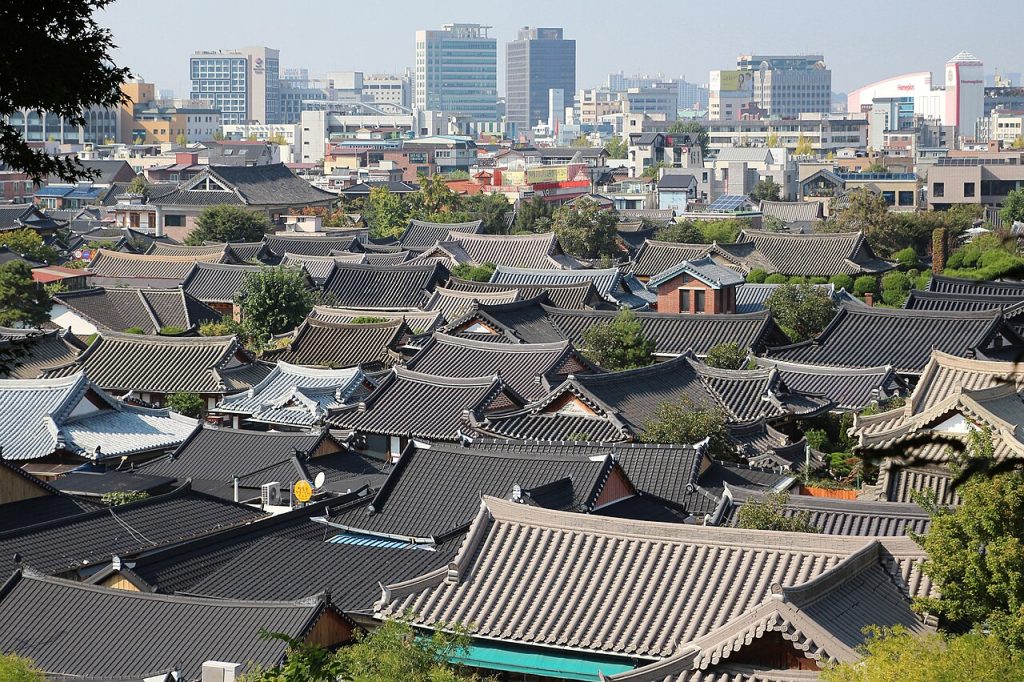
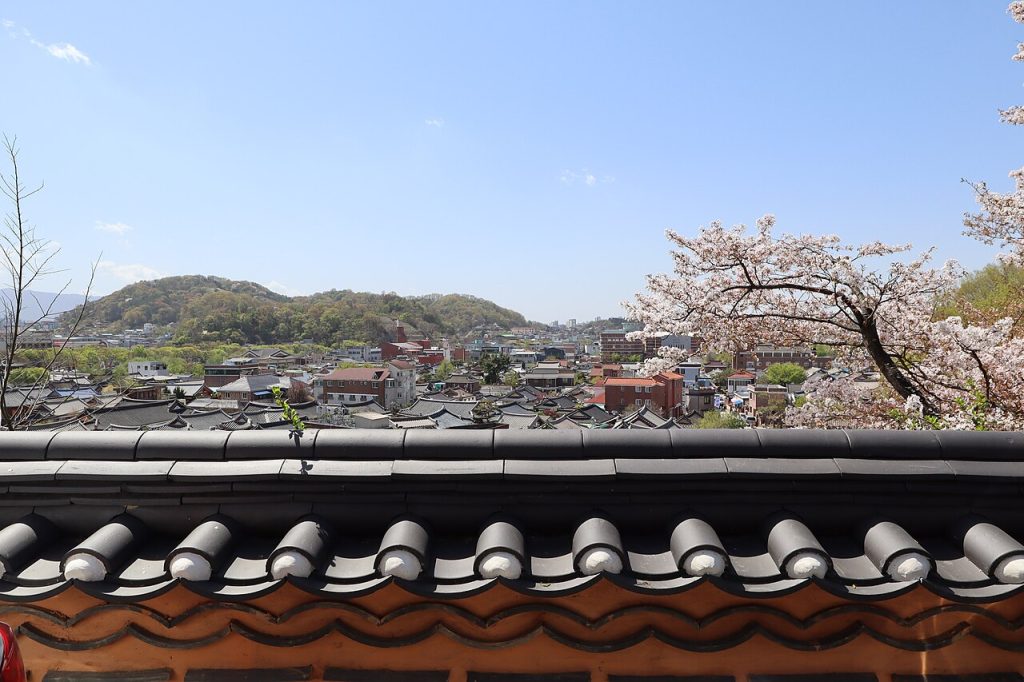
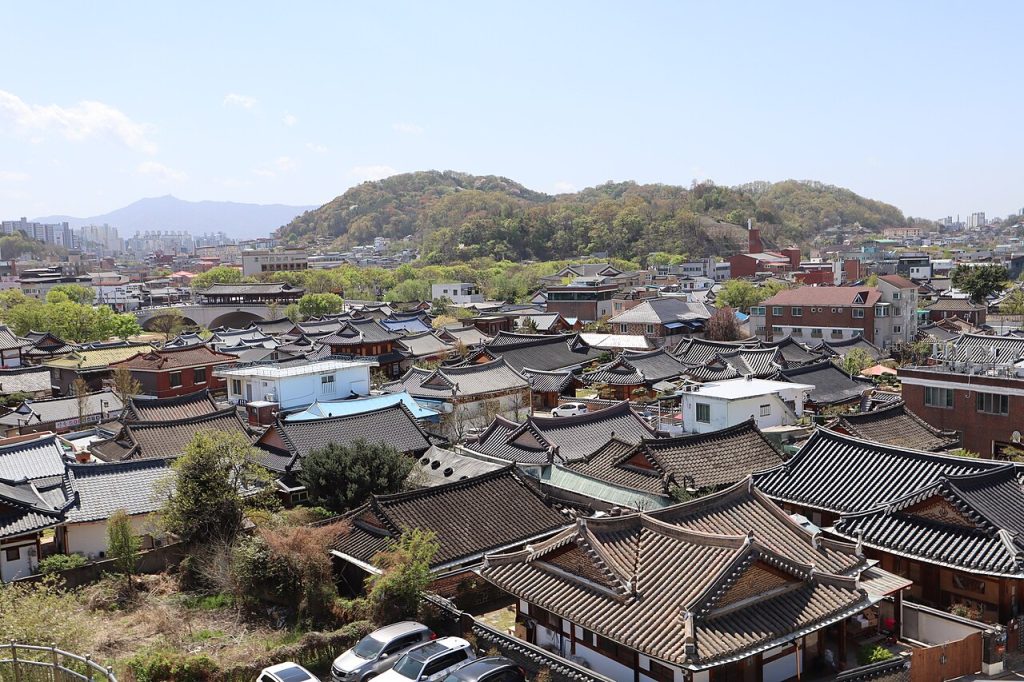
In the city of Jeonju, a sea of curved tile roofs stretches between modern buildings and green hills. Below them, narrow lanes lead past wooden gates, tea houses and courtyards filled with flowers. This is Jeonju Hanok Village, home to more than 800 traditional Korean houses. In this guide, you will discover what to see in Jeonju Hanok Village, South Korea, how to get there and when to visit.
Quick Facts About Jeonju Hanok Village, South Korea
| Country | South Korea |
| Region | Jeonju, Jeonbuk State |
| Known For | More than 800 hanok houses, Gyeonggijeon Shrine and Jeonju bibimbap |
| UNESCO Status | Not listed (Jeonju is a UNESCO Creative City of Gastronomy) |
| Founded | Village took shape in the early 20th century |
| Best Time to Visit | April to May and September to November |
| Time Needed | One to two days |
| Continent | Asia |
Where Is Jeonju Hanok Village, South Korea?
Jeonju Hanok Village lies in the centre of Jeonju, in the southwest of South Korea. It overlaps the Pungnam-dong and Gyo-dong neighbourhoods, close to the city’s old gate and its main shrine. Although the village feels like a world apart, the modern city surrounds it on every side.
Why Visit Jeonju Hanok Village, South Korea?
First of all, Jeonju Hanok Village is one of the largest clusters of traditional houses in the country. Hanok are Korean homes with tiled roofs, wooden frames and courtyards. As a result, walking here feels like stepping back into an older Korea.
In addition, Jeonju is famous for its food. The city is a UNESCO Creative City of Gastronomy, and its bibimbap is known throughout Korea. In 2010, the village was also named an International Slow City, recognising its traditional way of life.
Walking the Hanok Lanes
The best way to enjoy Jeonju Hanok Village is simply to wander.
Tiled Roofs and Wooden Gates
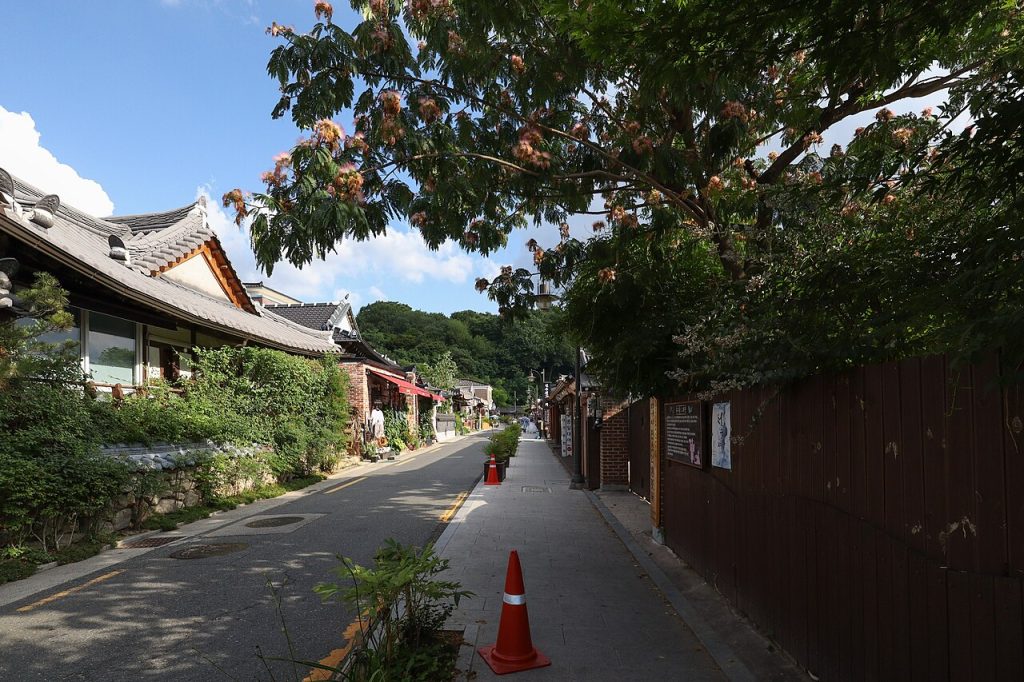
Most houses have dark tiled roofs with gently curved edges. Wooden gates open onto courtyards, and stone walls line the lanes. In the late afternoon, the low sun makes the roof tiles glow.
Hanok Stays and Tea Houses
Many hanok now operate as guesthouses, cafés and tea houses. Staying overnight in a hanok, sleeping on a heated floor, is one of the most memorable experiences in Jeonju.
Traditional Clothing
Visitors often rent hanbok, traditional Korean clothing, to wear while exploring. The colourful outfits add even more life to the lanes.
Gyeonggijeon Shrine and Jeondong Cathedral
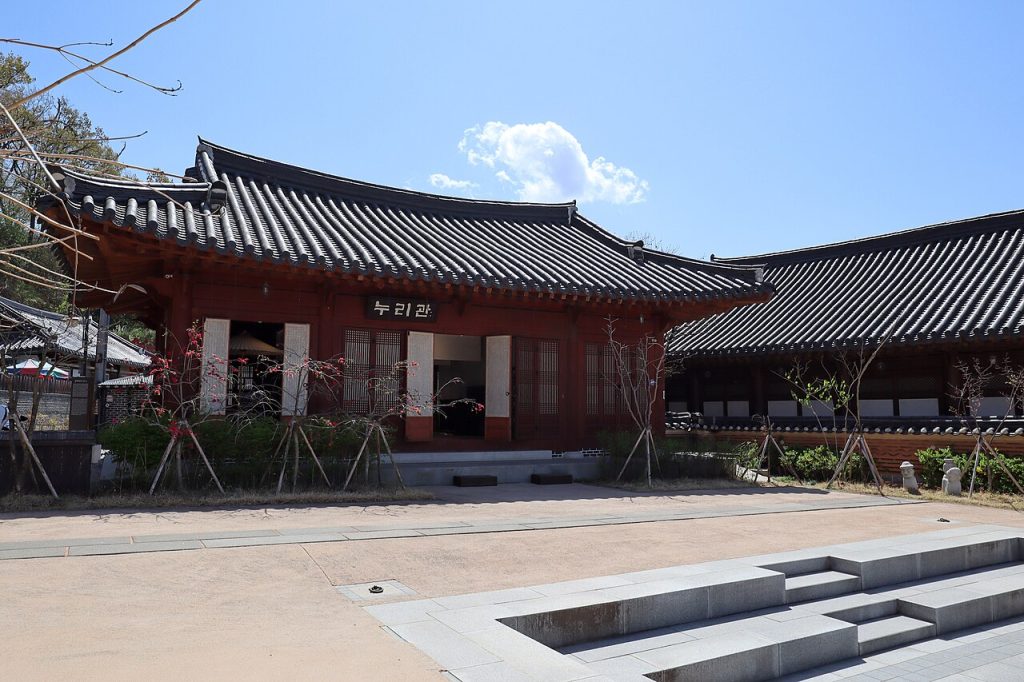
Two landmarks stand at the edge of the village. Gyeonggijeon is a shrine that holds the portrait of Yi Seong-gye, the founder of the Joseon dynasty. Its quiet grounds, old trees and royal buildings offer a peaceful escape.
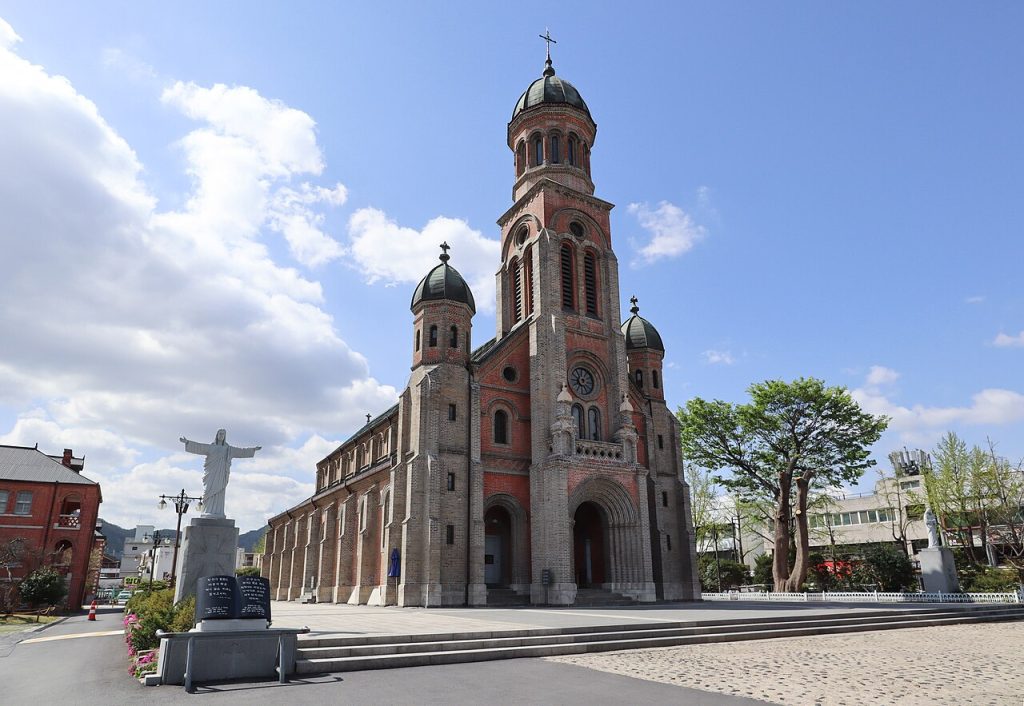
Across the street, Jeondong Cathedral is a red brick Catholic church in a Romanesque style. It stands on a site linked to early Korean Catholic martyrs. Therefore, the two buildings together tell very different stories of Korean history.
Food and Views Around the Village
Jeonju is a place to eat well and to look out over the rooftops.
Jeonju Bibimbap
A Famous Local Dish
Bibimbap, rice mixed with vegetables, meat, egg and chilli paste, is Jeonju’s signature dish.
Street Food
Along the main streets, stalls sell skewers, dumplings and sweet snacks, especially in the evening.
Viewpoints Over the Rooftops
Omokdae
A short climb leads to Omokdae, a hillside pavilion with views over the sea of roofs.
Riverside Walks
Nearby, paths along the Jeonjucheon stream make a calm walk away from the busier lanes.
One Historical Fact About Jeonju Hanok Village, South Korea
Jeonju is closely linked to the Joseon dynasty, which ruled Korea for more than 500 years. Its founder’s family came from the area, which is why the city keeps his portrait at Gyeonggijeon Shrine.
How to Get to Jeonju Hanok Village, South Korea
By train: KTX high-speed trains run from Seoul to Jeonju Station. From the station, take a bus or taxi to the village.
By bus: Express buses connect Seoul and other major cities with Jeonju’s bus terminals.
By taxi: Within Jeonju, taxis are affordable and the easiest way to reach the village.
Best Time to Visit Jeonju Hanok Village, South Korea
The best time to visit is in spring, from April to May, or in autumn, from September to November. These months bring mild weather, spring blossoms and autumn colours. Summer is hot and humid, while winter is cold but much quieter.
Is Jeonju Hanok Village, South Korea Worth Visiting?
Yes, Jeonju Hanok Village is worth visiting. It combines traditional architecture, history and some of the best food in Korea. Furthermore, it is an easy trip from Seoul by fast train.
Final Thoughts
Jeonju Hanok Village offers a rare glimpse of traditional Korea in the middle of a modern city. With its tiled roofs, historic shrine and famous food, it rewards travellers who take their time. Whether you stay one night or several, Jeonju Hanok Village will leave you with lasting memories.
Image Credits
Wikimedia Commons
- Rooftops of Jeonju Hanok Village: Photo by Bernard Gagnon via Wikimedia Commons (CC0)
- Lane in Jeonju Hanok Village: Photo by Mobius6 via Wikimedia Commons (CC BY-SA 4.0)
- Traditional Hall in Jeonju Hanok Village: Photo by Mobius6 via Wikimedia Commons (CC BY-SA 4.0)
- Jeondong Catholic Cathedral: Photo by Mobius6 via Wikimedia Commons (CC BY-SA 4.0)
- Roof Tiles and Blossoms in Jeonju: Photo by Mobius6 via Wikimedia Commons (CC BY-SA 4.0)
- Jeonju Hanok Village Panorama: Photo by Mobius6 via Wikimedia Commons (CC BY-SA 4.0)