Essaouira Morocco is a whitewashed port town on the Atlantic coast. Moreover, sea walls wrap around it, and an ocean breeze keeps it cool almost all year. Originally, in the 18th century, a European architect laid out its medina for a Moroccan sultan. As a result, it has straight streets that are unusual in Morocco. It also has a busy fishing port and a long sandy beach. So, it is easy to see why visitors stay longer than planned. So, this guide covers everything you need to plan a trip to Essaouira Morocco.

Quick Facts About Essaouira Morocco
| Country | Morocco |
| Region | Marrakesh-Safi, on the Atlantic coast |
| Known For | Sea ramparts lined with cannons, blue fishing boats, thuya woodwork, and the Gnaoua World Music Festival |
| UNESCO Status | UNESCO World Heritage Site, Medina of Essaouira (formerly Mogador), since 2001 |
| Founded | Modern town founded in the 1760s by Sultan Mohammed ben Abdallah |
| Best Time to Visit | Spring and autumn |
| Time Needed | Two to three days |
| Continent | Africa |
Where Is Essaouira Morocco?
Essaouira lies on Morocco’s Atlantic coast, west of Marrakesh. Specifically, it sits roughly halfway between Safi and Agadir. In addition, the town stands on a small peninsula with a sheltered bay to the south. Also, the Mogador islands lie just offshore.
Why Visit Essaouira Morocco?
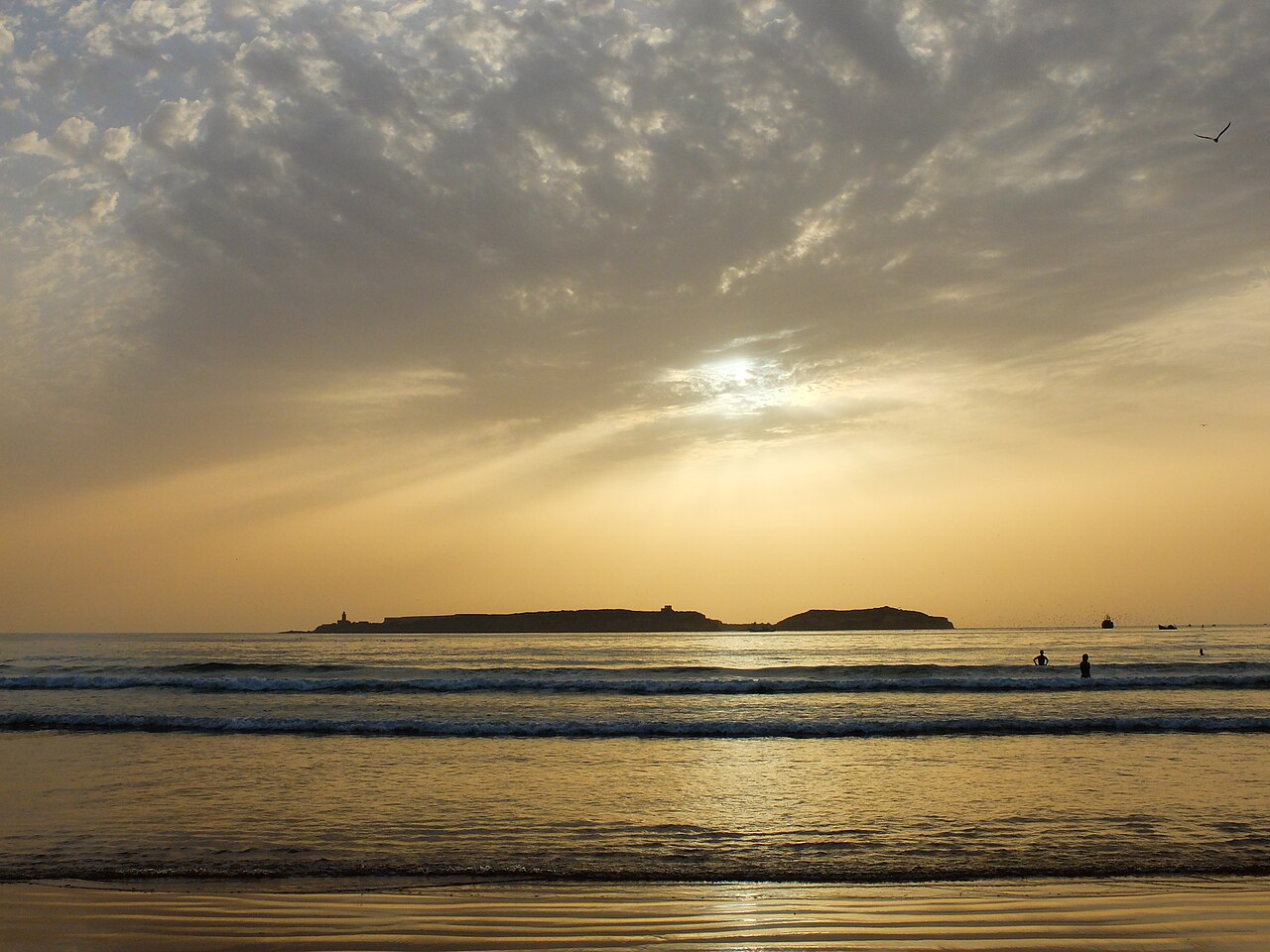
After the buzz of Marrakesh, Essaouira feels like a breath of sea air. Also, the medina is compact and easy to navigate. Also, it is far less pushy than the medinas in big cities. For example, you can watch the boats come in, browse craft workshops and eat grilled sardines by the harbour. Then end the day watching the sun sink into the Atlantic.
Essaouira also has a rich history as a trading port. Indeed, for centuries, Muslim, Jewish and European merchants lived here side by side.
Things to Do in Essaouira
Walk the Skala de la Ville
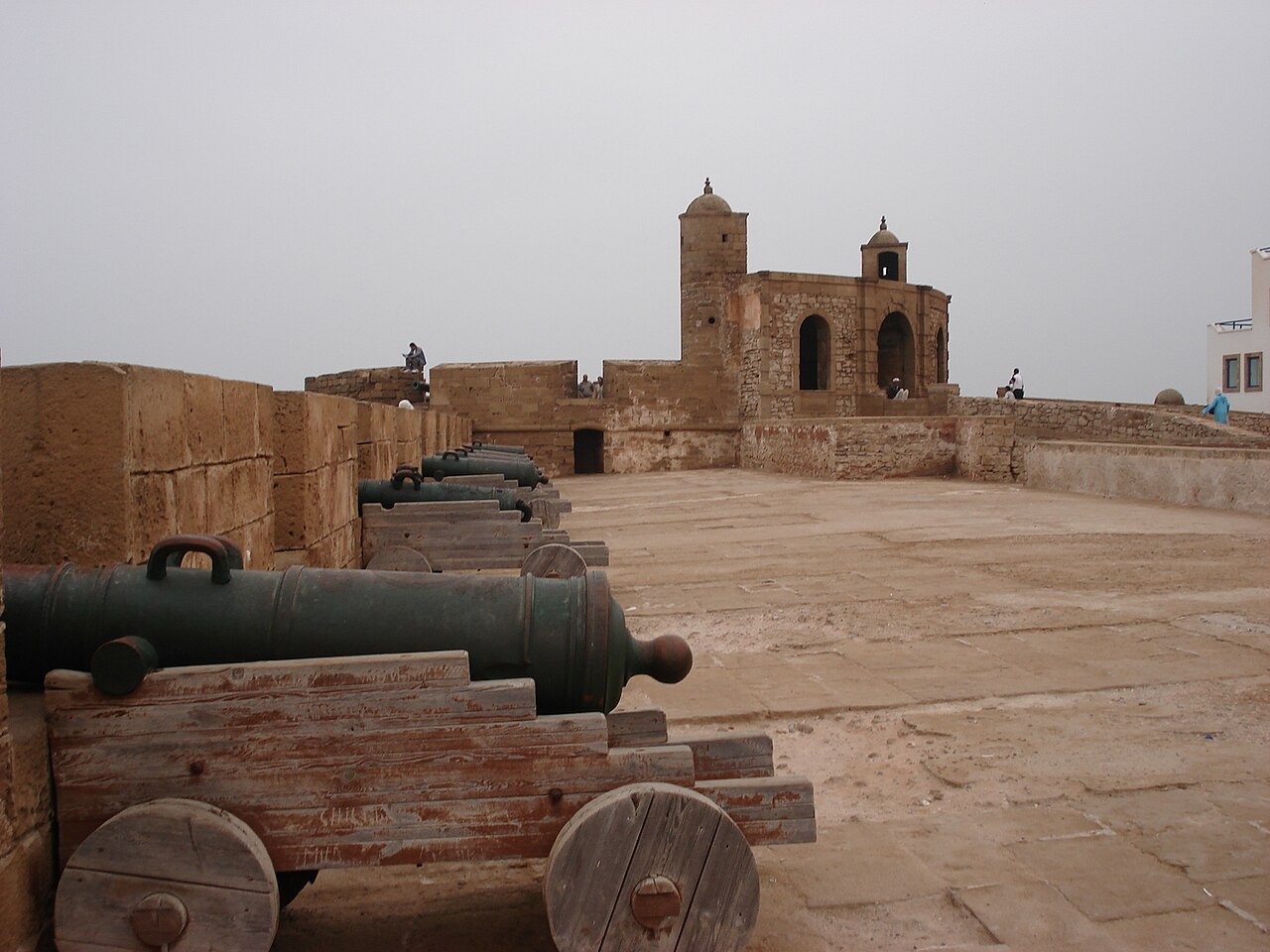
Above all, the most famous sight in town is the Skala de la Ville. Essentially, this long sea bastion runs along the northern edge of the medina. Along it, old bronze cannons line the walkway and point out to sea. Meanwhile, waves crash against the rocks below. So, come in the late afternoon, when the light turns golden.
The ramparts also have a screen history. In fact, the harbour fortress appeared as the city of Astapor in the third season of Game of Thrones.
Explore the Essaouira Medina
Sultan Mohammed ben Abdallah founded the modern town in the 1760s. Specifically, he wanted a royal port for trade with Europe. So, he hired the French engineer Théodore Cornut to design it. As a result, the town blends Moroccan and European military styles. Later, in 2001, the medina joined the UNESCO World Heritage List.
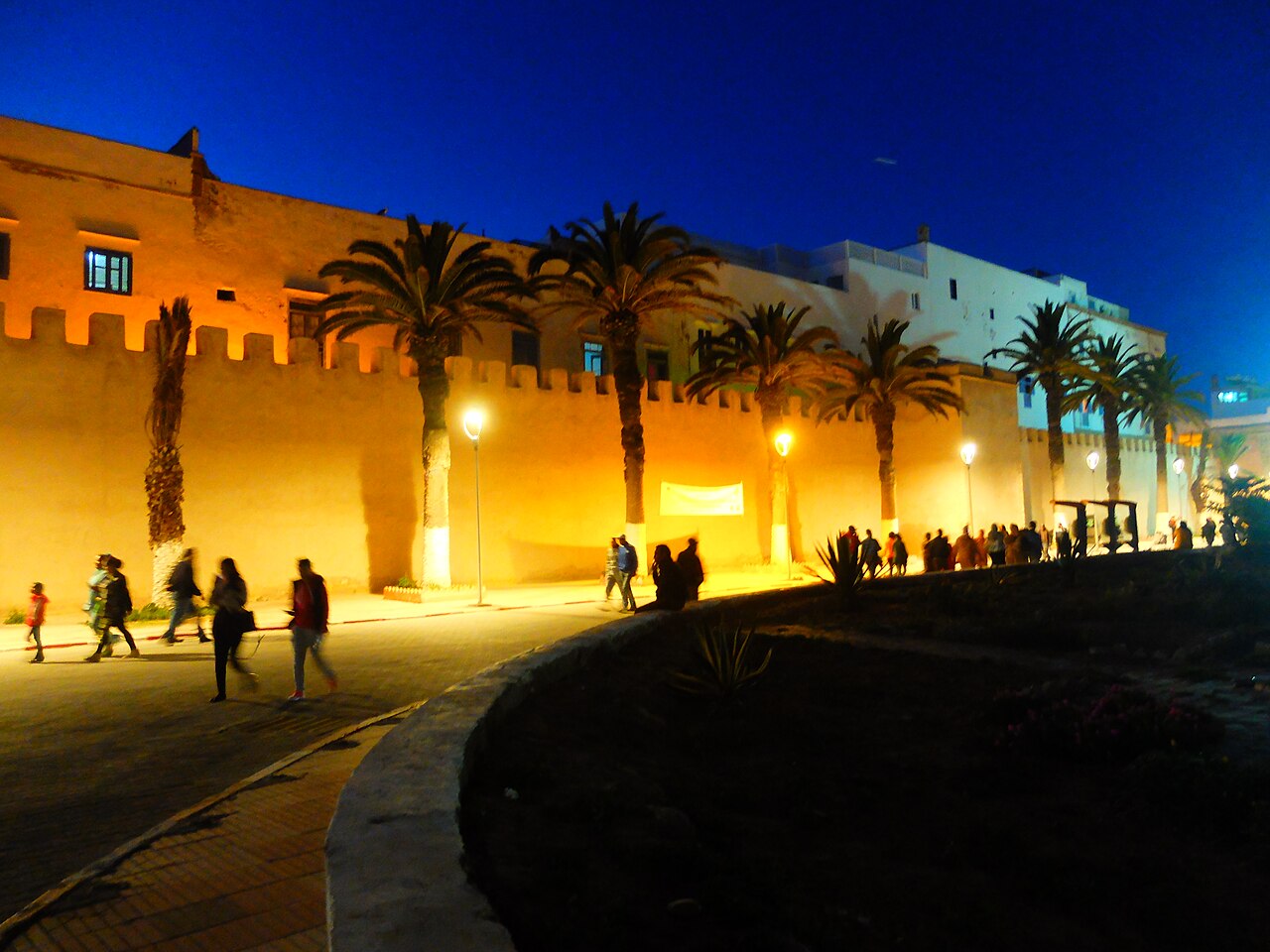
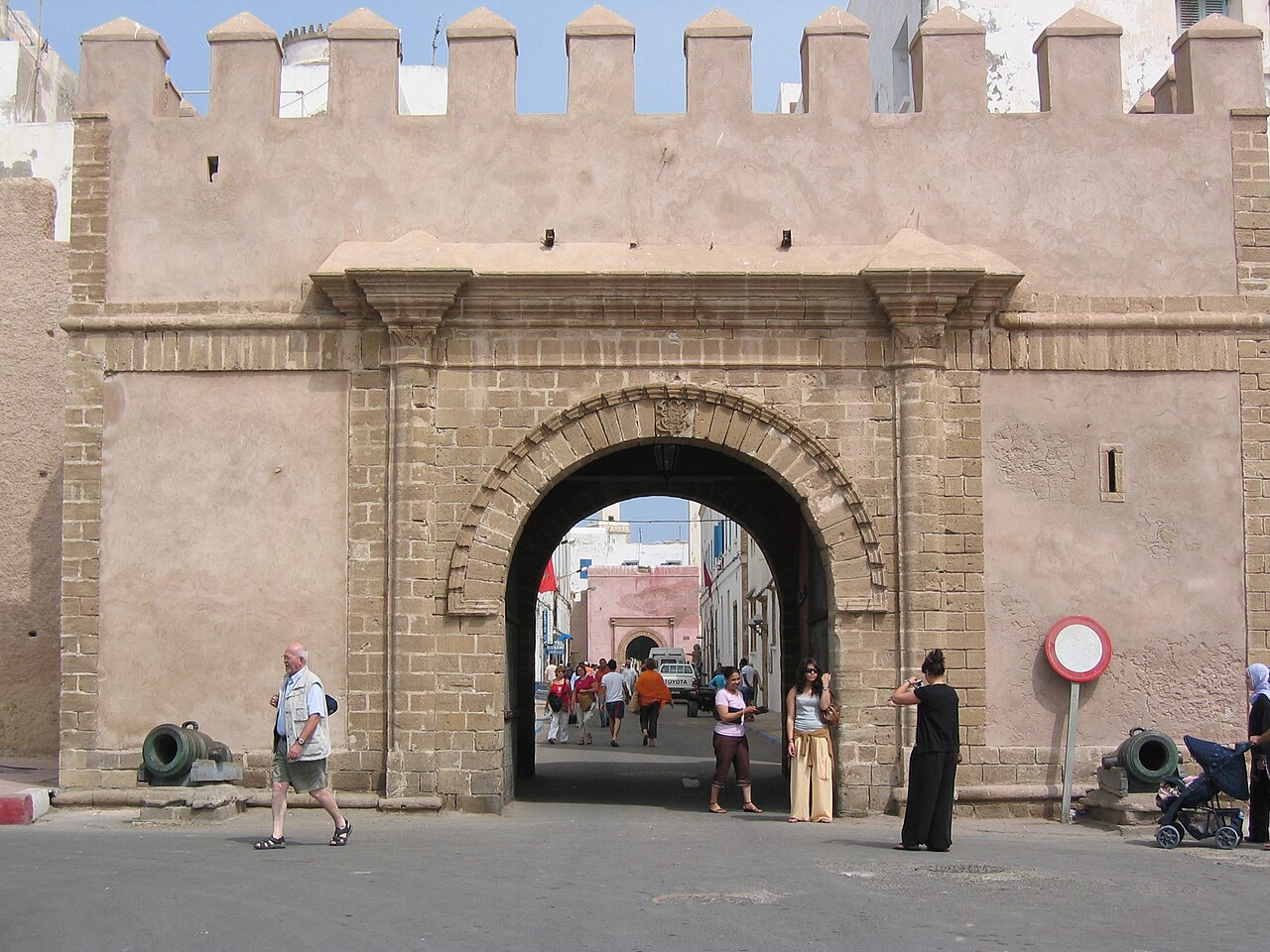
Several large gates lead into the medina, such as Bab Sbaa and Bab Doukkala. Once inside, the main street, Avenue Mohammed Zerktouni, runs through the centre. Along it, shops also sell spices, leather, ceramics and argan products.
Watch the Thuya Woodcarvers
Besides that, Essaouira is famous for its thuya woodwork. Essentially, thuya is a fragrant wood that comes from the roots of a local tree. Then, under the ramparts, craftsmen turn it into boxes, chess sets and furniture. Overall, watching them work is a highlight of any visit.
Visit the Mellah
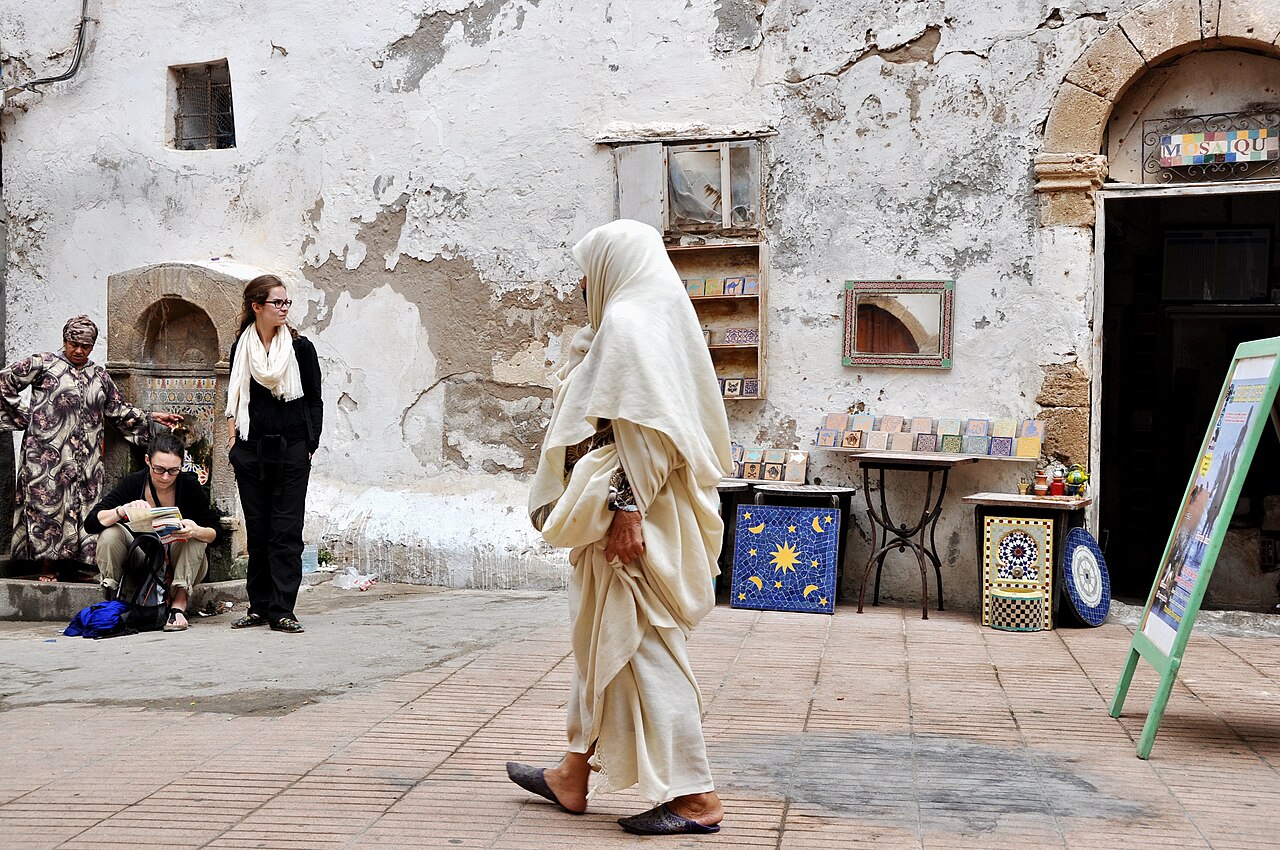
Similarly, the Mellah is the former Jewish quarter in the north of the medina. Even now, it recalls a time when Jewish merchants made up a large part of the town. Today, Bayt Dakira, a restored house and heritage centre, tells their story. Also, you can visit old synagogues and the cemetery.
See the Fishing Port
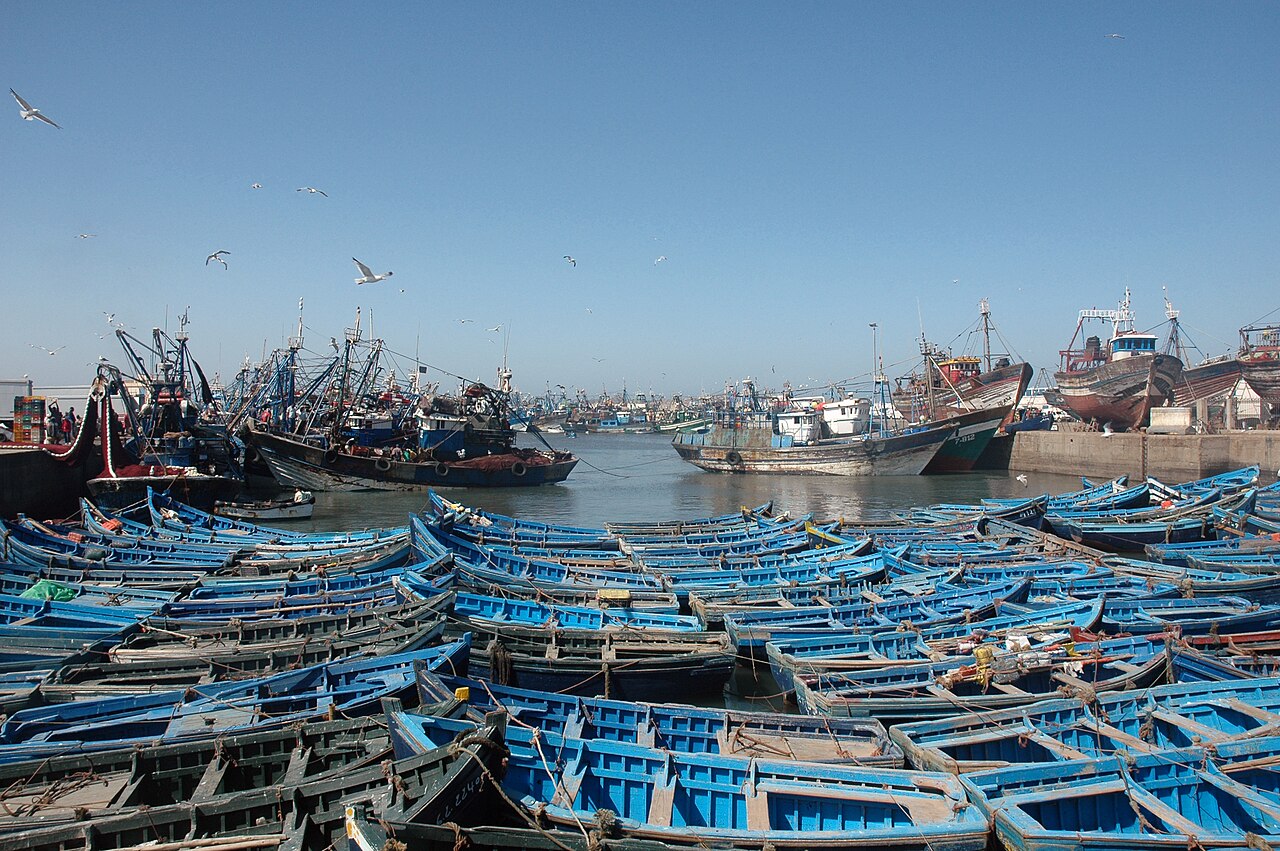
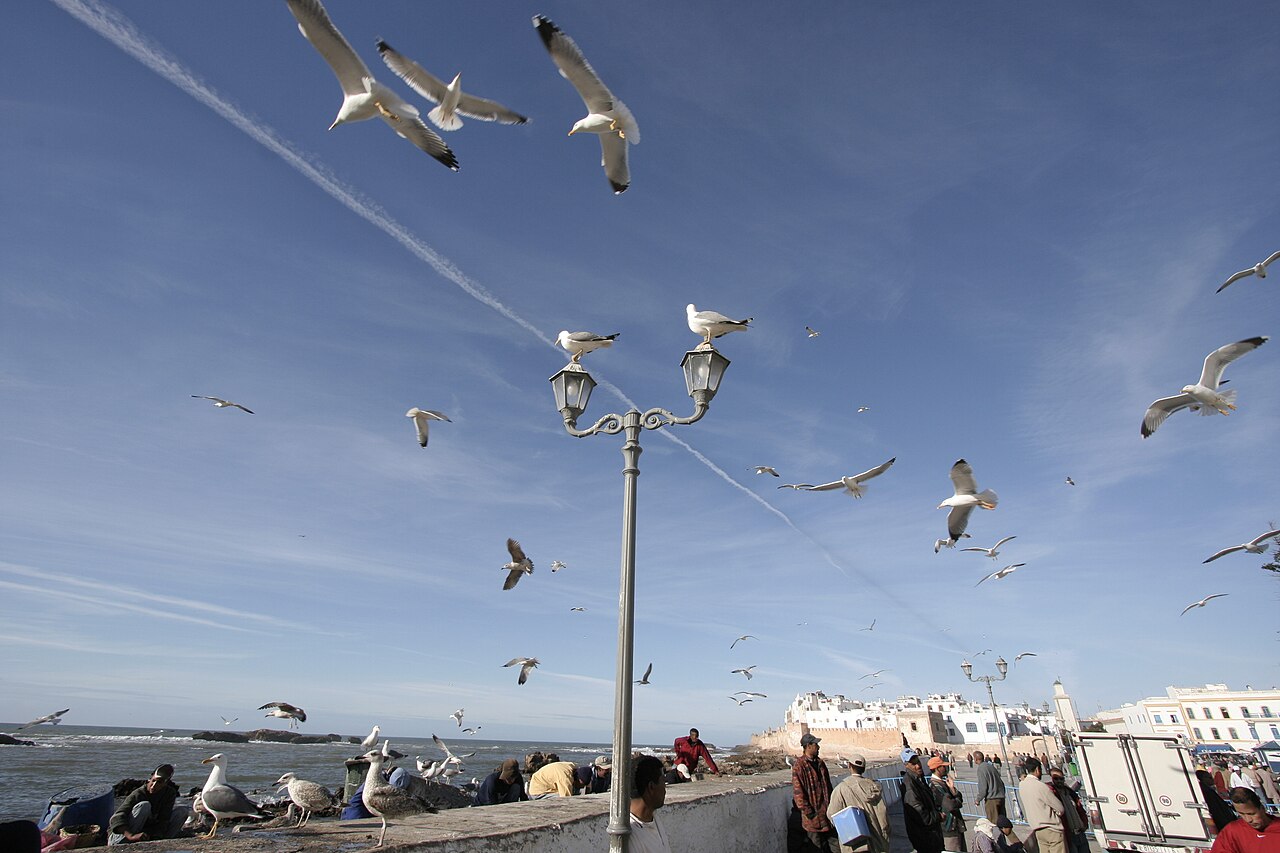
Just south of the medina, the port is one of the most photogenic spots in Morocco. Every day, hundreds of blue wooden boats line the quay. Fishermen mend their nets, while the catch of the day is sold straight off the boats. Above them, seagulls circle and squabble over scraps.
At the edge of the harbour, simple grill stalls will cook the fish you choose. For example, you can pick sardines or sea bream, served with bread and salad. However, agree on the price before they start cooking.
Relax on Place Moulay Hassan
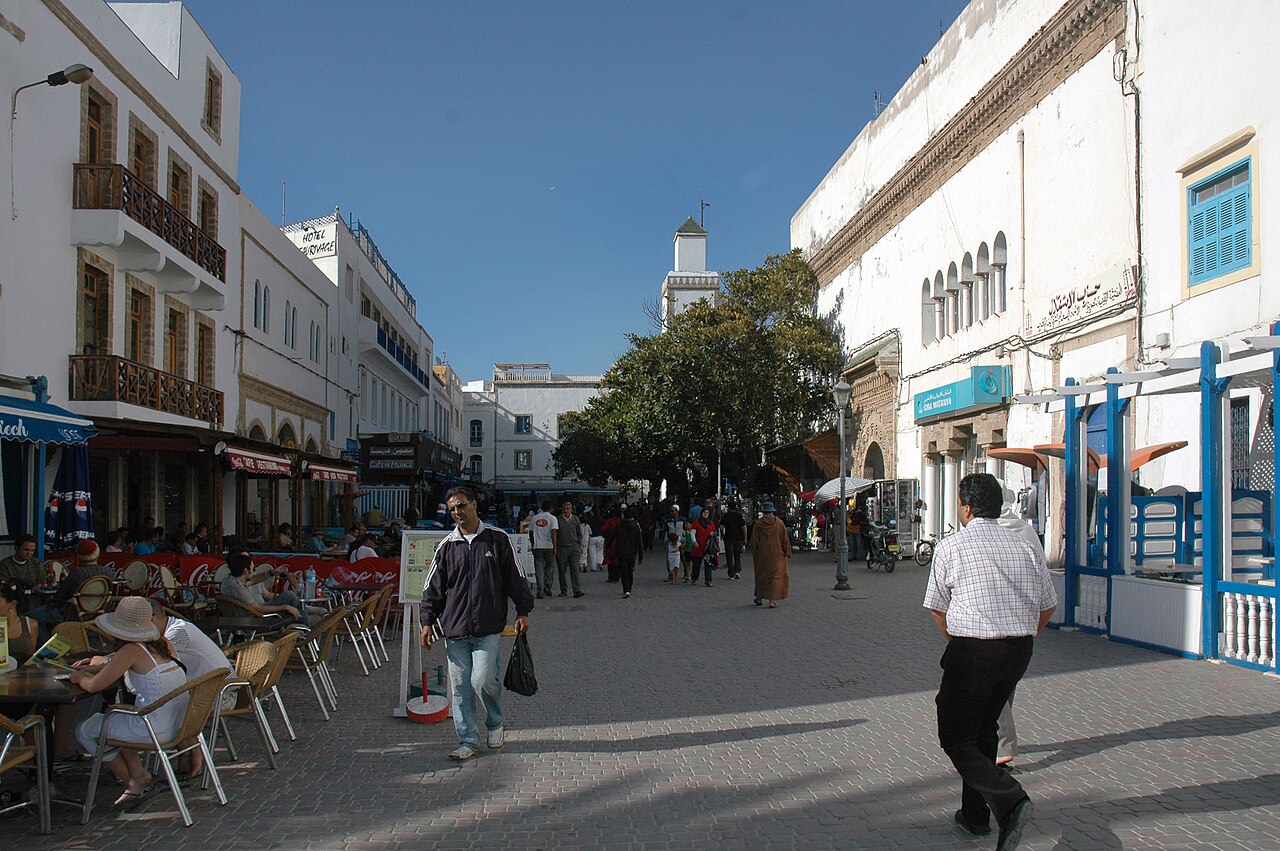
Between the port and the medina lies Place Moulay Hassan. Essentially, it is the main square and the social heart of town. Also, its cafes are perfect for a mint tea. Meanwhile, you can watch street performers and families pass by.
Essaouira Beach and the Wind
The long, curving beach stretches south from the medina. However, strong winds blow here for much of the year. As a result, swimming can feel chilly. However, the wind has made Essaouira one of Morocco’s best spots for kitesurfing and windsurfing. Consequently, schools along the beach offer lessons for beginners. Also, camel and horse rides run along the sand.
Argan Trees and the Mogador Islands
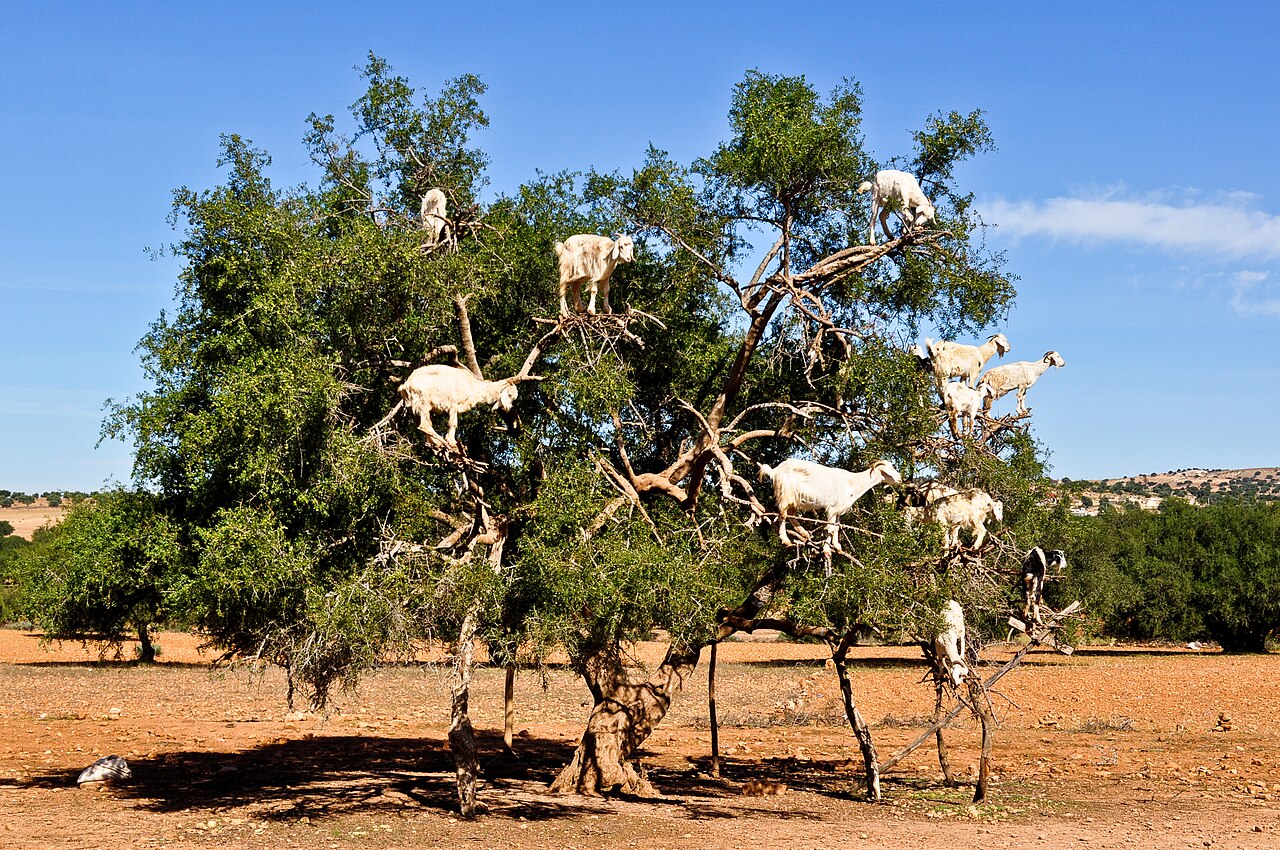
The countryside around Essaouira is argan country. For example, women’s cooperatives on the road to Marrakesh make argan oil for cooking and skin care. Also, you may spot goats perched in the branches, nibbling the fruit.
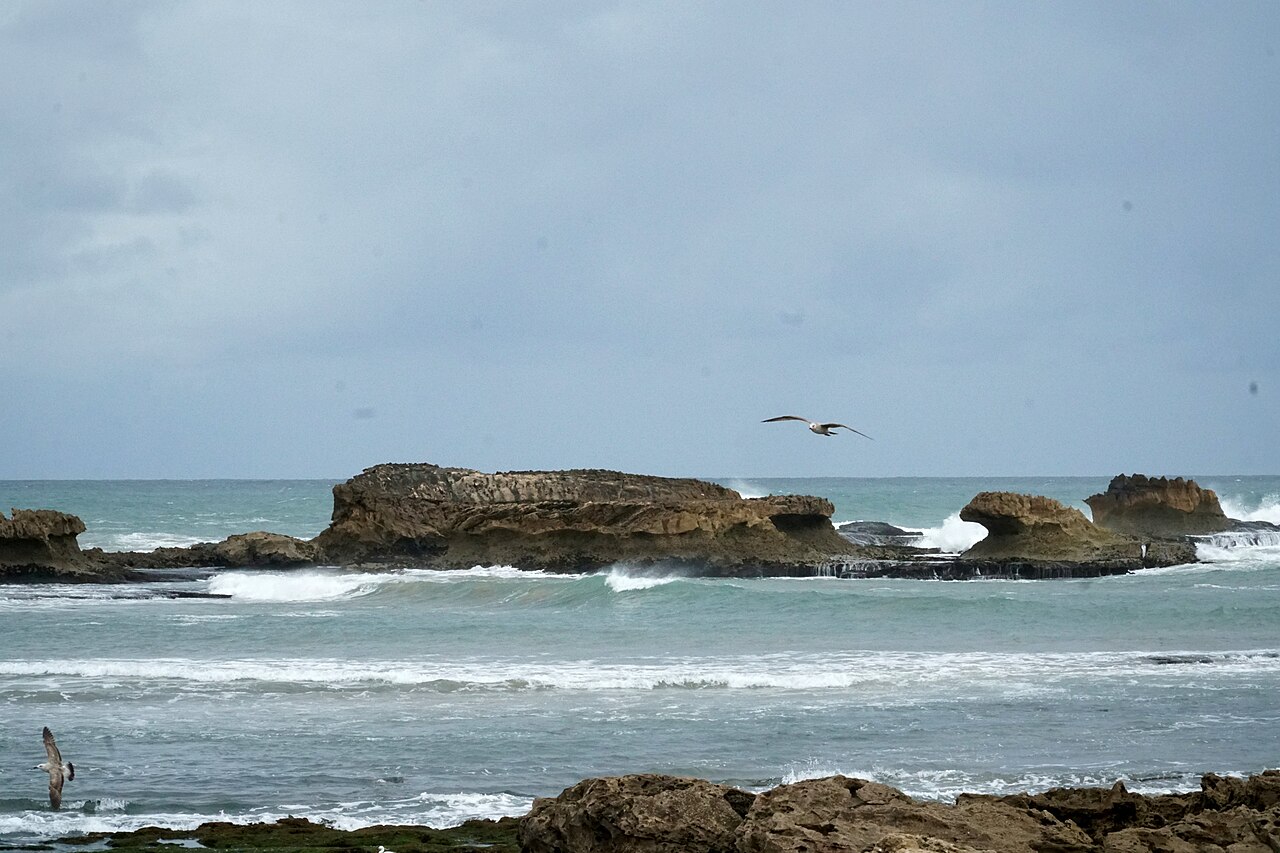
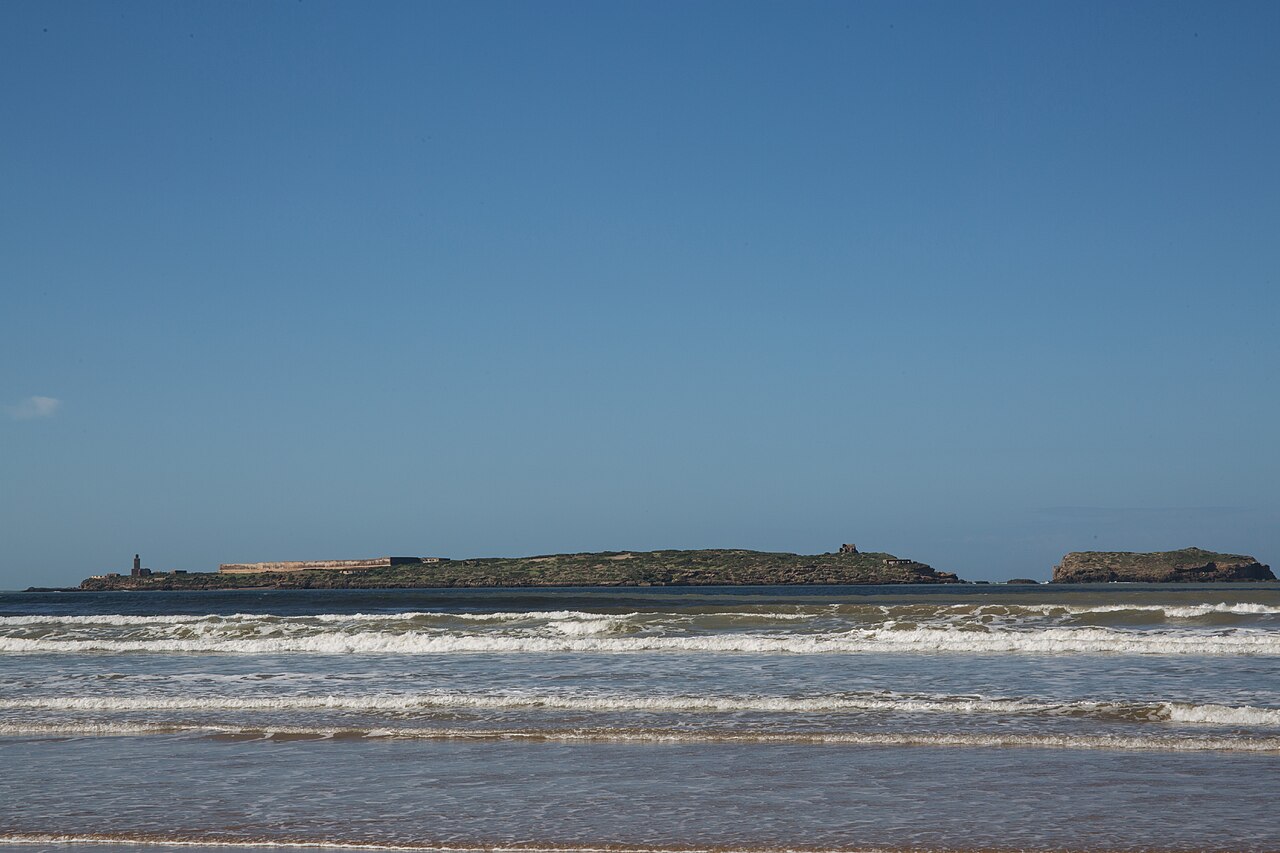
Off the coast lie the Mogador islands. Around 2,000 years ago, King Juba II of Mauretania ran a workshop here. Specifically, it made a precious purple dye from sea snails. In fact, this dye coloured the togas of Roman senators. Today, the islands are a protected bird reserve, so visits are restricted.
The Gnaoua World Music Festival
Every year, usually in late June, Essaouira hosts the Gnaoua World Music Festival. Notably, Gnaoua music has spiritual roots in sub-Saharan Africa. During the festival, Gnaoua musicians play alongside jazz, blues and world music artists. The event started in 1998. Since then, it has grown and now draws huge crowds. So, book your room well in advance.
One Historical Fact About Essaouira Morocco
In 1864, during the American Civil War, the Confederate raider CSS Georgia fired its guns near the town. Remarkably, this is believed to be the only time Confederate guns were fired outside North America.
How to Get to Essaouira Morocco
- Bus from Marrakesh: Supratours and CTM run several buses a day. The trip takes around three hours on a good road.
- Driving: The drive from Marrakesh takes about two and a half hours.
- Flying in: Essaouira-Mogador Airport is a short drive south of town. However, it has few international flights.
Best Time to Visit Essaouira Morocco
Thanks to the ocean breeze, Essaouira is mild all year. Generally, spring and autumn are the most pleasant, with sunny days and fewer crowds. Summer, meanwhile, is a popular escape from the heat inland. Still, it is also the windiest season. Winter stays mild, although most of the year’s rain falls between October and April.
Is Essaouira Morocco Worth Visiting?
Yes, absolutely. Overall, Essaouira combines a UNESCO-listed medina, a lively port and a long beach. Also, it has a relaxed mood that is hard to find elsewhere in Morocco. So, stay at least two nights to enjoy it.
Final Thoughts on Essaouira Morocco
First, walk the ramparts as the waves crash below. Next, eat grilled fish at the harbour. Then browse the woodcarving workshops. Finally, watch the sun sink into the Atlantic. Above all, Essaouira is a place to slow down. In fact, most visitors leave wishing they had stayed longer.
Image Credits
Wikimedia Commons
AlexandrDmitri: Ramparts Essaouira, CC BY-SA 3.0

DimiTalen: Fishing boats in the port of Essaouira, 2008, CC0

Goldfinchshuffle: Essaouira medina at night, Essaouira, Morocco, CC BY-SA 4.0

mwanasimba from La Réunion: Cannons of Essaouira (2844215753), CC BY-SA 2.0

Adam Harangozó: Essaouira beach 03, CC BY-SA 4.0

TomiValny: Mellah square Essaouira, CC BY-SA 4.0

mwanasimba from La Réunion: Bab Sba, door to the medina (2901086603), CC BY-SA 2.0

Erik Albers: Seagulls in the port of Essaouira, Morocco 01, CC BY 4.0

Goldfinchshuffle: Sunset, Essaouira, Morocco, CC BY-SA 4.0

Elena Tatiana Chis: Goats in an argan tree Morocco, CC BY-SA 4.0

DimiTalen: Place Moulay Hassan, Essaouira, 2008, CC0

Christian Pirkl: Mogador Iles purpuraires 0001, CC BY-SA 4.0
