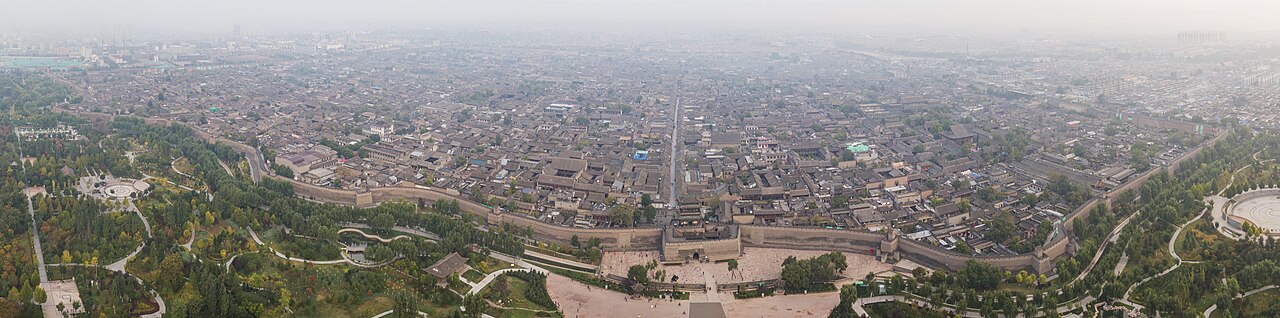
Pingyao Ancient City is one of the few places in China where an entire historic town still stands inside its original walls. For example, within them you will find grey-tiled courtyard houses, old merchant banks, temples and lantern-lit streets. In fact, walking here feels like stepping back several hundred years. Meanwhile, the town is small enough to explore on foot or by bicycle. So, if you want to see traditional China beyond the big cities, this guide will help you plan your visit.
Quick Facts About Pingyao Ancient City
| Country | China |
| Region | Shanxi Province, northern China |
| Known For | Intact Ming dynasty walls, historic banks, courtyard houses and painted temple sculptures |
| UNESCO Status | Ancient City of Ping Yao, UNESCO World Heritage Site since 1997 |
| Founded | An ancient settlement, with its walls rebuilt in 1370 under the Ming dynasty |
| Best Time to Visit | April to May and September to October |
| Getting There | High-speed train to Pingyao Gucheng station, then a short taxi ride |
Where Is Pingyao Ancient City?
Pingyao lies in Shanxi Province in northern China, about 100 kilometers south of the provincial capital, Taiyuan. Today, a modern city has grown up around the old town. However, once you pass through the gates, cars give way to pedestrians, bicycles and electric carts. As a result, the walled center feels calm and very different from the rest of the city.
Why Visit Pingyao Ancient City?
First, Pingyao Ancient City is remarkably complete. Indeed, its walls, street grid, shops and homes still follow the layout of the Ming and Qing dynasties. For this reason, UNESCO listed it as a World Heritage Site in 1997.
Second, the town tells a unique story. In the 1800s, Pingyao became the financial center of China, thanks to a new type of bank. Finally, it is a great place to stay in a traditional courtyard hotel, with carved wooden beds and lanterns in the yard. If you enjoyed our guide to Gyeongju in South Korea, you will love this other historic town in East Asia.
Things to Do in Pingyao Ancient City
Walk the City Walls
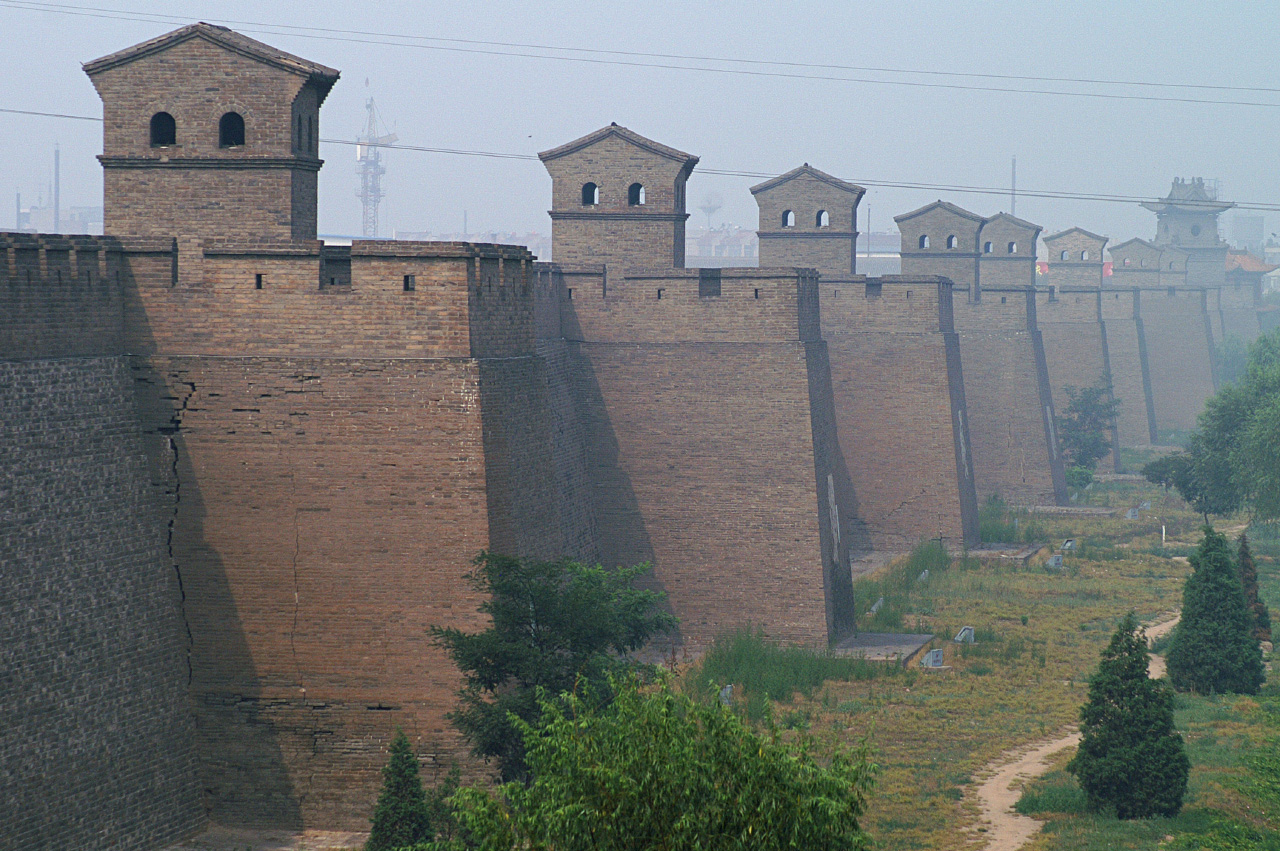
The walls are the highlight of any visit. Originally, they were rebuilt in 1370 and run for about six kilometers around the old town. In addition, they are about 12 meters high and dotted with 72 watchtowers. According to tradition, the 72 towers and the 3,000 crenellations honor the disciples of Confucius. Walking the top of the walls takes about two hours, and the views over the rooftops are wonderful.
Stroll Along South Street
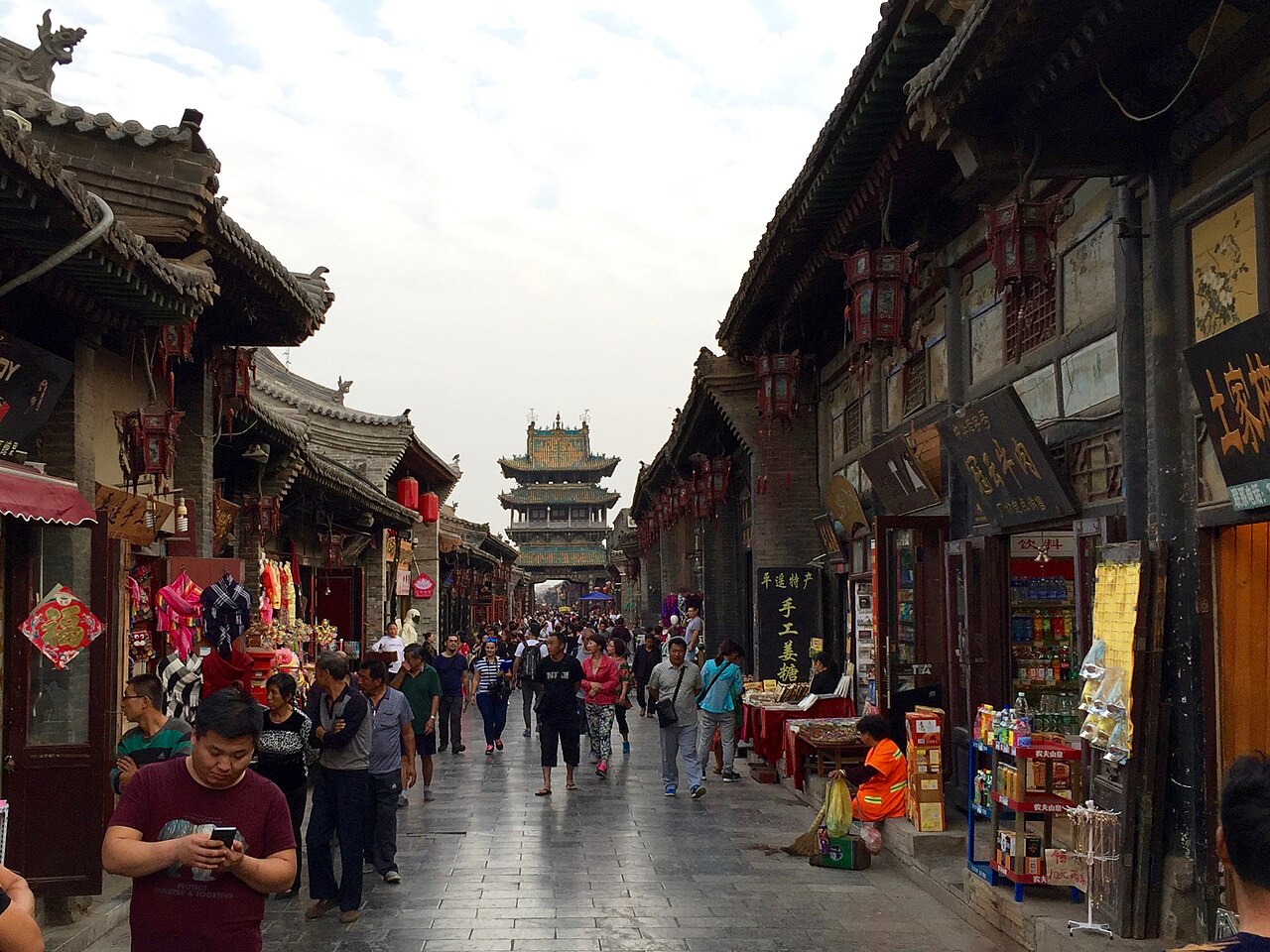
South Street is the main street of the old town. Here, traditional shopfronts sell vinegar, Pingyao beef, lacquerware and souvenirs. Then, in the evening, red lanterns light up the facades. Above all, do not miss the Market Building, a tall tower that straddles the street and offers views over the town.
Visit Rishengchang, China’s First Draft Bank
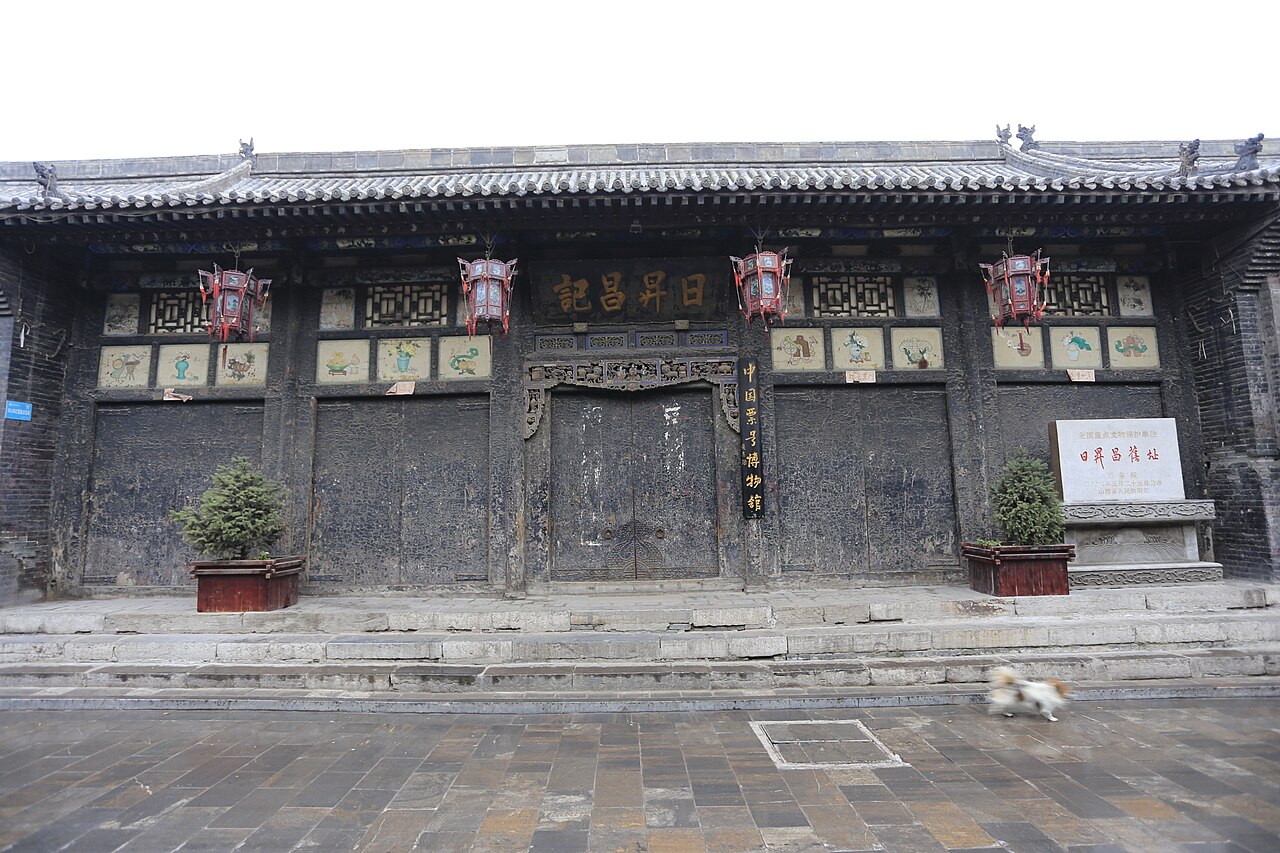
Rishengchang opened in 1823 and is often called the first draft bank in China. In other words, it let merchants deposit money in one city and withdraw it in another, which made long-distance trade much safer. Today, the building is a museum, with offices, vaults and living quarters arranged around courtyards. Similarly, several other old banks and escort agencies nearby are open to visitors.
See the Ancient Government Office
The County Government Office, or Yamen, was the seat of local power. Inside, it includes courtrooms, offices, a prison and residences. Moreover, actors sometimes perform historical court scenes here, which brings the place to life.
Try the Local Food
Pingyao beef is the town’s most famous dish. Traditionally, it is salted and slow-cooked, and it is usually served cold in thin slices. In addition, try Shanxi noodles, which come in many shapes, and a splash of local aged vinegar.
Day Trips From Pingyao Ancient City
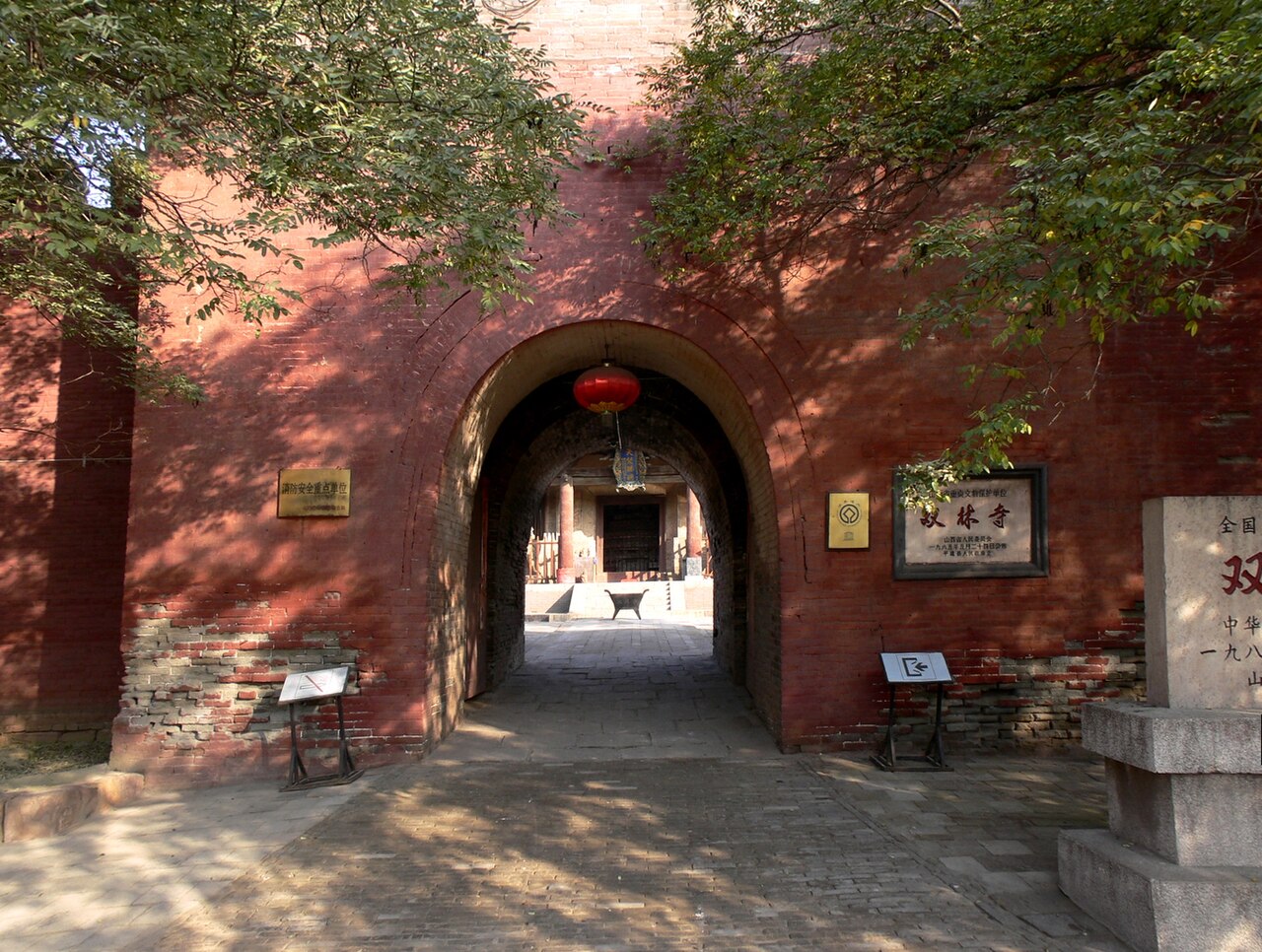
Shuanglin Temple
Shuanglin Temple lies about six kilometers southwest of town. It is famous for more than 2,000 painted clay sculptures, some dating back hundreds of years. Therefore, it is a must for anyone interested in Chinese art.
Zhenguo Temple and Wang Family Compound
Zhenguo Temple, a short ride northeast of town, contains one of the oldest wooden halls in China. Further away, the Wang Family Compound is a huge network of courtyards built by a wealthy merchant family. Together, they make an excellent full-day trip.
One Historical Fact About Pingyao Ancient City
The town’s layout is said to resemble a turtle, a symbol of long life in Chinese culture. Specifically, the south gate is the head, the north gate is the tail, and the other gates are the legs. Locals believed this shape would protect the town forever.
How to Get to Pingyao Ancient City
High-speed trains stop at Pingyao Gucheng station, a short taxi ride from the walls. For instance, from Taiyuan the journey takes under an hour. Meanwhile, direct trains also link Pingyao with Beijing and Xi’an. Most of the main sights inside the walls are covered by a single combined ticket, which is valid for several days.
Best Time to Visit Pingyao Ancient City
The best time to visit is in spring, from April to May, or in autumn, from September to October. During these months, the weather is mild and pleasant. On the other hand, summers are hot, and winters are cold and dry. Also, avoid Chinese national holidays, especially early October, when the town gets very crowded.
Is Pingyao Ancient City Worth Visiting?
Yes, absolutely. Pingyao Ancient City is one of the most authentic historic towns in China. Ideally, stay at least two nights in a courtyard hotel to enjoy the quiet mornings and lantern-lit evenings. For another historic walled town, see our guide to Rothenburg ob der Tauber in Germany.
Final Thoughts on Pingyao Ancient City
In short, Pingyao is a living history lesson. Walk the walls at sunset, visit the old banks and taste Pingyao beef on South Street. By the time you leave, you will understand why this small town is one of the treasures of China.
Image Credits
Wikimedia Commons
- Chensiyuan: 1 pingyao ancient city aerial pano 2019, CC BY-SA 4.0
- Peellden: PingYaoCityWall, Public domain
- Bairuilong: Pingyao South Street, CC BY-SA 4.0
- Zhangzhugang: Pingyao Rishengchang Jiuzhi 2013.08.25 06-53-01, CC BY-SA 3.0
- Gisling: Shuanglin Temple, CC BY 3.0


