
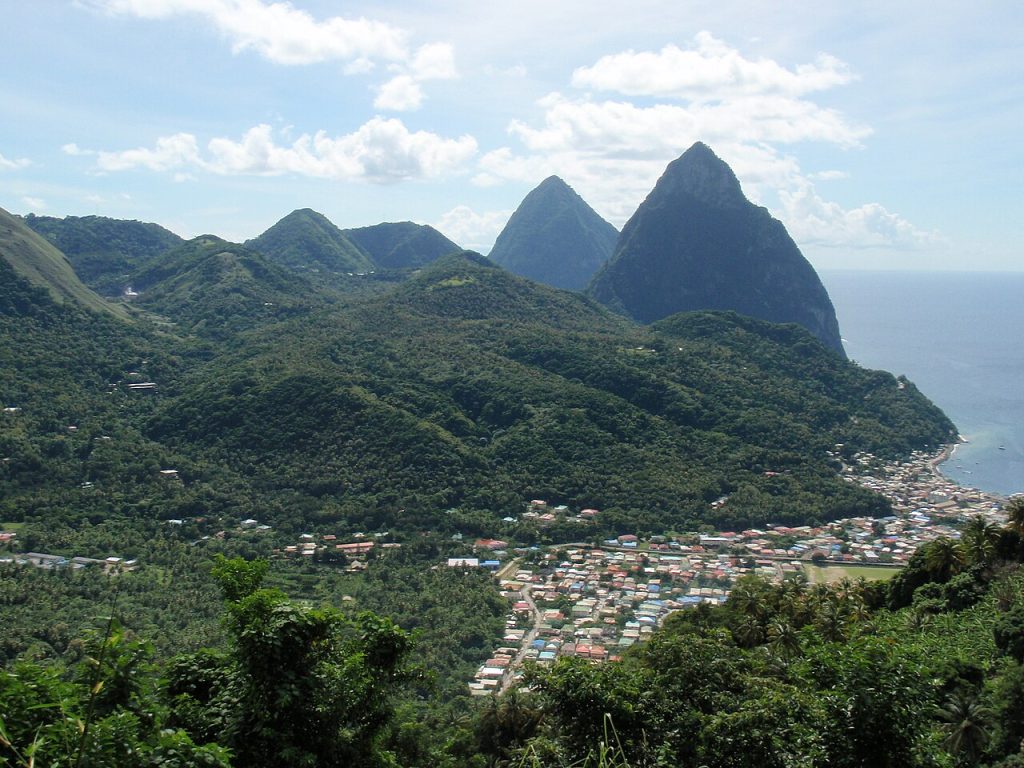
On the west coast of Saint Lucia, two steep green peaks rise straight out of the Caribbean Sea. At their feet lies a small town of colourful wooden houses, a stone church and a busy waterfront. This is Soufrière, the island’s oldest town and the gateway to the famous Pitons. In this guide, you will discover what to see in Soufrière, Saint Lucia, how to get there and when to visit.
Quick Facts About Soufrière, Saint Lucia
| Country | Saint Lucia |
| Region | Soufrière Quarter, west coast |
| Known For | The Pitons, Sulphur Springs, Diamond Falls and coral reefs |
| UNESCO Status | The nearby Pitons Management Area is a World Heritage Site (since 2004) |
| Founded | Settled by the French in the 18th century |
| Best Time to Visit | December to April (dry season) |
| Time Needed | Two to three days |
| Continent | North America (Caribbean) |
Where Is Soufrière, Saint Lucia?
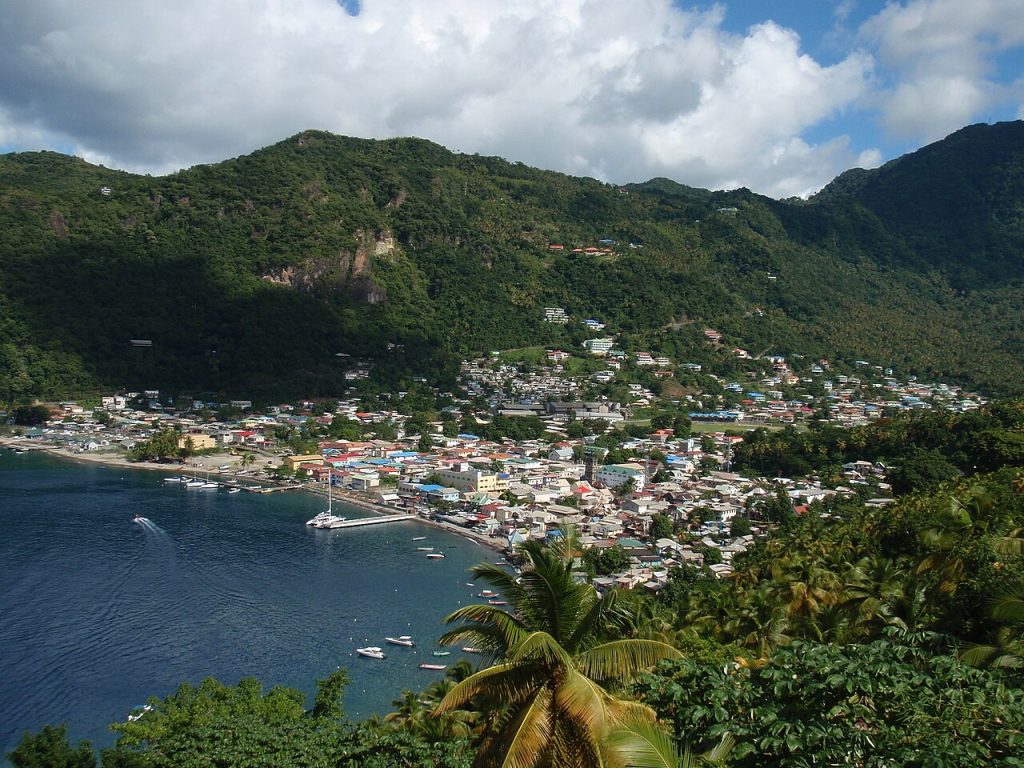
Soufrière is a town on the west coast of Saint Lucia, in the eastern Caribbean. It sits on a sheltered bay, with the Pitons just to the south. The town and its surrounding district have a population of around 8,000.
Why Visit Soufrière, Saint Lucia?
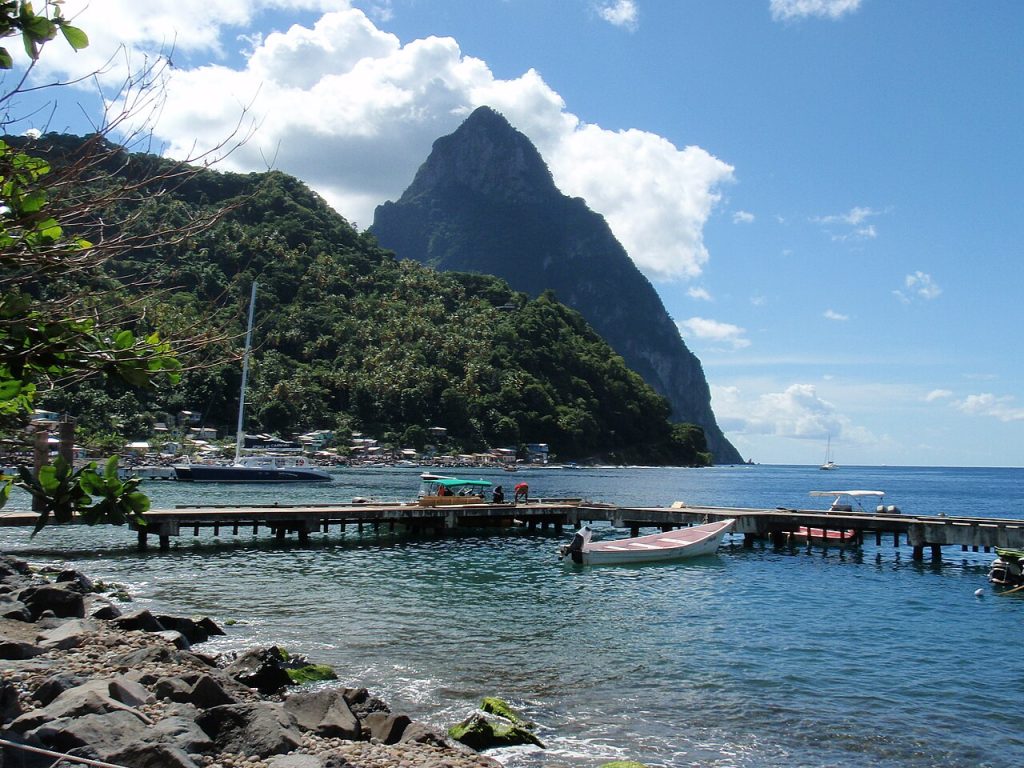
First of all, Soufrière has one of the most spectacular settings in the Caribbean. The twin Pitons, Gros Piton and Petit Piton, are volcanic plugs that tower over the coast. Together with the surrounding area, they form a UNESCO World Heritage Site.
In addition, Soufrière offers far more than beaches. Volcanic springs, waterfalls, botanical gardens and coral reefs are all close by. As a result, it is the most rewarding base for exploring the island’s natural wonders.
Soufrière Town
Although small, Soufrière has plenty of character.
A French Colonial Past
Soufrière was colonised by the French and was the original capital of Saint Lucia. Today, its streets still show traces of that past in their names and architecture.
The Town Square and Church
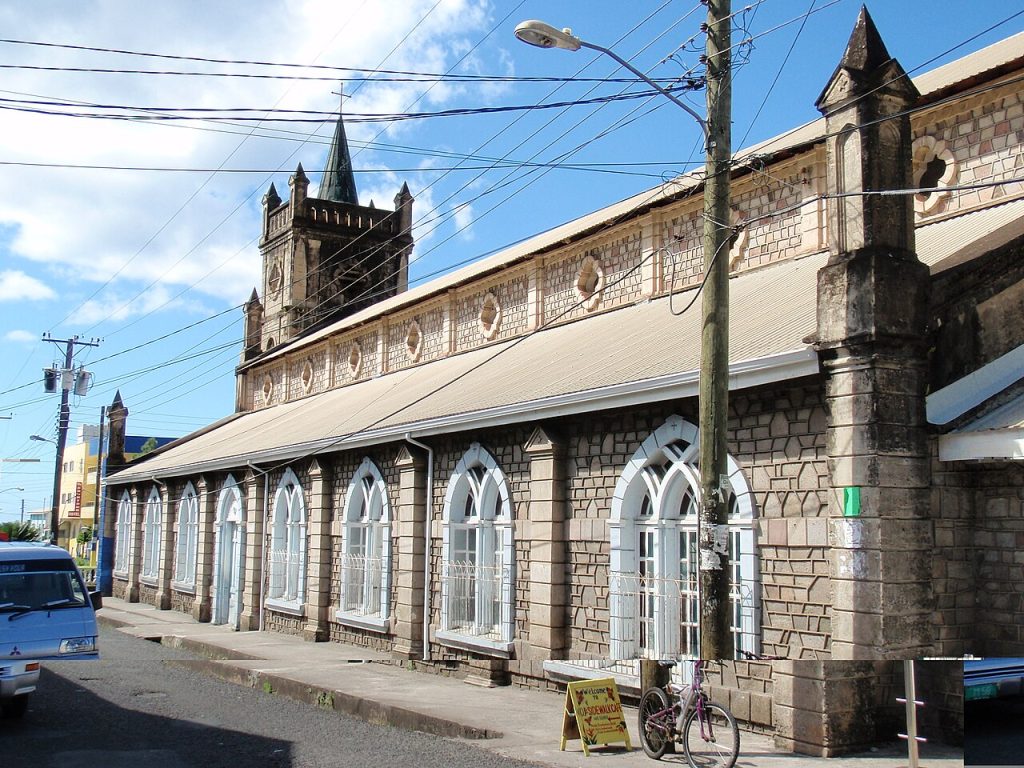
The heart of town is its square, overlooked by a large stone church. Around it, life moves at a relaxed Caribbean pace.
Colourful Buildings
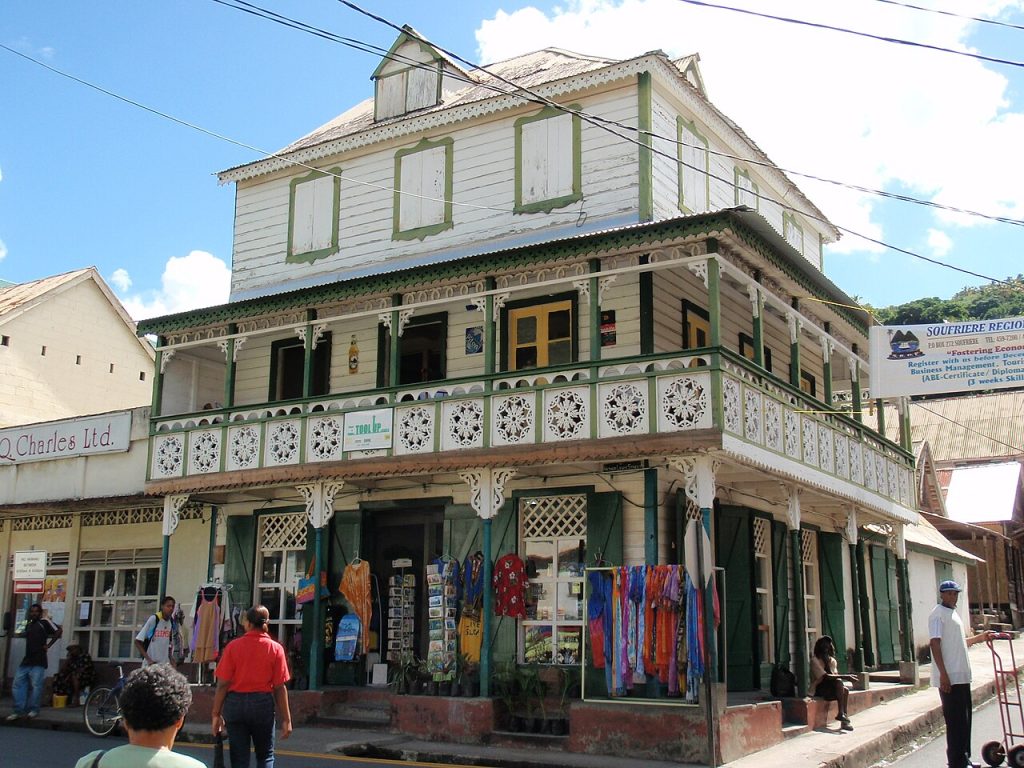
Many older buildings have wooden balconies and decorative trim. Painted in bright colours, they make a stroll through town a pleasure.
Sulphur Springs and Volcanic Wonders
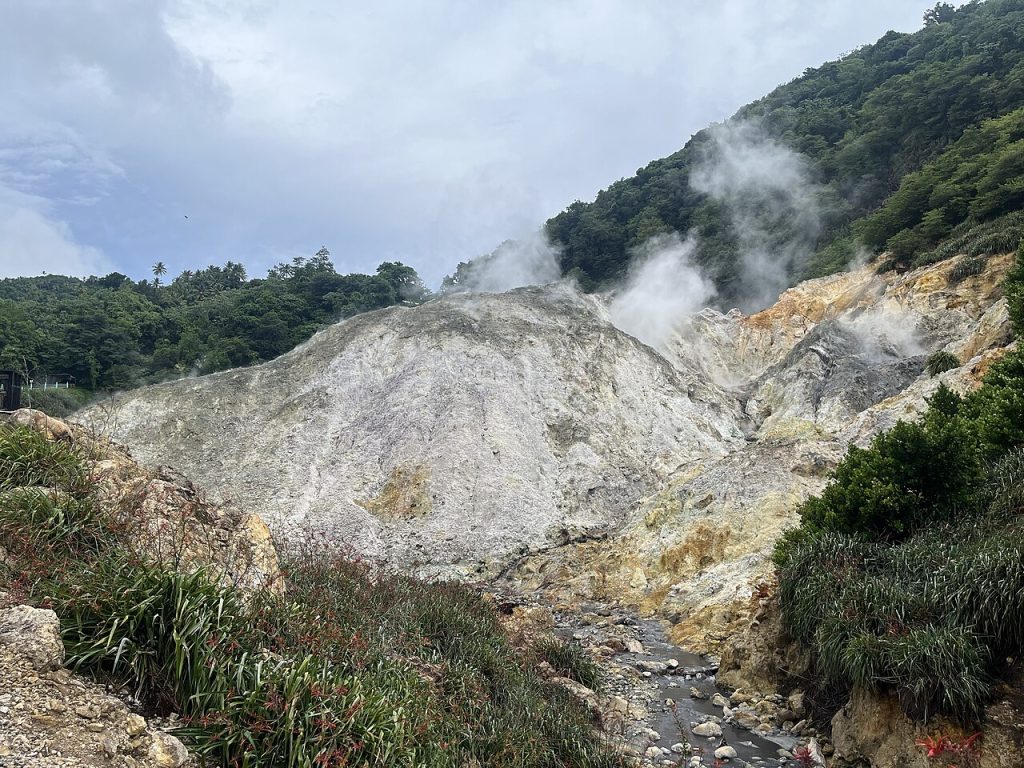
Soufrière lies within the caldera of the dormant Qualibou volcano, and the area is still geothermally active.
At the Sulphur Springs, often called the drive-in volcano, steam rises from bubbling pools and the air smells of sulphur. Nearby, visitors can soak in warm mud baths, which are said to be good for the skin. Therefore, bring old swimwear you do not mind staining.
Nature Around Soufrière
The landscapes around Soufrière are lush, dramatic and full of things to do.
Diamond Falls and Gardens
The Botanical Gardens
The Soufrière Estate, also known as the Diamond Estate, is home to tropical gardens full of flowers and birds.
Mineral Baths and Diamond Falls
In the gardens, mineral baths and the colourful Diamond Falls are favourite stops.
The Pitons and the Sea
Hiking Gros Piton
Gros Piton can be climbed with a local guide. The trail is steep, but the summit views are unforgettable.
Snorkelling and Diving
The waters around Soufrière are protected, and reefs near Anse Chastanet are popular with snorkellers and divers.
One Historical Fact About Soufrière, Saint Lucia
Soufrière was the original capital of Saint Lucia under French rule. Later, the capital moved to Castries. Even so, when Queen Elizabeth II visited the island in 1966, she landed at Soufrière rather than Castries.
How to Get to Soufrière, Saint Lucia
By air: Most international flights arrive at Hewanorra International Airport in the south of the island. From there, the drive to Soufrière takes about an hour.
By road: From Castries, a winding coastal road leads south to Soufrière.
By boat: Water taxis and boat tours also connect Soufrière with other parts of the west coast.
Best Time to Visit Soufrière, Saint Lucia
The best time to visit Soufrière is during the dry season, from December to April. In contrast, the rainy season brings more showers and a higher risk of tropical storms, especially from August to October. However, prices are often lower outside the peak season.
Is Soufrière, Saint Lucia Worth Visiting?
Yes, Soufrière is worth visiting. The Pitons alone make it one of the most memorable places in the Caribbean. Furthermore, its volcanic springs, waterfalls and reefs offer something for every traveller.
Final Thoughts
Soufrière is where Saint Lucia shows its most dramatic side. With the Pitons on the skyline, warm springs in the hills and reefs offshore, it offers adventure and relaxation in equal measure. Whether you hike, swim or simply admire the view, Soufrière, Saint Lucia will stay in your memory.
Image Credits
Wikimedia Commons
- North Soufrière Viewpoint: Photo by XeresNelro via Wikimedia Commons (CC BY-SA 4.0)
- Soufrière Viewpoint: Photo by XeresNelro via Wikimedia Commons (CC BY-SA 4.0)
- Church in Soufrière: Photo by XeresNelro via Wikimedia Commons (CC BY-SA 4.0)
- Building Near Central Park, Soufrière: Photo by XeresNelro via Wikimedia Commons (CC BY-SA 4.0)
- Soufrière Drive-In Volcano: Photo by DavidMPyle via Wikimedia Commons (CC BY 4.0)
- View From Soufrière: Photo by XeresNelro via Wikimedia Commons (CC BY-SA 4.0)