St. Augustine Florida is the oldest continuously inhabited European-founded city in the United States. In fact, Spanish settlers arrived here in 1565, more than 40 years before Jamestown. For example, narrow lanes, coquina stone walls and balconied houses give the old town a distinctly Spanish feel. Meanwhile, grand Gilded Age hotels, a 17th-century fort and long Atlantic beaches add even more variety. Also, the town is easy to explore on foot. So, here is everything you need to plan your trip.
Quick Facts About St. Augustine Florida
| Country | United States |
| Region | Northeast Florida, on the Atlantic coast |
| Known For | Spanish colonial history, Castillo de San Marcos, Gilded Age hotels and nearby beaches |
| UNESCO Status | Not listed |
| Founded | September 8, 1565, by Spanish admiral Pedro Menéndez de Avilés |
| Best Time to Visit | March to May and October to November |
| Getting There | About one hour from Jacksonville or two hours from Orlando by car |
Where Is St. Augustine Florida?
St. Augustine lies on the northeast coast of Florida, along the Matanzas River and the Atlantic Ocean. Specifically, it is about 65 kilometers south of Jacksonville and roughly 170 kilometers northeast of Orlando. In addition, Anastasia Island sits just across the river, with beaches, a state park and the famous lighthouse. As a result, you can mix history and beach time in one trip.
Why Visit St. Augustine Florida?
First, the history is unique in the United States. Spain founded the city in 1565, and it changed hands between Spain and Britain before becoming American in 1821. Consequently, the town has layers of Spanish, British and American heritage.
Second, St. Augustine Florida is compact, walkable and full of character. For example, you can walk from the fort to the main plaza and the historic hotels in just a few minutes. Finally, the restaurants, galleries and beaches make it a great weekend escape. If you loved our guide to Old San Juan in Puerto Rico, you will enjoy this other Spanish colonial town with a seaside fort.
Things to Do in St. Augustine Florida
Explore Castillo de San Marcos
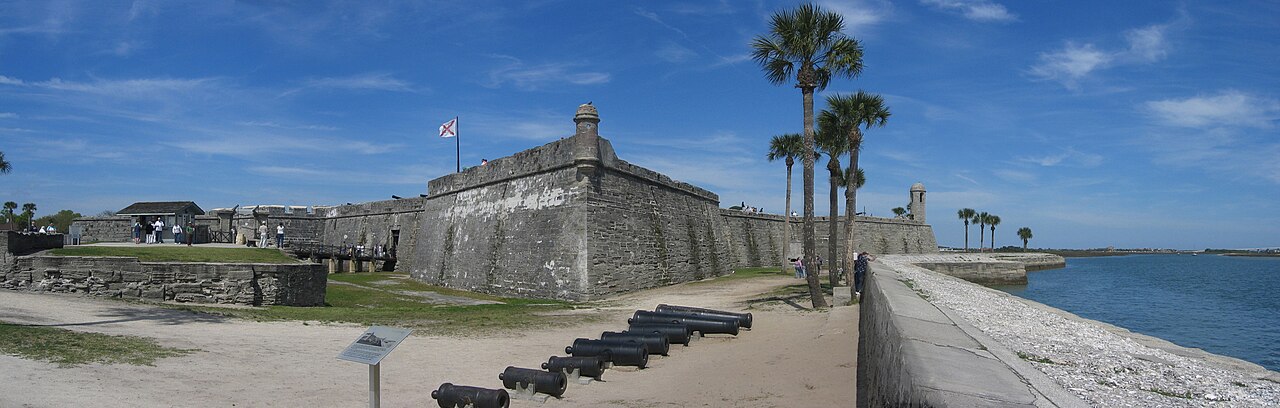
Castillo de San Marcos is the oldest masonry fort in the continental United States. The Spanish built it between 1672 and 1695 from coquina, a soft stone made of crushed shells. In fact, cannonballs tended to sink into the walls instead of shattering them. Today, the National Park Service runs the fort, and rangers often hold cannon-firing demonstrations.
Stroll Down St. George Street
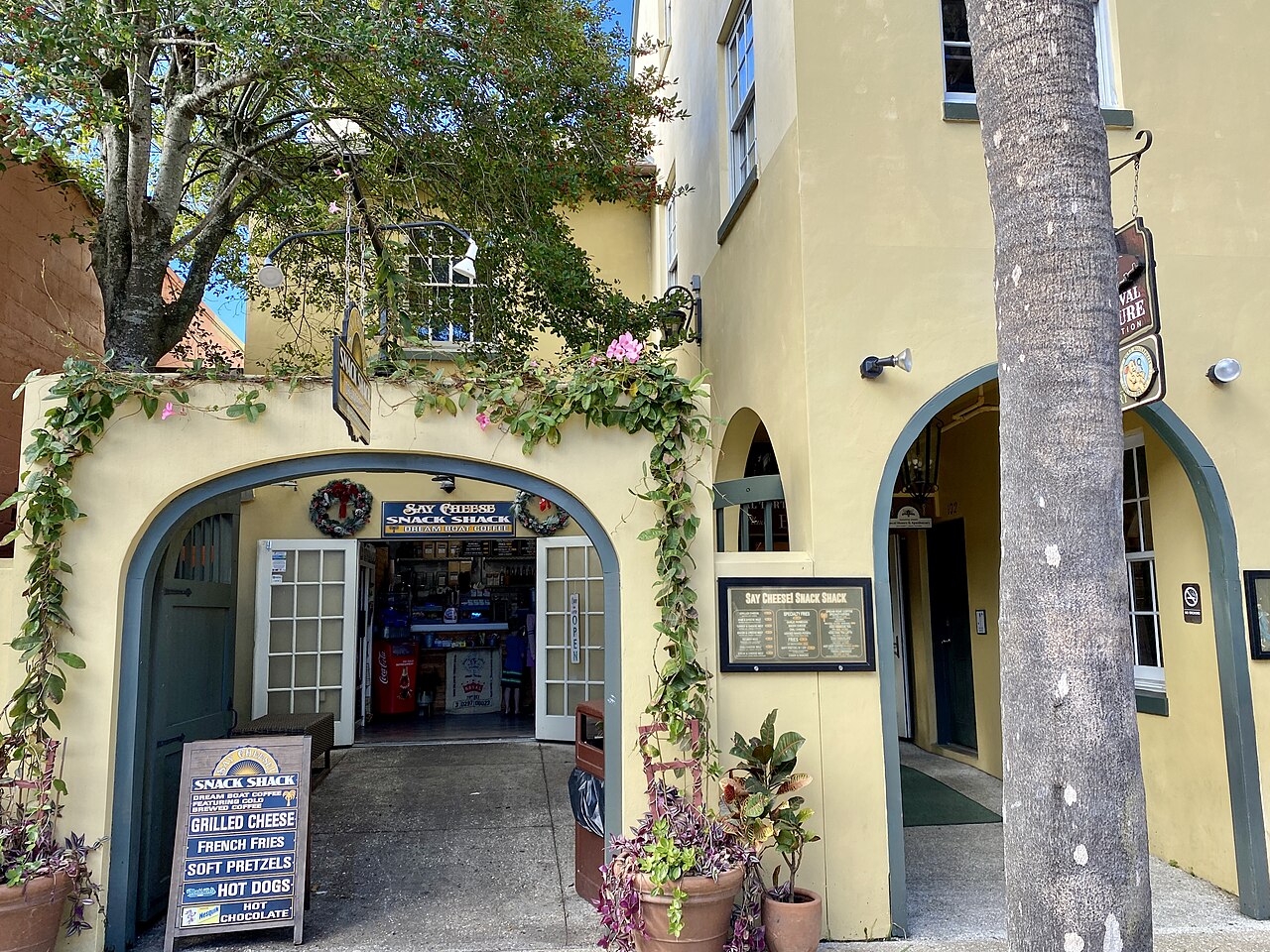
St. George Street is the main pedestrian street of the old town. In particular, it is lined with historic houses, shops, cafés and small museums. In addition, the Colonial Quarter recreates daily life in Spanish St. Augustine, with blacksmiths and soldiers in period costume. Also, look for the Oldest Wooden Schoolhouse, a charming little building from the 1700s.
Tour Flagler College
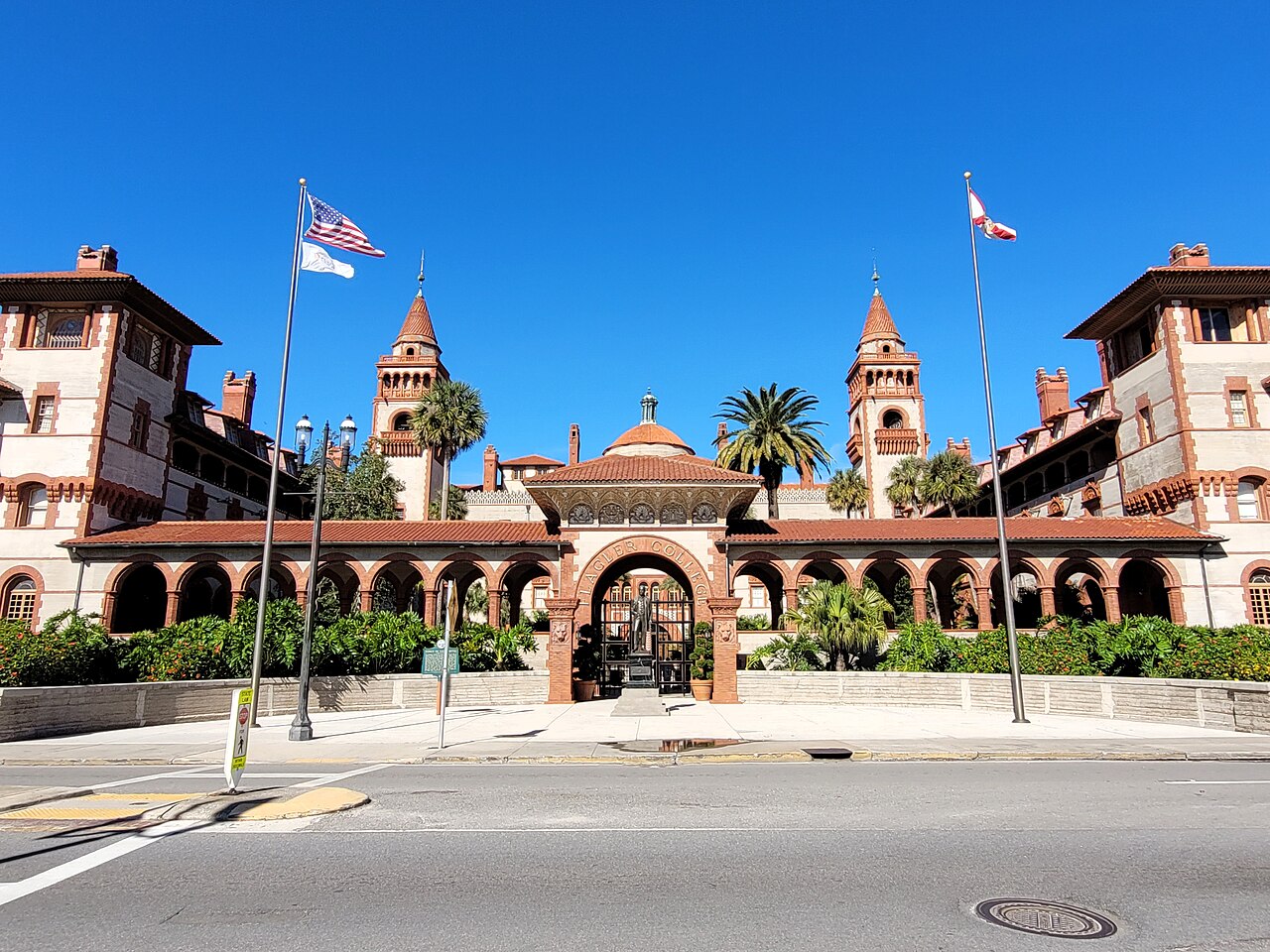
In the 1880s, the oil tycoon Henry Flagler built the luxurious Ponce de Leon Hotel here. Since then, the building has become home to Flagler College. In addition, guided tours show off its Spanish Renaissance towers, golden dining hall and Tiffany stained-glass windows. Therefore, it is one of the most beautiful buildings in Florida.
Visit the Lightner Museum and Plaza de la Constitución
Across the street, the former Hotel Alcazar now houses the Lightner Museum, with Gilded Age art and antiques. Nearby, the Plaza de la Constitución has been the town’s central square since Spanish times. Furthermore, the Cathedral Basilica on the plaza serves one of the oldest Catholic parishes in the country.
Climb the St. Augustine Lighthouse
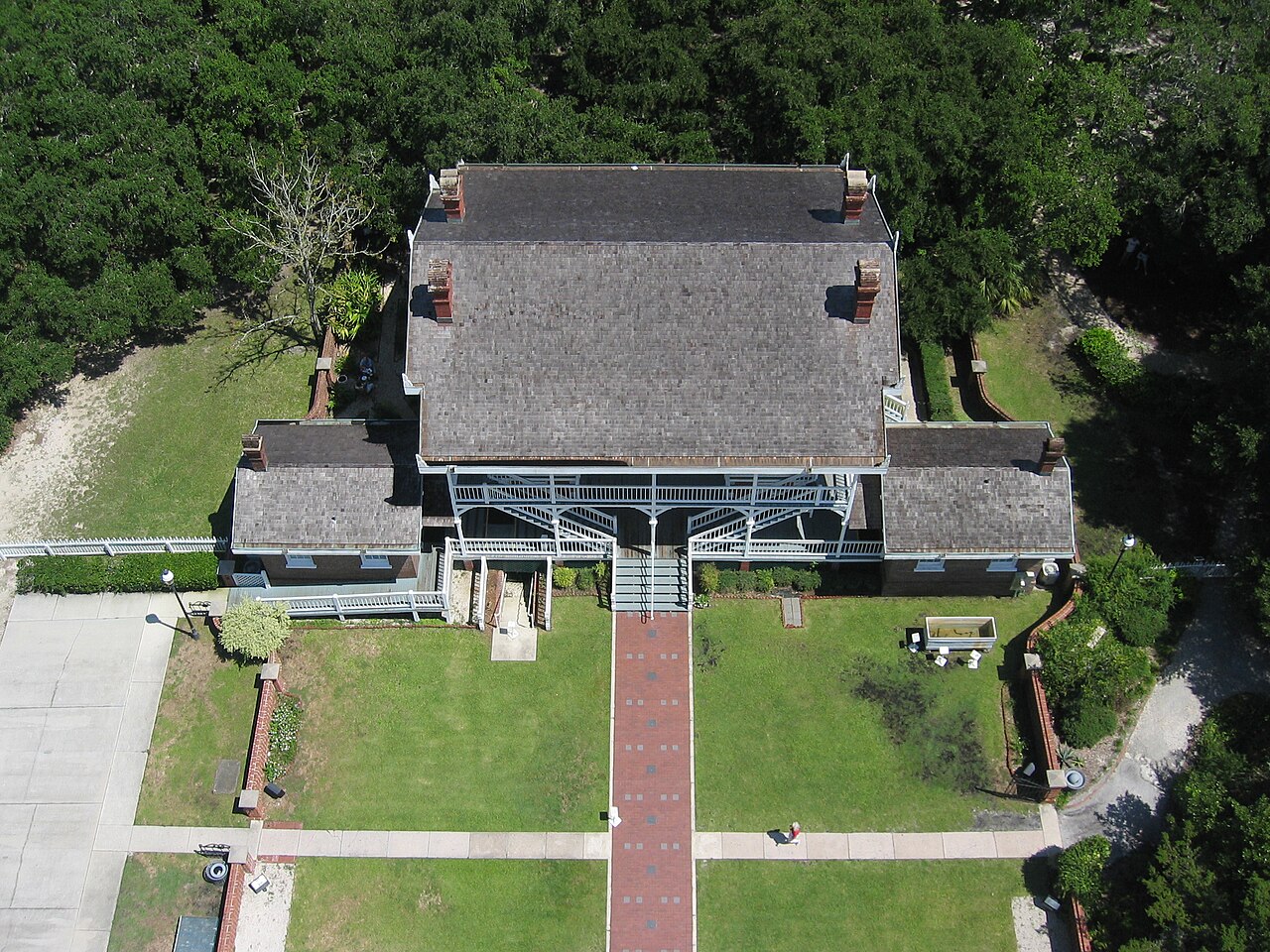
On Anastasia Island, the black-and-white striped lighthouse dates from 1874. Then, you can climb its 219 steps for sweeping views of the coast and the old town. In addition, the museum covers shipwrecks and maritime archaeology.
Cross the Bridge of Lions
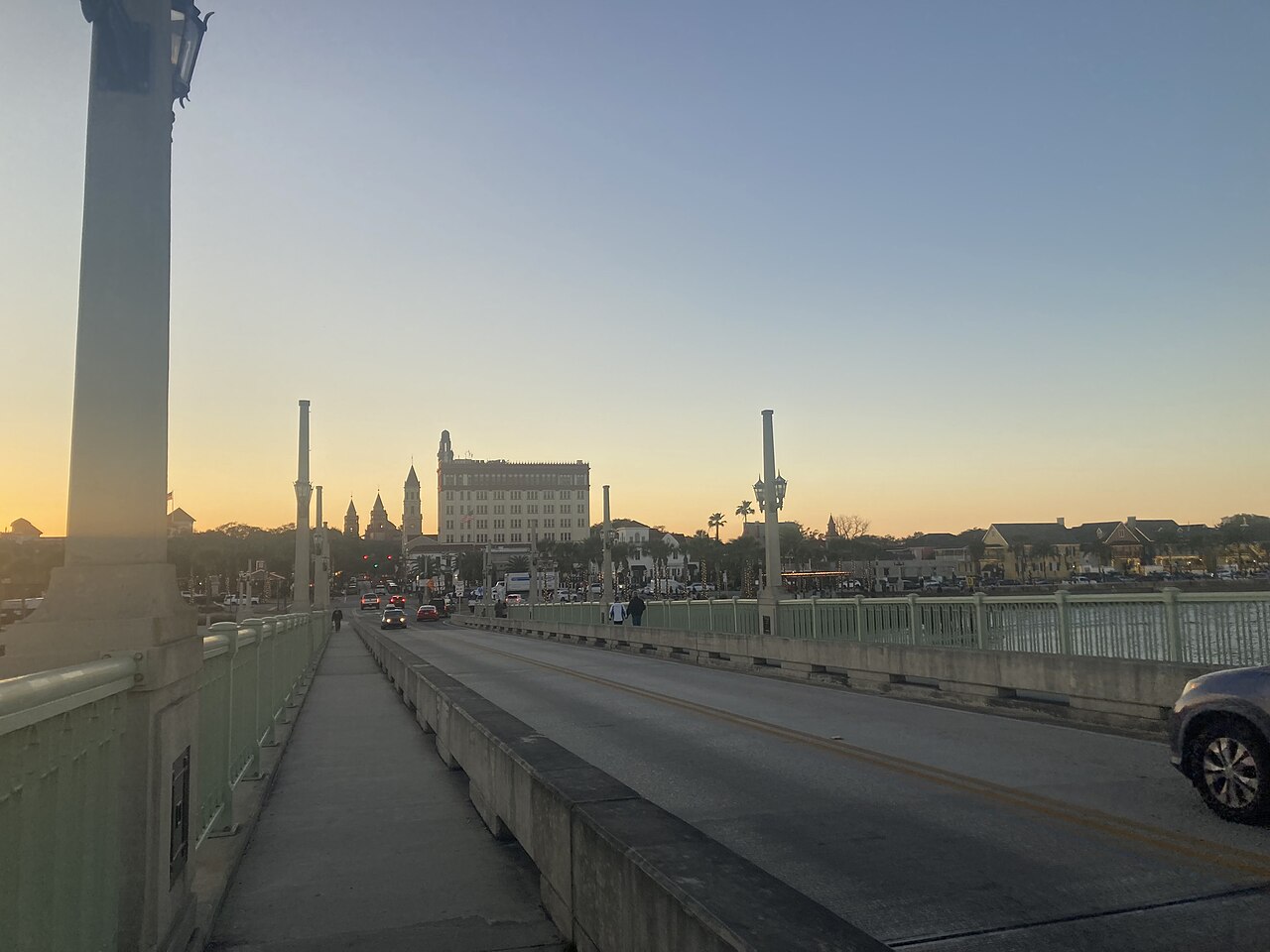
The Bridge of Lions links the old town with Anastasia Island. In fact, its marble lions have guarded the entrance since the 1920s. Moreover, the bridge is a great spot for sunset views over the river.
Day Trips From St. Augustine Florida
Anastasia State Park and Fort Matanzas
Anastasia State Park offers wide beaches, dunes and nature trails. Further south, Fort Matanzas is a small Spanish watchtower fort that you can reach by a free ferry. Together, they make a relaxing half-day trip.
Fort Mose Historic State Park
Just north of town, Fort Mose was the site of the first legally sanctioned free Black settlement in what is now the United States. It was founded in 1738 under Spanish rule. Therefore, it is an important stop for understanding the region’s history.
One Historical Fact About St. Augustine Florida
St. Augustine was founded on September 8, 1565, by the Spanish admiral Pedro Menéndez de Avilés. As a result, it predates the English settlements at Jamestown and Plymouth by several decades.
How to Get to St. Augustine Florida
The nearest major airport is Jacksonville International, about an hour’s drive away. Alternatively, Orlando’s airports are about two hours away by car. In addition, a car is useful for visiting the beaches, although the old town is best explored on foot or by trolley.
Best Time to Visit St. Augustine Florida
The best time to visit is in spring, from March to May, or in autumn, from October to November. During these months, the weather is warm but not too humid. On the other hand, summers are hot, and hurricane season runs from June to November. Also, from November to January, the Nights of Lights festival covers the old town in millions of white lights.
Is St. Augustine Florida Worth Visiting?
Yes, absolutely. St. Augustine Florida offers history, architecture, food and beaches in one charming package. Ideally, spend at least two nights to enjoy the town and the coast. For another historic coastal town in North America, read our guide to Lunenburg in Canada.
Final Thoughts on St. Augustine Florida
In short, St. Augustine is a slice of Spanish history on the Florida coast. Walk the walls of the Castillo, stroll St. George Street and watch the sunset from the Bridge of Lions. By the end of your visit, you will see why America’s oldest city feels so full of life.
Image Credits
Wikimedia Commons
- “Jon Zander (Digon3)”: Castillo de San Marcos Fort Panorama 1, CC BY-SA 3.0
- w_lemay: St. George Street, Colonial Quarter, St. Augustine, FL – 50800900938, CC BY-SA 2.0
- Farragutful: Ponce de León Hotel – Flagler College, CC BY-SA 4.0
- “Jon Zander (Digon3)”: St. Augustine Lighthouse 3, CC BY-SA 3.0
- A345321: The Bridge of Lions in St. Augustine, FL, CC0


