Ollantaytambo Peru is one of the few towns where people still live within an original Inca street grid. Stone channels carry water along its narrow lanes, just as they did more than 500 years ago. Above the town, enormous stone terraces climb a steep hillside to a ruined temple. Meanwhile, snowy peaks rise all around the Sacred Valley. In fact, many travelers pass through only to catch the train to Machu Picchu, but it deserves much more time. So, here is how to plan your visit.
Quick Facts About Ollantaytambo Peru
| Country | Peru |
| Region | Urubamba Province, Cusco Region, in the Sacred Valley |
| Known For | Inca terraces, a still-inhabited Inca street grid and train connections to Machu Picchu |
| UNESCO Status | Not listed separately |
| History | A royal estate of the Inca emperor Pachacuti in the 1400s |
| Altitude | About 2,800 meters above sea level |
| Best Time to Visit | May to September, the dry season |
| Getting There | About 90 minutes by road from Cusco |
Where Is Ollantaytambo Peru?
Ollantaytambo lies at the western end of the Sacred Valley, in the Andes of southern Peru. Specifically, it is about 70 kilometers northwest of Cusco. In addition, it is the main station for trains to Machu Picchu. As a result, it makes an ideal base for exploring the valley before or after visiting the famous citadel.
Why Visit Ollantaytambo Peru?
First, the Inca heritage here is extraordinary. The town was a royal estate of the emperor Pachacuti, and its ruins are among the most impressive in Peru. Second, the town itself is unique, since families still live in houses built on Inca foundations.
Moreover, Ollantaytambo Peru sits at a lower altitude than Cusco, which helps many visitors adjust. Finally, the surrounding valley is full of hikes, ruins and markets. If you loved our guide to Cuenca in Ecuador, you will enjoy exploring another Andean gem.
Things to Do in Ollantaytambo Peru
Climb the Temple Hill
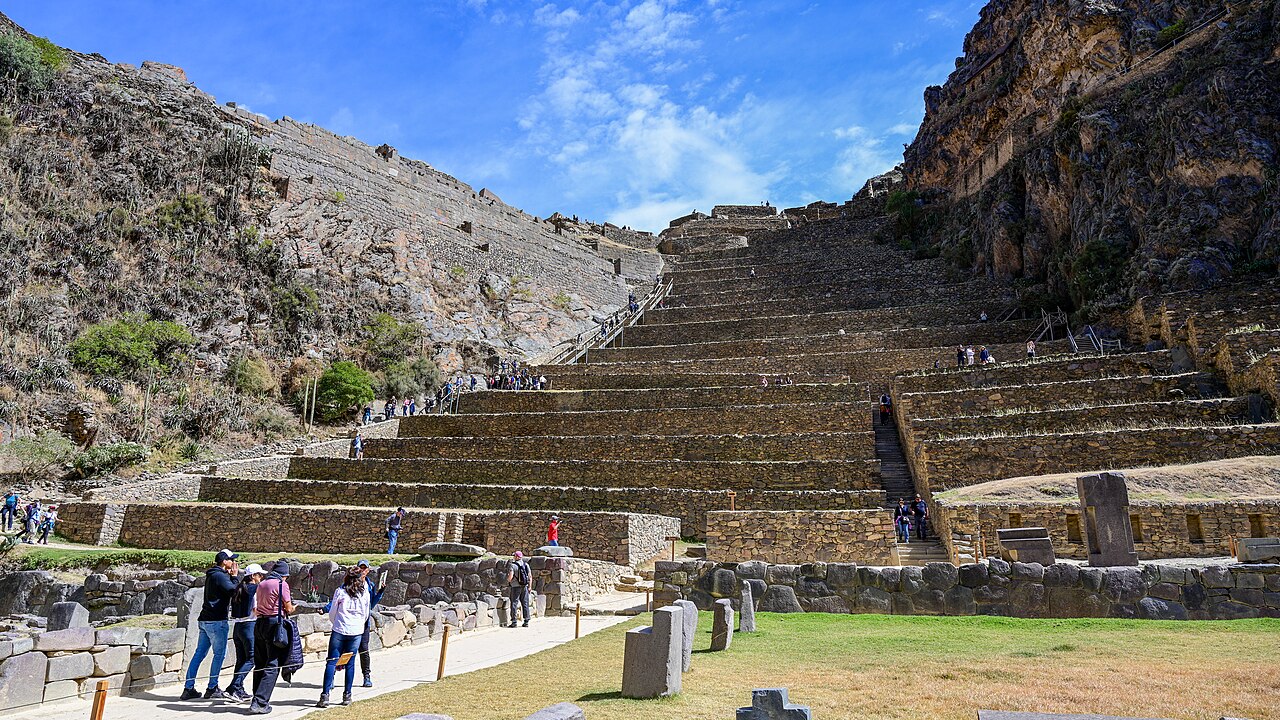
The Temple Hill is the town’s most famous sight. In fact, a long staircase climbs past giant agricultural terraces to the top. Above all, look for the Temple of the Sun, where six huge pink stone blocks stand side by side. According to researchers, the Incas moved these stones from a quarry across the river.
Walk the Inca Streets
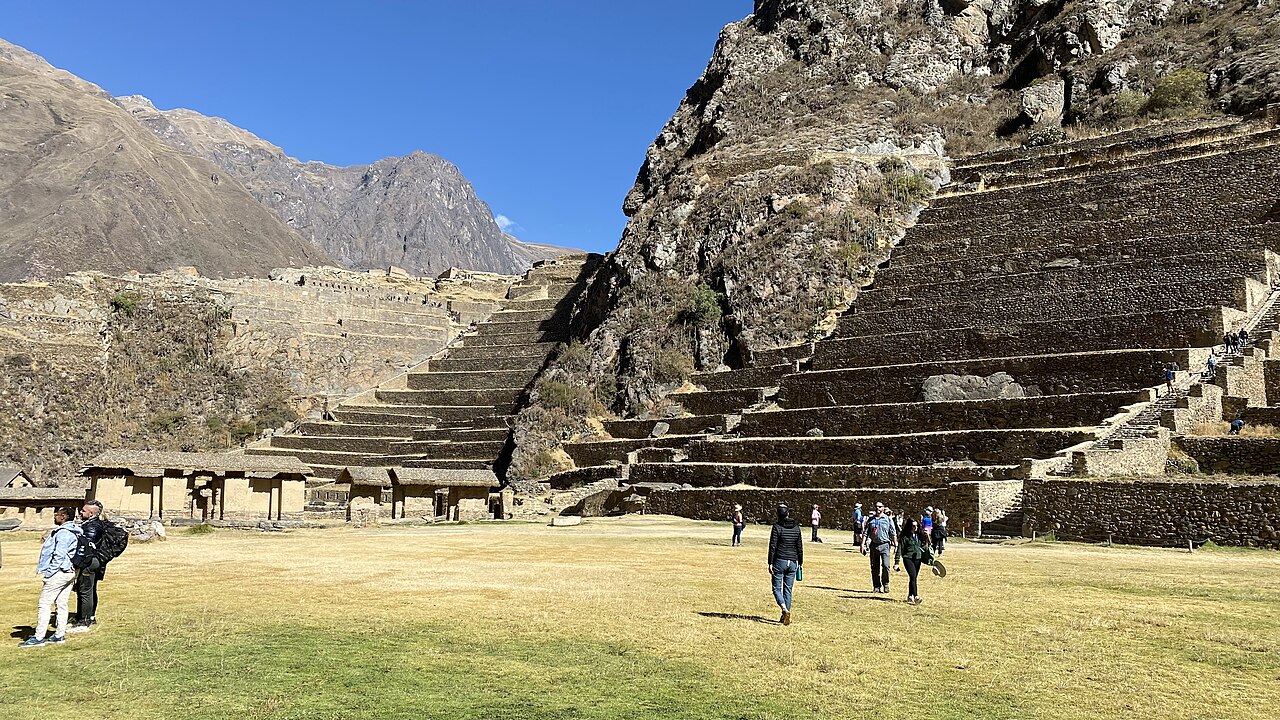
Next, explore the old town, known as Qosqo Ayllu. Its narrow lanes follow the original Inca layout, and water still runs through stone channels. In addition, some families open their courtyards to visitors, where you can see guinea pigs, corn and traditional kitchens.
Hike to Pinkuylluna
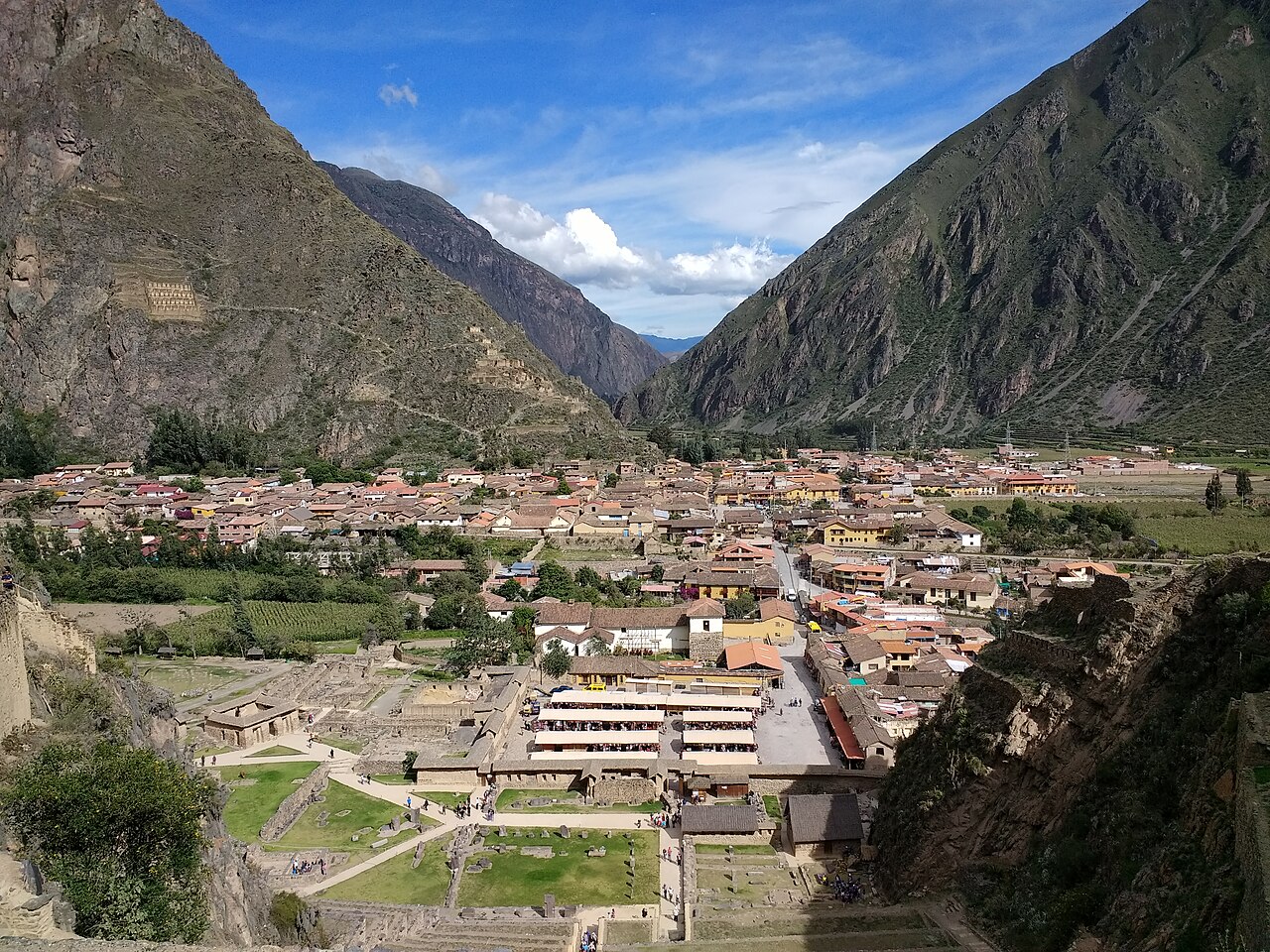
Across the valley from the Temple Hill, the Pinkuylluna ruins are old Inca storehouses on a steep mountainside. The hike is short but steep. From the top, for example, you get wonderful views over the town and the main ruins.
Catch the Train to Machu Picchu
Ollantaytambo is the main departure point for trains to Aguas Calientes, the town below Machu Picchu. The journey follows the Urubamba River through a dramatic gorge. Therefore, staying here the night before gives you an early, relaxed start.
Day Trips From Ollantaytambo Peru
Moray
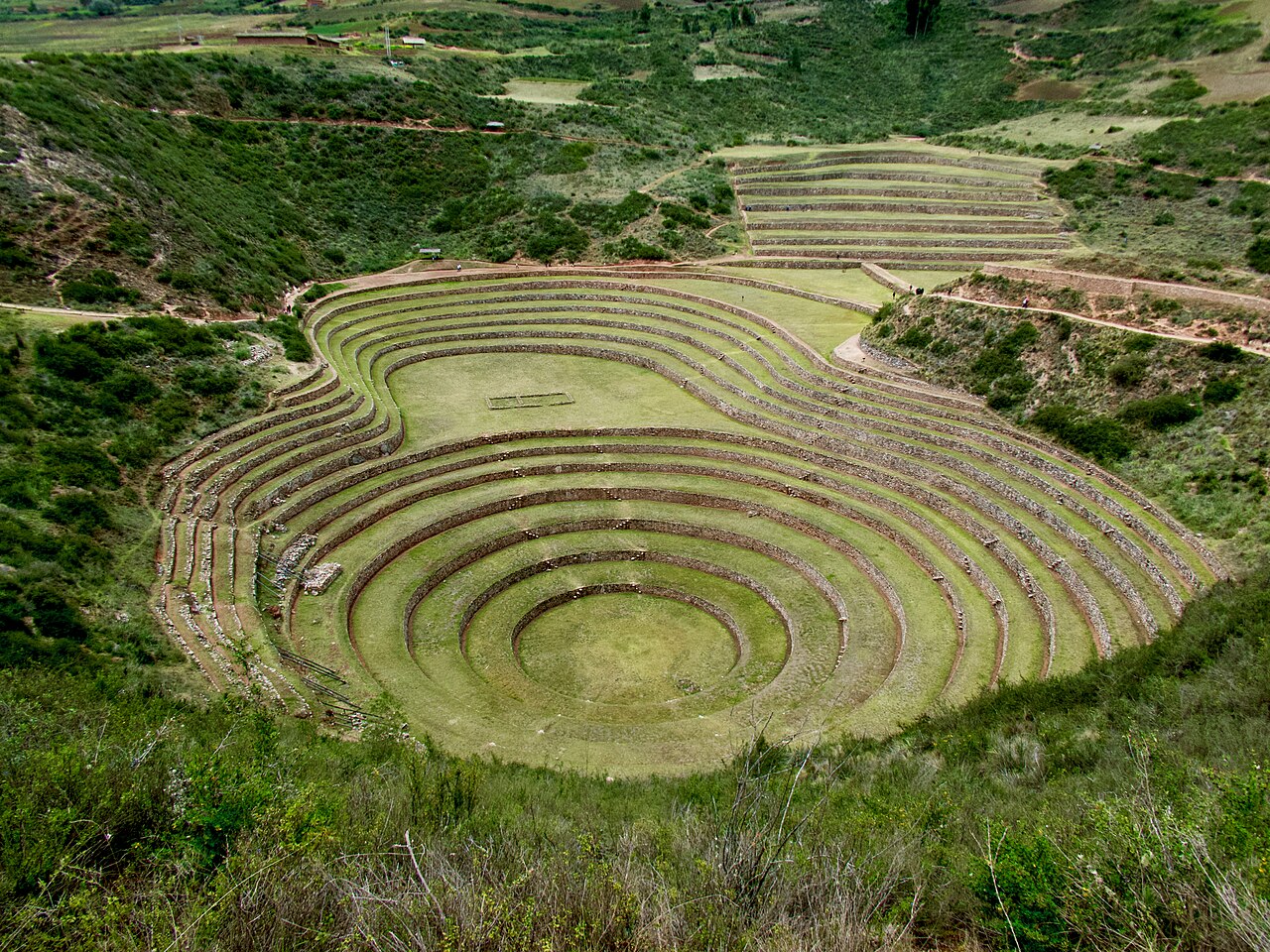
Moray is a group of circular Inca terraces sunk into the ground like giant amphitheaters. According to many researchers, the Incas may have used them to test crops in different conditions. Moreover, the views of the surrounding mountains are spectacular.
Maras Salt Pans
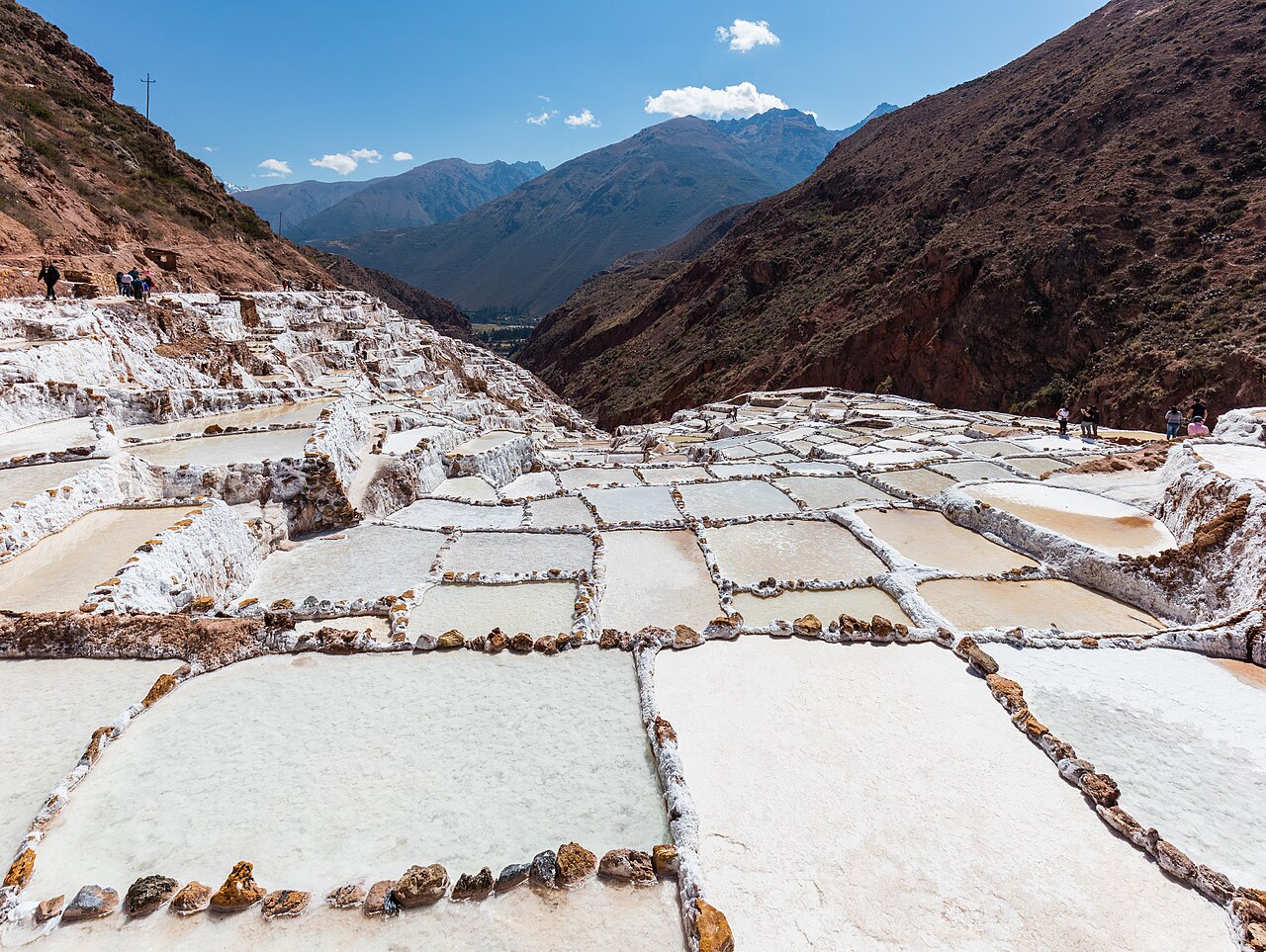
Nearby, the Maras salt pans cover a hillside with thousands of small pools. Salty spring water flows into them, and local families harvest the salt by hand. Similarly, Pisac, at the other end of the valley, has a famous market and more terraced ruins.
One Historical Fact About Ollantaytambo Peru
In 1537, the Inca leader Manco Inca defeated a Spanish force here. In fact, his troops flooded the plain below the terraces, which trapped the Spanish horses. As a result, Ollantaytambo is one of the few places where the Incas won a major battle against the conquistadors.
How to Get to Ollantaytambo Peru
First, fly into Cusco. From there, shared vans, buses and taxis reach Ollantaytambo in about 90 minutes. In addition, some trains from Cusco’s outskirts stop here on the way to Machu Picchu. Once you arrive, the town is small and easy to explore on foot.
Best Time to Visit Ollantaytambo Peru
The best time to visit is during the dry season, from May to September. During these months, the skies are clear and the trails are dry. On the other hand, the rainy season from November to March brings showers and muddy paths. Also, take it slowly at first, since the town sits at about 2,800 meters.
Is Ollantaytambo Peru Worth Visiting?
Yes, absolutely. Ollantaytambo Peru is a living piece of Inca history and a perfect base for the Sacred Valley. Ideally, spend at least two nights here instead of just passing through. For another historic South American town, read our guide to Villa de Leyva in Colombia.
Final Thoughts on Ollantaytambo Peru
In short, Ollantaytambo is much more than a train station. Climb the terraces, wander the Inca lanes and watch the light fade over the mountains. By the end of your stay, you will understand why this town is one of the true treasures of Peru.
Image Credits
Wikimedia Commons
- Steve FUNG: Ollantaytambo, Temple Hill (Fortress), CC BY-SA 4.0
- Remarksman: Ollantaytambo 2022, CC BY 2.0
- Mx._Granger: Town of Ollantaytambo, CC0
- F Delventhal: View of Inca terraces of Moray, 2018, CC BY 2.0
- Diego Delso: Salineras de Maras, Maras, Perú, 2015-07-30, DD 12, CC BY-SA 4.0


