The Zona Colonial Santo Domingo is where the story of Europe in the Americas began. Here, you will find the first cathedral, the first paved street and the first fortress built by Europeans in the New World. Meanwhile, colorful houses, leafy plazas and lively bars fill the cobbled lanes. In fact, the district blends 500 years of history with a modern Caribbean beat. Also, it is compact, so you can see most sights on foot in a day or two. So, here is how to plan your visit.
Quick Facts About the Zona Colonial Santo Domingo
| Country | Dominican Republic |
| Region | Santo Domingo, on the south coast of Hispaniola |
| Known For | The first cathedral, fortress, street and palace built by Europeans in the Americas |
| UNESCO Status | Colonial City of Santo Domingo, UNESCO World Heritage Site since 1990 |
| Founded | 1498, by Bartholomew Columbus |
| Best Time to Visit | December to April, the dry season |
| Getting There | About 30 minutes by taxi from Las Américas International Airport |
Where Is the Zona Colonial Santo Domingo?
The Colonial Zone lies in the heart of Santo Domingo, the capital of the Dominican Republic. Specifically, it sits on the west bank of the Ozama River, where the river meets the Caribbean Sea. In addition, the district covers only about one square kilometer. As a result, it is easy to explore on foot.
Why Visit the Zona Colonial Santo Domingo?
First, the history is unmatched. Bartholomew Columbus, brother of Christopher Columbus, founded the city in 1498. Consequently, UNESCO listed the Zona Colonial Santo Domingo as a World Heritage Site in 1990.
Second, the district is full of life. For example, you can hear merengue and bachata drifting from bars, and street vendors sell fresh juice and snacks. Finally, the restaurants and boutique hotels set in colonial buildings are wonderful. If you loved our guide to Old San Juan in Puerto Rico, you will enjoy this other historic Caribbean city.
Things to Do in the Zona Colonial Santo Domingo
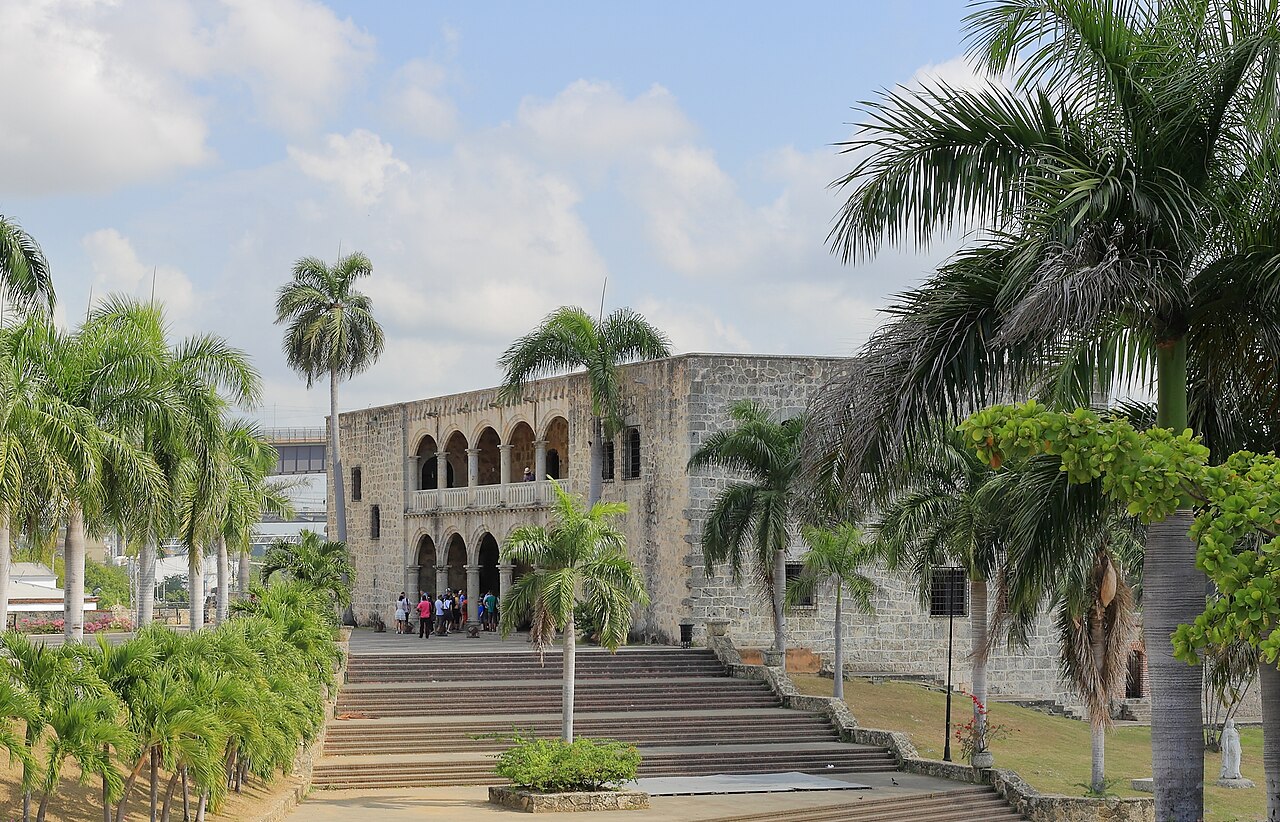
Visit the Alcázar de Colón
The Alcázar de Colón was the palace of Diego Columbus, son of Christopher Columbus. In fact, builders made it from coral stone in the early 1500s. Today, it is a museum with period furniture, tapestries and artworks. In addition, its arched loggias overlook a wide plaza by the river.
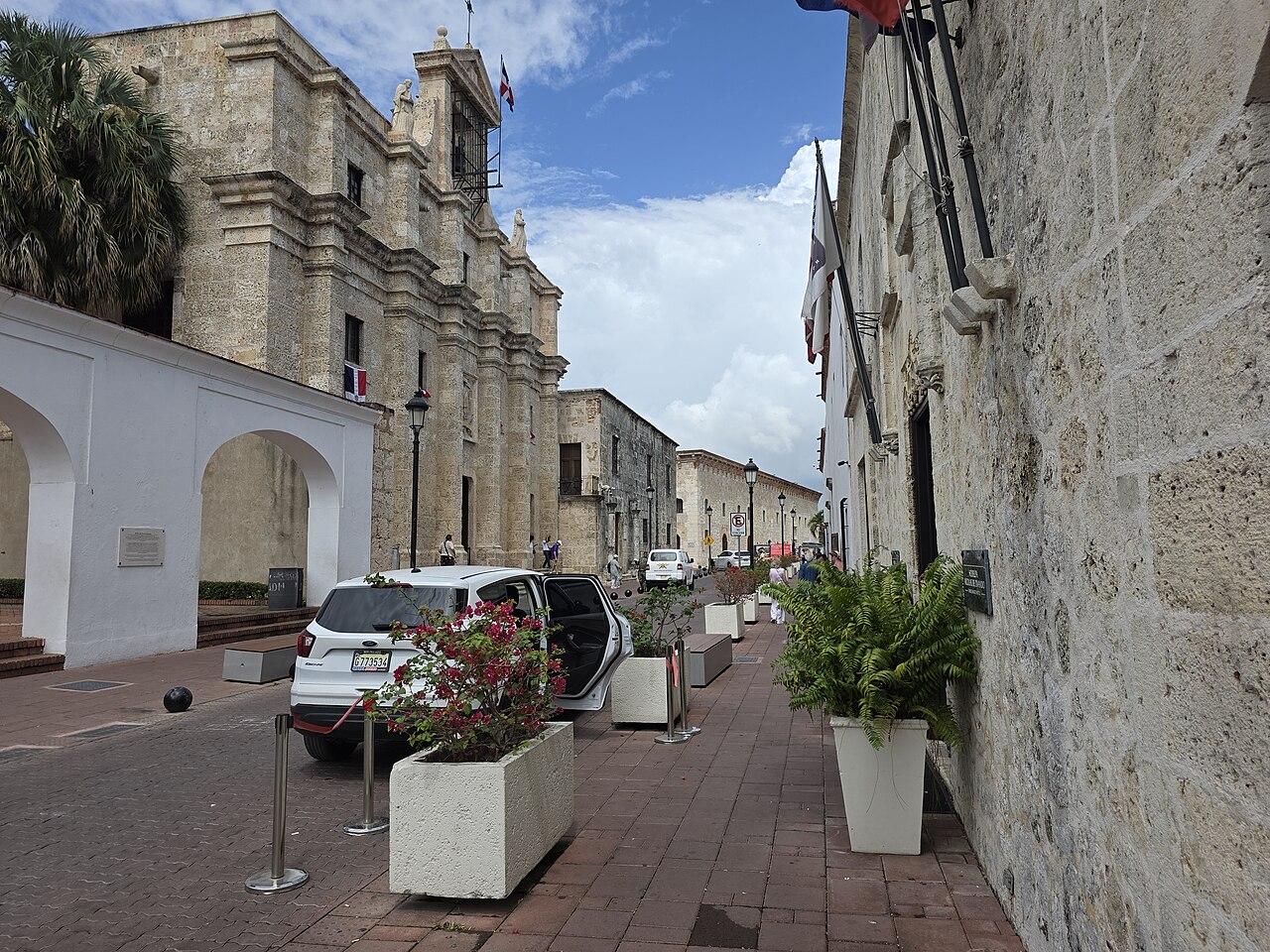
Walk Along Calle Las Damas
Calle Las Damas is often called the first paved street in the Americas. According to tradition, it takes its name from the ladies of the colonial court who strolled here. Along the street, for example, you will find the National Pantheon and the Museum of the Royal Houses.
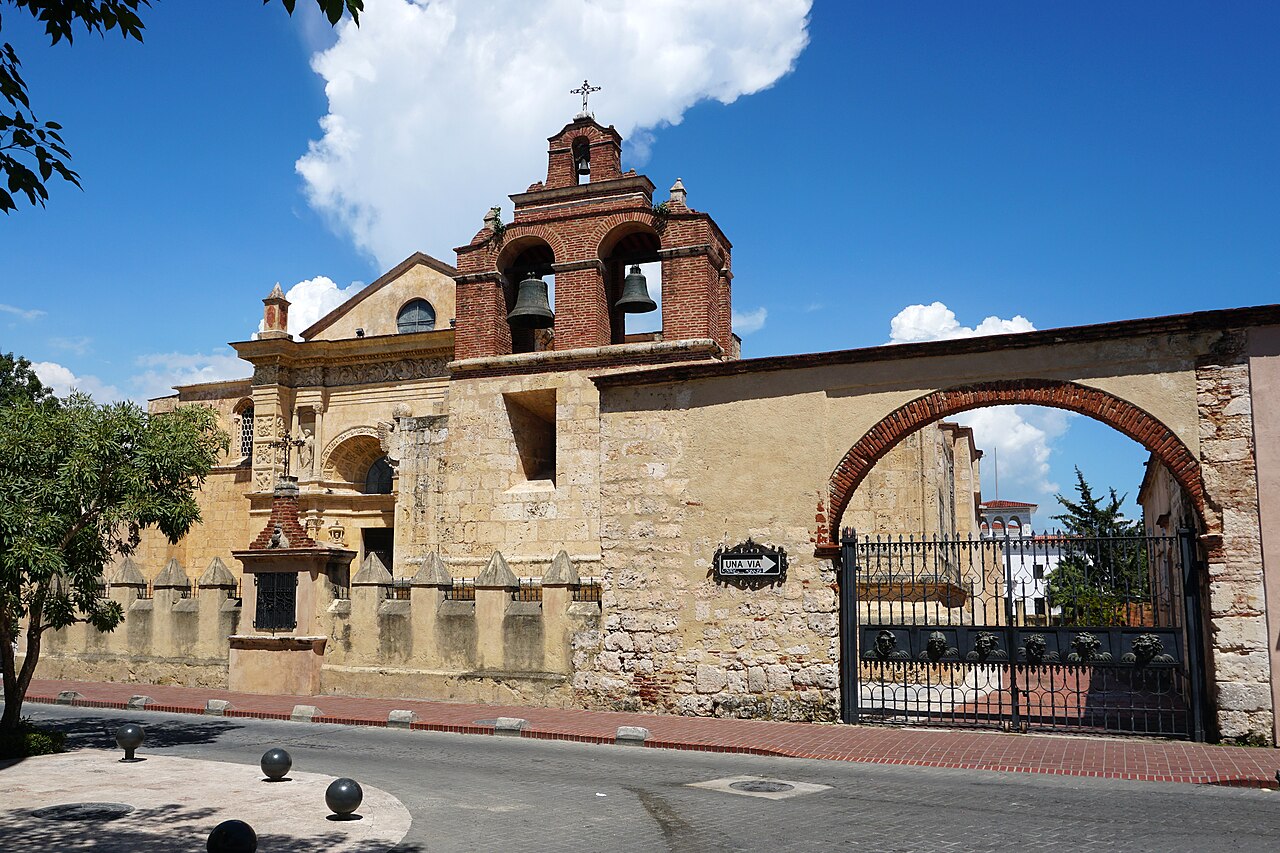
See the Catedral Primada de América
The Catedral Primada de América is the oldest cathedral in the Americas. Construction began in 1514, and workers finished it in 1541. Inside, for example, look for its Gothic vaults and chapels. Similarly, Parque Colón in front of it is a lively square with a statue of Christopher Columbus.
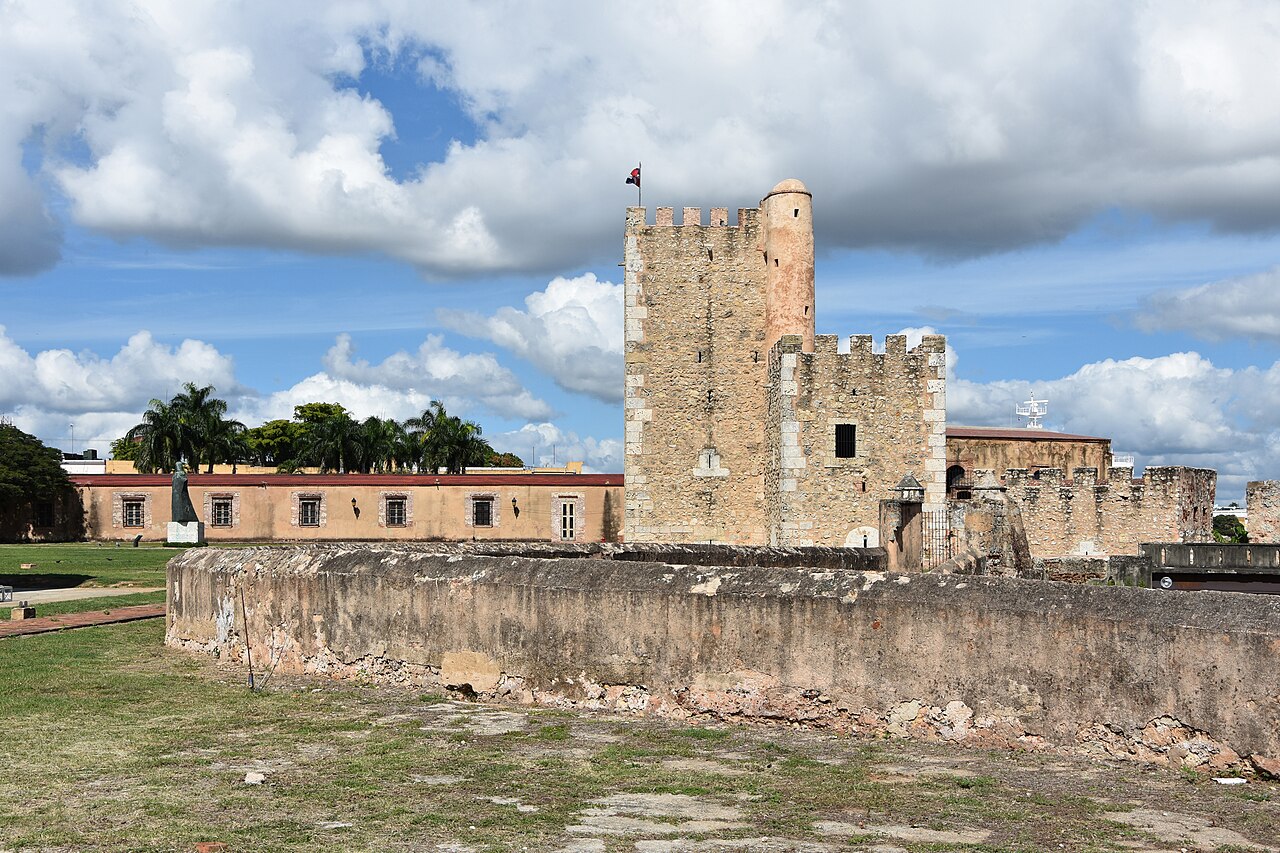
Explore the Fortaleza Ozama
The Spanish built the Fortaleza Ozama in the early 1500s to guard the river mouth. Therefore, it is considered the oldest European military building in the Americas. Then, climb its tower for views over the river and the old city.
Stroll Calle El Conde
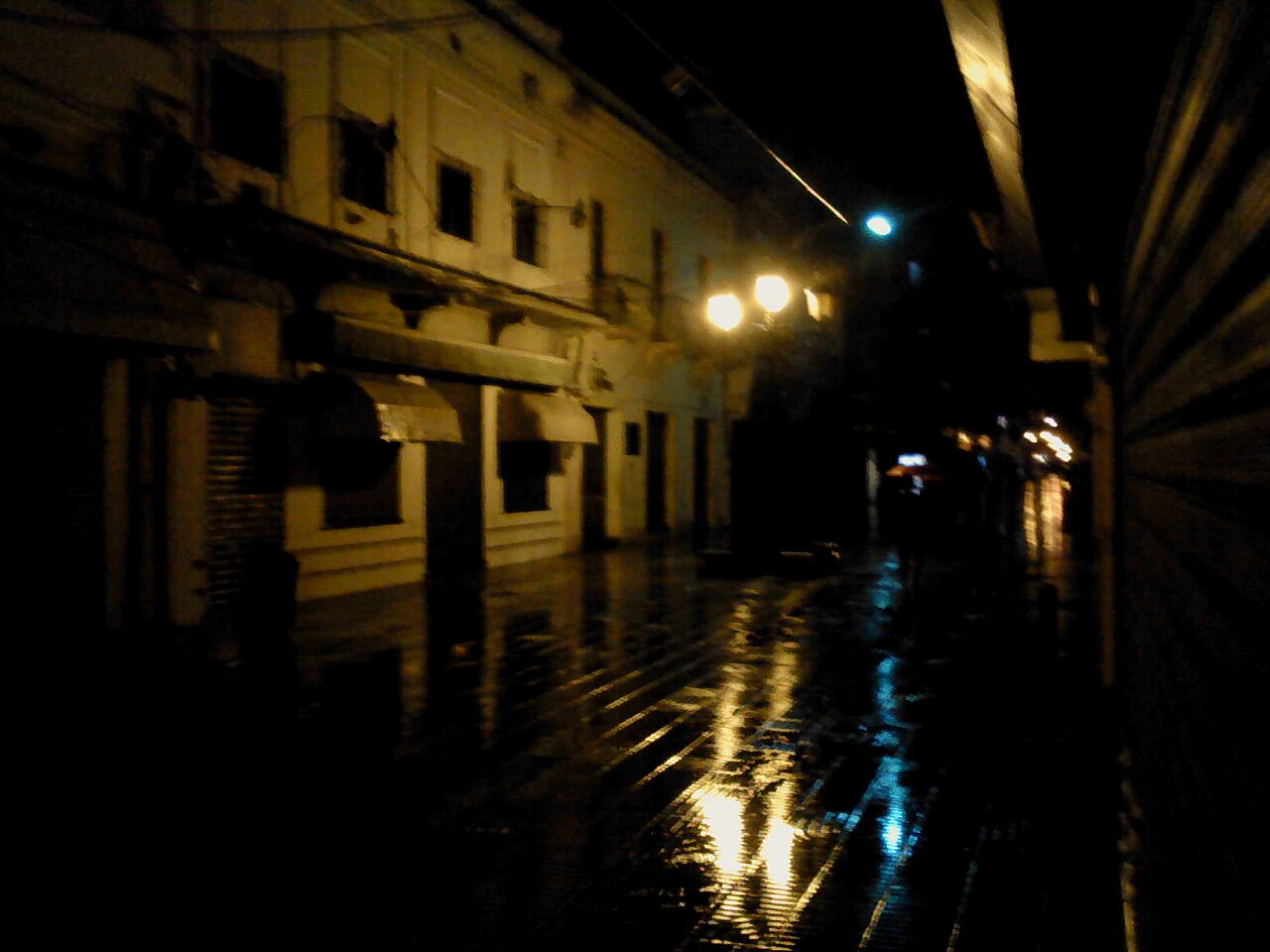
Calle El Conde is the main pedestrian street of the district. In addition, shops, cafés and street performers line it. Moreover, it leads to the Puerta del Conde, where Dominican independence was declared in 1844.
Day Trips From the Zona Colonial Santo Domingo
Los Tres Ojos
Los Tres Ojos is a series of limestone caves with clear underground lakes. Specifically, it lies just east of the city, in a national park. Furthermore, a small boat carries visitors across one lake to a hidden lagoon.
Beaches and Isla Saona
Boca Chica, a calm beach with shallow water, is about 30 minutes away. In addition, longer day trips go to Isla Saona, an island with white sand and palm trees. Together, they balance city sightseeing with Caribbean relaxation.
One Historical Fact About the Zona Colonial Santo Domingo
Santo Domingo is home to many firsts in the Americas. For instance, the first university in the New World opened here in 1538. In addition, the ruins of the first hospital, San Nicolás de Bari, still stand in the district.
How to Get to the Zona Colonial Santo Domingo
Las Américas International Airport is about 30 minutes away by taxi. Alternatively, many travelers come on day trips from Punta Cana, about two and a half hours away. Once you arrive, explore on foot or take a guided tour on the small tourist train.
Best Time to Visit the Zona Colonial Santo Domingo
The best time to visit is from December to April, during the dry season. During these months, the weather is warm and sunny. On the other hand, hurricane season runs from June to November. Also, Carnival in February fills the streets with masks, costumes and music.
Is the Zona Colonial Santo Domingo Worth Visiting?
Yes, absolutely. The Zona Colonial Santo Domingo offers a unique mix of history, culture and Caribbean energy. Ideally, spend at least two nights in a colonial hotel to enjoy it fully. For another colorful colonial town, read our guide to Trinidad in Cuba.
Final Thoughts on the Zona Colonial Santo Domingo
In short, the Colonial Zone is where the history of the Americas comes alive. Walk Calle Las Damas, visit the first cathedral and dance to merengue at night. By the end of your visit, you will understand why this district is the pride of the Dominican Republic.
Image Credits
Wikimedia Commons
- Martin Falbisoner: Santo Domingo – Alcazar de Colon 02, CC BY-SA 4.0
- Desox7x: Calle las Damas, Santo Domingo, Zona Colonial, CC0
- Mariordo (Mario Roberto Durán Ortiz): Catedral Primada CCSD 09 2018 1668, CC BY-SA 4.0
- Phyrexian: Santo Domingo – Fortaleza Ozama 0960, CC BY-SA 4.0
- Soman: DO-zona colonial santo domingo, night-time (2), CC BY-SA 3.0


