Plovdiv, Bulgaria is a city where layers of history sit side by side. A Roman theatre looks out over the rooftops. Meanwhile, painted 19th century houses line the cobbled lanes of the old town. So, this guide covers the best things to do, plus how to get there and when to go.
Quick Facts About Plovdiv, Bulgaria
| Country | Bulgaria |
| Region | Plovdiv Province, on the Maritsa river |
| Known For | The Roman theatre, colourful Revival houses, the Kapana district and its hills |
| UNESCO Status | Not a UNESCO World Heritage Site, although Old Plovdiv is on the tentative list |
| Founded | Settled for thousands of years, later known as Philippopolis after Philip II of Macedon |
| Best Time to Visit | April to June and September to October |
| Getting There | Take a train or bus from Sofia, about two hours away |
| Time Needed | Two days |
| Continent | Europe |
Where Is Plovdiv, Bulgaria?
Plovdiv lies in southern Bulgaria, on the banks of the Maritsa river. It is the second largest city in the country. Sofia, the capital, is about 150 km to the west. Also, the Rhodope Mountains rise just to the south.
The city grew up around several rocky hills. In fact, it was long known as the City of Seven Hills, although only six remain today.
Why Visit Plovdiv, Bulgaria?
Plovdiv is often described as one of the oldest continuously inhabited cities in Europe. Thracians, Macedonians, Romans and Ottomans all left their mark here. As a result, you can see ancient ruins, Ottoman mosques and colourful Revival houses within a short walk.
In 2019, Plovdiv was a European Capital of Culture. So, today it has a lively arts scene, with galleries, festivals and creative cafes. Also, it is more relaxed and affordable than many European cities.
Things to Do in Plovdiv
See the Roman Theatre
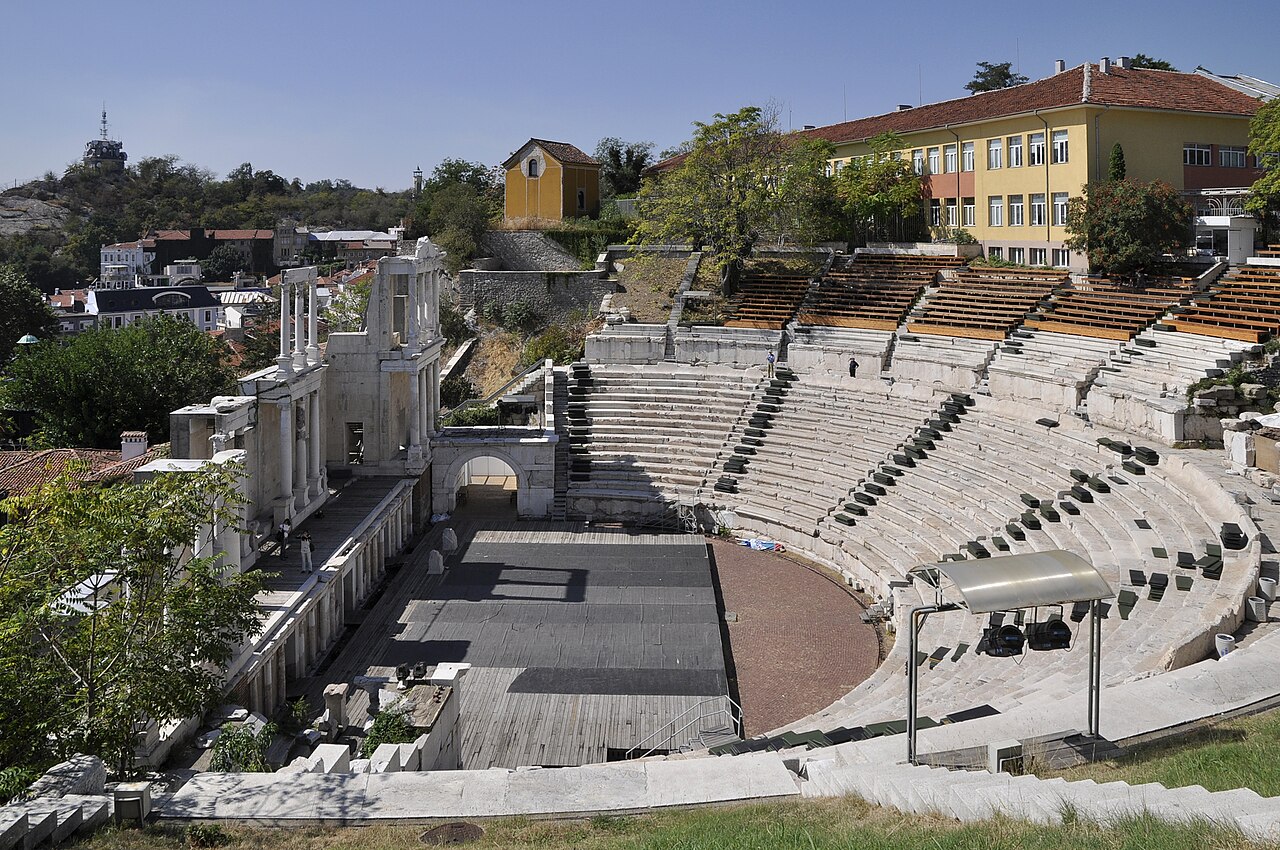
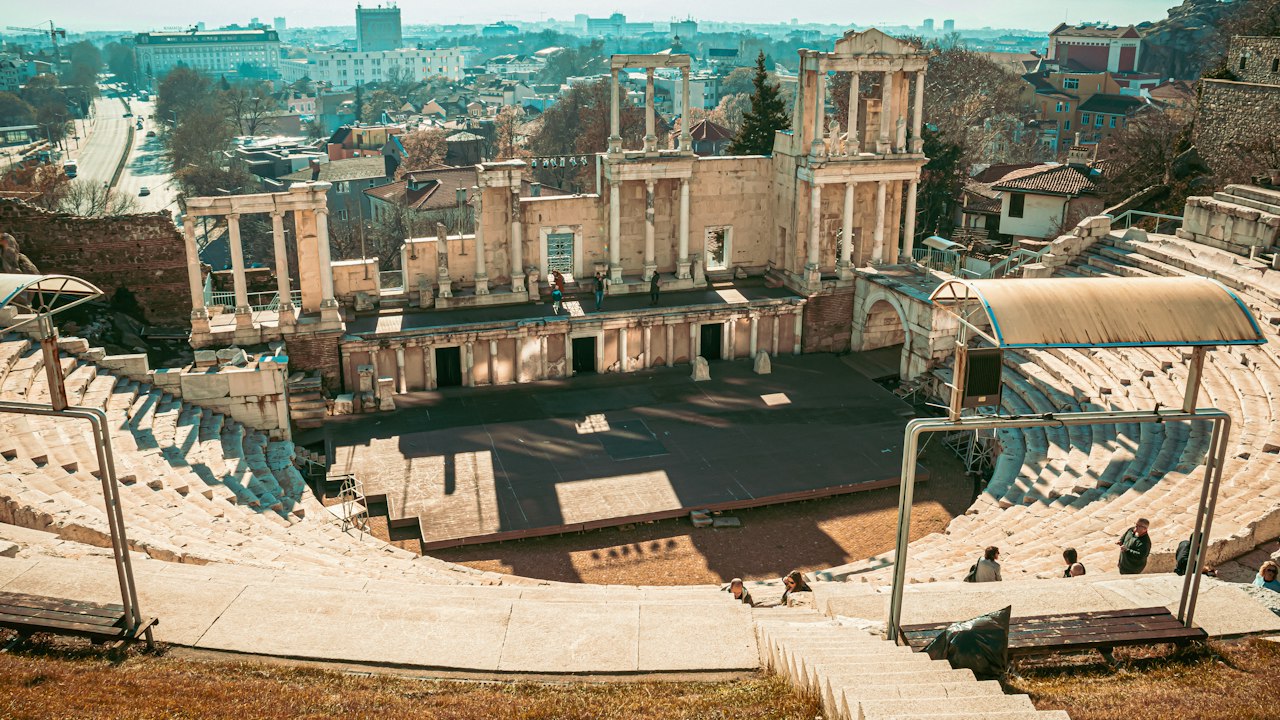
The Roman theatre is the highlight of any visit. It dates back to the Roman era, when the city was called Philippopolis. The marble seats curve down a hillside, with views over the city behind the stage. Remarkably, it lay hidden for centuries until a landslide helped reveal it in the late 1960s. Today, it hosts concerts and operas in summer.
Wander the Old Town
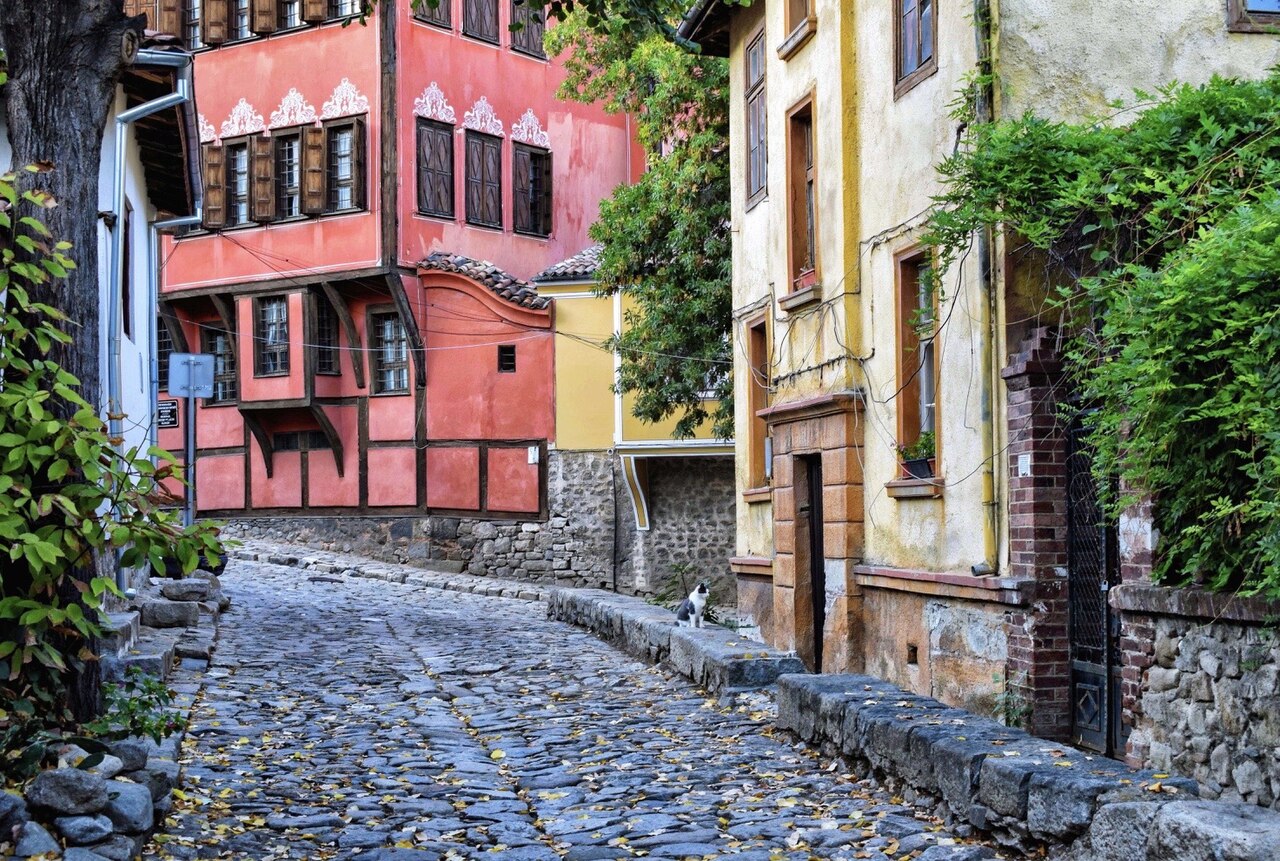
The old town covers three hills in the centre. Here, cobbled streets lead past grand houses from the 19th century Bulgarian National Revival. Many have bright painted walls and overhanging upper floors. For example, the Kuyumdzhiev House now holds the Regional Ethnographic Museum. Also, the Balabanov House shows how wealthy merchants once lived.
Find the Roman Stadium
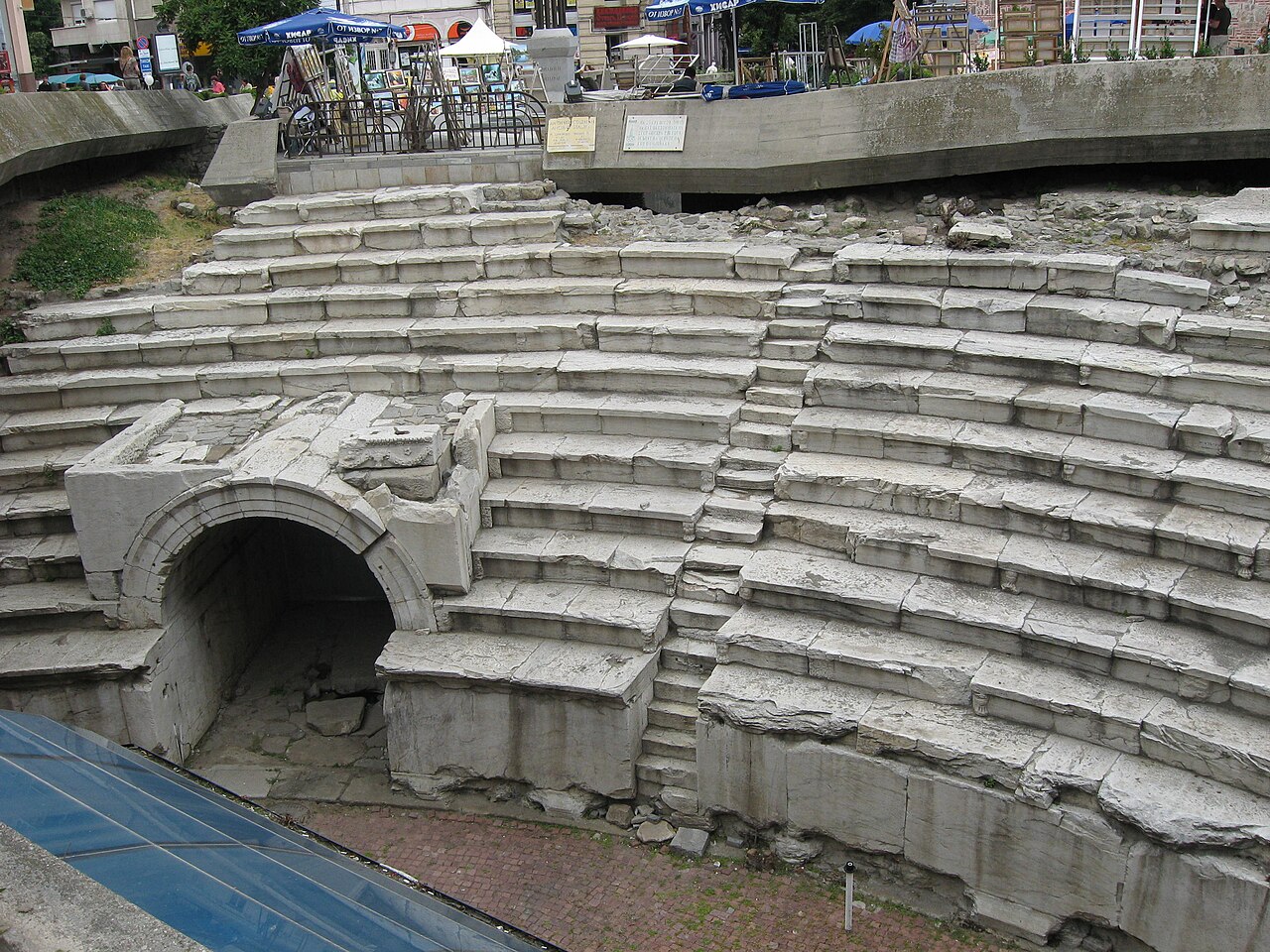
Next, head down to the main square. Part of a huge Roman stadium lies below street level here. In fact, most of it still sits hidden beneath the shops of the main street. Nearby stands the Dzhumaya Mosque, one of the oldest Ottoman buildings in the Balkans.
Explore the Kapana District
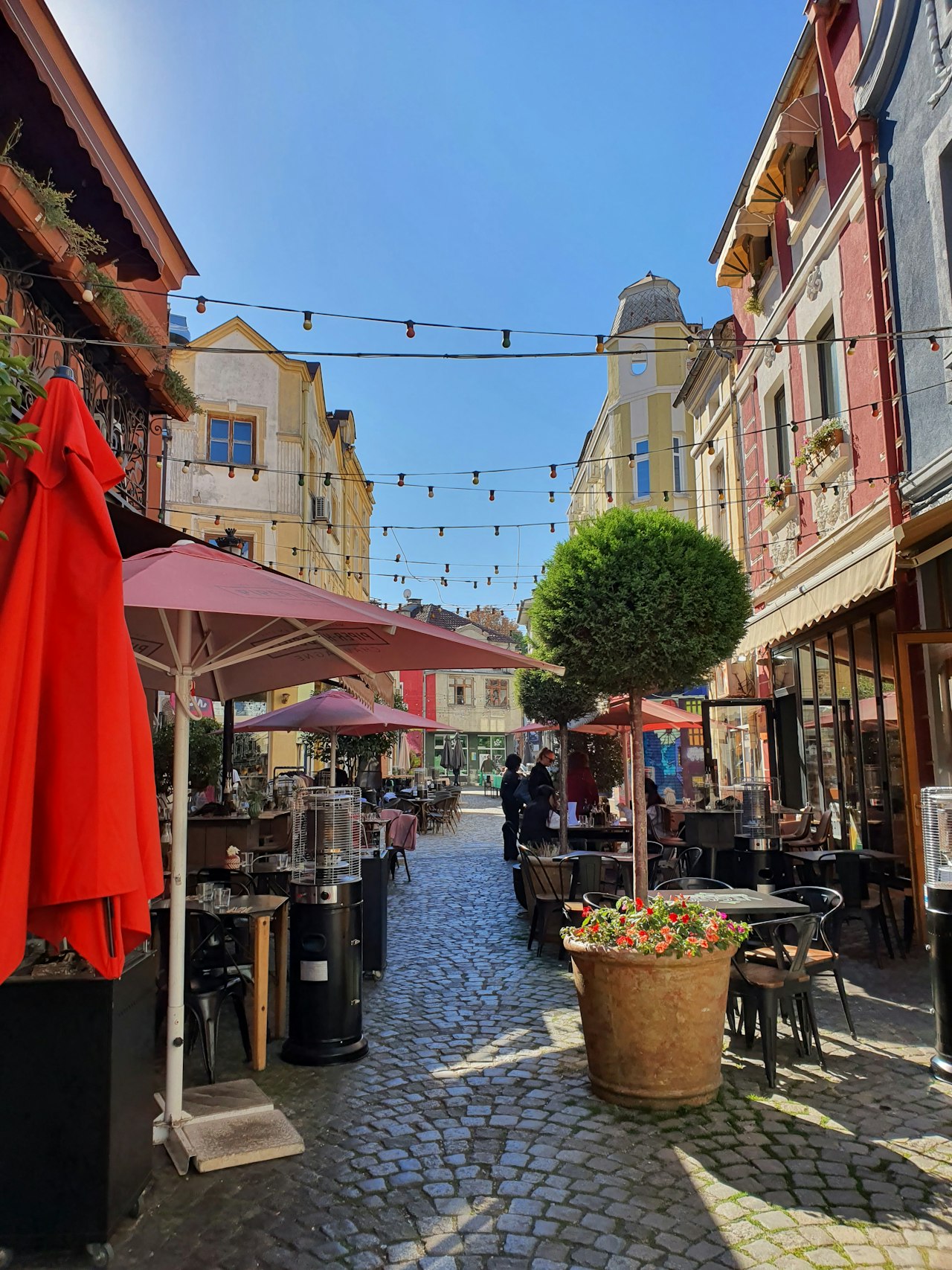
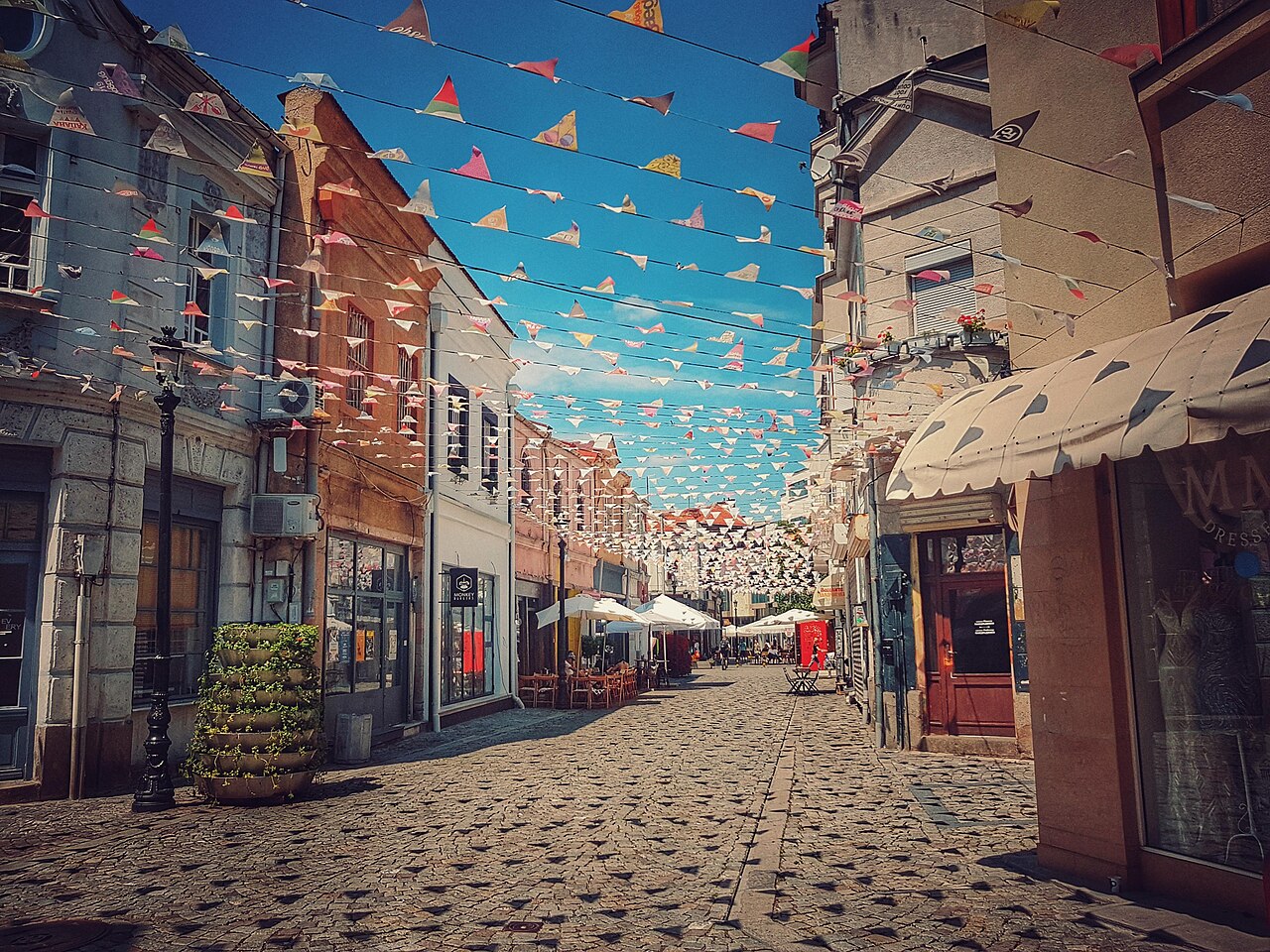
Kapana means the trap, a name that comes from its maze of narrow streets. Once a craft quarter, it is now the creative heart of the city. Today, it is full of murals, small galleries, bars and coffee shops. So, it is the best place to spend an evening.
Climb Nebet Tepe
Nebet Tepe is one of the city’s hills, with the ruins of an ancient fortress on top. From there, you get wide views over Plovdiv and the river. Also, it is a popular spot to watch the sunset.
Tips for Visiting Plovdiv
- Wear comfortable shoes, because the old town is steep and cobbled
- Buy a combined ticket if you plan to visit several old houses
- Check the summer programme at the Roman theatre
- Try local dishes such as shopska salad and banitsa pastry
Day Trips From Plovdiv
Bachkovo Monastery
Bachkovo Monastery is about 30 km south, in the foothills of the Rhodopes. Founded in the 11th century, it is one of the largest monasteries in Bulgaria. Inside, its church holds beautiful frescoes.
Asen’s Fortress
Asen’s Fortress sits on a rocky ridge above a river gorge near Asenovgrad. Its small church stands on the edge of the cliff. So, it pairs well with a visit to Bachkovo on the same day.
One Historical Fact About Plovdiv
In the 4th century BC, Philip II of Macedon conquered the town. As a result, it became known as Philippopolis, the city of Philip. Later, the Romans made it an important regional centre, which is why so many Roman ruins survive today.
How to Get to Plovdiv, Bulgaria
- From Sofia: Trains and buses run several times a day. The trip takes about two hours.
- Flying in: Plovdiv has a small airport, but most visitors fly into Sofia.
- Driving: The Trakia motorway links Plovdiv with Sofia and the Black Sea coast.
- Getting around: The centre and old town are best explored on foot.
Best Time to Visit Plovdiv
April to June and September to October are the best times to visit. During these months, the weather is warm but not too hot. Summer, however, can be very hot in the city. Still, it is the season for open-air concerts at the theatre. Winter, meanwhile, is quiet and cold.
Is Plovdiv, Bulgaria Worth Visiting?
Yes, definitely. Plovdiv combines Roman ruins, a beautiful old town and a lively arts scene. Also, it is easy to reach from Sofia. If you enjoyed our guide to Matera in Italy, you will love exploring Plovdiv’s layers of history.
Final Thoughts on Plovdiv
First, watch the sunset from Nebet Tepe. Then explore the old town and the Roman theatre. Finally, spend the evening in Kapana. Much like Kotor in Montenegro, Plovdiv shows how much history a small Balkan city can hold.
Image Credits
Unsplash
- Yana Chuchuranova: Cafe tables line a cobbled street, Unsplash License
- Stratiya Stratiev: The city seen from above, Unsplash License
Wikimedia Commons
- MrPanyGoff: Roman Theatre Plovdiv 3, CC BY-SA 3.0
- Jocelyn Erskine-Kellie from London, UK: Plovdiv Old Town (54104573884), CC BY-SA 2.0
- Explorer1940: Plovdiv — Roman stadium, CC BY-SA 4.0
- Община Пловдив: Kapana, CC BY-SA 4.0


