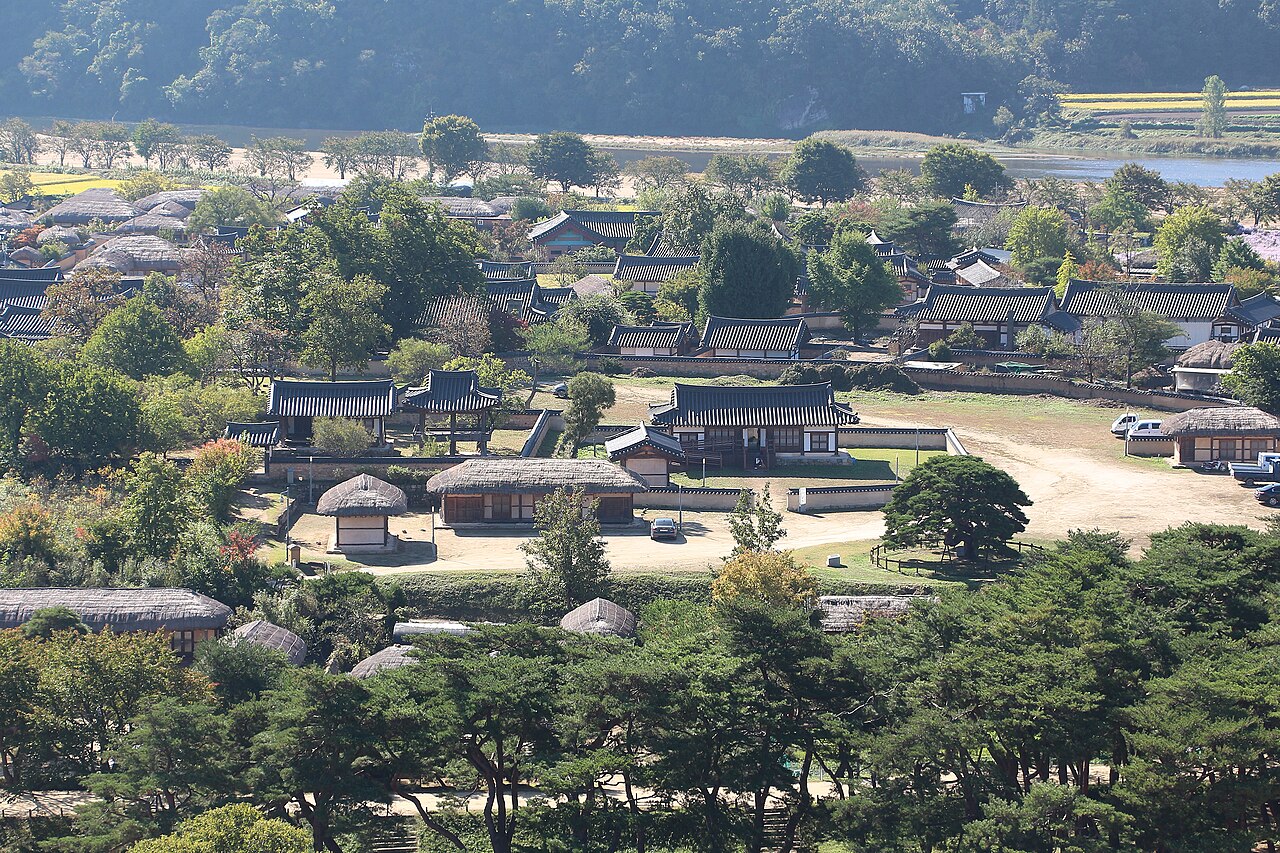
Hahoe Folk Village is a place where Joseon-era Korea still feels alive. Thatched cottages and tiled noble houses sit in a loop of a slow river. Meanwhile, pine forests and a tall cliff frame the scene. So, this guide covers the best things to do, plus how to get there and when to go.
Quick Facts About Hahoe Folk Village
| Country | South Korea |
| Region | Andong, North Gyeongsang Province |
| Known For | Joseon-era clan houses, the Nakdong River bend, Buyongdae cliff and the Hahoe mask dance |
| UNESCO Status | UNESCO World Heritage Site, Historic Villages of Korea: Hahoe and Yangdong, since 2010 |
| Founded | Home to the Pungsan Ryu clan for around six centuries |
| Best Time to Visit | Spring and autumn, especially during the mask dance festival |
| Getting There | Take a train to Andong, then a local bus to the village |
| Time Needed | Half a day to one full day |
| Continent | Asia |
Where Is Hahoe Folk Village?
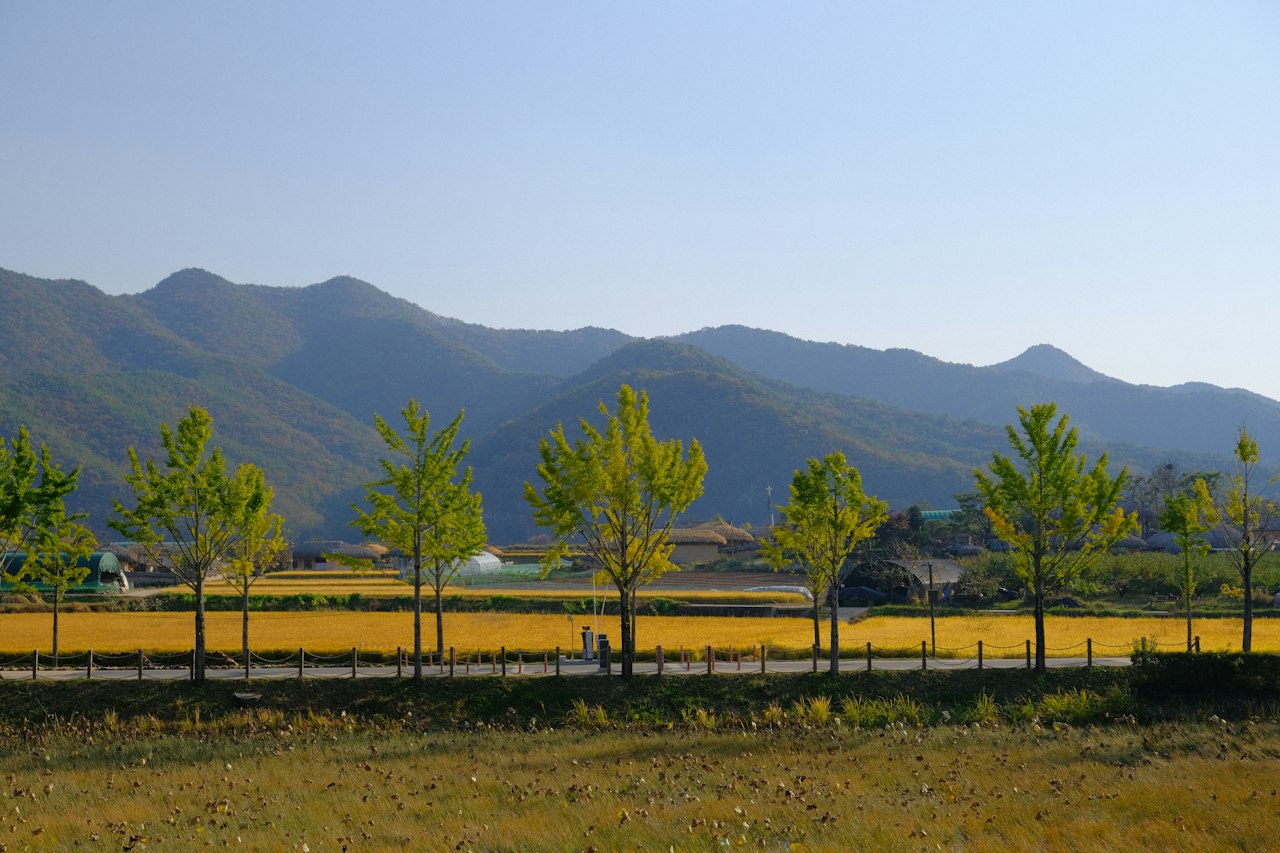
The village lies near the city of Andong, in North Gyeongsang Province in southeastern South Korea. The Nakdong River curves around it in an S-shape. In fact, the name Hahoe means a river that turns around. Seoul is about two to three hours away by train and bus.
Why Visit Hahoe Folk Village?
Most folk villages in Korea are museums. Hahoe, however, is a real community where families still live. In fact, it has been home to the Pungsan Ryu clan for around six centuries. As a result, you can see how a traditional clan village was laid out, from grand houses to simple farm cottages.
Also, the village is a UNESCO World Heritage Site, along with Yangdong Village near Gyeongju. Together, they show how Confucian ideas shaped village life in the Joseon dynasty.
Things to Do in Hahoe Folk Village
Walk the Village Lanes
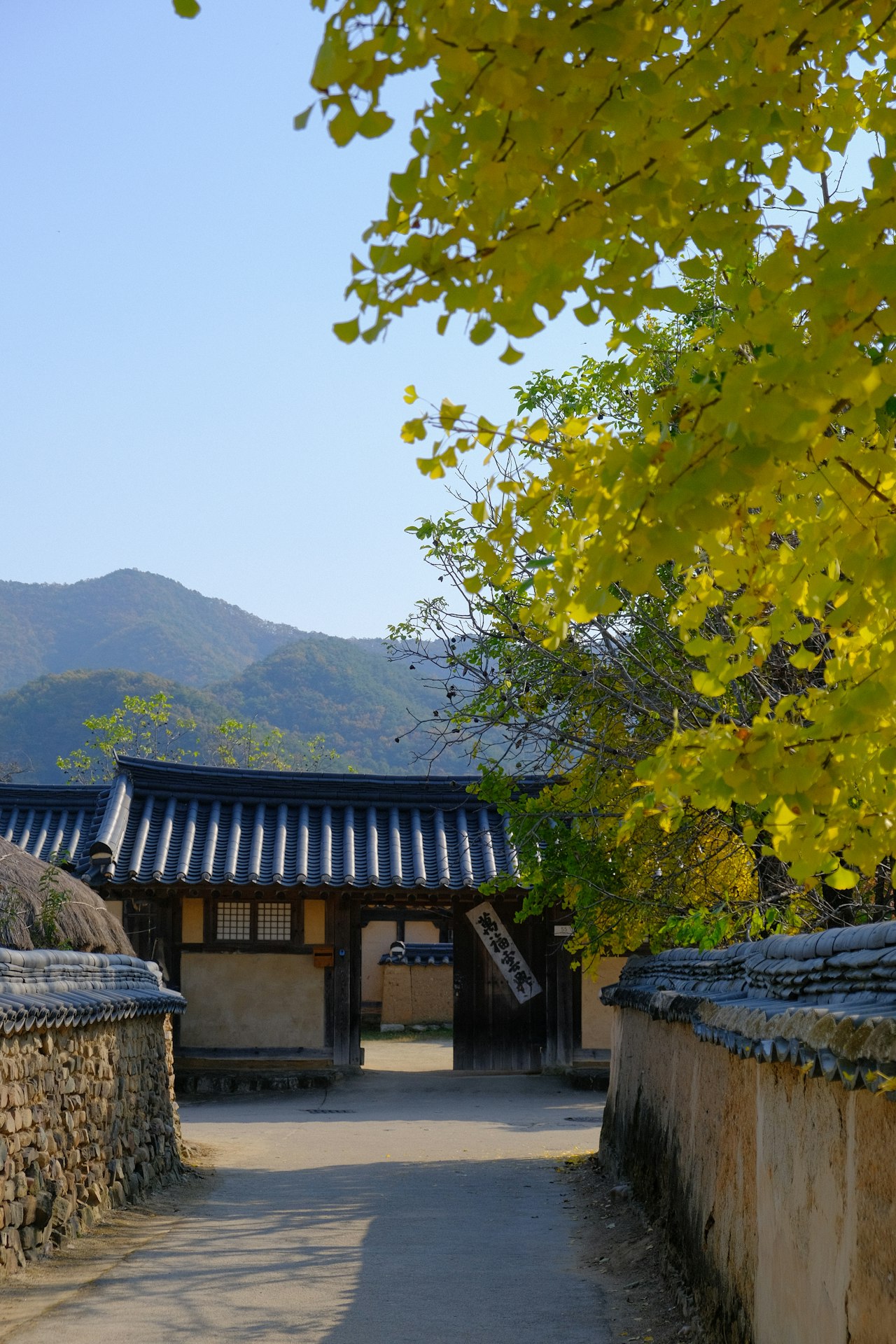
The best way to enjoy Hahoe is simply to wander. Narrow lanes wind between earthen walls and wooden gates. Along the way, you will see thatched roofs, tiled roofs, small gardens and stacks of firewood. Also, an old zelkova tree stands near the centre. Locals tie wishes to it on small pieces of paper.
See the Noble Houses
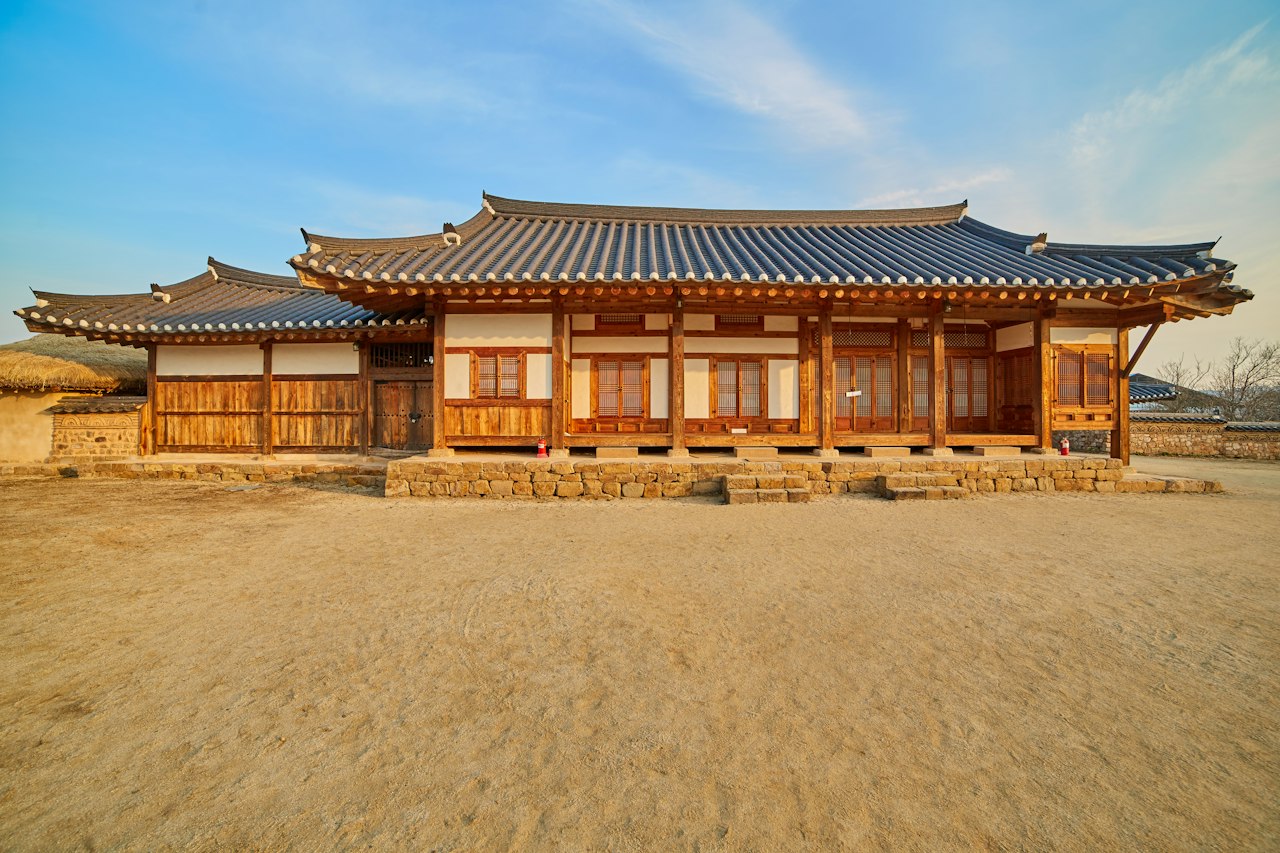
Several noble houses stand open to visitors. For example, Chunghyodang belonged to the family of Ryu Seong-ryong, a famous prime minister of the Joseon dynasty. Also, Yangjindang is one of the oldest houses in the village. Remember that families still live in many homes, so respect closed gates and private areas.
Climb Buyongdae Cliff
Buyongdae is a tall cliff across the river from the village. From the top, you get the classic view of the whole village inside the river bend. In season, a small ferry crosses the river. Otherwise, you can reach the cliff by road.
Watch the Hahoe Mask Dance
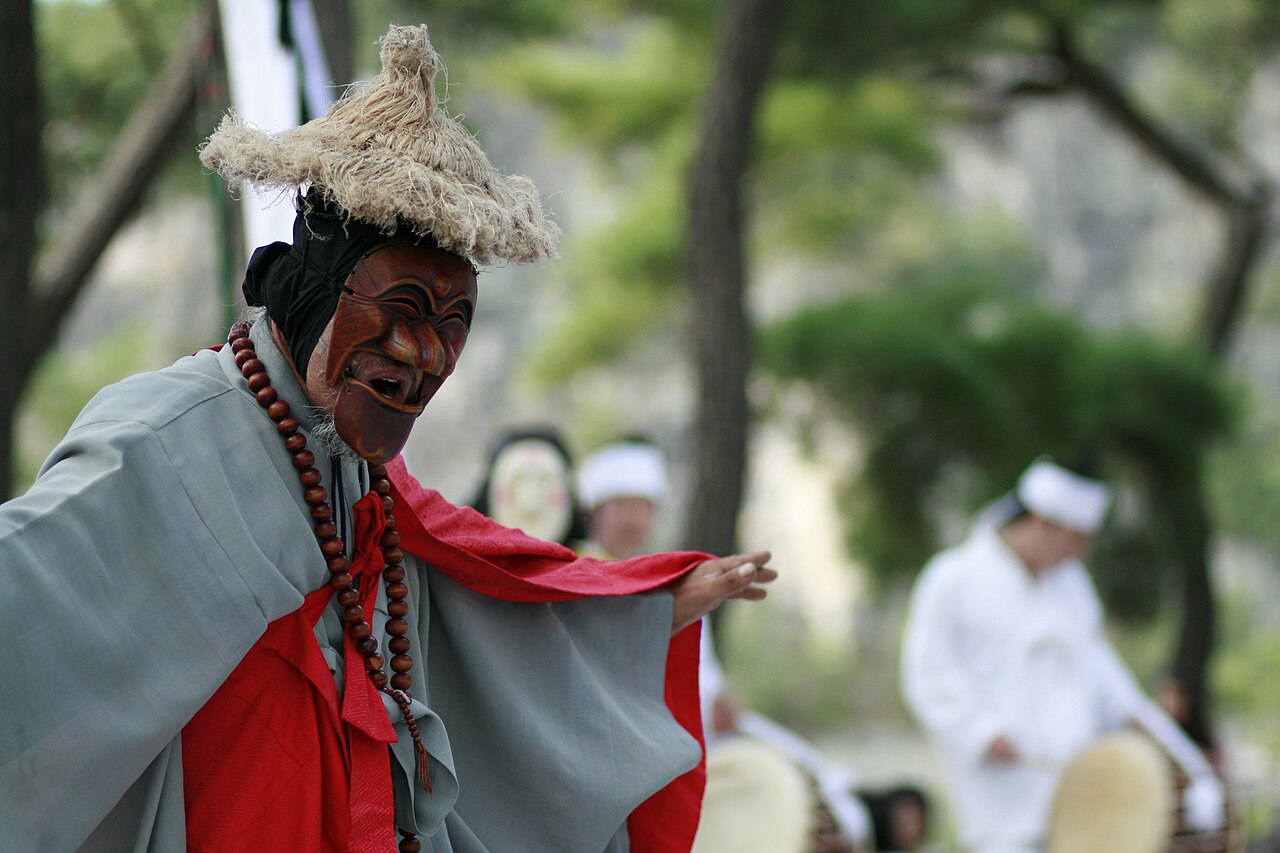
The Hahoe mask dance is a centuries-old village performance. It mixes humour and satire, poking fun at nobles and monks. Today, regular performances take place near the village entrance, especially on weekends. Also, the original Hahoe wooden masks are treasured as some of the finest in Korea.
Visit the Mask Museum
Near the entrance, the Hahoe World Mask Museum displays masks from Korea and around the world. So, it is a great place to learn more before or after a show.
Tips for Visiting Hahoe Folk Village
- Arrive early, because tour groups arrive late in the morning
- Wear comfortable shoes for the dirt lanes and the cliff path
- Keep your voice down, since people live in the village
- Try Andong jjimdak, a famous local braised chicken dish
Day Trips From Hahoe
Byeongsan Seowon
Byeongsan Seowon is a Confucian academy a short drive from Hahoe. Its open wooden pavilion looks out over the river and cliffs. It is also part of a UNESCO listing of Korean Confucian academies.
Andong City
Andong is the nearest city. Here, you can visit Woryeonggyo, a long wooden footbridge, and try local food in the markets. Also, Andong is known for its strong traditional soju.
Gyeongju
Gyeongju, the old capital of the Silla kingdom, is a longer trip south. It is full of royal tombs and temples. So, it pairs well with Hahoe on a wider tour of the region.
One Historical Fact About Hahoe Folk Village
In 1999, Queen Elizabeth II visited Hahoe during a state visit to South Korea. Her trip took place on her birthday, and the village held a celebration for her. Since then, her visit has become part of local history, and a small display recalls the day.
How to Get to Hahoe Folk Village
- Train: Take a train from Seoul to Andong Station. The fastest trains take about two hours.
- Bus: From Andong, local buses run to the village in about 40 minutes.
- Driving: Hahoe is about 25 km west of Andong city centre.
- Getting around: A shuttle runs from the ticket office to the village entrance.
Best Time to Visit Hahoe Folk Village
Spring and autumn are the best times to visit. During these seasons, the weather is mild and the trees are colourful. Autumn also brings the Andong International Mask Dance Festival. Summer, however, is hot and humid. Winter, meanwhile, is cold but very peaceful.
Is Hahoe Folk Village Worth Visiting?
Yes, absolutely. Hahoe Folk Village offers a rare look at traditional Korean village life. Also, it is quieter than the big cities. If you enjoyed our guide to Gyeongju, South Korea, you will love Hahoe too.
Final Thoughts on Hahoe Folk Village
First, wander the lanes early in the morning. Then climb Buyongdae for the view. Finally, watch the mask dance before you leave. Much like Shirakawa-go in Japan, Hahoe shows how a traditional village can stay alive in the modern world.
Image Credits
Unsplash
- Mathew Schwartz: A traditional wooden house with a tiled roof, Unsplash License
- Austin Curtis: A village path with the hills behind, Unsplash License
- Austin Curtis: Fields and pine trees around the village, Unsplash License
Wikimedia Commons
- Bernard Gagnon: Hahoe Folk Village 03, CC0
- Republic of Korea from Seoul, Republic of Korea: Mask dance in Hahoe village (4459428890), CC BY-SA 2.0

