
Sagada Philippines is a cool mountain town in the Cordillera of northern Luzon, famous for its hanging coffins, deep limestone caves and pine-scented trails. Wrapped in mist on many mornings, it feels a world away from the beaches the Philippines is best known for, which is exactly why travellers love it.
Quick Facts About Sagada, Philippines
| Country | Philippines |
| Region | Mountain Province, Cordillera Administrative Region |
| Known For | Hanging coffins, caves, rice terraces, cool mountain climate |
| UNESCO Status | Not listed |
| Founded | Long-established Kankanaey community; Anglican mission from 1904 |
| Best Time to Visit | November to April |
| Time Needed | 2 to 3 days |
| Continent | Asia |
Where Is Sagada, Philippines?
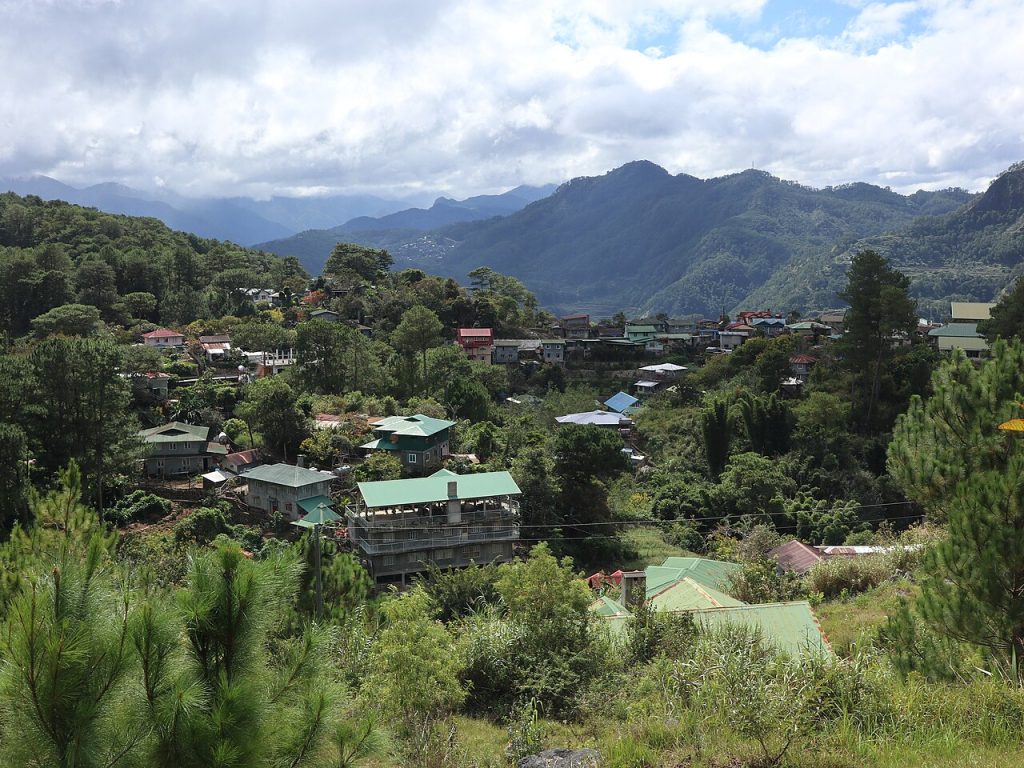
Sagada is a municipality in Mountain Province, in the Cordillera Administrative Region of northern Luzon. It sits in a valley high in the mountains, west of the provincial capital Bontoc and north of Baguio. The town has a population of around 10,700 people.
Why Visit Sagada, Philippines?
First, Sagada offers some of the most unusual cultural sights in Southeast Asia, above all its hanging coffins. In addition, the area is full of caves, waterfalls and viewpoints, so it is perfect for active travellers.
Furthermore, the cool climate is a welcome change from the lowland heat. Finally, the town has a relaxed, creative atmosphere, with cafes, weaving shops and pottery studios to enjoy between adventures.
The Hanging Coffins
A Unique Burial Tradition
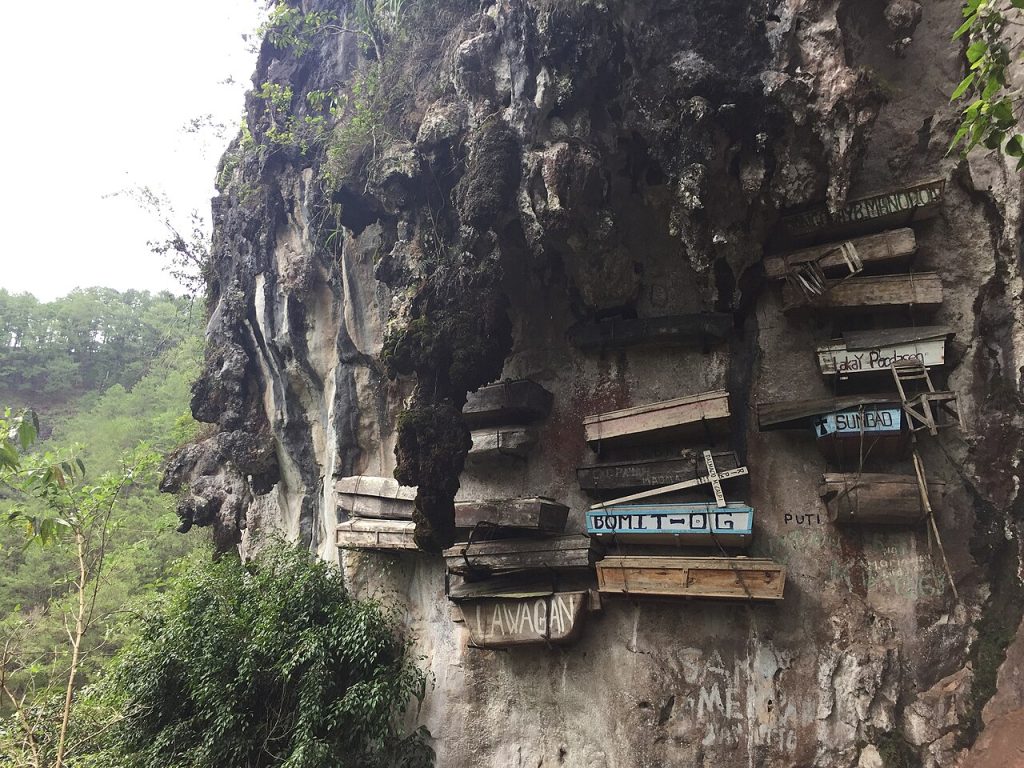
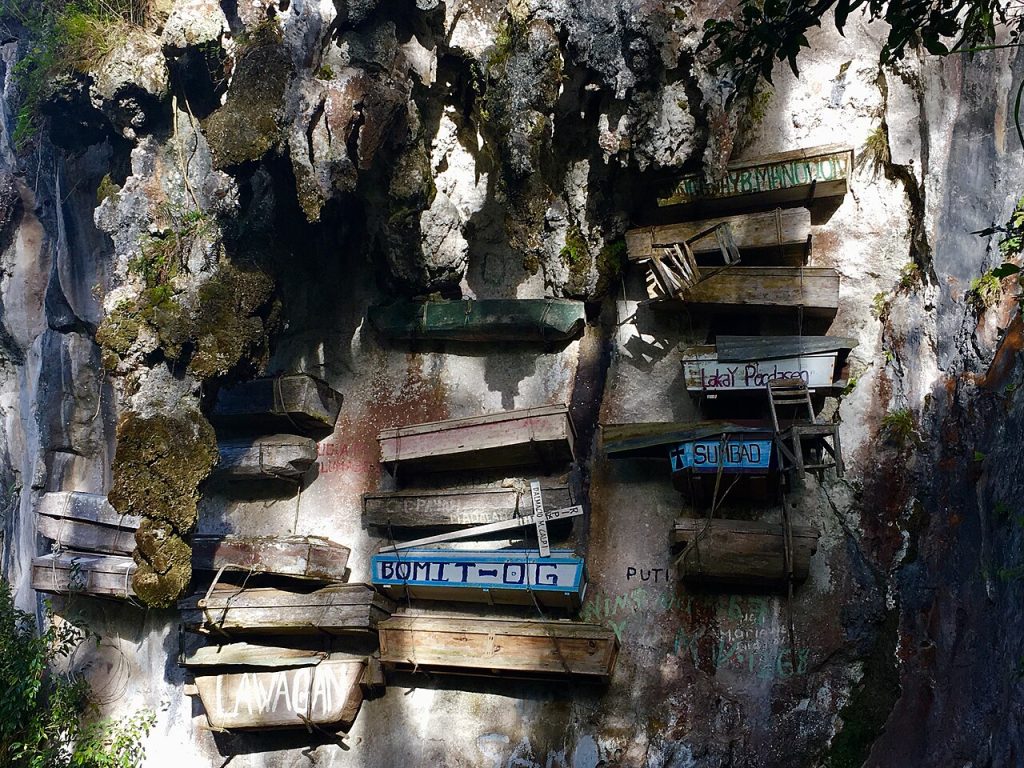
Sagada is famous for its hanging coffins, a burial tradition of the local Igorot people. Coffins are attached to the sides of cliffs or placed in caves, high above the ground. The custom is linked to the belief that placing the dead higher brings them closer to their ancestral spirits.
Echo Valley
The most visited hanging coffins are in Echo Valley, a short walk from the town centre. A guided trail leads down through the forest to a viewpoint where the coffins cling to a pale limestone cliff.
Respectful Visiting
These are sacred burial sites, so stay on the trail, keep your voice low and never touch the coffins. Hiring a local guide is required for many sites and helps explain their meaning.
Lumiang and Sumaguing Caves
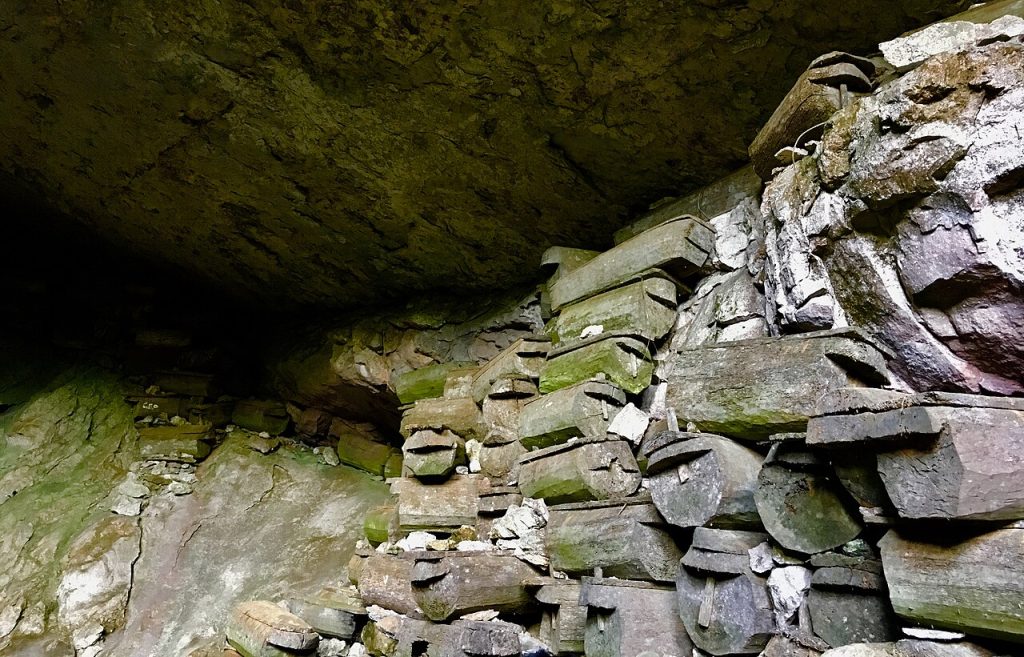
Lumiang Burial Cave holds dozens of old wooden coffins stacked at its entrance, some carved with lizards and other symbols. It is a powerful and quiet place to visit with a guide.
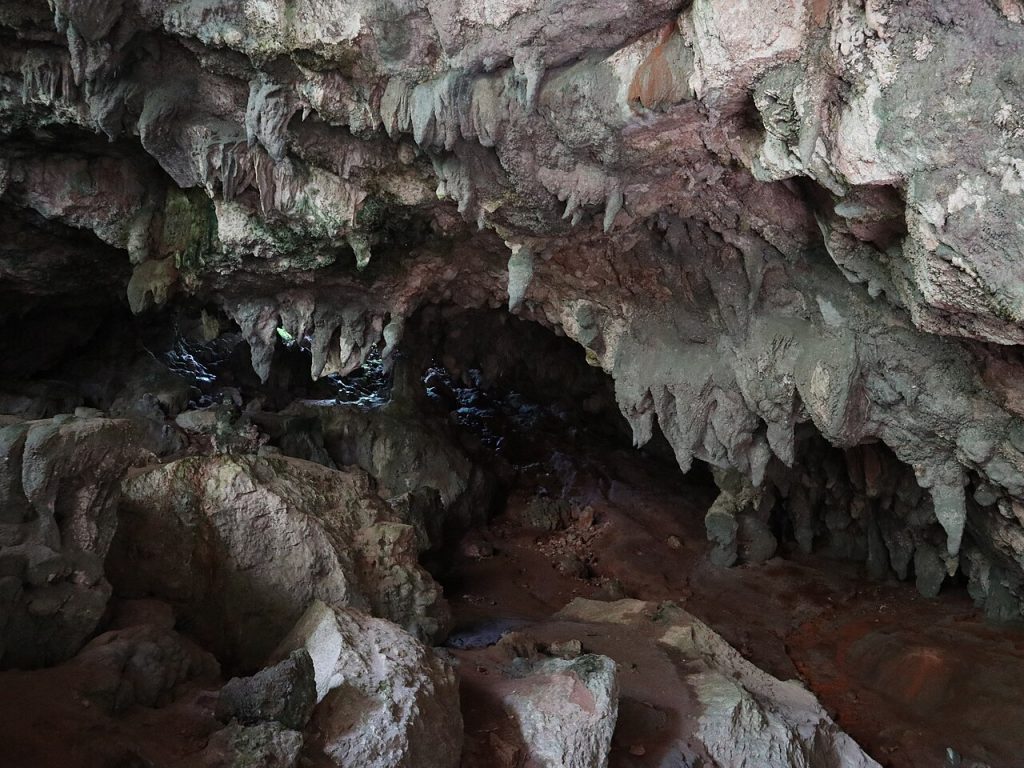
Nearby, Sumaguing Cave is the most popular cave for exploring. Inside, you climb and wade past huge limestone formations, rimstone pools and smooth rock slopes. Interestingly, this part of Luzon was once under the sea, and fossilised seashells can be found in the cave walls. For a bigger challenge, the Cave Connection tour links Lumiang and Sumaguing in one demanding trip.
Rice Terraces, Viewpoints and Waterfalls
Rice Terraces
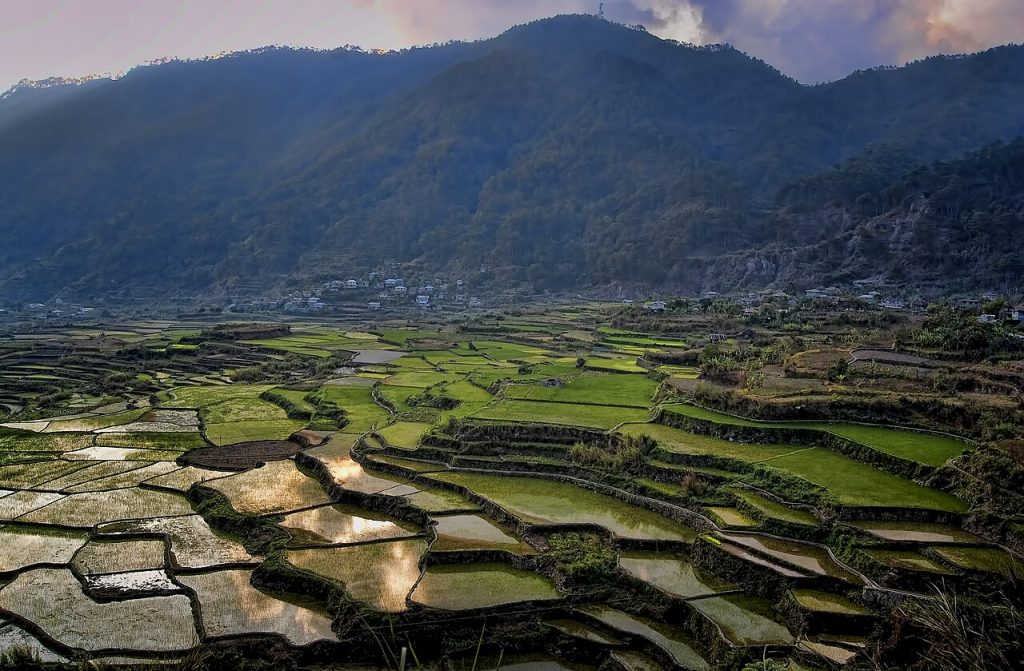
The valleys around Sagada are carved with rice terraces, built and maintained by local communities for generations. Short walks from town lead past these green steps, especially lovely before the harvest.
Kiltepan Viewpoint
Sunrise Over a Sea of Clouds
Kiltepan is the place to watch the sunrise. On clear mornings, a sea of clouds fills the valleys below as the sun rises over the mountains. Arrive early to find a good spot.
Marlboro Hills and Blue Soil
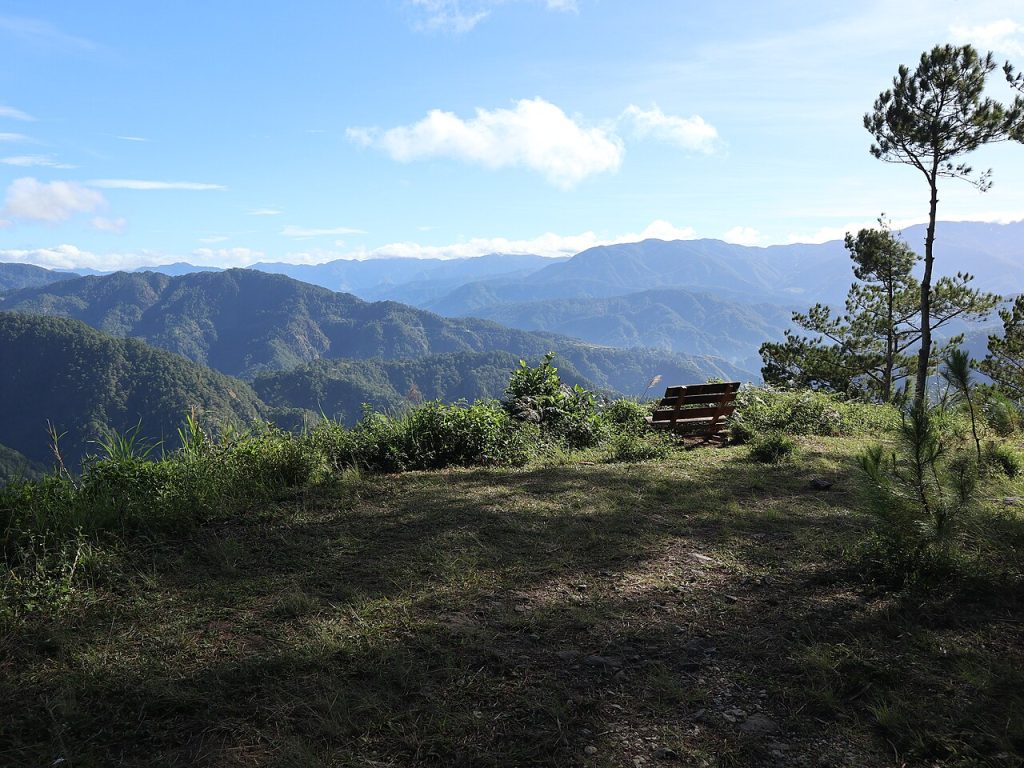
For a longer hike, the trail to Marlboro Hills and the Blue Soil area offers wide views of pine forests and ridges.
Bomod-ok Falls
Bomod-ok Falls, reached by a hike through rice terraces and villages, is one of the area’s most rewarding walks. The waterfall plunges into a cool pool where you can rest before the return climb.
One Historical Fact About Sagada, Philippines
In 1904, the American missionary John Staunton built the Church of Saint Mary the Virgin and founded St. Mary’s School in Sagada. As a result, the town became a centre of the Episcopal Church in the Philippines, and the stone church still stands today.
How to Get to Sagada, Philippines
Most travellers reach Sagada by bus. Direct buses run from Manila, usually overnight, and the trip takes around 12 hours. Alternatively, buses and vans from Baguio take about five to six hours along winding mountain roads. On arrival, register at the tourism office and pay the environmental fee, where you can also book accredited guides.
Best Time to Visit Sagada, Philippines
The best time to visit is during the dry season, from November to April, when trails are safer and the views are clearer. December to February brings the coolest weather and the best chances of a sea of clouds. In contrast, the rainy season from June to October can make caves and trails slippery.
Is Sagada, Philippines Worth Visiting?
Yes, Sagada is well worth visiting. Its hanging coffins, caves and mountain scenery are unlike anything else in the Philippines. Moreover, the cool air and relaxed pace make it a refreshing break.
Final Thoughts
Sagada Philippines rewards curious and respectful travellers. Walk to the hanging coffins of Echo Valley, explore Sumaguing Cave, watch the sunrise at Kiltepan and hike to Bomod-ok Falls. In short, it is one of the most memorable places in northern Luzon.
Image Credits
Wikimedia Commons
- Hanging Coffins in Sagada: Photo by A30422160 via Wikimedia Commons (CC BY-SA 4.0)
- Sagada Overlooking Houses: Photo by Patrickroque01 via Wikimedia Commons (CC BY-SA 4.0)
- The Hanging Coffins of Sagada: Photo by Primho via Wikimedia Commons (CC BY-SA 4.0)
- Lumiang Burial Cave: Photo by Jonald Dimaano via Wikimedia Commons (CC BY-SA 4.0)
- Sumaguing Cave: Photo by Patrickroque01 via Wikimedia Commons (CC BY-SA 4.0)
- Sagada Rice Terraces: Photo by Philip Nalangan via Wikimedia Commons (CC BY-SA 4.0)
- Kiltepan Viewpoint: Photo by Patrickroque01 via Wikimedia Commons (CC BY-SA 4.0)