
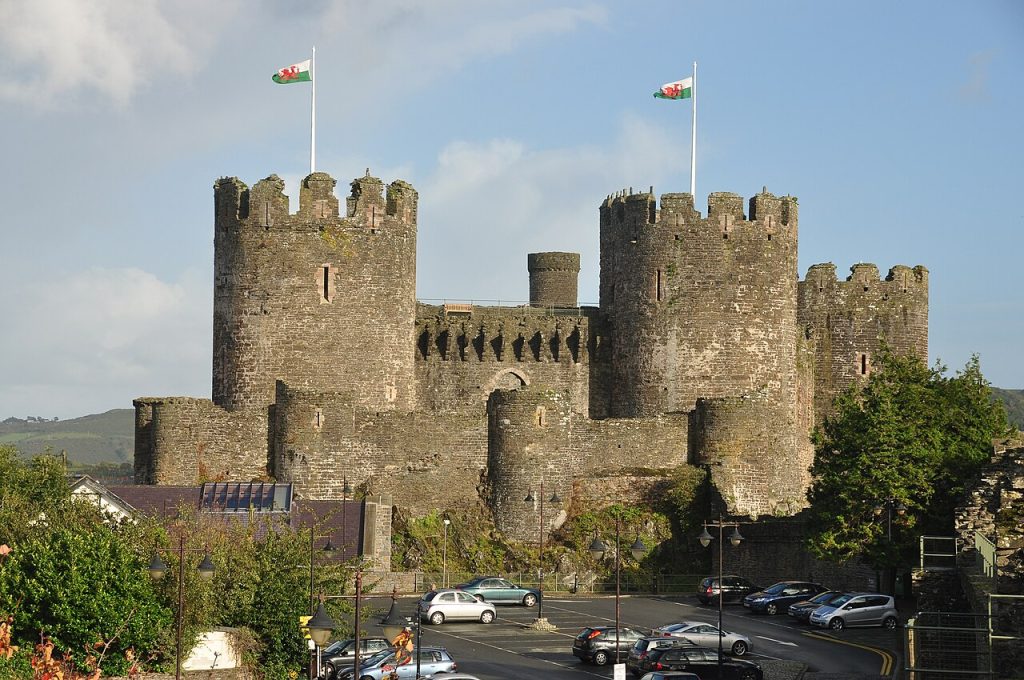
Conwy Wales is a small market town wrapped in an almost complete ring of medieval walls, with one of Europe’s finest castles standing guard over the river. Inside the walls, narrow streets lead to Tudor townhouses, cosy pubs and a quayside where you will find the smallest house in Great Britain. With the mountains of Eryri (Snowdonia) close by, it is a highlight of North Wales.
Quick Facts About Conwy, Wales
| Country | United Kingdom (Wales) |
| Region | Conwy County Borough, North Wales |
| Known For | Conwy Castle, medieval town walls, the Smallest House in Great Britain |
| UNESCO Status | Part of the Castles and Town Walls of King Edward in Gwynedd World Heritage Site (1986) |
| Founded | Castle and walls built 1283 to 1289 |
| Best Time to Visit | May to September |
| Time Needed | 1 day |
| Continent | Europe |
Where Is Conwy, Wales?
Conwy lies on the west bank of the River Conwy estuary in North Wales, facing Deganwy on the opposite bank. It is a short drive from the seaside resort of Llandudno and sits on the edge of Eryri National Park.
Why Visit Conwy, Wales?
First of all, Conwy offers one of the most complete medieval townscapes in Britain. Its castle and walls are part of a UNESCO World Heritage Site, and you can walk along much of the walls for views over the rooftops.
In addition, the town is compact and full of character, with historic houses, independent shops and a lively quayside. Finally, it makes a perfect base for exploring North Wales, from the beaches of Llandudno to the peaks of Eryri.
Conwy Castle
Edward I’s Fortress
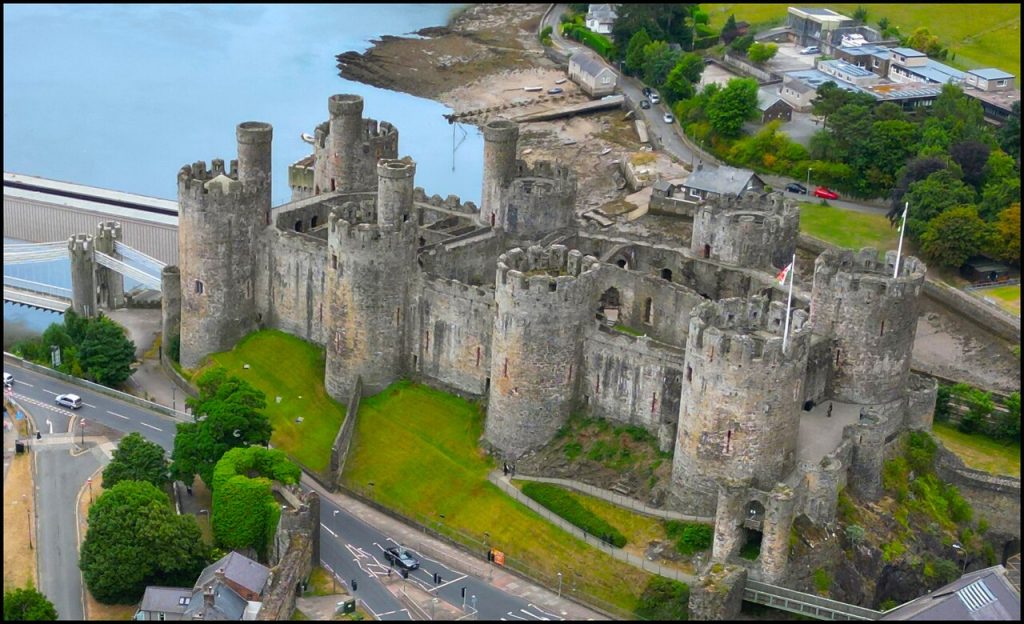
Conwy Castle was built on the orders of Edward I of England between 1283 and 1289, as part of his conquest of Wales. Its eight great towers and high curtain walls still look formidable, and the castle is considered one of the finest examples of medieval military architecture in Europe.
Exploring the Castle
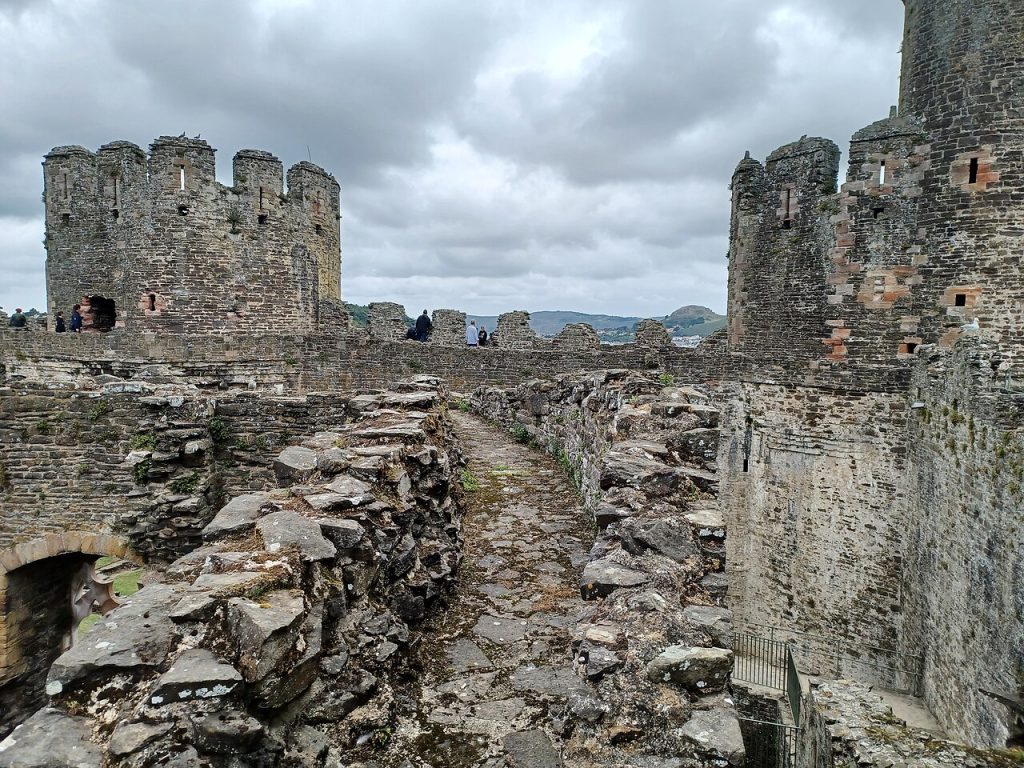
Inside, you can explore the Great Hall, the royal apartments and the chapel. Climb the towers for sweeping views over the estuary, the town walls and the mountains beyond.
The Bridges
Next to the castle, Thomas Telford’s Conwy Suspension Bridge was completed in 1826 to replace the old ferry. Telford designed its towers to match the castle’s turrets. Beside it, Robert Stephenson’s tubular railway bridge, opened in 1848, still carries trains today.
The Town Walls and Historic Houses
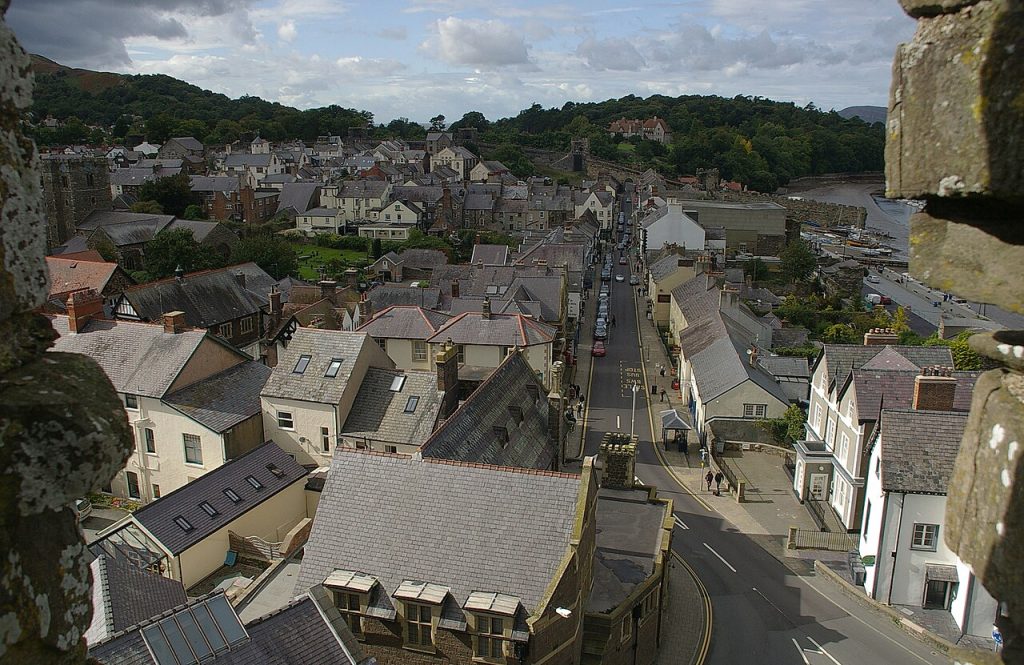
Conwy’s town walls were built at the same time as the castle and still stretch around most of the old town, with numerous towers and gateways. Several sections are open to walk, and the stretch near Upper Gate gives the best views down over the town and castle.
Within the walls, Plas Mawr is one of the best-preserved Elizabethan townhouses in Britain, famous for its colourful plasterwork. Nearby, Aberconwy House is a medieval merchant’s house that survived centuries of change in the town.
The Quayside and Beyond
The Smallest House in Great Britain
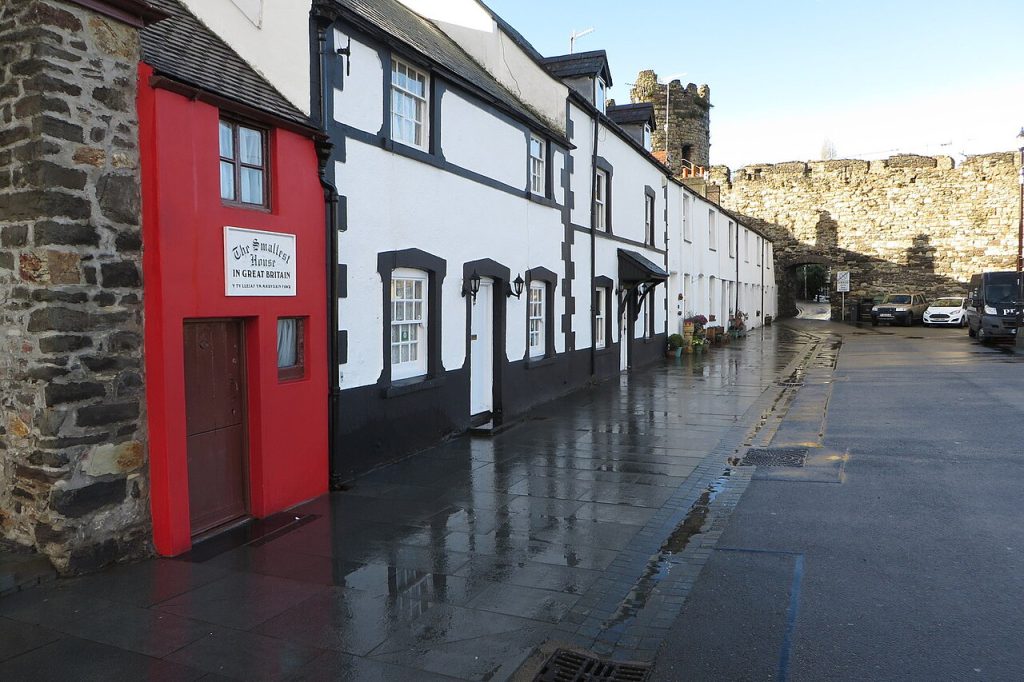
On the quay, a tiny red house squeezed against the town walls is known as the Smallest House in Great Britain. Its owners once lived in this single room, and today you can step inside for a small fee.
Conwy Quay
Fishing Boats and Mussels
The quayside is a lively spot to watch fishing boats, enjoy fish and chips or try Conwy mussels, a local speciality harvested from the estuary.
Boat Trips
In summer, short boat trips leave from the quay and head out along the estuary, offering a different view of the castle and walls.
Day Trips From Conwy
Llandudno, with its Victorian pier and the Great Orme headland, is just a few minutes away. Alternatively, head inland to Eryri for hiking, lakes and mountain railways.
One Historical Fact About Conwy, Wales
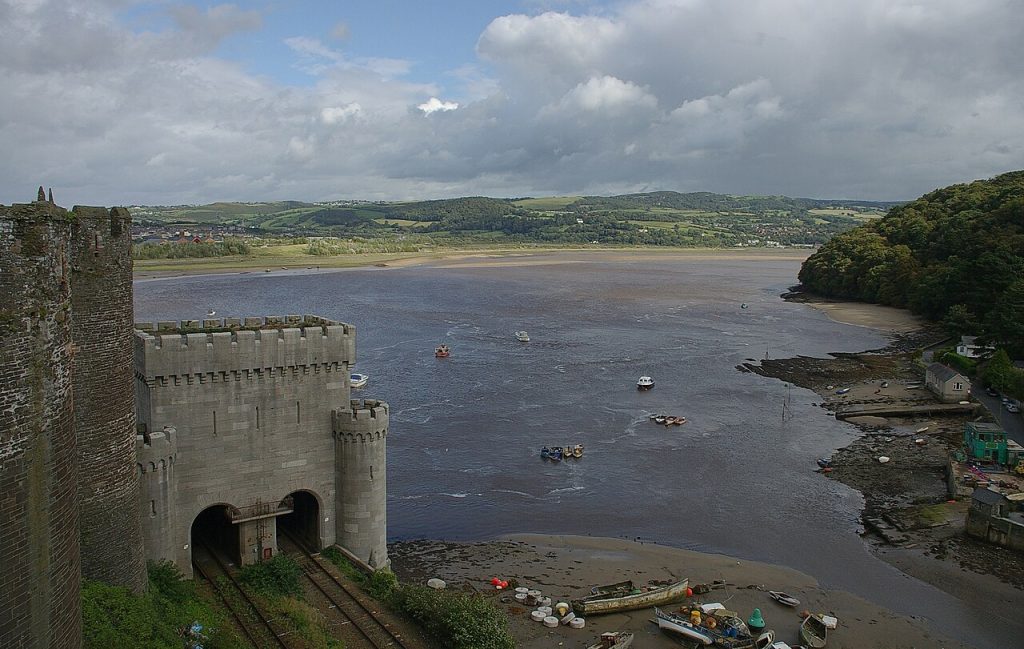
Before the castle was built, Conwy was the site of Aberconwy Abbey, founded by Llywelyn the Great. When Edward I chose the site for his fortress, the monks were moved further up the Conwy Valley to make way for the new walled town.
How to Get to Conwy, Wales
Conwy has a railway station inside the town walls, served by trains on the North Wales Coast Line. From Chester, the journey takes around an hour, with connections from London and Manchester. Alternatively, Llandudno Junction, across the river, has more frequent services. By car, the A55 expressway passes right by the town.
Best Time to Visit Conwy, Wales
The best time to visit Conwy is from May to September, when the weather is mildest and boat trips run on the estuary. However, spring and autumn are quieter and often bring clear, crisp days. Winter is cold and damp, yet the castle and walls remain atmospheric.
Is Conwy, Wales Worth Visiting?
Yes, Conwy is well worth visiting. Its castle, walls and historic streets make it one of the finest medieval towns in Britain. Moreover, its location between the coast and the mountains makes it a superb base for exploring North Wales.
Final Thoughts
Conwy Wales offers history at every turn. Explore Edward I’s castle, walk the medieval walls, peek inside the smallest house in Great Britain and enjoy mussels on the quay. In short, it is a must for anyone travelling through Wales.
Image Credits
Wikimedia Commons
- Conwy Castle: Photo by Nilfanion via Wikimedia Commons (CC BY-SA 4.0)
- Conwy Castle From Above: Photo by Llywelyn2000 via Wikimedia Commons (CC BY-SA 4.0)
- Inside Conwy Castle: Photo by Simon Burchell via Wikimedia Commons (CC BY-SA 4.0)
- Conwy Town From the Castle: Photo by mattbuck via Wikimedia Commons (CC BY-SA 3.0)
- The Smallest House in Britain: Photo by Philip Jeffrey via Wikimedia Commons (CC BY-SA 2.0)
- Conwy Estuary From the Castle: Photo by mattbuck via Wikimedia Commons (CC BY-SA 3.0)