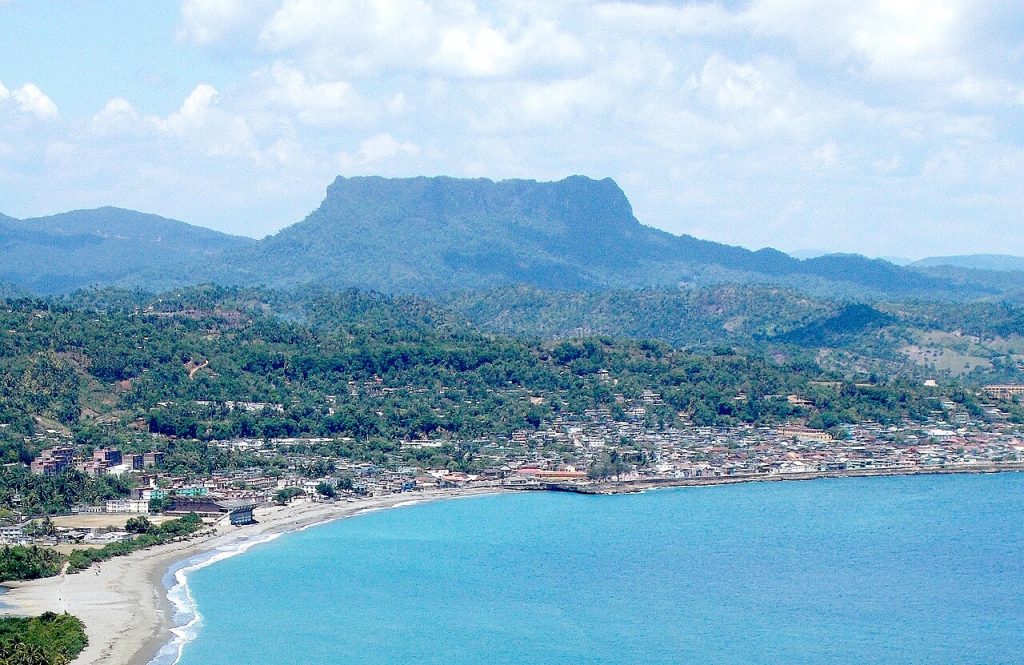
At the far eastern tip of Cuba, a small town sits between turquoise bays and jungle-covered mountains. Behind it rises a strange flat-topped peak, and the air smells of cocoa and coconut. This is Baracoa, the oldest Spanish settlement in Cuba and one of the island’s most enchanting hidden gems. In this guide, you will learn what to see, how to get there and when to visit.
Quick Facts About Baracoa, Cuba
| Country | Cuba |
| Region | Guantánamo Province, eastern Cuba |
| Known For | Cuba’s first Spanish settlement, El Yunque, chocolate and rivers |
| UNESCO Status | Not listed |
| Founded | 15 August 1511 |
| Best Time to Visit | December to April |
| Time Needed | Three to four days |
| Continent | North America (Caribbean) |
Where Is Baracoa, Cuba?
Baracoa lies near the eastern tip of Cuba, in Guantánamo Province. Specifically, the town sits on the Bay of Honey, known in Spanish as Bahía de Miel, with mountains and rainforest rising behind it.
For centuries, Baracoa could only be reached by sea. In fact, a road over the mountains from Guantánamo was not built until the 1960s. As a result, the town developed its own distinct culture and cuisine.
Why Visit Baracoa, Cuba?
First of all, Baracoa has a fascinating history. In fact, it was the first Spanish settlement and first capital of Cuba, which earned it the nickname Ciudad Primada.
In addition, the natural setting is spectacular. Rivers, waterfalls, beaches and rainforest surround the town, so it is a paradise for hikers and nature lovers.
Finally, Baracoa feels different from the rest of Cuba. In particular, it is quieter, greener and more relaxed. Furthermore, its food, flavored with cocoa and coconut, is unlike anything you will taste elsewhere on the island.
Exploring the Town of Baracoa
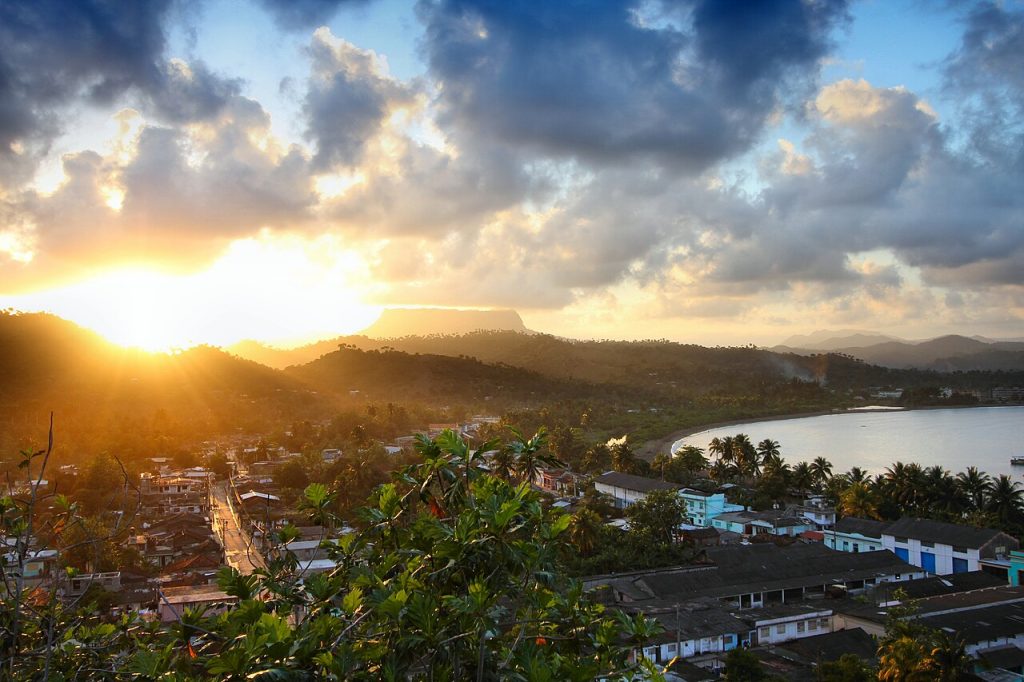
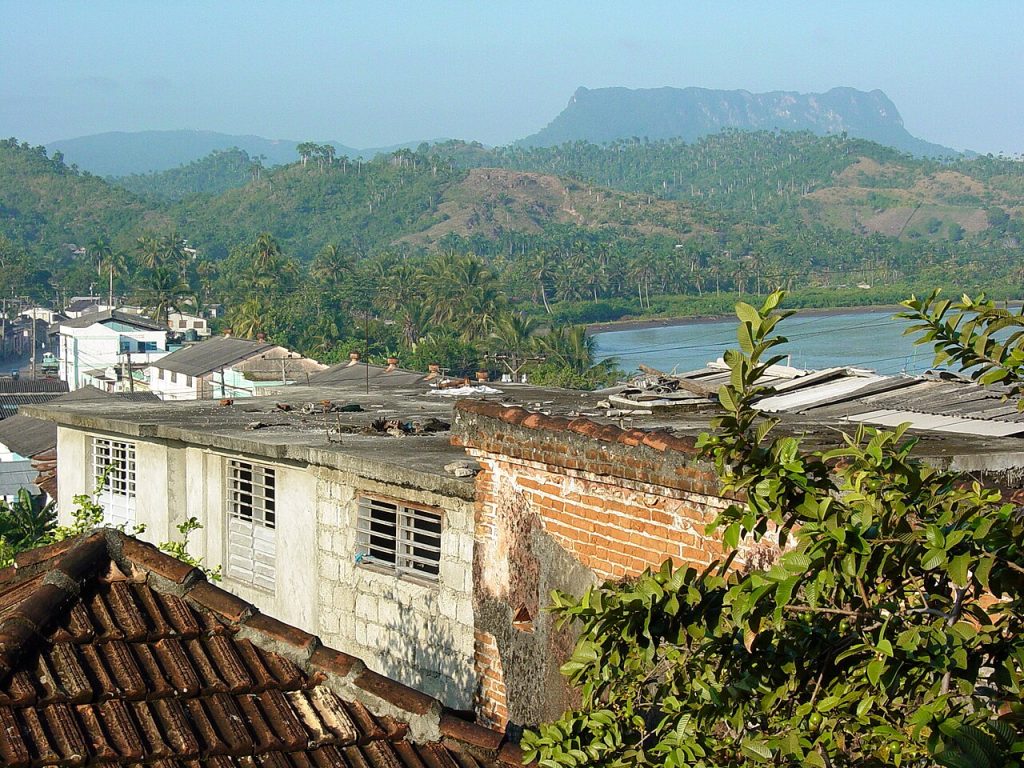
Baracoa is small and easy to explore on foot. Its streets of low, colorful houses lead down to the sea.
Walk Along the Waterfront
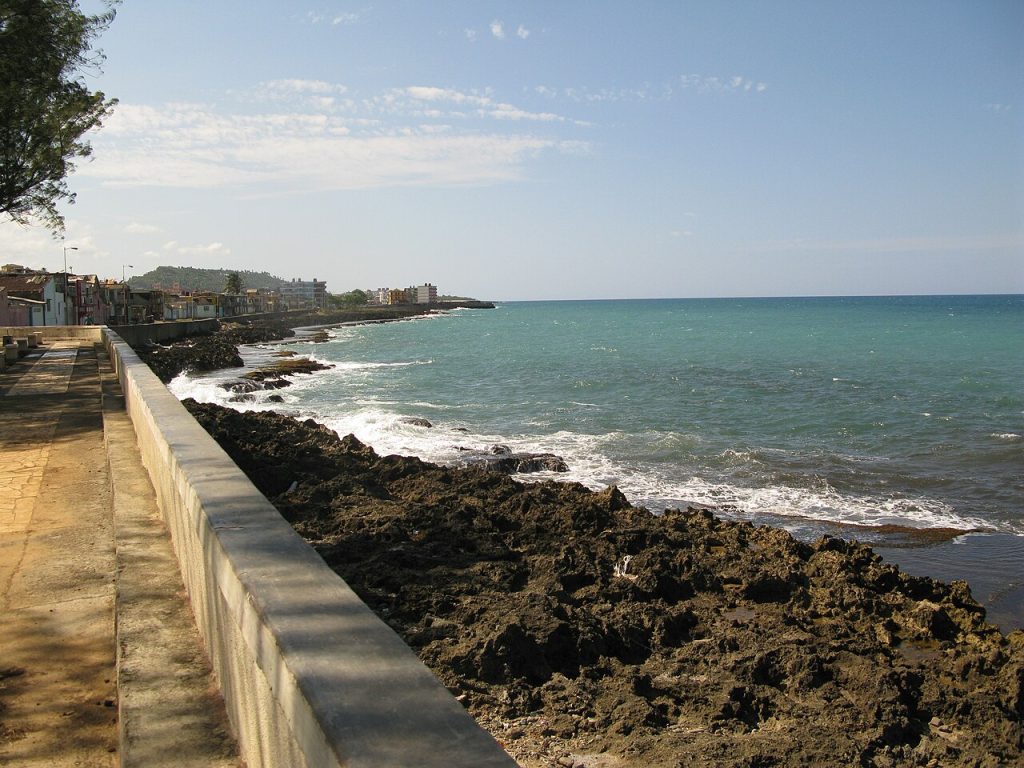
A sea wall promenade runs along the waterfront, where locals gather in the evening to chat and watch the waves. Therefore, it is a lovely place for a sunset stroll.
See the Cross of Columbus
Christopher Columbus visited the area on 27 November 1492. According to tradition, he left a wooden cross here, known as the Cruz de la Parra. Today, it is still kept in the town’s church. However, since it is made of local wood, historians doubt parts of the story.
Visit the Old Forts
Baracoa has several old Spanish forts. For example, Fuerte Matachín, built in 1802, and Fuerte de la Punta, from 1803, once guarded the town from pirates. Meanwhile, El Castillo, on a hill above town, has been converted into a hotel with wonderful views.
Taste the Flavors of Baracoa
Baracoa is the chocolate capital of Cuba. In fact, cocoa grows in the surrounding hills, and the town is the country’s main center for chocolate production. Consequently, you can try hot chocolate, chocolate bars and cocoa tours.
The local cuisine is also unique. For example, try cucurucho, a sweet treat of coconut, fruit and sugar wrapped in a palm leaf cone. Similarly, bacán, a dish made with plantain and pork, is a local specialty. Coconut milk also flavors many seafood dishes.
Natural Wonders Around Baracoa, Cuba
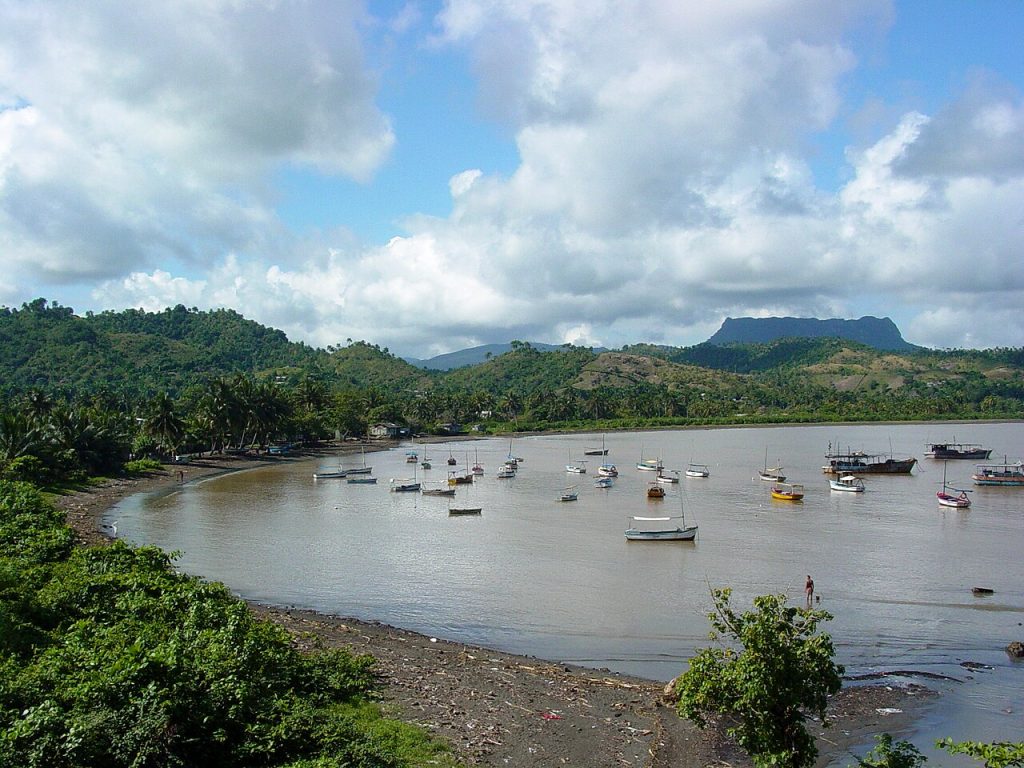
The real magic of Baracoa lies in its surroundings, where mountains meet the sea.
Climb El Yunque
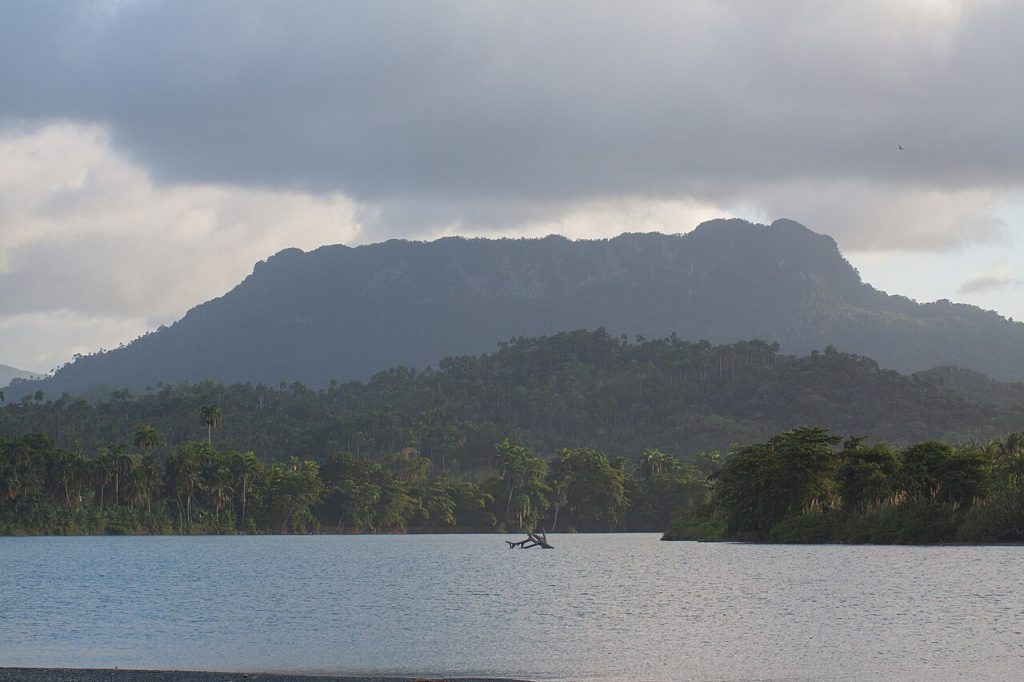
El Yunque is the flat-topped mountain that dominates the skyline, about 10 kilometers west of town. It rises to around 575 meters and is also home to unusual ferns and palms.
Hiking With a Guide
A guide is required to climb El Yunque. The trail passes through rainforest and farms. Then, from the summit, the views stretch over the coast and Baracoa.
What to Bring
Bring water, sunscreen and sturdy shoes, since the trail can be muddy. Also, start early to avoid the midday heat.
The Toa River
The Toa River flows through lush valleys and has many waterfalls, including El Saltadero, about 17 meters high. Moreover, boat trips and swimming spots make it a refreshing escape.
Alejandro de Humboldt National Park
About 20 kilometers north of town, Alejandro de Humboldt National Park protects some of the richest rainforest in the Caribbean. In addition, guided walks lead through the forest and along rivers.
One Historical Fact About Baracoa, Cuba
Diego Velázquez de Cuéllar founded Baracoa on 15 August 1511, making it the first Spanish settlement in Cuba. It also served as the island’s first capital. Around the same time, the Taíno leader Hatuey resisted the Spanish. Eventually, he was betrayed and burned at the stake, and today he is remembered as one of Cuba’s first heroes.
How to Get to Baracoa, Cuba
Because of its remote location, getting to Baracoa takes some planning.
- By bus: The journey from Santiago de Cuba takes about four hours, crossing the mountains on a dramatic road.
- By air: Gustavo Rizo Airport lies about 4 kilometers from town, but flights from Havana are infrequent.
- By car: A private taxi or rental car gives you more flexibility for exploring the region.
Best Time to Visit Baracoa, Cuba
Baracoa is one of the wettest parts of Cuba, which keeps its forests so green. Therefore, the drier months from December to April are usually the best time for hiking and beaches.
From June to November, rain is heavier, and this period is also the Caribbean hurricane season. Nevertheless, the waterfalls are at their most impressive after the rains.
Is Baracoa, Cuba Worth Visiting?
Yes, absolutely. Baracoa combines history, nature and a unique food culture in one small, friendly town. It is a refreshing change from the busier parts of Cuba.
Admittedly, the journey is long. Even so, the mountains, rivers and chocolate make every hour on the road worthwhile.
Final Thoughts
Baracoa is a place where Cuba’s story began and where nature still rules. Climb El Yunque, taste the local chocolate and swim in the Toa River. Above all, slow down and enjoy the town’s easygoing rhythm. If you are exploring more of Cuba, you may also enjoy our guides to Trinidad and Camagüey.
Image Credits
Wikimedia Commons
- Baracoa and El Yunque: Photo by HYanWong via Wikimedia Commons (Public domain)
- Sunset Over Baracoa: Photo by Marek Ślusarczyk (Tupungato) Photo portfolio via Wikimedia Commons (CC BY 3.0)
- Baracoa Seafront: Photo by Rastapopulous via Wikimedia Commons (CC BY-SA 3.0)
- Bay in Baracoa: Photo by Adam Jones via Wikimedia Commons (CC BY-SA 3.0)
- Toa River and El Yunque: Photo by Christian Pirkl via Wikimedia Commons (CC BY-SA 4.0)
- Houses and Countryside in Baracoa: Photo by Adam Jones via Wikimedia Commons (CC BY-SA 3.0)