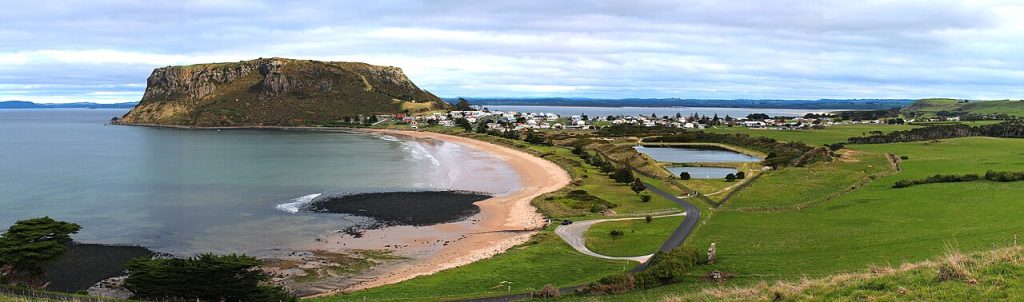
On the wild north-west coast of Tasmania, a flat-topped volcanic rock rises straight out of the sea. At its foot, a small fishing village of colorful cottages and old stone buildings looks out over sweeping beaches. This is Stanley Tasmania, one of the most charming villages in Australia. In this guide, you will learn what to see, how to get there and when to visit.
Quick Facts About Stanley, Tasmania
| Country | Australia |
| Region | Circular Head, north-west Tasmania |
| Known For | The Nut, historic buildings and fishing |
| UNESCO Status | Not listed |
| Founded | Settled in 1826; officially established in 1842 |
| Best Time to Visit | November to April |
| Time Needed | One to two days |
| Continent | Oceania |
Where Is Stanley, Tasmania?
Stanley lies on the north-west coast of Tasmania, in the Circular Head municipality. In fact, it sits on a narrow peninsula about 21 kilometers northeast of Smithton.
The village is quite remote. For example, it lies about 127 kilometers west of Devonport and 224 kilometers west of Launceston. As a result, it feels peaceful and unspoiled.
Why Visit Stanley, Tasmania?
First of all, Stanley has a spectacular landmark. In particular, The Nut, an ancient volcanic plug, towers over the village and offers incredible views.
In addition, the village is full of history. For example, its colonial cottages, old stone buildings and historic homestead tell the story of early European settlement in Tasmania.
Finally, Stanley is small, quiet and friendly. Indeed, with fewer than 600 residents, it is a perfect place to slow down.
Climbing The Nut
The Nut, known in the local Aboriginal language as Munatrik, is the remains of an extinct volcano. Specifically, it rises 143 meters, with a flat top and steep sides. Therefore, it dominates every view of the village.
The Walking Track
First of all, a steep walking track climbs to the top. Although it is short, the path is challenging, so take your time.
The Chairlift
Alternatively, ride the chairlift to the summit. In particular, it is a fun option for families and anyone who wants to save their legs for the walk at the top.
The Summit Walk
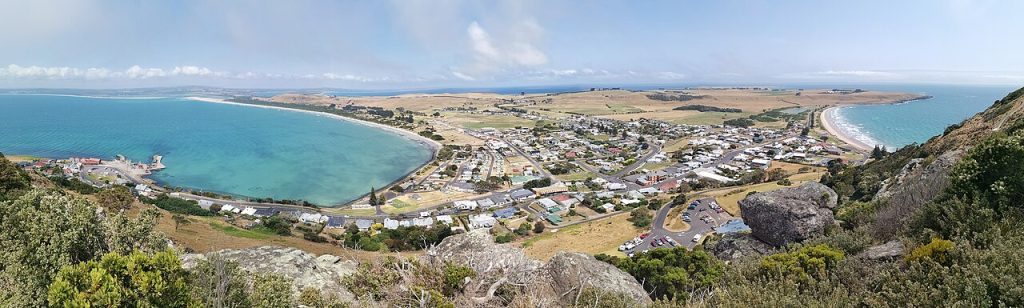
Once at the top, a loop walk circles the flat summit. Along the way, viewpoints look out over the village, the beaches and the ocean.
Wildlife on Top
The summit is also home to local wildlife and seabirds. So, keep your eyes open as you walk.
Exploring the Village of Stanley
Below The Nut, the village is easy to explore on foot. Above all, take time to admire the historic buildings.
Historic Main Street
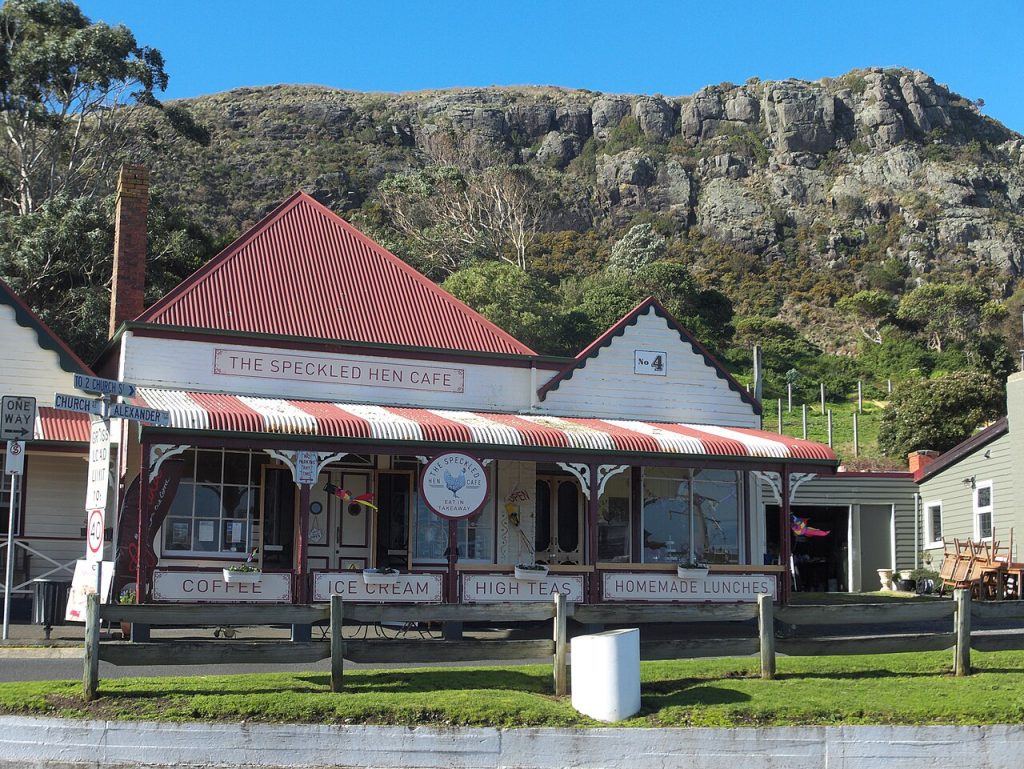
In particular, the main street is lined with old cottages, cafes and shops. In fact, many buildings date from the 19th century, with weatherboard walls and striped awnings.
Old Stone Buildings
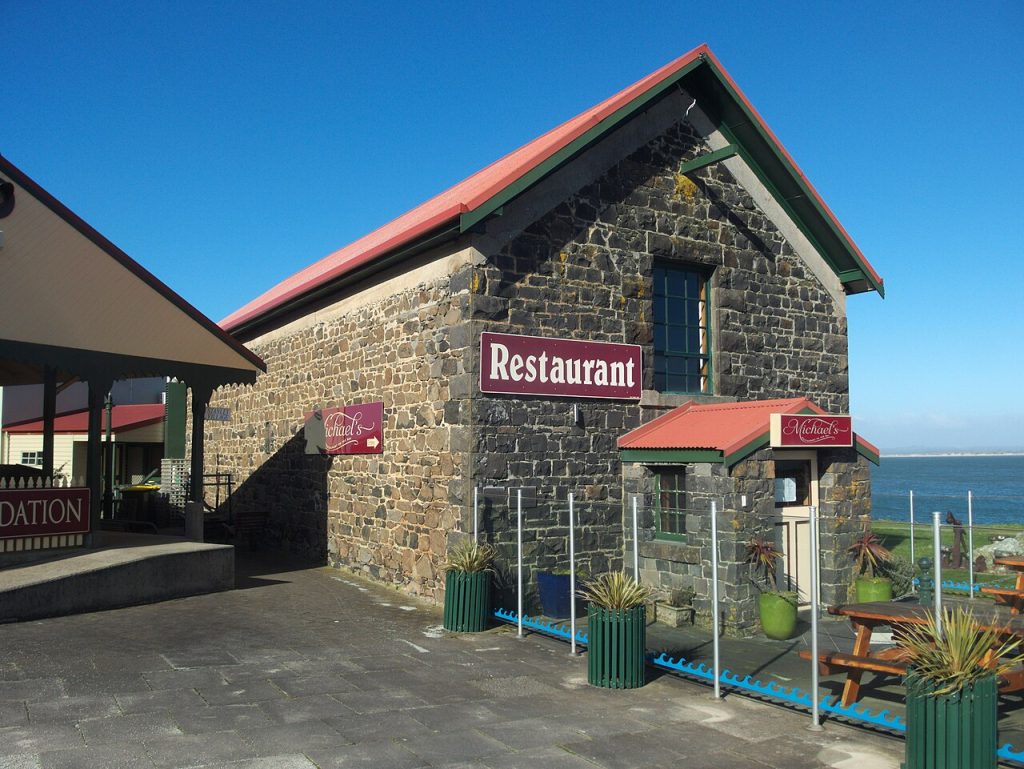
Near the waterfront, old stone buildings recall the early days of the port. Meanwhile, fishing boats still come and go, since Stanley is the main fishing port on the north-west coast.
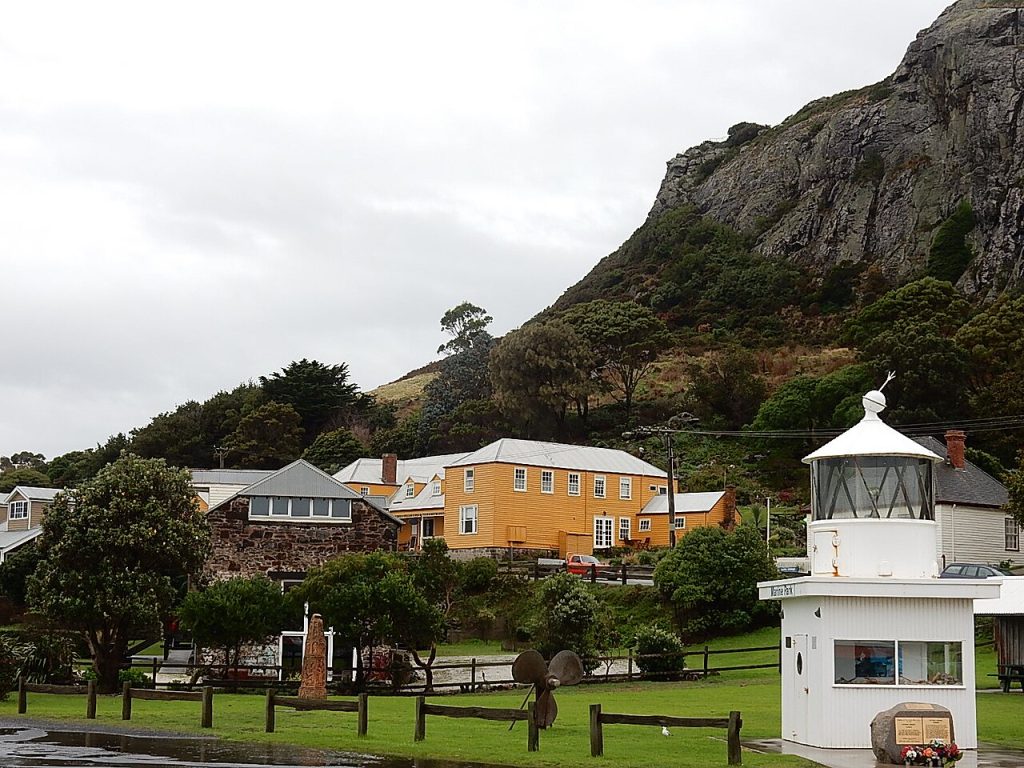
Highfield
On a hill north of the village stands Highfield, the original home of the Van Diemen’s Land Company in Circular Head. Today, visitors also come for its history and its views over the northern beaches, with The Nut behind.
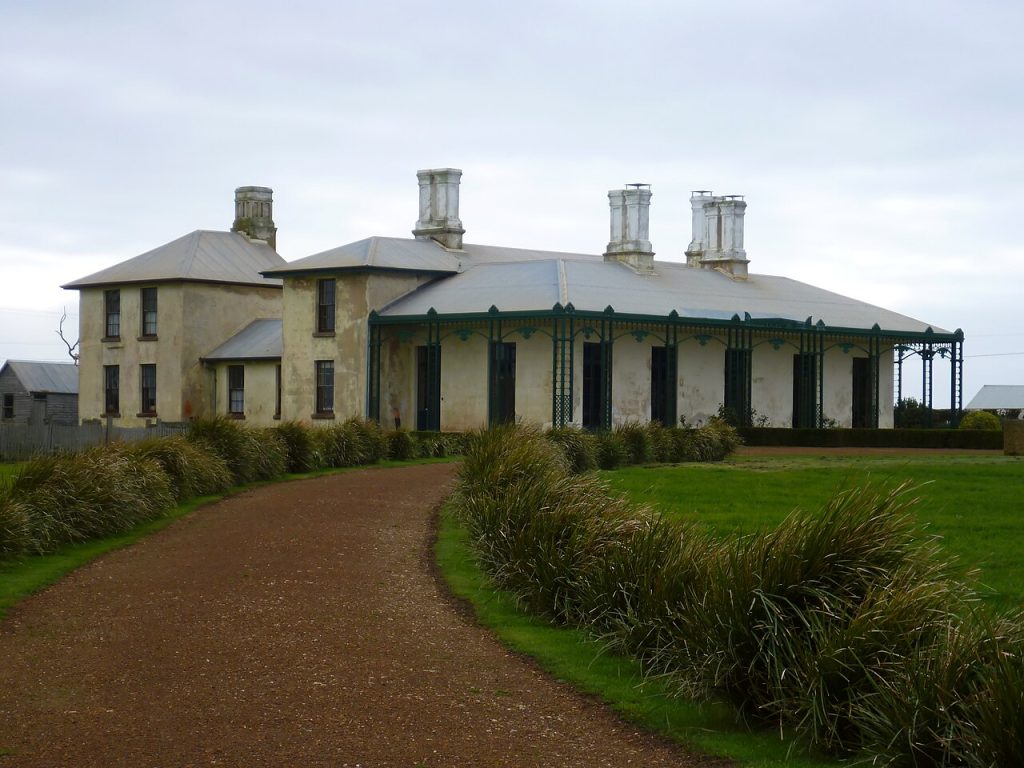
One Historical Fact About Stanley, Tasmania
In 1825, the Van Diemen’s Land Company received land in the area, and its employees settled here in October 1826. Interestingly, the town was first called Circular Head and was later named after Lord Stanley. Furthermore, in 1936, a submarine telephone cable from Apollo Bay in Victoria gave Tasmania its first telephone link to the mainland here.
How to Get to Stanley, Tasmania
In general, Stanley is best reached by car.
- From Devonport: The drive west along the coast covers about 127 kilometers.
- From Launceston: The village is about 224 kilometers away.
- From Hobart: The trip is long, at around 379 kilometers, so plan an overnight stop.
In addition, the Spirit of Tasmania ferry from Melbourne arrives in Devonport, which makes Stanley easy to add to a road trip.
Best Time to Visit Stanley, Tasmania
Stanley has a mild oceanic climate, with average maximum temperatures of around 16°C. Generally, the warmer months, from November to April, are best for walking and exploring.
However, the north-west coast can be windy at any time of year. Therefore, bring a warm layer, even in summer.
Is Stanley, Tasmania Worth Visiting?
Yes, absolutely. Overall, Stanley combines a dramatic natural landmark, rich history and a peaceful village atmosphere. Moreover, it is a highlight of any road trip along Tasmania’s north-west coast.
For travelers who love quiet places with big views, it is a perfect choice. Therefore, try to stay at least one night.
Final Thoughts
Stanley is a village shaped by an ancient volcano and the sea. Climb The Nut, wander the historic streets and visit Highfield for the view. Above all, slow down and enjoy the wild beauty of the coast. If you love historic towns in Australia, you may also enjoy our guides to Richmond and Port Fairy.
Image Credits
Wikimedia Commons
- The Nut and the Beach: Photo by Taspictures via Wikimedia Commons (CC0)
- View Over the Village: Photo by Binarysequence via Wikimedia Commons (CC BY-SA 4.0)
- Historic Shopfronts: Photo by Gary Houston via Wikimedia Commons (CC0)
- Old Bond Store: Photo by Gary Houston via Wikimedia Commons (CC0)
- Highfield: Photo by Peripitus via Wikimedia Commons (CC BY-SA 3.0)
- Cottages Beneath The Nut: Photo by Michael Coghlan via Wikimedia Commons (CC BY-SA 2.0)