
High on the slopes of the Greater Caucasus, a stone village rings with the sound of hammers on copper. Cobbled streets lead past workshops filled with gleaming pots and jugs, while forested mountains rise all around. This is Lahij, also spelled Lahıc, one of the oldest villages in Azerbaijan. In this guide, you will learn what to see, how to get there and when to visit.
Quick Facts About Lahij, Azerbaijan
| Country | Azerbaijan |
| Region | Ismailli District, Greater Caucasus |
| Known For | Copper craftsmanship, cobbled streets and Tat culture |
| UNESCO Status | Copper craftsmanship of Lahij is on UNESCO’s Intangible Cultural Heritage list (2015) |
| Founded | One of Azerbaijan’s oldest settlements |
| Best Time to Visit | May to October |
| Time Needed | One day |
| Continent | Asia |
Where Is Lahij, Azerbaijan?
Lahij lies on the southern slopes of the Greater Caucasus, in the Ismailli District of Azerbaijan. In fact, it sits on the left bank of the Girdiman River, at around 1,200 meters above sea level.
Moreover, the village is a few hours’ drive west of Baku. As a result, many visitors come on a long day trip or stay overnight in a guesthouse.
Why Visit Lahij, Azerbaijan?
First of all, Lahij is famous for its copper. UNESCO lists its copper craftsmanship as intangible cultural heritage. Therefore, you can watch artisans continue a tradition that goes back centuries.
In addition, the village is beautifully preserved. Cobbled streets, stone houses and wooden balconies give it a timeless feel.
Finally, Lahij has a unique culture. Most residents speak Tat, a Southwestern Iranian language, and call themselves Parsi. Moreover, they are usually bilingual in Azerbaijani.
Exploring the Village of Lahij
The village is small and easy to explore on foot. Above all, take time to wander the side streets as well as the main street.
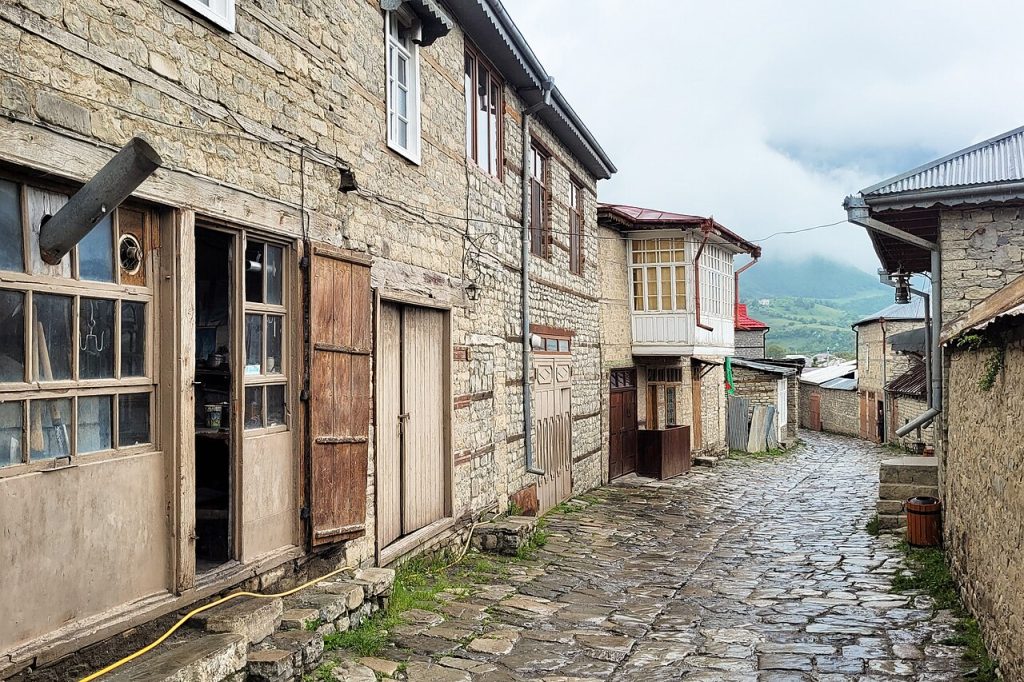
The Cobbled Streets
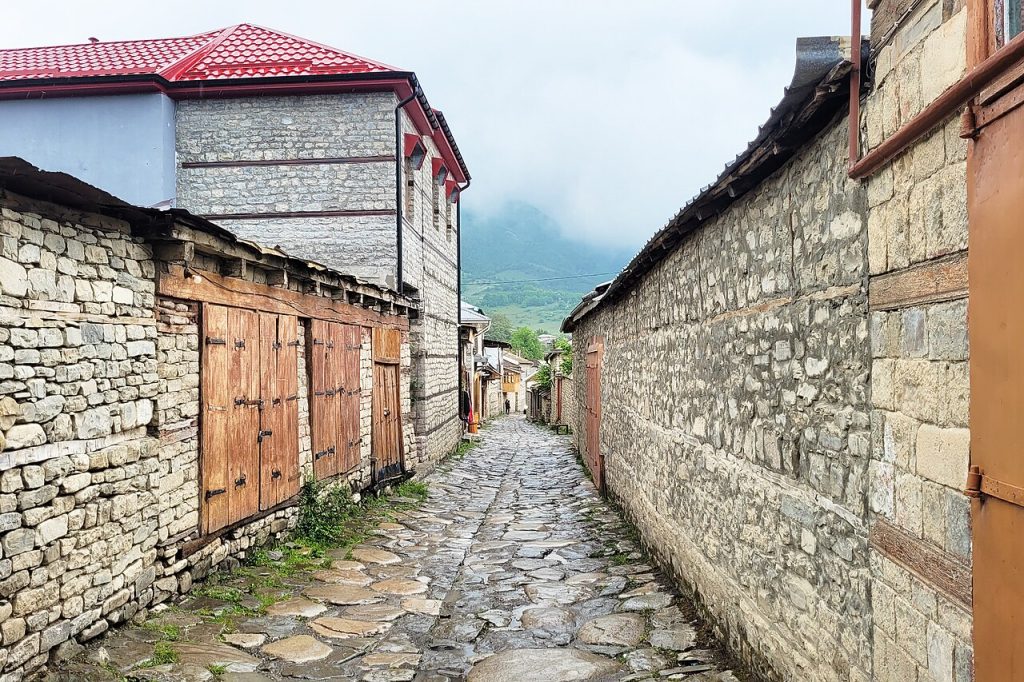
The village is known for its cobbled streets and squares. In addition, local builders developed a distinctive style to cope with the frequent earthquakes in the area.
An Ancient Sewer System
Beneath the streets runs an underground sewer called the kurabandi. Made of river stones, experts think it is nearly 1,000 years old. In fact, it may be one of the oldest sewer systems still in use in the world.
Carved Doors and Balconies
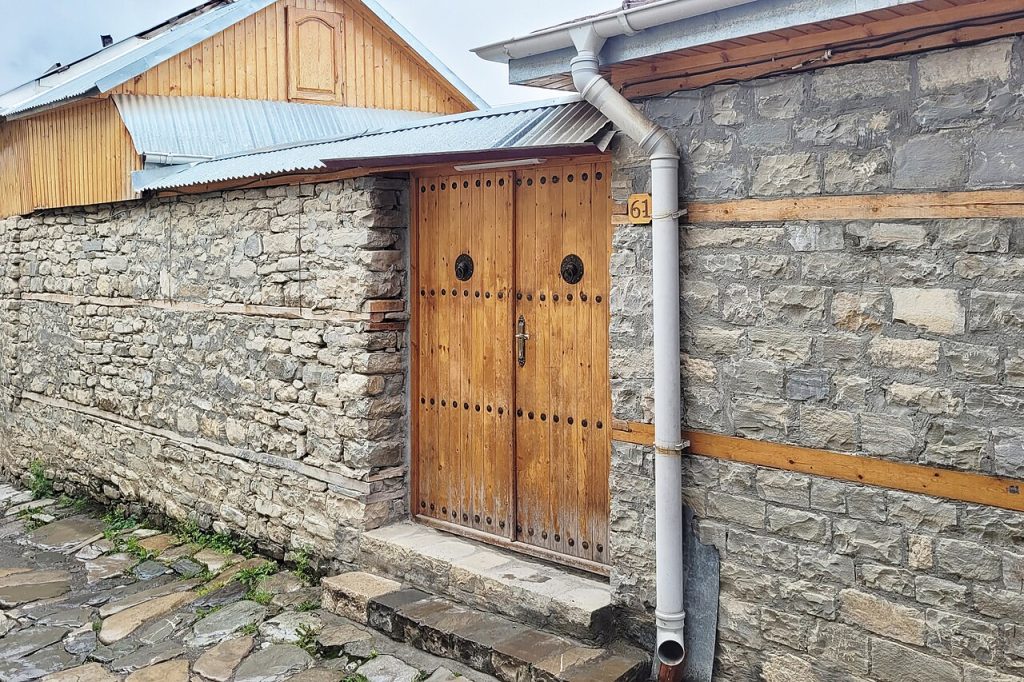
As you walk, look for carved doorways, wooden balconies and decorated windows. Similarly, many homes display small details that reflect the village’s craft traditions.
The Copper Craft of Lahij
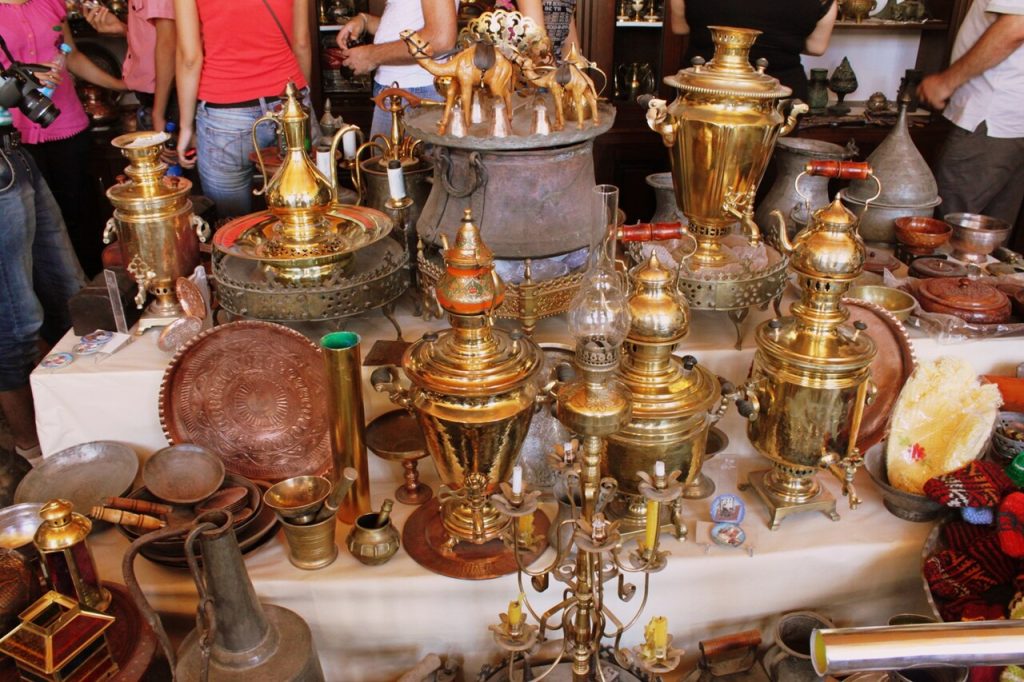
Copperwork is the village’s most important skill. In 2015, UNESCO added the copper craftsmanship of Lahij to its list of the Intangible Cultural Heritage of Humanity.
How the Copper Is Made
In general, a master coppersmith oversees the process, while an apprentice learns by assisting. Next, a hammerer beats the smelted copper into thin plates. Finally, a craftsperson polishes and engraves the finished pieces with decorative designs.
A Family Tradition
Fathers usually pass the skills to their sons. As a result, the craft strengthens family bonds and gives the community a strong sense of identity.
Buying Copperware
Many families in Azerbaijan travel here to buy copperware, since they believe it improves the health benefits of food. Therefore, a copper pot makes a meaningful souvenir.
Other Crafts
Beyond copper, the village is also known for leatherwork, carpets and rugs. In the Middle Ages, its craftsmen could produce dozens of types of folk art items.
Beyond the Village
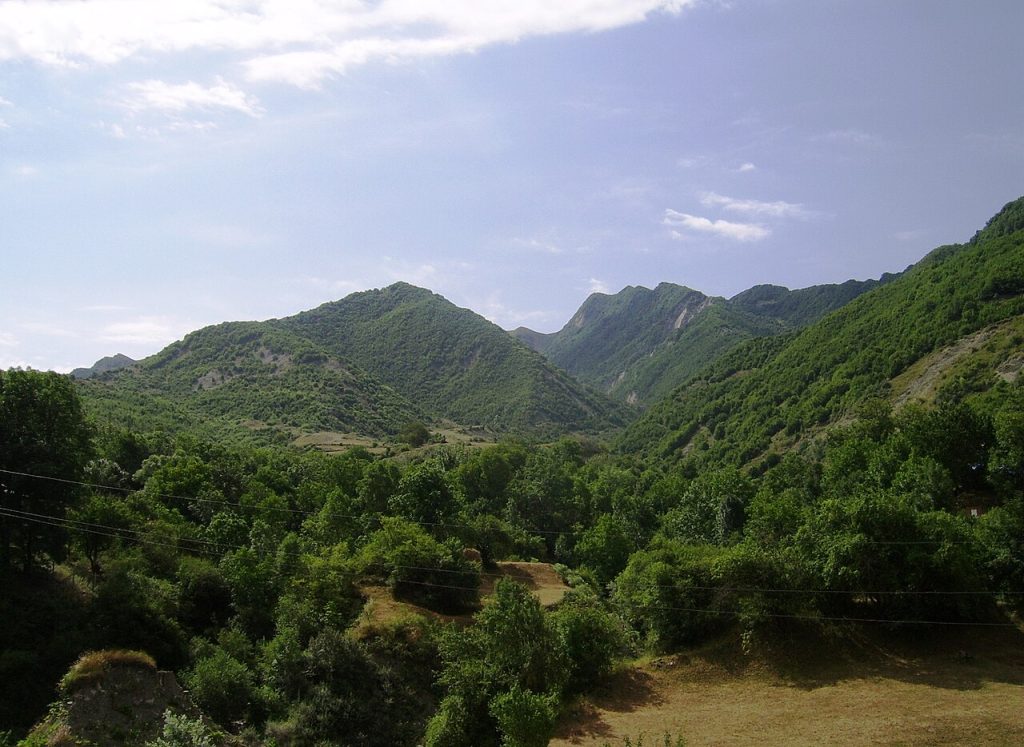
The landscape around the village is just as memorable as the village.
The Lahij Museum of Local History
The local history museum holds over 1,000 exhibits, including pottery and 18th-century bellows. Interestingly, it is housed in the Aghaogly mosque, built in 1914 and converted into a museum in 1987.
The Mountain Road
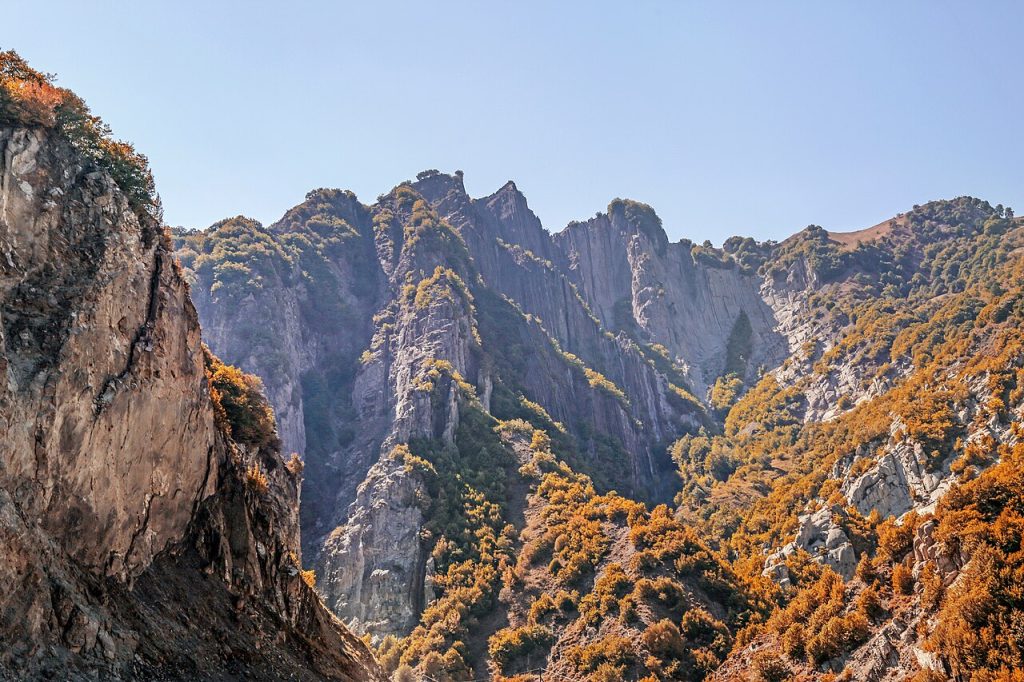
The road to the village winds through a dramatic canyon, with rocky walls and forested slopes. Especially in autumn, the colors are spectacular.
One Historical Fact About Lahij, Azerbaijan
Historians describe Lahij as one of the oldest human settlements in Azerbaijan. During the Middle Ages, it grew into a major center of crafts. Later, in 1980, it became a historical and cultural reserve to protect its heritage.
How to Get to Lahij, Azerbaijan
In general, Lahij is easiest to reach by road from Baku.
- By car: The drive from Baku takes a few hours, with the final stretch through a mountain canyon.
- By tour: Many day tours from Baku include Lahij, often combined with other stops in the region.
- By local transport: Buses run to Ismailli, from where you can continue by taxi.
Best Time to Visit Lahij, Azerbaijan
The best time to visit is from May to October, when the mountain roads are open and the weather is mild. In particular, autumn brings beautiful colors to the forests.
In contrast, winter can be cold and snowy in the mountains, which can make the road difficult. Therefore, check conditions before you travel.
Is Lahij, Azerbaijan Worth Visiting?
Yes, absolutely. Lahij combines living craft traditions, ancient streets and stunning mountain scenery. Moreover, it offers a rare glimpse of village life in the Caucasus.
For travelers interested in culture and crafts, it is a highlight of Azerbaijan. Therefore, consider staying overnight to enjoy the peaceful evenings.
Final Thoughts
In short, this is a village where history is hammered into copper. Watch the artisans at work, walk the cobbled streets and enjoy the mountain views. Above all, take time to talk with the craftspeople and learn their stories. If you love historic towns in the Caucasus, you may also enjoy our guides to Sheki and Sighnaghi.
Planning a longer trip? You can also pair this visit with our guides to Sheki, Sighnaghi and Khiva.
Image Credits
Wikimedia Commons
- Cobbled Street: Photo by Bernard Gagnon via Wikimedia Commons (CC BY 4.0)
- Stone Lane: Photo by Bernard Gagnon via Wikimedia Commons (CC BY 4.0)
- Carved Doorway: Photo by Bernard Gagnon via Wikimedia Commons (CC BY 4.0)
- Copperware: Photo by Gulustan via Wikimedia Commons (CC BY-SA 3.0)
- Canyon on the Mountain Road: Photo by ElxanQəniyev via Wikimedia Commons (CC BY-SA 4.0)
- Landscape in Ismailli: Photo by Radosław Botev via Wikimedia Commons (CC BY 3.0 pl)