
Popayán Colombia is known as the White City, and one look at its whitewashed colonial streets explains why. Set in a green valley in the Andes, it is a city of elegant churches, old stone bridges and some of the most famous Holy Week processions in Latin America. In addition, it is a UNESCO City of Gastronomy, so every visit comes with excellent food.
Quick Facts About Popayán, Colombia
| Country | Colombia |
| Region | Cauca Department, southwestern Andes |
| Known For | Whitewashed colonial centre, Holy Week processions, regional cuisine |
| UNESCO Status | Holy Week processions on the UNESCO Intangible Cultural Heritage list (2009); UNESCO City of Gastronomy (2005) |
| Founded | 13 January 1537, by Sebastián de Belalcázar |
| Best Time to Visit | June to August, December to February, or Holy Week |
| Time Needed | 2 to 3 days |
| Continent | South America |
Where Is Popayán, Colombia?
Popayán is the capital of the Cauca Department in southwestern Colombia. Specifically, it lies in the Pubenza Valley, between the Western and Central ranges of the Andes, at about 1,760 metres above sea level.
Thanks to this altitude, the city enjoys a mild spring like climate all year, with an average temperature of around 18°C. Cali, the nearest large city, is roughly three hours away by road.
Why Visit Popayán, Colombia?
First of all, Popayán has one of the best preserved colonial centres in Colombia. Its grid of white houses, wooden balconies and quiet plazas feels calm and dignified.
Secondly, the city has a deep cultural life. It has produced many Colombian presidents, poets and painters. Moreover, the University of Cauca, founded in 1827, gives the streets a lively student atmosphere.
Finally, Popayán is far less crowded than Cartagena or Medellín. As a result, you can enjoy its beauty at a slow, relaxed pace.
Walking the White City
The best way to discover Popayán Colombia is on foot. Most of the main sights lie within a few blocks of Parque Caldas, the leafy main square.
Parque Caldas and the Cathedral
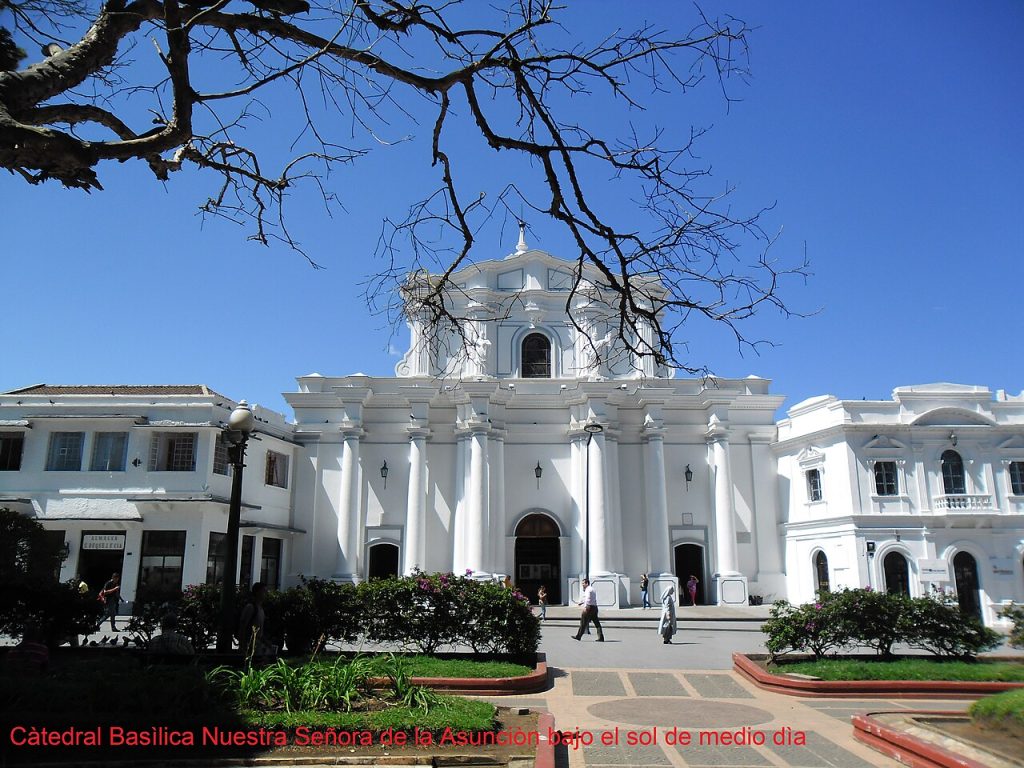
Parque Caldas is the heart of the old town. Locals meet here to chat, read the newspaper and buy snacks from street vendors. On one side stands the gleaming white Cathedral Basilica of Our Lady of the Assumption, the city’s best known landmark.
Colonial Streets and Balconies
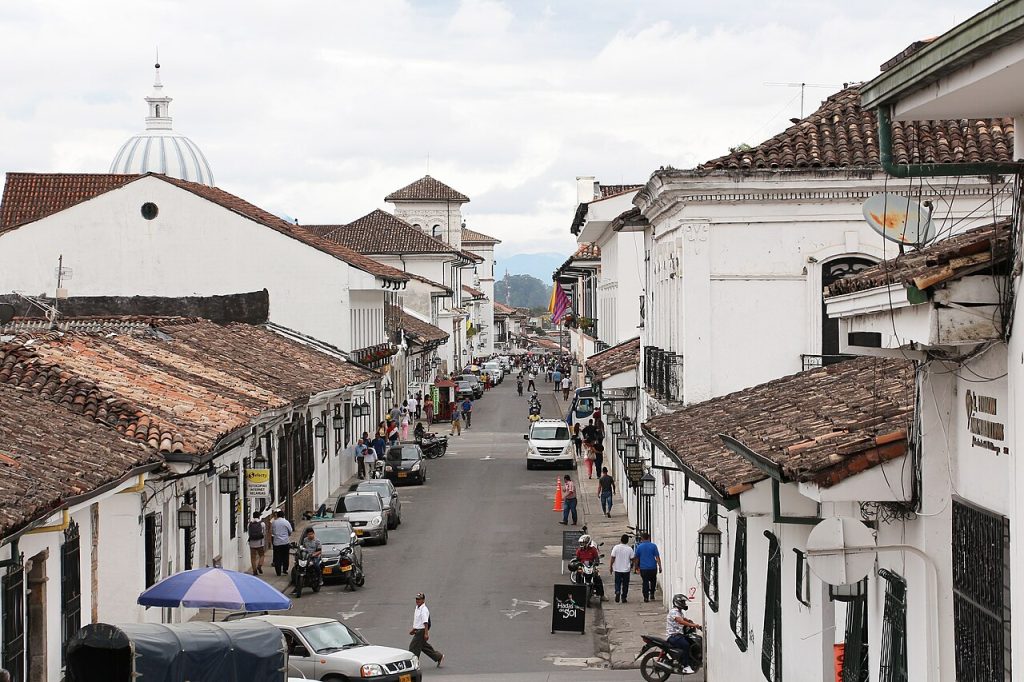
From the square, wander along streets such as Calle 5 and Carrera 6. Here, rows of whitewashed houses line both sides, with heavy wooden doors and iron window grilles. In the late afternoon, the walls glow softly in the golden light.
The Puente del Humilladero
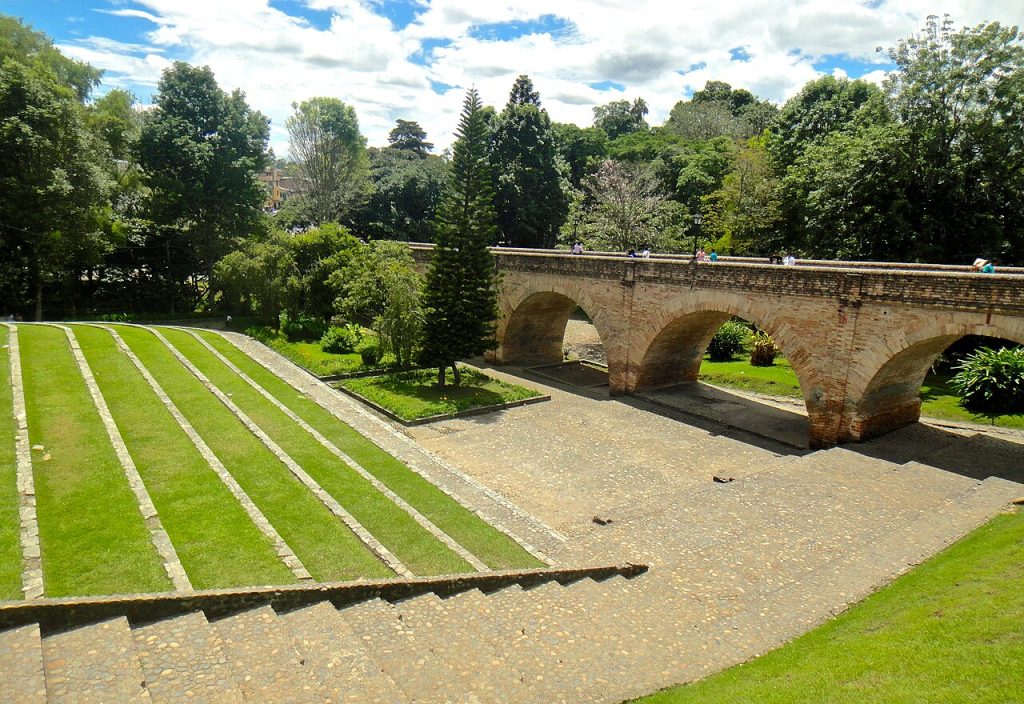
Just north of the centre, the Puente del Humilladero crosses a small valley on a series of brick arches. Builders completed it in 1873, and it has survived many earthquakes since then. Today, it is one of the most photographed sights in Popayán.
Churches of Popayán
Popayán is a deeply religious city, and its churches are among the finest in Colombia.
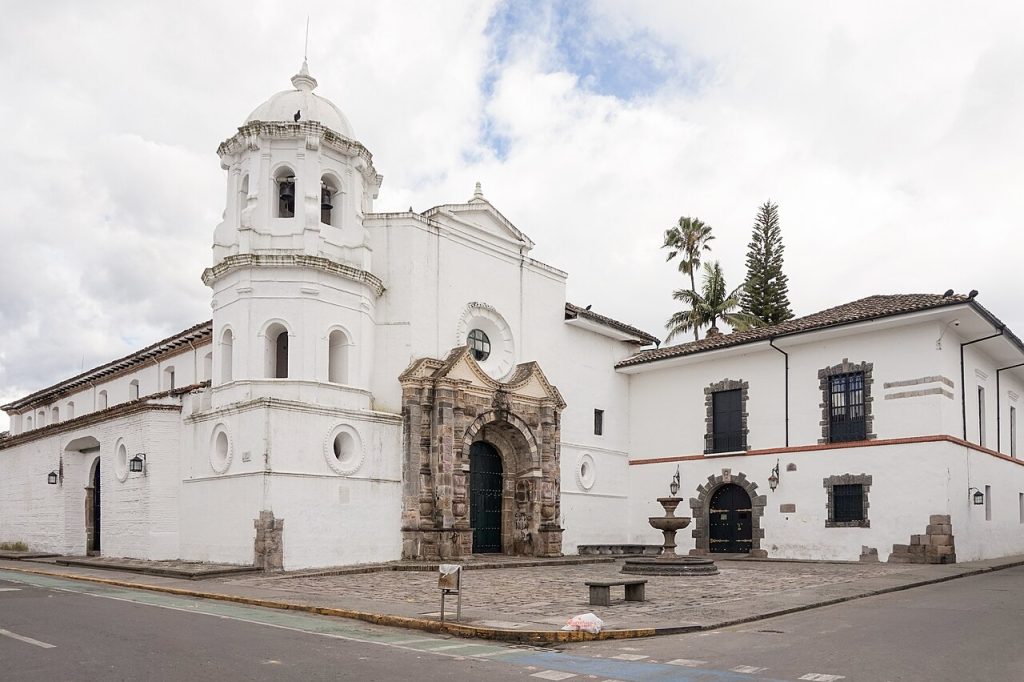
For example, the Church of Santo Domingo has a beautifully carved stone portal. Similarly, the Church of San Francisco is known for its ornate interior and baroque altars. Meanwhile, the small Ermita de Jesús Nazareno is considered one of the oldest churches in the city.
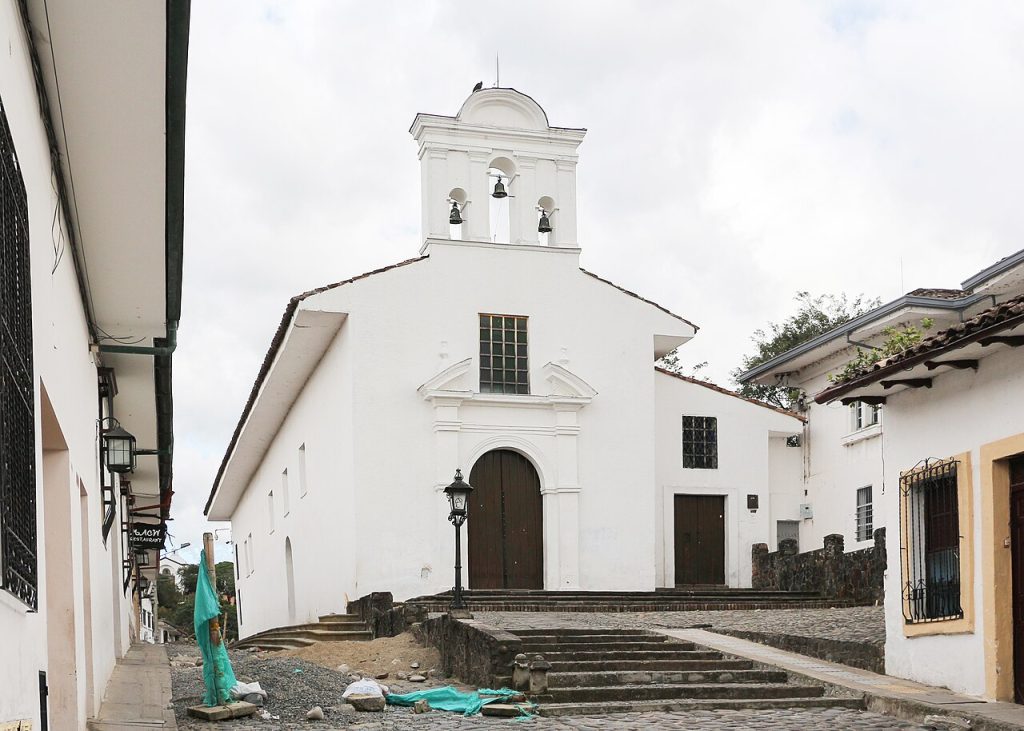
Most churches open for Mass in the morning and evening. So plan your visits around these times if you want to see the interiors.
Culture, History and Food in Popayán
Beyond its architecture, Popayán Colombia has a rich cultural heritage that you can experience in many ways.
Holy Week Processions
Every year during Holy Week, solemn night processions move slowly through the streets of the old town. Men carry heavy wooden platforms decorated with religious statues, flowers and candles.
A Tradition Since Colonial Times
These processions have taken place for centuries. In 2009, UNESCO added them to its list of the Intangible Cultural Heritage of Humanity.
Tips for Visiting During Holy Week
Hotels fill up quickly at this time of year. Therefore, book your accommodation several months in advance.
El Morro de Tulcán
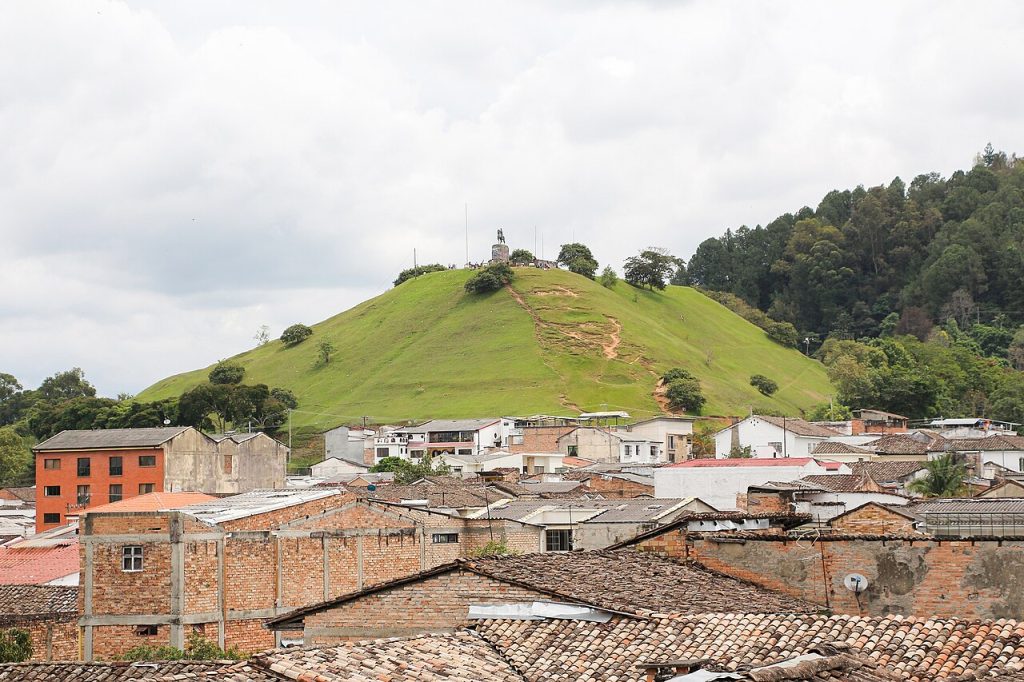
On the edge of the centre, a grassy hill rises above the rooftops. This is El Morro de Tulcán, a pre Hispanic truncated pyramid built between roughly 500 and 1600 AD. A short climb rewards you with wide views over the city, especially at sunset.
A City of Gastronomy
In 2005, UNESCO named Popayán its first City of Gastronomy. For instance, try empanadas de pipián, small fried pastries filled with potato and peanut sauce. Also look for salpicón payanés, a refreshing drink made with blackberries and lulo fruit. Every September, the city hosts a popular gastronomy congress.
One Historical Fact About Popayán, Colombia
On 31 March 1983, a powerful earthquake struck Popayán during Holy Week. It damaged much of the historic centre, including the cathedral. Afterwards, residents spent more than ten years rebuilding the city in its original colonial style.
How to Get to Popayán, Colombia
The easiest way to reach Popayán is by air. Guillermo León Valencia Airport has regular flights from Bogotá.
Alternatively, many travellers arrive by bus from Cali, a scenic trip of about three hours. Buses also connect Popayán with Pasto and San Agustín further south. Once in town, you can walk almost everywhere, and taxis are cheap for longer trips.
Best Time to Visit Popayán, Colombia
Popayán is pleasant all year thanks to its mild climate. Generally, the drier months from June to August and December to February are best for sightseeing.
However, Holy Week is the most memorable time to visit. Just remember that prices rise and the city becomes very busy during the processions.
Is Popayán, Colombia Worth Visiting?
Yes, definitely. Popayán combines beautiful colonial architecture, deep traditions and wonderful food. In addition, it is a great base for trips to Puracé National Natural Park and the indigenous market town of Silvia. Two or three days here will show you a calmer, more traditional side of Colombia.
Final Thoughts
Popayán Colombia is a city that rewards curious travellers. Walk its white streets, cross the old bridge and climb El Morro at sunset. Above all, take time to taste the local food, because here, dining is part of the culture.
If you are planning more time in Colombia, you may also enjoy our guides to Jardín, Colombia and Barichara, Colombia.
Image Credits
Wikimedia Commons
- Popayan Cathedral: Photo by Eljuli91 via Wikimedia Commons (CC BY-SA 3.0)
- Popayan White Street: Photo by Bernard Gagnon via Wikimedia Commons (CC BY-SA 4.0)
- Puente del Humilladero: Photo by Gersonparra11 via Wikimedia Commons (CC BY-SA 3.0)
- Morro de Tulcan: Photo by Bernard Gagnon via Wikimedia Commons (CC BY-SA 4.0)
- Santo Domingo Church: Photo by Bernard Gagnon via Wikimedia Commons (CC BY-SA 4.0)
- La Ermita Church: Photo by Bernard Gagnon via Wikimedia Commons (CC BY-SA 4.0)