
Kilwa Kisiwani Tanzania is a quiet island whose coral stone ruins hide one of the great stories of African history. In the Middle Ages, it was a rich trading city that controlled much of the gold trade on the Swahili Coast. Today, however, only a fishing village remains among the mosques and palaces. So, this guide covers what to see, how to get there and when to go.
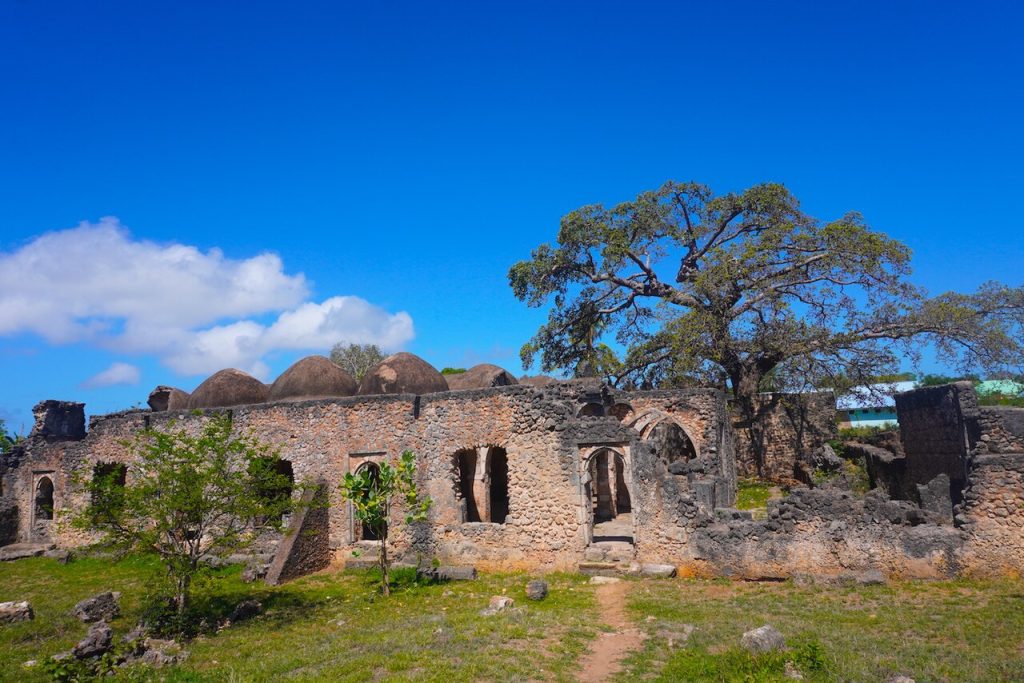
Quick Facts About Kilwa Kisiwani, Tanzania
| Country | Tanzania |
| Region | Lindi Region, southern Swahili Coast |
| Known For | Great Mosque, Husuni Kubwa palace, Gereza fort, medieval trade |
| UNESCO Status | UNESCO World Heritage Site (1981), with Songo Mnara |
| Founded | Around the 10th century, according to tradition |
| Best Time to Visit | June to October |
| Time Needed | 1 day, with a night in Kilwa Masoko |
| Continent | Africa |
Where Is Kilwa Kisiwani, Tanzania?
Kilwa Kisiwani is a small island off the southern coast of Tanzania, in the Lindi Region. More precisely, it lies just across a narrow channel from the mainland town of Kilwa Masoko. In addition, Dar es Salaam is roughly five hours away by road to the north.
Why Visit Kilwa Kisiwani, Tanzania?
First, the ruins are among the most important on the whole East African coast. In fact, UNESCO listed them as a World Heritage Site in 1981, together with the nearby ruins of Songo Mnara. Second, the island sees very few visitors, so you can often explore the sites almost alone.
Also, Kilwa offers a fascinating window into Swahili culture. For example, its buildings mix African, Arab and Persian influences. As a result, a visit here helps you understand how the Indian Ocean world once connected Africa, Arabia, India and China.
Exploring the Ruins of Kilwa Kisiwani
The Great Mosque
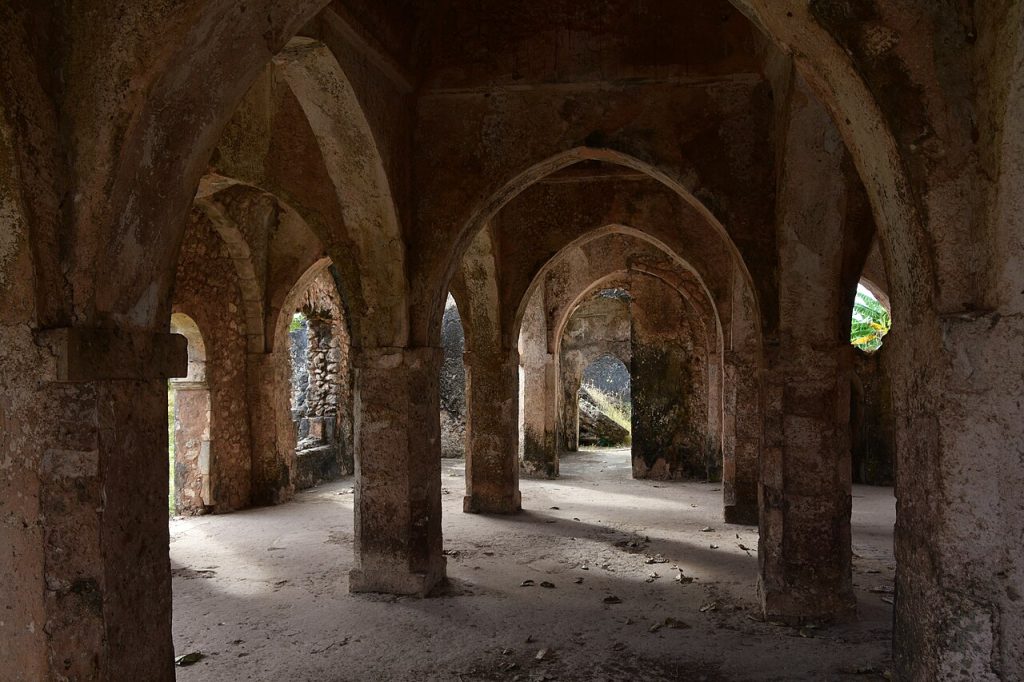
The Great Mosque is the highlight of the island. Its earliest part dates back to the 12th century. Later, builders added a much larger prayer hall with rows of arches, pillars and small domes. Walking through its shady arcades, you can still feel the wealth and ambition of the old city.
Husuni Kubwa Palace
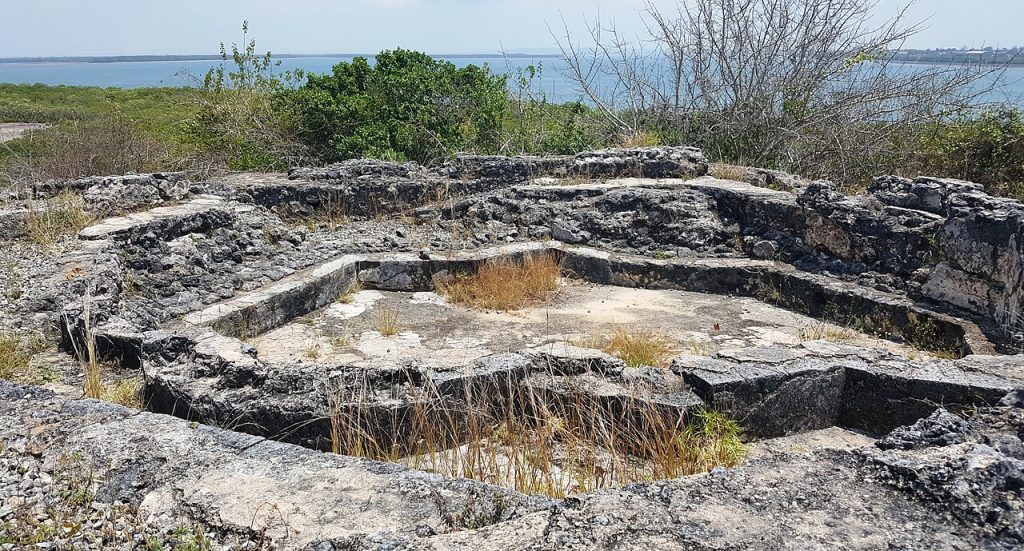
Husuni Kubwa stands on a cliff outside the old town, overlooking the sea. Built in the early 14th century, it served as both a palace for the sultan and a trading center. Among its ruins, look for the octagonal pool, one of the most striking features of the site.
Gereza Fort and the Small Domed Mosque
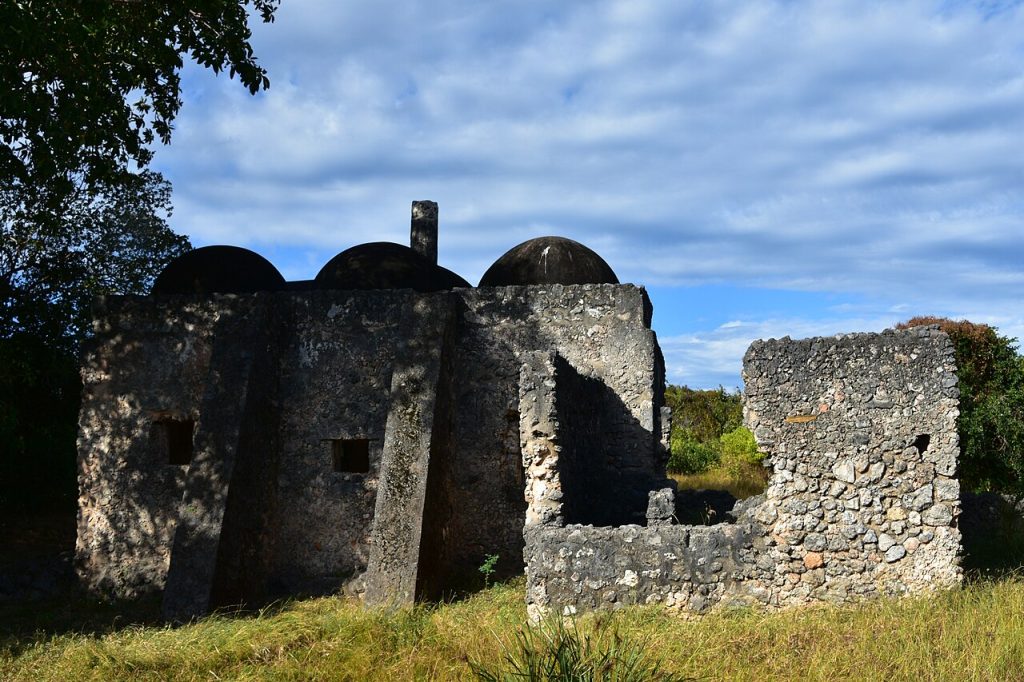
Near the shore, Gereza Fort guards the old harbor. Its present form is largely Omani, although there are signs of an earlier Portuguese fort. Meanwhile, the Small Domed Mosque nearby is a beautiful little building, with several domes on its roof.
The Golden Age of Kilwa
Around the 13th century, Kilwa took control of the gold trade at Sofala, in what is now Mozambique. Merchants then shipped gold, ivory and other goods across the Indian Ocean. In return, they brought back textiles, glass beads and fine ceramics from Persia and China.
At its peak, the city had more than 10,000 inhabitants. Moreover, Kilwa even minted its own coins, which shows how important it had become. Its wealthy residents lived in coral stone houses and used imported luxury goods.
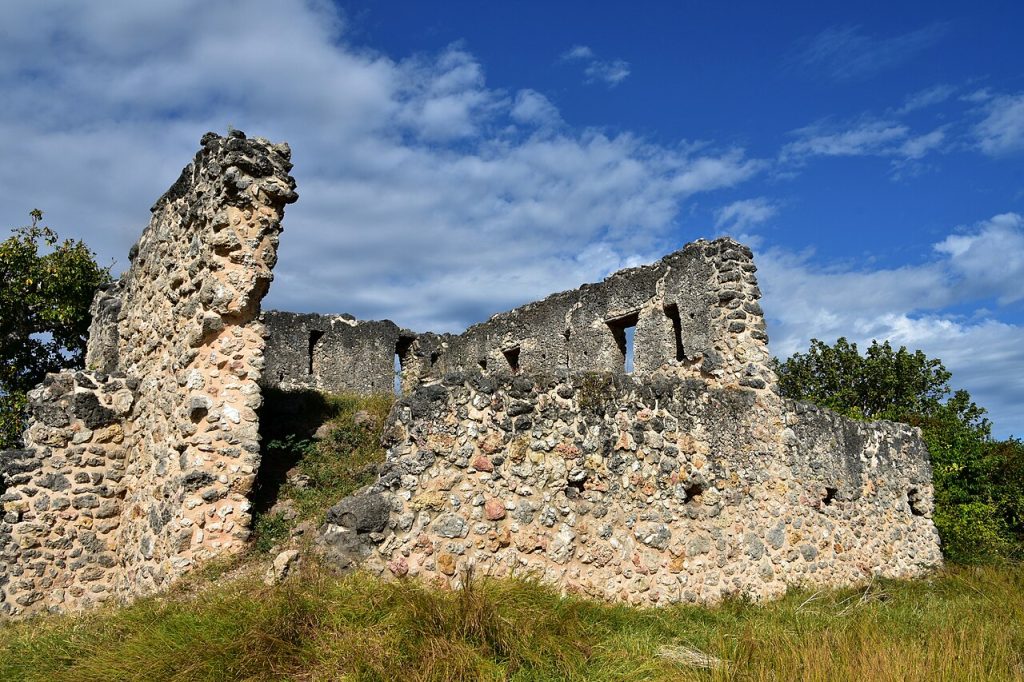
Later, in the 18th century, the Omanis built the Makutani Palace on the island. Although it is much younger than the Great Mosque, its high walls are still impressive.
Around Kilwa
Kilwa Masoko
The Mainland Base
Kilwa Masoko is the small town where most visitors stay. It has simple guesthouses, local restaurants and a lively market. Also, the beaches near town are quiet and pleasant for a walk at sunset.
Songo Mnara
A Second Ruined Town
Songo Mnara is another island with well preserved Swahili ruins, a longer boat ride to the south. Together with Kilwa Kisiwani, it forms part of the same World Heritage Site. Therefore, it makes a rewarding extra trip if you have time.
Mangroves and Village Life
By Boat Along the Coast
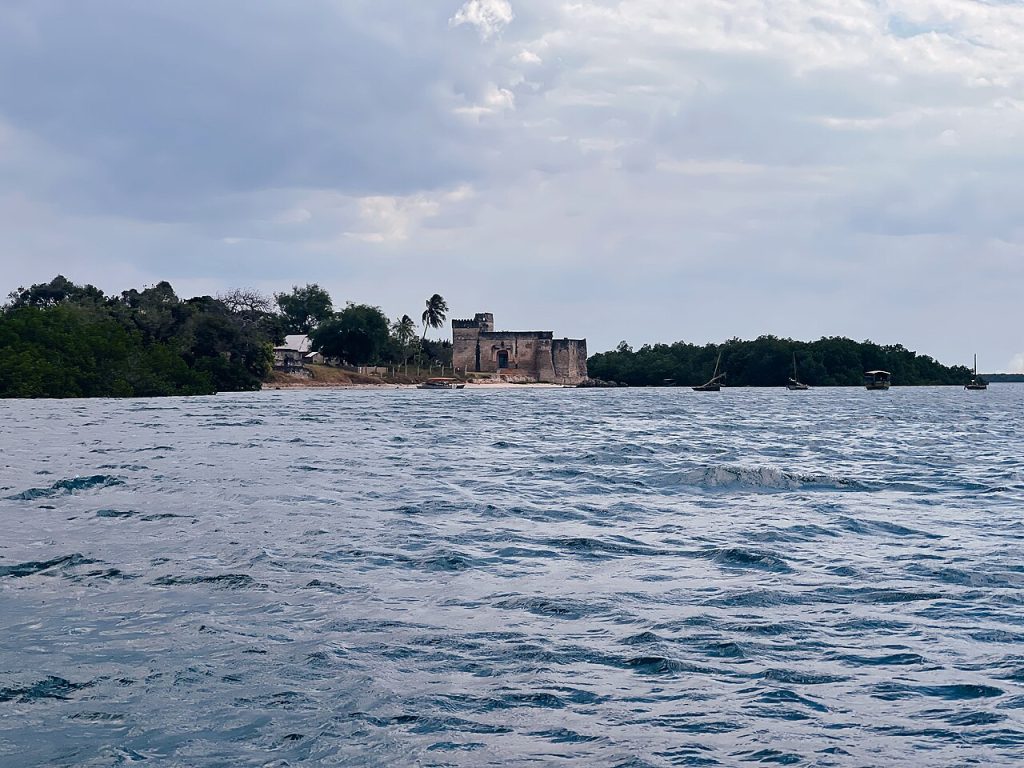
The channel around the island is lined with mangrove forests. So, ask your boat captain to take you along the shore. Along the way, you may see fishermen, dhows and seabirds.
One Historical Fact About Kilwa Kisiwani, Tanzania
In 1331, the famous Moroccan traveler Ibn Battuta visited Kilwa. Afterward, he described it as one of the most beautiful and well built cities in the world. Less than two centuries later, however, the Portuguese attacked the city in 1505 and burned it. As a result, Kilwa never regained its former glory.
How to Get to Kilwa Kisiwani, Tanzania
First, travel to Kilwa Masoko on the mainland. From Dar es Salaam, the drive takes about five hours, and buses also make the trip. Alternatively, small planes sometimes fly to the local airstrip.
Next, visit the antiquities office in Kilwa Masoko to buy your entry permit for the ruins. Then, take a short boat ride across the channel to the island. Hiring a local guide is a good idea, since signs at the sites are limited.
Best Time to Visit Kilwa Kisiwani, Tanzania
The best time to visit is during the dry season, from June to October. During these months, the weather is sunny, and the heat is more bearable. In contrast, the long rains from March to May can make roads difficult.
Also, try to explore the ruins in the morning or late afternoon. At midday, the sun is very strong, and there is little shade at some sites.
Is Kilwa Kisiwani, Tanzania Worth Visiting?
Yes, especially if you love history and off the beaten path travel. Kilwa Kisiwani holds some of the finest medieval ruins in sub Saharan Africa. Moreover, its peaceful setting makes the experience feel personal and unforgettable.
Final Thoughts
Kilwa Kisiwani, Tanzania is a place where the glory of the Swahili Coast still lingers in the stones. So, walk through the arches of the Great Mosque, stand above the sea at Husuni Kubwa and imagine the ships that once filled the harbor. In the end, you will see East African history in a whole new light.
Planning a longer trip? You can also pair this visit with our guides to Bagamoyo, Stone Town and Island of Mozambique.
Image Credits
Wikimedia Commons
- Ruins of Kilwa Kisiwani: Photo by CosMapi via Wikimedia Commons (CC BY-SA 4.0)
- Great Mosque of Kilwa Kisiwani: Photo by Richard Mortel from Riyadh, Saudi Arabia via Wikimedia Commons (CC BY 2.0)
- Small Domed Mosque, Kilwa Kisiwani: Photo by Richard Mortel from Riyadh, Saudi Arabia via Wikimedia Commons (CC BY 2.0)
- Husuni Kubwa Palace: Photo by Veronika Berdnikova via Wikimedia Commons (CC BY-SA 4.0)
- Makutani Palace Ruins: Photo by Richard Mortel from Riyadh, Saudi Arabia via Wikimedia Commons (CC BY 2.0)
- View of Kilwa Kisiwani: Photo by Khalidsalewa via Wikimedia Commons (CC BY-SA 4.0)