Many people call Barichara one of the most beautiful towns in Colombia. Here, time also seems to move more slowly. In addition, its cobblestone streets, white houses and sandstone churches are well preserved. As a result, the town feels almost unchanged for generations. So, this guide covers the best things to do in this town, plus how to get there and when to go.
The town lies in the Santander region of northeastern Colombia. Above all, it offers a glimpse into the country’s colonial past. Also, it has stunning views over the countryside. Overall, its slow pace and historic charm make it one of Colombia’s most rewarding hidden gems.
Barichara at a Glance
| Country | Colombia |
| Department | Santander |
| Known For | Colonial architecture and cobblestone streets |
| Best Time to Visit | December to March |
| Time Needed | 1 day |
| Elevation | Approximately 1,300 m (4,265 ft) |
| Historic Status | National Monument of Colombia |
Where Is Barichara?
Barichara is in the Santander Department of northeastern Colombia. Specifically, it sits on a plateau above a scenic valley. Also, the town is about three hours from Bucaramanga, the largest city in the region.
Why Visit Barichara?
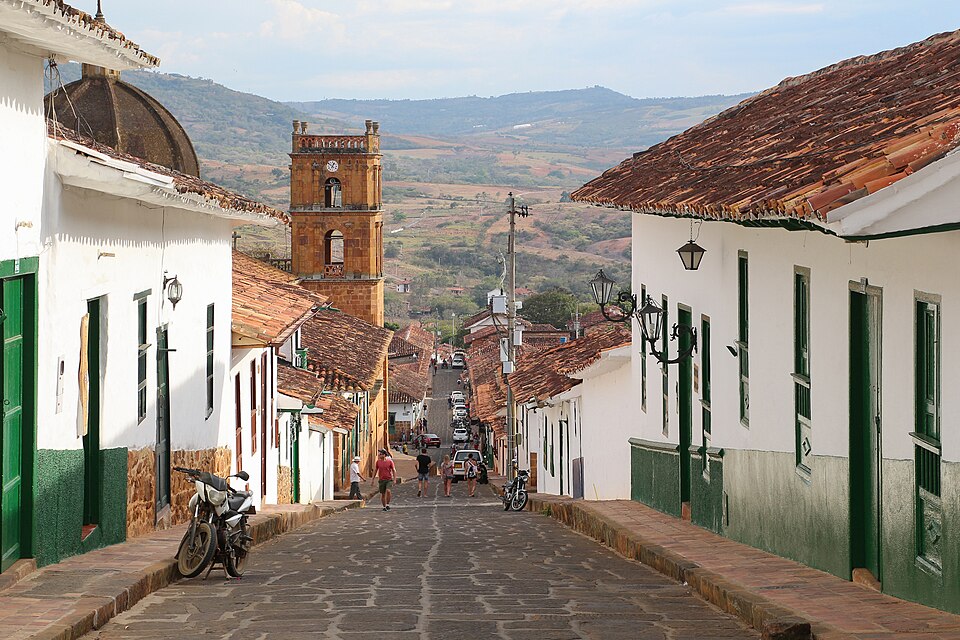
Barichara is famous for its well-preserved colonial buildings. Together, white houses, red tile roofs and stone streets create a lovely setting. For decades, it has drawn travellers, photographers and artists.
Of course, many towns have changed a lot over time. Barichara, however, has kept much of its historic character. So, a visit here feels like a step back in time.
Historic Churches and Architecture
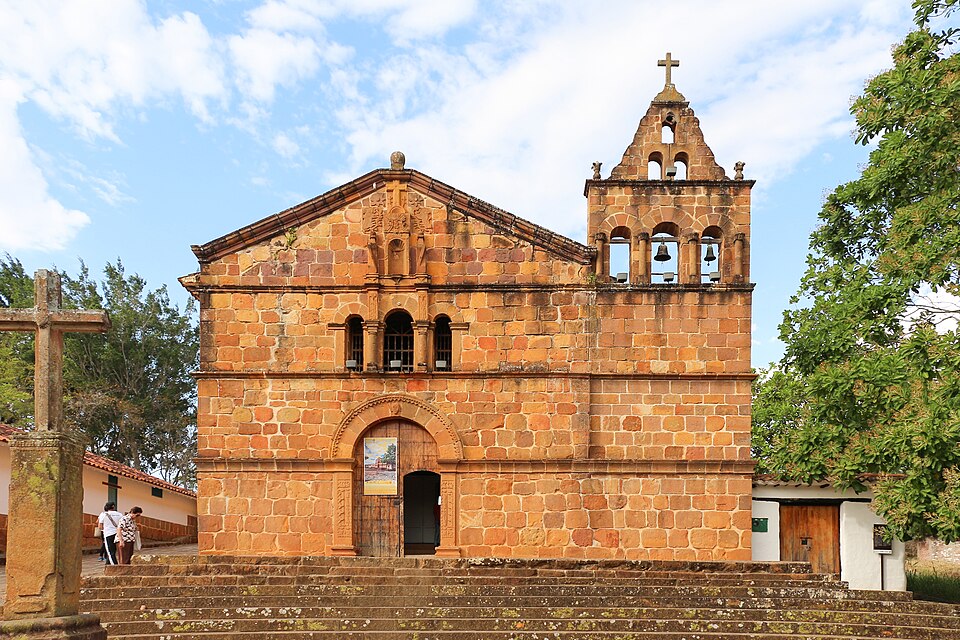
One of the best-known landmarks is the Santa Bárbara Chapel. Fittingly, it was built from local sandstone. Also, it shows the building style found across the historic centre.
All over town, you will see churches, homes and public buildings made from traditional materials. As a result, they blend in with the landscape around them.
Things to Do in Barichara: Walk the Historic Alleys
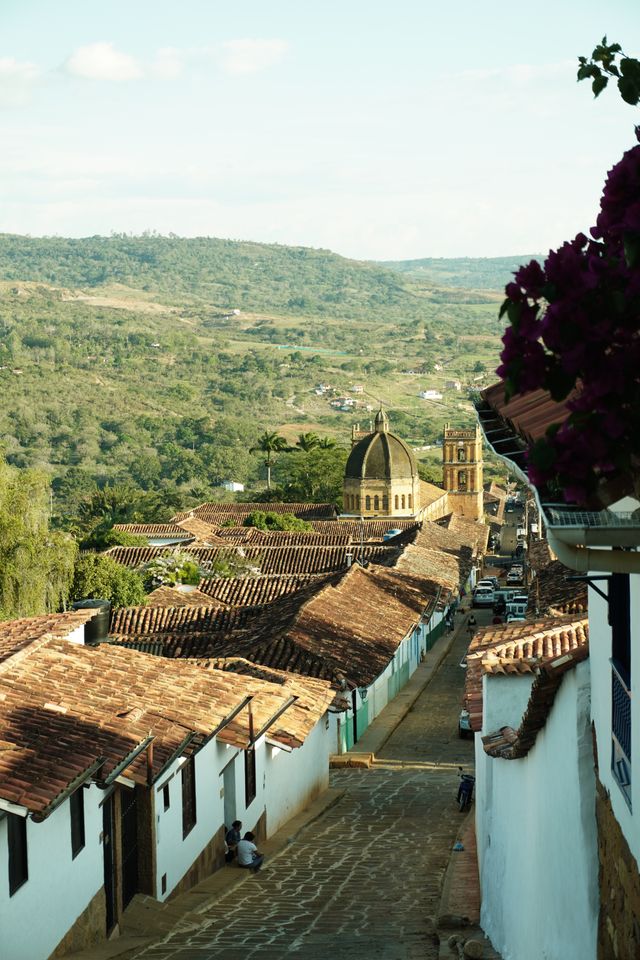
The best way to see Barichara is to walk slowly through its alleys. Along the way, cobblestones, white walls, wooden doors and red roofs set a peaceful mood. Yet the town never feels fake. Instead of rushing between sights, take time to notice the details. For example, look for carved stonework, quiet courtyards and views of the countryside.
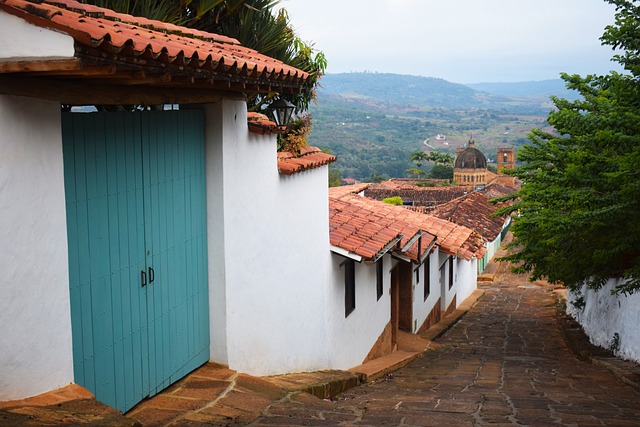
Daily life is also part of the charm. For example, locals gather around the main square, and small shops open onto the street. Meanwhile, artisans keep up crafts such as stone carving and paper making. Overall, the town is calm compared with big Colombian cities. Still, it is not empty or frozen. In fact, its beauty comes from old buildings and daily life sharing the same streets.
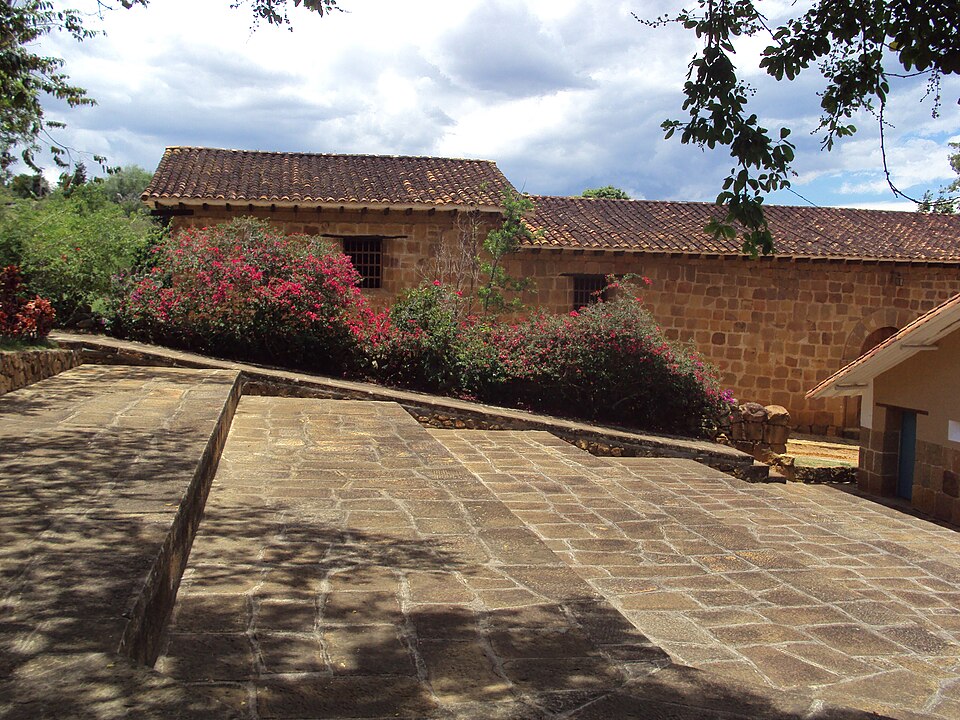
So, this slow rhythm suits travellers who love atmosphere as much as sightseeing. For instance, a simple walk can lead to a church, a viewpoint or a craft workshop. In the afternoon, the warm stone and tile look especially beautiful. Admittedly, the centre is small. However, every corner shows both history and local life.
History, Heritage, and the Legend of Barichara
Barichara’s history mixes colonial settlement with local legend. According to tradition, the Virgin Mary appeared on a rock here in the early 1700s. Soon, this event became central to local faith. As a result, it helped shape the town that grew up around it.
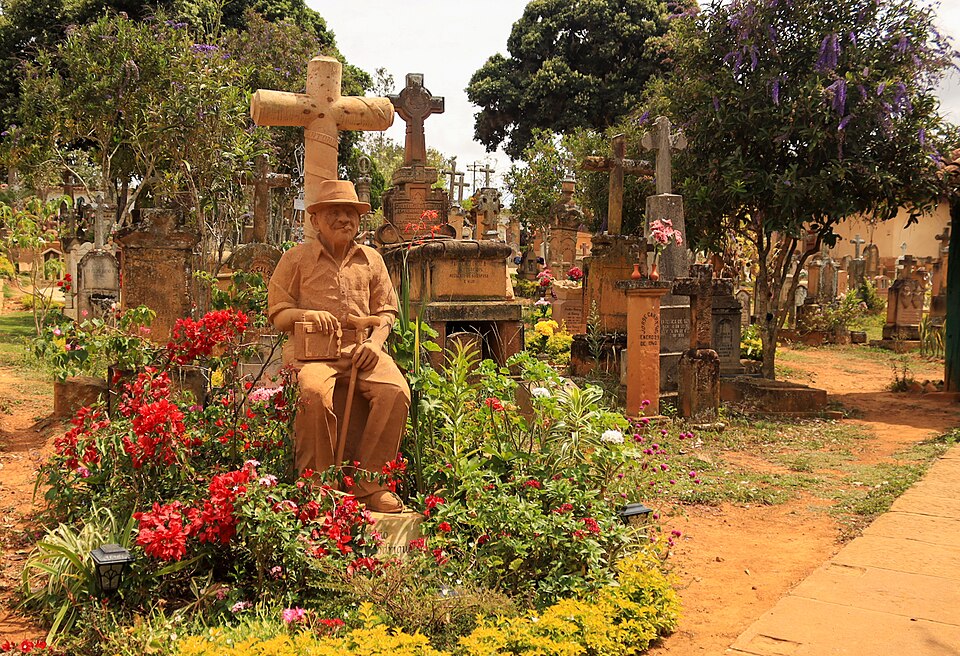
Barichara was officially founded in 1705. Over time, it grew into a colonial town of stone streets, old houses and churches. Its name is often linked to an Indigenous Guane phrase meaning “place of rest.” Indeed, that fits a town known for its calm mood. Later, faith, crafts, farming and trade shaped daily life here.
Above all, the buildings are a big reason the town matters today. Even now, white walls, clay roofs, carved stone and cobbled streets keep the look of an old colonial town. Because of this, Barichara is known as one of Colombia’s heritage towns. Also, its history lives not only in monuments but in everyday streets and customs.
Scenic Views of the Town
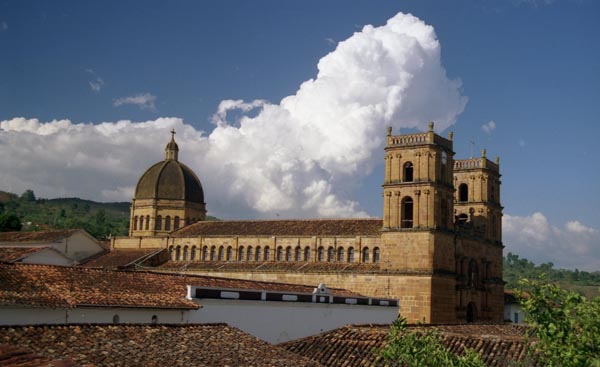
Barichara sits high above the valley. So, it offers lovely views across the countryside. Then, from viewpoints around town, you can see old rooftops, church towers and green hills.
However, these views are best at sunrise and sunset.
Best Time to Visit Barichara
Generally, the dry season, from December to March, is the best time to visit. During these months, it is mild and there is less rain. As a result, it is easier to walk the streets and nearby trails.
Still, the mild climate means you can enjoy Barichara for most of the year.
How to Get to Barichara
The nearest airport is Palonegro International Airport in Bucaramanga. From there, the drive takes about three hours. Also, you can travel by rental car, taxi or regional bus.
Once you arrive, most sights are easy to reach on foot. However, wear comfortable shoes, because the cobblestones are uneven and some streets are steep.
Is Barichara Worth Visiting?
Yes, Barichara is worth visiting if you love colonial architecture and a peaceful pace. After all, its preserved streets, old churches and scenic setting make it one of the most charming places in Colombia.
Also, it is a great choice if you want to explore beyond the big cities.
Final Thoughts on Barichara
Barichara proves that great places are defined by character, not size. Indeed, with its cobblestone streets and quiet mood, it shows a slower, more traditional side of Colombia.
So, whether you love history, architecture or photography, add Barichara to your travel list.
Image Credits
- Cathedral of the Immaculate Conception, Barichara — Bernard Gagnon, CC BY-SA 4.0, via Wikimedia Commons
- Colonial Street in Barichara — Bernard Gagnon, CC BY-SA 4.0, via Wikimedia Commons
- Santa Bárbara Chapel, Barichara — Bernard Gagnon, CC BY-SA 4.0, via Wikimedia Commons
- Scenic Church Street — Photo by Fabio Andrés from Pexels
- Cobblestone Street View in Barichara — Image by Andres Martinez from Pixabay
- Cobblestone Street View in Barichara — Image by Andres Martinez from Pixabay
- Historic Streets of Barichara — Kamilokardona, CC BY-SA 3.0, via Wikimedia Commons
- Barichara Cemetery — K.sarmientorojas, CC BY-SA 4.0, via Wikimedia Commons
- Panoramic View of Barichara — Dru007 at the English Wikipedia, CC BY-SA 3.0, via Wikimedia Commons
Sources: Colombia Travel; Colombia Travel Blog; Barichara Municipal Website.


