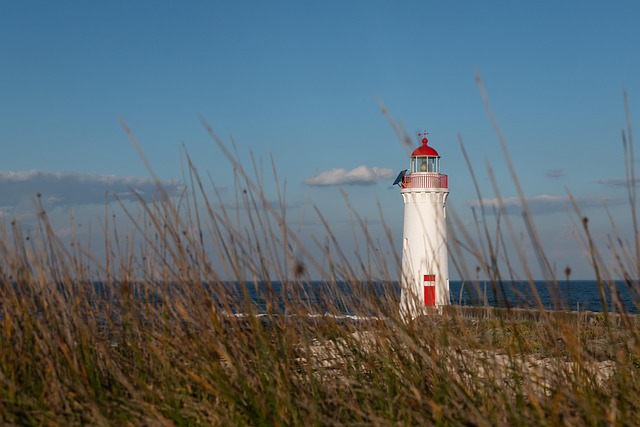
Some towns feel like they belong to another era. The pace slows, history lines the streets, and the sea is never far. Port Fairy Australia is exactly that kind of place. Tucked along the southwest coast of Victoria, this small fishing village has been quietly enchanting visitors for nearly two centuries. Port Fairy offers an iconic lighthouse, bluestone heritage buildings, and resident wallabies. It is a destination that exceeds every expectation. In fact, it was once voted the world’s most liveable small town, and it is not hard to understand why. Road-tripping the Great Ocean Road or escaping Melbourne? Port Fairy deserves a spot on your itinerary.
Quick Facts About Port Fairy, Australia
| Country | Australia |
| State | Victoria, Southwest Coast |
| Known For | Griffiths Island Lighthouse, heritage streetscape, Port Fairy Folk Festival, wallabies, and Norfolk Island pine-lined streets |
| UNESCO Status | Not a UNESCO World Heritage Site |
| Founded | European settlement from the 1820s; officially surveyed in 1843 |
| Best Time to Visit | Spring (September to November) and Autumn (March to May) |
| Time Needed | One to two days |
| Continent | Oceania |
Where is Port Fairy, Australia?
Port Fairy is located on the southwest coast of Victoria, approximately 290 kilometres west of Melbourne along the Princes Highway. It sits at the mouth of the Moyne River, where it meets the Southern Ocean. Specifically, it marks the western end of the Great Ocean Road region. The nearest major town is Warrnambool, just 28 kilometres to the east. Furthermore, Port Fairy lies within the Moyne Shire. This stretch of coastline includes some of Victoria’s most dramatic natural scenery. Despite its remote feel, the town is easily reached by car. Consequently, it is a popular stop for Great Ocean Road travellers.
Why Visit Port Fairy, Australia?
Port Fairy Australia offers something few coastal towns can deliver. Above all, it combines unhurried history with striking natural beauty. Over 50 buildings are listed on the Victorian Heritage Register. As a result, it is one of Australia’s most intact 19th-century streetscapes. Moreover, nearby Griffiths Island is home to a historic lighthouse, wallabies, and nesting mutton birds. All of this is reachable in a single afternoon walk.
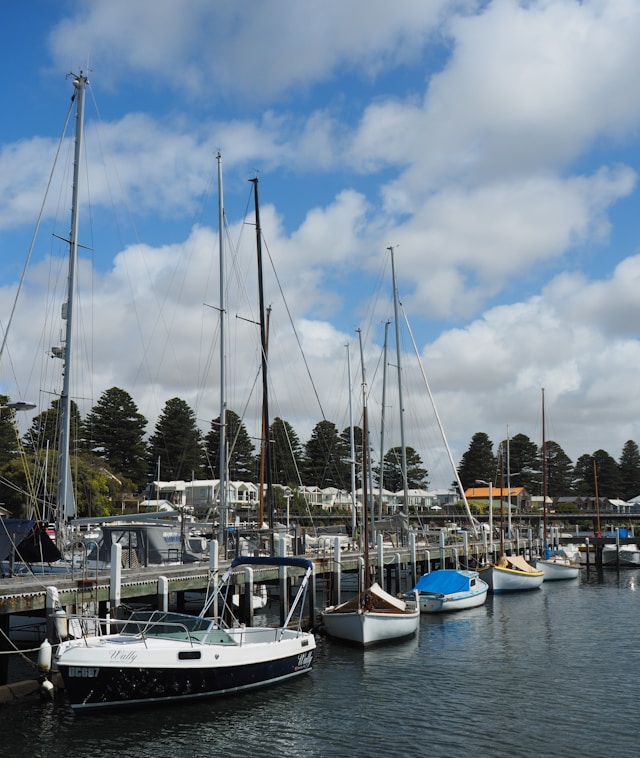
In addition to its heritage and wildlife, Port Fairy hosts the world-renowned Folk Festival every March. It draws thousands of music lovers from across Australia. The town’s marina and waterfront along the Moyne River add a working maritime charm that feels authentic and lived-in. Port Fairy is also exceptionally walkable. Its compact size also helps. Visitors can explore the lighthouse, streetscape, marina, and beaches all in one day. As a result, it appeals to history enthusiasts, nature lovers, and families alike. Anyone seeking a peaceful coastal retreat will enjoy it.
For more incredible Oceania travel destinations, explore our full destinations guide.
Griffiths Island and the Port Fairy Lighthouse
No visit to Port Fairy Australia would be complete without crossing the causeway to Griffiths Island. This small, flat island sits at the mouth of the Moyne River. Notably, it is home to the iconic Griffiths Island Lighthouse. The island is connected to the mainland by a stone causeway, and the loop trail around the entire island takes around 45 minutes to complete. In fact, walking the Griffiths Island circuit is widely regarded as the highlight of visiting Port Fairy. It combines coastal scenery, wildlife, and heritage sights unlike anywhere else on the Great Ocean Road.
Walking the Griffiths Island Loop Trail
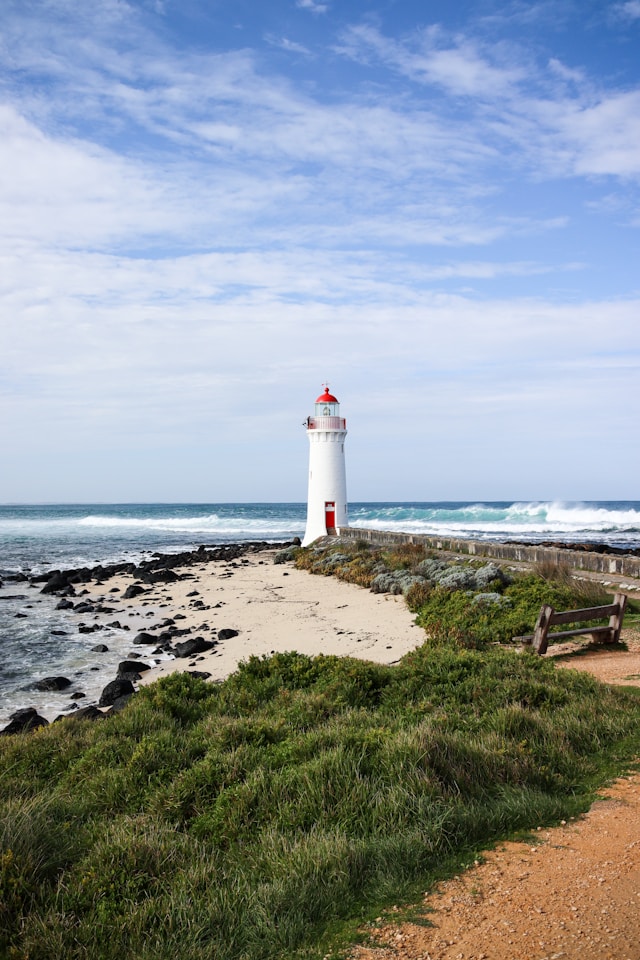
The Griffiths Island loop trail is a flat, easy walk of about 3 kilometres. Essentially, it circles the full perimeter of the island. Along the way, the trail passes through coastal grassland and low scrub. Meanwhile, sweeping views of the Southern Ocean open up throughout. The path is well-maintained and suitable for all fitness levels, making it ideal for families and older visitors. Furthermore, much of the trail runs directly alongside the shoreline. Below, waves break against the rocky coast in full view.
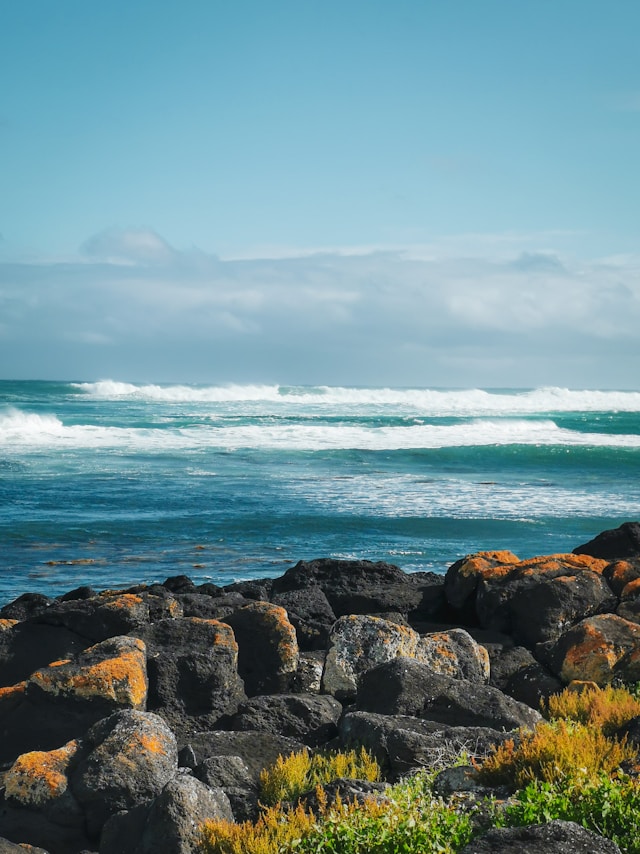
The eastern side faces the calm Moyne River estuary. In contrast, the western side is exposed to the full force of the Southern Ocean. As a result, the contrast between the two sides of the trail is striking. The western side has the most dramatic scenery. Here, waves crash against basalt rock platforms while seabirds soar overhead. Additionally, the trail passes a small cemetery from the early colonial period. It adds another layer of historical significance.
Port Fairy Lighthouse on Griffiths Island Up Close
The Griffiths Island Lighthouse is the visual centrepiece of Port Fairy Australia and one of the oldest lighthouses in Victoria. Built in 1859, it stands as a compact white tower with a distinctive red door. From the island’s southwestern tip, it once guided ships through the treacherous Southern Ocean. Today, the lighthouse is no longer operational, but it remains open for visitors to explore the exterior and admire the view.
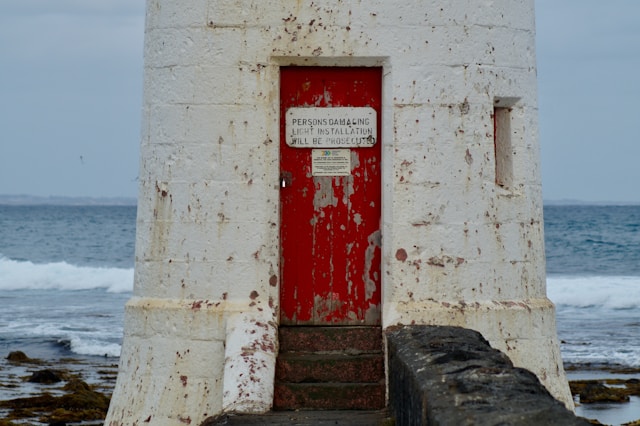
It is built from locally quarried bluestone and rendered white. Indeed, this style is typical of Victoria’s colonial lighthouses. Its red door facing the South Pacific has become one of the most photographed details in all of Port Fairy. Moreover, the surrounding area offers some of the island’s best views. Look one way for open ocean, then turn for heritage rooftops. Visiting at dawn or sunset, when the light is soft and golden, rewards photographers with truly memorable images.
The Rocky Shoreline of Griffiths Island
Beyond the lighthouse, the rocky shoreline stretches along the southern and western edges. In effect, it forms a dramatic boundary with the Southern Ocean. Millennia of wave action have shaped the basalt into jagged, sculptural formations. Consequently, they are particularly striking during rough weather. However, even on calm days, the shoreline carries a raw energy. It is one of the most atmospheric spots in Port Fairy.
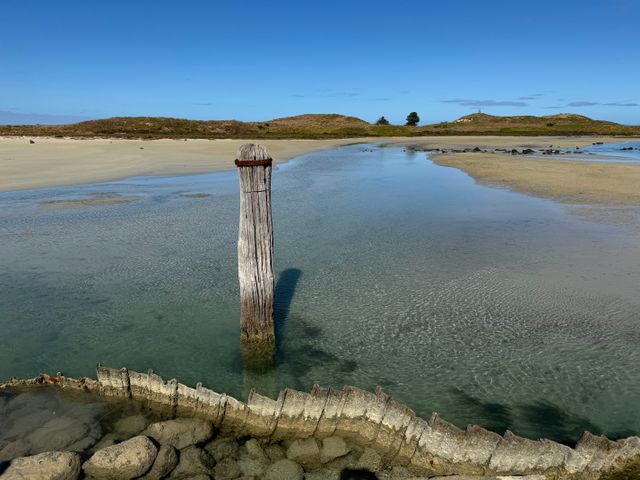
The tidal areas also support a variety of coastal birdlife. For instance, crested terns, Pacific gulls, and oystercatchers are common along the shoreline. Between September and April, short-tailed shearwaters nest in burrows across the island. Also known as mutton birds, they return each evening in dramatic flocks at dusk. In addition to the birds, black swans frequent the shallow tidal waters. They can often be seen wading in the estuary near the causeway.
Wildlife and Nature in Port Fairy Australia
Surprisingly, visiting Port Fairy Australia reveals an abundance of wildlife living right alongside the town. In particular, Griffiths Island functions as a de facto wildlife sanctuary. Walking the loop trail often brings close encounters with native animals. Therefore, Port Fairy is outstanding for nature lovers. Genuine wildlife encounters happen here without guided tours or remote wilderness access.
Seabirds Along the Port Fairy Coastline
Crested terns are among the most conspicuous birds in Port Fairy. They are often seen in flight above the coastline and estuary. Their distinctive black crests and sharp calls make them easy to identify. Similarly, they are commonly spotted around Griffiths Island and the marina foreshore.
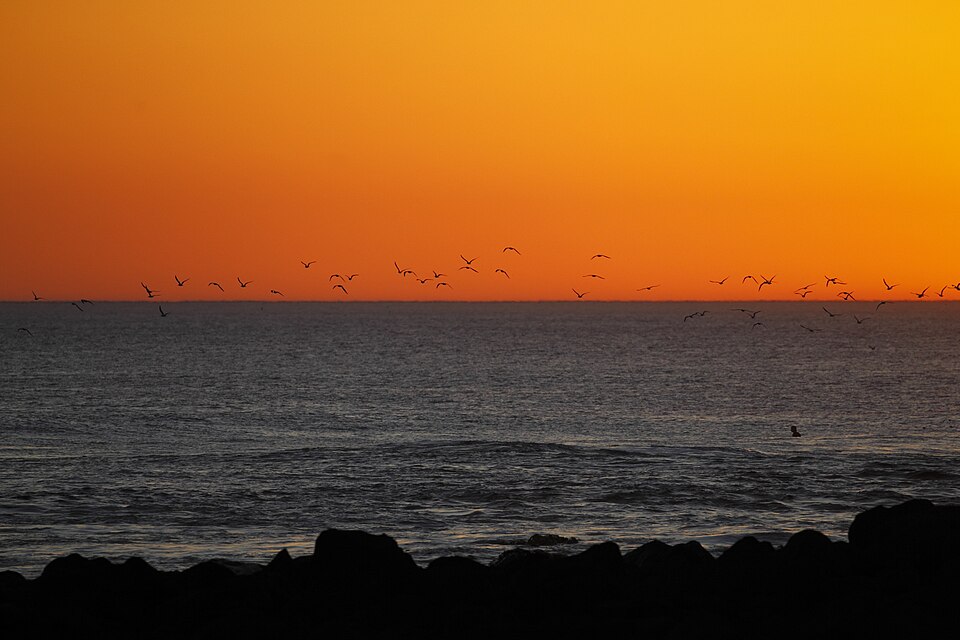
In addition to crested terns, Pacific gulls, pied oystercatchers, and little penguins all inhabit the coastline around Port Fairy. The penguin colony on Griffiths Island is one of the few accessible little penguin colonies in Victoria, and visitors can observe the penguins returning to their burrows after sunset during the breeding season. Moreover, the broader Moyne River estuary supports a rich diversity of wading and waterbirds that can be observed from the causeway and the riverbank foreshore throughout the year.
Black Swans of the Moyne River Estuary
The black swans that inhabit the Moyne River estuary are a beloved part of the Port Fairy wildlife experience. Several black swans can typically be seen wading and feeding in the shallow tidal waters near the Griffiths Island causeway, often at close enough range for excellent photography.
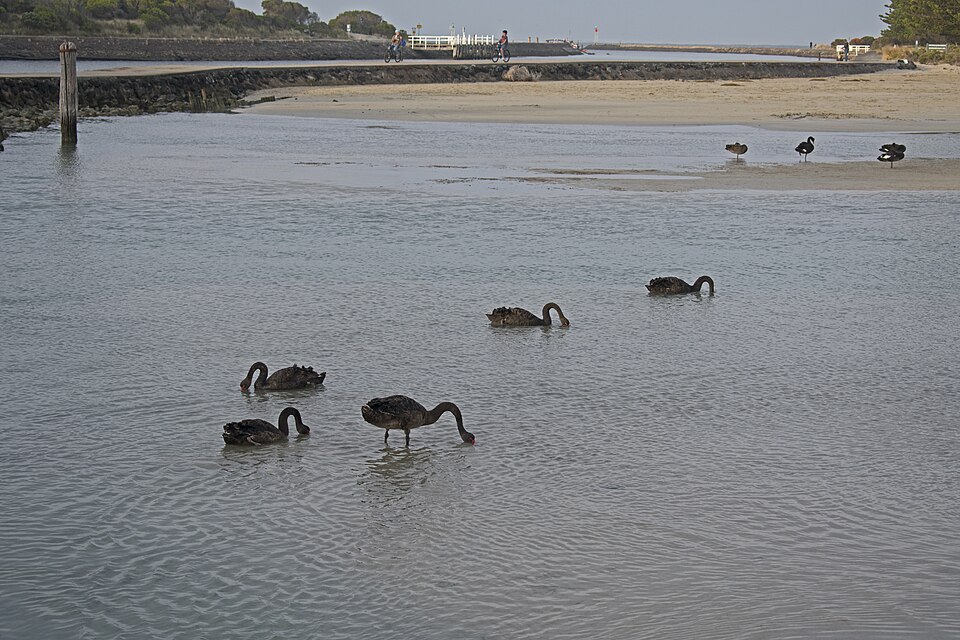
The swans are entirely unperturbed by the presence of visitors, making for relaxed and rewarding wildlife viewing. Furthermore, the calm, reflective waters of the estuary provide a beautiful backdrop for watching the swans go about their daily routines. Early morning visits, when the light is gentle and the water surface is still, offer particularly atmospheric conditions for both photography and quiet observation.
Port Fairy Wallabies on Griffiths Island
Wallabies have established a small but thriving population on Griffiths Island, and they roam the open grassland of the island freely throughout the day. Seeing a wallaby grazing just metres from the lighthouse, with the ocean in the background, is one of those uniquely Australian moments that visitors remember long after they leave.
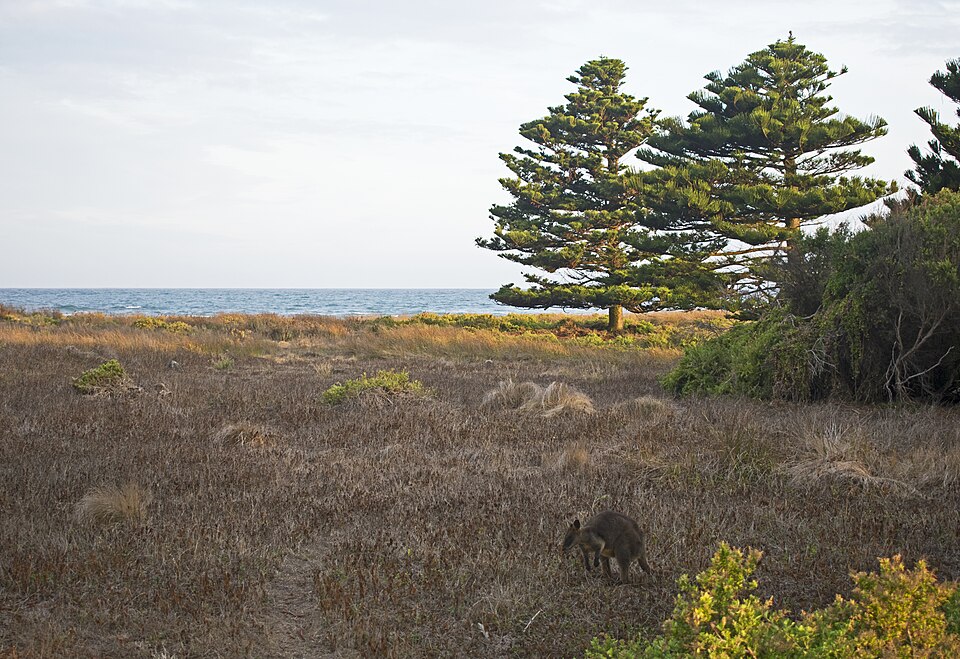
Port Fairy Australia is one of the very few places in the country where you can encounter wallabies, a historic lighthouse, and dramatic coastal scenery all within the same short walk. The wallabies are accustomed to human visitors and typically allow close approach, though as with all wildlife, it is best to observe them calmly and without attempting to feed or touch them. Additionally, the island also provides habitat for nesting short-tailed shearwaters, making Griffiths Island one of the most wildlife-rich small islands anywhere along the Victorian coast.
Port Fairy’s Heritage Streetscape and Historic Town Centre
Beyond Griffiths Island, the heart of Port Fairy Australia is its extraordinary heritage town centre, which stretches along Sackville Street and the surrounding blocks. Port Fairy has one of the highest concentrations of Victorian-era heritage buildings of any town in Australia, and walking its streets is like stepping back into the 19th century. Moreover, the town’s heritage is not merely preserved for show. Many of the historic buildings still function as shops, cafes, galleries, and pubs, giving the streetscape a living, breathing quality that purely preserved historic precincts often lack.
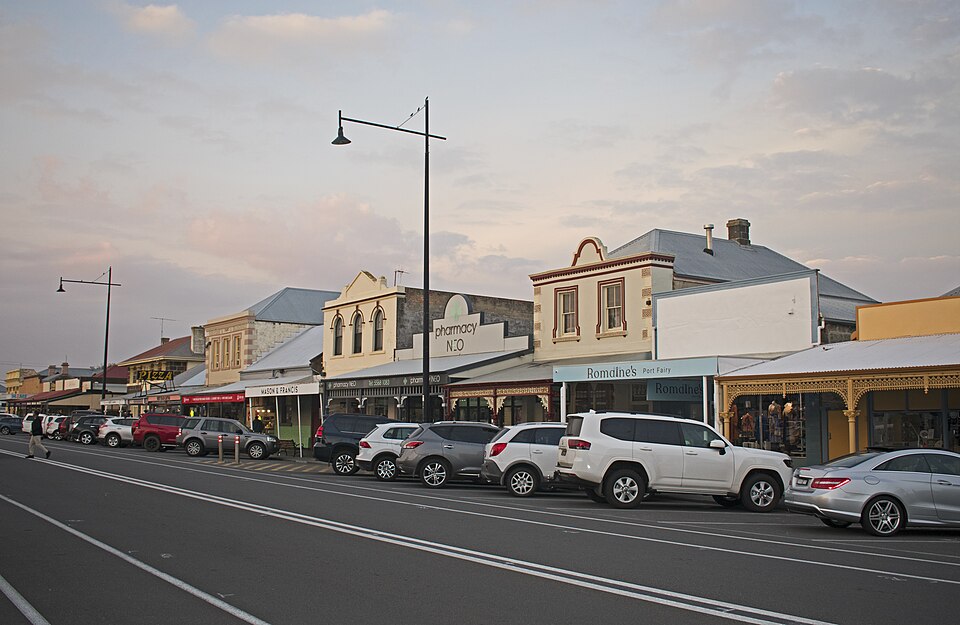
Sackville Street is the main commercial thoroughfare of Port Fairy, lined on both sides by beautifully maintained 19th-century buildings. The street is wide and unhurried, with shopfronts that reflect the town’s prosperity during the colonial era. In fact, Port Fairy was once the second busiest port in Victoria, and the grandeur of its commercial buildings reflects that history. Furthermore, the town’s compact layout means that virtually every building of interest is within easy walking distance of the main street.
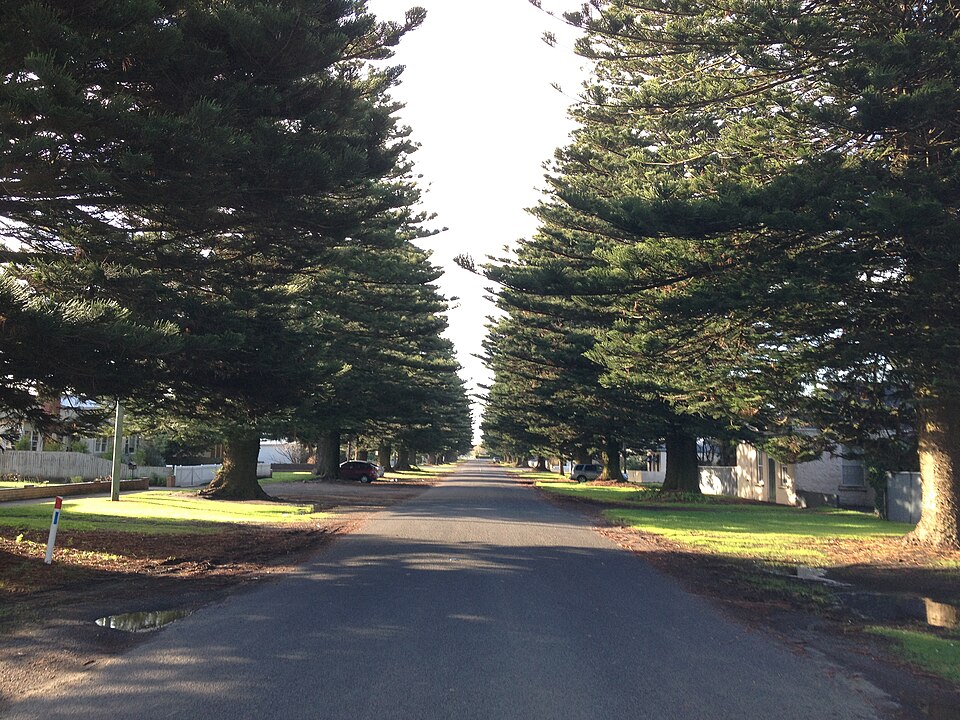
One of the most atmospheric experiences in Port Fairy is simply walking the residential streets, particularly those lined with towering Norfolk Island pines. These trees, planted in the 19th century as navigational markers for ships approaching the coast, now form impressive green canopies over entire blocks, casting dappled light on the footpaths below. The combination of the pines, the heritage homes, and the quiet streets gives these residential areas a timeless, almost cinematic quality.
Historic Pubs and Hotels of Port Fairy
Port Fairy’s pub and hotel buildings are among the most characterful heritage structures in the town. These establishments not only represent the social history of the community but also give visitors the chance to experience Port Fairy’s living heritage firsthand.
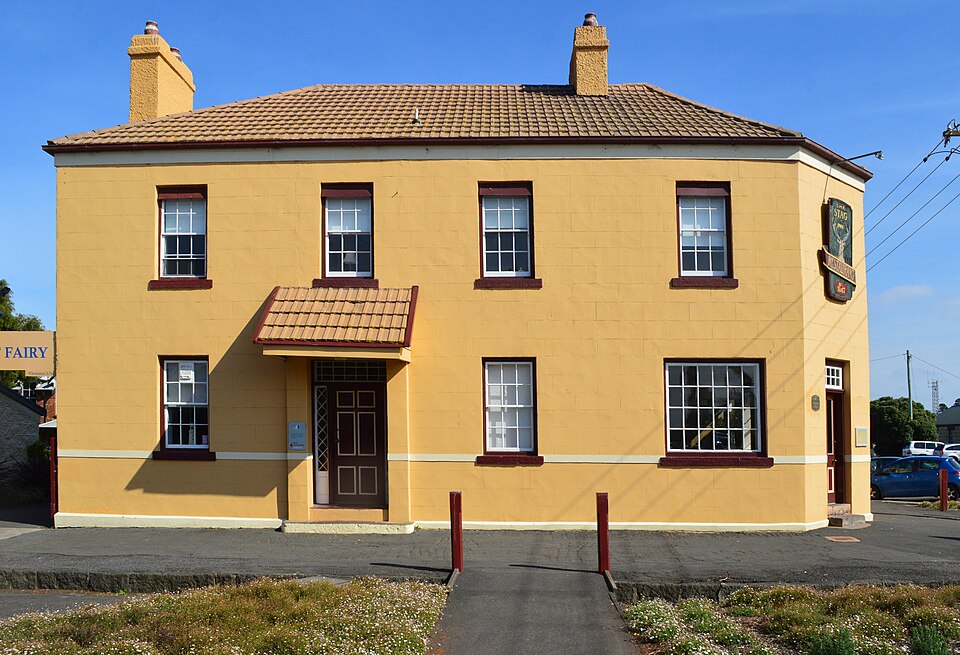
The Stag Inn
The Stag Inn on Bank Street is one of the oldest surviving pub buildings in Port Fairy, with a rendered facade typical of mid-19th-century colonial pub architecture. Its simple, functional design reflects the practical building standards of the 1840s and 1850s, when the town was still a working port rather than a heritage destination. Today it remains a popular local gathering place with genuine historic character.
The Royal Oak Hotel
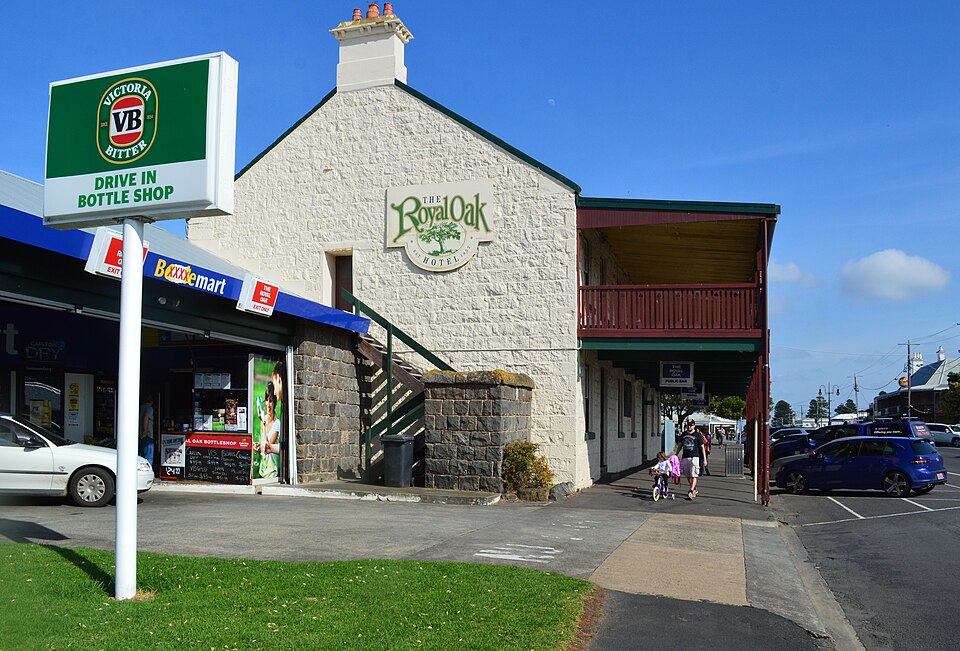
The Royal Oak Hotel is another landmark of Port Fairy’s heritage hotel scene, featuring a classic two-storey Victorian colonial design with decorative iron lacework verandahs that speak to the craftsmanship of the era. Sitting on the verandah of the Royal Oak, watching the quiet street life of Port Fairy unfold below, is one of the simple pleasures that makes visiting this Port Fairy historic town so memorable. Additionally, Port Fairy has a strong local food and wine culture, and the pub kitchens often showcase produce from the surrounding Moyne region.
The Banking Heritage of Sackville Street
One of the most striking features of Port Fairy’s heritage streetscape is the remarkable concentration of grand banking buildings along Sackville Street. During the town’s 19th-century prosperity, multiple major banks established elaborate premises here, and several of these buildings survive in excellent condition today.
The Grand Italianate Corner Building
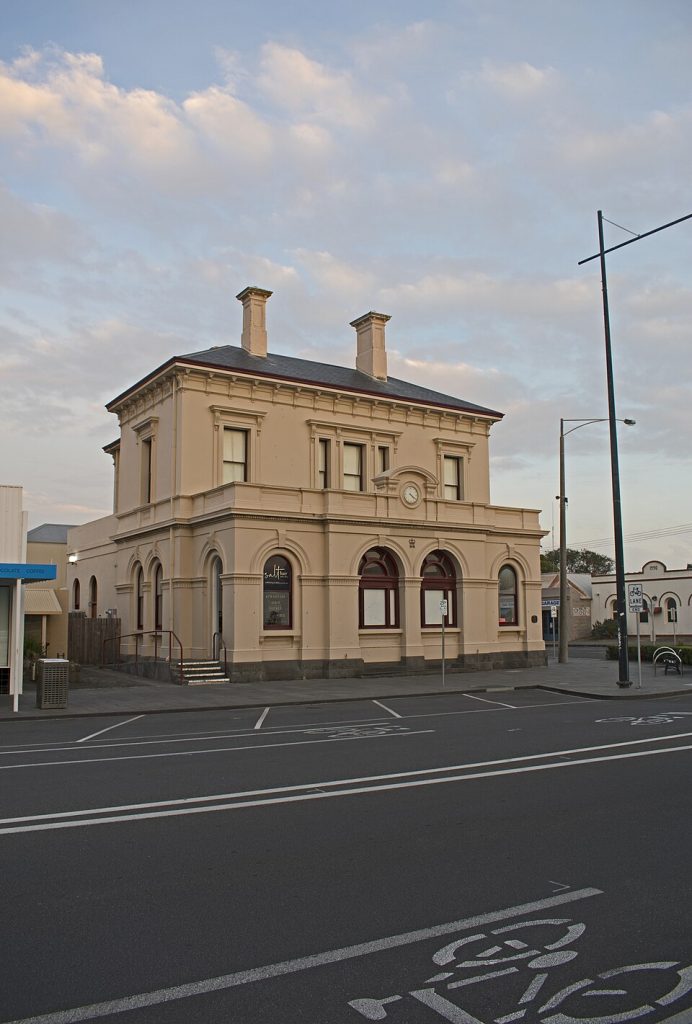
The cream-rendered Italianate corner building at 25-25a Sackville Street is one of the most elegant structures in the entire town, featuring arched ground-floor windows, a decorative clock in the pediment, twin chimneys, and a slate roof. It commands attention at a glance and speaks to the ambitions of a young colonial town determined to project confidence and permanence.
The Bank of Australasia and Commonwealth Bank
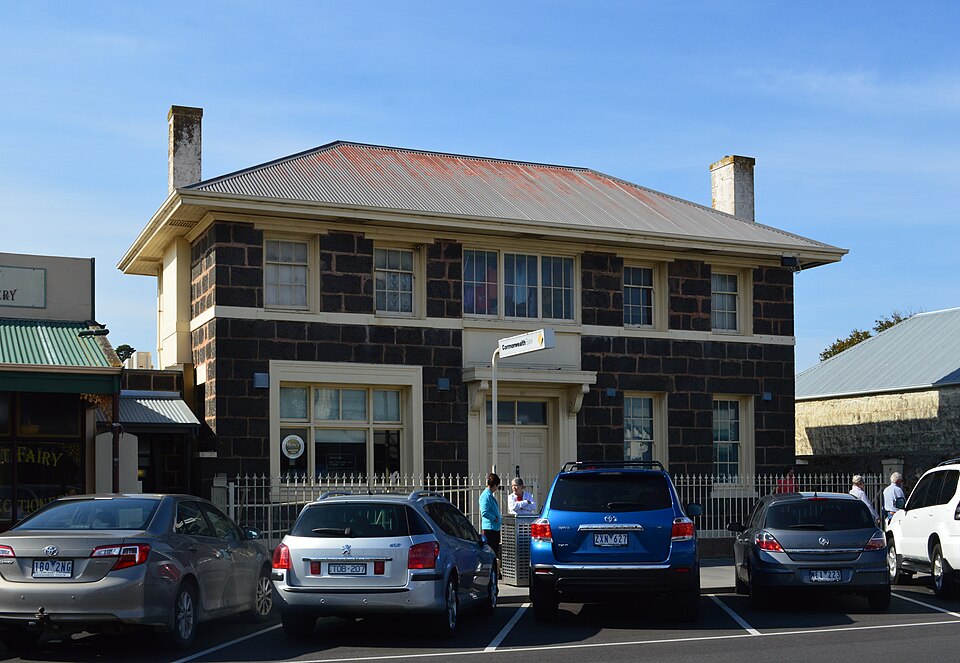
The former Bank of Australasia is arguably the grandest of the banking buildings, with imposing stonework columns and arched windows that give it a stately, almost palatial quality. The Commonwealth Bank building displays a slightly later architectural style but is no less impressive in its scale and detailing. Together, these buildings represent an era when banking houses were designed to inspire confidence and awe in equal measure.
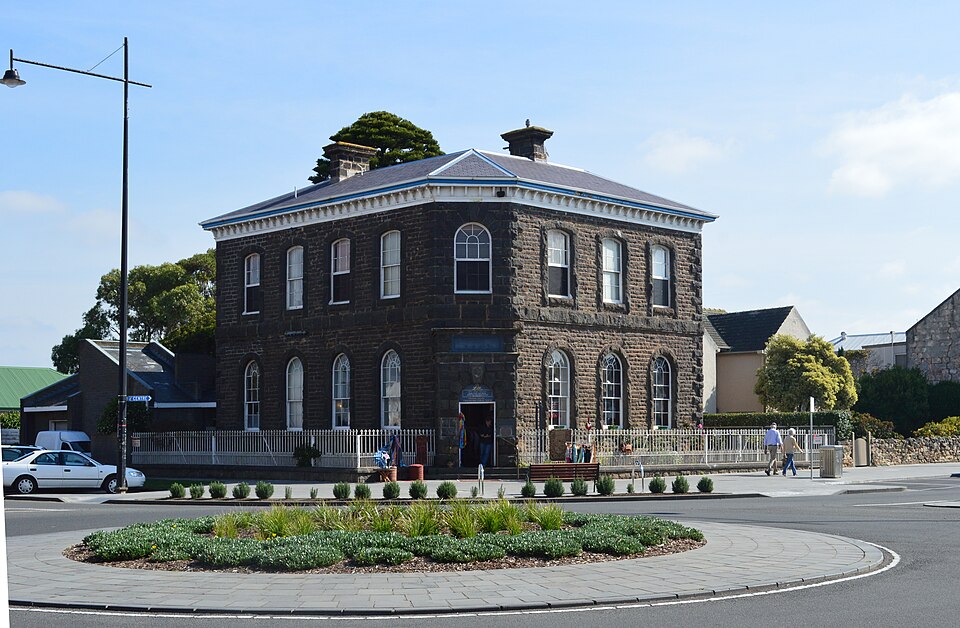
The National Australia Bank building rounds out this remarkable collection of financial heritage on Sackville Street. Together, these buildings form an architectural ensemble that is genuinely rare in a town of Port Fairy’s size and makes the main street one of the most visually rewarding heritage streetscapes in regional Victoria.
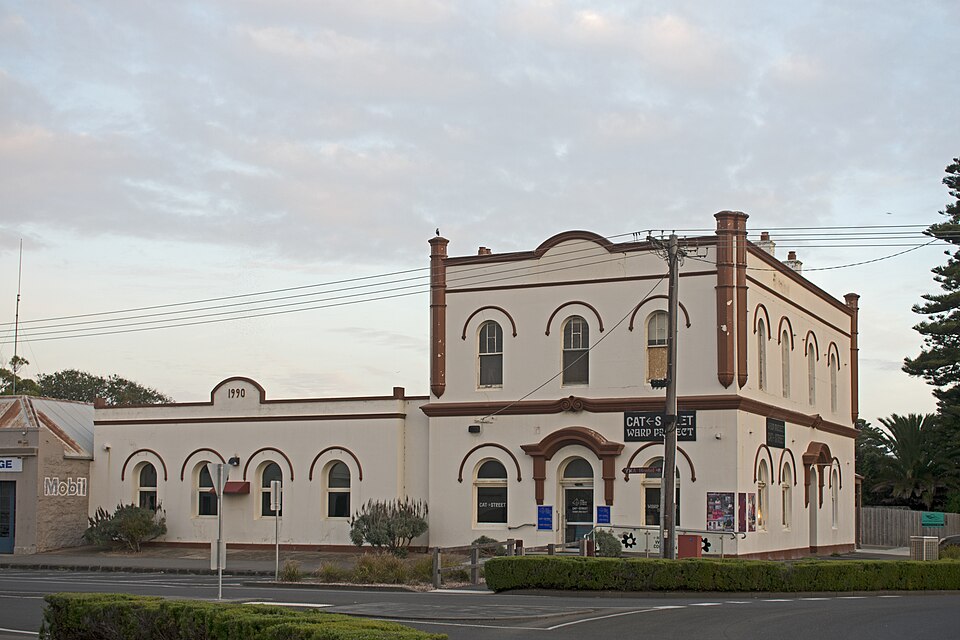
Port Fairy’s Community Buildings and Cultural Heritage
Port Fairy’s heritage extends beyond its commercial and financial buildings to include a range of community and civic structures that reflect the town’s rich cultural life during the colonial period.
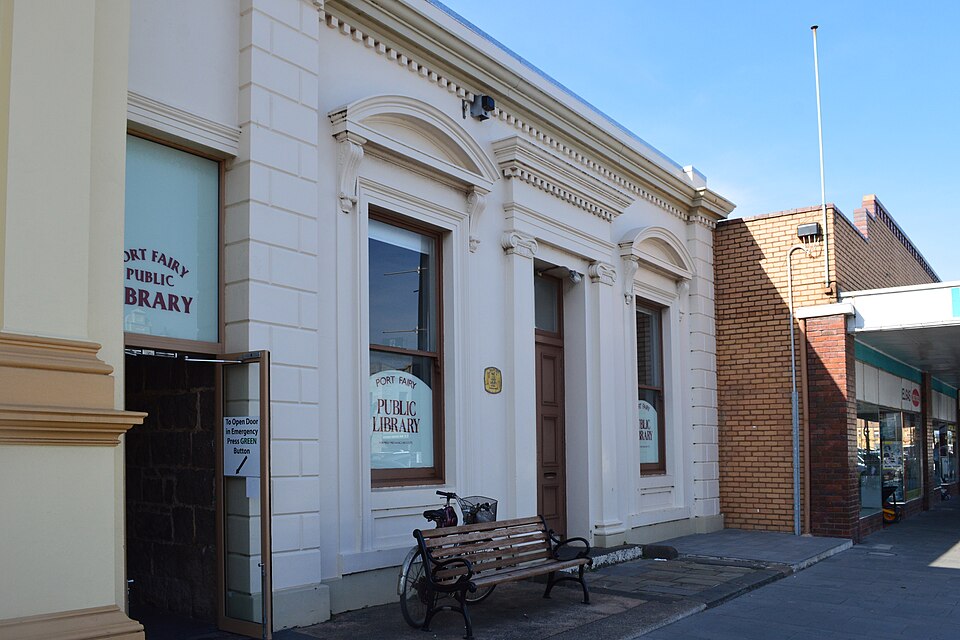
The Port Fairy Library
The Port Fairy Library occupies a charming Victorian-era building on Sackville Street and continues to serve the local community today. Its well-preserved exterior is a reminder that even in the early colonial period, Port Fairy’s residents placed a high value on literacy, education, and civic life.
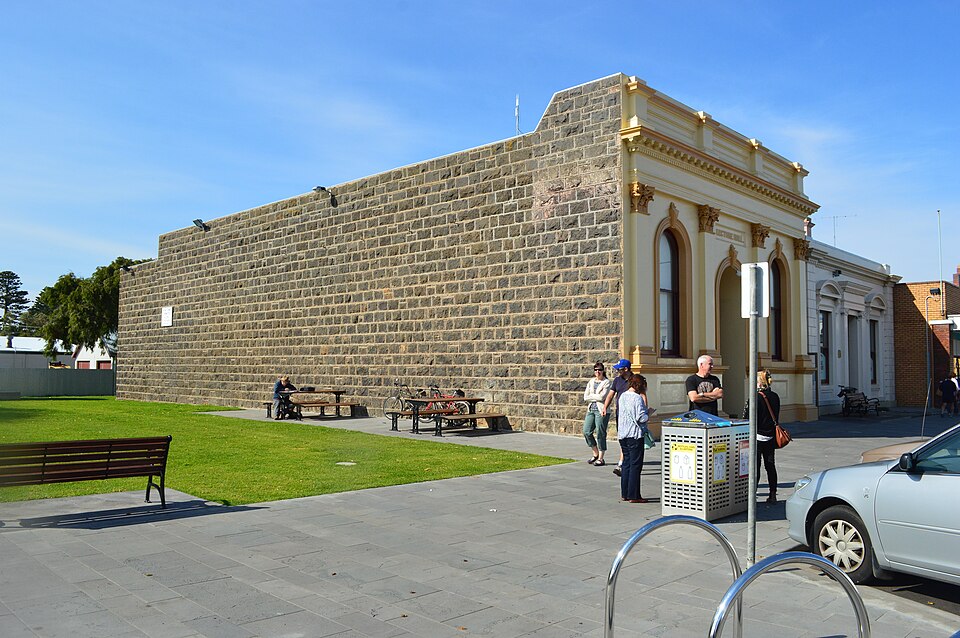
The Port Fairy Lecture Hall
One of the most architecturally distinctive buildings in Port Fairy, the Lecture Hall features ornate Victorian detailing and sandstone construction. It was once a central venue for public lectures, community meetings, and civic events, and its survival as a landmark gives Port Fairy a depth of institutional heritage that many comparable towns have lost over time. Furthermore, the hall’s imposing presence on the street is a reminder of the importance that 19th-century colonial communities placed on education, public discourse, and cultural life.
In addition to its outstanding built heritage, Port Fairy also benefits from excellent walking and cycling connections to the surrounding region. The Port Fairy to Warrnambool Rail Trail follows the route of a former railway line through the open farmland between the two towns, offering a scenic and accessible route for cyclists and walkers of all abilities.
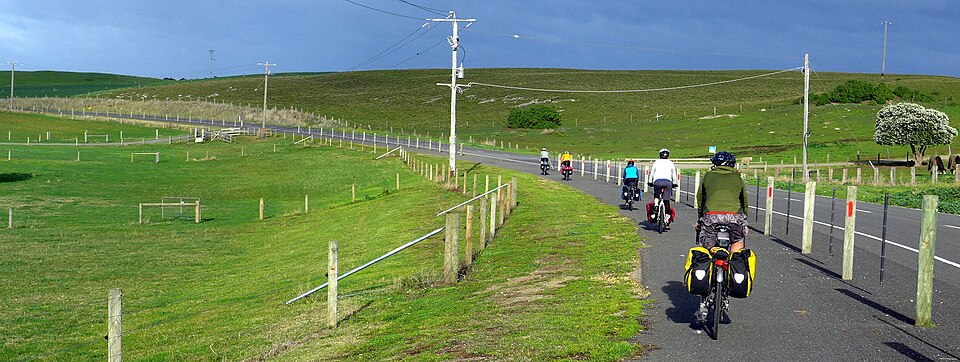
The rail trail stretches for approximately 38 kilometres and passes through some of the most characteristic rural landscapes of southwest Victoria, with wide skies, flat farmland, and coastal vegetation providing a pleasant backdrop for a half-day or full-day excursion.
One Historical Fact About Port Fairy, Australia
Port Fairy takes its name from a small vessel called the Fairy, a cutter that operated along this stretch of the Victorian coast during the 1820s as part of the early sealing and whaling industry. The vessel is believed to have navigated the Moyne River estuary, and the name stuck with the settlement that grew up around the site. Port Fairy is in fact one of the oldest European settlements in Victoria, predating Melbourne itself. By the 1840s and 1850s it had grown into one of the busiest ports in the colony, second only to Melbourne in terms of maritime traffic. The remarkable preservation of its heritage streetscape is a direct consequence of the town’s gradual economic decline after the gold rush era redirected trade and population toward Melbourne and the goldfields regions, leaving Port Fairy’s historic buildings largely intact and undisturbed for generations.
How to Get To Port Fairy, Australia
- By car from Melbourne: Port Fairy is approximately 290 kilometres west of Melbourne via the Princes Highway (A1). The drive takes around three hours and passes through Geelong, Colac, and Camperdown. Alternatively, travellers can take the longer but far more scenic Great Ocean Road route through Torquay, Lorne, Apollo Bay, and Port Campbell, adding several hours to the journey.
- By car from Warrnambool: Port Fairy is just 28 kilometres west of Warrnambool, a straight 25-minute drive along the Princes Highway.
- By bus from Melbourne: V/Line operates coach services between Melbourne’s Southern Cross Station and Port Fairy, with connections via Warrnambool. The journey takes approximately four hours.
- By train and bus: V/Line trains run from Melbourne to Warrnambool, from where a connecting regional bus service operates to Port Fairy. This is the most practical public transport option for visitors without a car.
- By air: The nearest airport is Warrnambool Airport, which has limited regional flights. For international arrivals, Melbourne Airport is the main gateway, from where a hire car or long-distance coach provides onward access to Port Fairy.
Best Time to Visit Port Fairy, Australia
Port Fairy Australia can be visited year-round, but the best time to visit depends on what you are looking for.
Spring, from September to November, is widely considered the ideal season for visiting Port Fairy Victoria. The weather is mild and warming, wildflowers bloom across the coastal heath and grassland, and the crowds have not yet reached summer levels. Accommodation is generally easier to book and more affordable than in peak summer, and the wildlife on Griffiths Island is particularly active during the spring months.
Autumn, from March to May, is the other prime season. In addition to pleasant weather, March brings the Port Fairy Folk Festival, one of Australia’s premier music events, held on the Labour Day long weekend. The festival draws international and Australian folk, roots, and world music artists and transforms the town into a lively cultural hub for several days. However, accommodation books out months in advance during the festival, so planning ahead is essential.
Summer, from December to February, is the busiest season. The beaches are at their best and the days are long and warm, but the town is significantly more crowded and accommodation prices rise sharply. Winter, from June to August, brings cold temperatures and strong southerly winds off the Southern Ocean, but the dramatic coastal scenery is at its most atmospheric, and the town retains its charm without the summer crowds.
Is Port Fairy, Australia Worth Visiting?
Without question, Port Fairy Australia is absolutely worth visiting. It is one of those rare places that manages to be simultaneously beautiful, historically rich, and genuinely relaxing. The combination of Griffiths Island with its lighthouse, wallabies, and rugged coastline; the extraordinary heritage streetscape of Sackville Street; the wildlife encounters along the Moyne River; and the town’s vibrant food and folk music culture makes it a destination that offers far more depth than its small size might suggest.
Moreover, Port Fairy is not a tourist trap. It is a real, functioning community with a strong sense of local identity and pride in its heritage. Visitors who take the time to slow down, walk the streets, sit by the river, and explore the island will leave with an appreciation for what a well-preserved Australian coastal town can feel like. In fact, for many visitors, Port Fairy turns out to be the highlight of their entire Great Ocean Road trip, a destination they had not fully anticipated but cannot stop thinking about long after returning home.
Final Thoughts
Port Fairy Australia is a town that rewards those who seek it out. It sits far enough along the coast to feel like a genuine discovery, yet it offers all the beauty, history, and character of a destination that has been quietly perfecting itself for two centuries. Whether you come for the lighthouse walk, the heritage streetscape, the folk festival, the wildlife, or simply the pleasure of wandering a beautiful coastal town at your own pace, Port Fairy will not disappoint. If you are planning a trip to Victoria, make sure Port Fairy is on your list. You will wonder how you almost missed it.
If you enjoy charming coastal towns, you may also love Rothenburg ob der Tauber, another beautifully preserved historic destination with timeless character.
Image Credits
- Griffiths Island Lighthouse (Featured Image) — Image by Penny from Pixabay
- Griffiths Island Lighthouse Wide Beach View — Photo by Annelize De Waal on Unsplash
- Griffiths Island Lighthouse Red Door — Photo by Kovid Rathee on Unsplash
- Rocky Coastline at Port Fairy — Photo by Esaias Tan on Unsplash
- Port Fairy Marina Sailboats — Photo by Minh Le on Unsplash
- Port Fairy Coastal Landscape with Wooden Post — Photo by Petra Nesti from Pexels
- Norfolk Island Pine-Lined Street — Matthew Summerton, CC BY-SA 3.0, via Wikimedia Commons
- Crested Terns in Flight — Ed Dunens, CC BY 2.0, via Wikimedia Commons
- Wallaby on Griffiths Island — Ymblanter, CC BY-SA 4.0, via Wikimedia Commons
- Black Swans near Griffiths Island — Ymblanter, CC BY-SA 4.0, via Wikimedia Commons
- The Stag Inn, Port Fairy — Mattinbgn (talk · contribs), CC BY 3.0, via Wikimedia Commons
- The Royal Oak Hotel, Port Fairy — Mattinbgn (talk · contribs), CC BY 3.0, via Wikimedia Commons
- Port Fairy Library — Mattinbgn (talk · contribs), CC BY 3.0, via Wikimedia Commons
- Port Fairy Lecture Hall — Mattinbgn (talk · contribs), CC BY 3.0, via Wikimedia Commons
- Sackville Street 25-25a Heritage Building — Ymblanter, CC BY-SA 4.0, via Wikimedia Commons
- Commonwealth Bank Building, Port Fairy — Mattinbgn (talk · contribs), CC BY 3.0, via Wikimedia Commons
- Bank of Australasia, Port Fairy — Mattinbgn (talk · contribs), CC BY 3.0, via Wikimedia Commons
- National Australia Bank Building, Port Fairy — Ymblanter, CC BY-SA 4.0, via Wikimedia Commons
- Sackville Street Looking North — Ymblanter, CC BY-SA 4.0, via Wikimedia Commons
- Port Fairy to Warrnambool Rail Trail — Steve Bennett, CC BY-SA 4.0, via Wikimedia Commons
.jpg)


Sources
- Port Fairy Official Tourism — Great Ocean Road Regional Tourism
- Heritage Council Victoria — Port Fairy Heritage Listings
- Griffiths Island Lighthouse — Atlas of Living Australia
- Port Fairy Folk Festival Official Website
- V/Line Regional Transport — Port Fairy Services
- Moyne Shire Council — Port Fairy
- Visit Victoria — Port Fairy Travel Guide