Shirakawa-go is a mountain village in Gifu Prefecture, and it is one of Japan’s most enchanting places. Above all, it is famous for its farmhouses with steep thatched roofs. Also, this UNESCO village offers a rare look at rural life that has barely changed for centuries. So, this guide covers the best things to do here, plus how to get there and when to go.
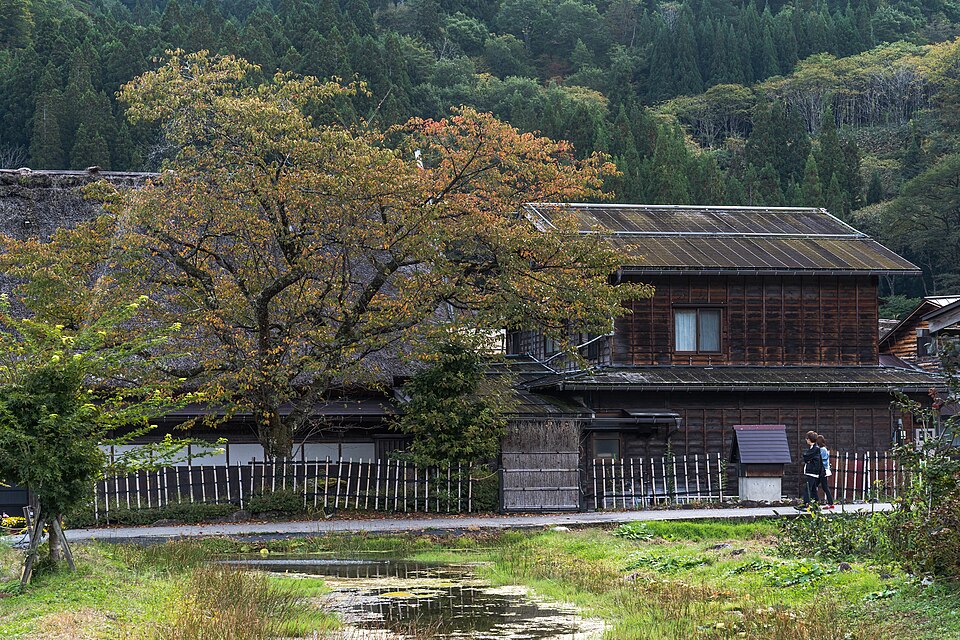
Meanwhile, forests, rivers and mountains surround the village. As a result, it looks beautiful in every season. For example, in winter, snow covers the roofs. Then, in autumn, the trees glow red and gold. Meanwhile, summer brings lush green fields.
Quick Facts About Shirakawa-go
| Country | Japan |
| Prefecture | Gifu |
| UNESCO Status | World Heritage Site (1995) |
| Known For | Gassho-zukuri Farmhouses |
| Best Time to Visit | Year-round |
| Time Needed | Half Day to Full Day |
| Region | Japanese Alps |
Where is Shirakawa-go?
Specifically, the village lies in Gifu Prefecture, in the mountains of central Japan. Although it feels remote, buses run from Takayama and Kanazawa.
Why Visit Shirakawa-go?
Few places in Japan keep rural traditions as well as this village. In particular, it is best known for its gassho-zukuri houses. Originally, their steep thatched roofs were built to handle heavy snow.
Also, the mountain scenery and calm mood make it one of Japan’s most memorable cultural trips.
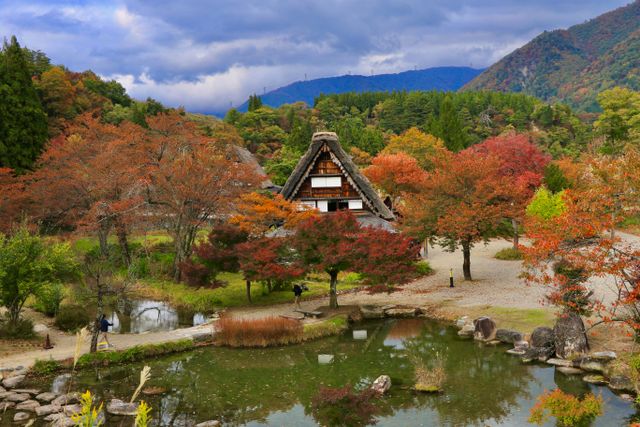
A UNESCO World Heritage Village
Shirakawa-go became a UNESCO World Heritage Site in 1995. Specifically, it was listed for its unique buildings and cultural value.
Many farmhouses are more than 250 years old. Still, even today, locals repair them with traditional methods passed down through generations.
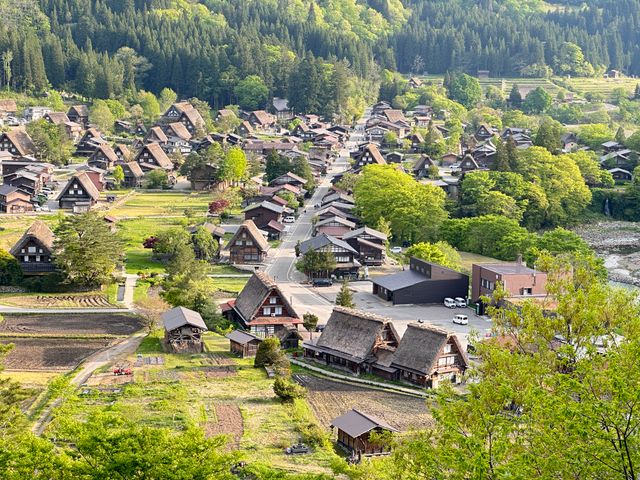
The Famous Gassho-zukuri Houses
Above all, the village’s most famous feature is its gassho-zukuri style. The name means “built like hands in prayer.” In fact, the steep roofs look like two hands pressed together.
Also, the steep angle stops heavy snow from building up in winter.
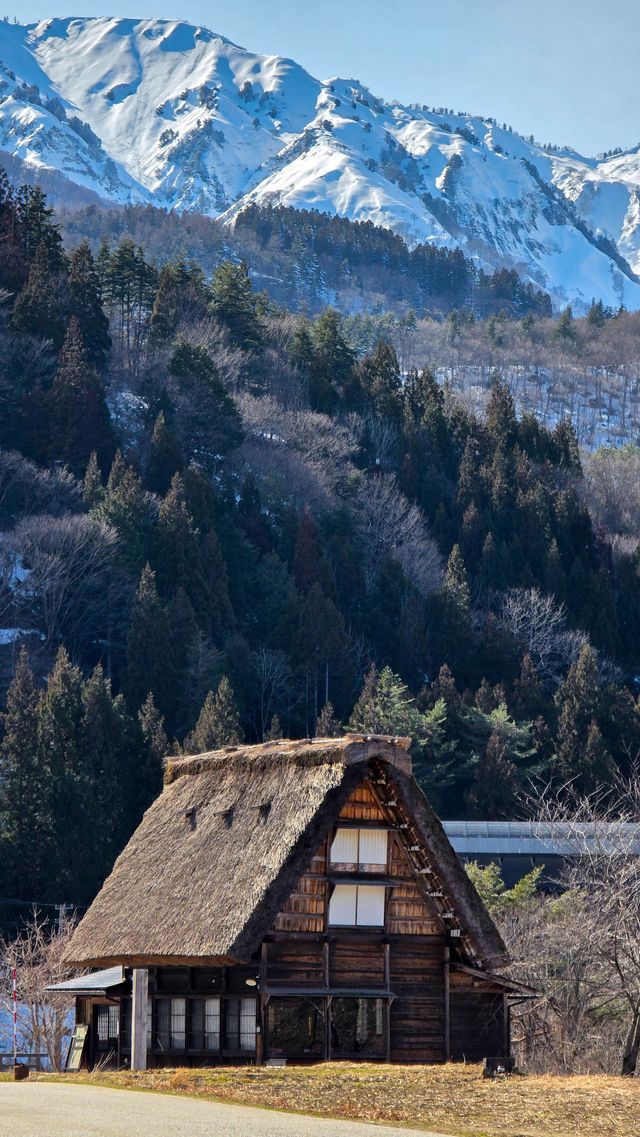
Things to Do in Shirakawa-go: Explore the Historic Village
First, walking is the best way to enjoy the village. Also, quiet paths link old homes, gardens, small museums and shops.
So, take your time and enjoy the peaceful mood and the scenery.
Visit Wada House
Notably, Wada House is the largest gassho-zukuri farmhouse in the village. Originally, it once belonged to a wealthy family. Today, however, you can step inside to see the old rooms and tools. Also, the upper floors show how silkworms were once raised under the roof.
Climb to the Shiroyama Viewpoint
For the classic postcard view, head up to the Shiroyama viewpoint. Then, from there, you can see the thatched roofs spread across the valley. Generally, you can walk up in about 20 minutes. Alternatively, a shuttle bus runs from the village.
See Myozenji Temple
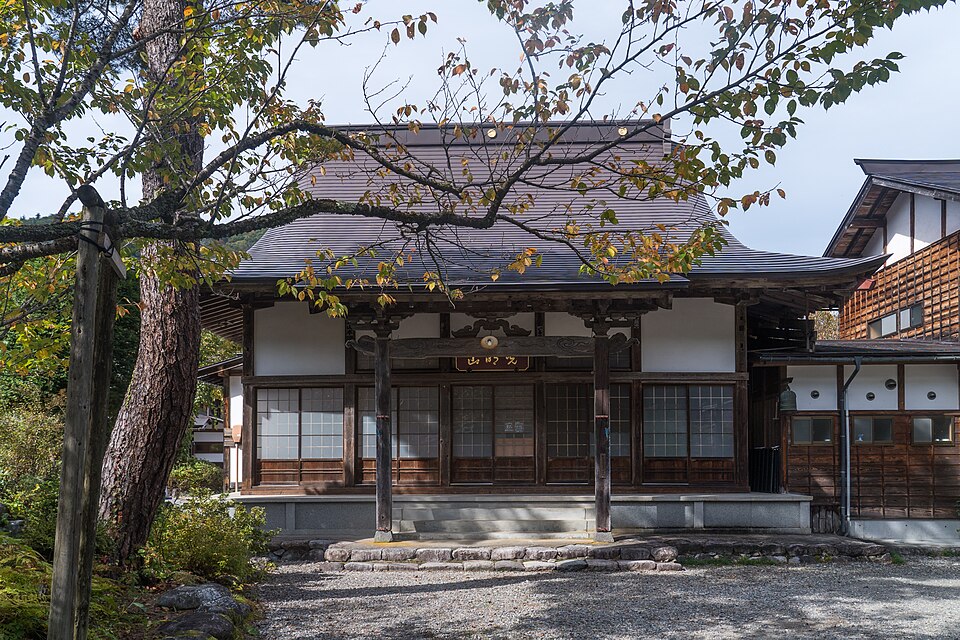
Similarly, Myozenji Temple is a rare thatched Buddhist temple. Its bell tower also has a thatched roof. Also, next door, a small museum shows daily life in the old village.
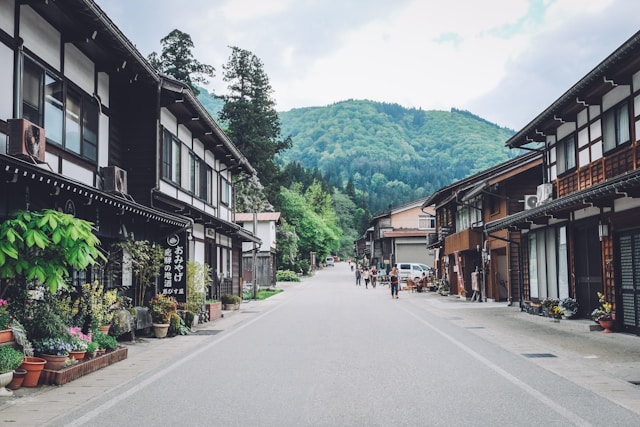
Traditional Buildings and Heritage
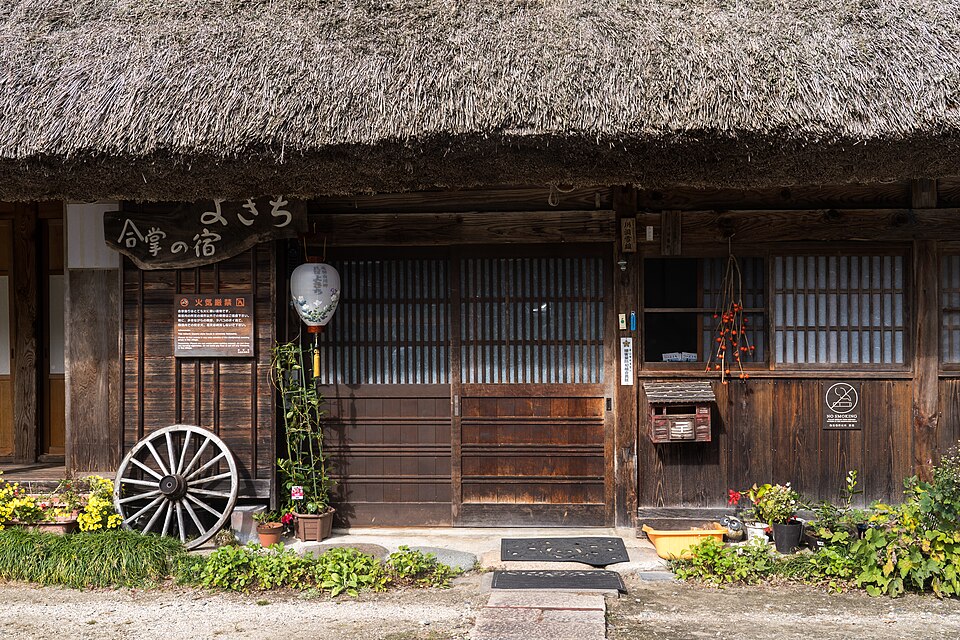
Many historic buildings are still in use. For example, some are now museums, inns, restaurants or cultural centres. As a result, you can experience traditional architecture first hand. In fact, staying overnight in a farmhouse inn is one of the best ways to enjoy the village.
Gardens and Scenic Landscapes
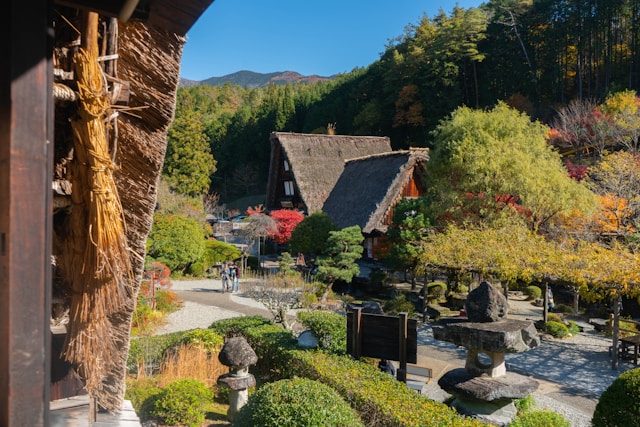
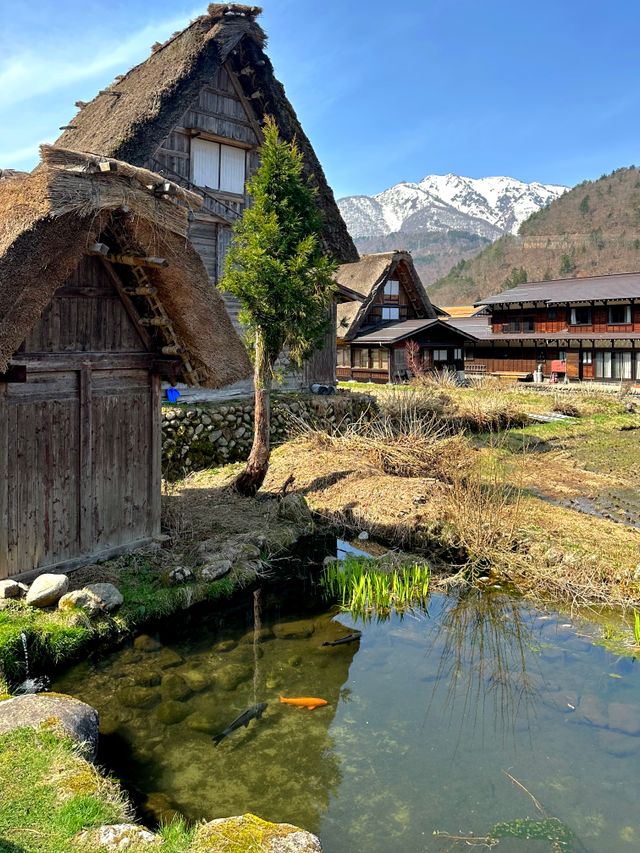
Meanwhile, nature surrounds the village. Together, gardens, ponds, wooded hills and mountains create a lovely setting all year.
Above all, the balance between nature and old buildings is one of the village’s greatest charms.
Life in Shirakawa-go
Although it is popular with tourists, Shirakawa-go is still a living community. Still, residents keep local traditions alive. Also, they care for homes that have stood for centuries.
So, the slower pace shows you a different side of Japan.
Winter: The Village at Its Most Magical
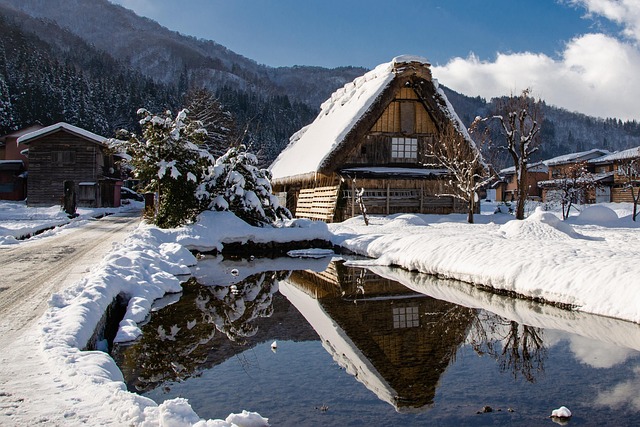
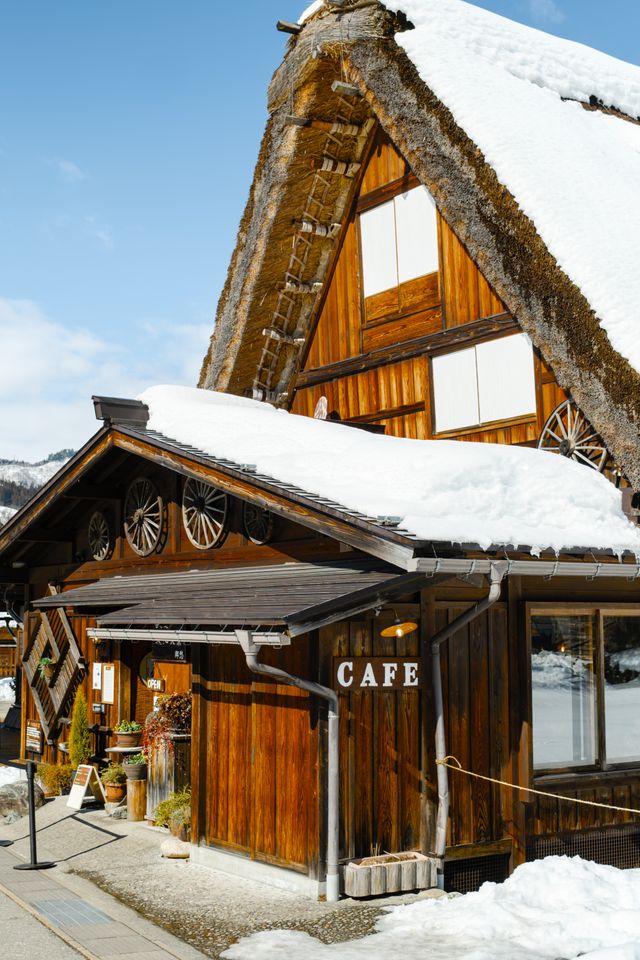
Of course, winter is perhaps the most famous season here. Then heavy snow covers the village. As a result, it looks like a Christmas card.
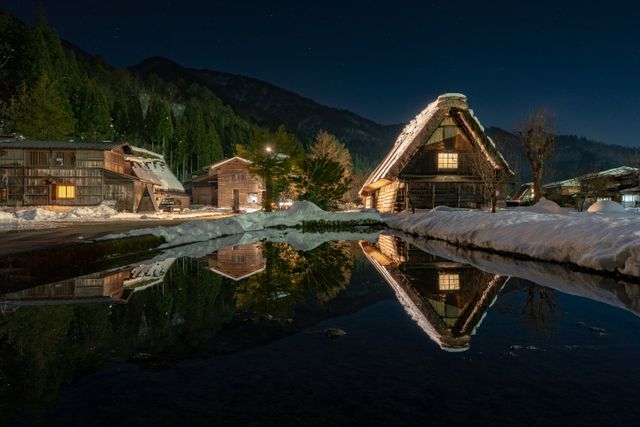
Also, special winter light-up events draw visitors from around the world. During these nights, the snowy farmhouses glow in the dark.
One Historical Fact About Shirakawa-go
Gradually, the gassho-zukuri style developed over centuries as locals adapted to harsh winters. Some of the oldest houses are more than 250 years old. Still, they are maintained with traditional methods today.
How to Get to Shirakawa-go
Usually, most visitors travel to Shirakawa-go by bus.
- Takayama: approximately 50 minutes
- Kanazawa: approximately 75 minutes
- Toyama: approximately 90 minutes
Private cars are also allowed. However, parking can be limited in peak seasons.
Best Time to Visit Shirakawa-go
Of course, each season has its own charm. For example, winter is the most famous, thanks to the snow and the light-up events. However, it is also the busiest, so book early. Similarly, autumn brings bright leaves and mild weather. Spring and summer, meanwhile, offer green fields and fewer crowds. So, choose the season that suits you best.
Is Shirakawa-go Worth Visiting?
Yes, absolutely. Overall, Shirakawa-go combines cultural heritage, traditional buildings and natural beauty. In fact, you cannot find this mix anywhere else in Japan.
Final Thoughts on Shirakawa-go
Shirakawa-go is more than a beautiful village. Instead, it is a living reminder of Japan’s rural heritage. Indeed, from its farmhouses to its mountain views, every corner tells a story of tradition and harmony with nature.
So, whether you visit in colourful autumn or snowy winter, Shirakawa-go will leave a lasting impression. Afterwards, continue to nearby Takayama, an old mountain town with historic streets.
Image Credits
- Aerial View of Shirakawa-go Traditional Village — Photo by Janaka Pushpakumara Rathnayaka from Pexels
- Traditional Gassho-zukuri House Surrounded by Autumn Foliage — Photo by Masaharu Inagaki from Pexels
- Snow-Covered Gassho-zukuri Farmhouse in Shirakawa-go — Image by Penny from Pixabay
- Landscaped Gardens and Traditional Houses in Shirakawa-go — Photo by Lucas Calloch on Unsplash
- Village Path in Shirakawa-go — Photo by Rap Dela Rea on Unsplash
- Pond and Traditional Houses in Shirakawa-go — Photo by Janos Racz from Pexels
- Traditional Gassho-zukuri House with Mountain Backdrop — Photo by Ignacio Estevo from Pexels
- Traditional Winter Cafe in Shirakawa-go — Photo by Kok Horng Cheam from Pexels
- Traditional Gassho-zukuri Building Entrance in Shirakawa-go — Alexkom000, CC BY 4.0, via Wikimedia Commons
- Traditional Wooden House Beside a Pond in Shirakawa-go — Alexkom000, CC BY 4.0, via Wikimedia Commons
- Traditional Wooden Building in Shirakawa-go — Alexkom000, CC BY 4.0, via Wikimedia Commons
- Traditional Houses Beside a Pond in Shirakawa-go During Winter — Photo by YUAN HANG CHEN from Pexels


