Kotor Montenegro sits at the far end of a deep, winding bay on the Adriatic. In fact, the bay is so dramatic that many people call it Europe’s southernmost fjord. Behind the town, grey cliffs rise almost straight up. Meanwhile, a line of Venetian walls zigzags across them to a fortress high above the rooftops. So, this guide covers everything you need to plan a trip to Kotor Montenegro.

Quick Facts About Kotor Montenegro
| Country | Montenegro |
| Region | Bay of Kotor, on the Adriatic coast |
| Known For | Venetian city walls, the climb to St. John’s Fortress, the Cathedral of Saint Tryphon, and its famous cats |
| UNESCO Status | UNESCO World Heritage Site, Natural and Culturo-Historical Region of Kotor, since 1979 |
| Founded | Settled since antiquity, with its walled old town shaped under Venetian rule from 1420 to 1797 |
| Best Time to Visit | May, June, September, and early October |
| Time Needed | One to two days |
| Continent | Europe |
Where Is Kotor Montenegro?
Kotor lies in the southeast corner of the Bay of Kotor, in southwestern Montenegro. The bay is actually a ria, which is a drowned river canyon. That is why it has such a winding shape and steep sides. In addition, the mountains of Orjen and Lovćen close in around the water, so the town feels very sheltered.
Dubrovnik in Croatia is about two hours away by road. Meanwhile, the capital, Podgorica, is roughly 65 km inland.
Why Visit Kotor Montenegro?
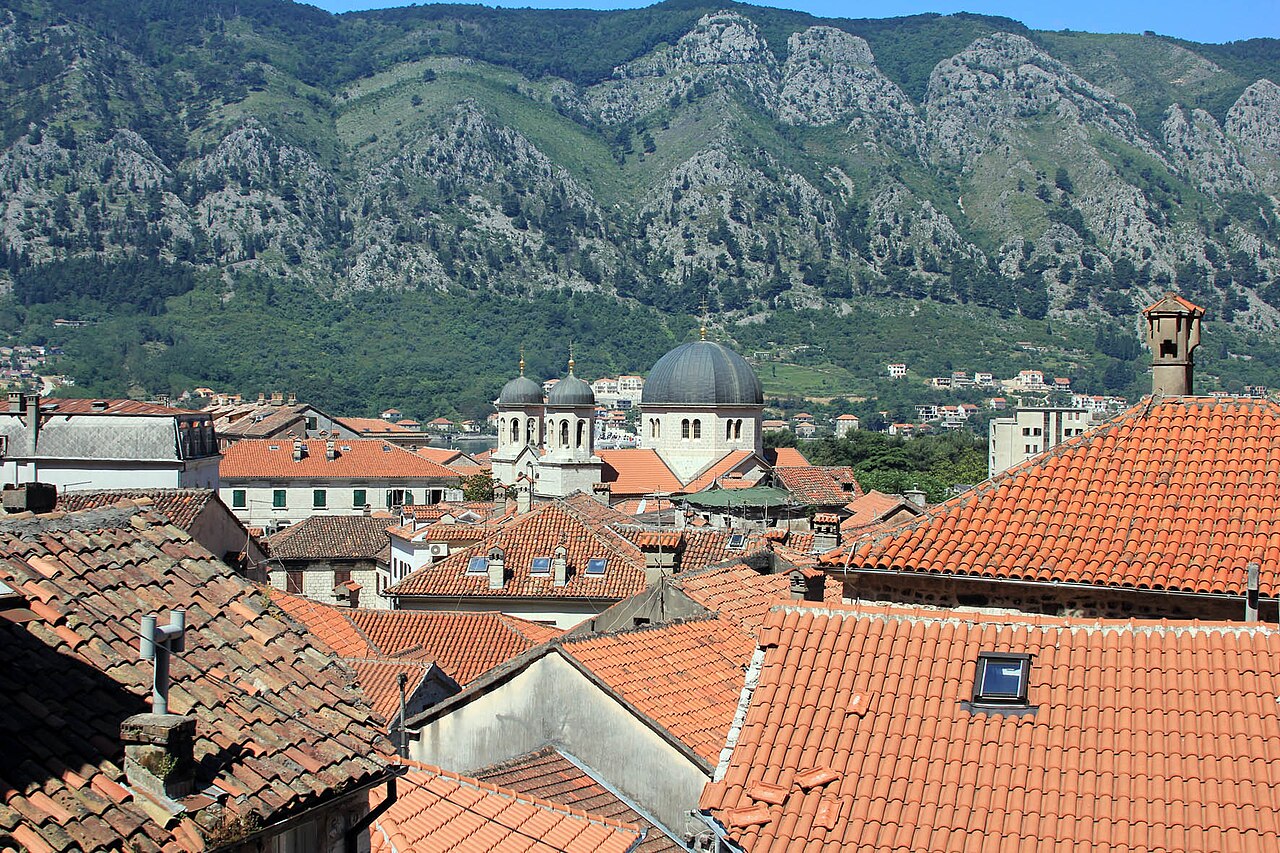
Kotor packs a lot of history into a small space. For example, Venice ruled the town from 1420 to 1797. As a result, its stone gates, palaces and lion reliefs still shape the old town today. However, the setting is the real star. Few walled towns anywhere sit against such a striking backdrop of water and mountains.
Kotor is also easy to explore on foot. In fact, you can cross the whole old town in about ten minutes. That leaves plenty of time for the fortress climb, a boat trip and a relaxed evening in one of the squares.
Things to Do in Kotor Old Town
The Kotor old town is a triangle of lanes between the bay, a small river and the mountain. Cars are not allowed inside. Also, the layout is confusing on purpose, because it was a medieval defence. Even today, it gets visitors lost, but that is part of the fun.
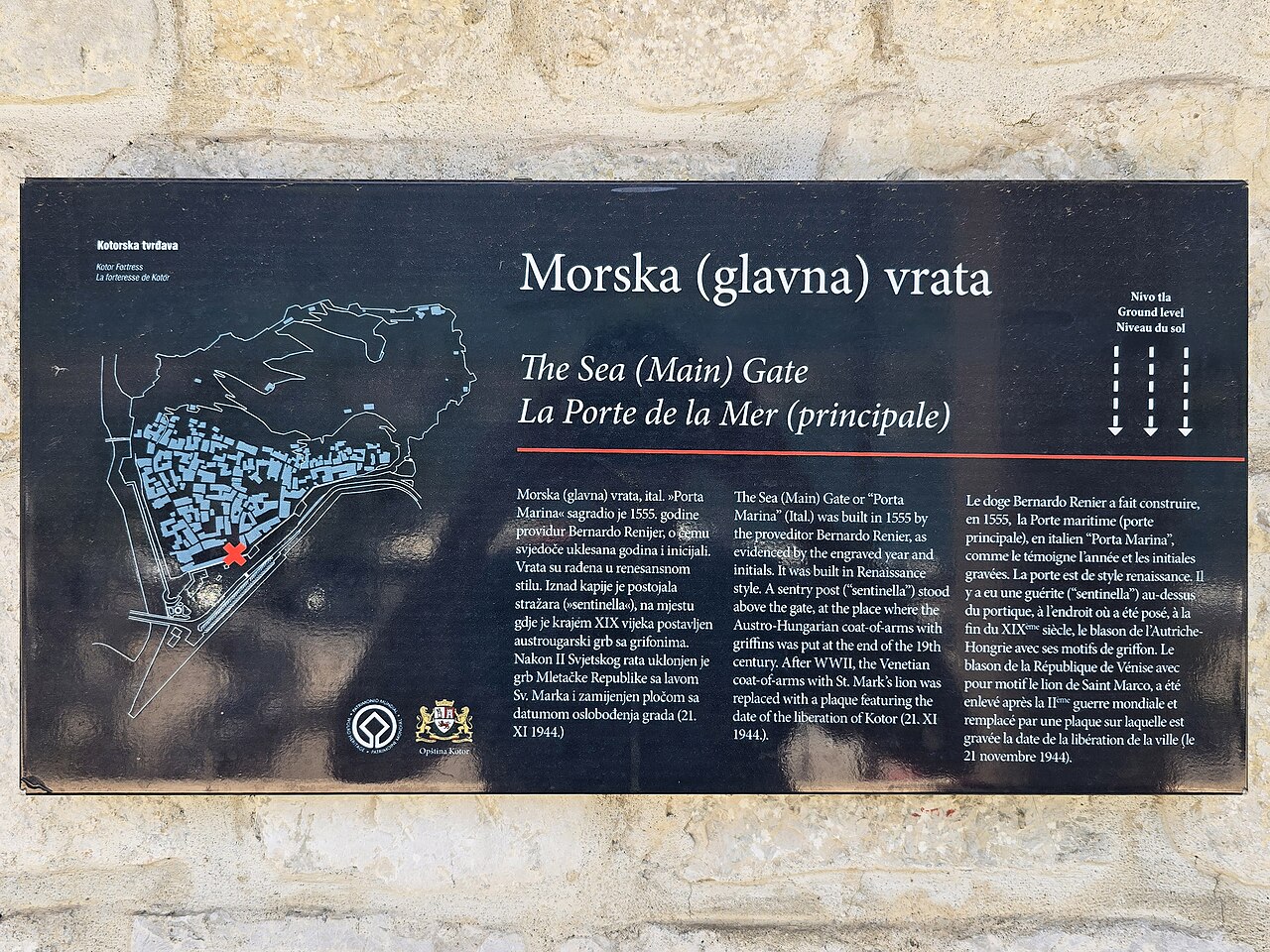
The Sea Gate and the Square of Arms
Most visitors enter through the Sea Gate, which was built in 1555. Then it opens onto the Square of Arms, the largest square in town. Here you will find a 17th century clock tower. In front of it stands a small stone pyramid that was once used as a pillory.
The Cathedral of Saint Tryphon
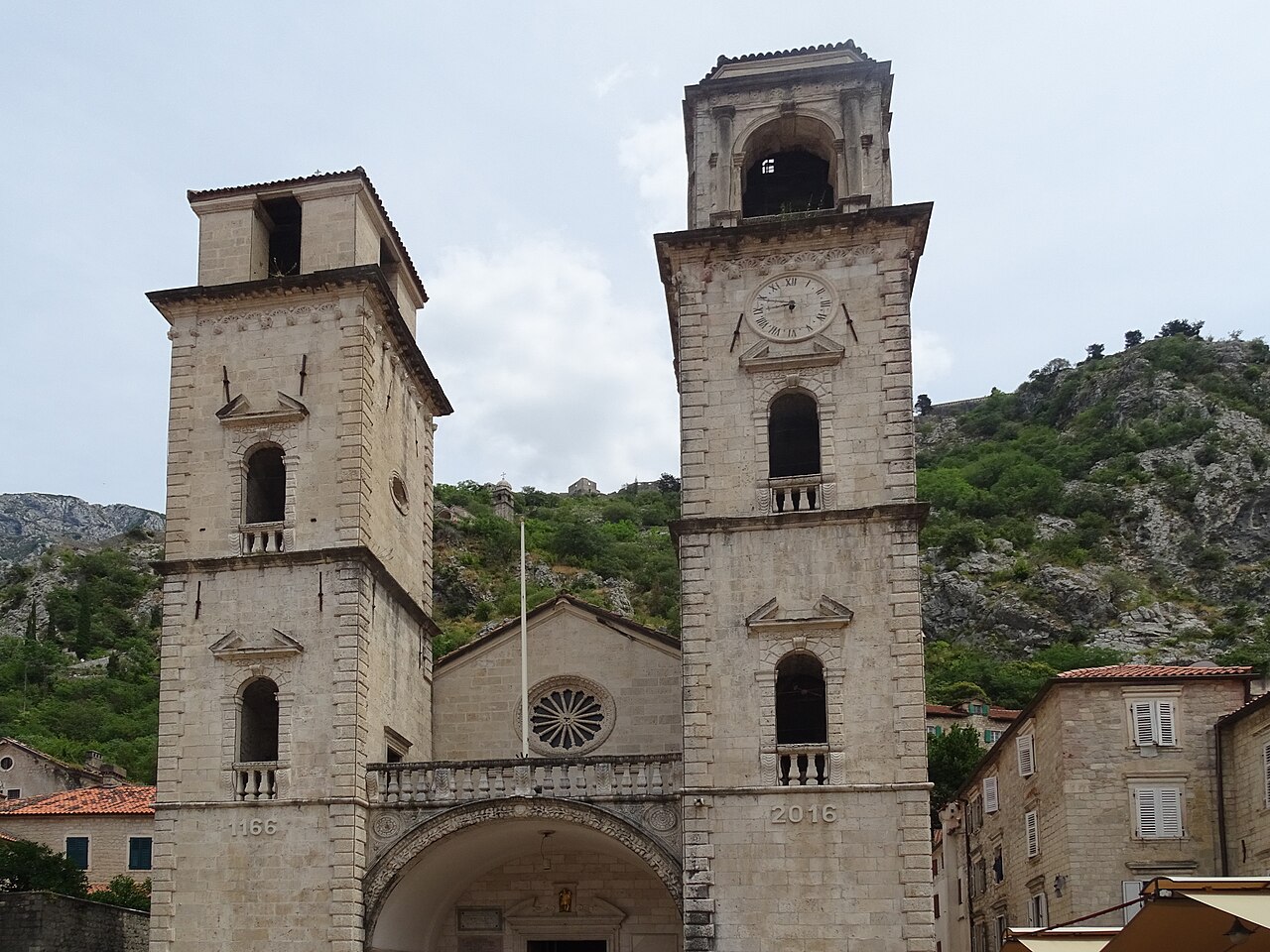
The Cathedral of Saint Tryphon was consecrated in 1166. Therefore, it is one of the oldest Romanesque buildings on the Adriatic. Earthquakes damaged its two bell towers, so they were rebuilt and no longer quite match. Inside, look for fragments of 14th century frescoes and the silver altar relief.
Squares, Palaces and Churches
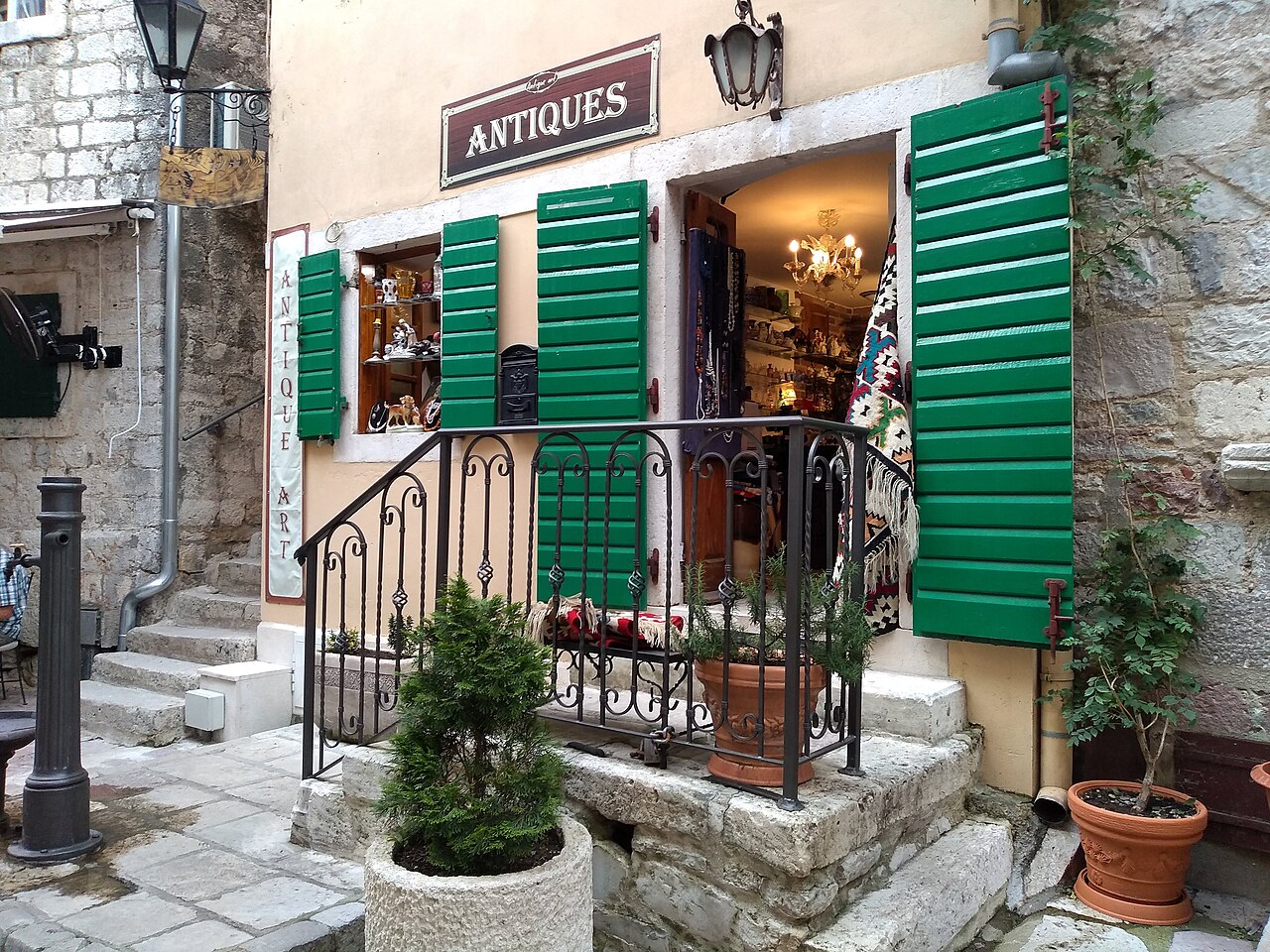
Next, wander away from the main square. Soon you will find smaller squares named after flour, milk and other goods once sold there. Venetian palaces line many of them. Between them sit tiny churches such as St. Luke’s. For centuries, it served both Catholic and Orthodox worshippers.
The Cats of Kotor
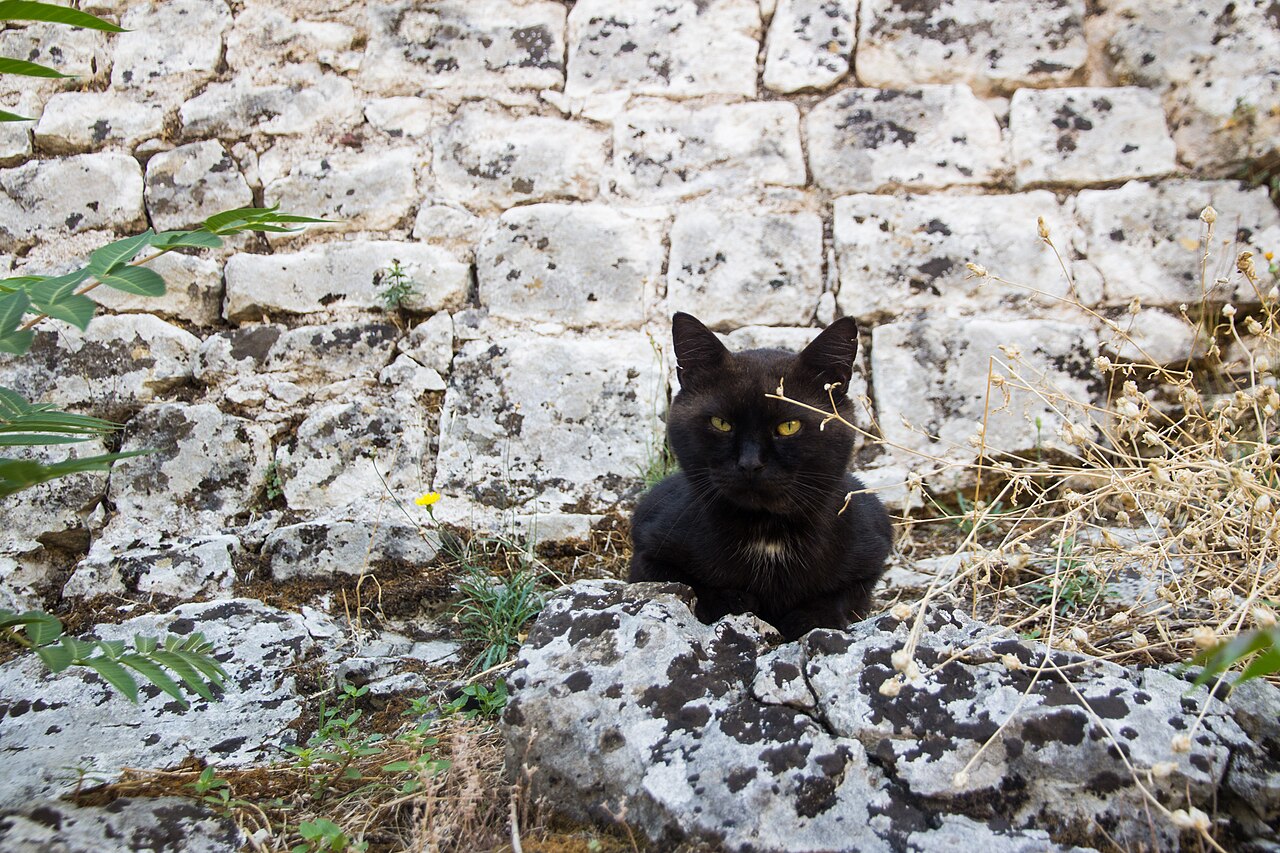
Cats are so much a part of daily life here that they have become the town’s unofficial symbol. You will see them on church steps and in shop doorways. There is even a small cat museum. Also, locals leave out food and water, while a local charity runs a programme to keep the cats healthy.
Climbing to Kotor Fortress
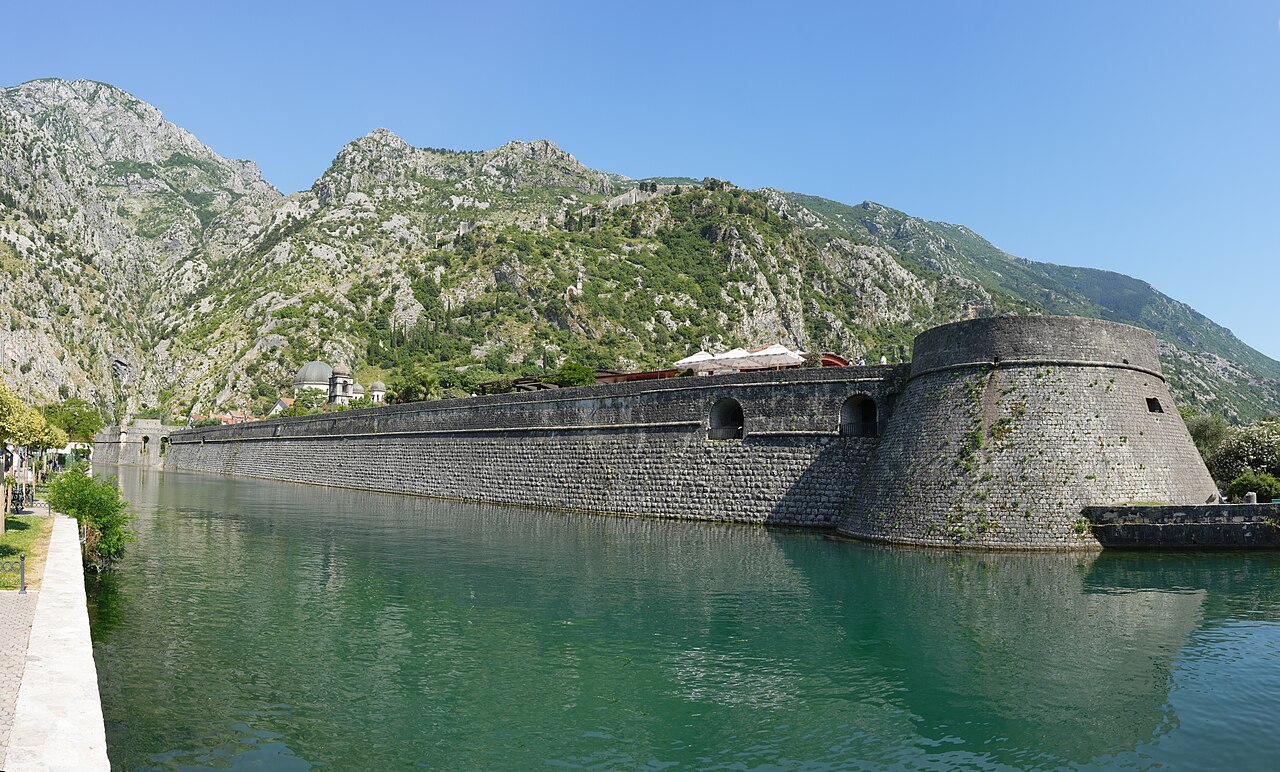
The highlight of any visit is the climb up the town walls. The walls run for about 4.5 km and reach up to 20 m high in places. At the top, you reach the ruins of St. John’s Fortress, roughly 280 m above the bay.
The path is a long stone staircase with around 1,350 steps. Allow about an hour to reach the top at a steady pace. Also, expect an entrance fee during the main season.
The Church of Our Lady of Remedy
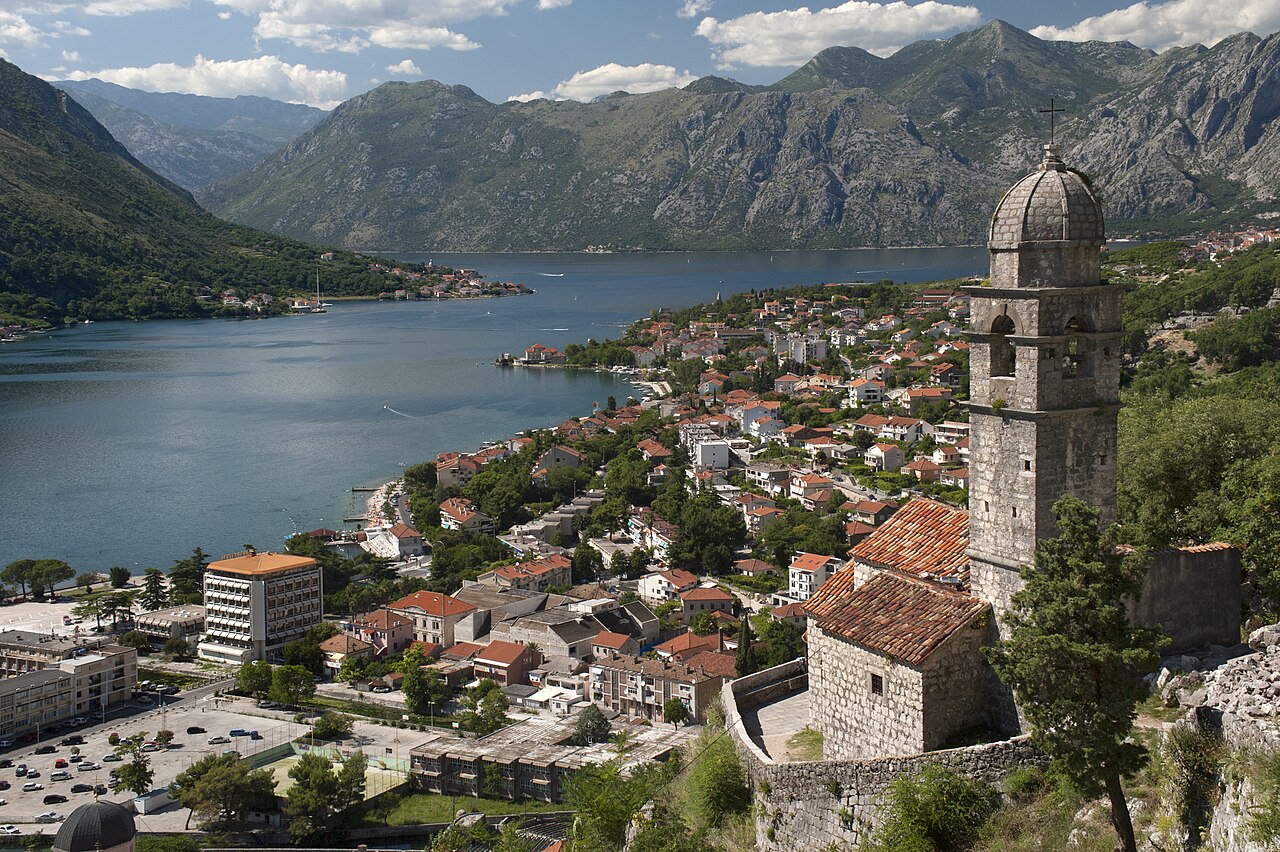
About halfway up, you pass the Church of Our Lady of Remedy, built in 1518. It is a natural place to rest. Even from here, the view over the rooftops is worth the effort.
Tips for the Climb
- Start early in the morning or two hours before sunset, because midday is very hot
- Wear shoes with good grip, since the old steps are polished and slippery
- Bring water, as there is little shade
- Stay on the marked path, because parts of the ruins are unstable
Perast and Our Lady of the Rocks
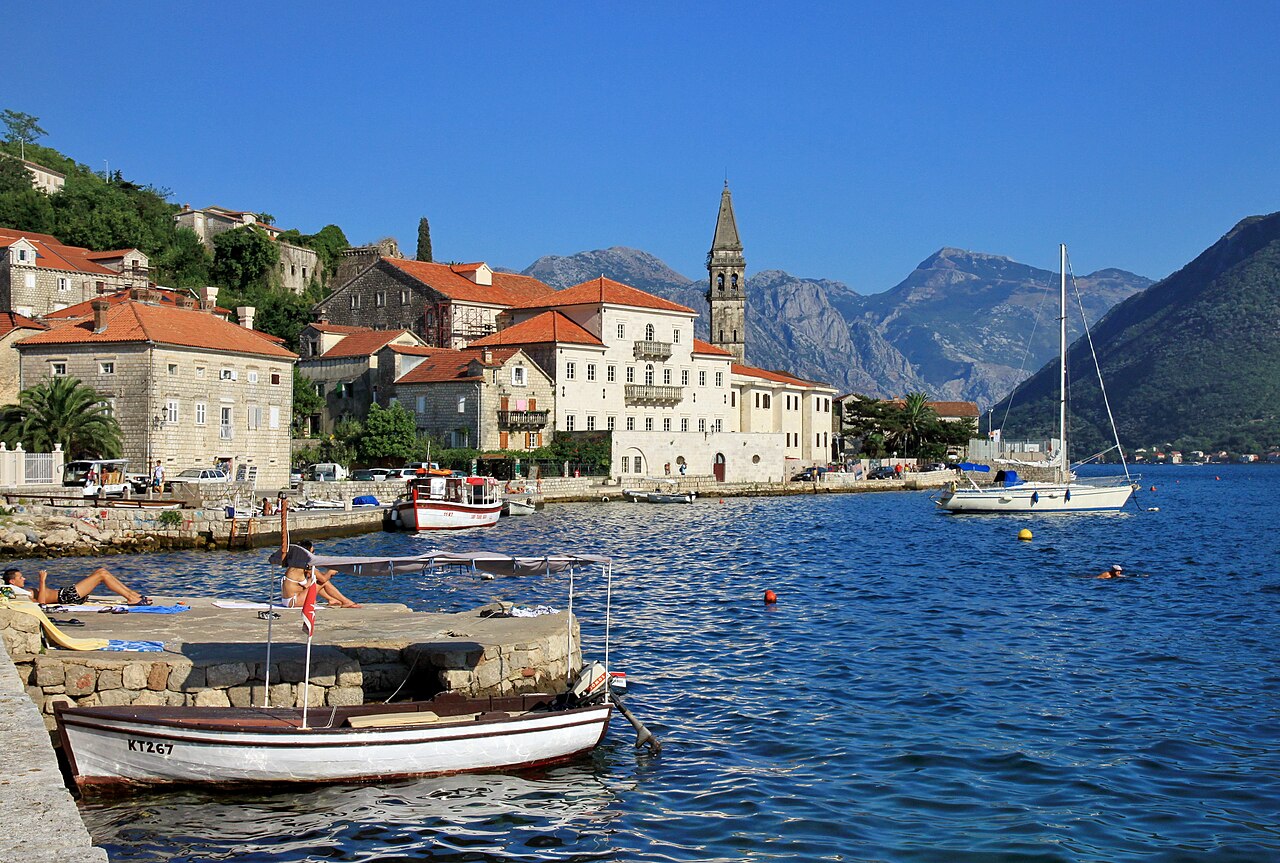
Perast is a tiny baroque town about 12 km along the bay. As a result, it makes an easy half day trip from Kotor Montenegro. Its waterfront is lined with stone palaces built by wealthy sea captains. Above them rises the bell tower of St. Nicholas Church.
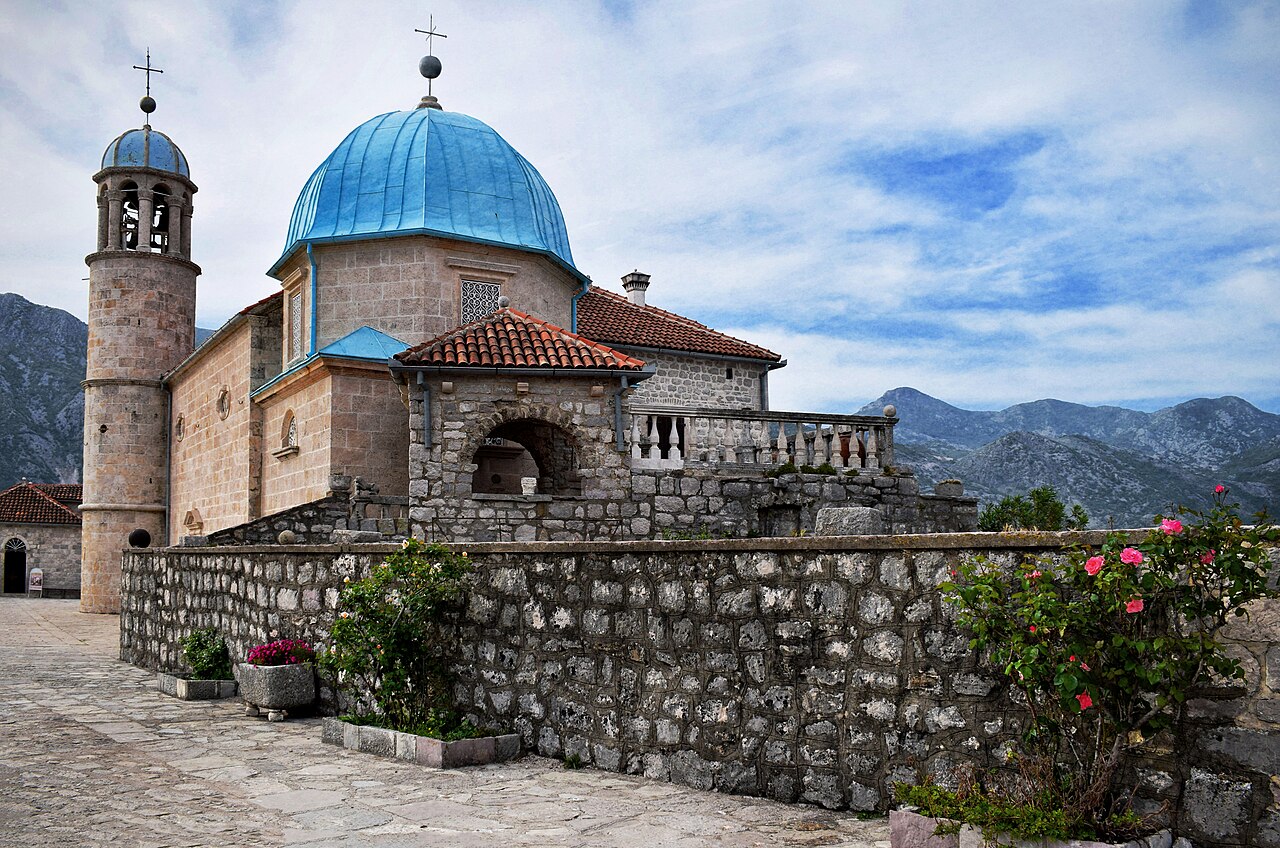
Just offshore are two small islands. Sveti Đorđe is natural and holds a monastery. Our Lady of the Rocks, however, is man-made. According to local legend, sailors found an icon of the Virgin on a reef in the 15th century. After that, they began dropping rocks there, and the island slowly grew. Today, small boats run out to it from the Perast waterfront.
One Historical Fact About Kotor Montenegro
In 1814, the British helped end the French occupation of Kotor in an unusual way. There was no wind in the bay, so the warship HMS Saracen could not sail into position. Instead, local people hauled the ship into place with ropes. Soon after, the French garrison surrendered.
How to Get to Kotor Montenegro
- Flying in: Tivat Airport is about 5 km away. Podgorica Airport is about 65 km away and has more year-round flights. Dubrovnik Airport is also an option, about two hours by road.
- Bus: Buses link Kotor with Budva, Tivat, Herceg Novi, Podgorica and Dubrovnik. The bus station is a short walk from the old town.
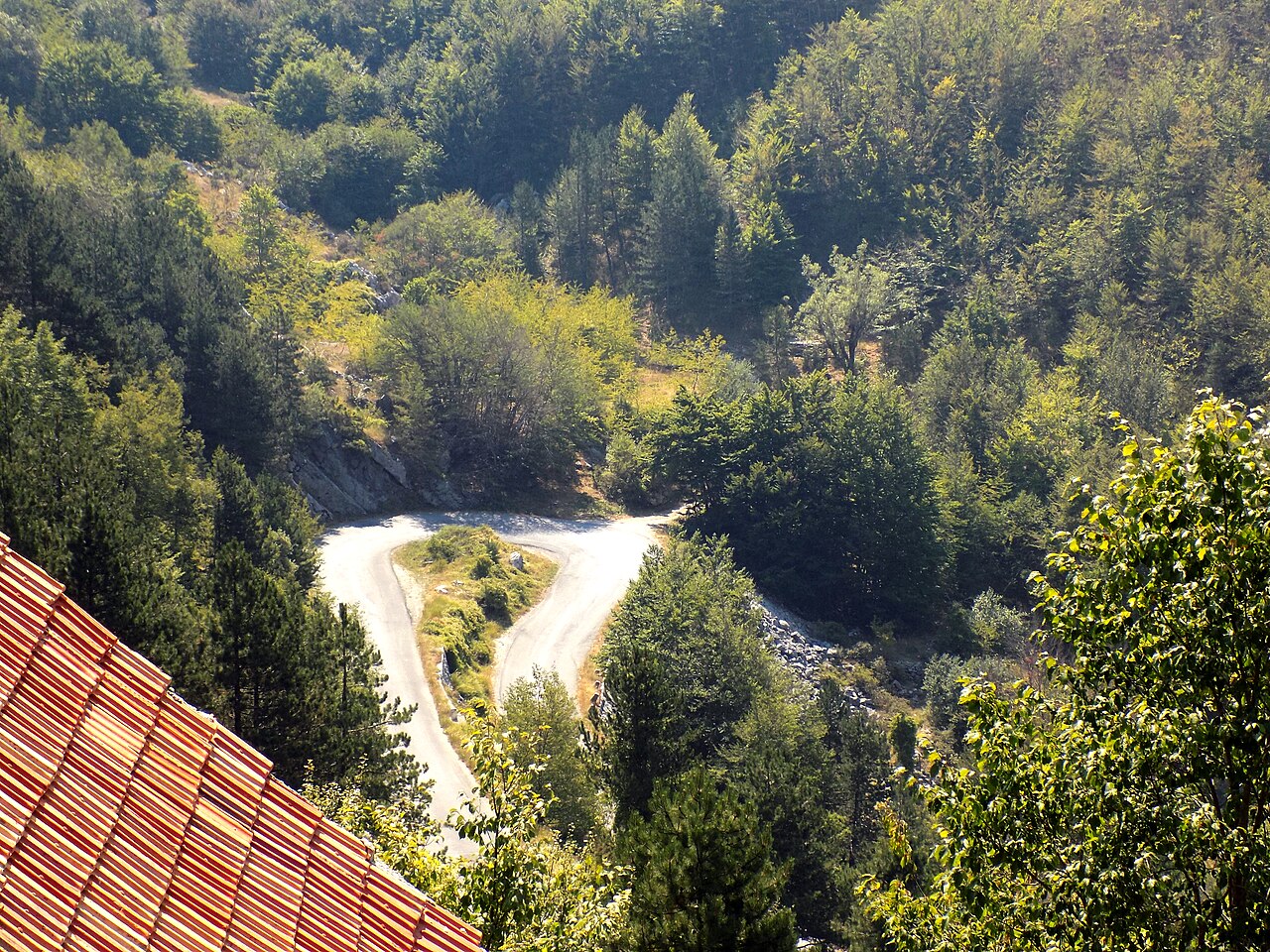
- Driving: The Adriatic Highway reaches Kotor through the Vrmac Tunnel. Also, the old mountain road to Cetinje climbs behind the town with great views.
- Cable car: Since 2024, a cable car has linked Kotor with Lovćen National Park in about 11 minutes.
Best Time to Visit Kotor Montenegro
May, June, September and early October are the sweet spot. During these months, it is warm enough for boat trips and swimming. However, the fortress climb is not too hot.
July and August, by contrast, are hot and very busy. This is especially true when several cruise ships are in port. So, check the cruise schedule before you go. Then visit the old town early in the morning or in the evening on busy days. Winter, meanwhile, is quiet and mild but wet.
Is Kotor Montenegro Worth Visiting?
Yes, without a doubt. Kotor combines a well-preserved Venetian old town with one of the most dramatic settings in Europe. Also, it is calmer than Dubrovnik for most of the year. Still, stay at least one night so you can enjoy the town after the day visitors leave.
Final Thoughts on Kotor Montenegro
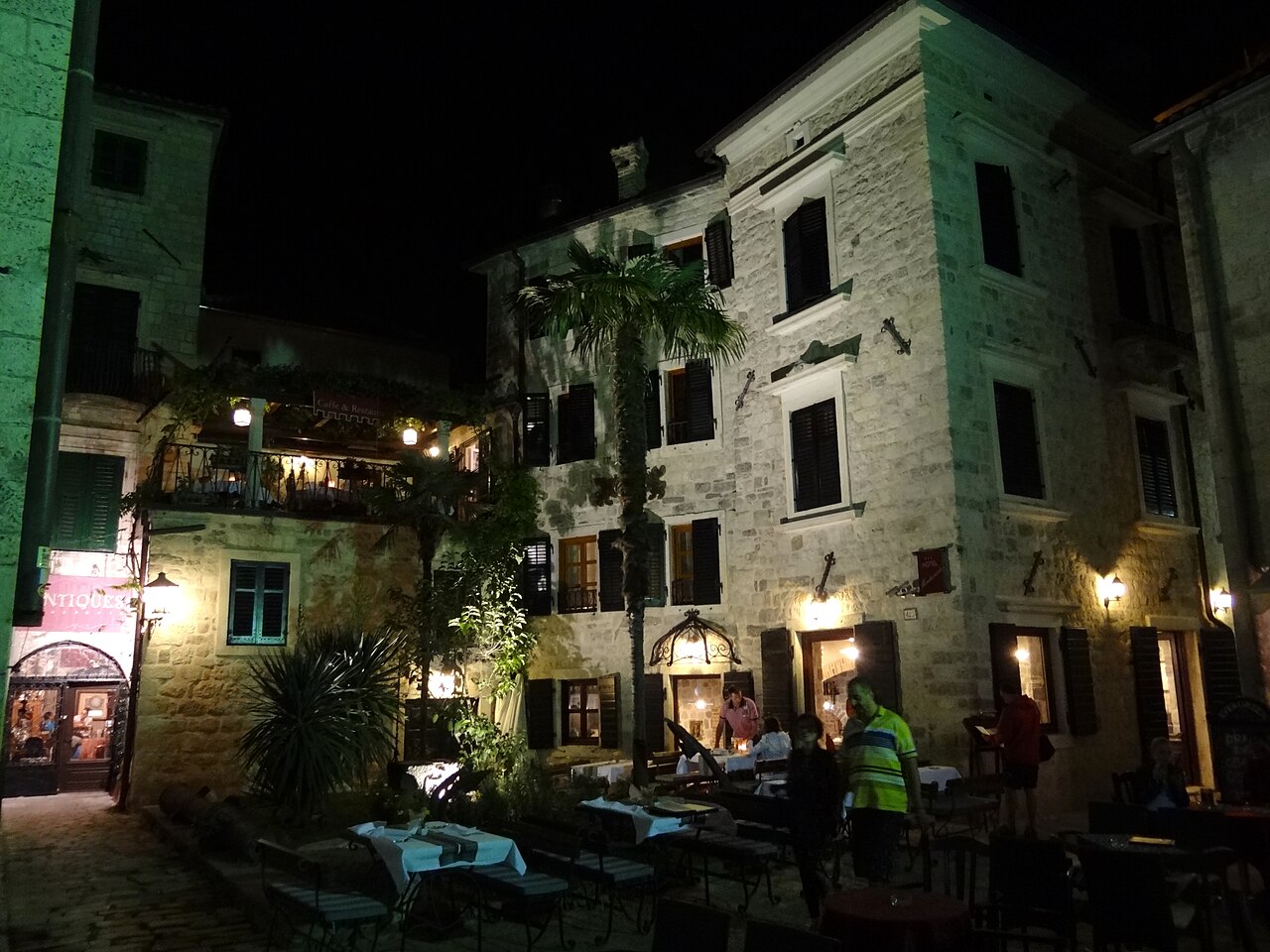
Kotor rewards anyone willing to climb a few stairs. First, walk the marble lanes in the morning. Then climb to the fortress before sunset. Finally, end the day with dinner in a square while the walls light up above you. Add a boat ride to Our Lady of the Rocks, and you will see why this small town leaves such a big impression.
Image Credits
Wikimedia Commons
miketnorton: Kotor Bay from the Fortress, CC BY 2.0

trolvag: Kotor Stari grad rooftops – panoramio, CC BY-SA 3.0

Rigorius: Kotor Sea-Gate-T 20250604 140754, CC BY-SA 4.0

Ad Meskens You are free to use this picture for any purpose: Kotor Cathedral of Saint Tryphon 06, CC BY-SA 4.0

Ingo Mehling: Kotor City Wall, CC BY-SA 4.0

Ggia: 20090719 Crkva Gospa od Zdravlja Kotor Bay Montenegro, CC BY-SA 3.0

Alexey Komarov: A feral cat in Kotor, September, 2015, CC BY-SA 4.0

Milica Buha: Streets of Kotor Old Town, CC BY-SA 4.0

Marcin Konsek: Widok na Perast z zachodu 01, CC BY-SA 4.0

Jocelyn Erskine-Kellie from London, UK: Church of Our Lady of the Rocks, Perast (49631172447), CC BY-SA 2.0

Milica Buha: Cetinje-Njeguši-Kotor, regionalni put R-1, Crna Gora 02, CC BY-SA 4.0

Adam Jones, Ph.D.: Cafe Life at Night – Old Town – Kotor – Montenegro, CC BY-SA 3.0

Sources
Fortifications of Kotor (Wikipedia)