Vigan Philippines feels like a town from another century. Horse-drawn carriages clatter over cobblestones, past grand mansions with wooden balconies and capiz shell windows. Meanwhile, the scent of grilled longganisa sausage drifts from street stalls. In fact, it is often called the best-preserved Spanish colonial town in Asia. Also, it is small, friendly and easy to explore on foot. So, here is how to plan your visit.
Quick Facts About Vigan Philippines
| Country | Philippines |
| Region | Ilocos Sur, northwestern Luzon |
| Known For | Spanish colonial mansions, cobblestone streets, horse-drawn kalesas and Ilocano food |
| UNESCO Status | Historic City of Vigan, UNESCO World Heritage Site since 1999 |
| Founded | 1572, by the Spanish conquistador Juan de Salcedo |
| Best Time to Visit | November to April, the dry season |
| Getting There | Fly to Laoag and drive about two hours, or take an overnight bus from Manila |
Where Is Vigan Philippines?
Vigan lies on the northwest coast of Luzon, the largest island in the Philippines. Specifically, it is the capital of Ilocos Sur province, about 400 kilometers north of Manila. In addition, the city sits near the mouth of the Abra River. As a result, it became an important trading port in colonial times.
Why Visit Vigan Philippines?
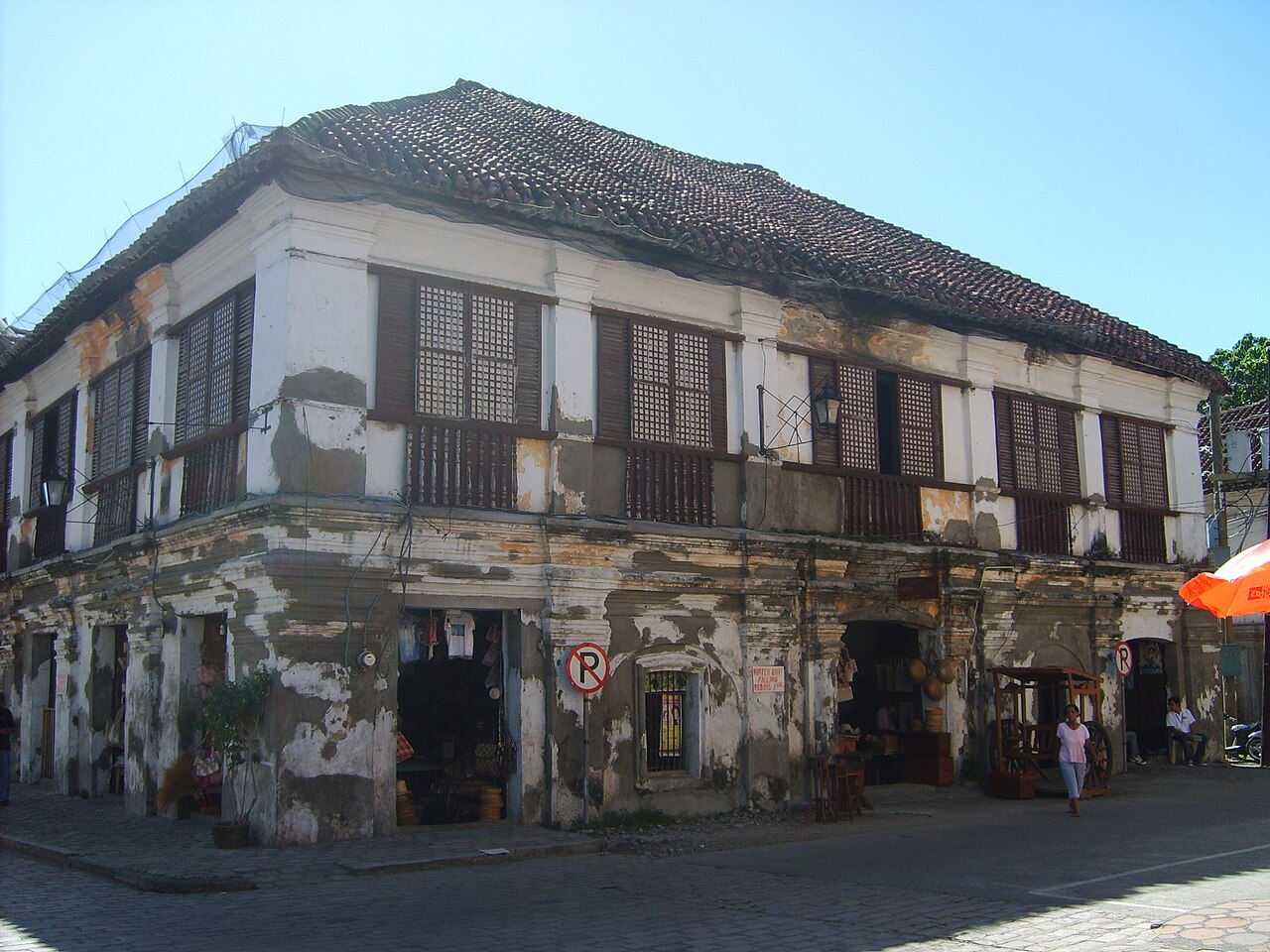
First, the architecture is unique. Spanish, Chinese and Filipino styles blend in houses with stone ground floors and wooden upper stories. Consequently, UNESCO listed the historic town as a World Heritage Site in 1999.
Second, Vigan Philippines is a great place to experience Ilocano culture. For example, traditional crafts such as weaving and pottery are still practiced here. Finally, the food is delicious and affordable. If you loved our guide to Hoi An in Vietnam, you will enjoy this other historic trading town in Asia.
Things to Do in Vigan Philippines
Walk Down Calle Crisologo
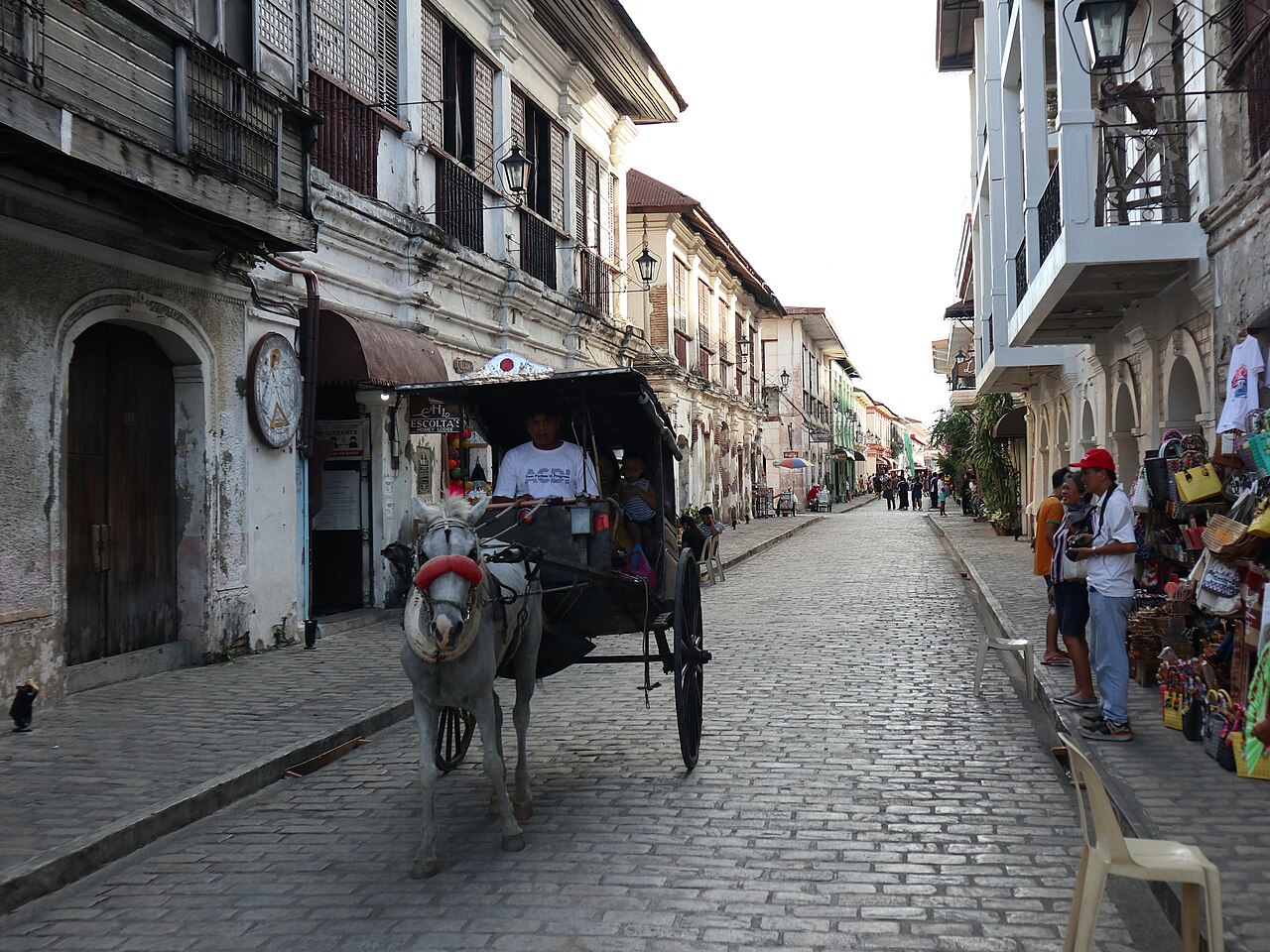
Calle Crisologo is the heart of the heritage district. It is lined with old mansions that now hold shops, cafés and small hotels. Then, come back in the evening, when the street lamps glow and the crowds thin out. Above all, this is the most photogenic street in the city.
Ride a Kalesa
A kalesa is a traditional horse-drawn carriage. In fact, riding one is the classic way to tour the town. Most drivers offer set routes that cover the main sights, so agree on the price and the stops before you set off.
Visit the Cathedral and the Plazas
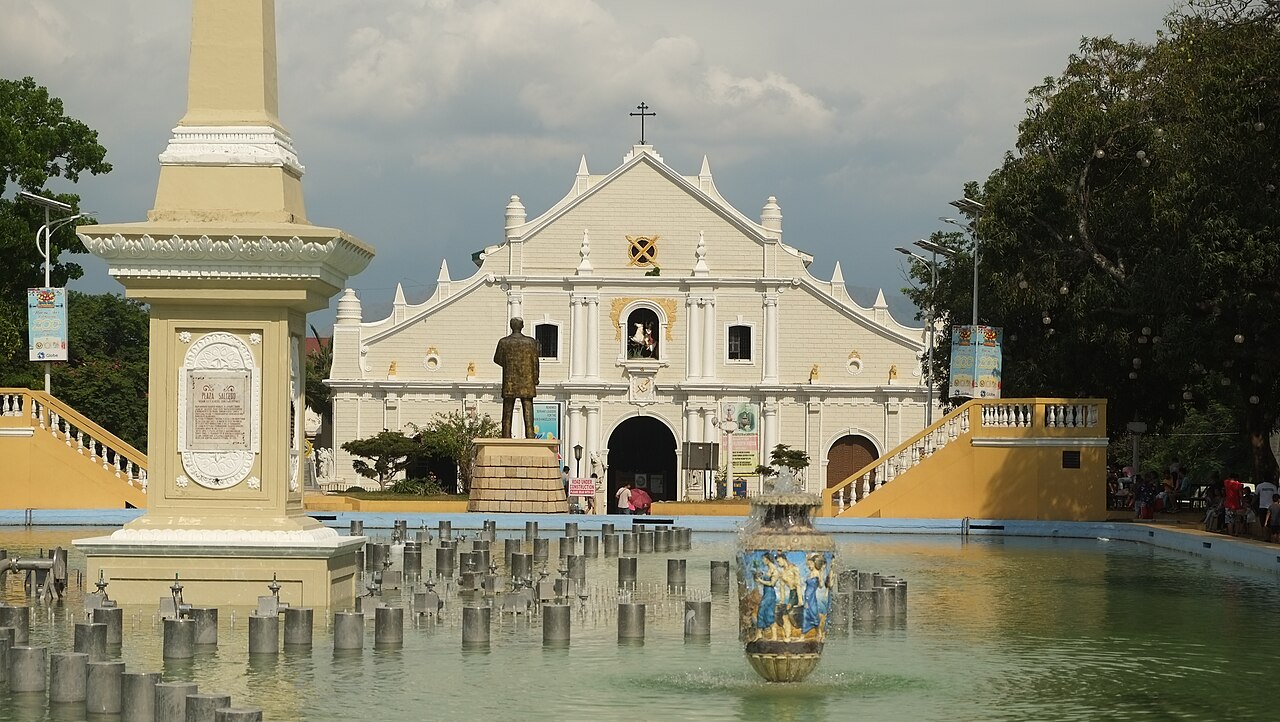
The Metropolitan Cathedral of St. Paul was built in a style often called “earthquake baroque”, with thick walls and sturdy buttresses. Nearby, Plaza Salcedo hosts a dancing fountain show with lights and music in the evening. Similarly, Plaza Burgos is a good place to try local snacks.
See the Burnay Pottery Workshops
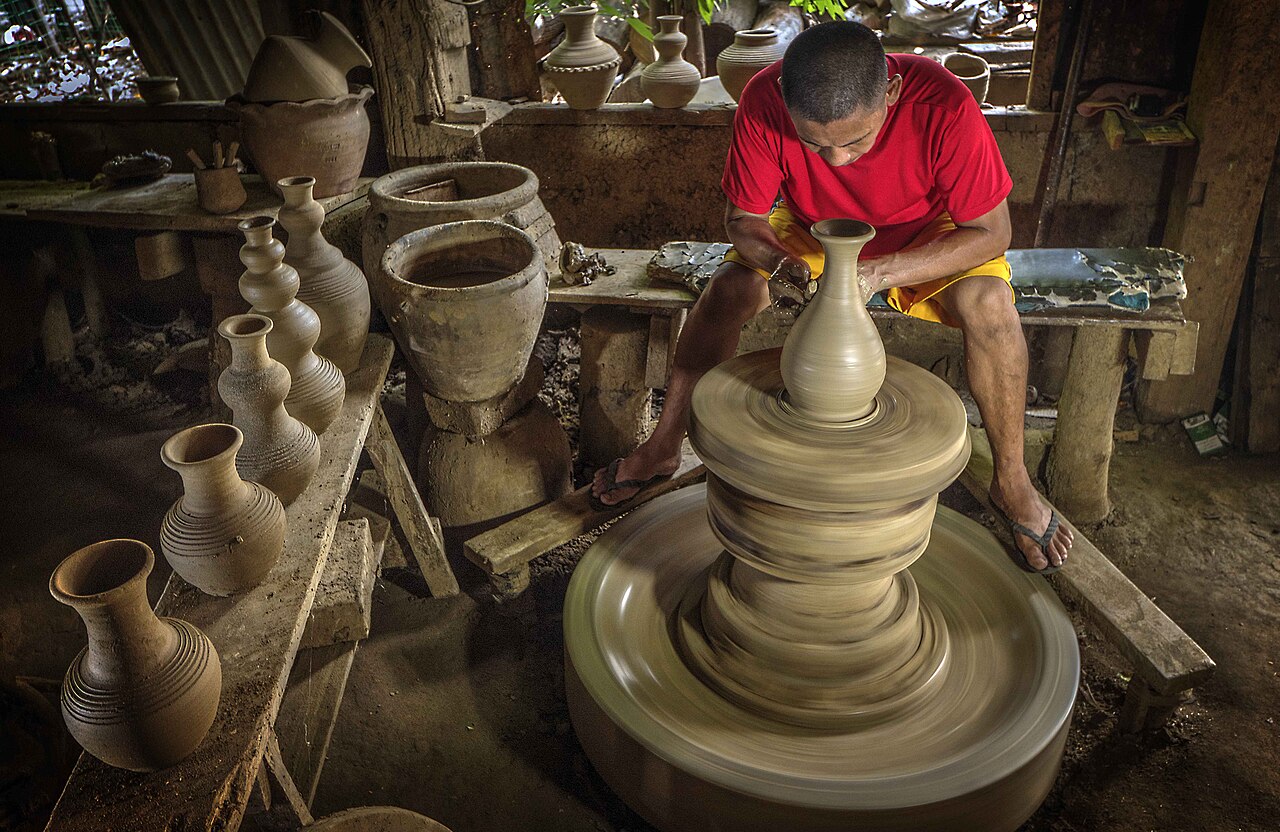
At the burnay workshops, potters shape large clay jars by hand. Traditionally, these jars were used to store rice, water and fermented fish sauce. Furthermore, you can often watch the process and even try the wheel yourself.
Explore the Historic Mansions
Several old houses are open as museums. For instance, the Syquia Mansion belonged to the family of President Elpidio Quirino, and it is filled with antique furniture. In addition, the Crisologo Museum displays family heirlooms and political memorabilia.
Eat Like an Ilocano
Vigan is famous for its food. For example, try Vigan empanada, a crispy orange pastry filled with egg, longganisa and green papaya. Also, sample bagnet, crunchy deep-fried pork belly, and okoy, a shrimp fritter.
Day Trips From Vigan Philippines
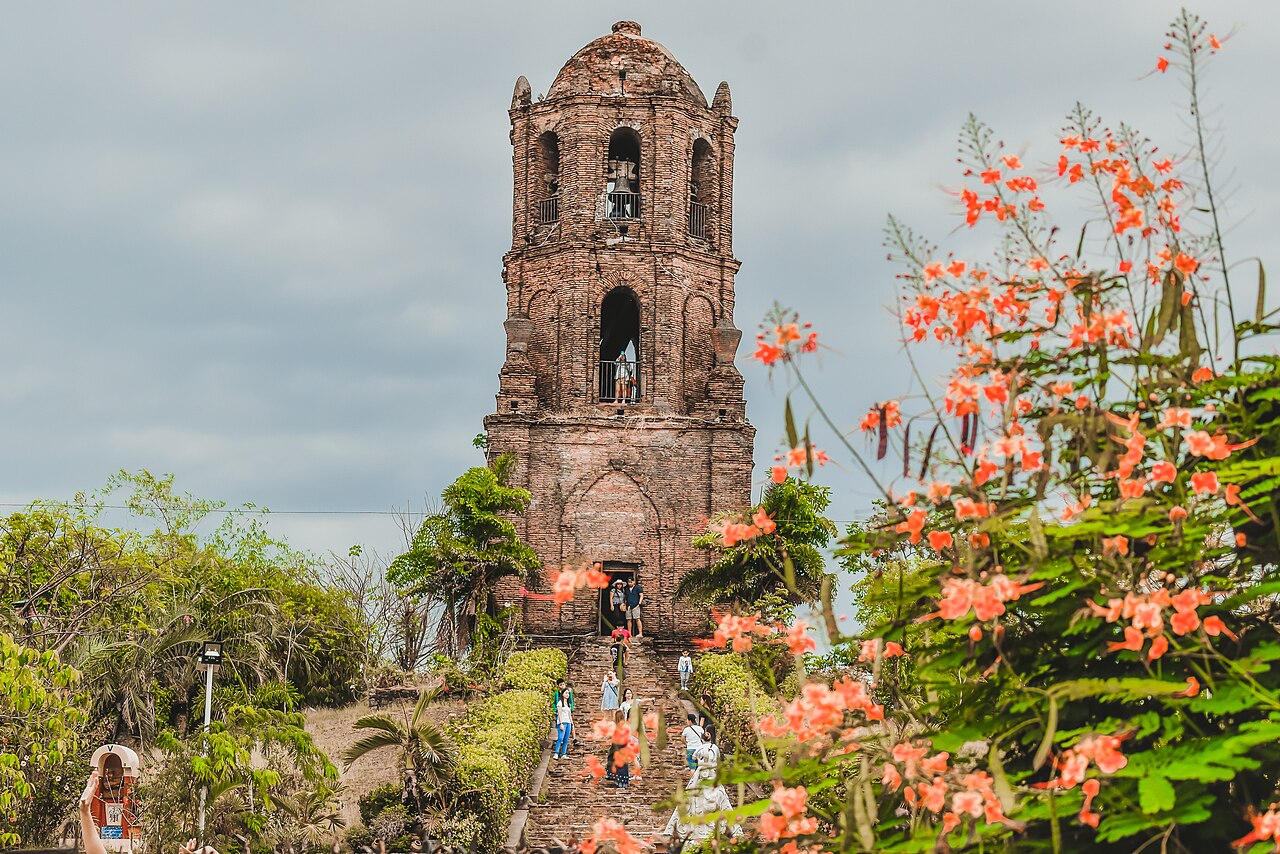
Bantay Church and Bell Tower
Just north of town, Bantay Church and its old bell tower stand on a small hill. In the past, the tower served as a lookout for pirates. Today, you can climb it for views over the countryside.
Santa Maria and Paoay Churches
Two of the Baroque Churches of the Philippines, a UNESCO World Heritage Site, are within reach. Santa Maria Church sits on a hilltop south of Vigan. Similarly, Paoay Church, with its massive buttresses, lies further north in Ilocos Norte.
One Historical Fact About Vigan Philippines
Unlike Manila’s historic district, Vigan was largely spared from destruction during World War II. According to local history, retreating Japanese troops left the town without burning it. As a result, its colonial streets survived almost intact.
How to Get to Vigan Philippines
The fastest way is to fly from Manila to Laoag, then drive about two hours south. Alternatively, overnight buses run from Manila and take around eight to ten hours. In addition, once you arrive, you can walk or take a tricycle or kalesa around the city.
Best Time to Visit Vigan Philippines
The best time to visit is during the dry season, from November to April. During these months, the weather is warm and sunny. On the other hand, the rainy season from June to October brings typhoons and heavy downpours. Also, the Viva Vigan Festival of the Arts in May fills the streets with parades and cultural shows.
Is Vigan Philippines Worth Visiting?
Yes, absolutely. Vigan Philippines offers a rare glimpse of colonial Asia, along with great food and friendly locals. Ideally, spend at least two nights to enjoy the town by day and by lamplight. For another beautiful colonial town, see our guide to Antigua Guatemala.
Final Thoughts on Vigan Philippines
In short, Vigan is a journey back in time. Ride a kalesa, walk Calle Crisologo at night and feast on empanadas and bagnet. By the end of your visit, you will see why this heritage city is a source of national pride.
Image Credits
Wikimedia Commons
- Simon Burchell: Vigan Calle Crisologo 1, CC BY-SA 3.0
- Patrickroque01: Vigan heritage village Calle Crisologo-Gen Luna calesa (Vigan, Ilocos Sur; 11-14-2022), CC BY-SA 4.0
- Jimvikipedia: Metropolitan Cathedral of the Conversion of St. Paul the Apostle (Vigan Cathedral) – Vigan, Ilocos Sur, Philippines, CC BY-SA 4.0
- Ranieljosecastaneda: Burnayan Pottery making of Vigan, CC BY-SA 4.0
- Roniel Soriano: Bantay Church Bell Tower, Ilocos Sur, CC BY-SA 4.0


