Ohrid, North Macedonia sits on the shore of one of the oldest lakes in Europe. Red-roofed houses climb a hill above clear blue water. Meanwhile, medieval churches and a stone fortress watch over the old town. So, this guide covers the best things to do, plus how to get there and when to go.
Quick Facts About Ohrid, North Macedonia
| Country | North Macedonia |
| Region | Southwestern North Macedonia, on the shore of Lake Ohrid |
| Known For | Lake Ohrid, Byzantine churches, the Church of St. John at Kaneo and Samuel’s Fortress |
| UNESCO Status | UNESCO World Heritage Site, Natural and Cultural Heritage of the Ohrid Region, since 1979 |
| Founded | Settled since ancient times as Lychnidos, with a major medieval role as a religious and cultural centre |
| Best Time to Visit | June and September |
| Getting There | Fly into Ohrid airport or take a bus from Skopje, about three hours away |
| Time Needed | Two to three days |
| Continent | Europe |
Where Is Ohrid, North Macedonia?
Ohrid lies in the southwest of North Macedonia, close to the border with Albania. In fact, the two countries share Lake Ohrid. The town sits on the northeastern shore, while mountains rise on every side. Skopje, the capital, is about three hours away by road.
Why Visit Ohrid, North Macedonia?
First, the setting is beautiful. The lake is deep, clear and calm, and it glows at sunset. In addition, the old town is full of history. Byzantine churches, an ancient theatre and a hilltop fortress all sit within walking distance.
Ohrid was once a major religious centre. In fact, it is often called the Jerusalem of the Balkans. According to local legend, it once had 365 churches, one for every day of the year. Today, the town and lake form a UNESCO World Heritage Site.
Things to Do in Ohrid
Visit the Church of St. John at Kaneo
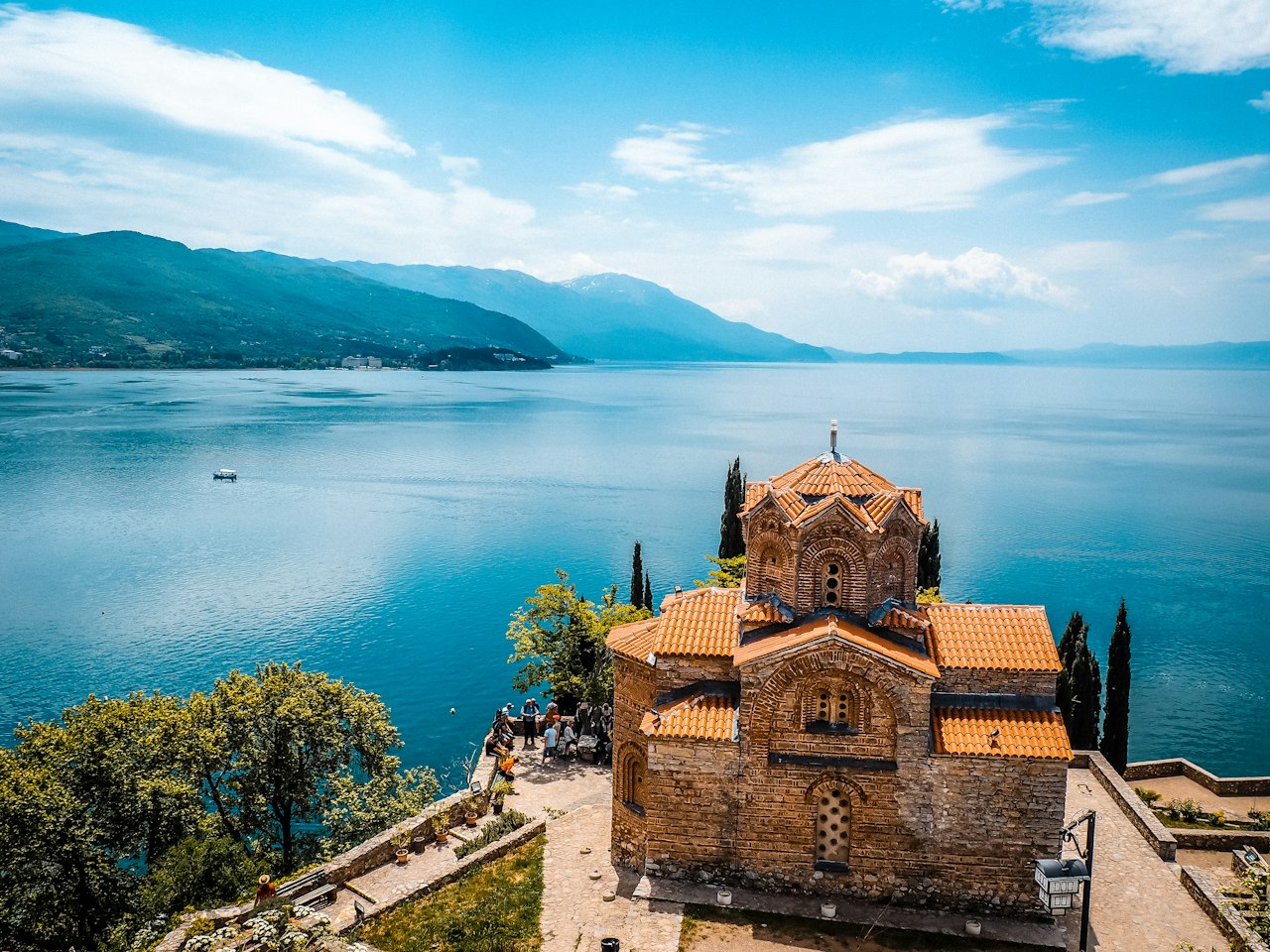
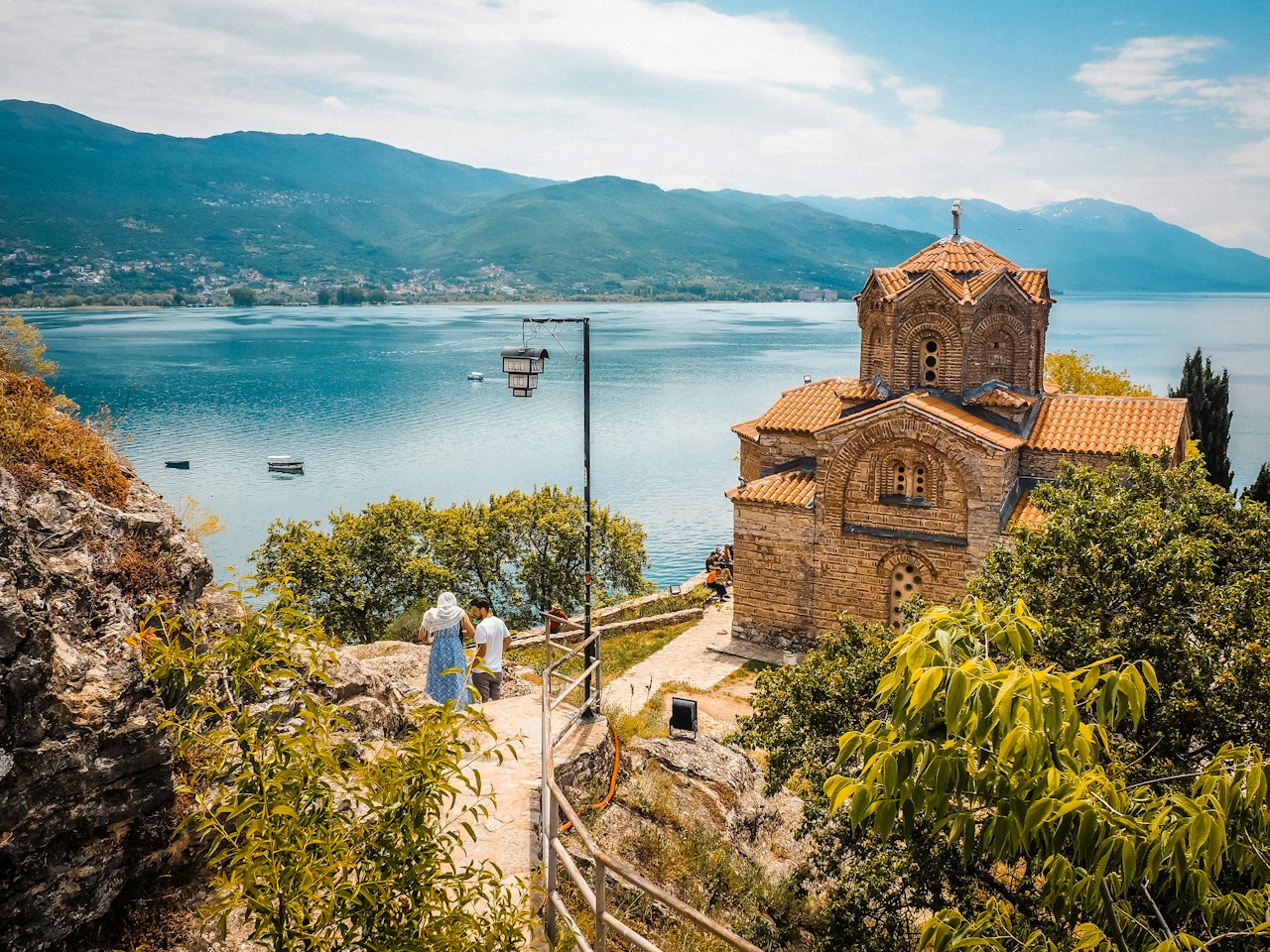
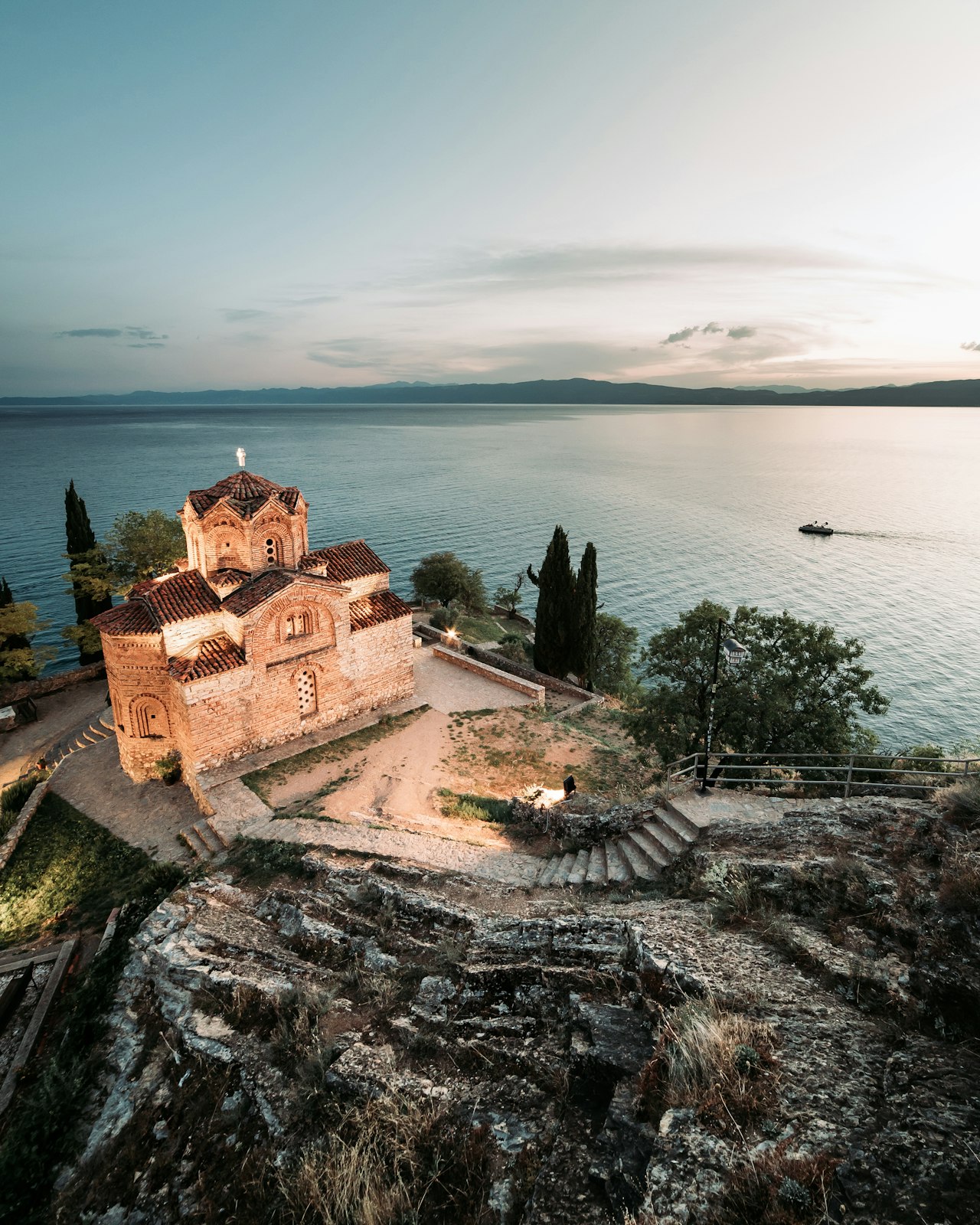
The Church of St. John at Kaneo is the most famous view in town. It stands on a rocky cliff high above the water. The small church dates from the 13th century. Also, a short path leads there from the old town, past fishing boats and pebble beaches.
Climb to Samuel’s Fortress
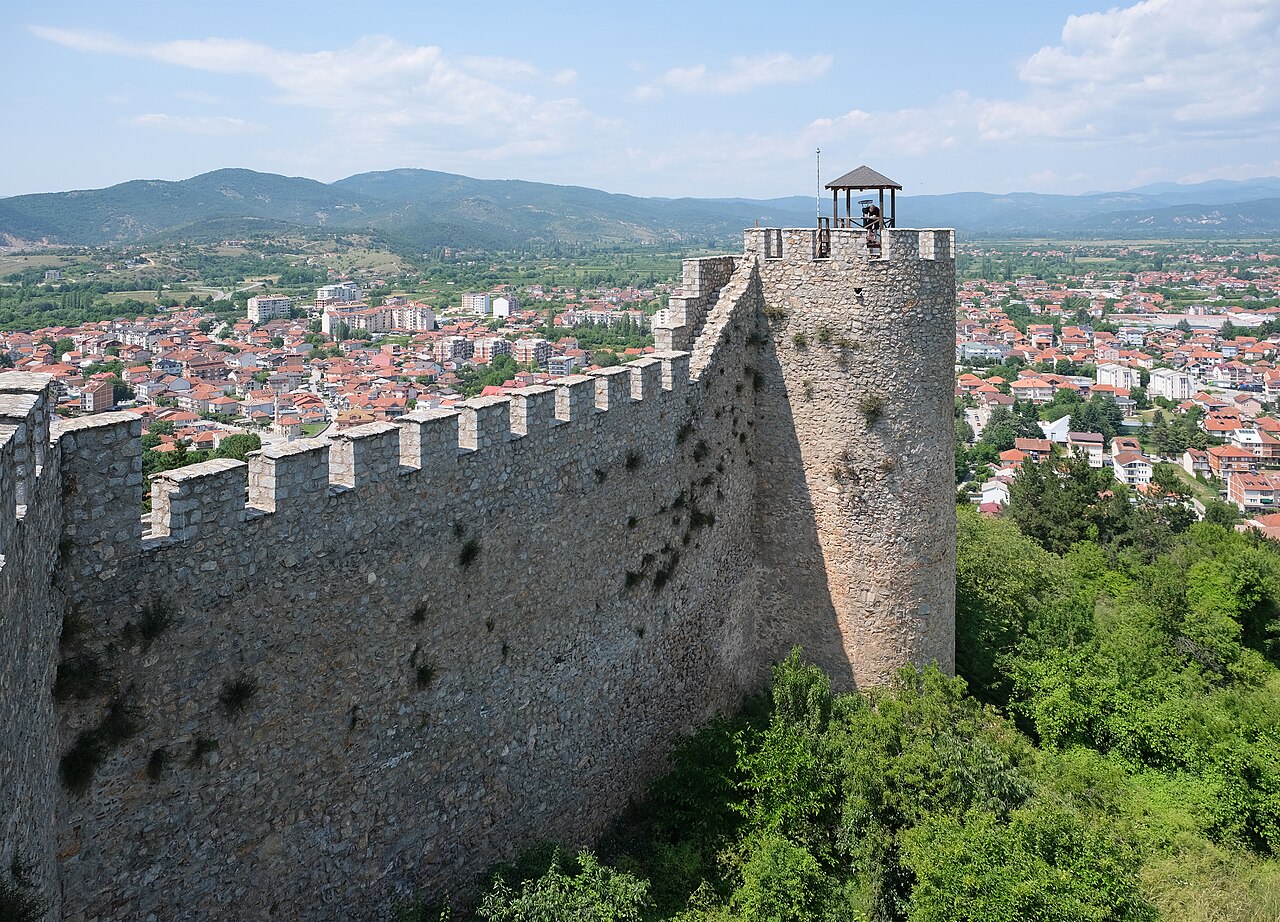
Next, head up to Samuel’s Fortress at the top of the hill. Its walls were rebuilt in the late 10th century under Tsar Samuel, when Ohrid was his capital. From the ramparts, the views stretch across the rooftops and the whole lake.
See the Frescoes in St. Sophia
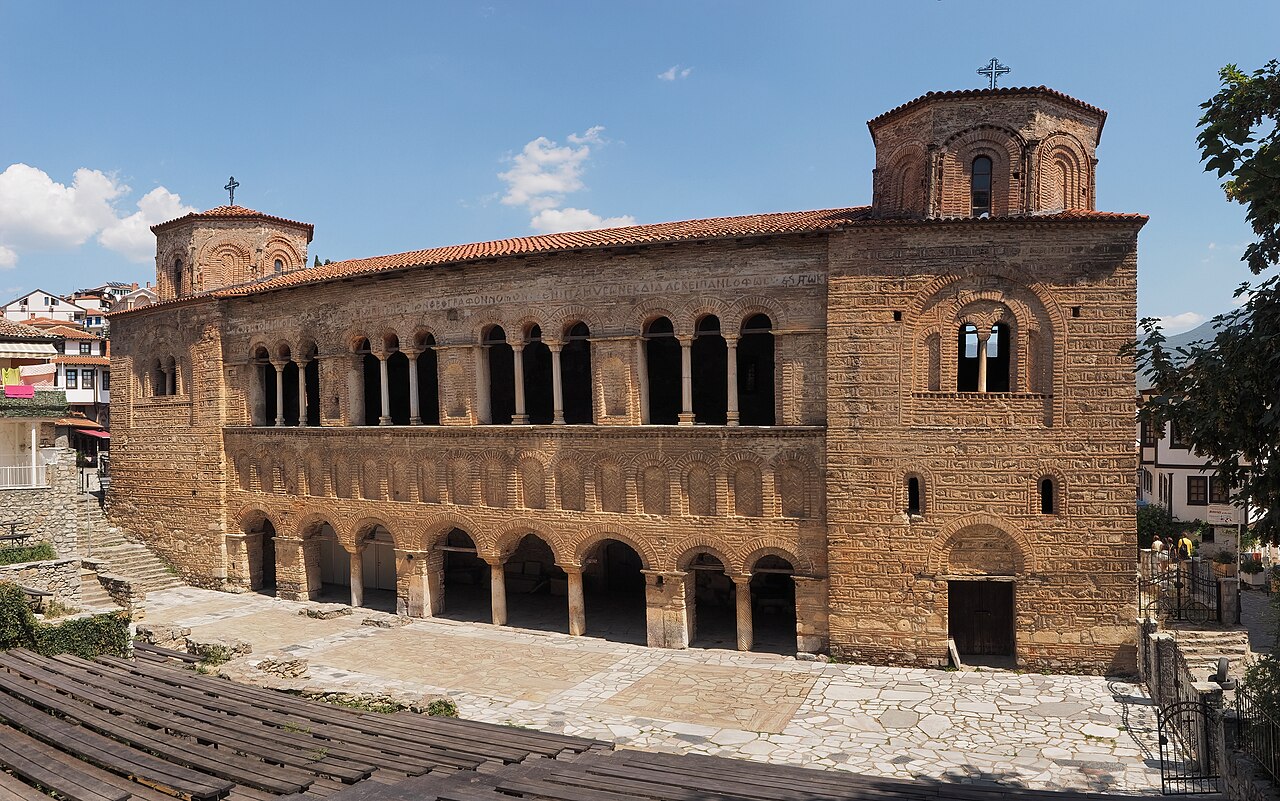
The Church of St. Sophia is one of the oldest churches in the region. Inside, its walls hold rare medieval frescoes. Also, the church sometimes hosts concerts in summer, thanks to its fine acoustics.
Explore Plaošnik and the Ancient Theatre
Plaošnik is a hillside site linked to St. Clement of Ohrid. Here, a rebuilt church stands among early Christian mosaics. Nearby, the ancient theatre dates back to Hellenistic times. In summer, it still hosts performances.
Wander the Old Town
Finally, spend time in the old Varosh quarter. Narrow cobbled lanes wind between white houses with wooden balconies. Along the way, look for shops selling Ohrid pearls, a local craft made using fish scales.
Take a Boat Trip on Lake Ohrid
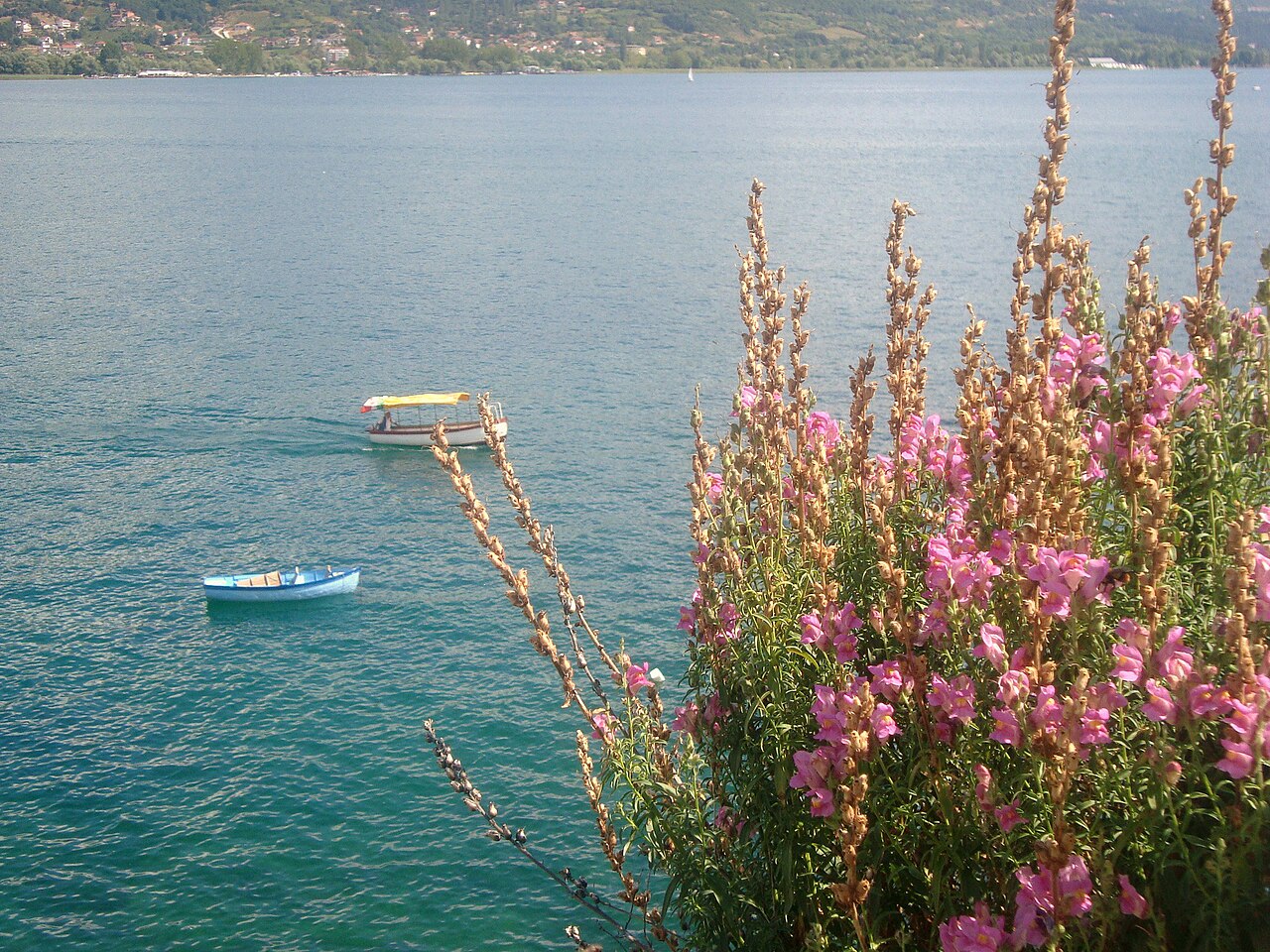
Small wooden boats wait along the harbour all day. For example, a short ride takes you below Kaneo for the classic postcard view. At sunset, the water turns gold and pink. So, it is one of the most relaxing things to do in Ohrid.
Swim at the Lakeside Beaches
Lake Ohrid is clean and clear, so swimming is popular in summer. Also, pebble beaches line the shore near Kaneo and south of town. Many have cafes and sun loungers. However, the water stays cool even in July, which is refreshing on hot days.
Tips for Visiting Ohrid
- Wear comfortable shoes, because the old town is steep and cobbled
- Start the walk to Kaneo early, before the day trippers arrive
- Carry some cash for church entry fees and small shops
- Book summer stays early, especially during the festival
Day Trips From Ohrid
Monastery of St. Naum
The Monastery of St. Naum lies near the southern end of the lake, close to the Albanian border. Its gardens sit beside clear springs. Also, you can take a rowing boat across the springs, or arrive by boat from Ohrid in summer.
Bay of Bones Museum
South of town, the Bay of Bones museum rebuilds a prehistoric village on wooden stilts over the water. In fact, archaeologists found the remains of an ancient settlement in this bay. Today, you can walk the platforms and visit the small museum.
Struga
Struga lies on the northern shore, where the Black Drin river leaves the lake. It is a quieter town with a long lakeside promenade. Also, it hosts a well-known international poetry festival each summer.
Galičica National Park
Galičica National Park rises between Lake Ohrid and Lake Prespa. A mountain road climbs to viewpoints over both lakes. So, it is a great half day trip for hiking and photos.
One Historical Fact About Ohrid
In the late 9th century, St. Clement founded a famous school of learning in Ohrid. He was a follower of Cyril and Methodius, who created the first Slavic script. As a result, Ohrid became one of the most important centres of Slavic literacy in medieval Europe.
How to Get to Ohrid, North Macedonia
- Flying in: Ohrid St. Paul the Apostle Airport is about 10 km from town, with seasonal flights from Europe.
- From Skopje: Buses run several times a day. The trip takes about three hours.
- From Albania: Tirana is about three hours away by car or minibus.
- Getting around: The old town is compact, so walking is the best way to explore.
Best Time to Visit Ohrid
June and September are the best months. During this time, the weather is warm and the lake is great for swimming. July and August, however, are the busiest months. They also bring the Ohrid Summer Festival, with concerts and plays. Winter, by contrast, is quiet and cold, and many lakeside cafes close.
Is Ohrid, North Macedonia Worth Visiting?
Yes, absolutely. Above all, Ohrid combines a stunning lake, a historic old town and some of the finest medieval churches in Europe. Also, it is calmer and more affordable than many lakeside towns elsewhere. If you enjoyed our guide to Kotor, Montenegro, you will love it here too.
Final Thoughts on Ohrid
First, walk the shore to Kaneo at sunset. Then climb to the fortress for the view. Next, take a boat to St. Naum. Like Hallstatt in Austria, Ohrid shows how a lake can shape the life of a whole town.
Image Credits
Unsplash
- Adventure Albania: A church on the cliffs above Lake Ohrid, Unsplash License
- Adventure Albania: Walking the hillside paths above the lake, Unsplash License
- stefzn: Buildings along the lakeshore on a summer day, Unsplash License
Wikimedia Commons
- kallerna: Samuel’s Fortress Ohrid 1, CC BY-SA 4.0
- Petar Milošević: St Sophia (Ohrid), CC BY-SA 4.0
- Peiragmeno paidi: Varosh – Old Town, Ohrid 6000, Macedonia (FYROM) – panoramio, CC BY-SA 3.0


