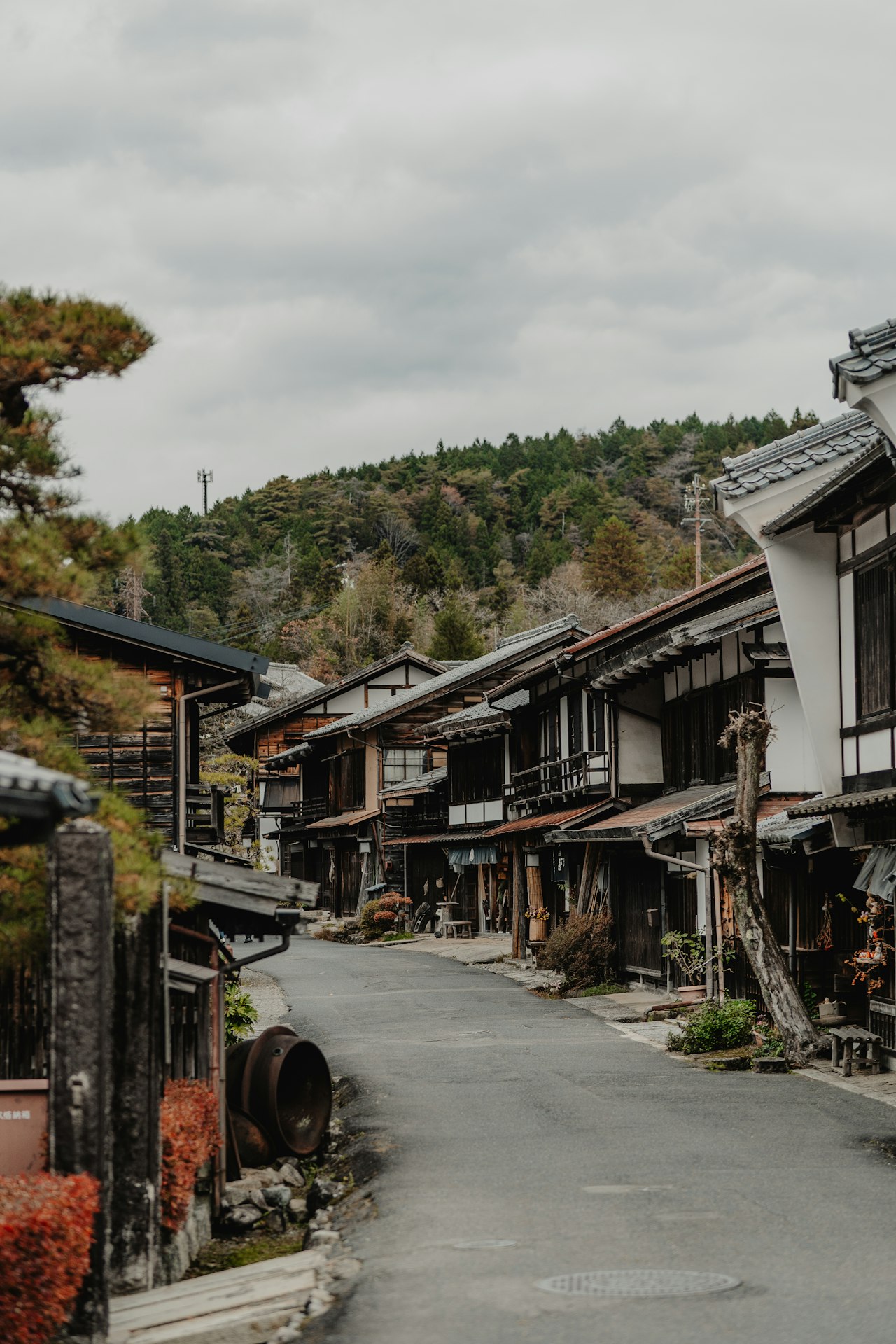
Tsumago Japan feels like a step back into the Edo period. Dark wooden inns line a single main street, and power lines are hidden from view. In addition, the old Nakasendo trail links the town with Magome, its neighbor over the pass. So, this guide covers what to see, the famous hike and how to get there.
Quick Facts About Tsumago, Japan
| Country | Japan |
| Region | Kiso Valley, Nagano Prefecture |
| Known For | Edo-era wooden inns, the Nakasendo trail and the hike to Magome |
| UNESCO Status | Not a UNESCO World Heritage Site |
| Founded | A post town on the Nakasendo road during the Edo period |
| Best Time to Visit | April to May and October to November |
| Getting There | Train to Nagiso Station, then a short bus ride or walk |
| Time Needed | Half a day to one night |
| Continent | Asia |
Where Is Tsumago?
Tsumago sits in the Kiso Valley, in the southwest of Nagano Prefecture. It lies on the Nakasendo, an old highway that linked Edo, now Tokyo, with Kyoto through the mountains. Nagoya is about an hour and a half away by train. Meanwhile, Magome lies about 8 kilometers to the south, across the Magome Pass.
Why Visit Tsumago?
First, it is one of the best preserved post towns in Japan. Second, the setting is lovely, with forested hills and clear streams all around. Also, staying overnight in a traditional inn is a highlight. However, the real magic comes early and late in the day. Then the tour groups leave, and the street falls quiet.
Things to Do in Tsumago
Stroll the Main Street
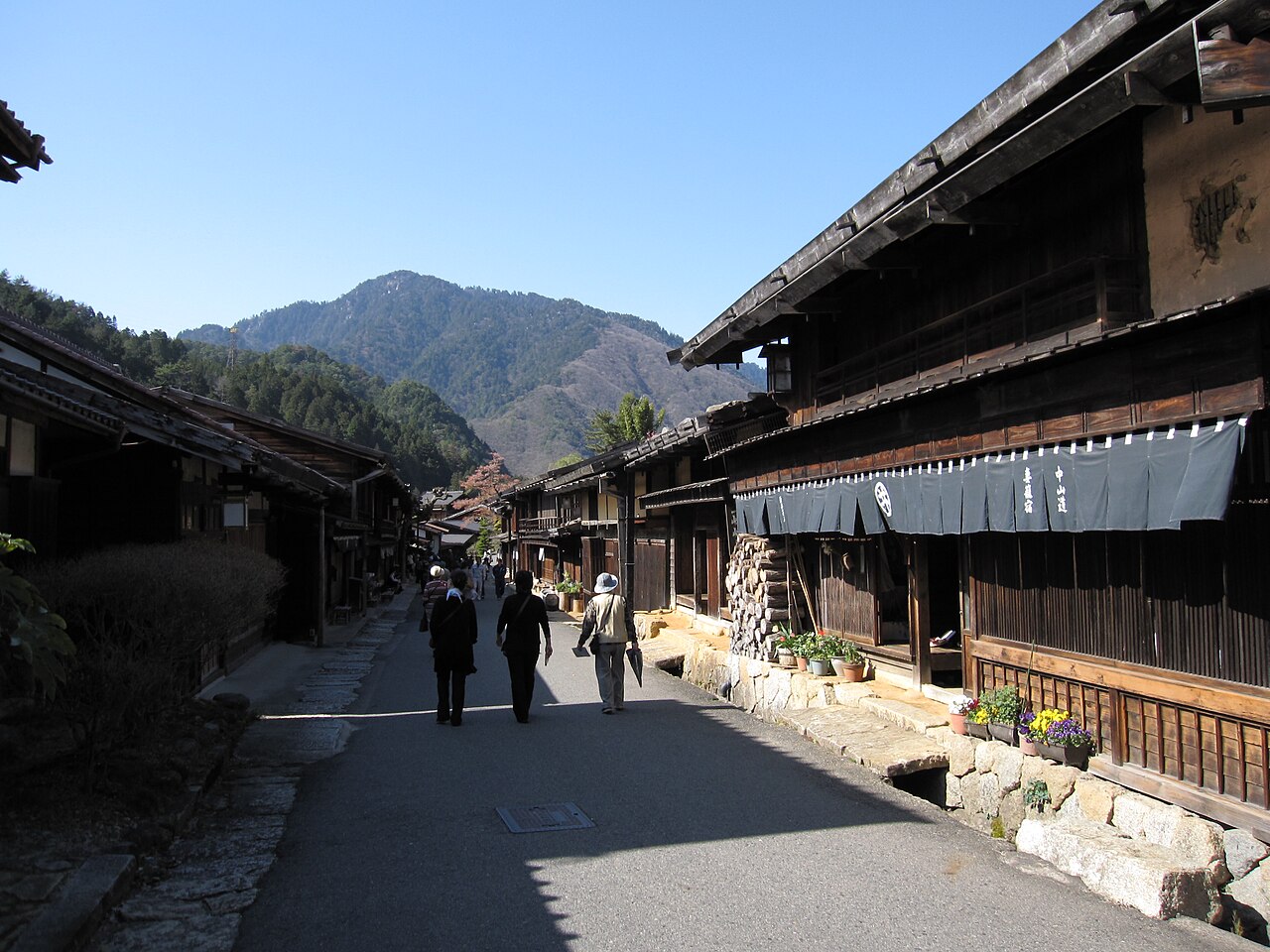
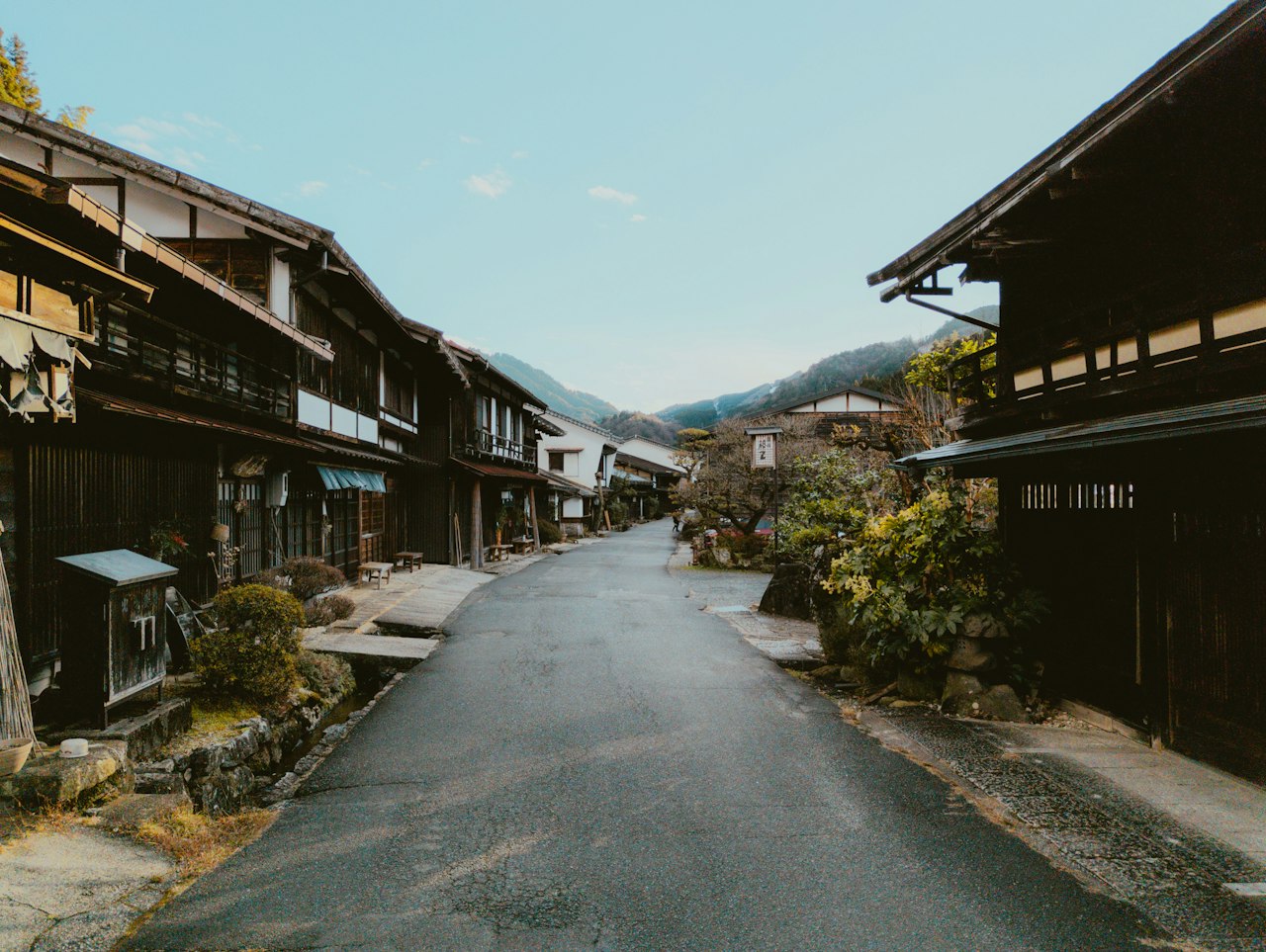
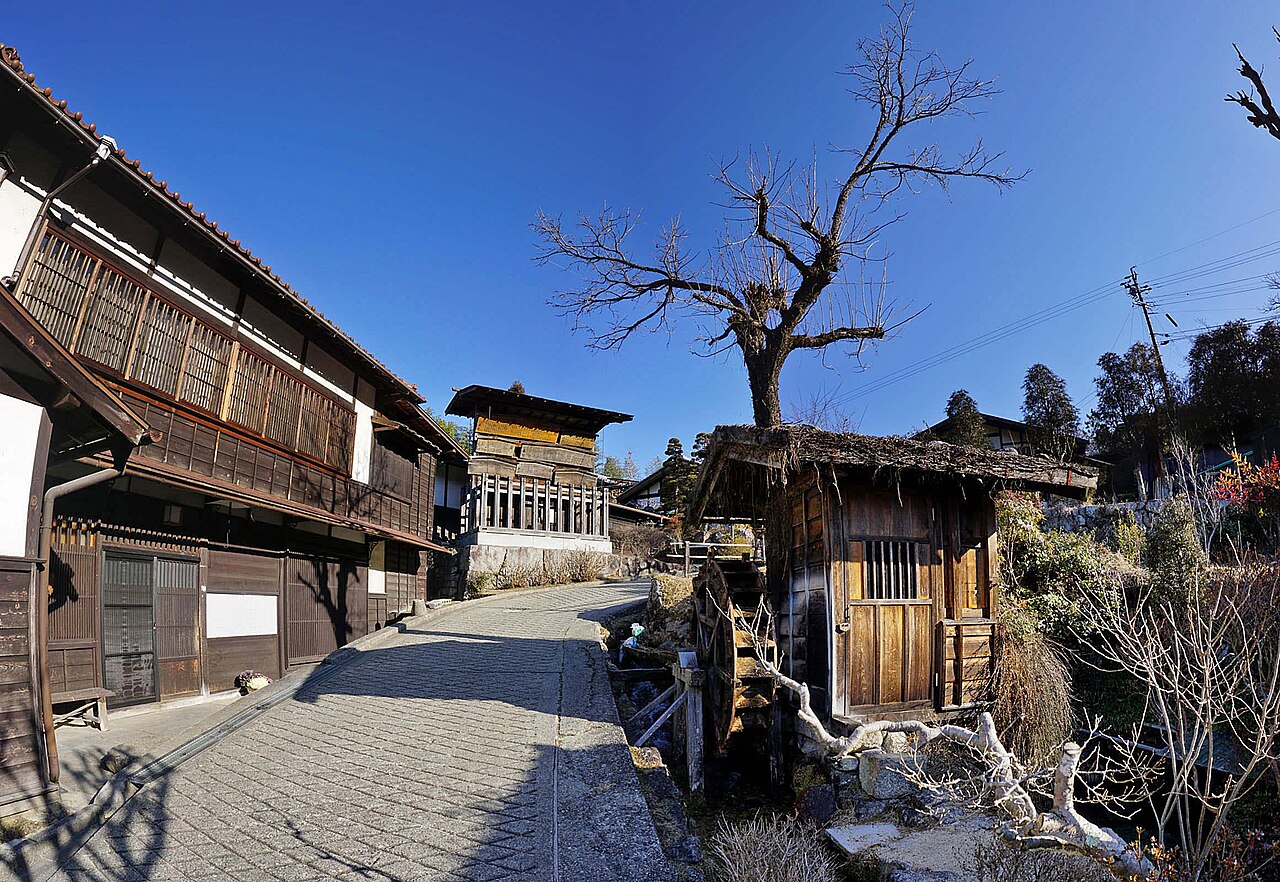
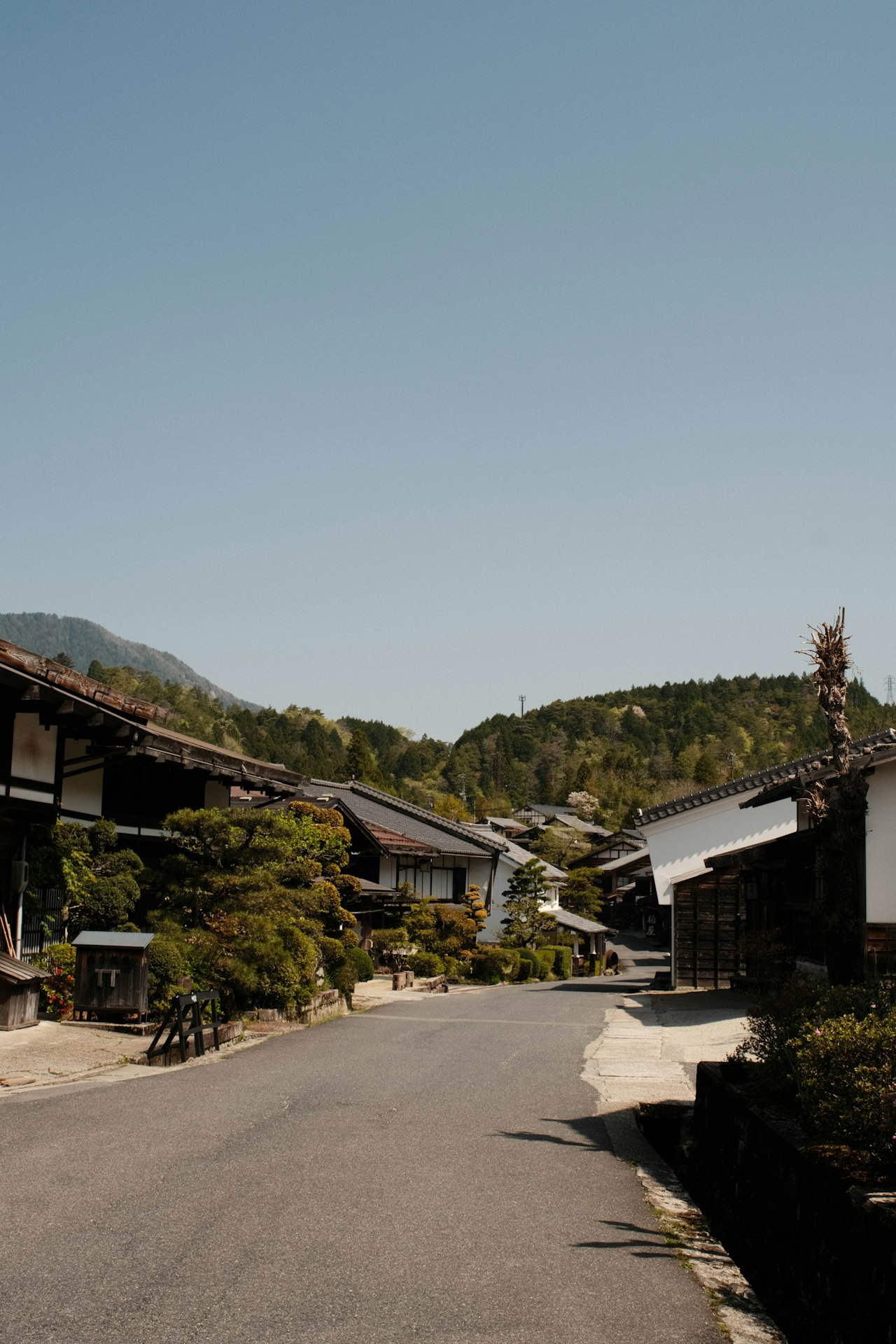
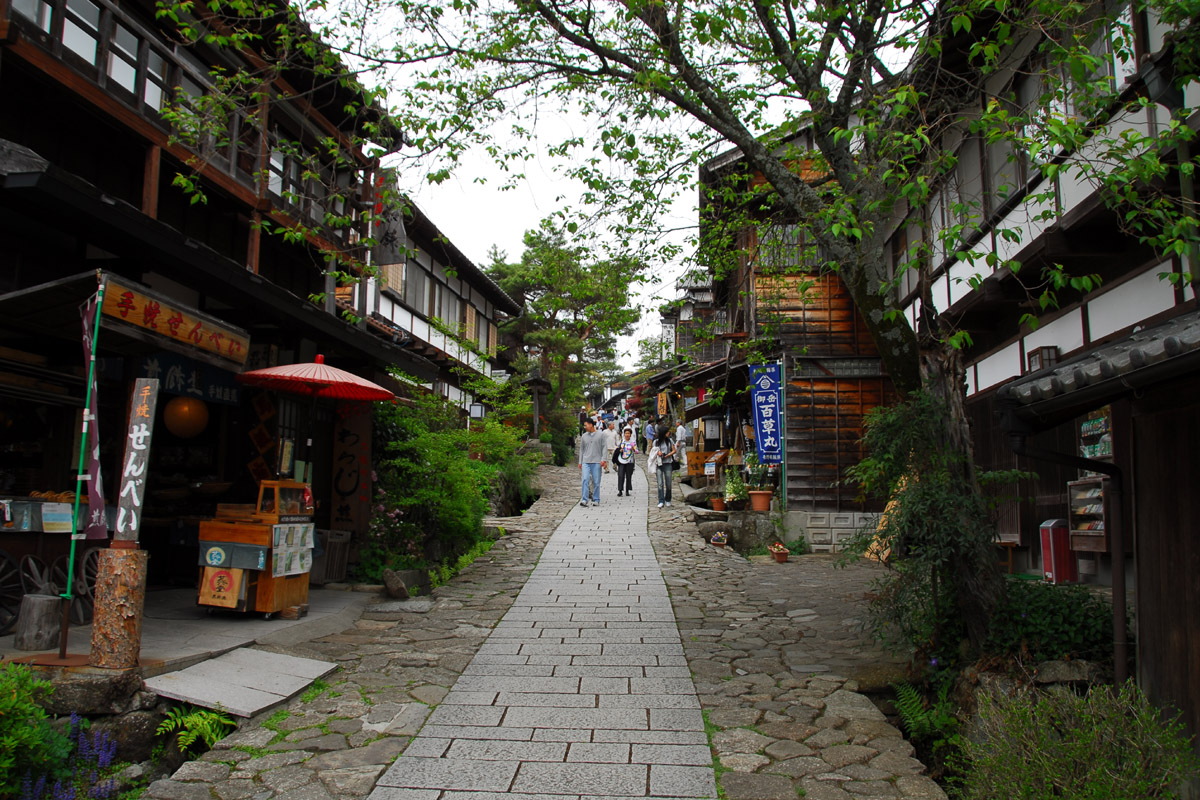
Start at one end of the town and walk slowly. The buildings have wooden lattices, low eaves and sliding doors. Many now house craft shops, cafes and small restaurants. In fact, the town looks much as it did two centuries ago.
Visit the Waki-Honjin Okuya
The Waki-Honjin Okuya was a secondary inn for traveling officials. Today it is a museum. Inside, you can see a large hearth, fine woodwork and old household items. So, it gives a clear picture of life on the old road.
Hike the Nakasendo to Magome
The walk between Tsumago and Magome is the most famous stretch of the Nakasendo. It takes about two and a half to three hours. Along the way, you will pass waterfalls, forest, farmhouses and a rest house where tea is often served. In addition, a luggage forwarding service usually runs between the two towns in the main season.
Explore Magome
Magome sits on a steep stone slope at the end of the hike. It has shops, cafes and wide mountain views. Likewise, it is a good place to buy local sweets before you head on.
Stay in a Ryokan or Minshuku
Spend at least one night if you can. A traditional inn means tatami rooms, futons and a home-cooked dinner. Afterward, the dark, quiet street is magical.
Tips for your visit:
- Arrive early or stay overnight to enjoy the town without crowds.
- Book inns well ahead, since rooms are limited.
- Carry cash for small shops and the luggage service.
- Wear good walking shoes for the Nakasendo trail.
Day Trips From Tsumago
Narai-juku, another well preserved post town, lies further north in the Kiso Valley. Meanwhile, Kiso-Fukushima has an old checkpoint and a calm riverside center. Further afield, Takayama and its old merchant streets make an easy add-on to a central Japan trip.
One Historical Fact About Tsumago
In the 1960s, Tsumago was in decline. So, local residents started a movement to save it. They agreed on a simple rule: do not sell, do not rent and do not destroy. As a result, Tsumago became one of the first towns in Japan to be protected as a preservation district.
How to Get to Tsumago
- Train: Take the JR Chuo Line to Nagiso Station. From there, a local bus or a walk of about an hour leads to Tsumago.
- From Nagoya: Limited express trains reach Nagiso or Nakatsugawa in roughly one to one and a half hours.
- To Magome: Buses run from Nakatsugawa Station, so many hikers start in Magome and finish in Tsumago.
Best Time to Visit Tsumago
Spring, from April to May, brings fresh green leaves and mild weather. Autumn, from October to November, brings red and gold forests. Summer is warm and humid. However, winter can be cold and snowy, and some shops close. So, spring and autumn are the best seasons for the hike.
Is Tsumago Worth Visiting?
Yes. Tsumago is a rare chance to see an old Japanese road town in near original condition. In fact, it pairs well with other rural gems such as Shirakawa-go.
Final Thoughts on Tsumago
Tsumago is small, quiet and deeply atmospheric. Walk the old road, sleep in a wooden inn and wake up to mountain air. It is one of the most memorable stops in rural Japan.
Image Credits
Unsplash
- Erwan NONON: Wooden buildings line the main street of Tsumago, Unsplash License
- Dmitriy Galanov: An early morning street before the crowds arrive, Unsplash License
- Maxx Gong: The Kiso mountains rise behind the town, Unsplash License
Wikimedia Commons
- Gryffindor: Tsumago 2009 4, CC BY-SA 3.0
- z tanuki: Tsumago-juku(post town) , 妻籠宿 – panoramio (11), CC BY 3.0
- SElefant: Magome-Juku StoneSlope, CC BY-SA 3.0


