Tucked into a green valley in the far north, Pai Thailand is a small mountain town with a big reputation. Rice fields, hot springs and waterfalls surround a relaxed center full of cafes and night stalls. In addition, the winding road from Chiang Mai has become a rite of passage for many travelers. So this guide explains what to do, when to go and how to reach the town.
Quick Facts About Pai
| Country | Thailand |
|---|---|
| Region | Mae Hong Son Province |
| Known For | Mountain scenery, Pai Canyon, night market |
| UNESCO Status | Not listed |
| Founded | Shan farming settlement, centuries old |
| Best Time to Visit | November to February |
| Getting There | Minivan from Chiang Mai |
| Time Needed | 3 to 5 days |
| Continent | Asia |
Where Is Pai Thailand?
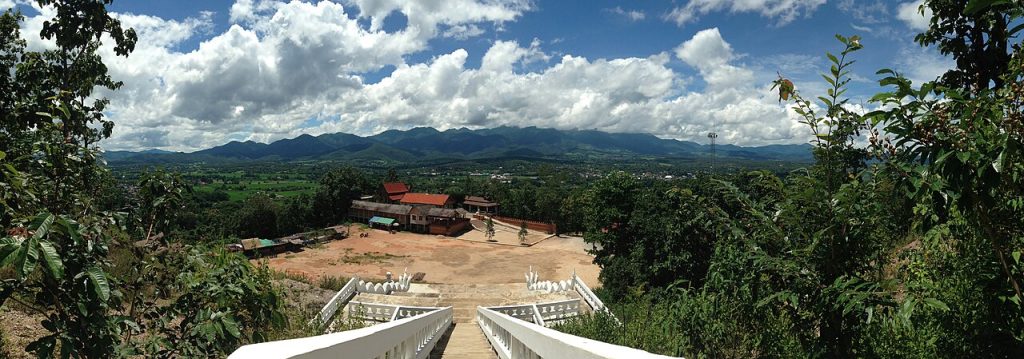
Pai Thailand lies in Mae Hong Son Province, close to the border with Myanmar. The town sits about 130 kilometers northwest of Chiang Mai. However, the drive takes around three hours because the road climbs through steep mountains. The Pai River flows past the town, and forested hills rise on every side.
Why Visit Pai Thailand?
First, the setting is beautiful. Morning mist often fills the valley, and sunsets light up the hills in gold. In addition, the town mixes Shan, Thai, Lisu and Chinese Yunnanese cultures. As a result, you will find temples, mosques and hill villages within a short ride.
Meanwhile, Pai has a slow and friendly pace. Many visitors plan two nights and end up staying a week. For example, a typical day might include a waterfall swim, a hot spring soak and dinner at the walking street market.
Finally, the town is a good base for outdoor adventures. Local operators run rafting trips, jungle treks and cooking classes. In addition, yoga studios and wellness retreats attract visitors who want a calm break. As a result, the town suits backpackers, couples and families alike.
Things to Do in Pai Thailand
Most sights lie a few kilometers outside town. So renting a scooter or hiring a local driver makes exploring much easier.
Watch the Sunset at Pai Canyon
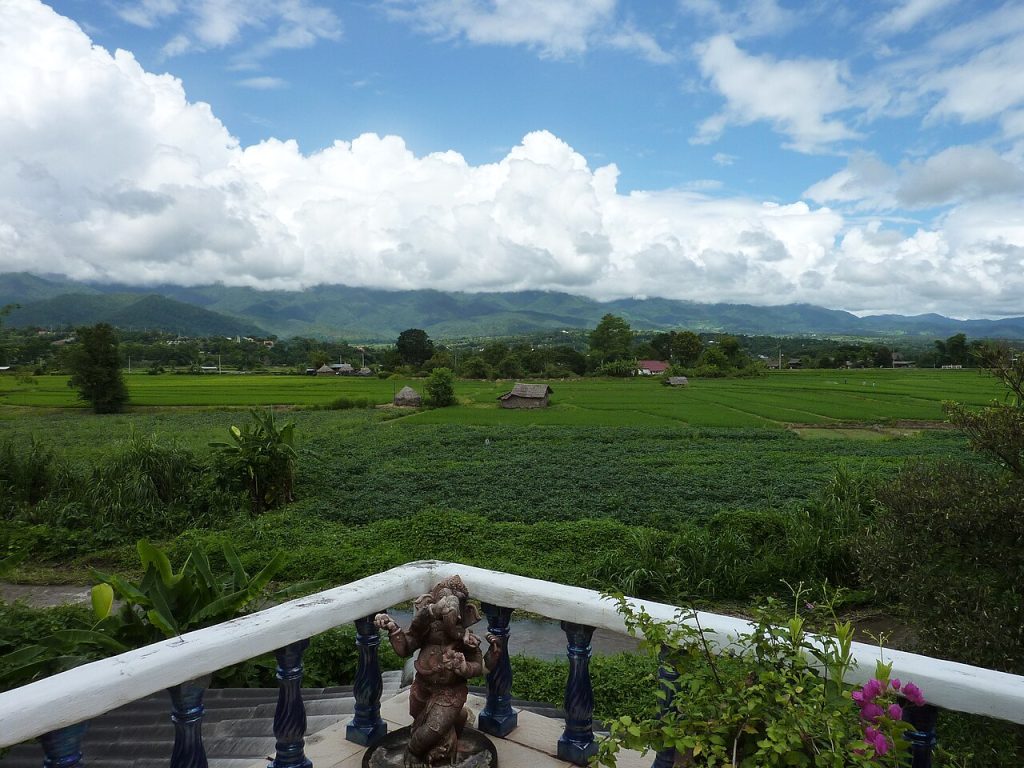
Pai Canyon, also called Kong Lan, is a set of narrow sandstone ridges with steep drops on both sides. It is the most popular sunset spot in the area. However, the paths are narrow and have no railings, so walk with care.
Climb to the White Buddha
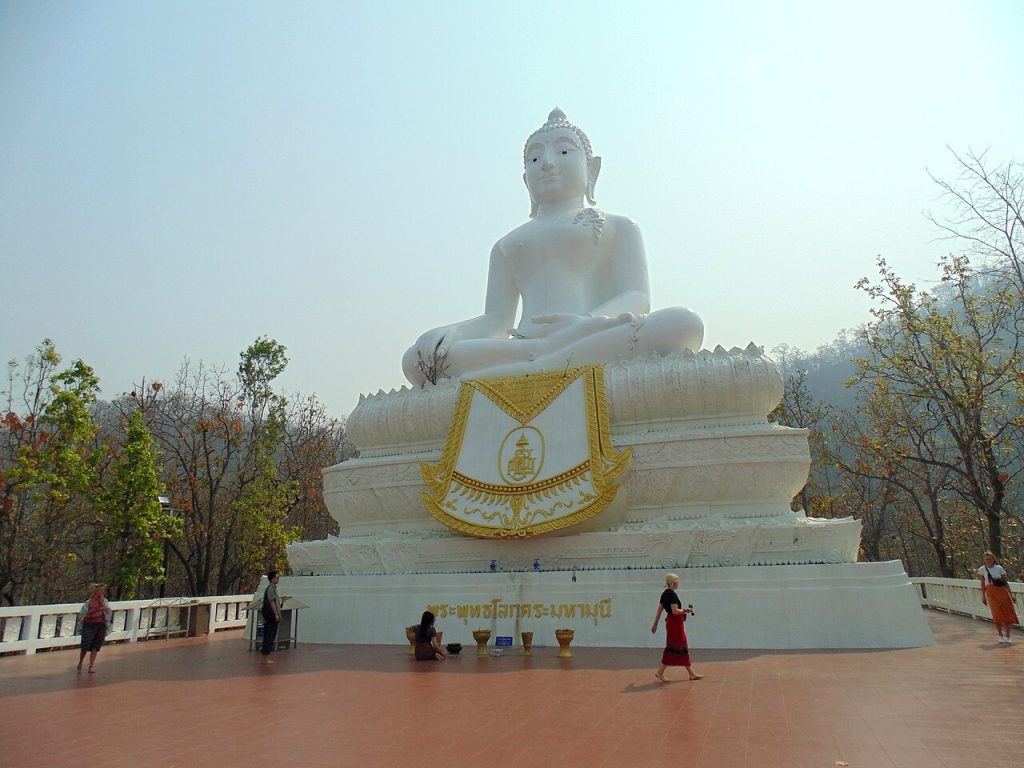
Next, climb the long staircase to Wat Phra That Mae Yen. A large white Buddha statue sits at the top and faces the valley. The climb has several hundred steps, but the view over the rooftops is worth it.
Soak in the Hot Springs
In addition, the area has natural hot springs. Tha Pai Hot Springs sits inside a national park with warm streams under the trees. Meanwhile, Sai Ngam Hot Spring is smaller and feels more like a jungle pool.
Cross the Bamboo Bridge
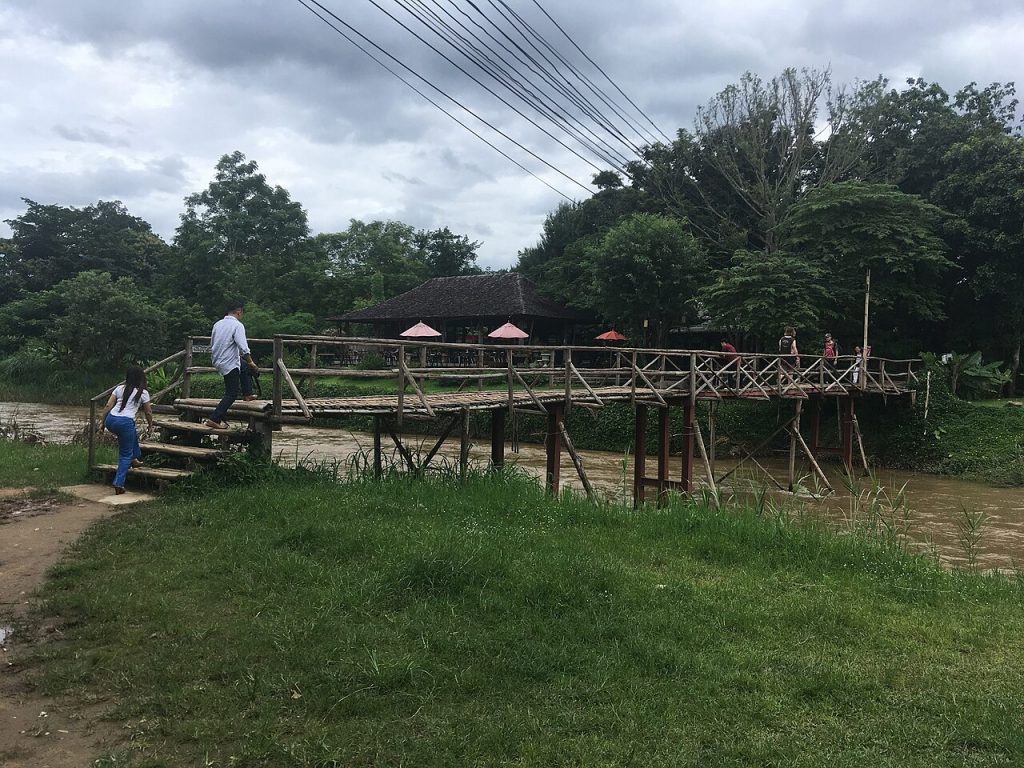
The Boon Ko Ku So bamboo bridge winds for several hundred meters across rice fields. Monks use it to walk from a village to a forest temple. In the green season, the fields around it look especially bright.
Explore the Walking Street
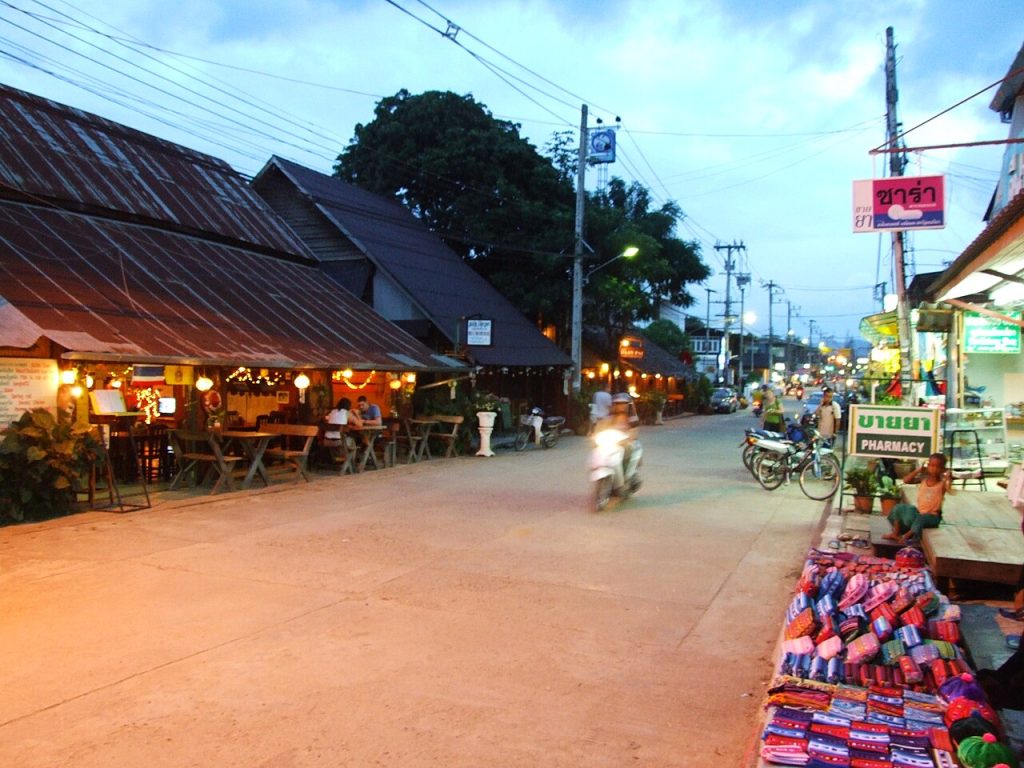
Every evening, the main street turns into a busy night market. Stalls sell grilled skewers, mango sticky rice, handmade jewelry and clothes. In contrast, the side lanes stay quiet and have small bars with live music.
Visit Local Temples
Several small temples sit in the center of town. For example, Wat Klang and Wat Luang show Shan style roofs and quiet courtyards. In addition, visitors are welcome as long as they dress modestly. So cover your shoulders and knees, and remove your shoes before entering the halls.
Try Northern Thai Food
Food in the area is cheap and delicious. Look for khao soi, a curry noodle soup that is famous across the north. Meanwhile, Yunnanese dishes and Shan specialties appear at stalls and small family restaurants. Many cafes also serve fresh coffee grown in the surrounding hills. Overall, you can eat very well on a small budget.
Where to Stay
Accommodation ranges from simple bamboo huts to boutique resorts. Many guesthouses sit along the river or among rice fields just outside the center. However, places near the walking street can be noisy at night. So choose a spot a short ride away if you prefer quiet evenings.
Tips for Visiting
- Only ride a scooter if you have experience and a valid license.
- Bring a light jacket, since mornings can be cold in the cool season.
- Carry cash, because many small stalls do not take cards.
- Take motion sickness tablets before the mountain drive.
Day Trips From Pai
Several great trips start from town. For example, Tham Lod Cave near Soppong has huge chambers and a river you cross by bamboo raft. Santichon, a Chinese Yunnanese village, offers tea tastings and hilltop views. Meanwhile, Mo Paeng and Pam Bok waterfalls are good spots for a swim. Further away, Mae Hong Son town makes a good overnight stop on the famous Mae Hong Son Loop.
If you drive the full loop, plan at least four or five days. The route passes viewpoints, coffee farms and hill villages along the way. However, the roads are steep and twisty, so allow plenty of time between stops. Many travelers also hire a driver for the day instead of riding a scooter.
One Historical Fact About Pai
During World War II, the Japanese army built a bridge across the Pai River to move troops toward Burma. The original bridge was later destroyed. Today, the Pai Memorial Bridge stands in its place. Its steel frame came from an old bridge in Chiang Mai and was moved here in 1976.
How to Get to Pai Thailand
- Minivan: Vans leave Chiang Mai Arcade Bus Station several times a day and take about three hours.
- Car or scooter: Route 1095 links Chiang Mai and Pai through hundreds of curves.
- Flying in: Fly into Chiang Mai International Airport, then continue by road. Small flights to Pai have run in the past, so check current schedules.
Best Time to Visit
Overall, the cool season from November to February is the best time to go. Days are sunny and nights are crisp. However, March and April can be smoky because farmers burn fields across the north. Meanwhile, the rainy season from June to October brings green scenery and fewer visitors.
Is Pai Thailand Worth Visiting?
Yes, Pai Thailand is worth the winding drive. It offers mountain views, easy nature trips and a friendly atmosphere. Above all, it is a great place to slow down after busy cities.
For more relaxed river towns in the region, read our guides to Luang Prabang in Laos and Hoi An in Vietnam.
Final Thoughts
In short, the town is a small place with a lot of charm. Its valley views, warm springs and evening markets make every day feel easy. So pack light, give yourself extra time and enjoy the slower side of northern Thailand.
Image Credits
Wikimedia Commons
- ElonggnolE: Panoramic view of Pai and surrounding countryside from steps of Big Buddha statue, CC BY-SA 4.0
- Flora-Victoria: View of rice farms in Pai, Thailand., CC0
- Christophe95: Bridge on the Pai River, CC BY-SA 4.0
- Kansaikiwi: Street in Pai, Thailand, CC BY-SA 3.0
- Szwendam się: Posąg Białego Buddy w Pai, Tajlandia , CC BY-SA 4.0


