
Valladolid Mexico is a colonial town in the east of Yucatán, where pastel facades line quiet streets, a swimmable cenote lies just a few blocks from the main square, and Mayan ruins sit within an easy drive. It is far calmer than the resort towns of the coast, which is exactly why so many travellers fall for it.
Quick Facts About Valladolid, Mexico
| Country | Mexico |
| Region | Yucatán |
| Known For | Colonial streets, Cenote Zací, Convent of San Bernardino de Siena |
| UNESCO Status | Not listed (Chichén Itzá nearby is a UNESCO site) |
| Founded | 1543, moved to its current site in 1545 |
| Best Time to Visit | November to April |
| Time Needed | 2 to 3 days |
| Continent | North America |
Where Is Valladolid, Mexico?
Valladolid lies in the state of Yucatán on Mexico’s Yucatán Peninsula. It is about 170 kilometres east of Mérida, 150 kilometres west of Cancún and only 40 kilometres east of Chichén Itzá, which makes it a natural stop between the coast and the state capital.
Why Visit Valladolid, Mexico?
To begin with, Valladolid offers a relaxed taste of colonial Mexico. The historic centre is compact, colourful and easy to explore on foot. In addition, it is a designated Pueblo Mágico, a title Mexico gives to towns with special cultural value.
Equally important, the town is a superb base for day trips. Chichén Itzá, Ek Balam and several cenotes are close by, so you can visit them early before the tour buses arrive from Cancún. Finally, accommodation and food here are generally cheaper than on the Caribbean coast.
The Main Square and Colonial Streets
Parque Francisco Cantón Rosado
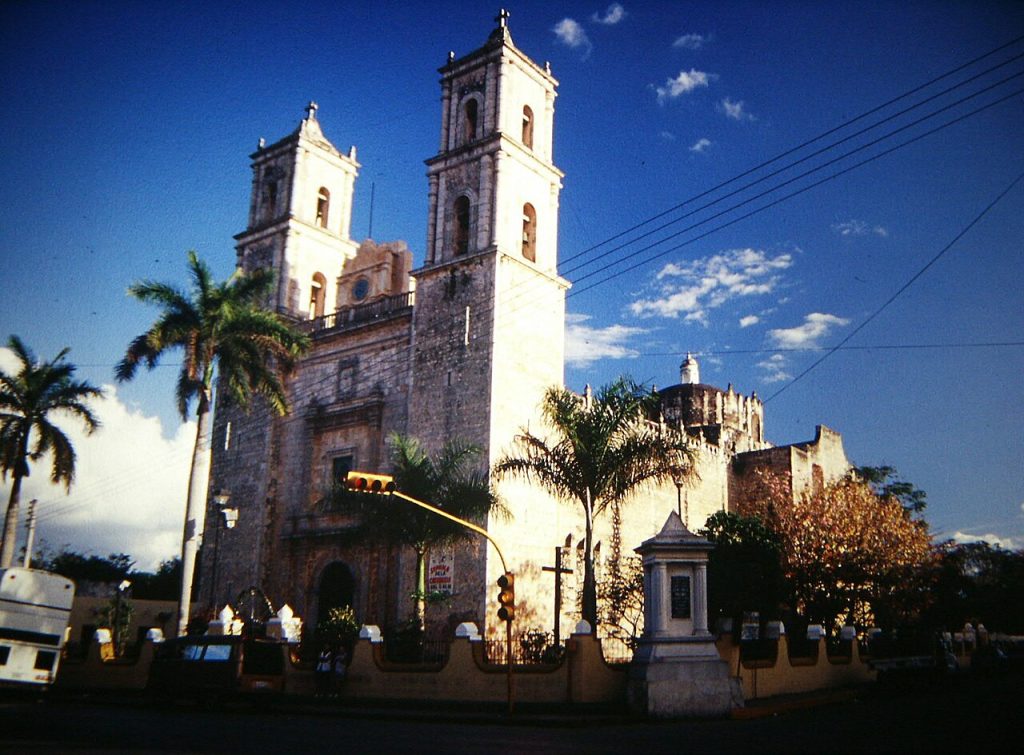
The main square is the social heart of Valladolid. Families gather under the trees, vendors sell snacks and ice cream, and the Church of San Servacio watches over it all from the south side. In the evening, the square becomes especially lively.
Calzada de los Frailes
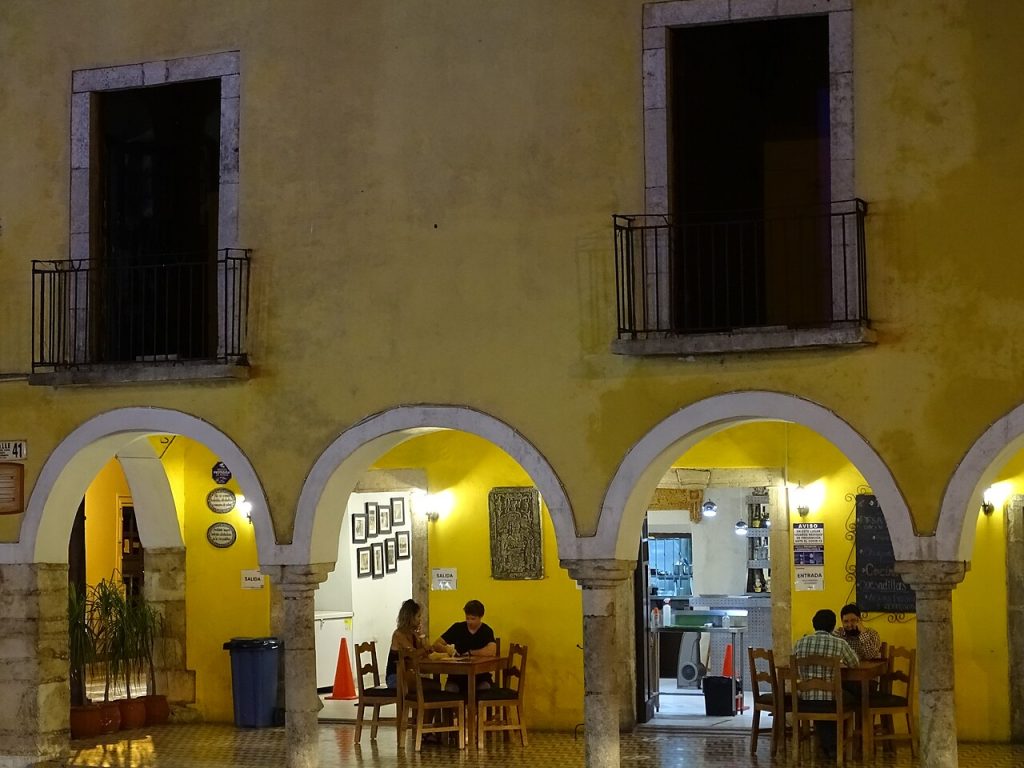
This colonial street leads from the centre towards the Convent of San Bernardino. Its painted houses, boutiques and cafes make it one of the most photographed streets in Yucatán. Walk it slowly, ideally in the late afternoon when the light warms the facades.
Local Food
Yucatecan cuisine is a highlight here. For example, try cochinita pibil, slow-roasted pork marinated in achiote, or lomitos de Valladolid, a local pork dish. The municipal market is also a good place to sample regional snacks.
Cenote Zací and Nearby Cenotes
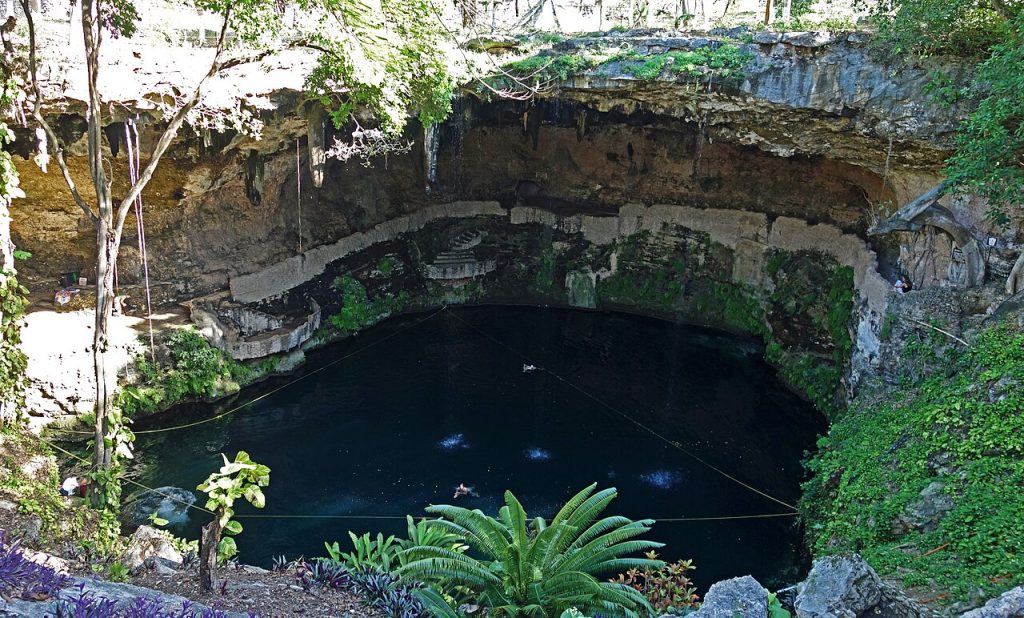
Cenote Zací sits close to the heart of the city, which is rare for a cenote. This landscaped freshwater sinkhole is partly open to the sky, with a curved rock overhang and dark green water where visitors can swim. There is also a restaurant on site and artisans selling handicrafts.
Beyond town, more cenotes wait within a short drive. Cenote Suytun and the Dzitnup cenotes are popular for their cave-like chambers and shafts of light. Because they get busy by late morning, go early for the calmest experience.
The Convent of San Bernardino and Beyond
Convent of San Bernardino de Siena
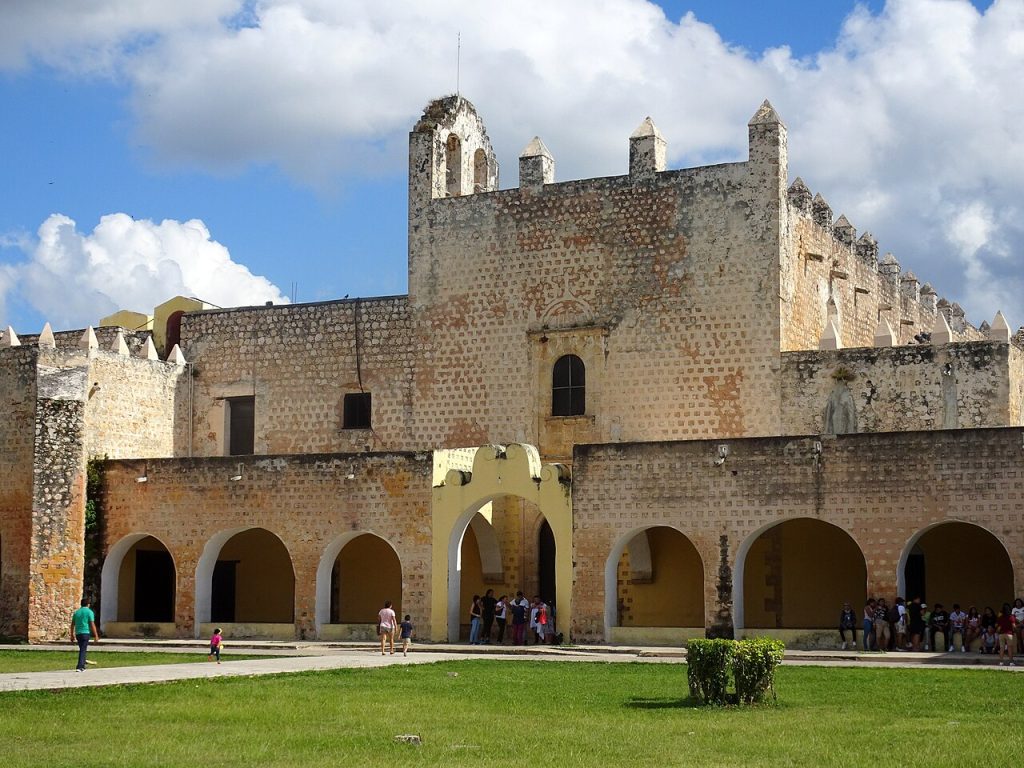
This colonial-era convent and church was built by Franciscan missionaries between 1552 and 1560 in the Sisal neighbourhood. Its massive stone walls, quiet courtyard and old frescoes make it one of the most atmospheric sights in Yucatán.
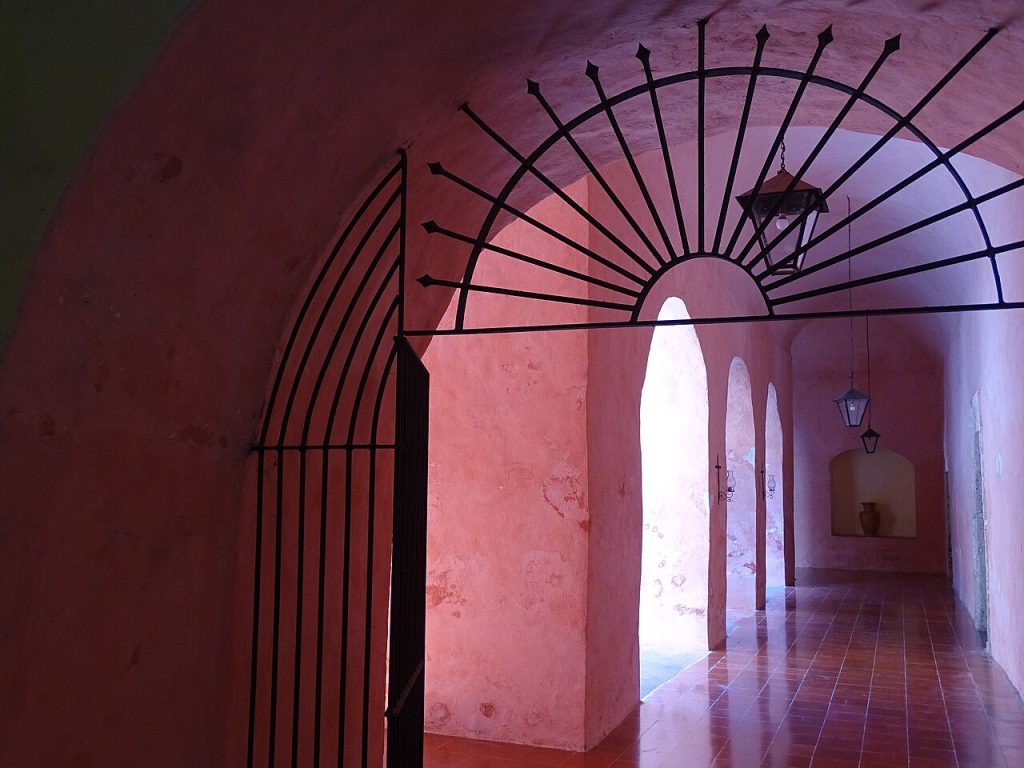
Inside the Convent
Inside, arched corridors and painted walls give a sense of monastic life in the 16th century. In the evening, a light show is often projected onto the facade, which adds another reason to return after dark.
Day Trips From Valladolid
Chichén Itzá
The great Mayan city of Chichén Itzá is just 40 kilometres away. Arriving at opening time from Valladolid lets you see El Castillo before the crowds.
Ek Balam
Ek Balam, north of town, is a smaller Mayan site where you can admire finely carved stucco on its main pyramid. Nearby, there is also a cenote for a swim afterwards.
One Historical Fact About Valladolid, Mexico
Valladolid was first established in 1543 and moved to its current location on March 24, 1545. The new town was built on top of the Mayan town of Zací, and the Spanish dismantled its buildings to reuse the stones for their colonial streets and churches.
How to Get to Valladolid, Mexico
Most visitors arrive by bus or car. ADO buses connect Valladolid with Cancún, Mérida, Playa del Carmen and Tulum, and the bus station is a short walk from the main square. Alternatively, renting a car gives you the freedom to visit cenotes and ruins at your own pace. The nearest major airports are Cancún and Mérida.
Best Time to Visit Valladolid, Mexico
The best time to visit Valladolid is from November to April, when the weather is drier and slightly cooler. From May onward, temperatures climb, while the rainy season usually brings afternoon showers between June and October. Even so, the cenotes offer a welcome way to cool down in any season.
Is Valladolid, Mexico Worth Visiting?
Yes, Valladolid is well worth visiting. It combines colonial history, cenotes and Mayan ruins in one walkable town. Moreover, it gives you a calmer, more local side of the Yucatán Peninsula than the busy resorts.
Final Thoughts
Valladolid Mexico rewards travellers who slow down. Swim in Cenote Zací, stroll the Calzada de los Frailes, explore the old convent and use the town as a base for Chichén Itzá and Ek Balam. You will likely wish you had booked an extra night.
Image Credits
Wikimedia Commons
- Church of San Servacio, Valladolid: Photo by Gary Todd via Wikimedia Commons (CC0)
- Valladolid Plaza at Night: Photo by Adam Jones via Wikimedia Commons (CC BY-SA 2.0)
- Cenote Zací: Photo by Haakon S. Krohn via Wikimedia Commons (CC BY 4.0)
- Convent of San Bernardino de Siena: Photo by DaLoetz via Wikimedia Commons (CC BY-SA 4.0)
- Convent of San Bernardino Arches: Photo by Adam Jones via Wikimedia Commons (CC BY-SA 2.0)