
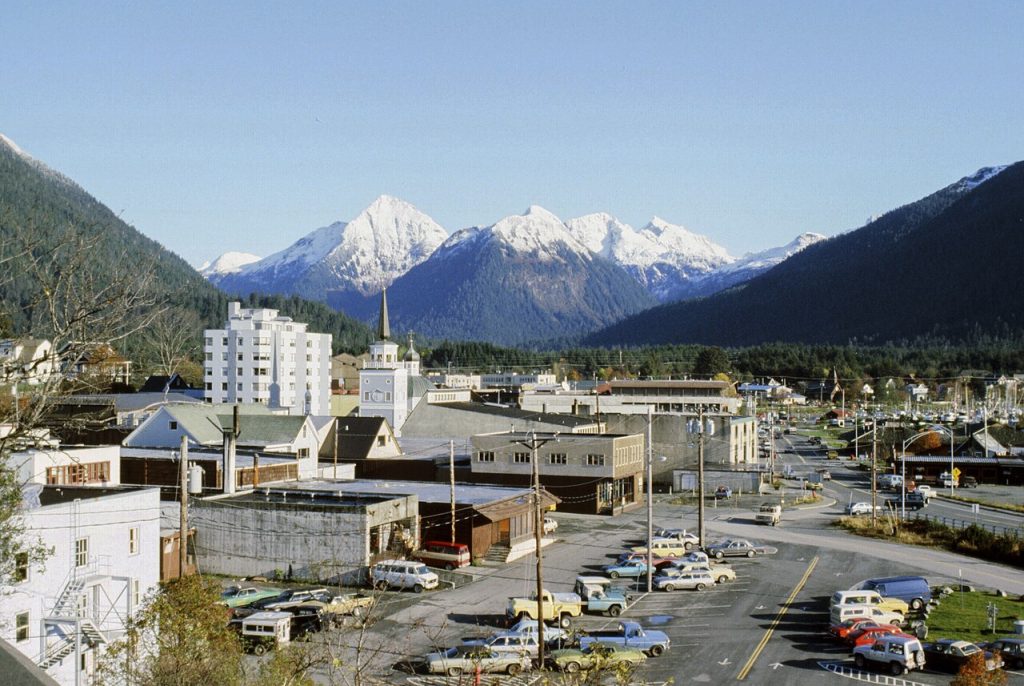
Sitka Alaska is a harbour town on Baranof Island where Tlingit culture, Russian history and wild Pacific scenery meet. Onion-domed churches stand near carved totem poles, eagles circle over the water and a snow-capped volcano rises across the sound. Unlike many Alaskan towns, it faces the open ocean, which gives it a dramatic, windswept beauty.
Quick Facts About Sitka, Alaska
| Country | United States |
| Region | Southeast Alaska (Baranof Island) |
| Known For | Tlingit culture, Russian heritage, totem poles, wildlife, Mount Edgecumbe |
| UNESCO Status | Not listed |
| Founded | Tlingit homeland; Russian settlement of New Archangel from 1804 |
| Best Time to Visit | May to September |
| Time Needed | 2 to 3 days |
| Continent | North America |
Where Is Sitka, Alaska?
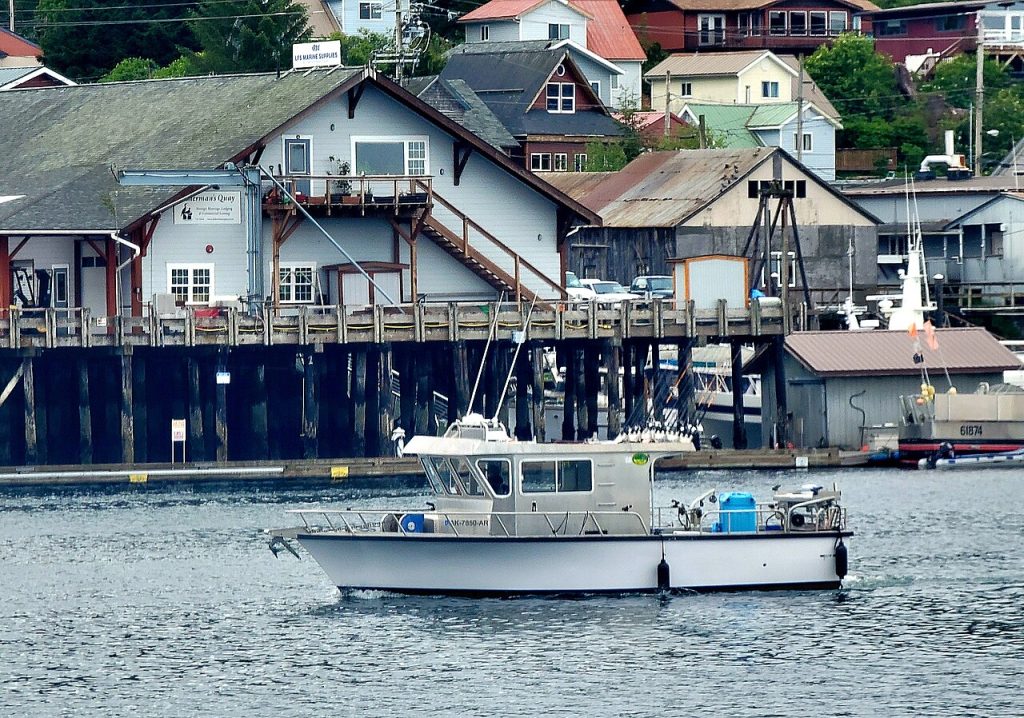
Sitka is a unified city and borough in Southeast Alaska, on the west coast of Baranof Island facing the Gulf of Alaska. It is not connected to the road network, so visitors arrive by air or sea. Measured by total area, Sitka is the largest city in the United States.
Why Visit Sitka, Alaska?
First of all, Sitka has a deep and layered history. It is the homeland of the Tlingit people, it became the capital of Russian America and it was the site of the ceremony that transferred Alaska to the United States.
In addition, the natural setting is spectacular. Forested mountains rise behind the town, while whales, sea otters and bald eagles are common sights in the surrounding waters. Finally, Sitka is compact and walkable, so it is easy to explore at a gentle pace.
Russian Heritage in Sitka
St. Michael’s Cathedral
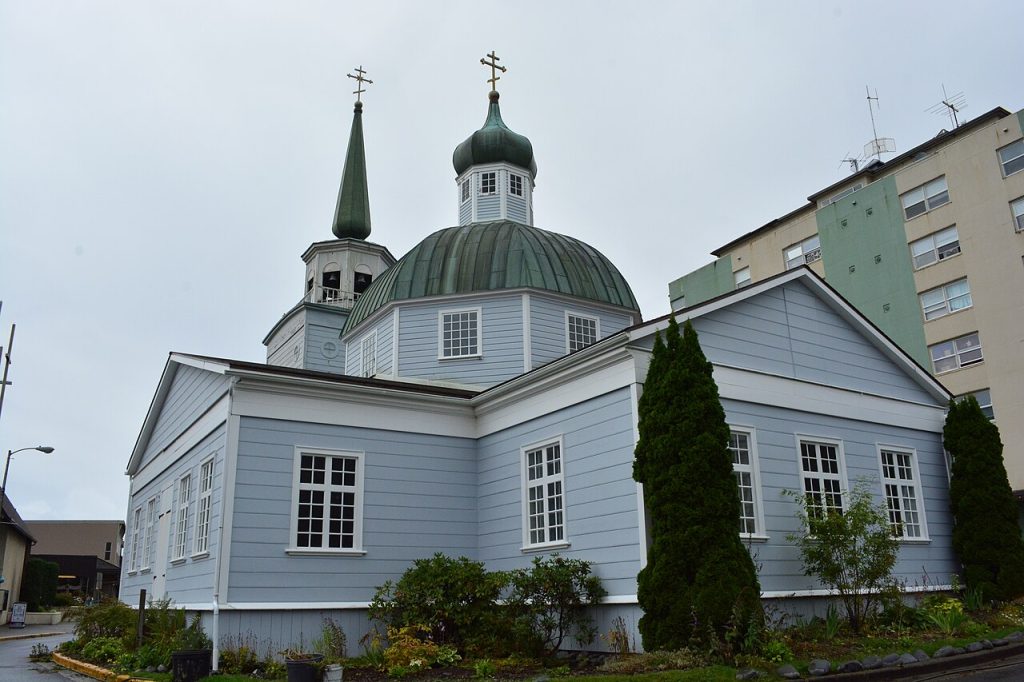
St. Michael’s Cathedral, with its onion domes and green roof, stands in the middle of the main street. The original building was lost to fire in 1966, but it was rebuilt, and many of its precious icons were saved by local residents.
The Russian Bishop’s House
The Russian Bishop’s House is one of the few surviving buildings from the Russian colonial era in North America. Restored by the National Park Service, it is now part of Sitka National Historical Park and shows how the bishop and his staff lived and taught.
Castle Hill
Castle Hill, a short walk from the centre, is where the transfer ceremony for the Alaska Purchase took place on October 18, 1867. Today it is a quiet viewpoint with interpretive signs and views over the harbour.
Tlingit Culture and Totem Poles
Sitka National Historical Park preserves the site of the 1804 Battle of Sitka between the Tlingit and the Russians. A peaceful coastal trail winds through tall spruce and hemlock forest, lined with carved totem poles. At the visitor centre, you can often watch Native artists at work carving wood and silver.
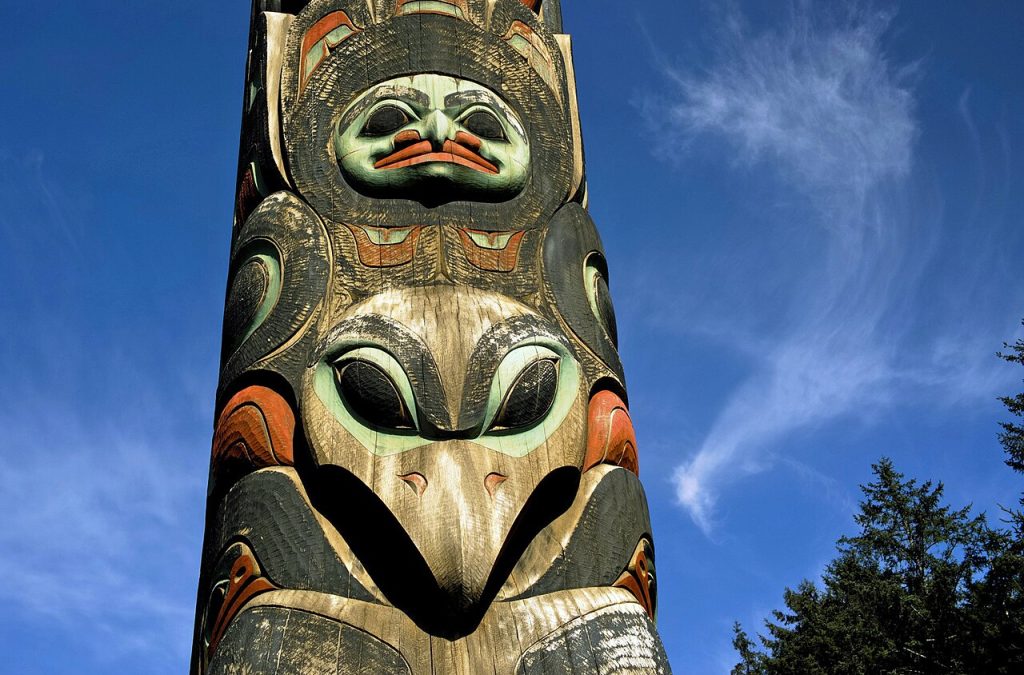
In addition, the Sheldon Jackson Museum holds an important collection of Alaska Native artefacts. Throughout the year, Tlingit cultural performances and events help visitors learn more about the living traditions of the people of Sheet’ká.
Wildlife and the Outdoors
Alaska Raptor Center
The Alaska Raptor Center treats injured eagles, owls and hawks. Visitors can see birds up close and learn about their rehabilitation.
Mount Edgecumbe
A Volcano Across the Sound
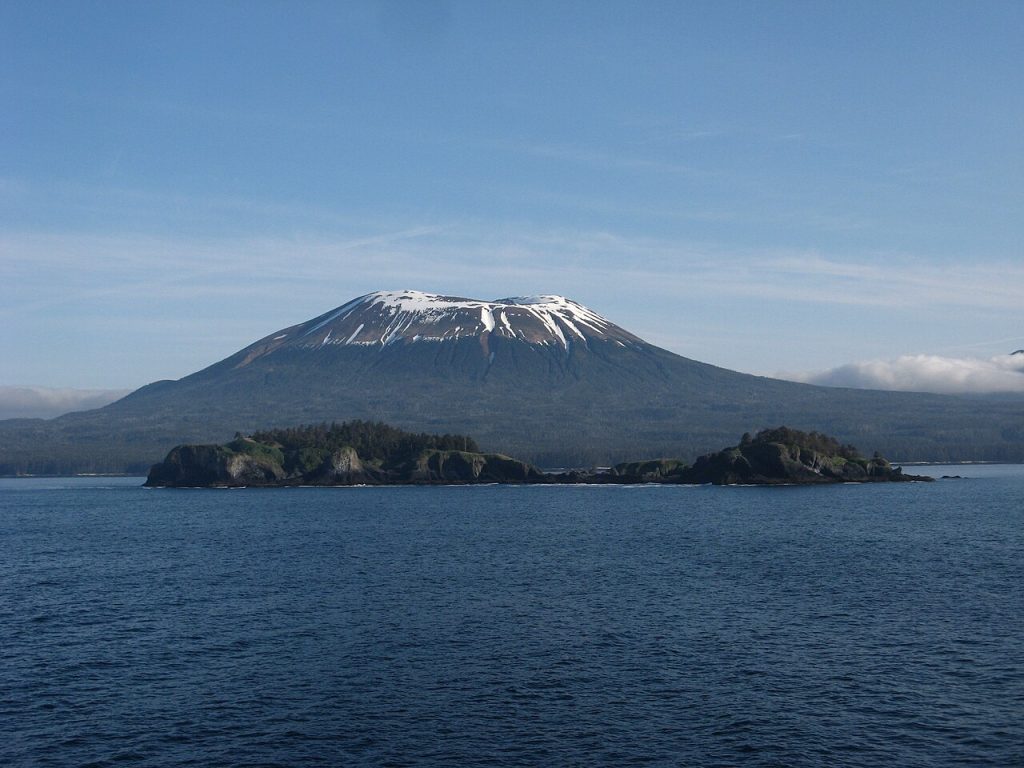
Mount Edgecumbe, a dormant volcano on nearby Kruzof Island, forms Sitka’s most famous backdrop. Its symmetrical cone is often compared to Mount Fuji.
Boat Trips and Hikes
Wildlife cruises from Sitka search for humpback whales, sea otters and seabirds. On land, trails such as the one up Gavan Hill offer views over the town and islands.
One Historical Fact About Sitka, Alaska
Following their victory at the Battle of Sitka in 1804, the Russians founded the settlement of New Archangel, which became the capital of Russian America. Later, on October 18, 1867, Sitka hosted the formal transfer of Alaska from Russia to the United States. The date is still celebrated each year as Alaska Day.
How to Get to Sitka, Alaska
Sitka has an airport with regular jet flights from Seattle and Juneau. Alternatively, the Alaska Marine Highway ferry links Sitka with other towns in Southeast Alaska, and many cruise ships stop here in summer. Once in town, most sights are within walking distance, and taxis or tours cover the rest.
Best Time to Visit Sitka, Alaska
The best time to visit Sitka is from May to September, when days are long and wildlife is active. Whale watching is especially good in late summer and autumn. Be prepared for rain at any time of year, as Sitka has a wet, temperate rainforest climate, so pack waterproof layers.
Is Sitka, Alaska Worth Visiting?
Yes, Sitka is well worth visiting. It combines Native culture, Russian history and outstanding wildlife in one walkable town. Moreover, its location on the open Pacific gives it a character unlike anywhere else in Alaska.
Final Thoughts
Sitka Alaska rewards travellers who love history and nature in equal measure. Walk the totem trail, visit St. Michael’s Cathedral, stand on Castle Hill and watch for whales beneath Mount Edgecumbe. In short, it is one of the most memorable stops in Southeast Alaska.
Image Credits
Wikimedia Commons
- Sitka and the Mountains: Photo by Gillfoto via Wikimedia Commons (CC BY-SA 4.0)
- Sitka Waterfront View: Photo by Cullen328 via Wikimedia Commons (CC BY-SA 4.0)
- St. Michael’s Cathedral, Sitka: Photo by Joe Mabel via Wikimedia Commons (CC BY-SA 4.0)
- Totem Pole, Sitka National Historical Park: Photo by Jim Gove via Wikimedia Commons (CC BY-SA 4.0)
- Mount Edgecumbe: Photo by hakkun via Wikimedia Commons (CC BY-SA 3.0)