
Pátzcuaro Mexico is a colonial town of whitewashed walls, red tiled roofs and wide plazas in the highlands of Michoacán. Above all, it is famous for its lake, its Purépecha crafts and its moving Day of the Dead traditions. Moreover, it stays calm and authentic, even though it is one of the best known Pueblos Mágicos. So, this guide covers what to see, how to get there and when to go.
Quick Facts About Pátzcuaro, Mexico
| Country | Mexico |
| Region | Michoacán, western Mexico |
| Known For | Plaza Vasco de Quiroga, the Basilica, Janitzio Island, Day of the Dead |
| UNESCO Status | Not listed; named a Pueblo Mágico by the Mexican government |
| Founded | 1320s, as a Purépecha town |
| Best Time to Visit | October to April |
| Time Needed | 2 to 3 days |
| Continent | North America |
Where Is Pátzcuaro, Mexico?
Pátzcuaro lies in the state of Michoacán, in western Mexico. More precisely, it sits at more than 2,000 meters above sea level, near the southern shore of Lake Pátzcuaro. Meanwhile, the state capital, Morelia, is about an hour away by road.
Why Visit Pátzcuaro, Mexico?
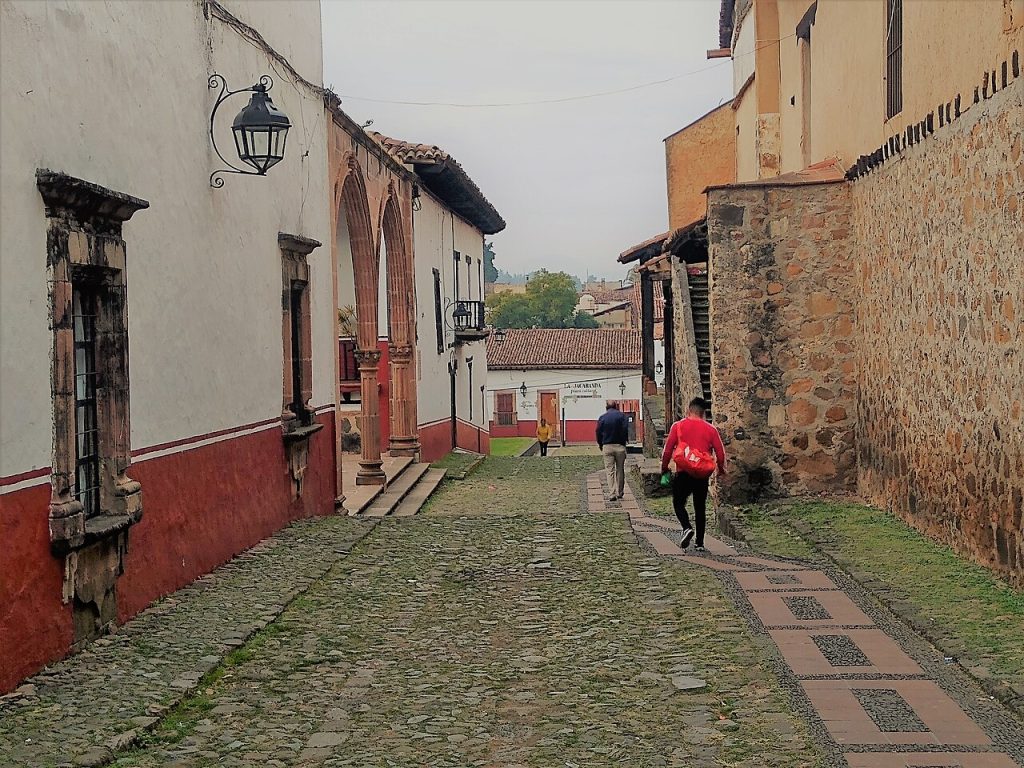
First, the town has a strong indigenous heritage. In fact, it was an important center of the Purépecha people long before the Spanish arrived. Second, its colonial center is beautifully preserved, with adobe houses painted white and deep red.
In addition, the area is a paradise for lovers of folk art. For example, nearby villages still make copperware, lacquer, pottery and textiles by hand. Finally, the lake and its islands offer some of the most memorable Day of the Dead celebrations in Mexico.
Things to Do in the Historic Center
Relax in Plaza Vasco de Quiroga
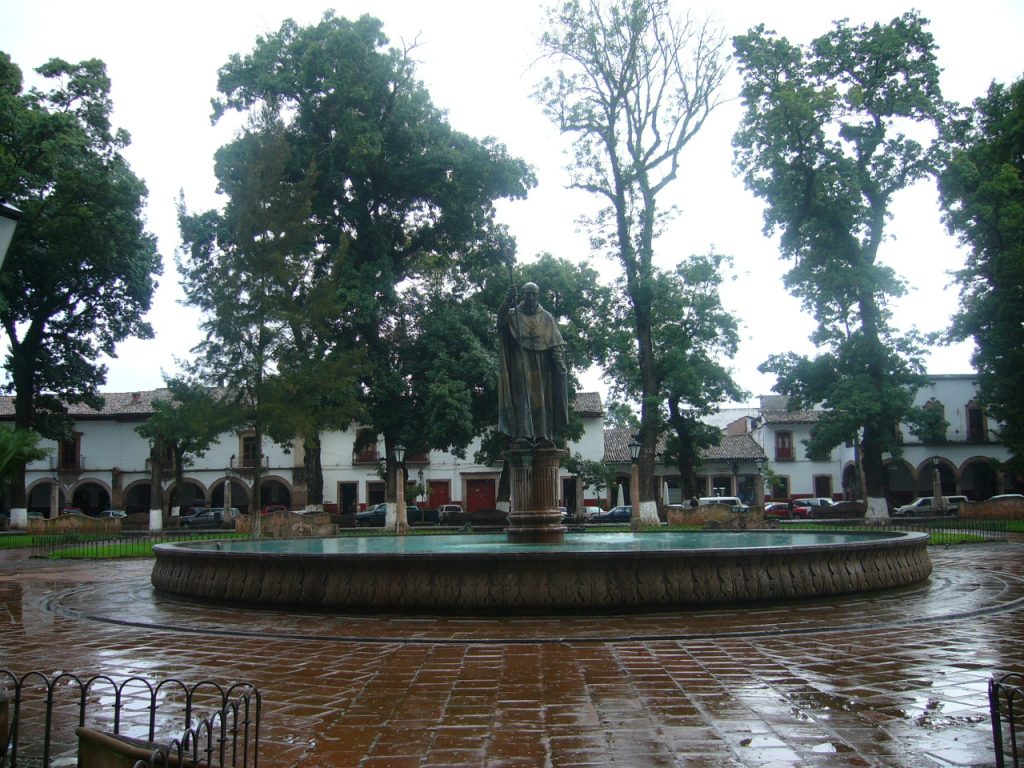
The main square is the Plaza Vasco de Quiroga, also known as the Plaza Grande. Surprisingly, it is huge for such a small town. Tall trees shade its paths, and a fountain with a statue of Bishop Vasco de Quiroga stands in the middle.
Around the square, colonial mansions now hold hotels, cafés and shops. Similarly, the smaller Plaza Gertrudis Bocanegra nearby is lively with market stalls and food vendors. It honors a local heroine of the War of Independence.
See the Basilica of Our Lady of Health
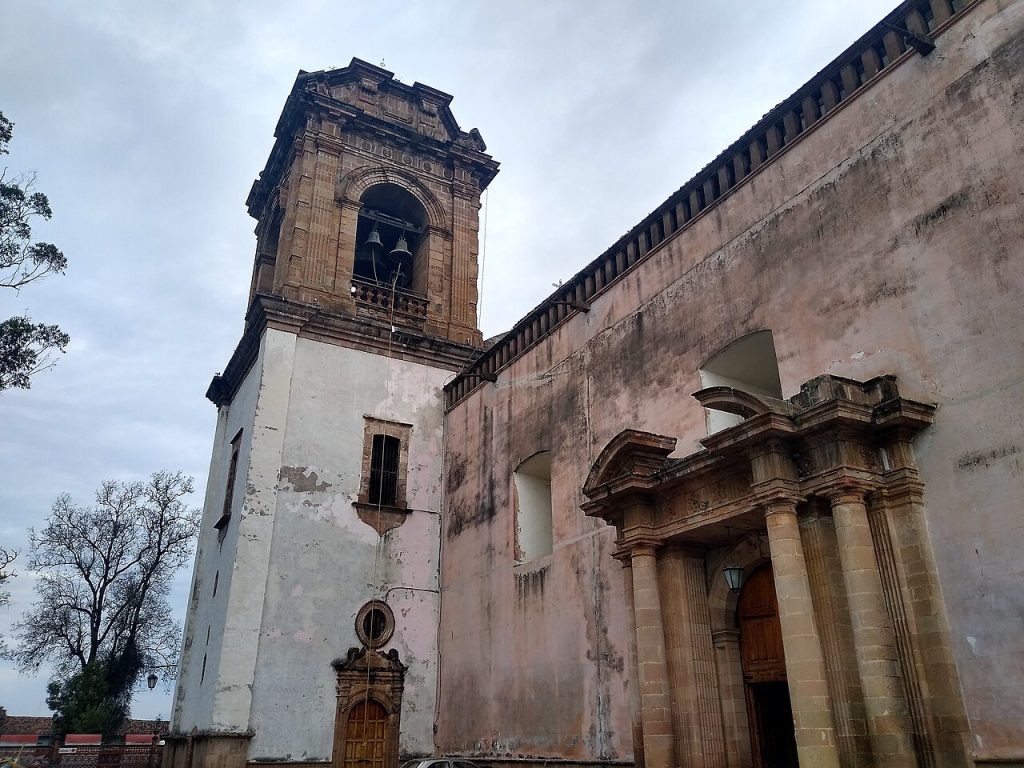
A few blocks east of the center stands the Basilica of Nuestra Señora de la Salud. Vasco de Quiroga built it over a pre-Hispanic ceremonial site, and he planned it as the cathedral of Michoacán.
Inside, pilgrims come to see a revered image of the Virgin. According to tradition, local artisans made it from a paste of corn stalks, a technique from Purépecha times. As a result, the church is a moving place, especially on feast days.
Shop in the House of Eleven Courtyards
The Casa de los Once Patios is a former convent built in 1742 for Dominican nuns. Over time, the nuns bought nearby houses and added more courtyards, which explains its name.
Today, the old cells hold small workshops and craft shops. For instance, you can watch artisans paint lacquerware or weave textiles. Therefore, it is one of the best places in town to buy a meaningful souvenir.
Lake Pátzcuaro and Janitzio Island
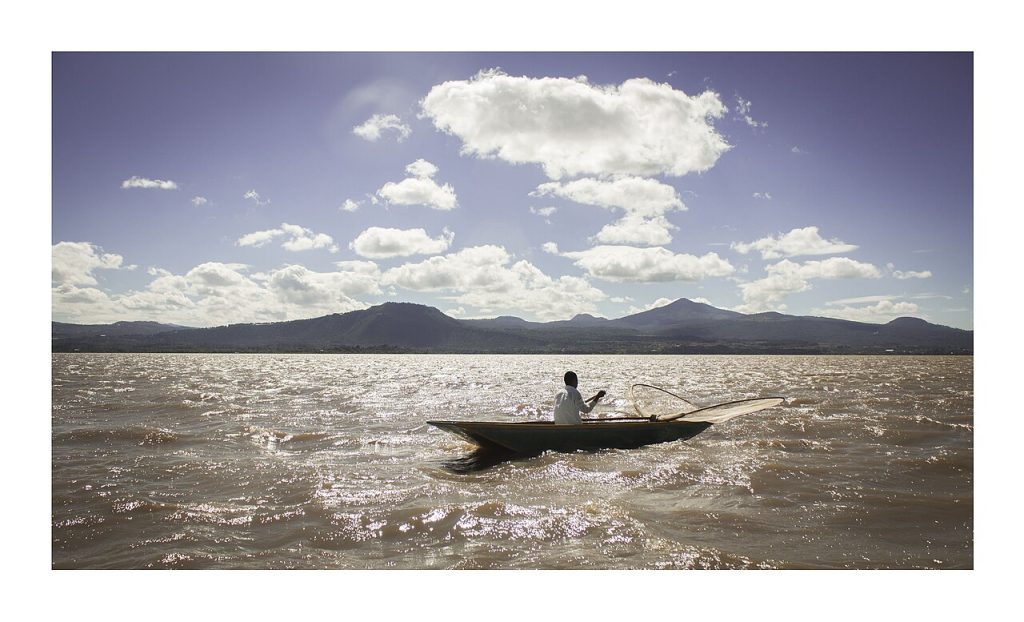
Lake Pátzcuaro spreads out just north of town, surrounded by hills and small villages. Boats leave from the main pier for the islands, and the ride takes around half an hour.
The most popular island is Janitzio. A giant statue of José María Morelos, a hero of independence, stands at its highest point. Remarkably, the statue is about 40 meters tall, and you can climb up inside it. Along the way, murals tell the story of his life, and the top offers wide views over the lake.
Back on the shore, local fishermen sometimes show off their famous butterfly nets for visitors. Also, be sure to taste the lake fish in one of the small restaurants on the island.
Traditions and Day Trips Around the Lake
Day of the Dead in Pátzcuaro
The Night of the Dead
Every year, on the night between November 1 and 2, families gather in the cemeteries around the lake. They decorate the graves with marigolds, candles and food, and they keep vigil until dawn. Consequently, the whole region glows with candlelight. Visitors are welcome, but please stay quiet and respectful.
Nearby Villages
Tzintzuntzan
Tzintzuntzan was the capital of the Purépecha state before the Spanish conquest. Today, you can visit its yácatas, a row of round and rectangular stone platforms that overlook the lake.
Santa Clara del Cobre
Santa Clara del Cobre lies about 20 minutes south of Pátzcuaro. As its name suggests, it is famous for its hand hammered copper pots, bowls and vases.
El Estribo Lookout
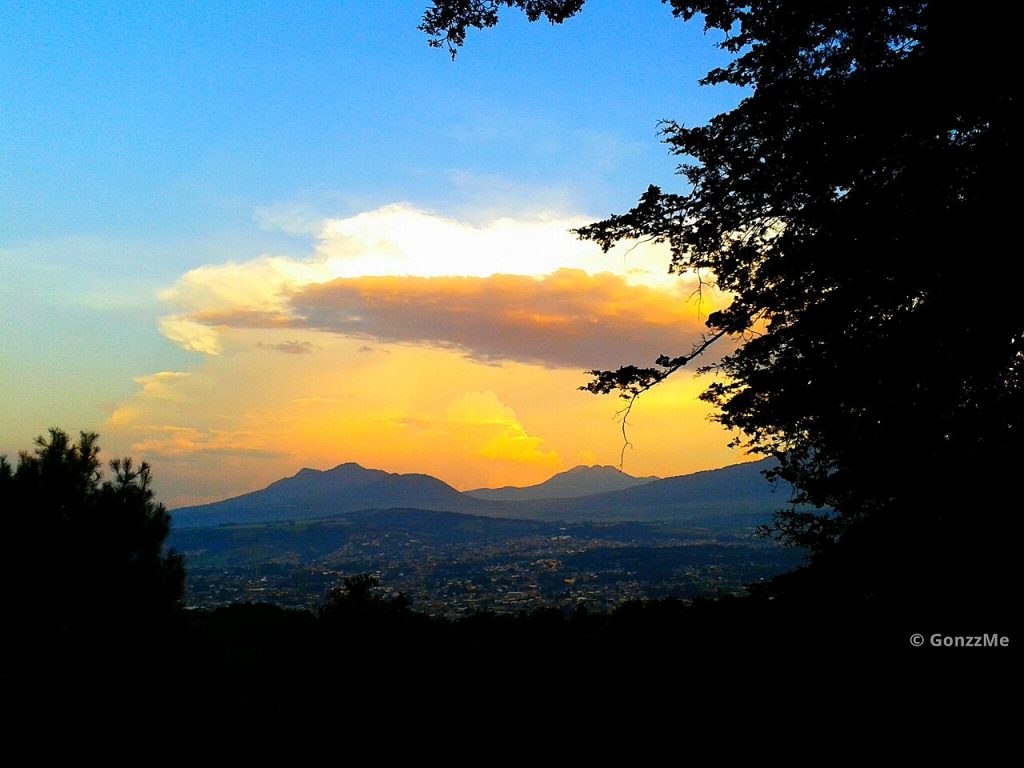
For the best view of the whole lake, head up to the El Estribo lookout on a hill just west of town. Ideally, come in the late afternoon and stay for sunset.
One Historical Fact About Pátzcuaro, Mexico
After the Spanish conquest, Bishop Vasco de Quiroga made Pátzcuaro the capital of the province and the seat of the new Diocese of Michoacán. In addition, he encouraged each village around the lake to master a different craft, such as copper, pottery or woodwork. Even though the bishopric later moved to Morelia, this tradition still shapes the local economy today.
How to Get to Pátzcuaro, Mexico
The nearest airport is in Morelia, which has flights from Mexico City and several cities in the United States. From Morelia, frequent buses reach Pátzcuaro in about an hour. Alternatively, direct buses run from Mexico City, although the trip takes around five hours.
Once you arrive, the center is easy to explore on foot. However, the streets are steep in places, so wear comfortable shoes.
Best Time to Visit Pátzcuaro, Mexico
The dry season, from October to April, is the best time to visit. During these months, the days are sunny, but the nights can be cold because of the altitude. In contrast, the rainy season brings afternoon showers from June to September.
If you want to see the Day of the Dead, plan to come at the very start of November. Since this is the busiest time of the year, book your hotel months in advance.
Is Pátzcuaro, Mexico Worth Visiting?
Yes, without a doubt. The town combines colonial beauty, living indigenous culture and a stunning lake setting. Furthermore, it is still relaxed and affordable compared with better known destinations. In short, it is one of the most rewarding small towns in Mexico.
Final Thoughts
Pátzcuaro, Mexico is a place where old traditions are still part of daily life. So, stroll its plazas, sail to Janitzio and visit the craft villages around the lake. In the end, you will leave with a deeper feeling for the soul of Michoacán.
Planning a longer trip? You can also pair this visit with our guides to San Miguel de Allende, Guanajuato and Taxco.
Image Credits
Wikimedia Commons
- Colonial Street in Pátzcuaro: Photo by Isaacvp via Wikimedia Commons (CC BY-SA 4.0)
- Plaza Vasco de Quiroga: Photo by Edgar Galindo via Wikimedia Commons (CC BY-SA 3.0)
- Basilica of Nuestra Señora de la Salud: Photo by Isaacvp via Wikimedia Commons (CC BY-SA 4.0)
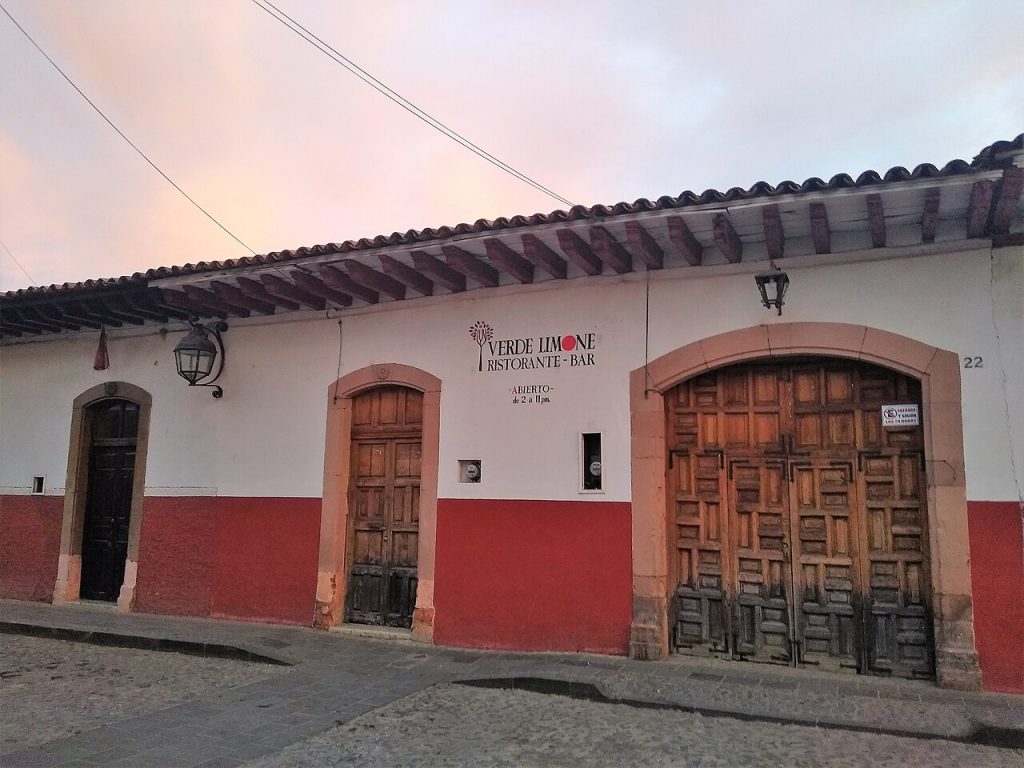
- Calle Terán in Pátzcuaro: Photo by Isaacvp via Wikimedia Commons (CC BY-SA 4.0)
- Boatman on Lake Pátzcuaro: Photo by Marco Cano Exp via Wikimedia Commons (CC BY-SA 4.0)
- Sunset From El Estribo: Photo by GonzzMe via Wikimedia Commons (CC BY 3.0)