
Kralendijk Bonaire is a small, cheerful harbor town of pastel buildings, palm lined boulevards and calm turquoise water. As the capital of Bonaire, it is also the gateway to some of the healthiest coral reefs in the Caribbean. Moreover, it keeps a relaxed, small town feel, even when cruise ships call. So, this guide covers what to see, how to get there and when to go.
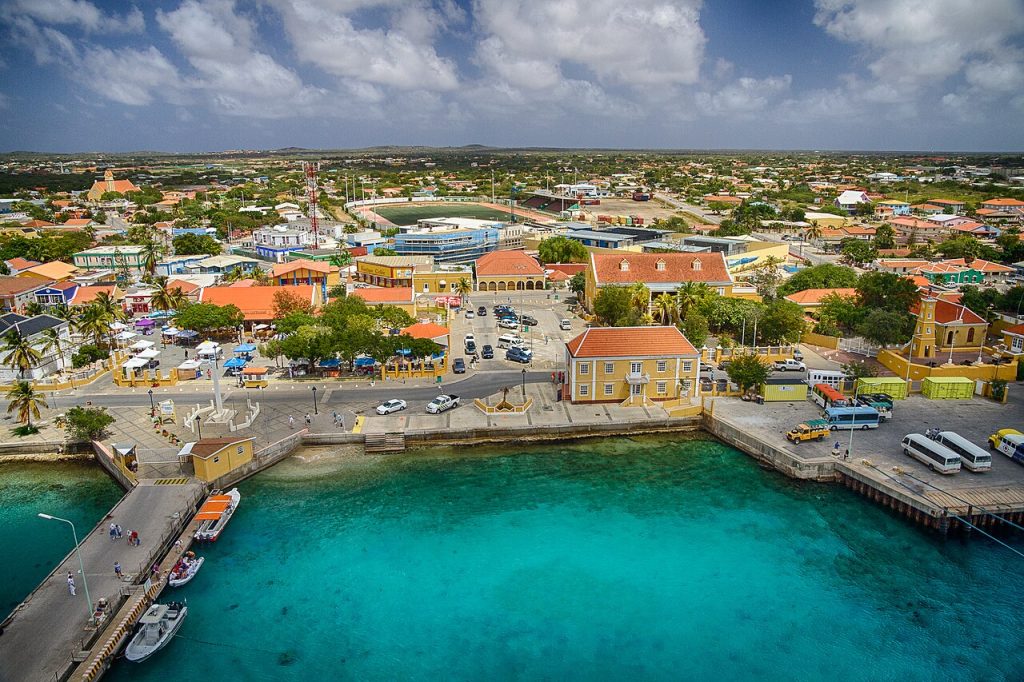
Quick Facts About Kralendijk, Bonaire
| Country | Bonaire (Caribbean Netherlands) |
| Region | West coast of Bonaire |
| Known For | Pastel waterfront, Fort Oranje, shore diving, Klein Bonaire |
| UNESCO Status | Not listed |
| Founded | 1639 fort; town named Kralendijk in 1830 |
| Best Time to Visit | Year round; driest from February to September |
| Time Needed | 2 to 4 days |
| Continent | Caribbean |
Where Is Kralendijk, Bonaire?
Kralendijk lies on the sheltered west coast of Bonaire, one of the ABC islands in the southern Caribbean. More precisely, it faces the small uninhabited island of Klein Bonaire, less than a kilometer offshore. In addition, Curaçao is about 50 kilometers to the west, while the coast of Venezuela lies to the south.
Why Visit Kralendijk, Bonaire?
First, the town is colorful and easy to explore on foot. Second, Bonaire is world famous for diving and snorkeling, and the reefs start just steps from the shore. In fact, the local license plates proudly say Diver’s Paradise.
Also, the island lies outside the main hurricane belt, so the weather is sunny and dry for most of the year. Finally, Kralendijk is calm and friendly, with a mix of Caribbean, Dutch and Latin American culture.
Things to Do in Kralendijk
Stroll the Waterfront
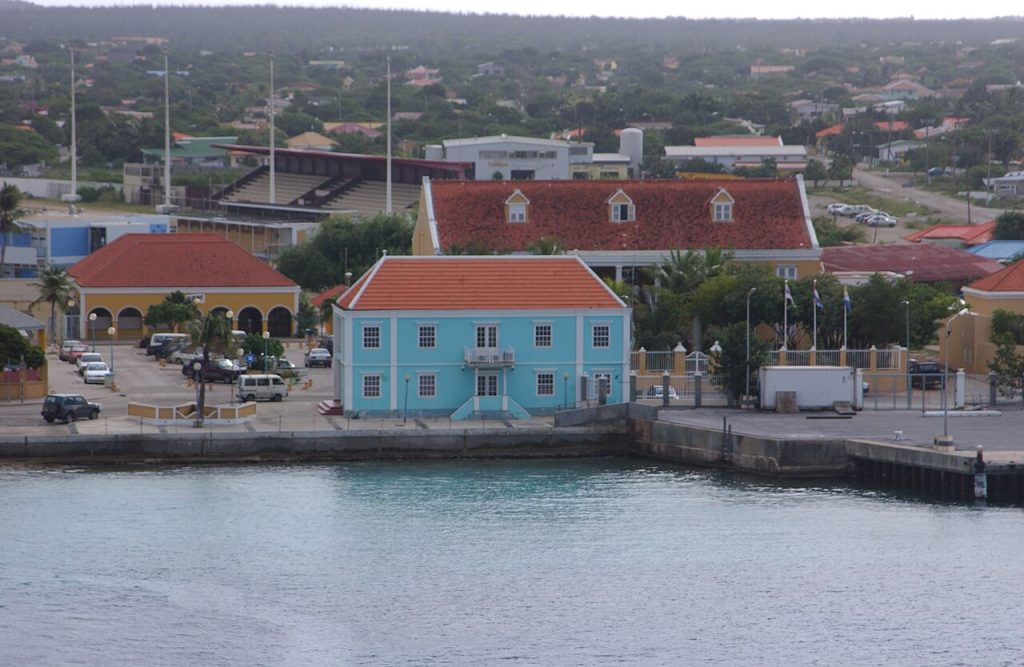
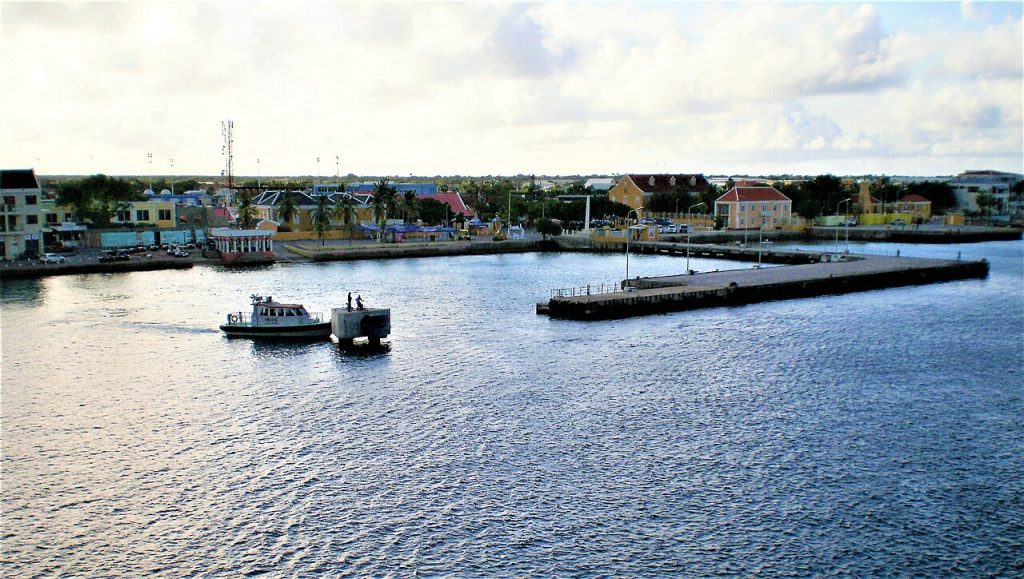
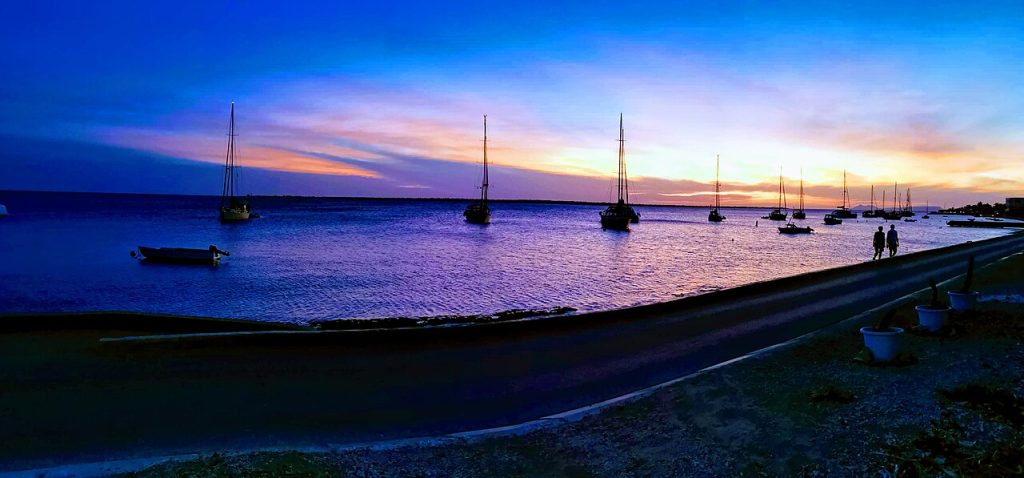
The waterfront is the heart of Kralendijk. Pastel buildings in yellow, pink and blue line the seafront, while small boats bob in the harbor. Meanwhile, cafés and restaurants spill onto the promenade, especially at sunset.
Behind the seafront, Kaya Grandi is the main shopping street. Here, you will find boutiques, souvenir shops and local art galleries.
Visit Fort Oranje
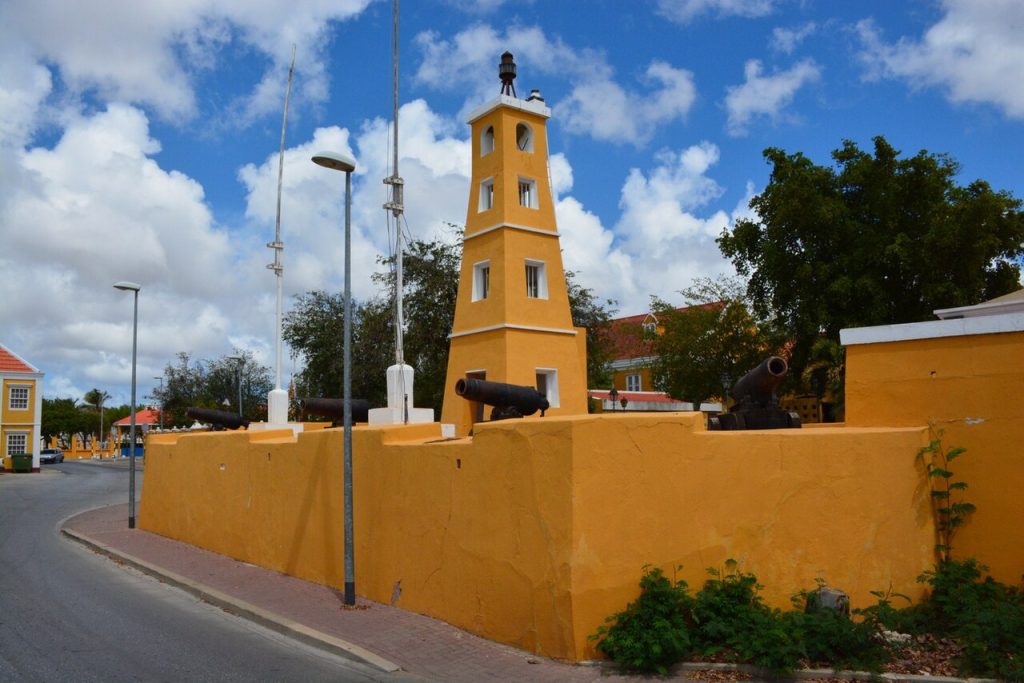
Fort Oranje was built in 1639 to defend the harbor. Later, the Dutch rebuilt and extended it, and a small lighthouse now stands on its walls. Although the fort is small, it is a charming spot with old cannons facing the sea.
See the Old Churches and Squares
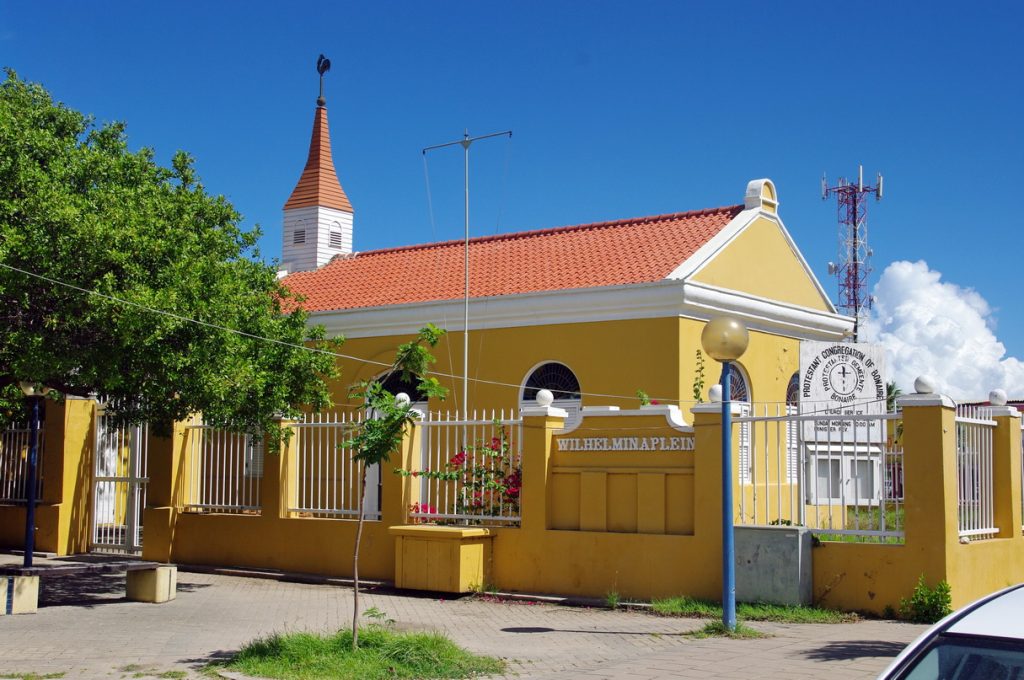
Near the fort, Wilhelminaplein is a small square with trees and monuments. Nearby, a bright yellow Protestant church adds a splash of color to the old town. Similarly, the Catholic church of San Bernardo is worth a short visit.
Diving and Snorkeling Around the Town
The whole coastline of Bonaire is part of the Bonaire National Marine Park. As a result, the reefs are protected, and the marine life is rich and varied. You can see parrotfish, turtles, seahorses and colorful corals in clear, warm water.
Best of all, much of the diving here is done from the shore. Along the coast road, yellow painted stones mark the dive sites. Therefore, you can simply park, put on your gear and walk into the sea.
Just across the water, Klein Bonaire is a favorite day trip. Water taxis leave from the town and take only a few minutes. There, No Name Beach offers white sand and excellent snorkeling, but there is no shade, so bring water and sun protection.
Exploring the Rest of Bonaire
The South of the Island
Salt Flats and Flamingos
In the south, huge salt pans turn the landscape pink, white and blue. Also, flocks of flamingos feed in the shallow lakes nearby. So, bring binoculars and a camera.
The Slave Huts
Along the southern coast, rows of tiny stone huts stand near the salt pans. Enslaved workers once slept in them during the week. Today, they are a moving reminder of the island’s past.
Lac Bay
On the east coast, Lac Bay is a shallow lagoon famous for windsurfing. In addition, its mangroves are great for kayaking.
The North of the Island
Washington Slagbaai National Park
In the north, Washington Slagbaai National Park protects dry hills, cacti, beaches and wildlife. Its rough roads are best explored with a sturdy car.
Rincon
Rincon is the oldest village on the island. It is quiet and traditional, with colorful houses and a small local distillery.
One Historical Fact About Kralendijk, Bonaire
The name Kralendijk comes from the Dutch word koralendijk, which means coral dike. The settlement grew up next to Fort Oranje, and the Dutch gave the town its current name in 1830. Later, in 1940, an internment camp was set up just south of the fort during World War II. After the war, however, the camp was turned into a hotel.
How to Get to Kralendijk, Bonaire
Flamingo International Airport lies only a few minutes south of the town. It has direct flights from Amsterdam and several cities in the United States. Alternatively, short flights connect Bonaire with Curaçao and Aruba.
Once you arrive, renting a car or pickup truck is the best way to explore the island. However, the town center itself is small, so you can easily walk around it.
Best Time to Visit Kralendijk, Bonaire
Kralendijk is a year round destination, with warm weather and steady trade winds. In general, the driest months are from February to September. In contrast, short showers are more common from October to January.
Also, the winter months are the busiest and most expensive. Therefore, consider visiting in late spring or early autumn for better prices.
Is Kralendijk, Bonaire Worth Visiting?
Yes, especially if you love the sea. Kralendijk combines a colorful small town with easy access to world class reefs. Moreover, the island is peaceful, safe and far less crowded than many Caribbean destinations.
Final Thoughts
Kralendijk, Bonaire is a place to slow down and enjoy the sea. So, stroll the waterfront, snorkel off Klein Bonaire and watch the flamingos in the salt flats. In the end, you will see why so many travelers return again and again.
Planning a longer trip? You can also pair this visit with our guides to Willemstad, Old San Juan and Christiansted.
Image Credits
Wikimedia Commons
- The Town of Kralendijk From Above: Photo by Chris Favero from USA via Wikimedia Commons (CC BY-SA 2.0)
- Kralendijk Waterfront: Photo by JERRYE AND ROY KLOTZ MD via Wikimedia Commons (CC BY-SA 3.0)
- Fort Oranje in Kralendijk: Photo by Paul Arps from The Netherlands via Wikimedia Commons (CC BY 2.0)
- Protestant Church in Kralendijk: Photo by Bgabel via Wikimedia Commons (CC BY-SA 3.0)
- Harbor of Kralendijk: Photo by Ulises Icardi via Wikimedia Commons (CC BY-SA 4.0)
- Kaya Craane Boulevard: Photo by Senor Luis Bertran via Wikimedia Commons (CC BY-SA 4.0)