Albarracín sits in the hills of Aragón, and many call it one of the most beautiful towns in Europe. Indeed, pink buildings, winding medieval streets and a dramatic hilltop setting make it feel frozen in time. So, this guide covers the best things to do here, plus how to get there and when to go.
Meanwhile, defensive walls surround the town, high above the Guadalaviar River. As a result, it is a rare, almost intact medieval town. Also, every corner reveals old buildings, narrow passages and wide views. In short, it is one of Spain’s most enchanting hidden gems.
Albarracín Spain at a Glance
| Country | Spain |
| Region | Aragón |
| Known For | Pink medieval architecture and historic streets |
| Best Time to Visit | Spring and Autumn |
| Time Needed | 4–8 hours |
| Elevation | Approximately 1,182 m (3,878 ft) |
| Historic Status | One of Spain’s best-preserved medieval towns |
Where Is Albarracín Spain?
The town lies in the province of Teruel, in the Aragón region of eastern Spain. Specifically, it sits on a rocky hillside above the river. Also, rugged landscapes and old walls surround it.
Why Visit Albarracín Spain?
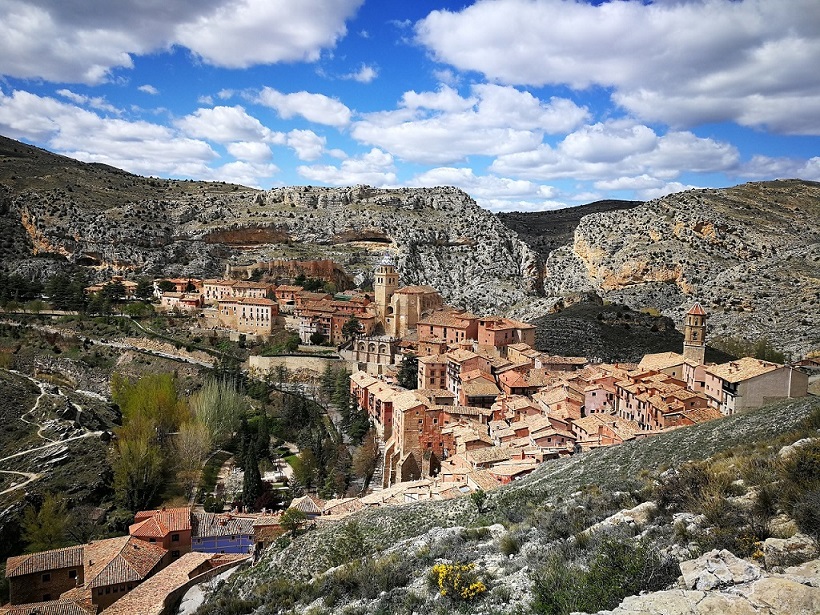
Above all, Albarracín stands out for its preserved medieval mood. Of course, many old towns have been modernised. This one, however, has kept its traditional look. Indeed, its pink buildings, narrow streets and hilltop setting feel almost untouched by time.
So, it has earned a reputation as one of the most picturesque towns in Spain.
Things to Do in Albarracín: Explore the Medieval Streets
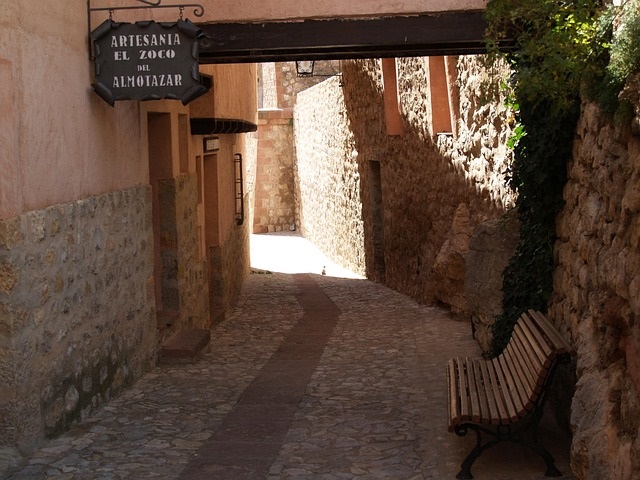
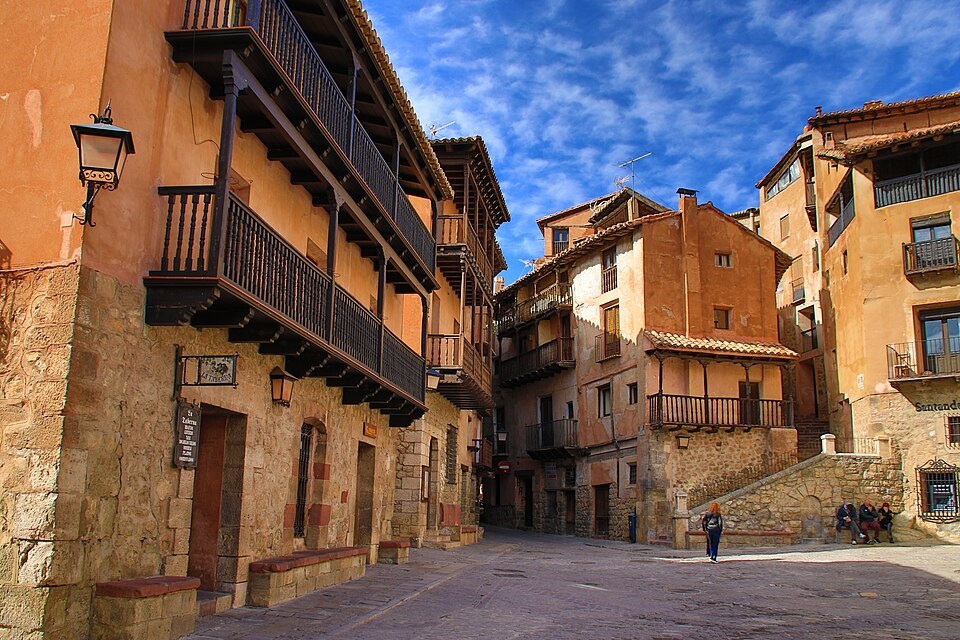
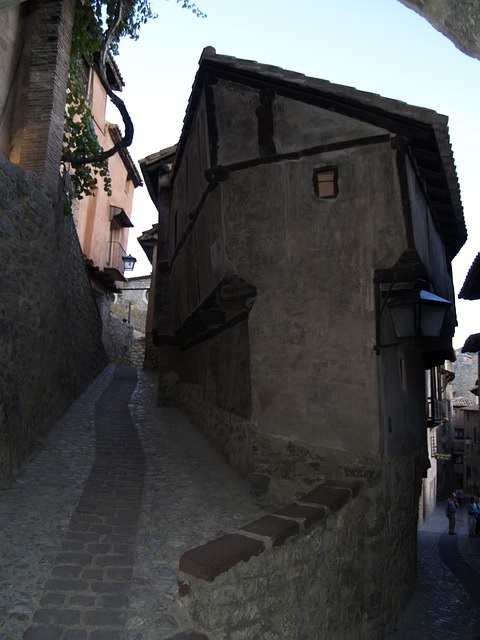
The best way to see Albarracín is to walk slowly through its maze of streets. There, narrow lanes curve around the hillside. Along the way, you pass stone stairs, hidden corners, small plazas and viewpoints. Because the centre is so well preserved, a walk here feels like a step into Spain’s past.
The streets are steep and uneven, so wear comfortable shoes. Also, take your time early in the morning or late in the afternoon. Then the warm colours of the buildings and hills look their best.
Historic Churches and Architecture
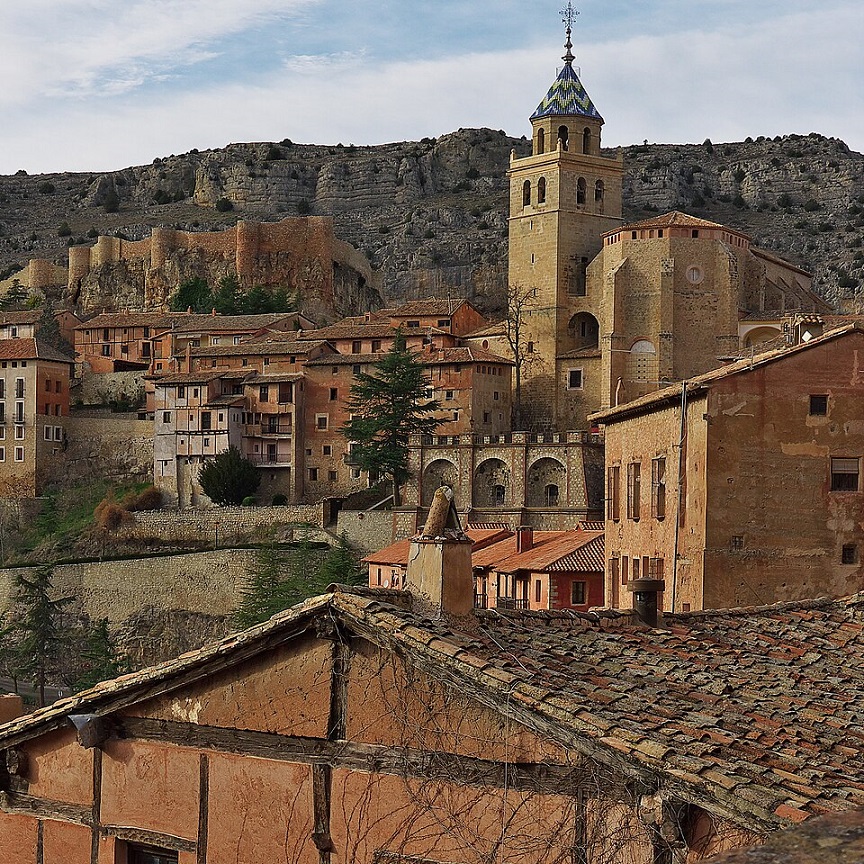
In addition, the town has several historic landmarks, including the Cathedral of El Salvador. Its bell tower also rises above the rooftops. In fact, it is one of the best-known features of the skyline.
All around town, you will also see wooden balconies, pink fronts and buildings shaped to the rugged ground.
Pink Houses of Albarracín Spain
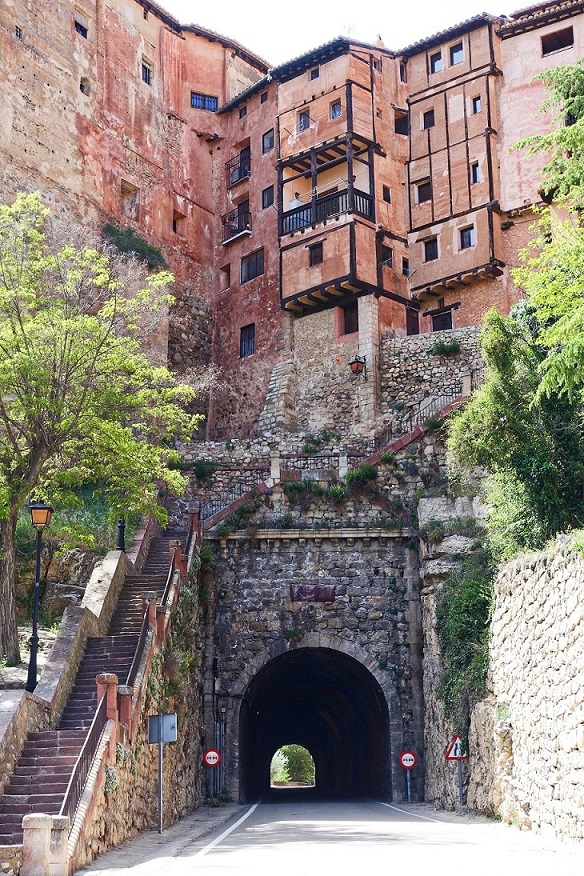
Albarracín is famous for its pink and reddish houses. In fact, the warm colour comes from traditional local materials. Also, many homes have wooden balconies, uneven walls and small windows. Together, these details reflect daily life in a medieval hill town.
The buildings are not perfectly uniform, and that is part of the charm. For example, houses lean into the slopes, and streets follow the natural ground. As a result, the town feels authentic rather than polished.
Defensive Walls and Scenic Hillside Settings
Next, old stone walls climb the ridge above the town. Then you can follow them up toward the Torre del Andador, the highest tower. From there, the views over the rooftops and the river gorge are superb. However, the path is steep, so take it slowly.
A Town with Medieval Roots
Albarracín’s history goes back more than a thousand years. During the Islamic period, it became the capital of a small taifa kingdom. At that time, a Berber family, the Banu Razin, ruled it. In fact, the town’s name is linked to theirs. So, Albarracín was once a political centre, not just a pretty hill town.
After Muslim rule ended, the town passed into Christian hands. Then it became an independent lordship. Later, it joined the Kingdom of Aragón. As a result, its walls, castle remains and churches reflect Islamic, Christian and frontier influences.
Also, Spain’s official tourism site describes it as the former capital of a taifa kingdom. Also, its old quarter is a protected Property of Cultural Interest.
One Historical Fact About Albarracín
Remarkably, Albarracín was once a small independent state. After the Caliphate of Córdoba collapsed in the early 11th century, the Banu Razin family took control of the valley. Then they founded the Taifa of Albarracín, a tiny Islamic kingdom. Even so, it survived for nearly a century.
Above all, its rulers protected the town with strong defences. For example, the Torre del Andador stands on the highest ridge. Also, stone walls follow the line of the cliffs around the town.
Similarly, the town’s next chapter was just as unusual. In the late 12th century, it passed to the Azagra family, Christian nobles from Navarre. Then, for about a century, they ruled it as an independent lordship. Finally, it came under the Crown of Aragón. Today, this layered past still shapes the old quarter.
Best Time to Visit Albarracín Spain
Generally, spring and autumn are the best times to visit. During these seasons, the weather is pleasant for walking the steep streets.
Summer, by contrast, has long days but more visitors. Winter, meanwhile, is quiet and atmospheric.
How to Get to Albarracín Spain
Albarracín is about 40 minutes from Teruel. However, the easiest way to get there is by car. Also, it is about 2.5 hours from Zaragoza and about 3 hours from Valencia.
Once you arrive, explore on foot. However, wear comfortable shoes, because many streets are steep and paved with stone.
Is Albarracín Spain Worth Visiting?
Yes, Albarracín is worth visiting if you love medieval towns, old buildings and photography. After all, its preserved streets, pink houses and setting above the river make it one of Spain’s most memorable towns.
Also, it is perfect if you want a quieter side of Spain beyond Madrid, Barcelona and Seville.
Final Thoughts on Albarracín
Albarracín proves that some of Spain’s best places lie away from the busy routes. Indeed, its medieval streets and hilltop setting feel both authentic and timeless.
If you enjoyed our guide to Monsanto, Portugal, you will also love Albarracín. It is another well-preserved town where history is visible around every corner.
Image Credits
- Panoramic View of Albarracín — Sacerher, CC BY-SA 4.0 via Wikimedia Commons
- Medieval Rooftops of Albarracín — Photo by meipakk via Pixabay
- Medieval Lane in Albarracín — Photo by Vicente Sivera via Pixabay
- Albarracín Cathedral Bell Tower — José Luis Filpo Cabana, CC BY 3.0 via Wikimedia Commons
- Traditional Houses in Albarracín — Photo by Siggy Nowak via Pixabay
- Medieval Street in Albarracín — Fedoce1, CC BY-SA 4.0 via Wikimedia Commons
- Medieval House in Albarracín — Photo by Vicente Sivera via Pixabay
Sources: Spain.info; Fascinating Spain; Albarracín Official Website