Aït Benhaddou rises from the edge of the Moroccan desert like something from a storybook. Indeed, its tall earthen walls, maze of paths and desert setting have amazed travellers for centuries. So, this guide covers the best things to do here, plus how to get there and when to go.
Historically, the village sits on an old caravan route between the Sahara and Marrakech. For centuries, it was an important trading post. Back then, merchants carried gold, salt and spices through here. Today, moreover, it is one of Morocco’s most iconic sights and a UNESCO World Heritage Site.
Meanwhile, desert, palm groves and rugged hills surround the village. As a result, visiting feels like stepping into a world that has barely changed.
Quick Facts About Aït Benhaddou
| Fact | Details |
|---|---|
| Country | Morocco |
| Region | Drâa-Tafilalet |
| Known For | Earthen architecture, fortified village, caravan history |
| UNESCO Status | UNESCO World Heritage Site (1987) |
| Founded | Estimated 11th Century |
| Best Time to Visit | March to May, September to November |
| Time Needed | Half Day to Full Day |
| Continent | Africa |
Where Is Aït Benhaddou?
The village lies in southern Morocco, near the city of Ouarzazate. Specifically, it sits between the Atlas Mountains and the Sahara. Also, it stands on the old caravan route that linked Marrakech with sub-Saharan Africa.
Because of this location, it was a perfect stop for merchants crossing the desert. Caravans rested here before moving on to the big cities and markets.
Today, it is one of Morocco’s most visited cultural sites. In addition, it is a gateway to the country’s desert regions.
Why Visit Aït Benhaddou?
Few places preserve earthen buildings as well as Aït Benhaddou. In fact, the fortified village is called a ksar. Inside its walls, mud-brick houses and towers cluster together.
Over time, its striking look has made it one of Morocco’s most photographed places. Also, it is a popular filming location for movies and TV series. So, walking through it feels like stepping into another era.
For example, you can explore narrow paths, climb to viewpoints and admire old buildings. Along the way, you will learn about its role in trade across the Sahara. As a result, it is one of the most memorable trips in Morocco.
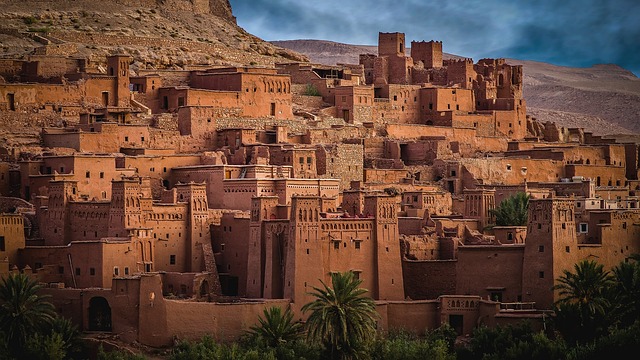
Along the Ancient Roads of Desert Trade
For centuries, Aït Benhaddou held a key spot on the caravan routes across the Sahara. Long before modern roads, merchants travelled by camel. Specifically, they carried goods between sub-Saharan Africa and the Mediterranean.
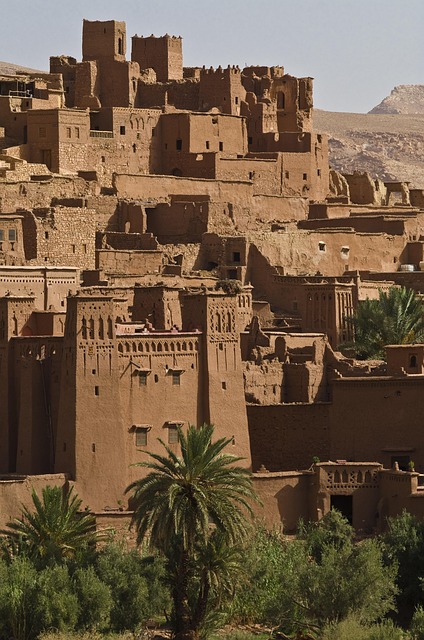
For example, gold, salt, spices and textiles all passed through the region. As a result, the village became an important trading and cultural centre. Here, traders could rest, swap goods and find safety before crossing the desert.
Also, the nearby oasis provided water and food for locals and travellers. Thanks to trade, farming and location, the village thrived despite its remote setting.
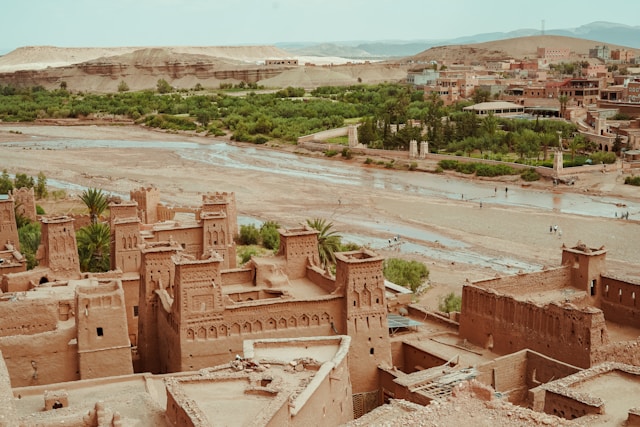
Later, trade routes changed, and the village lost its importance. However, this decline helped preserve it. Of course, many old towns were modernised. The ksar, by contrast, kept its traditional look. So, today it offers a rare glimpse of Morocco’s caravan past.
In short, it reminds us of the trade networks that once linked distant parts of Africa.
The Art of Building with Earth
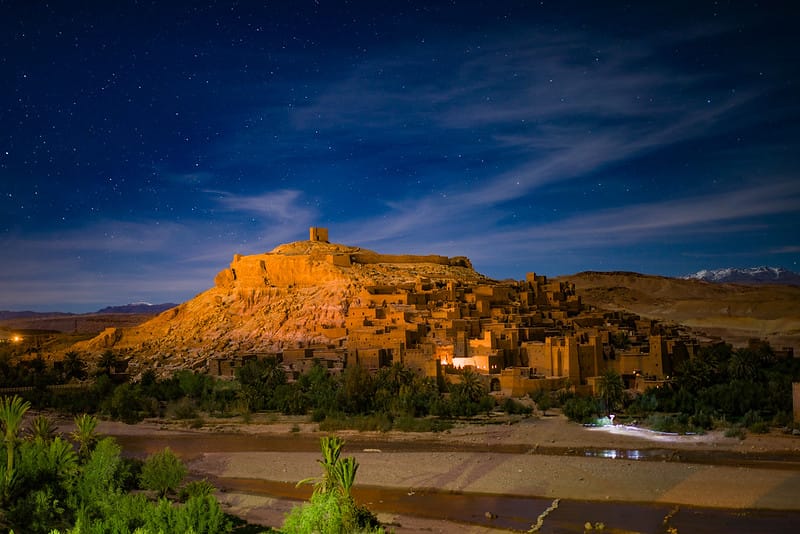
Above all, the architecture is one of the most remarkable things about Aït Benhaddou.
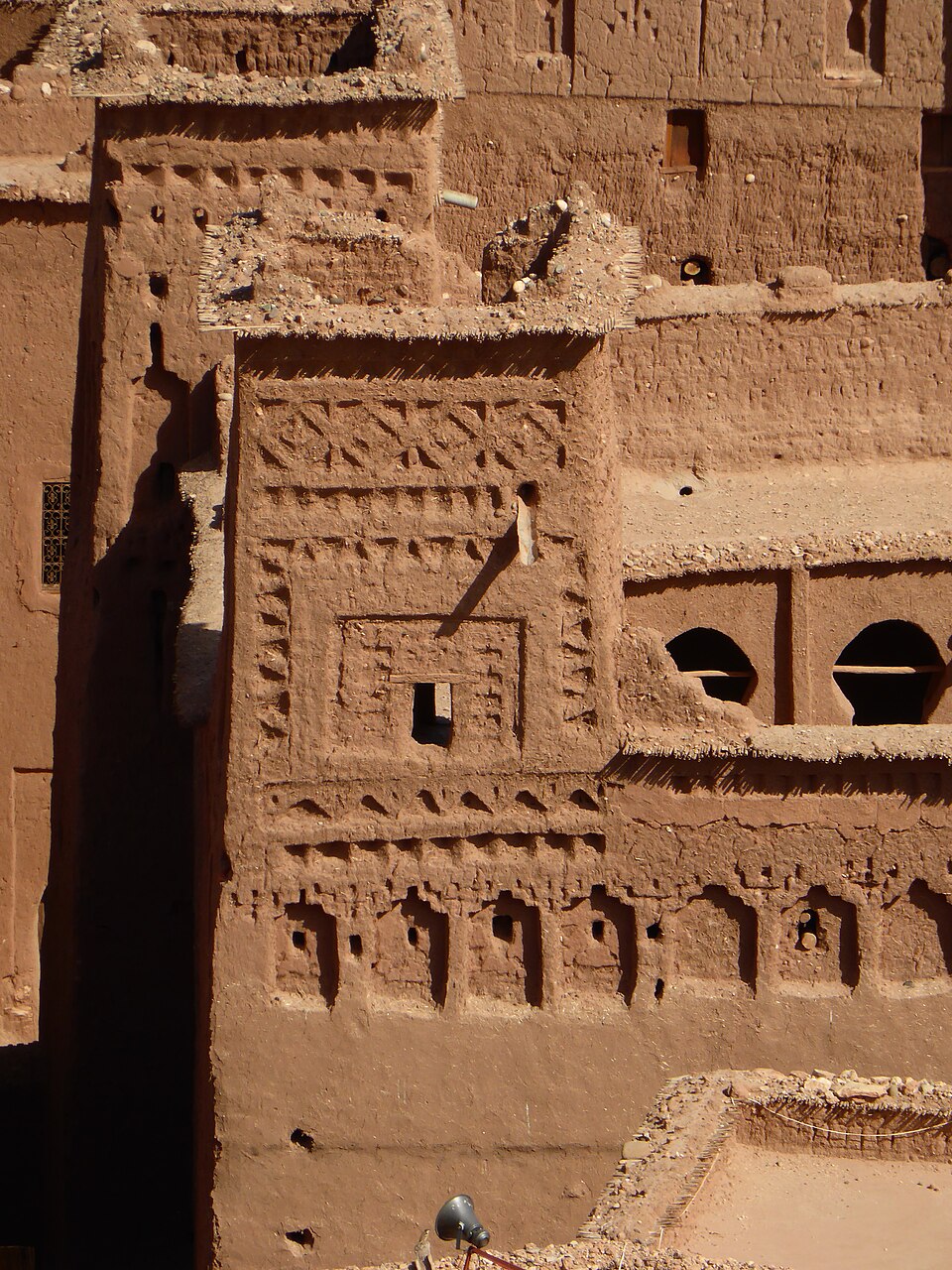
In fact, the buildings are made mostly of mud, straw, wood and local clay. So, they blend into the landscape. Also, the earthen walls keep the rooms cooler in the heat.
Also, defensive towers rise above the village. Meanwhile, geometric patterns decorate many walls and doorways. Together, these details show skills passed down through generations.
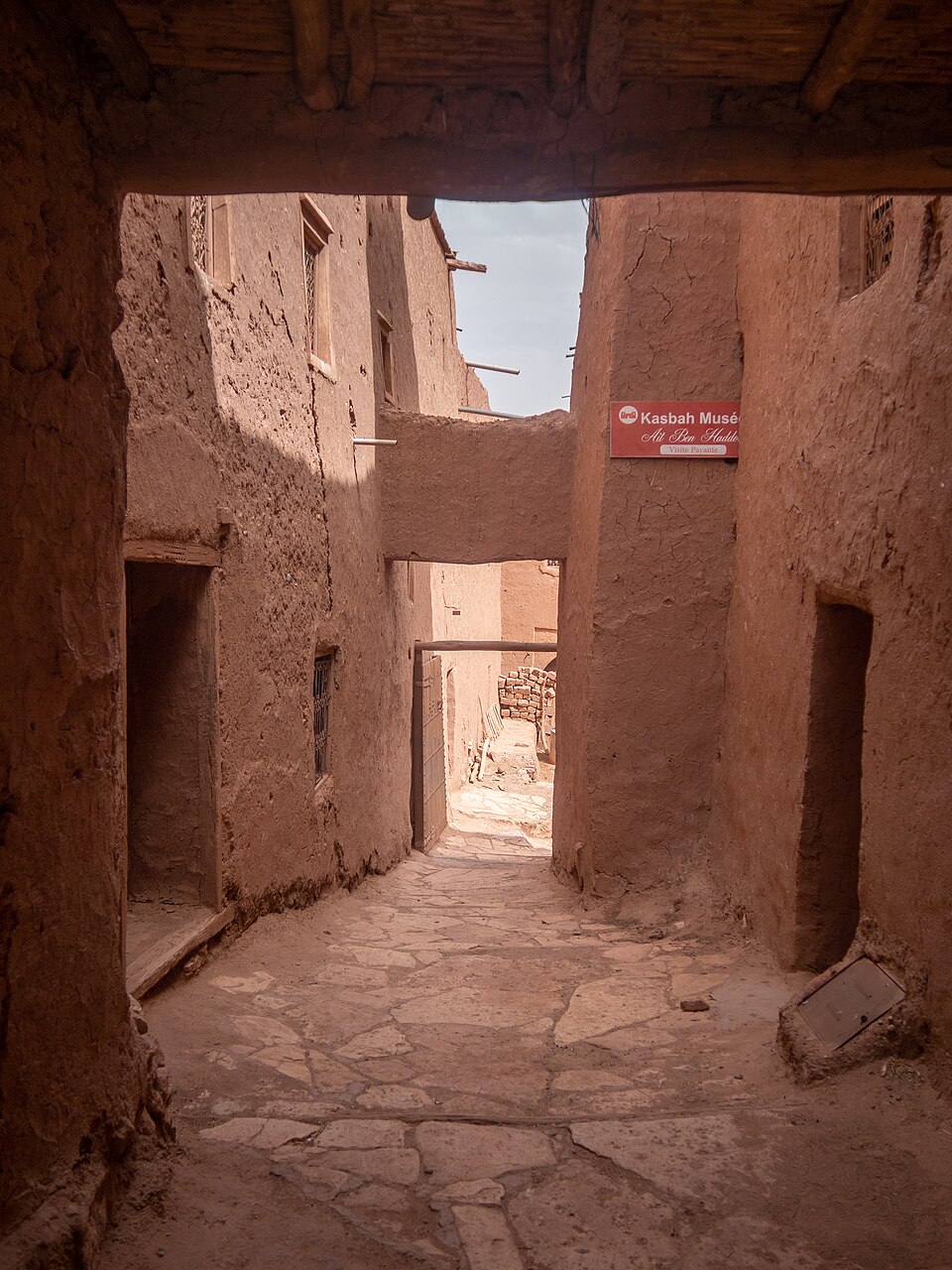
Interestingly, the village changes colour through the day. At sunrise and sunset, the walls glow gold, orange and red. In fact, these are some of the best views in Morocco.
Indeed, these building methods are a key reason the site joined the UNESCO list. Indeed, it is one of the finest examples of earthen architecture in the pre-Saharan region.
Things to Do in Aït Benhaddou: Explore the Ksar
Inside the walls, narrow paths wind between old buildings. As a result, the village feels like a maze waiting to be explored.
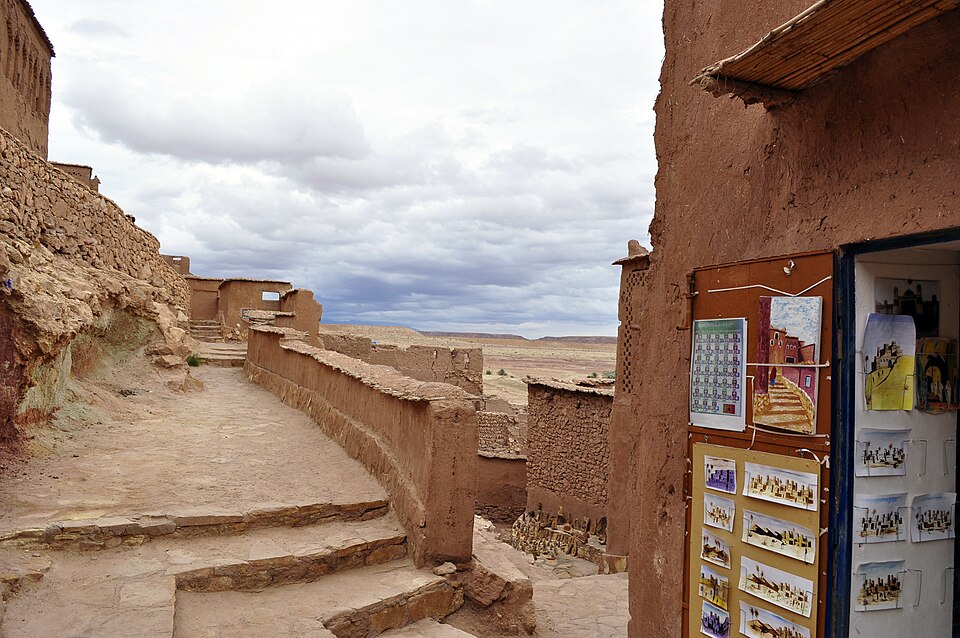
For example, you can wander shady alleys, pass traditional homes and visit small craft shops. Also, every turn reveals a new view.
Originally, the paths were built for people and pack animals, not cars. So, the village feels intimate and human in scale.
Next, climb to the top of the ksar. Then, from there, you get wide views of the valley, the riverbed and the desert. Then it becomes clear why this spot was so important.
In short, a walk here is more than sightseeing. Instead, it connects you with centuries of Moroccan history.
Between the Oasis and the Desert
The setting is a big part of what makes the village so striking.
Meanwhile, the ksar rises above a seasonal riverbed and a palm oasis. So, green palms contrast with dry desert. For centuries, this mix has shaped life here.
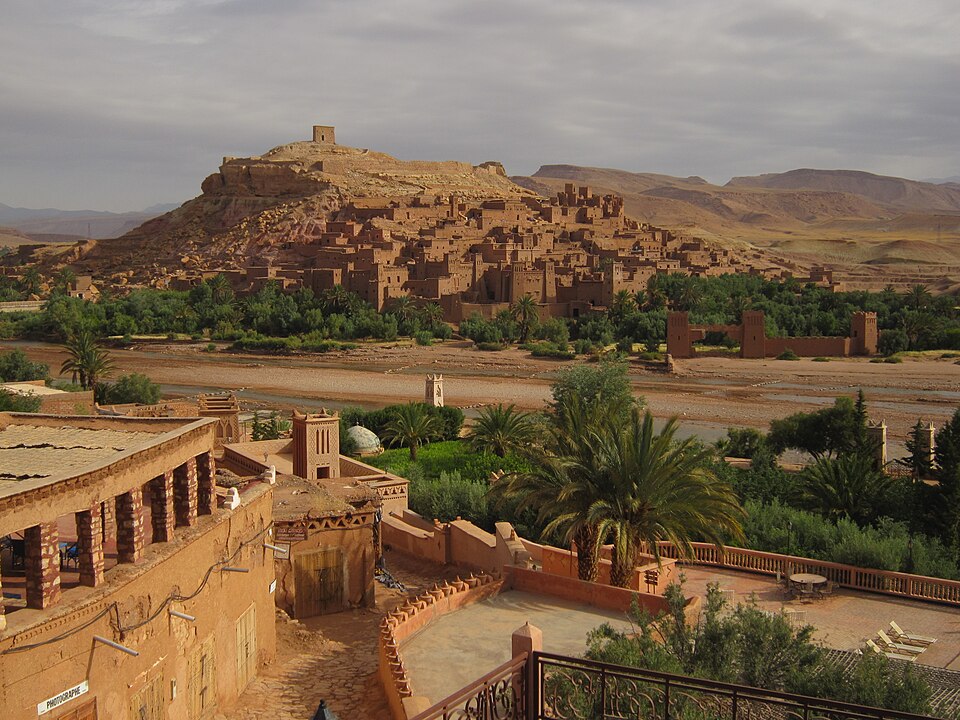
In addition, the palm groves give shade and food. Meanwhile, the hills and desert offer protection and beauty. Together, they show how people adapted to life in southern Morocco.
Today, you can enjoy wide views of the oasis, plains and distant mountains. As a result, the site remains one of Morocco’s most photographed places.
One Historical Fact About Aït Benhaddou
In 1987, Aït Benhaddou became a UNESCO World Heritage Site. Specifically, it was listed as an outstanding example of pre-Saharan earthen architecture. As a result, the village gained protection and international attention.
Best Time to Visit Aït Benhaddou
Generally, spring and autumn are the best times to visit. During these seasons, days are warm but not too hot. Summer, by contrast, can be extremely hot. Winter days are mild and sunny, although nights get cold. Also, visit early in the morning or late in the afternoon for the best light and fewer crowds.
How to Get to Aït Benhaddou
- Ouarzazate to Aït Benhaddou: approximately 30 minutes by car
- Marrakech to Aït Benhaddou: approximately 3.5 to 4 hours by car
- Guided day tours from Marrakech are widely available
- The nearest airport is Ouarzazate Airport (OZZ)
- Many travelers include Aït Benhaddou in larger itineraries through southern Morocco
Is Aït Benhaddou Worth Visiting?
Yes, absolutely.
Overall, Aït Benhaddou blends history, architecture and natural beauty. After all, its UNESCO status, caravan history and desert setting make it one of the most rewarding places in Morocco.
So, whether you love photography, heritage or simply unique landscapes, add it to your itinerary.
Final Thoughts on Aït Benhaddou
Aït Benhaddou is more than an ancient village. Instead, it is a living reminder of Morocco’s long history of trade and travel.
Indeed, from its earthen walls to its oasis setting, every corner tells a story. Together, its beauty, history and scenery create an experience like no other in North Africa.
So, if you want a place that feels timeless and authentic, Aït Benhaddou is one of Morocco’s greatest treasures.
Image Credits
- Panoramic View of Aït Benhaddou Ksar — Image by Walkerssk from Pixabay
- Aït Benhaddou Desert Oasis Landscape — Image by Daniel Wanke from Pixabay
- Aerial View of Aït Benhaddou — Photo by Toa Heftiba on Unsplash
- Aït Benhaddou Fortress at Sunset — flicker, CC BY-SA 4.0, via Wikimedia Commons
- Earthen Pathway Inside Aït Benhaddou — Elena Tatiana Chis, CC BY-SA 4.0, via Wikimedia Commons
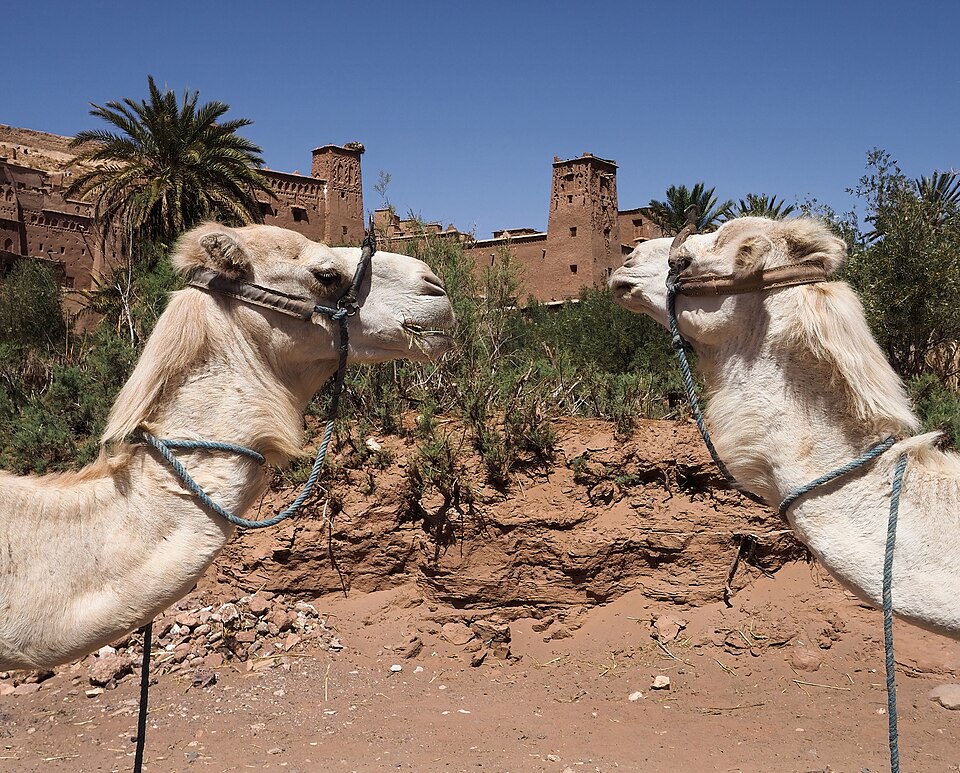
- Camels Near Aït Benhaddou — Petar Milošević, CC BY-SA 4.0, via Wikimedia Commons
- Traditional Ksar Architecture — C messier, CC BY-SA 4.0, via Wikimedia Commons
- Panoramic View of Aït Benhaddou and Oasis — Peter in s, CC BY-SA 4.0, via Wikimedia Commons
- Decorative Earthen Architectural Details — tjabeljan, CC BY 2.0, via Wikimedia Commons


Sources: UNESCO World Heritage Centre; Visit Morocco; Encyclopaedia Britannica; Lonely Planet