Nestled on a small peninsula overlooking the Pacific Ocean, Casco Viejo is one of the most captivating historic districts in Central America. Filled with colorful colonial buildings, centuries-old churches, charming plazas, and sweeping waterfront views, this UNESCO World Heritage Site offers a remarkable journey through Panama’s past.
Often referred to as the Old Quarter of Panama City, Casco Viejo is much more than a collection of historic buildings. It is a living neighborhood where history, culture, architecture, and modern urban life come together. Cobblestone streets lead visitors past restored mansions, hidden courtyards, boutique hotels, rooftop restaurants, and landmarks that have witnessed more than three centuries of change.
Today, Casco Viejo stands as one of Panama’s greatest success stories in historic preservation. Once neglected and deteriorating, the district has been transformed into one of the country’s most vibrant destinations while retaining the architectural beauty and cultural significance that earned its UNESCO designation.
Quick Facts About Casco Viejo
| Fact | Details |
|---|---|
| Country | Panama |
| Region/State/Province | Panamá Province |
| Known For | Colonial Architecture, Historic Churches, UNESCO Heritage |
| UNESCO Status | Historic District of Panama (UNESCO World Heritage Site) |
| Founded | 1673 |
| Best Time to Visit | December to April |
| Time Needed | Half Day to 2 Days |
| Continent | North America (Central America) |
Where Is Casco Viejo?
Casco Viejo is located within Panama City, Panama, on a narrow peninsula extending into the Pacific Ocean. The district sits just southwest of the city’s modern financial center, creating one of the most striking contrasts in Latin America between centuries-old colonial architecture and contemporary skyscrapers.
The location was carefully selected after the destruction of the original Panama City in the seventeenth century. Surrounded by water on several sides and protected by fortifications, the peninsula offered a far more defensible location than the original settlement.
Today, Casco Viejo remains at the heart of Panama City’s cultural identity. Its strategic position provides visitors with easy access to both historic landmarks and modern attractions while offering stunning views of the ocean and skyline.
Why Visit Casco Viejo?
Casco Viejo offers visitors an extraordinary opportunity to experience Panama’s history while enjoying one of the country’s most beautiful urban environments. Every street reveals colorful facades, architectural details, and cultural landmarks that tell the story of a city shaped by trade, empire, conflict, and renewal.
The district’s compact size makes it easy to explore on foot, allowing travelers to discover churches, museums, plazas, monuments, and waterfront viewpoints within a relatively small area. The neighborhood’s walkability encourages visitors to slow down and appreciate details that might otherwise go unnoticed.
Perhaps most importantly, Casco Viejo remains a living community rather than a static museum. Residents, artists, entrepreneurs, and visitors share the same streets, creating an atmosphere that feels both historic and contemporary.
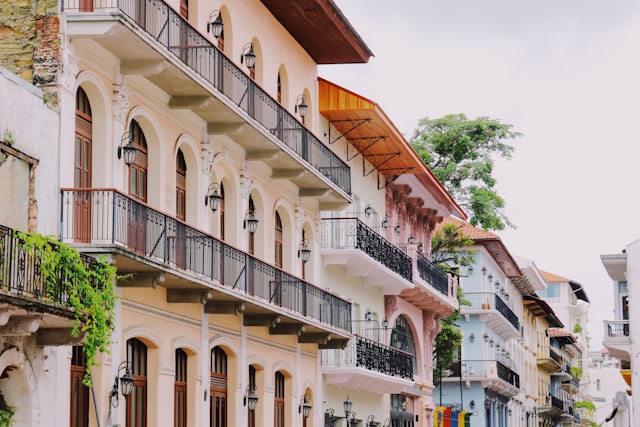
From Pirate Attack to UNESCO Treasure
The story of Casco Viejo begins with one of the most dramatic events in Panama’s colonial history. In 1671, the original Panama City, now known as Panamá Viejo, was attacked and destroyed during a raid led by the infamous privateer Henry Morgan. The attack devastated one of Spain’s most important settlements in the Americas and forced colonial authorities to reconsider the city’s future.
Rather than rebuilding on the same vulnerable site, Spanish officials selected a nearby peninsula that offered stronger natural defenses. Construction of the new city began in 1673, marking the birth of what would eventually become Casco Viejo. Massive walls and fortifications were erected to protect residents from future attacks, while carefully planned streets, churches, and government buildings established the foundation for a prosperous colonial center.
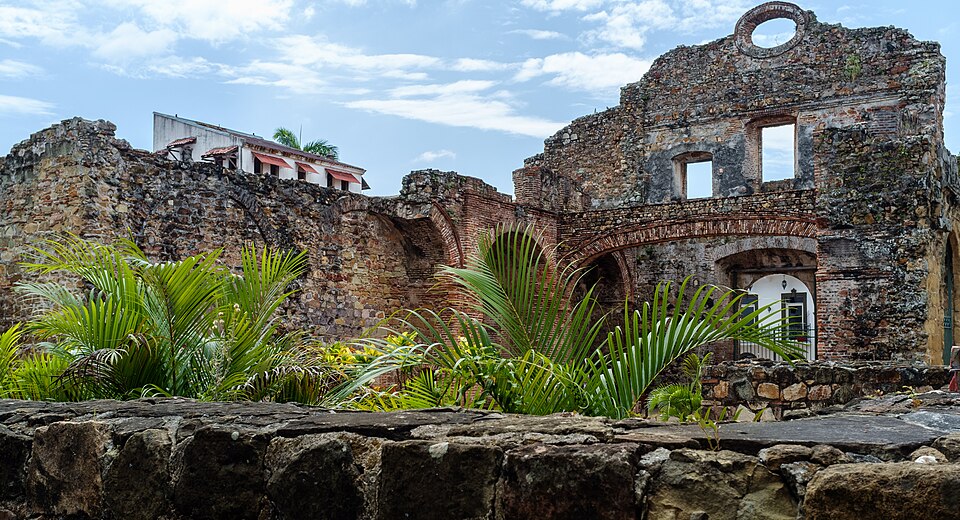
Over the following centuries, Casco Viejo grew into an important administrative, religious, and commercial hub within the Spanish Empire. Merchants, clergy, government officials, and wealthy families contributed to the district’s development, constructing elegant homes and public buildings that reflected both European influences and local traditions.
The neighborhood’s architecture evolved over time, incorporating Spanish colonial styles, French-inspired balconies, and Caribbean influences that together created the unique character visible today. These architectural layers tell the story of a city shaped by diverse cultures, global trade, and centuries of political change.
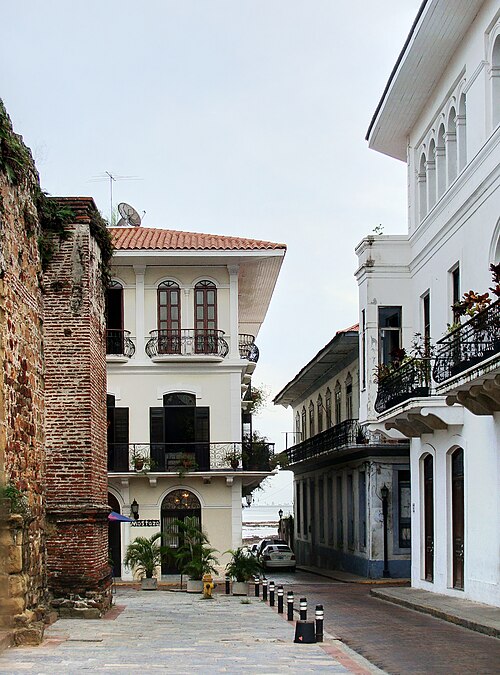
By the twentieth century, however, many of Casco Viejo’s historic buildings had fallen into disrepair. Economic shifts and urban development elsewhere in Panama City led to decades of neglect. Fortunately, restoration efforts beginning in the late twentieth century gradually transformed the district. Historic structures were preserved, public spaces were revitalized, and new businesses brought renewed life to the neighborhood.
These preservation efforts ultimately earned international recognition, helping secure Casco Viejo’s status as a UNESCO World Heritage Site. Today, the district stands as a remarkable example of successful urban restoration and one of the best-preserved colonial quarters in the Americas.
Walking Through Streets of Color and Character
Exploring Casco Viejo on foot is one of the highlights of any visit. The district’s narrow streets are lined with colorful buildings, ornate balconies, decorative facades, and architectural details that reflect centuries of history.
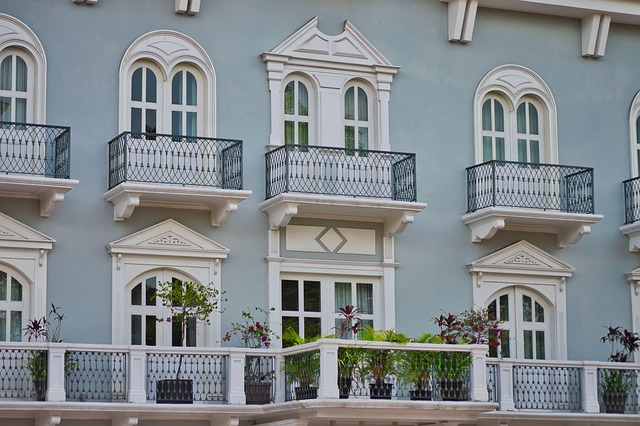
Many structures have undergone careful restoration, preserving original features while adapting interiors for modern uses. Visitors encounter boutique hotels, cafés, art galleries, and residences housed within buildings that may be hundreds of years old. This blend of old and new creates a unique atmosphere that distinguishes Casco Viejo from many historic districts around the world.
The district’s architectural diversity is particularly striking. Spanish colonial foundations coexist with French-inspired ironwork and Caribbean design elements, creating a visually rich urban landscape. Every corner presents new opportunities for photography, whether capturing elegant balconies, weathered stone walls, or colorful facades illuminated by tropical sunlight.
Walking through Casco Viejo also reveals the human scale of colonial urban planning. Streets remain comfortably walkable, encouraging visitors to explore at a leisurely pace while discovering hidden courtyards, small shops, and unexpected viewpoints.
Plazas That Bring History to Life
Public squares have always played an important role in the social and cultural life of Casco Viejo. These open spaces provided venues for religious celebrations, civic events, commercial activity, and daily interaction among residents.
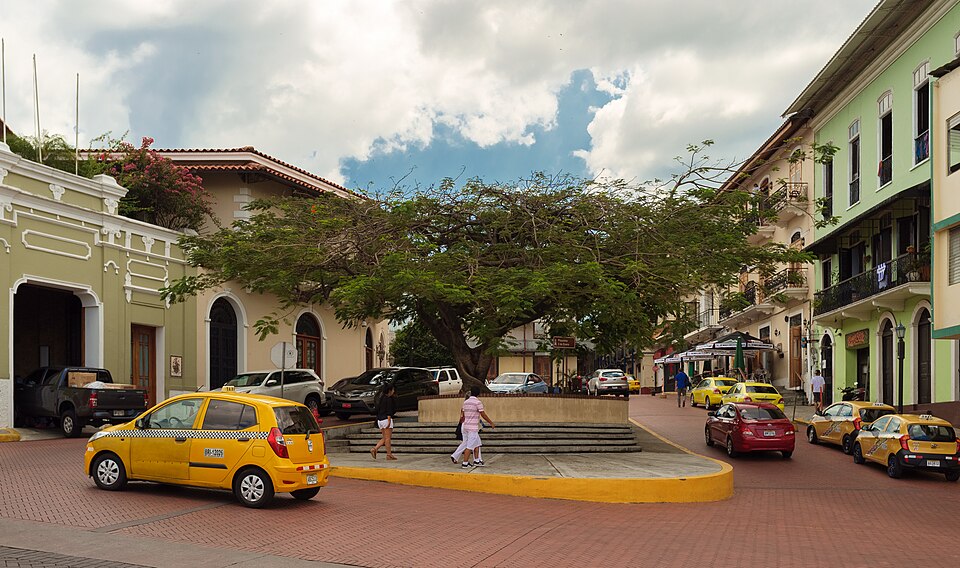
Today, the plazas continue to serve as gathering places where locals and visitors relax beneath shade trees, enjoy outdoor dining, and appreciate the surrounding architecture. Their lively atmosphere reflects the neighborhood’s ongoing role as a center of community life.
Many of Casco Viejo’s most significant buildings overlook these plazas, allowing visitors to appreciate both the architecture and the urban planning that shaped the district. The relationship between public space and surrounding landmarks remains one of the defining characteristics of the neighborhood.
These squares offer excellent opportunities to pause during a walking tour and observe how centuries of history continue to influence daily life in modern Panama City.
Churches, Civic Buildings, and Colonial Grandeur
Among Casco Viejo’s most impressive landmarks are its churches, cathedrals, and civic buildings. These structures demonstrate the importance of religion and government during the colonial period while showcasing remarkable architectural craftsmanship.
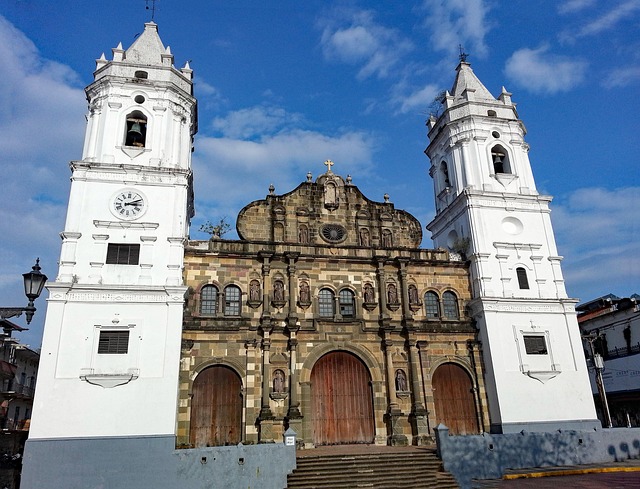
The Metropolitan Cathedral stands among the district’s most recognizable landmarks. Its elegant facade and twin bell towers dominate one of Casco Viejo’s principal plazas and serve as a focal point for visitors exploring the neighborhood. The cathedral reflects centuries of religious history and remains an important symbol of Panama City’s historic center.
Nearby civic buildings reveal another side of Casco Viejo’s heritage. Government offices, administrative structures, and grand public buildings illustrate the district’s role as a center of colonial authority. Their architecture reflects the wealth and importance of Panama during a period when the city served as a crucial link between the Atlantic and Pacific worlds.
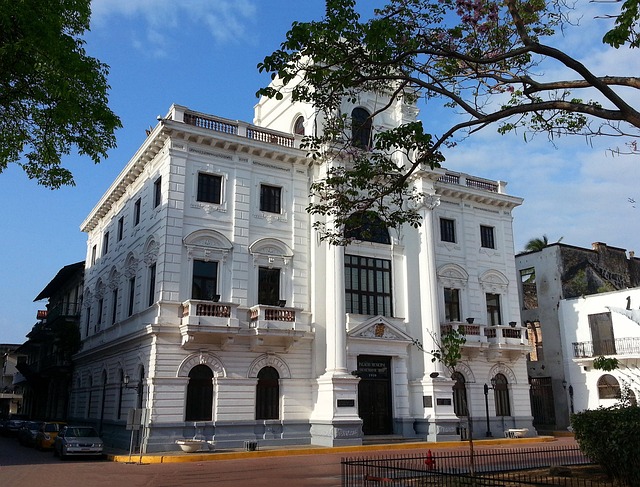
Together, these landmarks help visitors understand how religion, politics, and commerce shaped the development of one of the Spanish Empire’s most important urban centers.
The Waterfront and Historic Fortifications
Casco Viejo’s location beside the Pacific Ocean contributes significantly to its appeal. Walking along the district’s waterfront reveals beautiful views of the sea, nearby islands, and Panama City’s modern skyline.
The coastline also preserves traces of the defensive systems that once protected the city from attack. Stone walls and fortifications remind visitors of the constant threats faced by colonial settlements and the strategic importance of Panama within global trade networks.
These historic defenses represent an important chapter in the district’s history, illustrating why Spanish authorities selected the peninsula as the site for rebuilding after the destruction of the original city.
The combination of historic architecture, ocean views, and dramatic skyline perspectives creates some of the most memorable scenery in Panama City.
Top Things to Do in Casco Viejo
- Explore the colorful colonial streets
- Visit the Metropolitan Cathedral
- Discover historic plazas and public squares
- Photograph architectural details and balconies
- Learn about Panama’s colonial history
- Walk along the waterfront
- Visit museums and cultural centers
- Enjoy local cafés and restaurants
- Watch the sunset over the Pacific Ocean
Best Time to Visit
The best time to visit Casco Viejo is during Panama’s dry season, which generally runs from December through April. Sunny weather makes it ideal for exploring the district’s streets, plazas, and waterfront areas.
Morning and late afternoon are particularly pleasant times to walk through the neighborhood. These hours provide cooler temperatures and beautiful lighting for photography while avoiding the strongest midday heat.
Evening visits can also be rewarding, as many buildings become beautifully illuminated and the district’s restaurants, bars, and cultural venues come to life.
How to Get There
By Air
The nearest airport is Tocumen International Airport (PTY), located approximately 30 to 40 minutes from Casco Viejo.
By Taxi or Ride Share
Taxis and ride-sharing services provide convenient transportation directly to the historic district from most areas of Panama City.
By Public Transportation
Panama City’s bus and metro systems offer affordable access to locations near Casco Viejo, making the district easy to reach without a private vehicle.
One Historical Fact
Casco Viejo was founded in 1673 after the destruction of the original Panama City by the privateer Henry Morgan. The district’s fortified location was specifically chosen to help prevent future pirate attacks.
Is Casco Viejo Worth Visiting?
Absolutely.
Casco Viejo offers one of the finest historic urban experiences in Central America. Its combination of colonial architecture, UNESCO-listed heritage, cultural attractions, and vibrant atmosphere creates a destination that appeals to history enthusiasts, photographers, architecture lovers, and casual travelers alike.
The district’s compact size allows visitors to experience a tremendous amount within a relatively short period, while its depth of history rewards those who choose to explore more thoroughly. Few places in Panama provide such a compelling blend of historical significance and modern energy.
For anyone visiting Panama City, Casco Viejo is not simply worth visiting—it is essential.
Final Thoughts
Casco Viejo stands as a testament to Panama’s resilience, history, and cultural richness. From its origins as a fortified colonial settlement to its transformation into a UNESCO-recognized heritage district, the neighborhood has continually adapted while preserving the elements that make it special.
Today, visitors can walk the same streets that merchants, soldiers, clergy, and residents traversed centuries ago while enjoying the comforts and attractions of a thriving modern district. Every plaza, church, balcony, and stone wall contributes to a story that continues to unfold.
Whether you spend a few hours exploring its streets or several days immersing yourself in its history and culture, Casco Viejo offers an unforgettable glimpse into the heart of Panama.
Image Credits
- Colorful Colonial Balconies of Casco Viejo — Photo by Kaori Hirakata on Unsplash
- Historic Street Beside the Old City Walls — Melpanama, Public domain, via Wikimedia Commons
- Ornate Colonial Balconies and Architectural Details — Image by Manuel de la Fuente from Pixabay
- Historic Plaza Surrounded by Colonial Buildings — Felipe Valduga, CC BY 2.0, via Wikimedia Commons
- Grand Municipal Building in Casco Viejo — Image by lapping from Pixabay
- Metropolitan Cathedral of Casco Viejo — Image by lapping from Pixabay
- Colonial Ruins in Panama City’s Historic Quarter — Felipe Valduga, CC BY 2.0, via Wikimedia Commons


Sources: UNESCO World Heritage Centre; Visit Panama; Encyclopaedia Britannica