Guanajuato, Mexico: The Colorful Hill City Filled with History and Charm

Nestled among the hills of central Mexico, Guanajuato is a city unlike any other. Colorful houses cascade down steep hillsides, narrow alleyways wind through historic neighborhoods, and centuries-old churches rise above bustling plazas.

A UNESCO World Heritage Site, Guanajuato combines colonial architecture, vibrant culture, and a rich mining history to create one of Mexico’s most captivating destinations. Whether you’re exploring hidden alleyways or admiring panoramic city views, Guanajuato offers an unforgettable experience at every turn.

Guanajuato at a Glance

CountryMexico
StateGuanajuato
Known ForColorful architecture, colonial history, and hillside views
Best Time to VisitOctober to April
Time Needed1–2 days
ElevationApproximately 2,000 m (6,560 ft)
UNESCO StatusHistoric Town of Guanajuato and Adjacent Mines

Where Is Guanajuato?

Guanajuato is located in central Mexico, approximately 360 kilometers northwest of Mexico City. Surrounded by hills and valleys, the city developed as one of the country’s most important silver mining centers during the colonial era.

[googlemaps https://www.google.com/maps/embed?pb=!1m18!1m12!1m3!1d4490317.461149889!2d-103.89043894200871!3d22.451808987934612!2m3!1f0!2f0!3f0!3m2!1i1024!2i768!4f13.1!3m3!1m2!1s0x842b73f58b0cf1eb%3A0x25f4b0d165571e74!2sGuanajuato%2C%20Mexico!5e0!3m2!1sen!2sph!4v1780930411238!5m2!1sen!2sph&w=600&h=450]
Map showing the location of Guanajuato in central Mexico.

Why Visit Guanajuato?

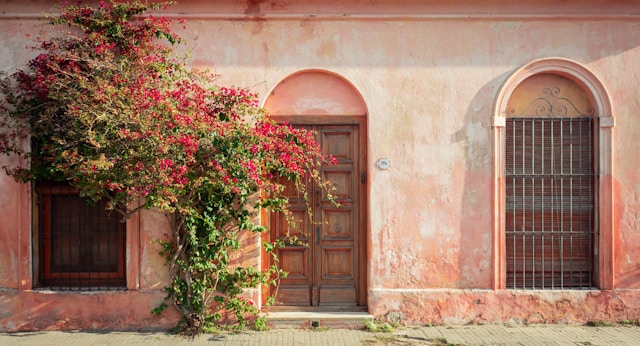
Sunlit colonial buildings in Guanajuato Mexico
Warm colors and historic architecture give Guanajuato its distinctive character.

Guanajuato is one of Mexico’s most visually striking cities. Its colorful buildings, steep streets, and dramatic hillside setting create a landscape unlike any other destination in the country.

The city’s blend of history, architecture, culture, and local traditions makes it appealing to travelers seeking both beauty and authenticity.

Wander Through Historic Streets and Hidden Corners

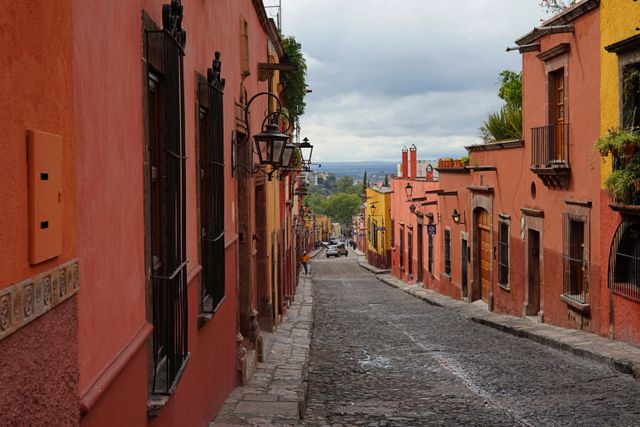
Historic street lined with colorful buildings in Guanajuato Mexico
Exploring Guanajuato’s winding streets is one of the city’s greatest pleasures.

One of the best ways to experience Guanajuato is by walking through its colorful historic center. The city is filled with narrow lanes, stairways, small plazas, tunnels, and hillside viewpoints that make it feel different from many other colonial cities in Mexico. Instead of following a simple grid layout, Guanajuato’s streets curve around the rugged terrain, creating a maze-like atmosphere full of surprises.

As you explore, you will find bright houses stacked along the hillsides, quiet alleys tucked behind busier streets, and lively plazas where music, food, and local life come together. This mix of color, movement, and history gives Guanajuato its unforgettable character. It is a city that rewards slow wandering, especially for travelers who enjoy discovering details on foot.

Landmarks and Architecture

The University of Guanajuato is among the city’s most recognizable landmarks. Its impressive staircase and historic architecture have become symbols of Guanajuato and are frequently featured in photographs of the city.

Throughout Guanajuato, visitors will encounter elegant churches, colonial-era mansions, and public squares that reflect centuries of architectural heritage.

University of Guanajuato overlooking the city
The University of Guanajuato is one of the city’s most recognizable landmarks.

Guanajuato is famous for its maze-like network of alleys known as callejones. These narrow passageways connect neighborhoods, plazas, and viewpoints while offering a glimpse into everyday life in the city.

Exploring these hidden corners often leads to unexpected discoveries, from small cafés and local shops to beautiful viewpoints overlooking the city.

Local Culture and Daily Life

Guanajuato is not only a historic city; it is also a lively place where everyday life unfolds in its plazas, markets, theaters, and narrow streets. The city has a strong cultural identity, shaped by its university community, artistic traditions, and public spaces where locals and visitors naturally gather. Around the historic center, you may hear street musicians, see students walking between classes, or find families spending time in shaded plazas.

The city is especially known for its performing arts and festive atmosphere. Guanajuato hosts the famous International Cervantino Festival, one of Latin America’s major cultural events, which brings theater, music, dance, and art performances to the city. Even outside festival season, the historic center often feels animated, with small cafés, local restaurants, colorful markets, and evening strolls adding to its charm.

Daily life in Guanajuato is also closely tied to its walkable layout. Because many streets are narrow, steep, or connected by stairways and alleys, the city encourages slow exploration on foot. This makes Guanajuato feel personal and lived-in, not just preserved for visitors. Its mix of history, creativity, student energy, and local traditions helps make it one of Mexico’s most memorable cultural cities.

A City Shaped by Silver and Independence

Guanajuato’s history is deeply connected to silver mining. Founded during the Spanish colonial period, the city grew into one of the most important silver-producing centers in the world. By the 18th century, its mines helped bring great wealth to the region, shaping the city’s churches, mansions, public buildings, and dramatic hillside layout.

One of the most famous mines was La Valenciana, which became known for its extraordinary silver production. The wealth from Guanajuato’s mines helped fund ornate Baroque and neoclassical architecture, including churches and civic buildings that still define the historic center today. The city’s unusual tunnels, steep streets, and hillside neighborhoods also reflect how Guanajuato developed around its mining landscape rather than around a flat, planned grid.

Church of San Francisco in Guanajuato Mexico
Historic churches add to Guanajuato’s architectural beauty.

Guanajuato also played a major role in the Mexican War of Independence. In 1810, the Alhóndiga de Granaditas became the site of one of the early and most symbolic battles of the independence movement. According to popular tradition, a miner named Juan José de los Reyes Martínez, better known as El Pípila, helped the insurgents by carrying a stone slab on his back for protection as he approached the heavily defended building. He is said to have set fire to the wooden door, allowing the rebels to enter and turning the battle into one of the most remembered moments of Mexico’s independence story.

Today, El Pípila is honored by a large monument overlooking Guanajuato from the hillside above the city. The viewpoint is popular not only for its panoramic views, but also because it connects visitors to the city’s role in Mexico’s national history. Together, the silver mines, colonial architecture, Alhóndiga de Granaditas, and El Pípila legend make Guanajuato one of Mexico’s most historically important and visually unforgettable cities.

Colorful Hillsides, Plazas, and City Views

Mercado Hidalgo market building in Guanajuato Mexico
Mercado Hidalgo remains an important cultural and commercial center.

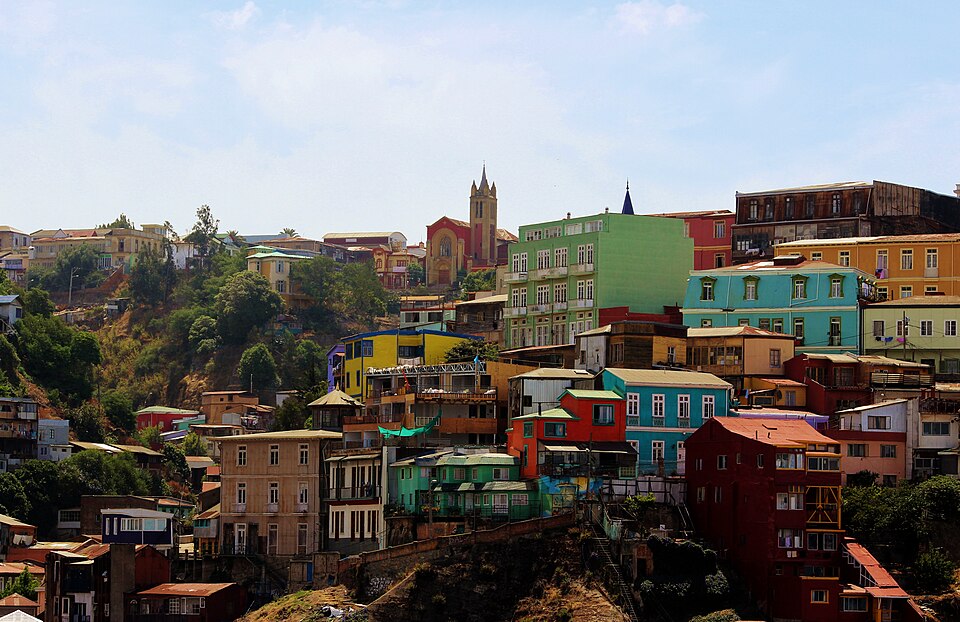
Guanajuato is famous for its colorful houses rising across the hillsides. From viewpoints above the city, the rooftops and facades create one of Mexico’s most recognizable urban landscapes. The colors are not just decorative; they help give the city its lively personality and make every viewpoint feel different depending on the light and time of day.

The city’s plazas also add to its charm. Places like Jardín de la Unión and the areas around historic theaters, churches, and markets are great for experiencing Guanajuato’s local atmosphere. Between the hillside views, colonial buildings, and everyday street life, Guanajuato feels both historic and energetic.

Tunnels, Alleys, and Local Legends

Narrow alleyway in Guanajuato's historic center
Guanajuato’s network of alleys encourages visitors to explore on foot.

Guanajuato’s tunnels are one of the most unusual features of the city. Some were connected to flood-control works and later became part of the city’s road system, creating an underground layer that adds to Guanajuato’s distinctive layout. Walking above them, visitors experience a historic center filled with bridges, slopes, and unexpected turns.

The city is also known for its romantic and mysterious local stories, especially around the Callejón del Beso, or Alley of the Kiss. This narrow alley is one of Guanajuato’s most visited spots and adds a legendary, human side to the city’s historic streets. Together, the tunnels, alleys, and legends make Guanajuato feel like a city built in layers.

Scenic Views Across the Hills

Panoramic view of Guanajuato surrounded by hills
The city is nestled among hills and valleys in central Mexico.

Guanajuato’s location among steep hills provides countless opportunities for panoramic views. From elevated viewpoints, visitors can admire colorful buildings stretching across the landscape, church domes rising above the skyline, and the surrounding mountains that frame the city.

These views are especially beautiful during sunrise and sunset when warm light enhances the city’s vibrant colors.

Best Time to Visit Guanajuato

The best time to visit Guanajuato is between October and April when temperatures are generally comfortable and rainfall is lower. October is particularly popular due to the internationally renowned Festival Internacional Cervantino, one of Latin America’s most important cultural events.

Spring and winter also offer pleasant weather for exploring the city’s steep streets and outdoor attractions.

How to Get to Guanajuato

Guanajuato is served by Del Bajío International Airport, located approximately 30 minutes from the city center. Visitors can also reach Guanajuato by bus from major Mexican cities including Mexico City, Guadalajara, and Querétaro.

Once in the city, most attractions are best explored on foot. Comfortable walking shoes are recommended due to the steep streets, staircases, and uneven surfaces found throughout the historic center.

Is Guanajuato Worth Visiting?

Guanajuato is worth visiting for travelers who enjoy colorful architecture, rich history, vibrant culture, and unique urban landscapes. Its combination of colonial charm, mining heritage, and scenic beauty makes it one of Mexico’s most rewarding destinations.

Whether you’re interested in history, photography, architecture, or simply wandering through beautiful streets, Guanajuato offers an experience that is both memorable and distinctly Mexican.

Final Thoughts

Guanajuato is a city that rewards curiosity. Its colorful hillsides, hidden alleys, historic landmarks, and lively culture create an atmosphere that encourages visitors to slow down and explore.

Travelers who enjoy colorful hillside destinations may also appreciate Jiufen, Taiwan, a lantern-lit mountain town known for its historic streets, tea houses, and unforgettable atmosphere.

Image Credits

Scroll to Top