Nestled between the mighty Mekong River and the tranquil Nam Khan River, Luang Prabang Laos is one of Southeast Asia’s most captivating destinations. This UNESCO World Heritage city is renowned for its golden temples, centuries-old Buddhist traditions, elegant French colonial architecture, and breathtaking natural scenery. Despite growing tourism throughout the region, Luang Prabang has managed to preserve its unique identity, offering visitors an authentic glimpse into the cultural heart of Laos.
Walking through the city feels like stepping into a living museum. Monks in saffron robes quietly move through historic streets at dawn, temple bells echo across the riverbanks, and beautifully preserved buildings tell the story of a city shaped by both royal heritage and colonial influence. Combined with nearby waterfalls, mountain viewpoints, and vibrant local markets, Luang Prabang offers an experience unlike any other in Southeast Asia.
Quick Facts About Luang Prabang Laos
| Country | Laos |
| Province | Luang Prabang Province |
| Known For | Buddhist temples, UNESCO heritage, waterfalls, and French colonial architecture |
| UNESCO Status | UNESCO World Heritage Site (1995) |
| Founded | Ancient settlement and former royal capital |
| Best Time to Visit | November to February |
| Time Needed | 2–4 days |
| Continent | Asia |
Where Is Luang Prabang Laos?
Luang Prabang is located in northern Laos at the meeting point of the Mekong and Nam Khan Rivers. Surrounded by forested mountains and rolling hills, the city occupies a strategic location that contributed to its rise as the political, cultural, and religious center of the ancient Lan Xang Kingdom.
Today, Luang Prabang remains one of the country’s most important destinations. Travelers can reach the city by air, train, bus, or river cruise, making it one of the most accessible places in Laos while still retaining its peaceful atmosphere and traditional character.
Why Visit Luang Prabang Laos?
Luang Prabang offers an extraordinary combination of culture, spirituality, history, and natural beauty. Few destinations in Southeast Asia allow visitors to explore centuries-old temples in the morning, swim beneath turquoise waterfalls in the afternoon, and watch the sunset over the Mekong River in the evening.
The city is also known for its relaxed pace of life. Rather than rushing between attractions, visitors are encouraged to slow down, wander through historic neighborhoods, visit local markets, and immerse themselves in the traditions that continue to define daily life. Whether you’re interested in architecture, photography, history, food, or nature, Luang Prabang provides an unforgettable travel experience.
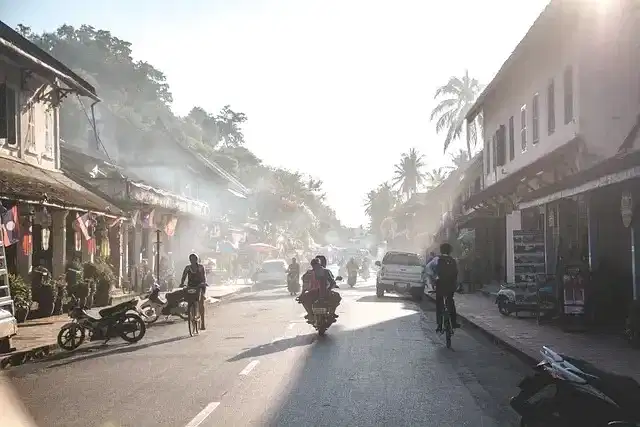
The Royal Capital of the Kingdom of a Million Elephants
Long before modern Laos existed, Luang Prabang served as the royal capital of the Lan Xang Kingdom, one of Southeast Asia’s most influential historical states. Founded during the 14th century by King Fa Ngum, the kingdom became known as the “Land of a Million Elephants” and played a major role in shaping Lao culture, religion, and national identity.
As the royal capital, Luang Prabang attracted monks, scholars, artisans, and merchants from across the region. Magnificent temples were constructed throughout the city, many of which remain standing today. These sacred structures not only served religious purposes but also acted as centers of education and community life.
During the late nineteenth century, Laos became part of French Indochina. Rather than replacing the city’s traditional architecture, French influences blended with local styles to create the unique appearance that defines Luang Prabang today. Colonial villas, administrative buildings, and residences were built alongside temples and traditional wooden homes, creating a harmonious architectural landscape rarely found elsewhere.
Unlike many historic cities that underwent extensive modernization during the twentieth century, Luang Prabang preserved much of its original character. This remarkable level of preservation ultimately led UNESCO to designate the city as a World Heritage Site in 1995. Today, visitors can still experience a city where royal history, Buddhist traditions, and colonial influences coexist within a remarkably intact urban environment.
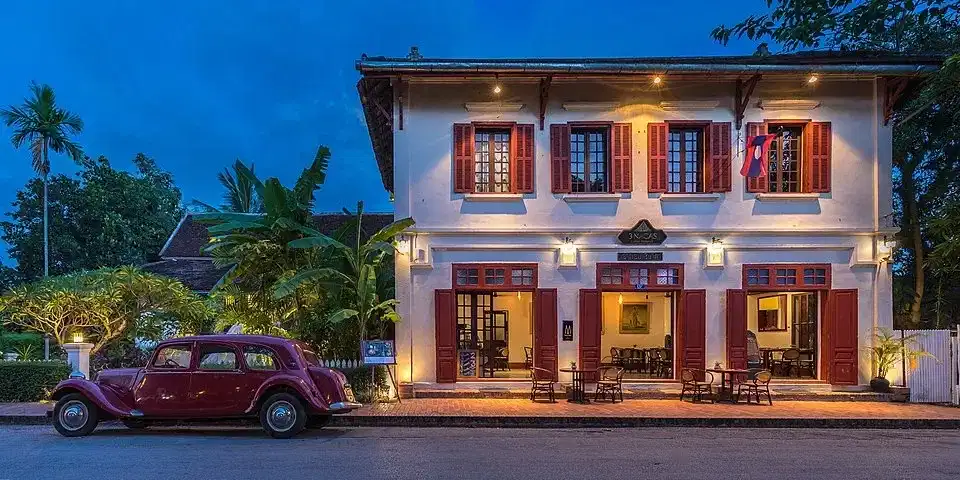
Suggested Image #15: Vintage Citroën at the 3 Nagas Hotel
Temples, Monks, and Sacred Traditions
Wat Xieng Thong: The Jewel of Lao Architecture
Among Luang Prabang’s many temples, Wat Xieng Thong stands as the city’s most celebrated religious monument. Constructed in the sixteenth century, the temple is widely regarded as one of the finest examples of traditional Lao architecture. Its sweeping rooflines, intricate mosaics, and richly decorated interiors showcase centuries of artistic and religious craftsmanship.
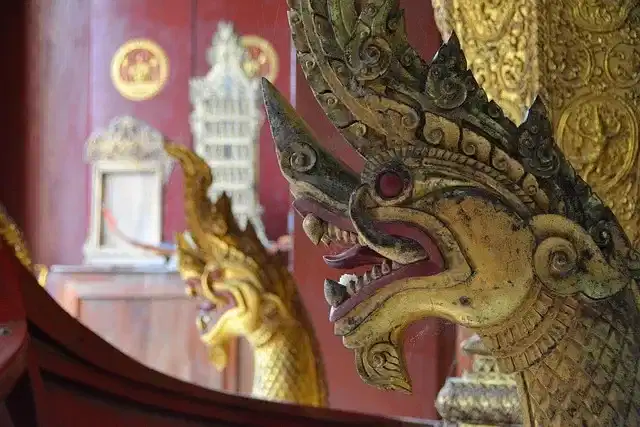
The temple complex contains multiple structures, each featuring elaborate carvings, gilded decorations, and symbolic imagery that reflect Buddhist beliefs. Visitors often consider Wat Xieng Thong the architectural highlight of their time in Luang Prabang.
The Daily Tak Bat Ceremony
One of Luang Prabang’s most iconic traditions is the daily Tak Bat almsgiving ceremony. Before sunrise, hundreds of monks walk silently through the streets collecting offerings of sticky rice and food from local residents. This ritual has been practiced for generations and remains an important expression of faith and community.
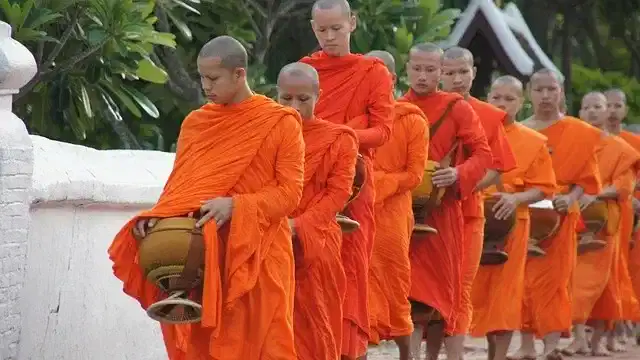
Witnessing Tak Bat offers visitors a unique opportunity to observe a living spiritual tradition. However, respectful observation is essential, as the ceremony remains a sacred practice rather than a tourist attraction.
Buddhist Life in Modern Luang Prabang
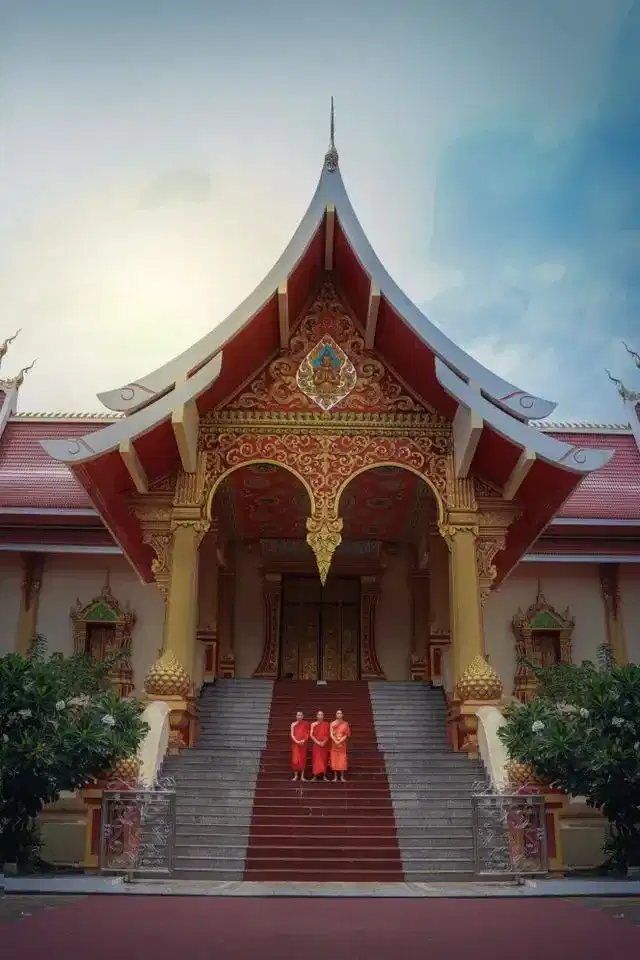
Buddhism continues to shape daily life throughout the city. Monasteries serve as centers of worship, education, and community engagement, while novice monks can often be seen studying, praying, and participating in temple activities.
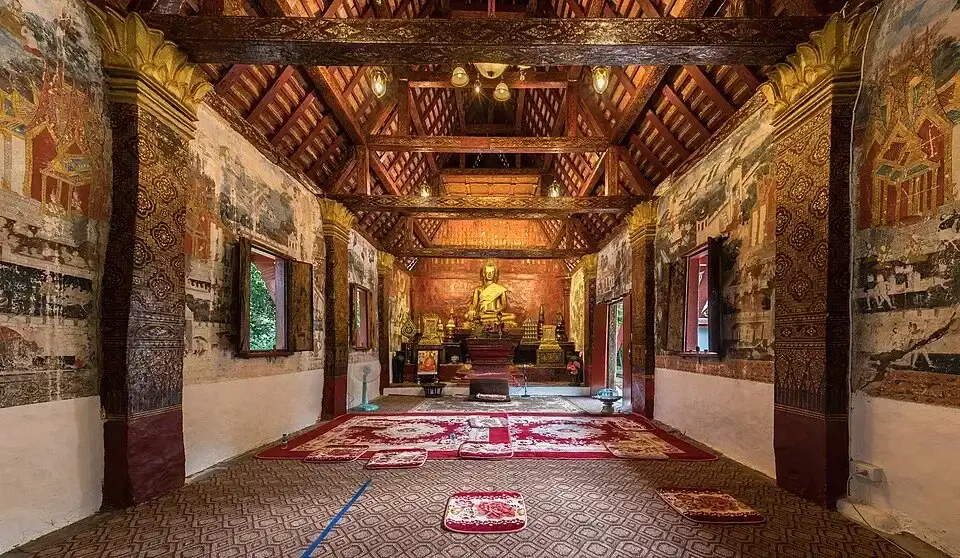
The presence of these traditions gives Luang Prabang a distinctive atmosphere. Even as tourism grows, the city’s spiritual identity remains at the heart of everyday life, creating an experience that feels authentic and deeply connected to its cultural roots.
Kuang Si Falls and the Natural Beauty of Northern Laos
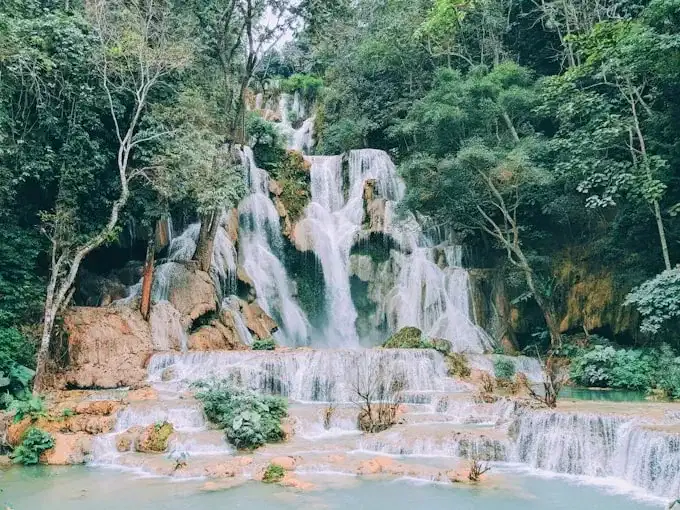
While Luang Prabang is best known for its temples and cultural heritage, the surrounding landscapes are equally impressive. Just outside the city lies Kuang Si Falls, one of the most famous natural attractions in Laos and a destination that consistently ranks among the country’s most beautiful sights.
Turquoise Pools Hidden in the Forest
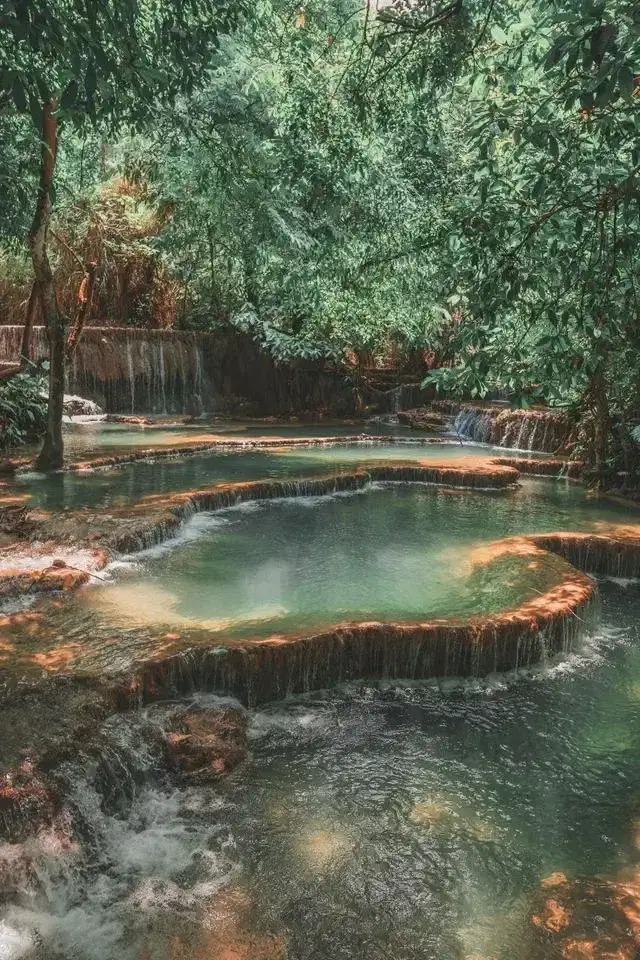
Kuang Si Falls is renowned for its vibrant turquoise pools created by mineral-rich water flowing over limestone formations. Surrounded by dense tropical forest, the cascading waterfalls create a landscape that appears almost unreal in its beauty. Visitors can follow walking trails through the reserve, stopping at various viewpoints and swimming areas along the way.
The lower pools are particularly popular due to their crystal-clear water and peaceful atmosphere. Many travelers spend hours exploring the different terraces and enjoying the refreshing natural pools beneath the forest canopy.
Limestone Terraces and Cascading Waterfalls
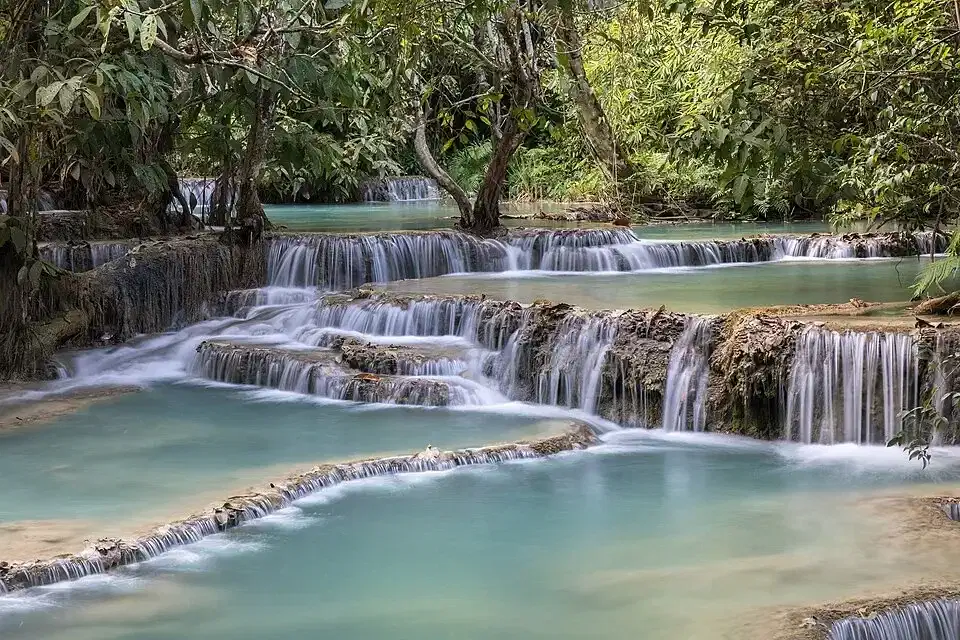
Unlike a single-drop waterfall, Kuang Si Falls consists of multiple levels connected by limestone terraces. Water flows gently from one pool to the next before descending into larger cascades below. This unique formation creates countless opportunities for photography while showcasing the geological processes that have shaped the region over thousands of years.
The combination of tropical vegetation, emerald-colored water, and limestone formations makes Kuang Si Falls one of Southeast Asia’s most photogenic natural attractions.
Rivers, Mountains, and Sunset Views
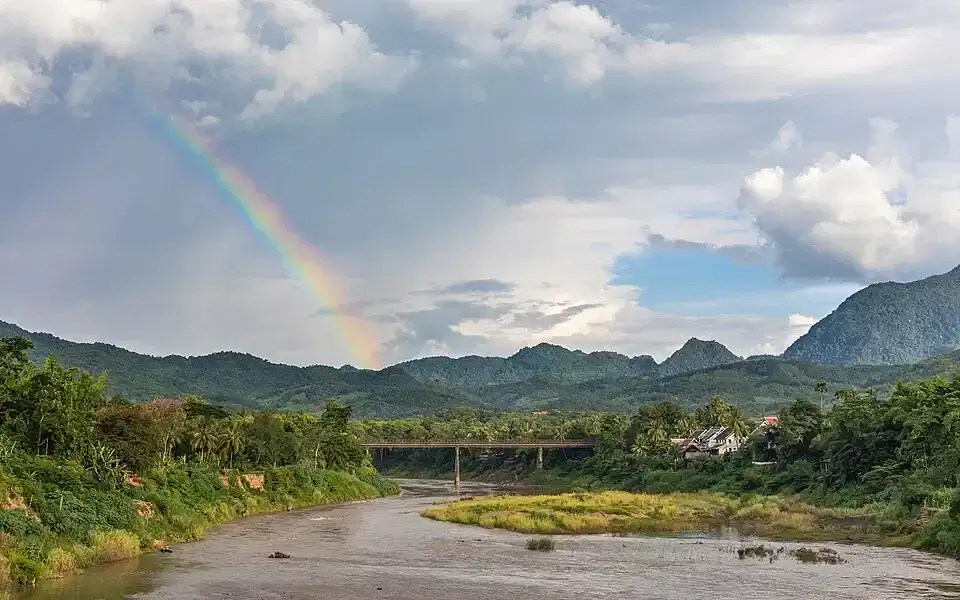
Beyond the waterfalls, Luang Prabang’s landscape is defined by its rivers and surrounding mountains. The Mekong River has served as an important transportation route for centuries and remains central to daily life. River cruises offer visitors opportunities to explore remote villages, scenic riverbanks, and nearby caves while enjoying views of the countryside.
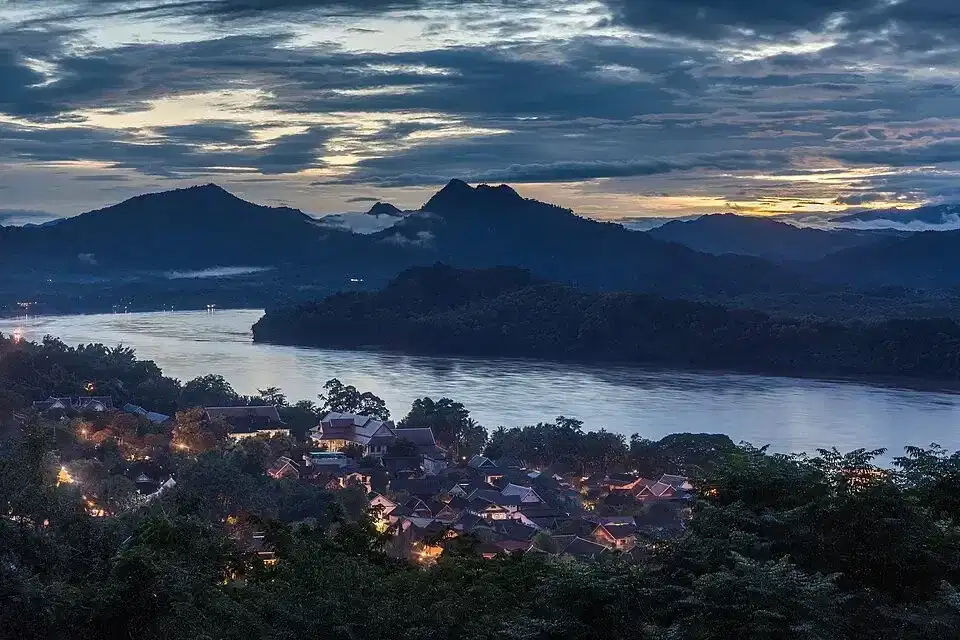
One of the best places to appreciate the city’s setting is Mount Phou Si. Rising above the historic center, the hill provides panoramic views of Luang Prabang, the Mekong River, and the surrounding mountains. Sunset is particularly popular, as golden light reflects across the landscape and transforms the city below.
Colonial Streets and Living Cultural Heritage
French Colonial Elegance Meets Lao Tradition
One of Luang Prabang’s most distinctive features is the way French colonial architecture blends seamlessly with traditional Lao design. Historic streets are lined with beautifully preserved villas, guesthouses, cafés, and government buildings that reflect the city’s colonial past while maintaining a strong local identity.
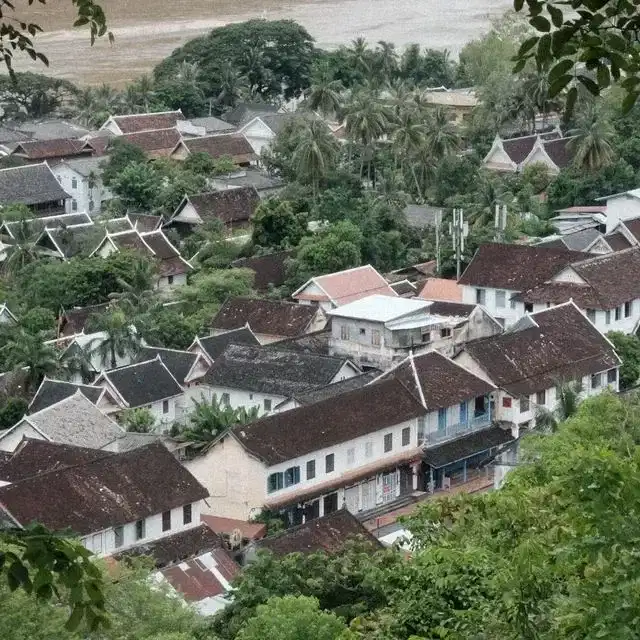
Rather than overwhelming traditional architecture, French influences became integrated into the urban landscape. Decorative balconies, shuttered windows, and elegant facades coexist alongside Buddhist temples and traditional wooden houses, creating a unique architectural character recognized by UNESCO.
Traditional Crafts and Local Life
Cultural traditions remain an important part of everyday life in Luang Prabang. Local artisans continue to practice weaving, basket making, wood carving, and textile production using techniques passed down through generations. These crafts not only preserve cultural heritage but also support local communities and attract visitors seeking authentic experiences.
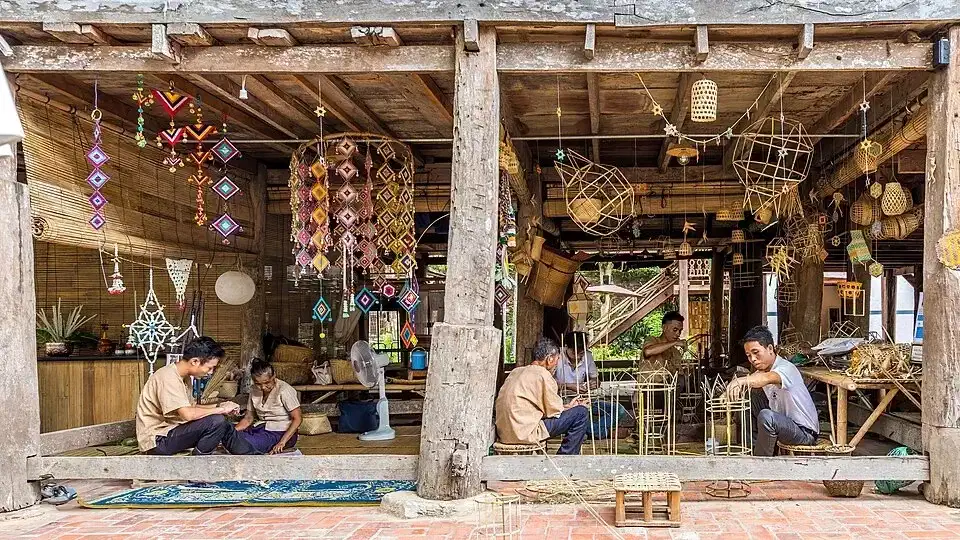
Sites such as Heuan Chan Heritage House provide valuable insights into traditional Lao lifestyles and craftsmanship. Demonstrations allow visitors to observe artisans at work while learning about the skills that have shaped local culture for centuries.
Markets, Cafés, and the Rhythm of Daily Life
Beyond its major landmarks, much of Luang Prabang’s charm comes from its atmosphere. Morning markets, riverside cafés, and quiet residential streets invite visitors to slow down and appreciate the city’s relaxed pace. The famous Night Market transforms the main street each evening into a vibrant gathering place filled with local food, handicrafts, and cultural performances.
This balance between tradition and modern tourism is one of Luang Prabang’s greatest strengths. Visitors can enjoy contemporary comforts while still experiencing a city deeply connected to its history and cultural identity.
One Historical Fact About Luang Prabang Laos
Luang Prabang takes its name from the revered Phra Bang Buddha statue, one of the most important religious symbols in Laos. According to tradition, the statue was brought to the kingdom centuries ago and became a symbol of royal legitimacy. Its importance was so great that the city itself was eventually named after it, making Luang Prabang one of the few cities in the world named after a sacred religious artifact.
How to Get To Luang Prabang Laos
- Fly directly into Luang Prabang International Airport from major cities in Laos and Southeast Asia.
- Take the Laos-China Railway from Vientiane or other destinations along the high-speed rail network.
- Travel by bus from Vang Vieng, Vientiane, or neighboring provinces.
- Join a Mekong River cruise from northern Laos or Thailand.
- Explore the historic center on foot, by bicycle, or by tuk-tuk once you arrive.
Best Time to Visit Luang Prabang Laos
The best time to visit Luang Prabang is from November to February when temperatures are cooler and rainfall is minimal. These months provide ideal conditions for sightseeing, temple visits, outdoor exploration, and waterfall excursions.
March through May can be significantly hotter, while the rainy season from May to October transforms the surrounding countryside into a lush green landscape. Waterfalls are often at their most impressive during and shortly after the rainy season, though occasional heavy rainfall may affect outdoor activities.
Is Luang Prabang Laos Worth Visiting?
Luang Prabang is absolutely worth visiting for travelers interested in history, culture, architecture, spirituality, and nature. Few destinations offer such a balanced combination of UNESCO-recognized heritage, active religious traditions, stunning landscapes, and authentic local experiences.
The city appeals to a wide variety of travelers. History enthusiasts can explore royal heritage and colonial architecture, photographers can capture temples and waterfalls, and cultural travelers can witness traditions that continue to shape daily life. Whether visiting for a few days or a longer stay, Luang Prabang consistently leaves a lasting impression.
Final Thoughts
Luang Prabang is more than a beautiful destination—it is a living cultural treasure where history, spirituality, and nature exist in remarkable harmony. Golden temples rise above historic streets, monks continue traditions practiced for generations, and breathtaking landscapes surround one of Southeast Asia’s most captivating cities.
From the sacred rituals of Tak Bat to the turquoise waters of Kuang Si Falls, every experience in Luang Prabang reveals another layer of its unique character. For travelers seeking authenticity, cultural depth, and unforgettable scenery, Luang Prabang remains one of the finest destinations in Laos and one of the most rewarding places to visit in Asia.
Image Credits
- Wat Xieng Thong at Dusk — Photo by Mon Jester on Unsplash
- Kuang Si Falls Lower Pools — Photo by note thanun on Unsplash
- Kuang Si Falls Turquoise Forest Pools — Photo by Ehsan Haque from Pexels
- Kuang Si Falls Limestone Terraces — Basile Morin, CC BY-SA 4.0, via Wikimedia Commons
- Old Bridge over the Nam Khan River — Basile Morin, CC BY-SA 4.0, via Wikimedia Commons
- Mekong River View from Mount Phou Si — Basile Morin, CC BY-SA 4.0, via Wikimedia Commons
- Buddhist Temple Naga Carving — Image by Joëlle Moreau from Pixabay
- Morning Tak Bat Almsgiving Ceremony — Image by bluebird666 from Pixabay
- Novice Monks on Temple Steps — Photo by seesouk souvannaphongsay from Pexels
- Wat Wisunarat Watermelon Stupa — Jakub Hałun, CC BY-SA 4.0, via Wikimedia Commons
- Golden Buddha Inside Wat Long Khoun — Basile Morin, CC BY-SA 4.0, via Wikimedia Commons
- Town Center Heritage Street View — Image by Annika Hering from Pixabay
- French Colonial and Lao Architecture — Photo by khamve SAYATHAM from Pexels
- Traditional Weaving at Heuan Chan Heritage House — Basile Morin, CC BY-SA 4.0, via Wikimedia Commons
- Vintage Citroën at the 3 Nagas Hotel — Basile Morin, CC BY-SA 4.0, via Wikimedia Commons


Sources: UNESCO World Heritage Centre; Tourism Laos; Encyclopaedia Britannica; Lonely Planet