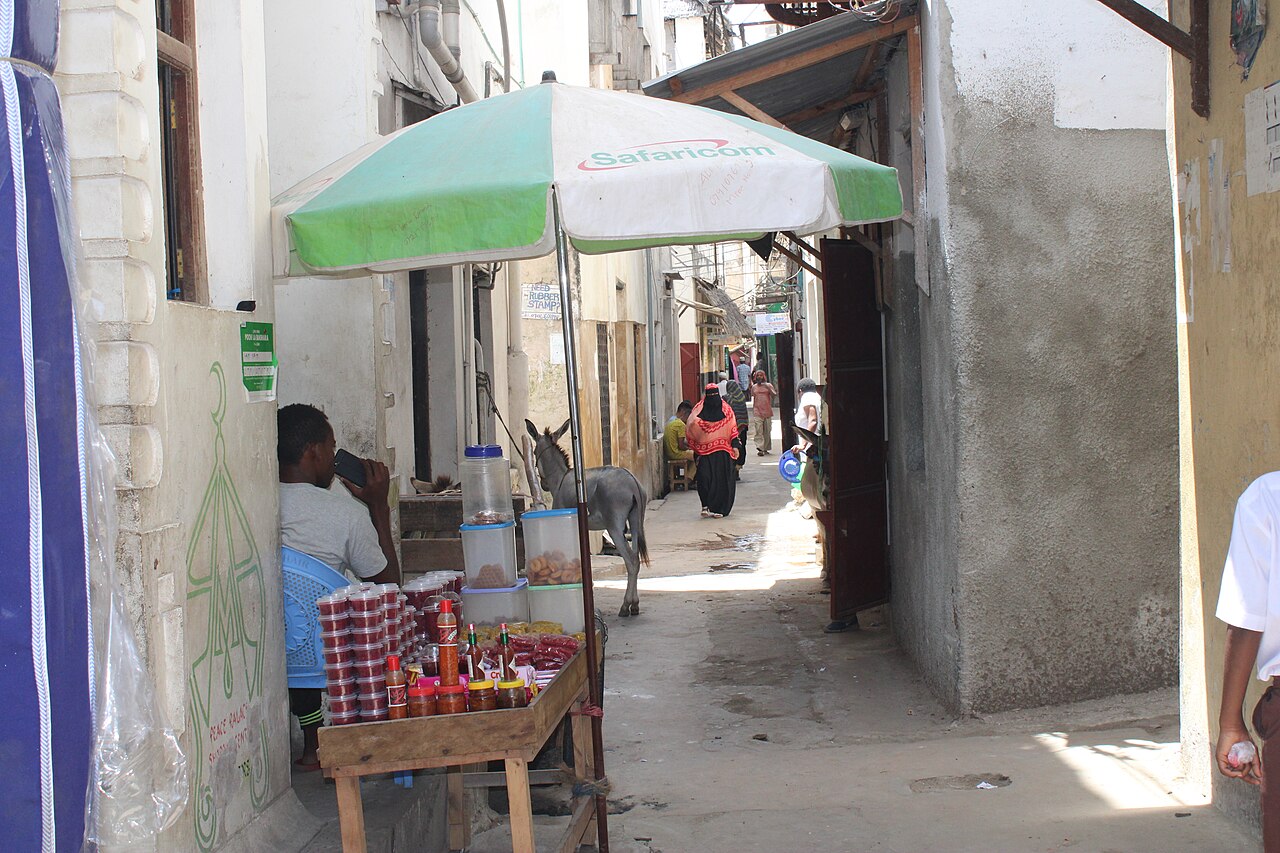
Lamu Old Town feels like a place that time politely forgot. There are no cars here at all. Instead, donkeys carry goods through lanes so narrow that you can touch the walls on both sides. Meanwhile, wooden dhows with white triangular sails glide along the channel in front of town, just as they have for centuries. So, if you want to experience the living Swahili culture of the Kenyan coast, this little island town is the place to go. This guide covers what to see, how to get there and when to visit.

Quick Facts About Lamu Old Town
| Country | Kenya |
| Region | Lamu Island, Lamu County, on the northern Swahili Coast |
| Known For | Car-free lanes, donkeys, carved Swahili doors, dhow sailing and coral stone architecture |
| UNESCO Status | UNESCO World Heritage Site since 2001 |
| Founded | Settled by the 14th century, making it one of the oldest living Swahili towns |
| Best Time to Visit | Late June to March, outside the long rains |
| Getting There | Flight to Manda Island airstrip, then a short boat ride |
Where Is Lamu Old Town?
Lamu Old Town sits on the eastern shore of Lamu Island, part of the Lamu Archipelago off the northern coast of Kenya. The island lies close to the Somali border and roughly 240 kilometers north of Mombasa. Across a narrow channel is Manda Island, home to the airstrip that most visitors use. In addition, the village of Shela and its long beach sit about three kilometers south of town, along the same shore.
Why Visit Lamu Old Town?
First, Lamu Old Town is the oldest and best-preserved Swahili settlement in East Africa. For this reason, UNESCO added it to the World Heritage list in 2001. Its buildings mix African, Arab, Persian, Indian and European influences, which reflects centuries of Indian Ocean trade.
Second, the town is still very much alive. Families live in the old coral stone houses, children run through the lanes after school, and the call to prayer drifts over the rooftops. As a result, a visit feels less like touring a museum and more like stepping into everyday island life.
Finally, Lamu is simply slow and relaxing. Because there is no traffic, the loudest sounds are usually donkeys, boat engines and the wind. If you have already explored Essaouira in Morocco, you will recognize that same easy rhythm of a historic port town.
Things to Do in Lamu Old Town
Walk the Waterfront and Usita wa Mui
Start on the seafront, where boats load and unload all day long. From there, step one block inland to Usita wa Mui, the main street that runs parallel to the water. This is the commercial heart of Lamu Old Town. Small shops sell spices, fabrics, coconut oil and carved wood. Then, simply wander. The lanes are a maze, but the town is small, so you can always find your way back to the water.
Admire the Carved Swahili Doors
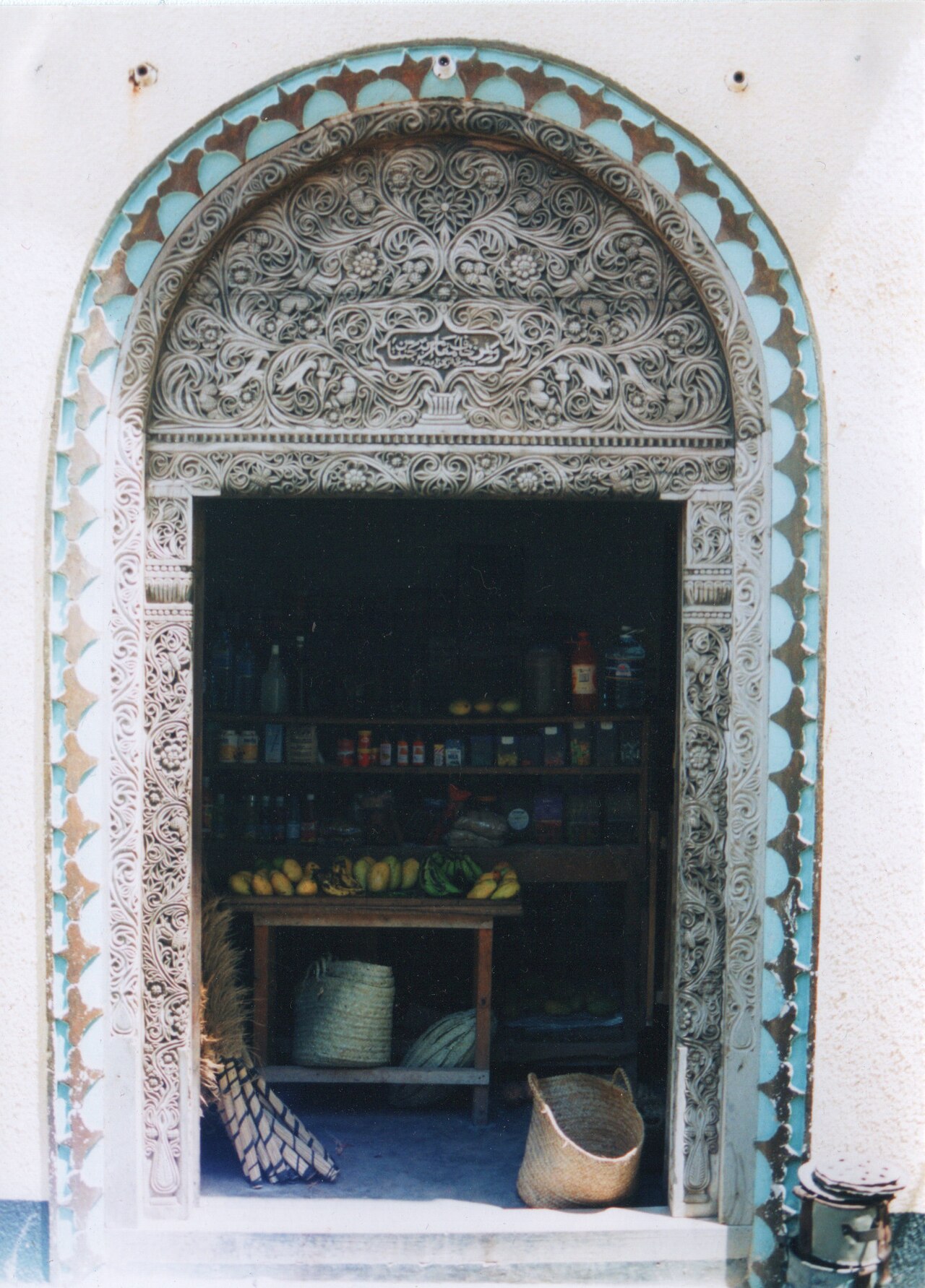
Lamu is famous for its heavy wooden doors. Craftsmen carve them with geometric and floral patterns, and many older doors have frames with Arabic inscriptions. In fact, a carved door was once a symbol of a family’s wealth and status. Today, you can still visit workshops where carpenters make new doors and furniture by hand.
Visit Lamu Fort and the Main Square
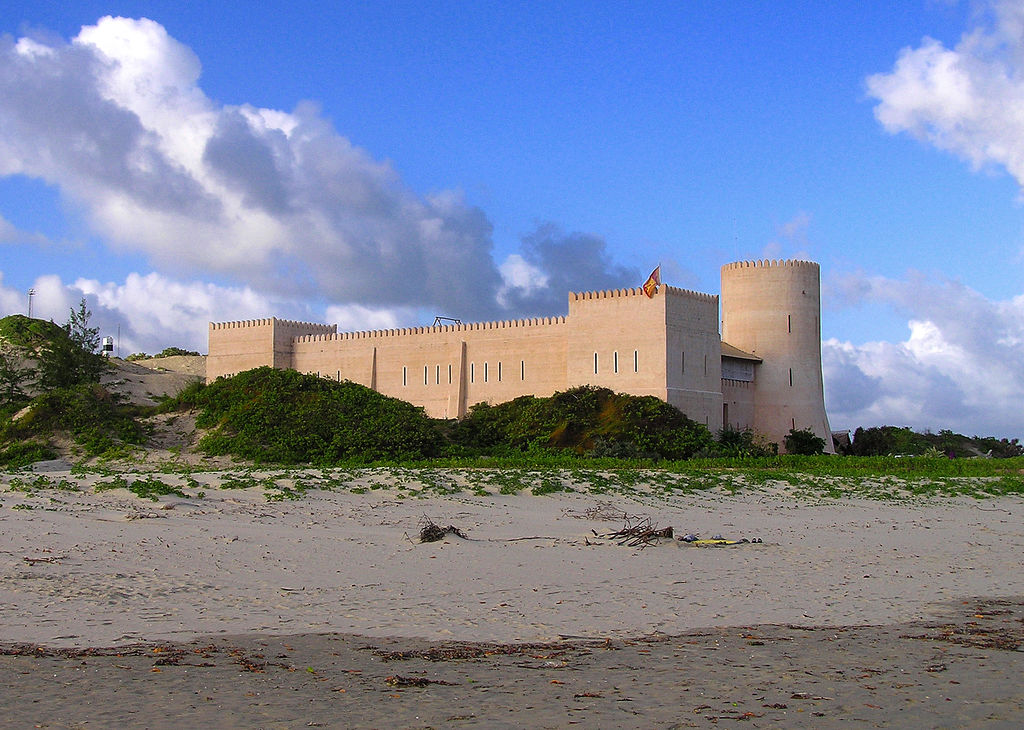
Lamu Fort stands on the main square near the waterfront. It was built in the early 1800s, after Lamu won the Battle of Shela against its rivals from Pate and Mombasa. Later, the fort served as a prison. Now it houses a museum, a library and exhibition spaces. In the evening, the square in front of the fort is the best spot to watch local life unfold.
Explore the Museums
The Lamu Museum, set in a former colonial building on the seafront, covers Swahili culture, boat building and the region’s history. Meanwhile, the Swahili House Museum shows how a wealthy family lived, with a courtyard, carved niches and traditional furniture. There is also a small German Post Office Museum. It recalls the brief period in the late 1800s when the German East Africa Company opened a post office here.
Sail on a Traditional Dhow
No trip to Lamu Old Town is complete without time on the water. Local captains offer sunset cruises, snorkeling trips and full-day excursions. Many trips include a fresh seafood lunch cooked on a beach. In addition, a dhow is the most beautiful way to reach Shela or Manda Island.
Day Trips From Lamu Old Town
Shela Village and Beach
Shela is a quieter village with whitewashed houses, boutique hotels and a beach that stretches for kilometers along the dunes. You can walk there along the shore in about 45 minutes, or take a short boat ride. Then, spend the afternoon swimming, reading or walking on the sand.

Takwa Ruins on Manda Island
On neighboring Manda Island, the Takwa Ruins are the remains of a Swahili town that thrived several hundred years ago. Today you can see the ruins of a mosque, houses and a large pillar tomb in the forest. The trip works well as a half-day excursion by boat.
One Historical Fact About Lamu Old Town
Lamu Old Town has been continuously inhabited for more than 700 years. Unlike many other Swahili towns, it never fell into ruin. Because of this, its streets and houses still follow the original layout, which is why historians value it so highly.
Festivals in Lamu Old Town
Lamu hosts two famous events. The Maulidi festival celebrates the birth of the Prophet Muhammad and draws pilgrims from across East Africa. In addition, the Lamu Cultural Festival, usually held in November, features dhow races, donkey races, Swahili poetry and traditional crafts. Dates change each year, so check before you book.
How to Get to Lamu Old Town
Most visitors fly. Daily flights connect Nairobi and Mombasa with Manda Island airstrip. From there, a boat crosses the channel to the Lamu waterfront in about ten minutes. Alternatively, buses run from Mombasa to the mainland jetty, but the road journey is long, so flying is easier.
Before you travel, check your government’s latest travel advice. Some advisories cover parts of mainland Lamu County, so it is worth reading the current guidance for the island and the routes you plan to use.
Best Time to Visit Lamu Old Town
The best time to visit Lamu Old Town is from late June to March. During these months the weather is mostly dry and warm. However, the long rains usually fall from April to June, and some hotels close during that period. Also, keep in mind that Lamu is a conservative Muslim town. Therefore, dress modestly in town, covering shoulders and knees, and save beachwear for Shela.
Is Lamu Old Town Worth Visiting?
Yes, absolutely. Lamu Old Town offers something rare: a historic town that is still lived in, still car-free and still shaped by the sea. It is ideal for travelers who like slow travel, culture and authentic places. For another remarkable heritage site in East Africa, see our guide to Lalibela in Ethiopia.
Final Thoughts on Lamu Old Town
In short, Lamu Old Town rewards anyone willing to slow down. Wander the lanes, sip sweet spiced coffee on the square and sail at sunset on a dhow. By the end of your stay, you will understand why so many visitors return to this small Swahili island town again and again.
Image Credits
Wikimedia Commons
- Bingar1234: Dhow, Lamu 1, CC BY-SA 4.0
- Mzein04: Lamu old town street, CC BY-SA 4.0
- Justin Clements: Lamu door, CC BY 2.0
- Henrik Bennetsen: Lamu Fort 2005, CC BY-SA 2.0
- Bingar1234: Shela beach 1, CC BY-SA 4.0


