Sighisoara Romania is one of the last inhabited medieval citadels in Europe. In other words, people still live, work and go to school inside its old walls. Above the rooftops, a tall clock tower rises over cobbled lanes and pastel houses. Meanwhile, guild towers guard the walls, just as they did centuries ago. In fact, the town is also famous as the birthplace of Vlad Dracula. So, here is everything you need to know to plan your visit.

Quick Facts About Sighisoara Romania
| Country | Romania |
| Region | Mureș County, Transylvania |
| Known For | An inhabited medieval citadel, the Clock Tower, guild towers and Vlad Dracula’s birthplace |
| UNESCO Status | Historic Centre of Sighișoara, UNESCO World Heritage Site since 1999 |
| Founded | By Saxon craftsmen and merchants in the 12th century |
| Best Time to Visit | May to September, with a medieval festival in July |
| Getting There | By train from Brașov or Bucharest, or by car through Transylvania |
Where Is Sighisoara Romania?
Sighisoara lies in the heart of Transylvania, in central Romania. Specifically, it sits on the Târnava Mare River, about 120 kilometers northwest of Brașov. In addition, the walled citadel stands on a hill above the lower town. As a result, you can see its towers from far away as you approach.
Why Visit Sighisoara Romania?
First, the citadel is remarkably well preserved. German-speaking settlers, known as Transylvanian Saxons, founded the town in the 12th century. Later, local guilds of craftsmen built and defended the walls. Consequently, UNESCO listed the historic center as a World Heritage Site in 1999.
Second, Sighisoara Romania is small, walkable and full of character. You can explore the whole citadel in a day, yet it is worth staying longer to enjoy it in the quiet evening. Also, it makes a perfect base for visiting Saxon villages and fortified churches. If you loved our guide to Rothenburg ob der Tauber in Germany, you will feel at home in this medieval town too.
Things to Do in Sighisoara Romania
Climb the Clock Tower
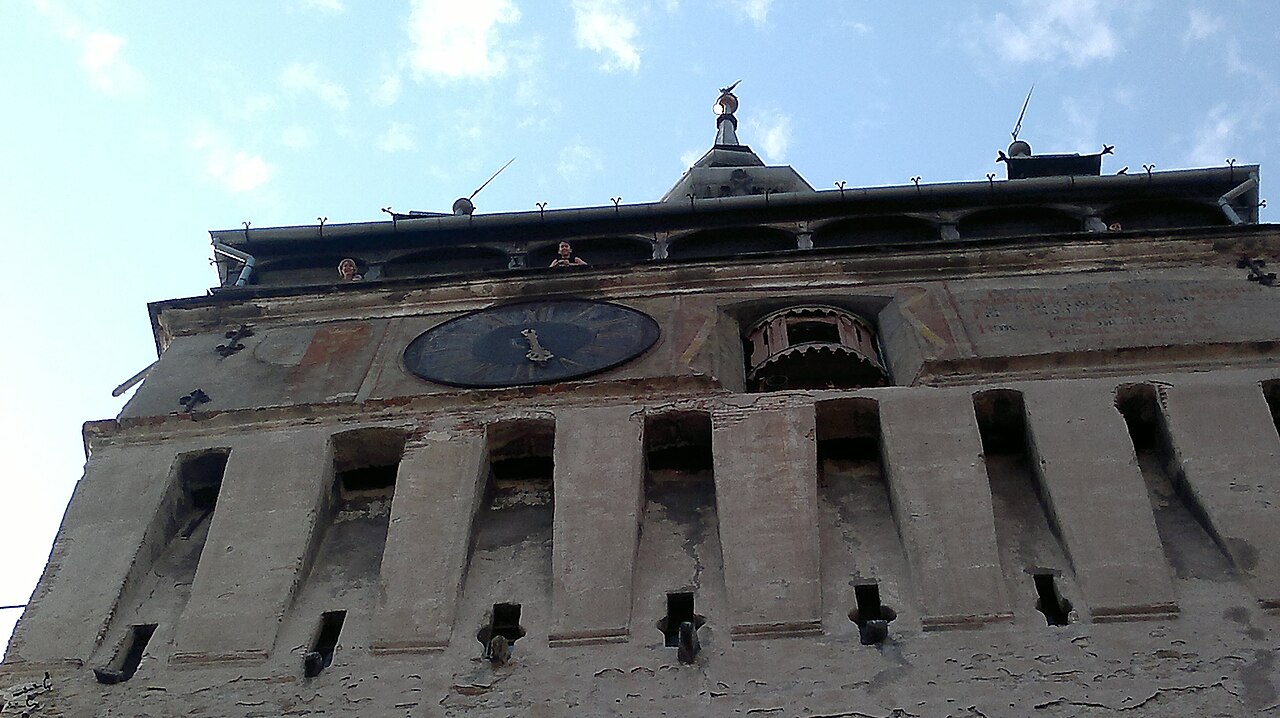
The Clock Tower is the symbol of the town. It stands about 64 meters tall and once guarded the main gate of the citadel. Inside, a history museum covers the town’s past. Then, climb to the wooden gallery at the top for wide views over the roofs and hills. Also, look for the painted wooden figures on the clock, which move as the hours change.
Visit Vlad Dracula’s Birthplace
Nearby, a yellow house on the main square is said to be the birthplace of Vlad III, also known as Vlad the Impaler. He was born here around 1431. Later, his cruel reputation inspired the legend of Dracula. Today, the house holds a restaurant and a small exhibit, so you can combine lunch with a bit of history.
Climb the Covered Staircase
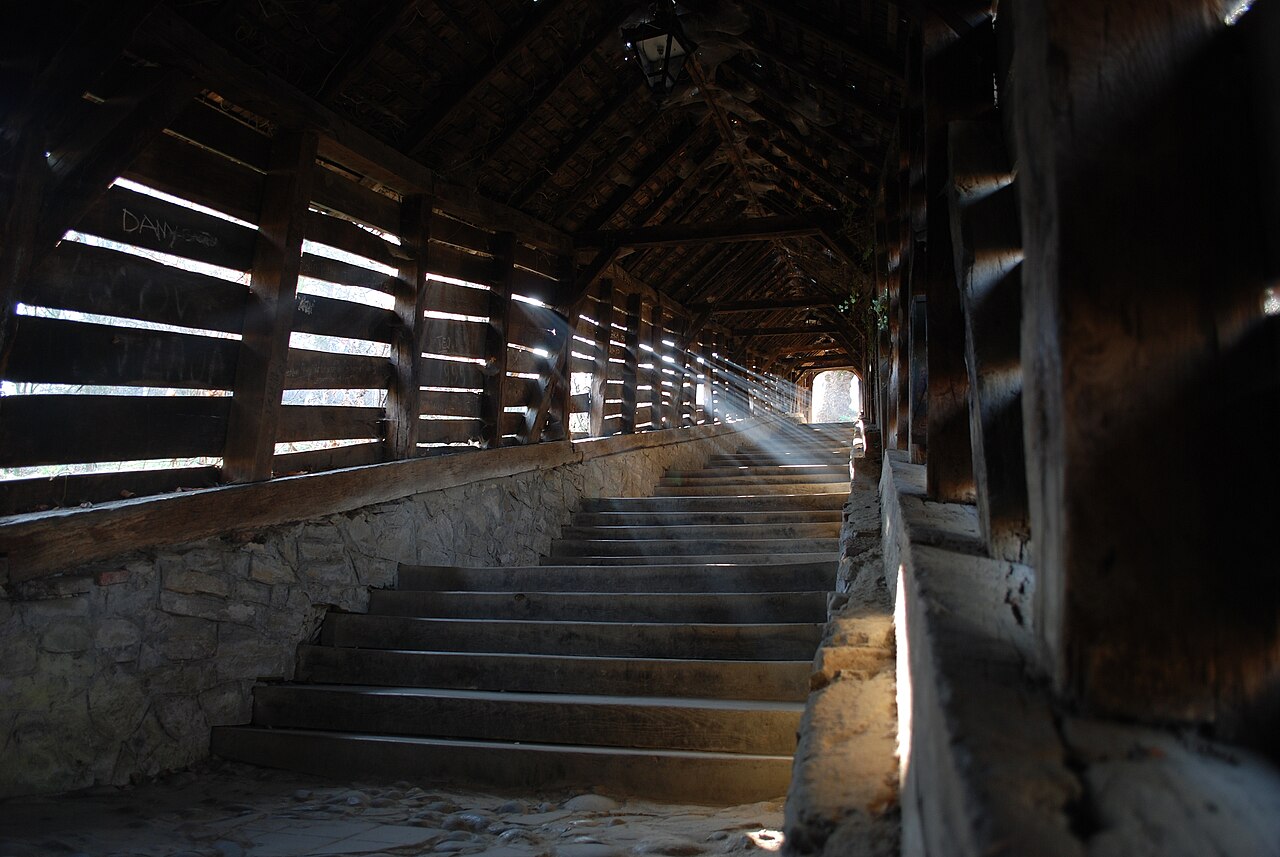
The Covered Staircase was built in 1642 to protect students and churchgoers from snow and rain. In fact, it has about 175 wooden steps leading up the hill. At the top, you reach the school and the Church on the Hill.
See the Church on the Hill
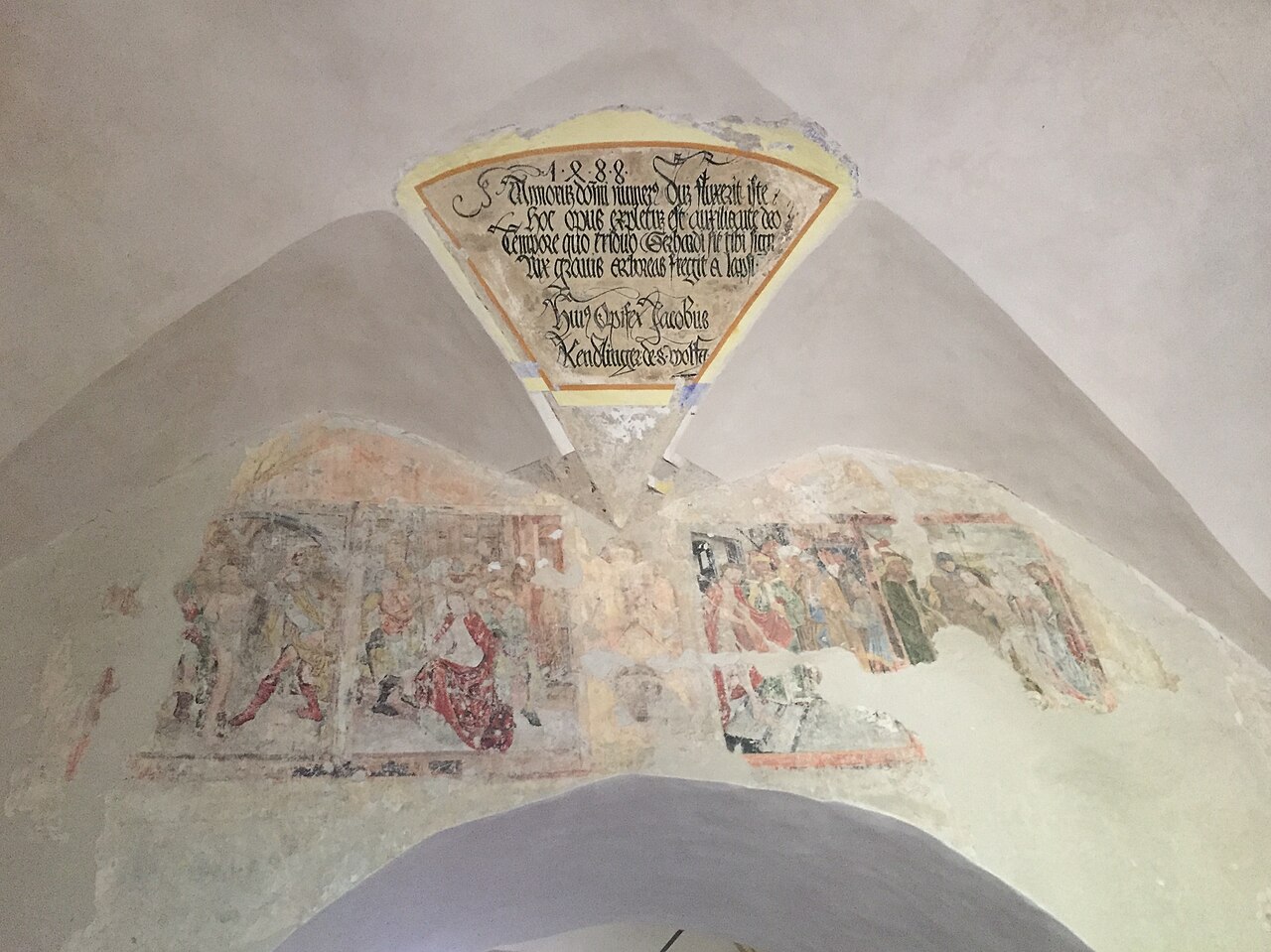
The Church on the Hill is a Gothic church that stands at the highest point of town. Inside, faded medieval frescoes cover the walls. In addition, the old Saxon cemetery behind the church is peaceful and atmospheric, with graves shaded by tall trees.
Walk Past the Guild Towers
Originally, the walls had many towers, and each was maintained by a guild. Today, nine survive, including the Tailors’ Tower, the Shoemakers’ Tower and the Tinsmiths’ Tower. Therefore, a walk around the walls is a great way to see them all.
Day Trips From Sighisoara Romania
Biertan Fortified Church
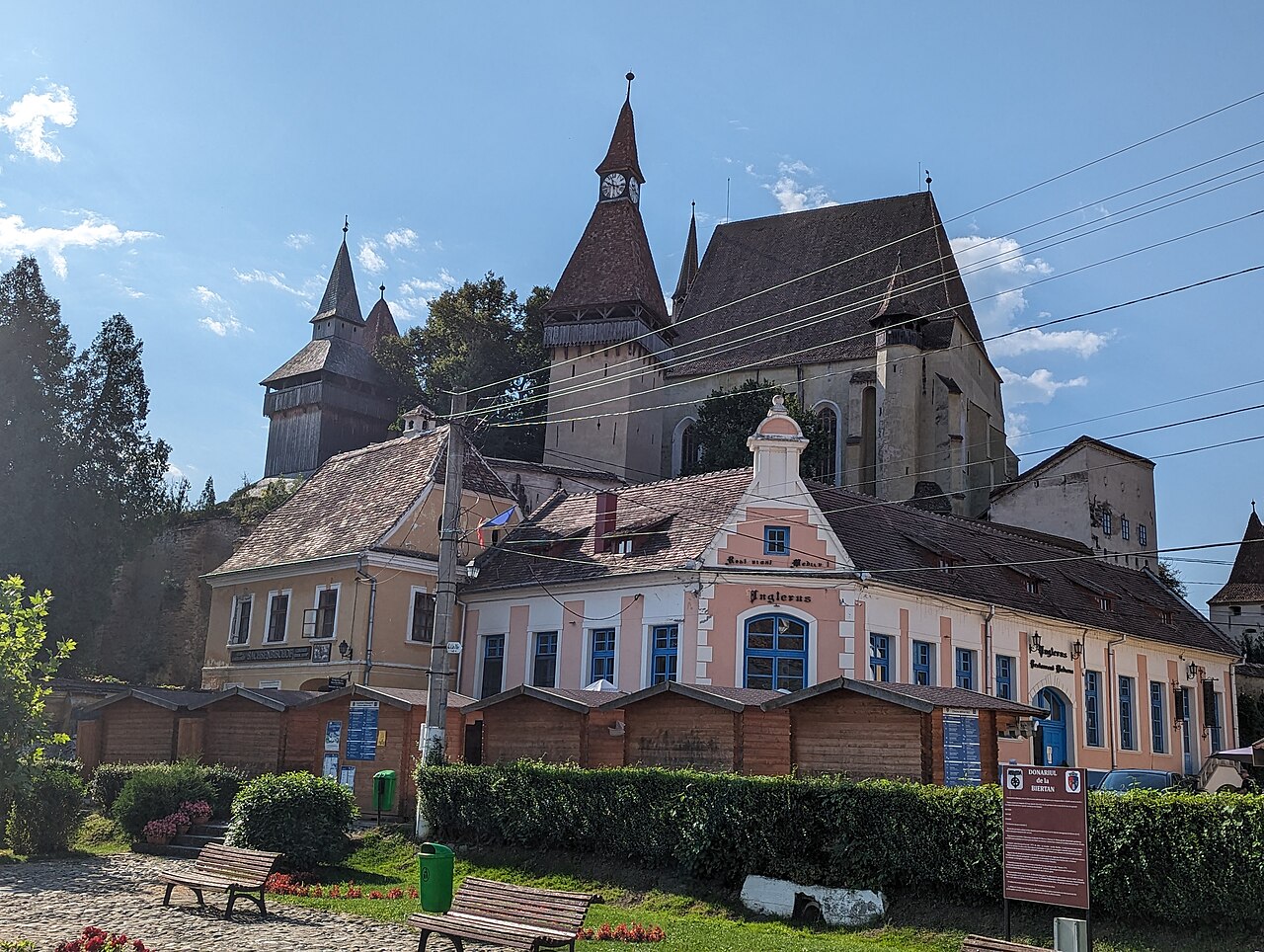
About 30 kilometers away, Biertan has one of the most impressive fortified churches in Transylvania. Its massive walls surround a Gothic church on a hill. Moreover, it is part of the UNESCO site of Villages with Fortified Churches in Transylvania.
Viscri
Viscri is a tiny Saxon village with colorful houses and a white fortified church. For example, many visitors stay in restored village guesthouses and enjoy home-cooked meals. Similarly, horse carts still pass along the dirt roads, which makes the village feel timeless.
One Historical Fact About Sighisoara Romania
The citadel was built and defended by the town’s craft guilds. In fact, each guild had to pay for, maintain and protect its own tower. That is why the towers carry the names of trades such as tailors, butchers and ropemakers.
How to Get to Sighisoara Romania
Trains connect Sighisoara with Brașov in about two and a half to three hours. Alternatively, there are direct trains from Bucharest, although the journey is longer. If you prefer to drive, the town is an easy stop on a road trip through Transylvania. Once you arrive, walk up to the citadel, since parking inside is limited.
Best Time to Visit Sighisoara Romania
The best time to visit is from May to September, when the weather is warm and the town is lively. In particular, the medieval festival in July fills the citadel with music, costumes and craft stalls. On the other hand, winter is cold but quiet, and the citadel looks magical in the snow.
Is Sighisoara Romania Worth Visiting?
Yes, absolutely. Sighisoara Romania is one of the most charming medieval towns in Europe, and it is still a real place where people live. Ideally, stay one or two nights to explore the nearby villages too. For another fairytale town, read our guide to Colmar in France.
Final Thoughts on Sighisoara Romania
In short, Sighisoara is a storybook town with real history behind every wall. Climb the Clock Tower, walk up the Covered Staircase and wander among the guild towers. By the end of your visit, Transylvania will have cast its spell on you.
Image Credits
Wikimedia Commons
- yeowatzup: Sighisoara Citadel, Romania (5681269915), CC BY 2.0
- Albertdoris: Turnul cu ceas din sighisoara, CC BY-SA 4.0
- Radu Ana Maria: Sighisoara – covered staircase – inside view, CC BY-SA 3.0
- HajjiBaba: Sighisoara Church on the Hill inscription and frescoes, CC BY-SA 4.0
- Андрей Романенко: Fortified Lutheran church in Biertan, Sibiu, CC BY-SA 4.0


