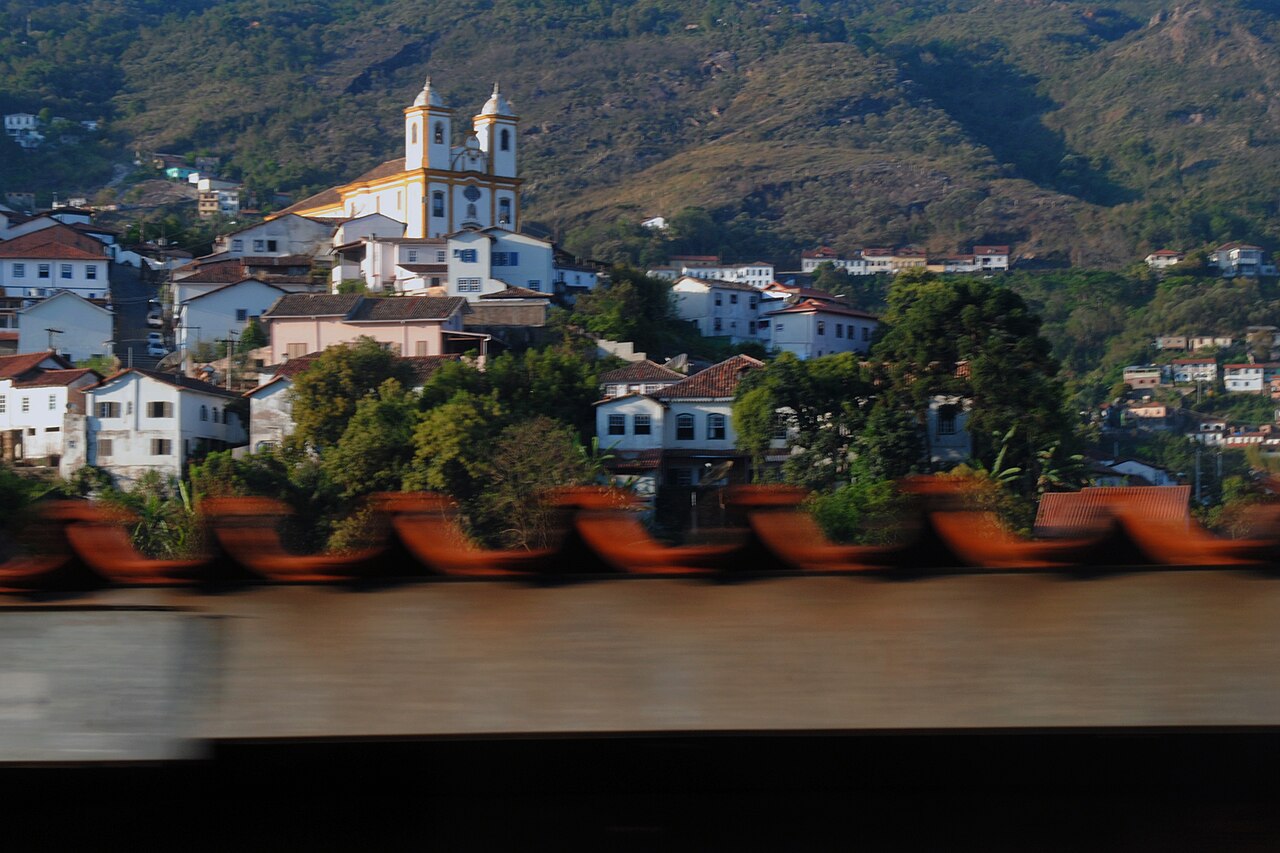
Ouro Preto Brazil was once one of the richest towns in the Americas. In the 1700s, gold poured out of the surrounding hills, and the town spent its wealth on dazzling baroque churches. Today, colonial houses with blue and yellow window frames climb steep cobbled streets, while church towers crown every hilltop. Meanwhile, students, artists and musicians keep the town lively. In fact, it feels like an open-air museum that is still very much alive. So, here is how to plan your visit.
Quick Facts About Ouro Preto Brazil
| Country | Brazil |
| Region | Minas Gerais, southeastern Brazil |
| Known For | Baroque churches, the art of Aleijadinho, gold rush history and steep cobbled streets |
| UNESCO Status | Historic Town of Ouro Preto, UNESCO World Heritage Site since 1980 |
| Founded | In 1711 as Vila Rica, during the Brazilian gold rush |
| Best Time to Visit | April to September, the dry season |
| Getting There | About two hours by bus or car from Belo Horizonte |
Where Is Ouro Preto Brazil?
Ouro Preto lies in the mountains of Minas Gerais, a state in southeastern Brazil. Specifically, it is about 100 kilometers southeast of Belo Horizonte, the state capital. In addition, the historic town of Mariana is only 12 kilometers away. As a result, it is easy to combine both on one trip.
Why Visit Ouro Preto Brazil?
First, the town has one of the finest collections of baroque architecture in the world. During the 18th century gold rush, wealthy brotherhoods competed to build the most beautiful churches. Consequently, UNESCO made Ouro Preto one of Brazil’s first World Heritage Sites in 1980.
Second, Ouro Preto Brazil played a key role in the country’s history. It was the capital of Minas Gerais until 1897, and it was the center of an early independence movement. Finally, the mountain setting is beautiful, with mist rolling over the hills in the morning. If you loved our guide to Paraty in Brazil, you will enjoy this other colonial gem.
Things to Do in Ouro Preto Brazil
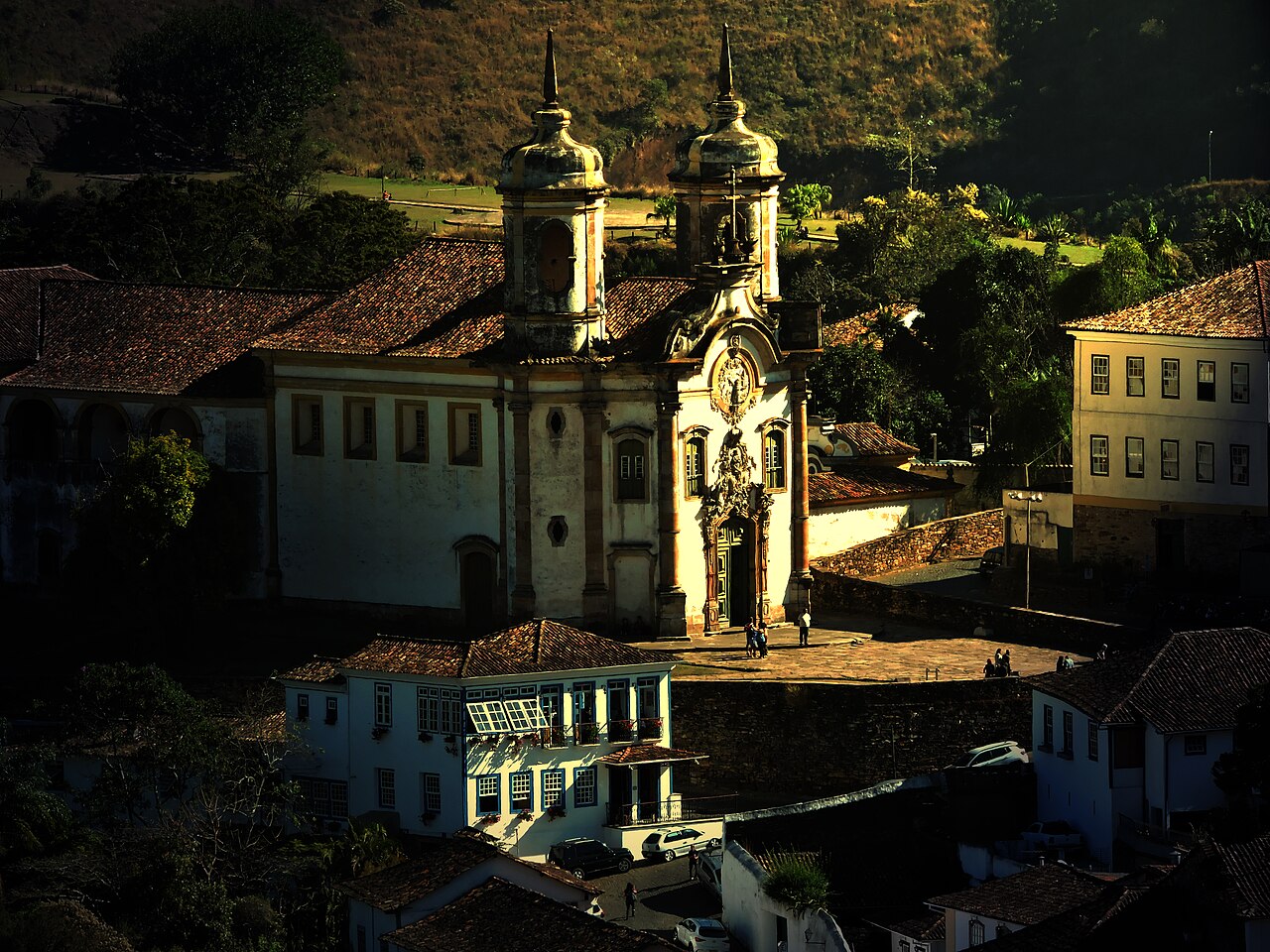
Visit the Church of São Francisco de Assis
This church is often called the masterpiece of Brazilian baroque. Its design and many of its carvings are the work of Aleijadinho, the country’s greatest colonial sculptor. Inside, look up at the ceiling, painted by Manuel da Costa Ataíde with a vivid scene of the Virgin surrounded by musicians and angels. Above all, notice the soapstone carvings on the facade, which are full of detail.
See the Golden Interior of Nossa Senhora do Pilar
Next, visit the Church of Nossa Senhora do Pilar, one of the richest churches in Brazil. Its interior is covered in gilded wood carvings. Therefore, it gives a clear idea of the enormous wealth that flowed through the town during the gold rush.
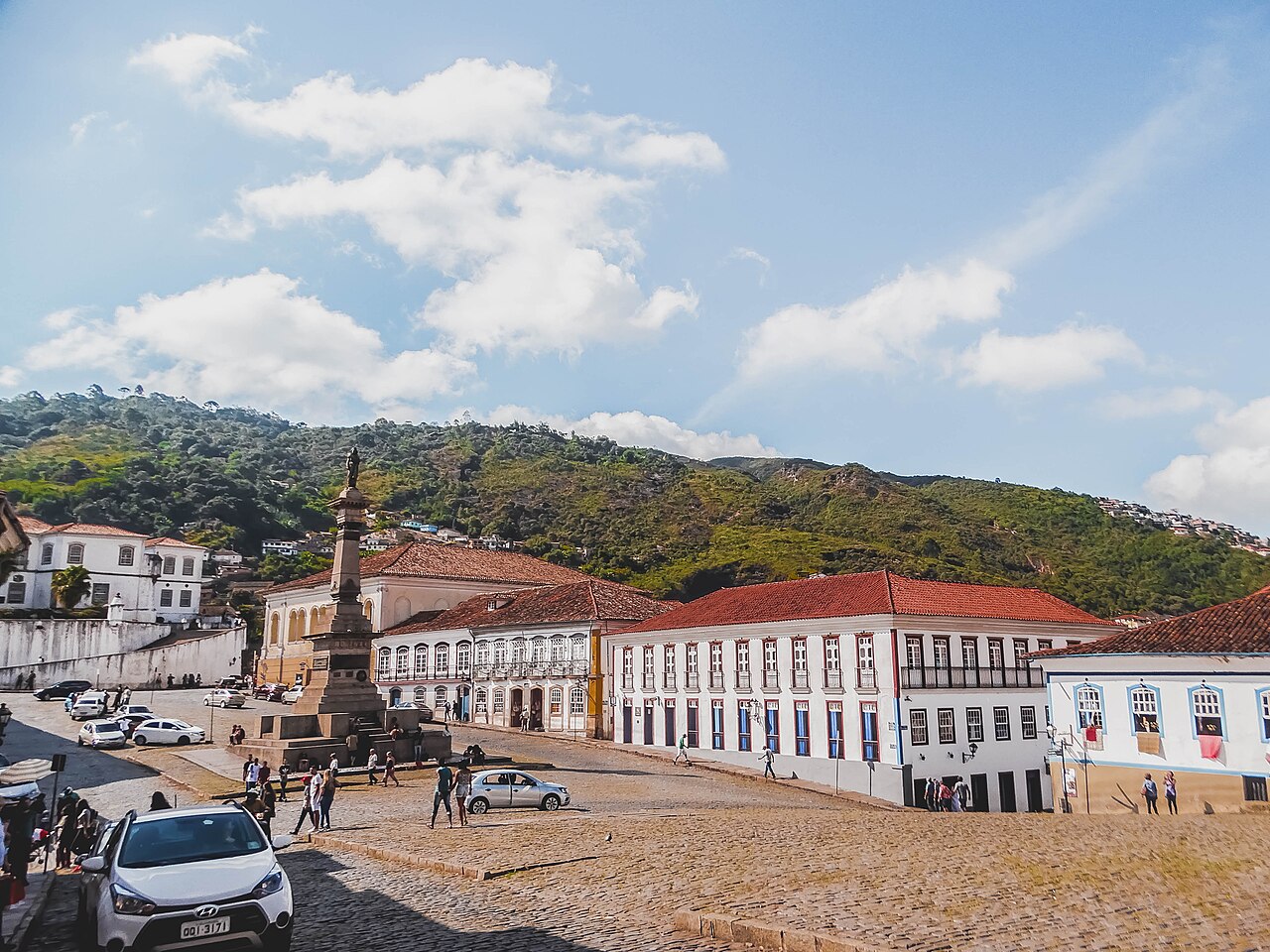
Explore Praça Tiradentes
Praça Tiradentes is the main square of town. On one side stands the Inconfidência Museum, housed in the former town hall and jail. In addition, the square honors Tiradentes, a leader of the 1789 independence plot, whose statue stands in the center. Then, enjoy the views and the cafés around the square.
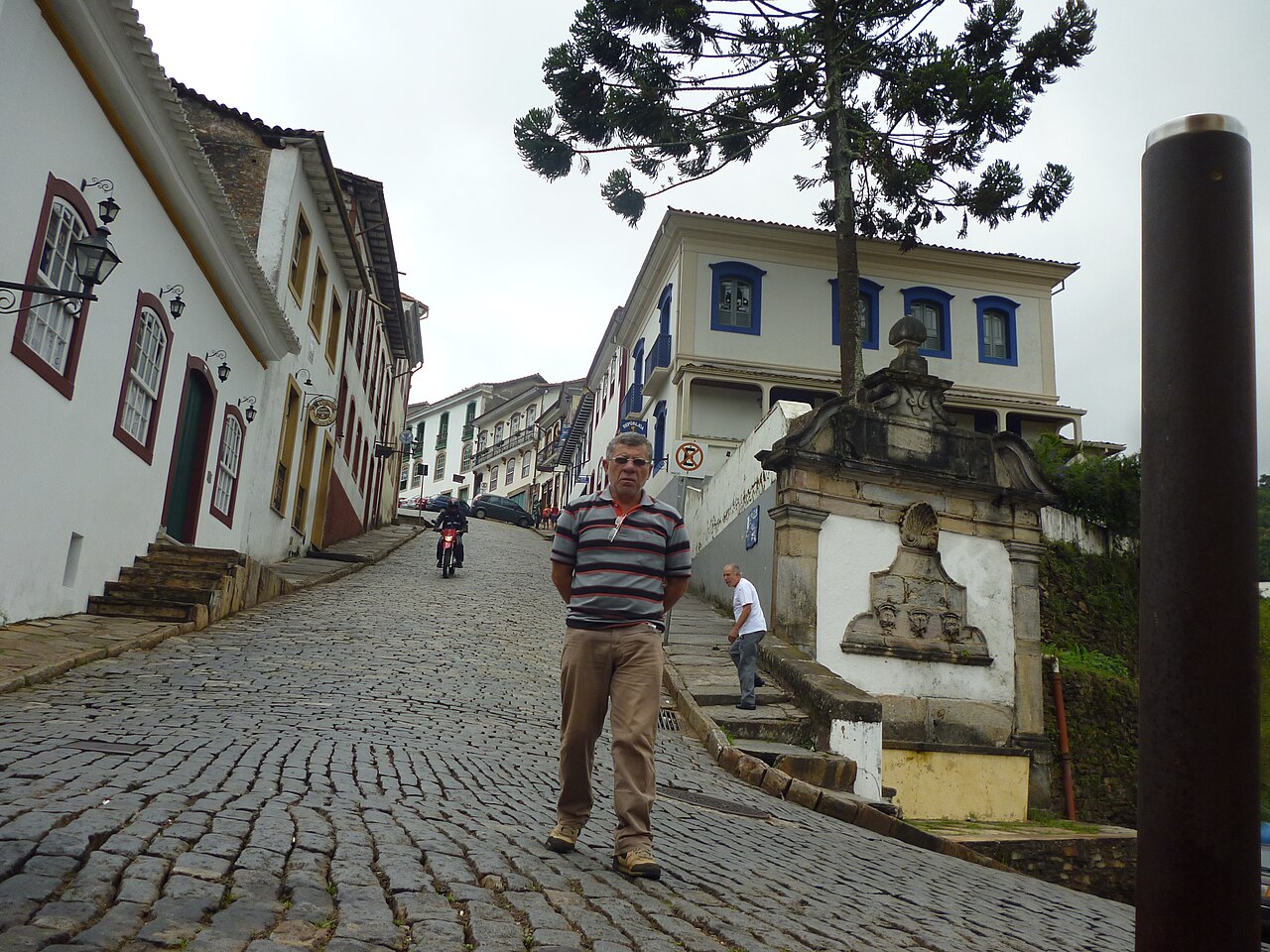
Walk the Cobbled Streets
Ouro Preto Brazil is built on very steep hills. Consequently, walking here is a workout, so wear comfortable shoes with a good grip. However, the effort is worth it. Around every corner, you will find small chapels, fountains, craft shops and wide views over the rooftops.
Go Underground at a Gold Mine
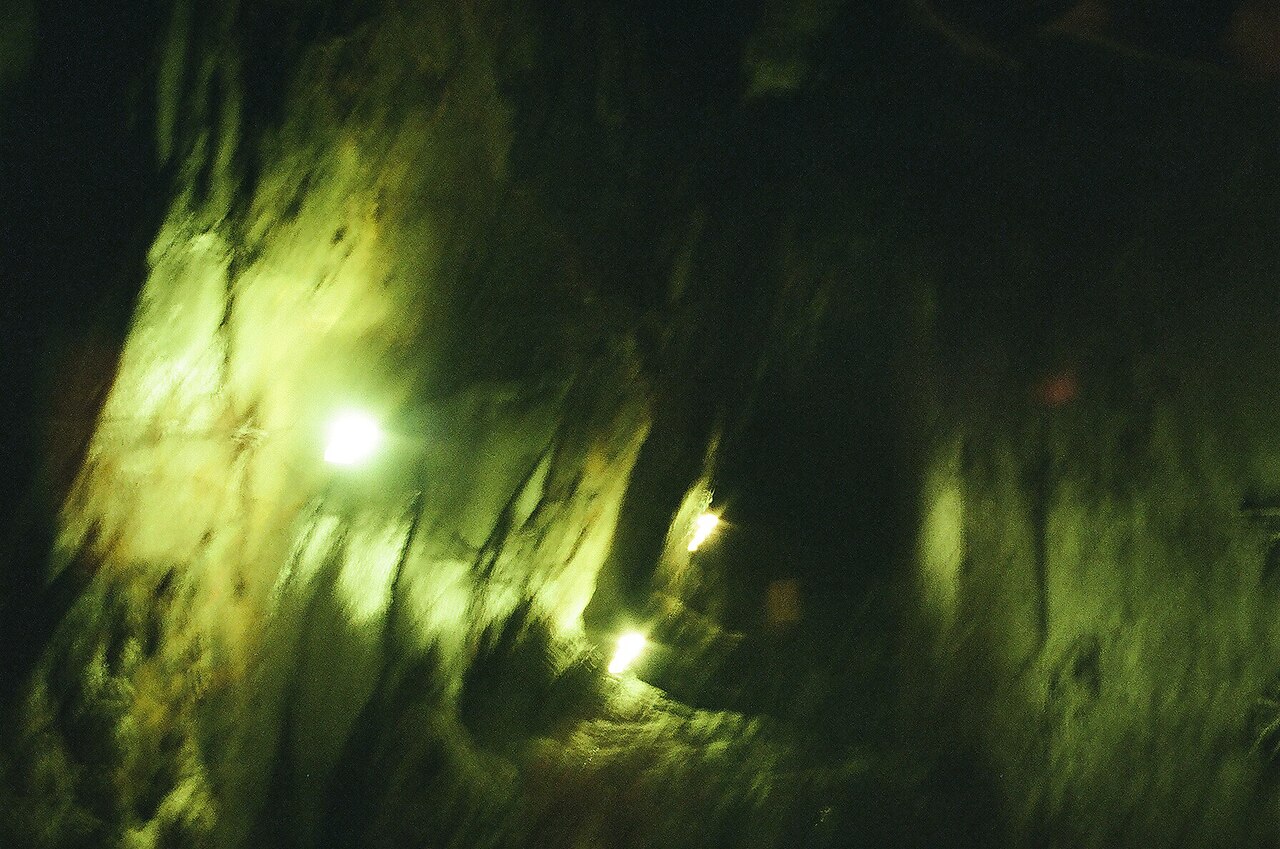
Just outside town, several old mines are open to visitors. For example, the Mina da Passagem, between Ouro Preto and Mariana, takes you deep underground by mine cart. Inside, you can see the tunnels where enslaved workers once dug for gold, as well as a flooded underground lake.
Day Trips From Ouro Preto Brazil
Mariana
Mariana was the first town and first capital of Minas Gerais. It is quieter than Ouro Preto, with grand churches and a pleasant main square. In addition, it is a short bus or taxi ride away.
Tiradentes and Congonhas
Further away, the charming town of Tiradentes has beautifully restored colonial streets. Similarly, Congonhas is home to Aleijadinho’s famous statues of the prophets. Together, they make an excellent extension of your trip through Minas Gerais.
One Historical Fact About Ouro Preto Brazil
In 1789, a group of local thinkers planned a revolt against Portuguese rule, known as the Inconfidência Mineira. However, the plot was discovered. Its leader, Tiradentes, was executed in 1792, and today he is honored as a national hero of Brazil.
How to Get to Ouro Preto Brazil
First, fly into Belo Horizonte, which has an international airport. From there, buses to Ouro Preto take about two hours. Alternatively, you can rent a car and explore other historic towns in Minas Gerais at your own pace. Once you arrive, explore the center on foot, since parking is limited.
Best Time to Visit Ouro Preto Brazil
The best time to visit is from April to September, during the dry season. During these months, days are sunny and evenings are cool. On the other hand, the rainy season from October to March can make the steep streets slippery. In addition, Holy Week is special, when locals decorate the streets with colorful sawdust carpets for religious processions.
Is Ouro Preto Brazil Worth Visiting?
Yes, absolutely. Ouro Preto Brazil is one of the most beautiful colonial towns in South America, and its churches are true works of art. Ideally, spend two or three nights to see the town and nearby Mariana. For another colonial gem, read our guide to Cuenca in Ecuador.
Final Thoughts on Ouro Preto Brazil
In short, Ouro Preto is a town where history shines through every carved altar and cobbled lane. Visit the churches, climb the hills and go underground in an old gold mine. By the end of your visit, you will understand why Brazilians treasure this baroque masterpiece.
Image Credits
Wikimedia Commons
- clarissapacheco: Ouro Preto – Vista da Estação de Trem, CC BY 2.0
- Joedison Rocha: Igreja de São Francisco de Assis, Ouro Preto-MG, CC BY-SA 4.0
- Venturamarina: Praça Tiradentes, Ouro Preto – MG, CC BY-SA 4.0
- Josue Marinho: Ouro Preto MG Brasil – Rua Cláudio Manoel – panoramio, CC BY 3.0
- Zonda Bez from brasilia/df, Brasil: Mina da Passagem (8361273221), CC BY-SA 2.0


