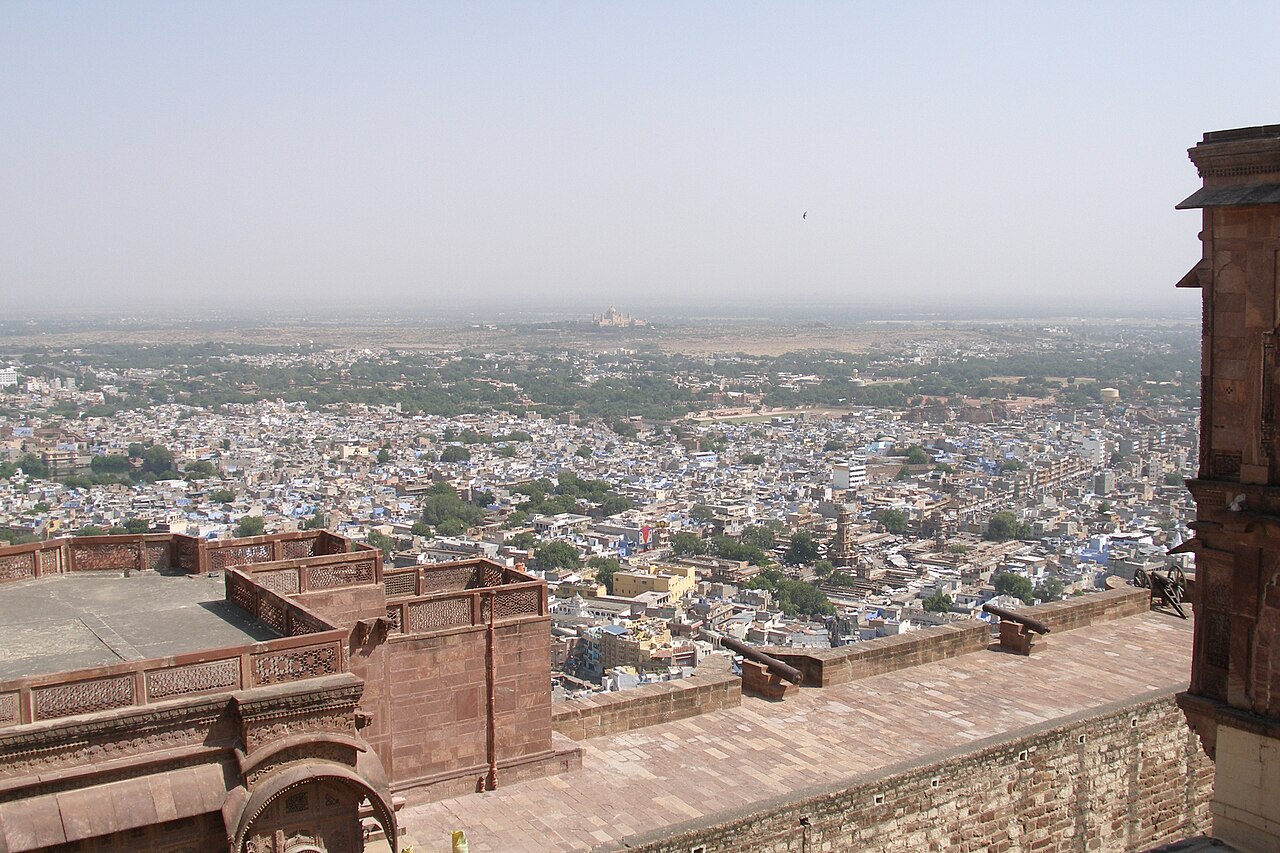
Jodhpur India is a desert city full of contrasts. Below, a maze of houses painted in every shade of blue fills the old city. Above, the walls of Mehrangarh Fort rise straight up from a rocky hill. Rao Jodha founded the city in 1459 as the capital of the kingdom of Marwar. Even today, Jodhpur feels like a royal city, with palaces, stepwells and busy bazaars. So, this guide covers everything you need to plan a trip to Jodhpur India.
Quick Facts About Jodhpur India
| Country | India |
| Region | Rajasthan, on the edge of the Thar Desert |
| Known For | Mehrangarh Fort, the blue old city, Umaid Bhawan Palace, and Jaswant Thada |
| UNESCO Status | Not a UNESCO World Heritage Site |
| Founded | 1459, by Rao Jodha of the Rathore dynasty |
| Best Time to Visit | October to March |
| Time Needed | Two to three days |
| Continent | Asia |
Where Is Jodhpur India?
Jodhpur lies near the centre of Rajasthan, in northwest India. It sits on the eastern edge of the Thar Desert. Because of its central location, it is a natural stop on any Rajasthan trip. For example, it fits neatly between Jaipur, Udaipur and Jaisalmer.
Why Visit Jodhpur India?
Jodhpur makes one of the most striking first impressions of any city in India. Mehrangarh Fort towers over the skyline. From its walls, you look down over thousands of blue houses that stretch toward the desert.
The city is also easier to explore than many larger Indian cities. In fact, most sights cluster around the old city. As a result, you can see the fort, the market and the blue lanes in two or three days.
Mehrangarh Fort
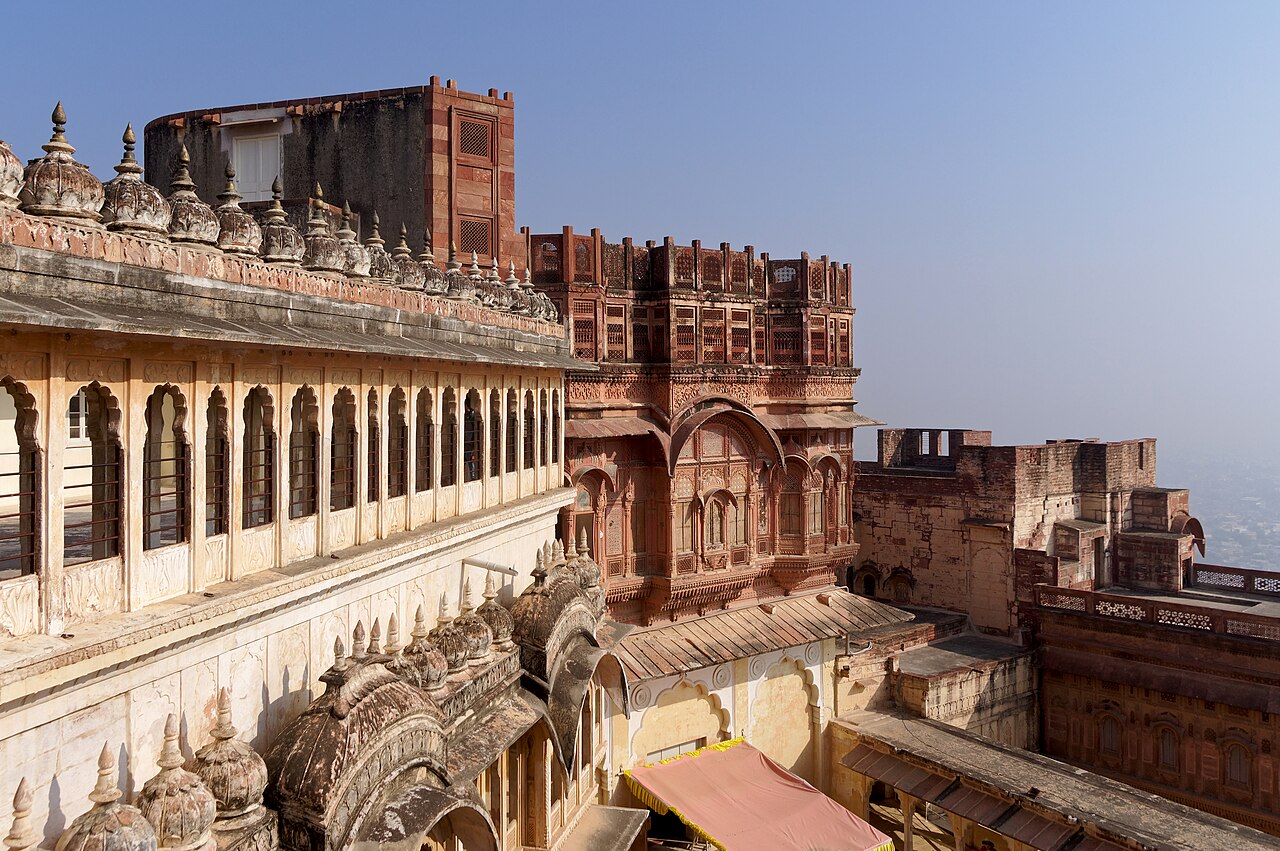
Rao Jodha laid the foundations of Mehrangarh Fort in 1459. However, most of what you see today dates from the 17th century. The fort sits on a rocky hill about 122 m above the plain. Rudyard Kipling once said it looked like a palace built by giants.
The Gates
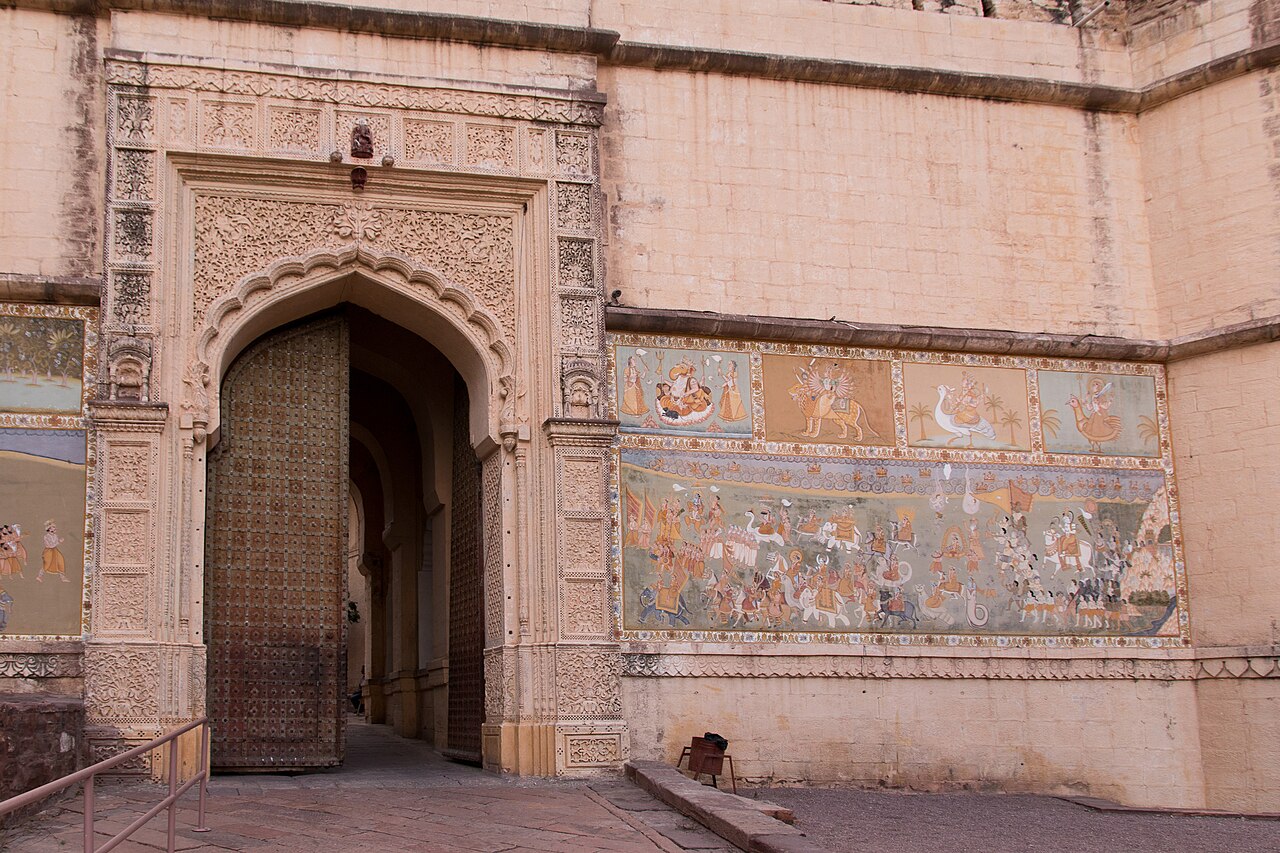
The road to the top winds uphill through a series of gates. For example, Jai Pol was built in 1806 to celebrate victories over the armies of Jaipur and Bikaner. Meanwhile, Fateh Pol marks an earlier victory over the Mughals. At Loha Pol, the final gate, look for the small handprints on the wall. Royal widows left them before committing sati, a practice that is now long outlawed.
The Palaces and Museum
Inside the walls, a run of courtyards and palaces forms one of the best museums in Rajasthan. Highlights include royal palanquins, elephant seats and a turban gallery. In addition, the armoury holds Rao Jodha’s own sword.
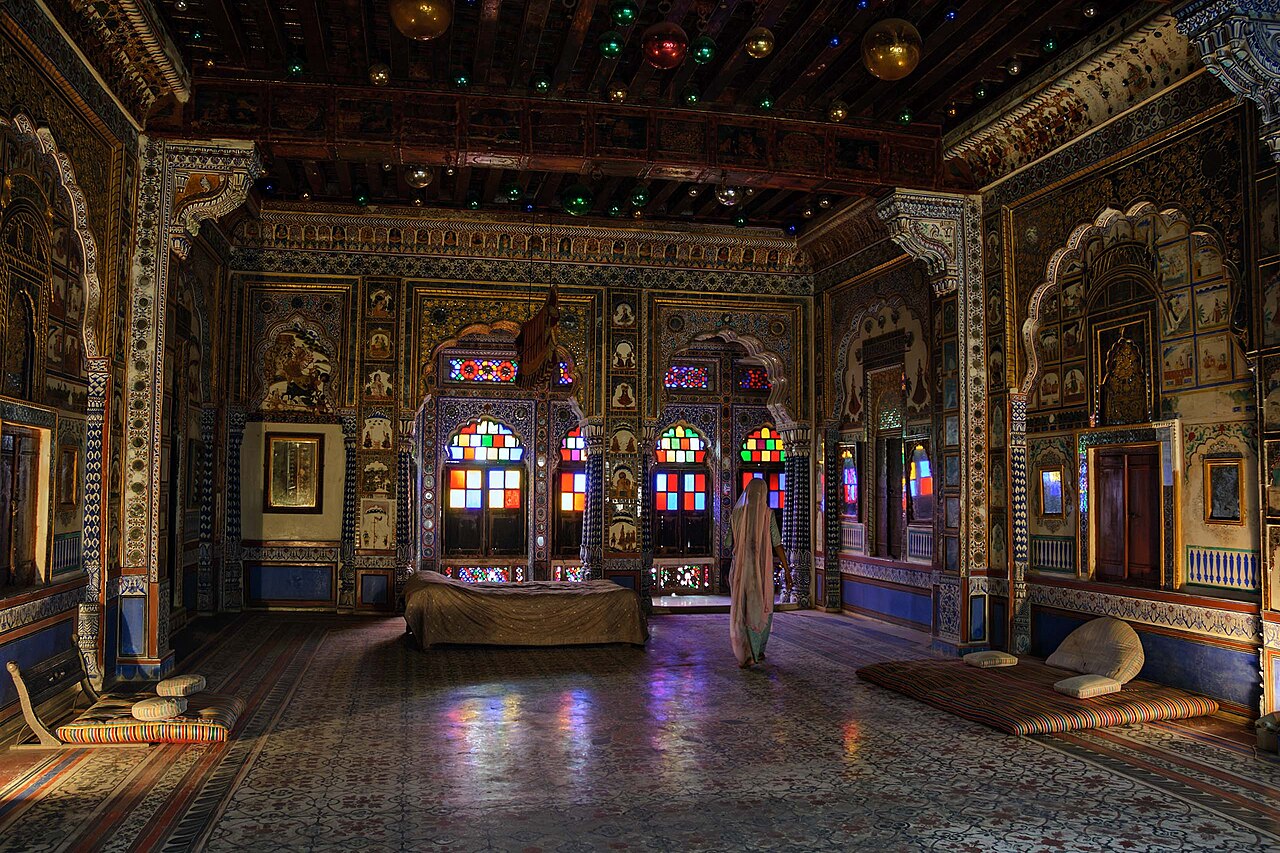
The most beautiful room is Phool Mahal, the Flower Palace, with its gilded ceiling. Also, look for Sheesh Mahal, the Mirror Palace, covered in tiny pieces of mirror glass.
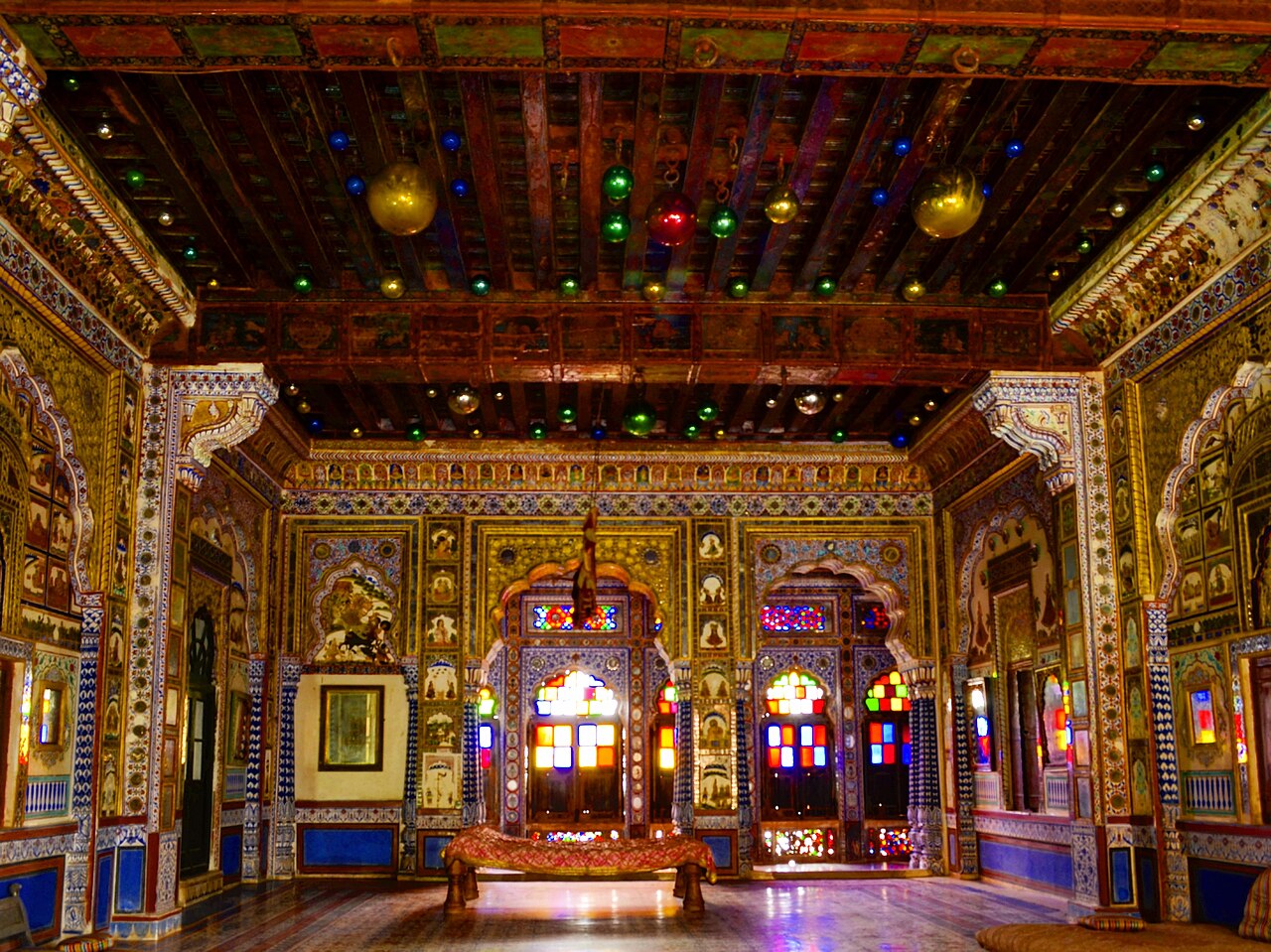
Tips for Visiting Mehrangarh Fort
- Arrive at opening time, because it gets hot and busy later
- Take the audio guide, since it brings the collection to life
- Finish on the ramparts for the classic view over the Blue City
- Use the lift if you prefer not to walk up the steep ramp
Exploring the Blue City of Jodhpur
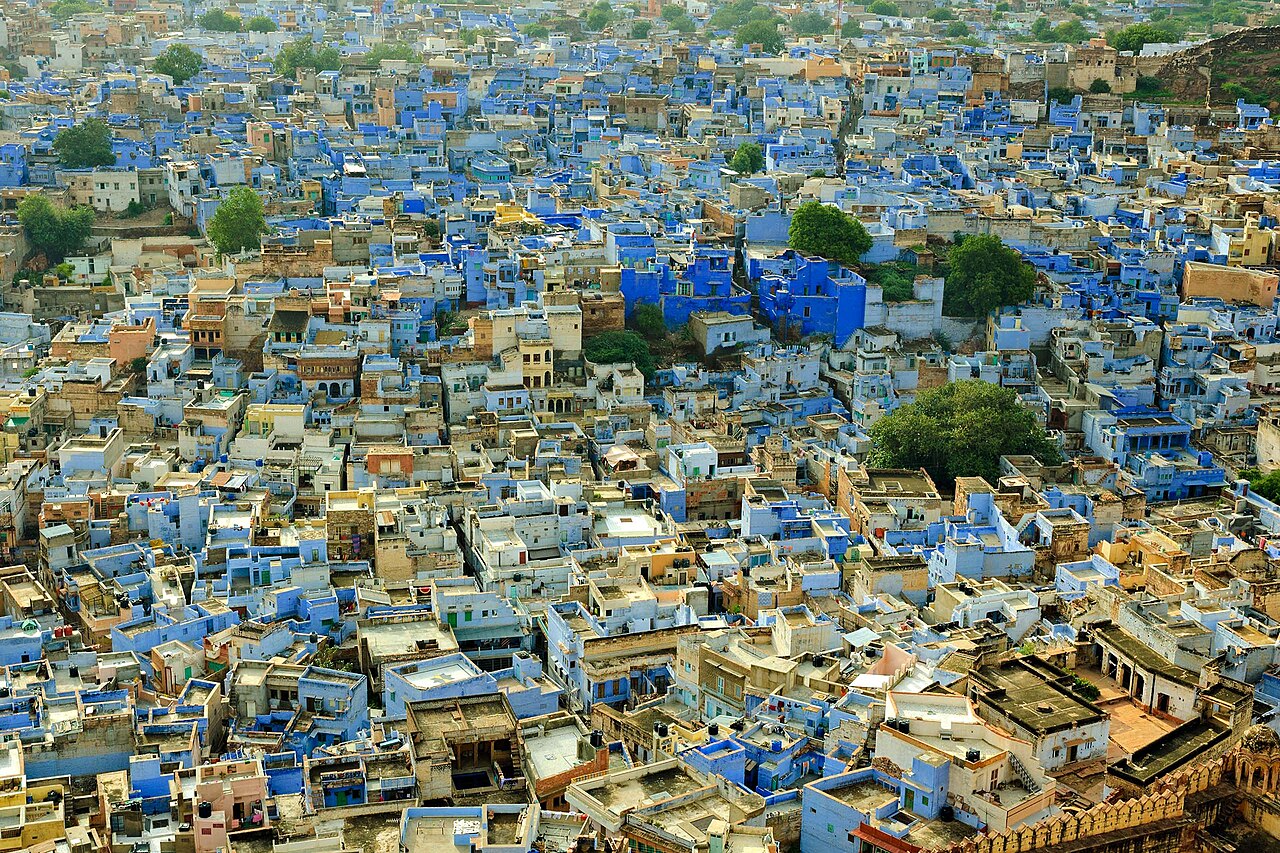
The old city spreads out below the fort, inside a historic wall with several gates. Its narrow lanes are lined with houses painted in indigo and sky blue. However, nobody agrees on exactly why. One theory links the colour to priestly Brahmin families. Another says blue keeps houses cooler in the desert heat. A third claims the indigo wash helped keep insects away. Whatever the reason, the result is unforgettable.
The best way to see it is on foot. So, walk down from the fort through the Navchokiya and Brahmpuri areas. Along the way, you will find small temples, carved doorways and rooftop cafes with fort views.
Things to Do in Jodhpur
Jaswant Thada
A short walk from the fort, Jaswant Thada is a white marble memorial. It was built in 1899 for Maharaja Jaswant Singh II. In the sun, its thin marble panels seem to glow. Also, the quiet gardens around it offer a great view back to the fort.

Umaid Bhawan Palace
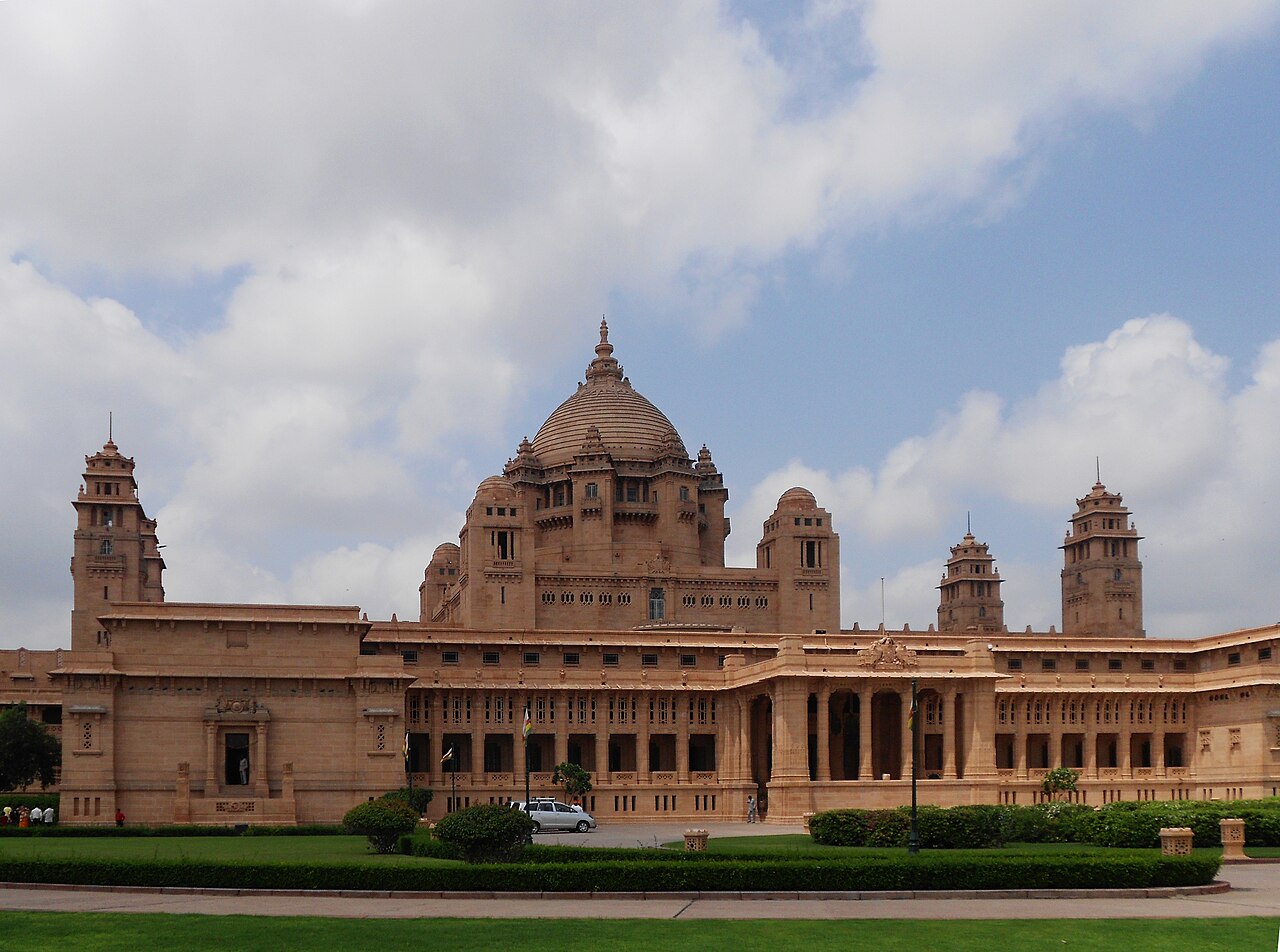
On a hill across town stands Umaid Bhawan Palace. It was built between 1929 and 1943 for Maharaja Umaid Singh. In fact, it is one of the largest private homes in the world. Today, part of it is still home to the royal family. Meanwhile, another part is a luxury hotel, and a third is a museum you can visit.
Ghanta Ghar and Sardar Market
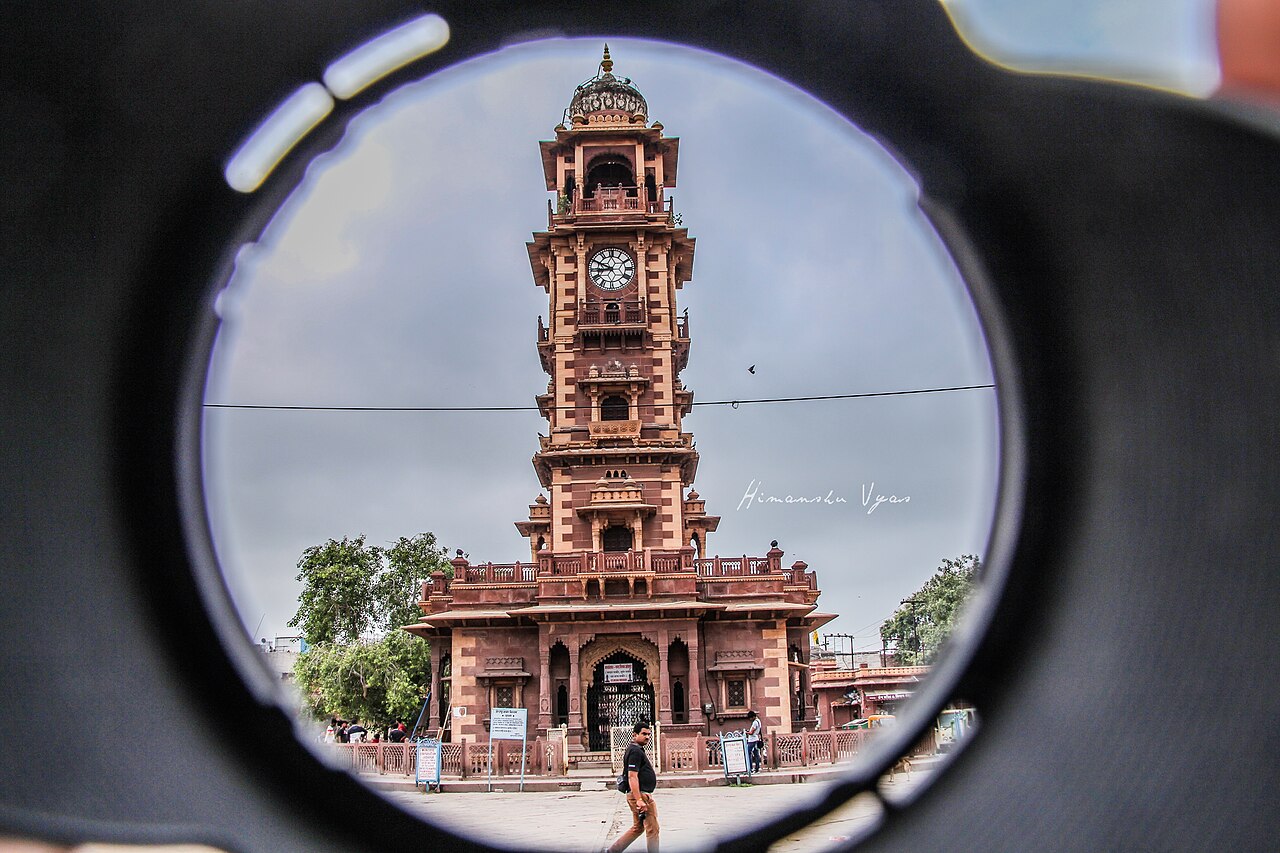
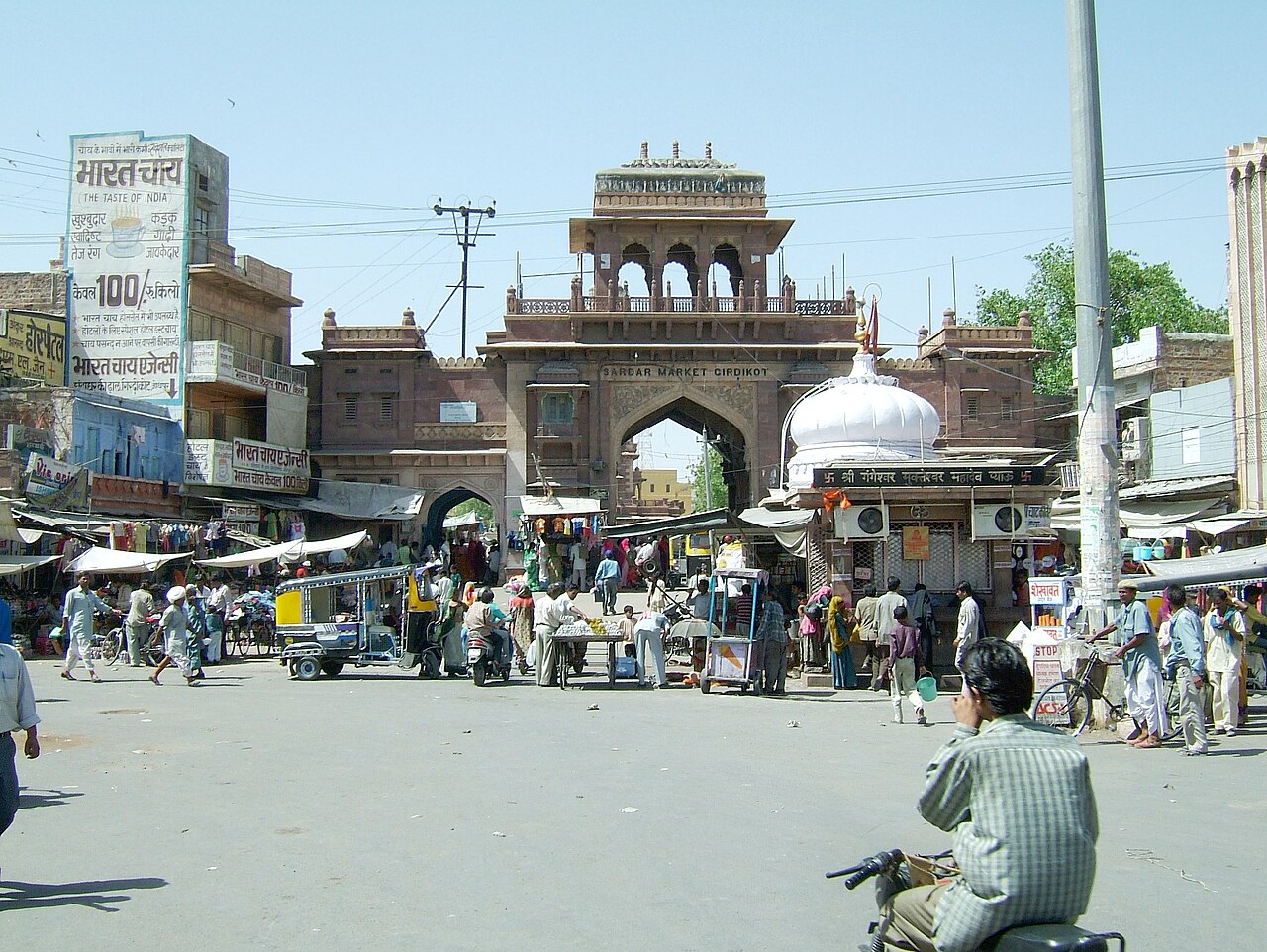
At the heart of the old city, the Ghanta Ghar clock tower rises above Sardar Market. This is the liveliest bazaar in town. Stalls sell spices, textiles, bangles and silver jewellery. Also, it is a great place to try local snacks such as mirchi bada, a fried chilli fritter.
Toorji ka Jhalra Stepwell
Toorji ka Jhalra is an 18th century stepwell made of rose-red sandstone. Carved steps lead down to the water. After years of neglect, it was restored. Now it is one of the most photogenic corners of the old city.

Mandore Gardens
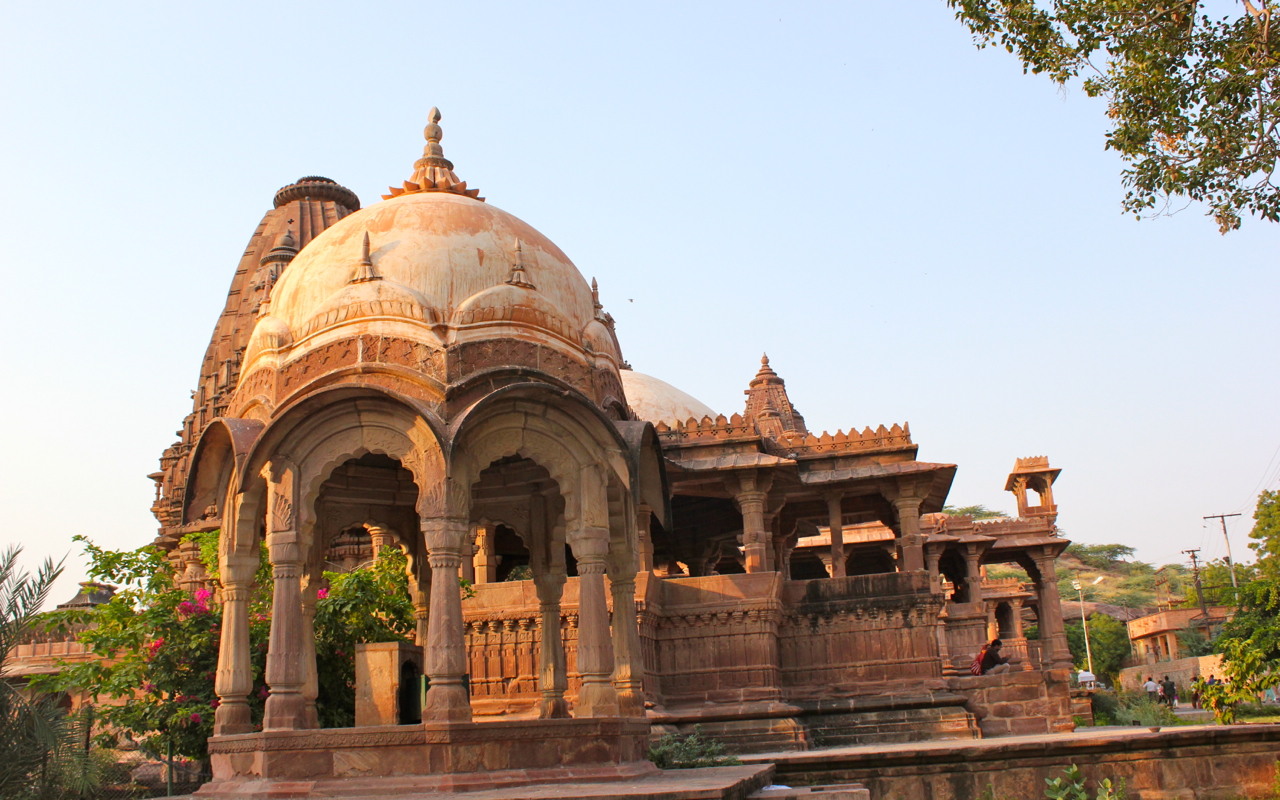
About 10 km north of the city lies Mandore. It was the capital of Marwar before Rao Jodha moved his court to Jodhpur. Today, its gardens hold tall red sandstone memorials to the city’s rulers. Together with its temples, it makes an easy half day trip.
One Historical Fact About Jodhpur India
On 11 August 1947, just four days before Indian independence, Maharaja Hanwant Singh signed the Instrument of Accession. As a result, the princely state of Jodhpur joined the new Union of India.
How to Get to Jodhpur India
- Flying in: Jodhpur Airport has direct flights from Delhi, Mumbai, Bengaluru and other Indian cities.
- Train: Rail links connect Jodhpur with Delhi, Jaipur, Jaisalmer and Ahmedabad, including overnight sleeper trains. It is also a stop for luxury trains such as the Palace on Wheels.
- Bus: State and private buses run to Jaipur, Udaipur, Jaisalmer, Ahmedabad and Delhi.
Best Time to Visit Jodhpur India
October to March is the best time to visit. During these months, days are warm and sunny, while nights are cool. From April to June, however, temperatures often climb above 40°C. Then the monsoon arrives from July to September, bringing occasional heavy rain.
Is Jodhpur India Worth Visiting?
Yes, absolutely. Jodhpur combines one of India’s greatest forts with an old city that still feels authentic. Also, it is calmer than Jaipur. So, it deserves a place on any trip through Rajasthan.
Final Thoughts on Jodhpur India
First, spend the morning at Mehrangarh Fort. Then wander down through the blue lanes in the afternoon. Finally, watch the sunset from a rooftop as the fort turns gold above the city. In Jodhpur, history is not behind glass. Instead, it is all around you.
Image Credits
Wikimedia Commons
Vyacheslav Argenberg: Jodhpur, India, Jodhpur old city panorama from Mehrangarh Fort, CC BY 4.0

Jakub Hałun: 20191210 Mehrangarh Fort, Jodhpur 1016 7834, CC BY-SA 4.0

Daniel VILLAFRUELA: Jodhpur-Mehrangarh Fort-40-Jai Pol-20131011-1578, CC BY-SA 3.0

Everhard van Eimeren: Phool Mahal (Flower Palace) at Mehrangarh Fort Jodhpur India 25Aug2006, CC BY-SA 4.0

Mariahwikiphoto: Sheesh mahal in mehrangarh fort, CC BY-SA 4.0

Jakub Hałun: 20191210 Jaswant Thada, Jodhpur 1242 7961, CC BY-SA 4.0

Yann: Umaid Bhawan, Jodhpur, CC BY-SA 4.0

Theanshulvyas: Clock tower Sardar market jodhpur, CC BY-SA 4.0

Acred99: Rajasthan-Jodhpur-Sardar-Market-entrance-Apr-2004-01, CC BY-SA 3.0

Dr. Raju Kasambe: Toorji Ka Jhalra Toorji’s Step Well Jodhpur DSCN0671 (1) 11, CC BY-SA 4.0

Nagarjun Kandukuru: Jodhpur cenotaph Mandore gardens Rajasthan India, CC BY 2.0

Everhard van Eimeren: Jodhpur the blue city view over the maze of houses India 25Aug2006, CC BY-SA 4.0
