
Niagara-on-the-Lake is a heritage town in Ontario where tree-lined streets of 19th century houses lead to theatres, wineries and the shore of Lake Ontario. Once the first capital of Upper Canada, it now offers a gentler side of the Niagara region, with flower-filled gardens, world-famous icewine and the falls just a short drive away.
Quick Facts About Niagara-on-the-Lake, Canada
| Country | Canada |
| Region | Niagara Region, Ontario |
| Known For | Heritage town centre, Fort George, Shaw Festival, wineries and icewine |
| UNESCO Status | Not listed |
| Founded | 1781, as Butlersburg |
| Best Time to Visit | May to October |
| Time Needed | 1 to 2 days |
| Continent | North America |
Where Is Niagara-on-the-Lake, Canada?
Niagara-on-the-Lake is in the Niagara Region of southern Ontario, where the Niagara River flows into Lake Ontario. It sits directly across the river from the United States, north of Niagara Falls and roughly a 90 minute drive from Toronto.
Why Visit Niagara-on-the-Lake, Canada?
First, the historic town centre is one of the best preserved in Canada. Its colonial-style buildings, shops and gardens make it a delight to explore on foot.
In addition, Niagara-on-the-Lake is at the heart of Ontario’s wine country, with dozens of wineries in the surrounding countryside. Finally, its theatre festival, historic fort and closeness to Niagara Falls make it easy to fill a weekend.
Queen Street and the Old Town
Queen Street
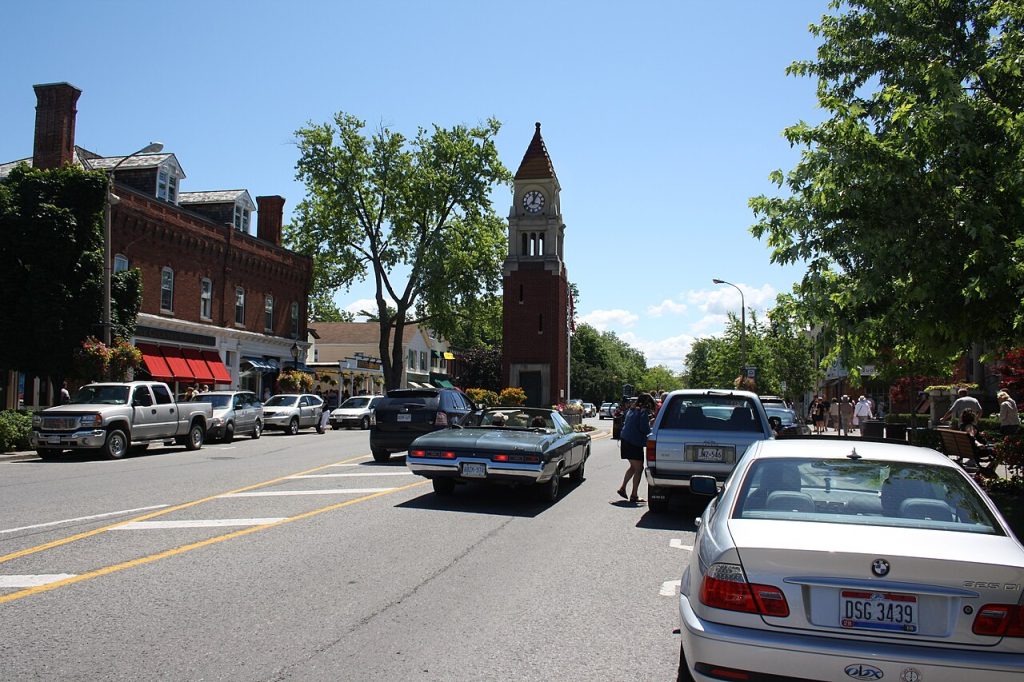
Queen Street is the main street of the old town, lined with boutiques, cafes, sweet shops and inns. The clock tower, a memorial, stands in the middle of the street and is the town’s best-known landmark.
Heritage Homes
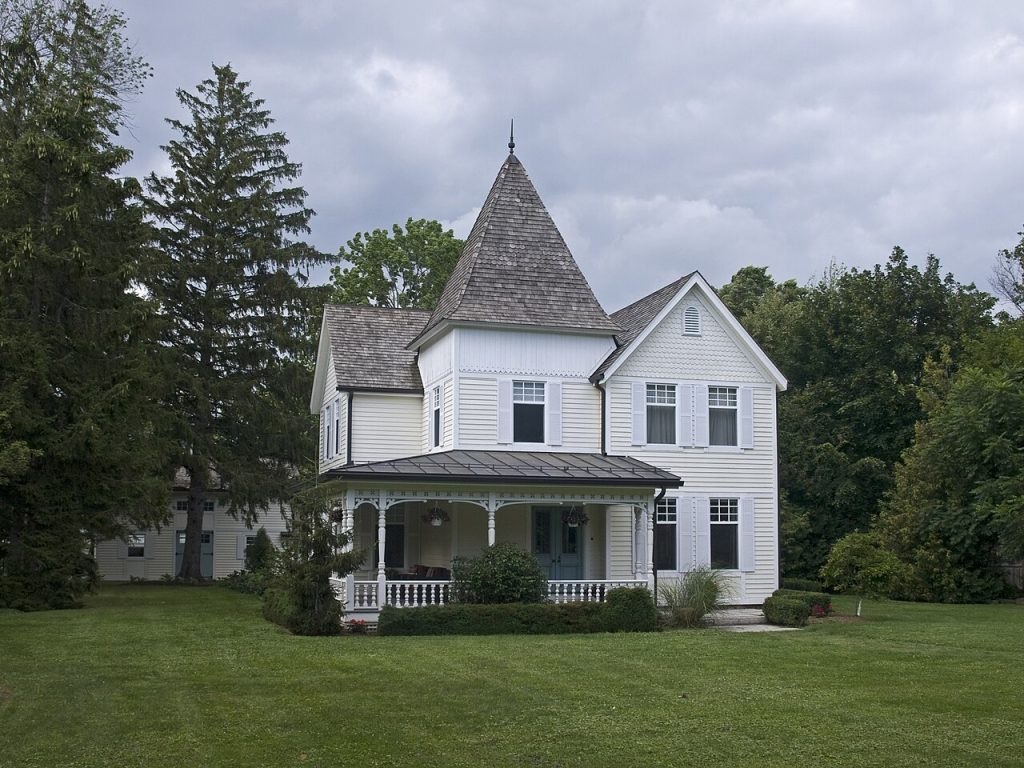
Side streets such as King Street are lined with beautifully restored houses from the 19th century, many surrounded by gardens. A walk or a horse-drawn carriage ride is a lovely way to see them.
The Shaw Festival
The town is home to the Shaw Festival, Canada’s second largest producing theatre. Its repertory company stages works by George Bernard Shaw, his contemporaries and modern playwrights across several theatres, mainly from spring to autumn.
Fort George and the War of 1812
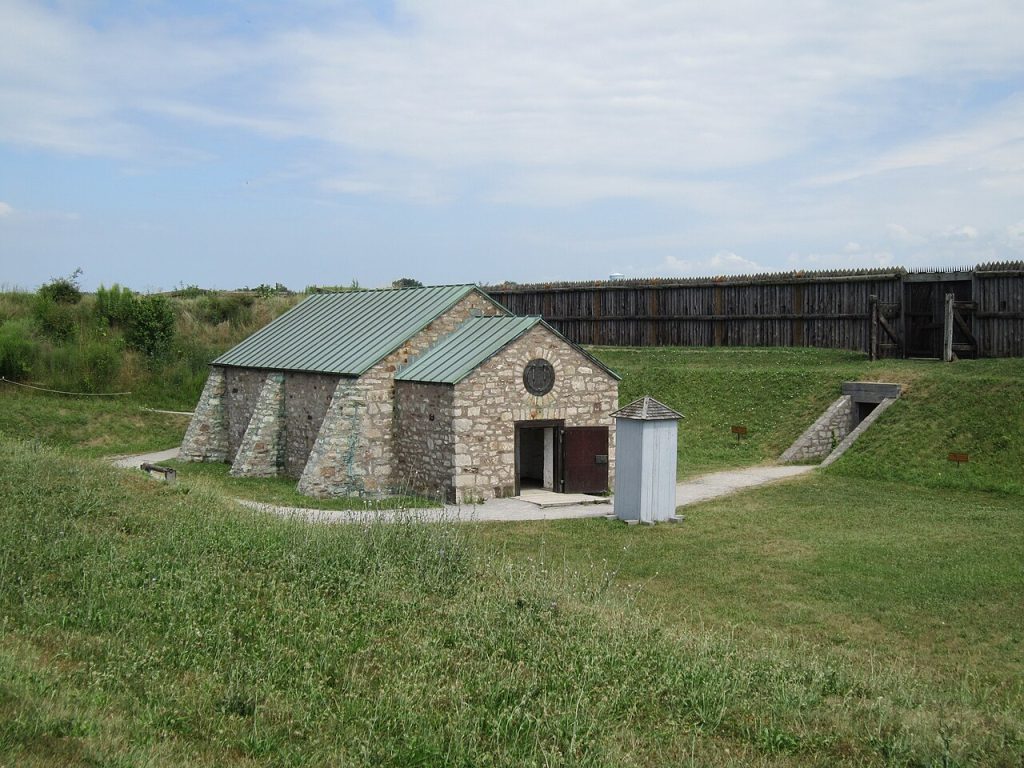
Fort George, just south-east of the town centre, was a key British stronghold during the War of 1812. The Americans captured it in May 1813 after a two-day bombardment, and when they withdrew later that year, the town was burned. Today, the reconstructed fort is a National Historic Site.
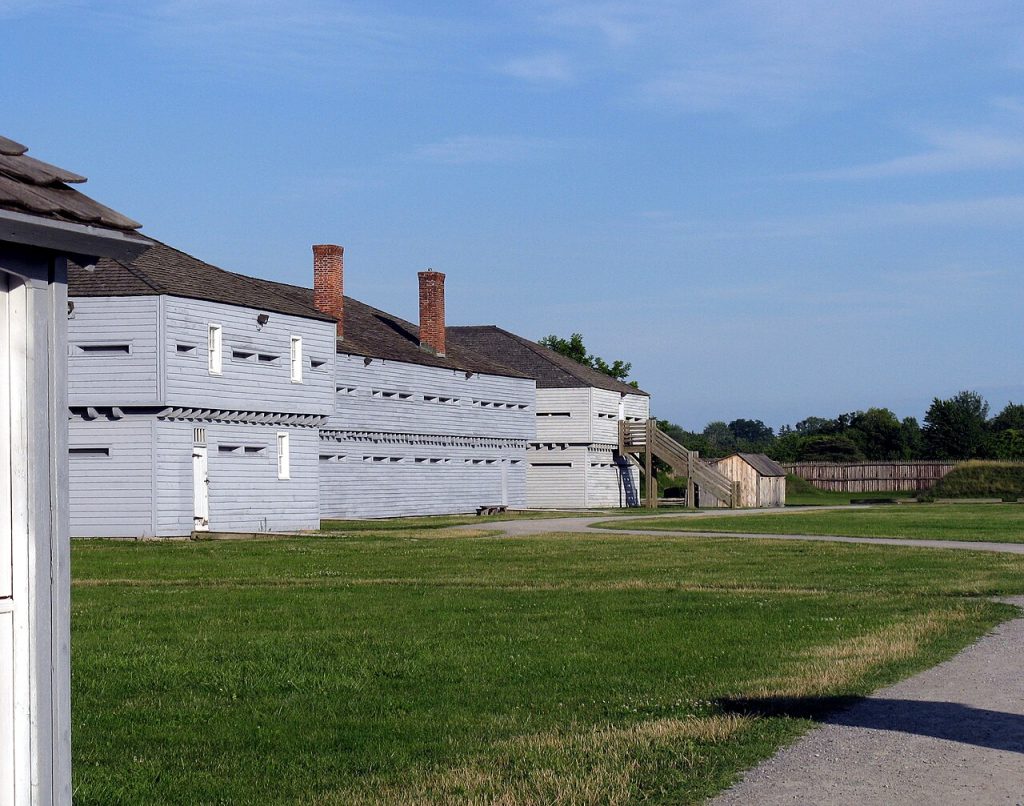
Inside, visitors can explore barracks, officers’ quarters and the original stone powder magazine from 1796, one of the oldest buildings in Ontario. In summer, costumed interpreters bring the fort to life with musket demonstrations and drills.
Wineries and the Niagara Parkway
Wine Country
Icewine
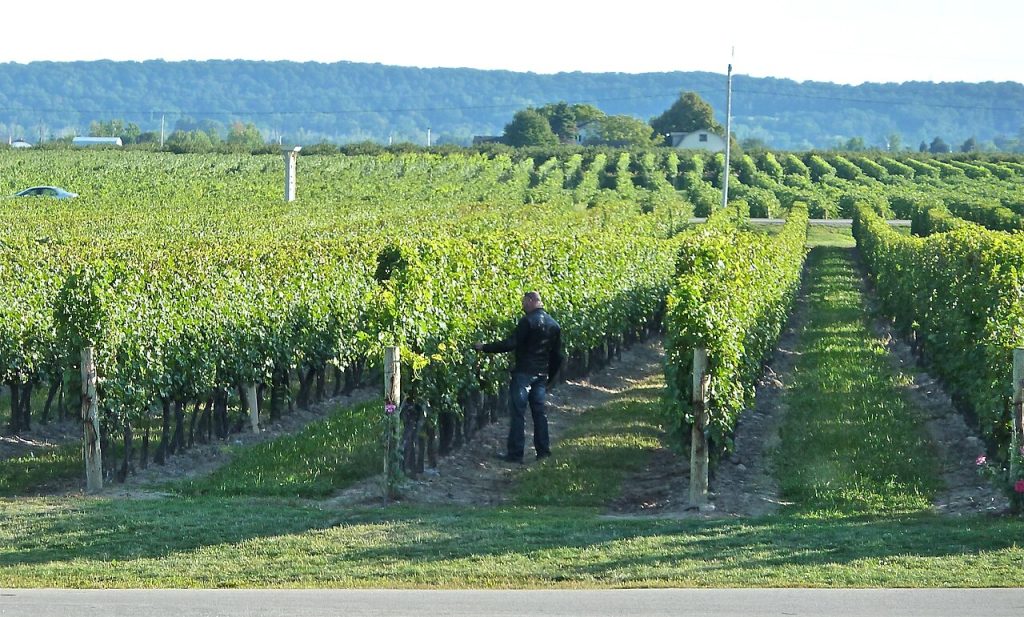
The Niagara region is famous for icewine, a sweet wine made from grapes left to freeze on the vine and picked in winter. Many local wineries offer tastings, so it is a great place to try it.
Winery Visits
Wineries range from small family estates to large estates with restaurants. Cycling between them on quiet roads is a popular way to spend a day.
The Niagara Parkway
The Niagara Parkway follows the river south toward Niagara Falls, passing parks, orchards and historic sites. Along the way, a recreational trail is ideal for cycling, and the views over the Niagara Gorge are impressive.
One Historical Fact About Niagara-on-the-Lake, Canada
The settlement was founded in 1781 as Butlersburg, in honour of Colonel John Butler of Butler’s Rangers. In 1792, Lieutenant-Governor John Graves Simcoe renamed it Newark and made it the first capital of Upper Canada, the predecessor of Ontario. However, in 1797 the capital moved to York, now Toronto, because Newark was too close to the American border.
How to Get to Niagara-on-the-Lake, Canada
Most visitors arrive by car from Toronto, a drive of about 90 minutes along the Queen Elizabeth Way. Alternatively, take a GO Transit or VIA Rail train to St. Catharines or Niagara Falls and continue by bus or taxi. Toronto Pearson is the main international airport, while Buffalo Niagara International Airport across the border is also nearby.
Best Time to Visit Niagara-on-the-Lake, Canada
The best time to visit is from May to October, when gardens bloom, the Shaw Festival is in full swing and wineries are busy. Autumn brings the grape harvest and colourful foliage. Winter is quieter, but January hosts icewine celebrations.
Is Niagara-on-the-Lake, Canada Worth Visiting?
Yes, Niagara-on-the-Lake is well worth visiting. It combines history, theatre, wine and gardens in one walkable town. Moreover, its location makes it the perfect base for seeing Niagara Falls without staying in the busy tourist centre.
Final Thoughts
Niagara-on-the-Lake rewards a slow, relaxed visit. Stroll Queen Street, explore Fort George, see a play at the Shaw Festival and toast the day with a glass of icewine. In short, it is one of Ontario’s most enjoyable small towns.
Image Credits
Wikimedia Commons
- Queen Street, Niagara-on-the-Lake: Photo by Paste via Wikimedia Commons (CC BY-SA 3.0)
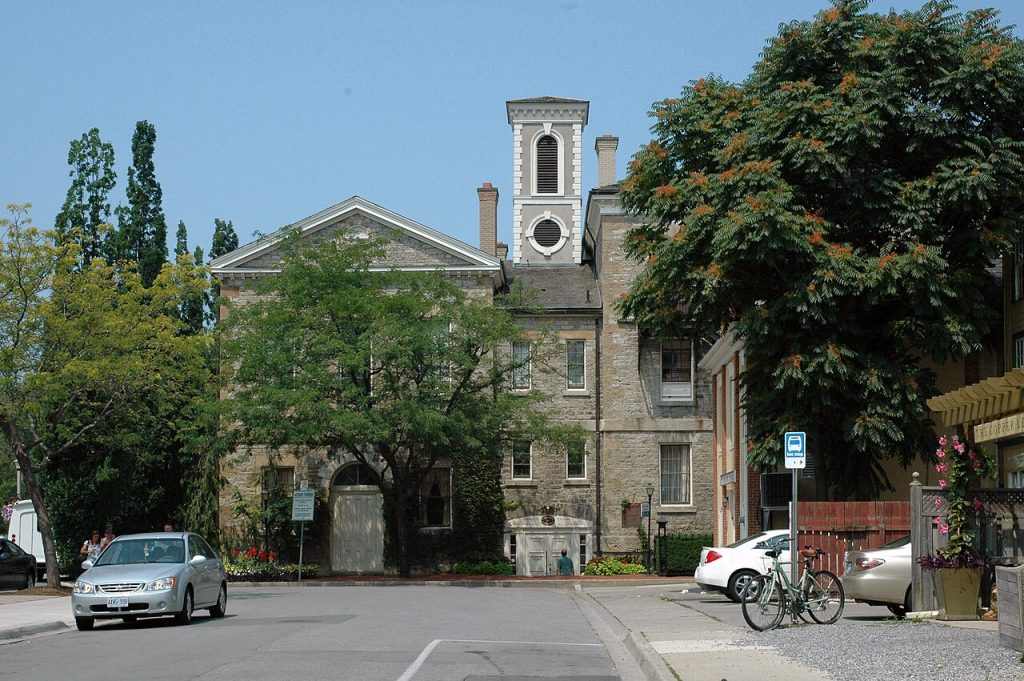
- Market Street, Niagara-on-the-Lake: Photo by DimiTalen via Wikimedia Commons (CC0)
- King Street House: Photo by Ymblanter via Wikimedia Commons (CC BY-SA 4.0)
- Fort George: Photo by Balcer via Wikimedia Commons (Public domain)
- Fort George Powder Magazine: Photo by Robert Linsdell via Wikimedia Commons (CC BY 2.0)
- The Vineyard at Peller Estates: Photo by Deb Nystrom via Wikimedia Commons (CC BY 2.0)