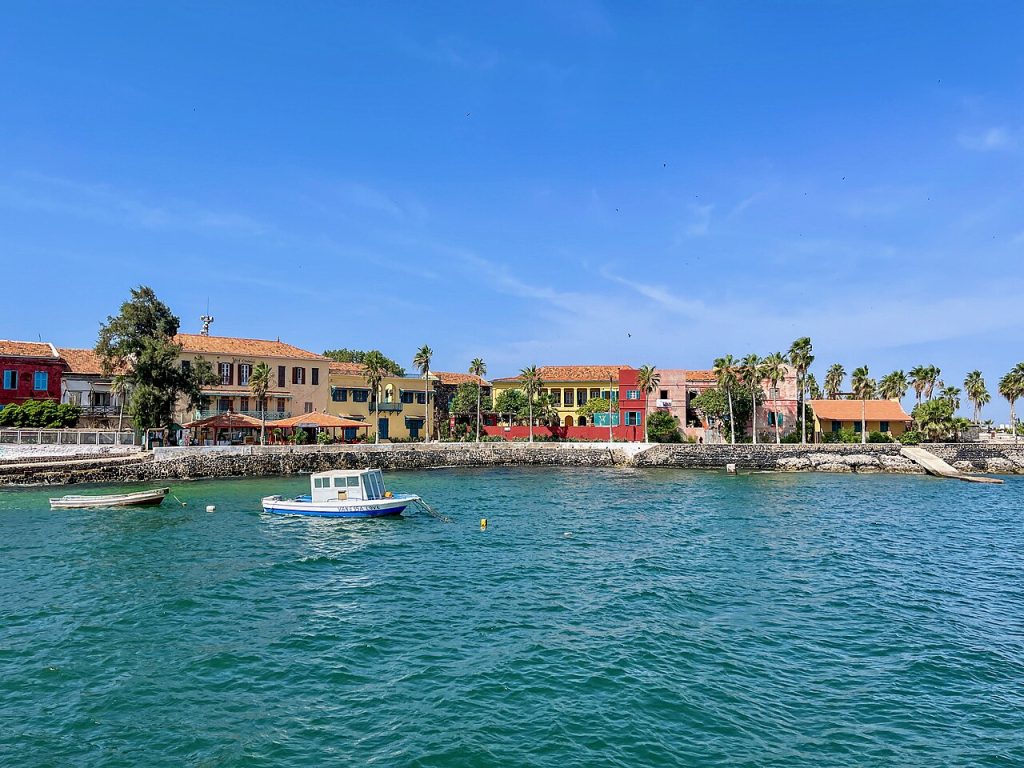
Just a short ferry ride from busy Dakar, a tiny island waits in the Atlantic. Its lanes are sandy and quiet, while its houses are painted in ochre, pink and red. Yet behind the beauty lies one of the most painful chapters in human history. Today, Gorée Island Senegal is a place of memory, reflection and surprising peace. In this guide, you will learn what to see, how to get there and how to make the most of your visit.
Quick Facts About Gorée Island, Senegal
| Country | Senegal |
| Region | Dakar Region, off the Cap-Vert Peninsula |
| Known For | The House of Slaves and colorful colonial streets |
| UNESCO Status | World Heritage Site since 1978 |
| Founded | European settlement from the 15th century |
| Best Time to Visit | November to May |
| Time Needed | Half a day to one day |
| Continent | Africa |
Where Is Gorée Island in Senegal?
Gorée Island lies about two kilometers off the coast of Dakar, the capital of Senegal. More precisely, it sits in a sheltered bay on the eastern side of the Cap-Vert Peninsula, the westernmost point of mainland Africa.
The island is very small. In fact, it measures roughly 900 meters long and 350 meters wide, so you can walk around it in an hour. Since there are no cars, it feels worlds away from the noise of the city.
Why Visit Gorée Island, Senegal?
First and foremost, Gorée is a place to understand history. For centuries, European powers used the island as a trading post, including in the Atlantic slave trade. As a result, it is now a symbol of that tragedy and of reconciliation.
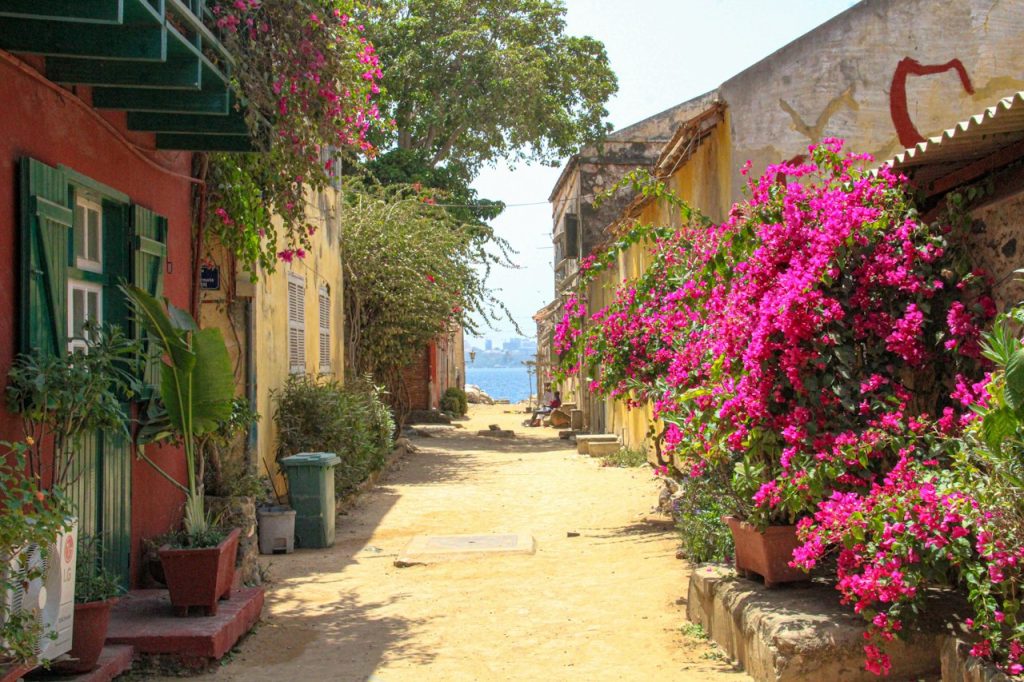
At the same time, Gorée is beautiful. For example, bougainvillea spills over old walls, artists sell paintings by the harbor and children play on the small beach. In addition, the island has a strong community of residents who keep its streets alive. As a result, a visit here is both moving and uplifting.
The House of Slaves and the Door of No Return
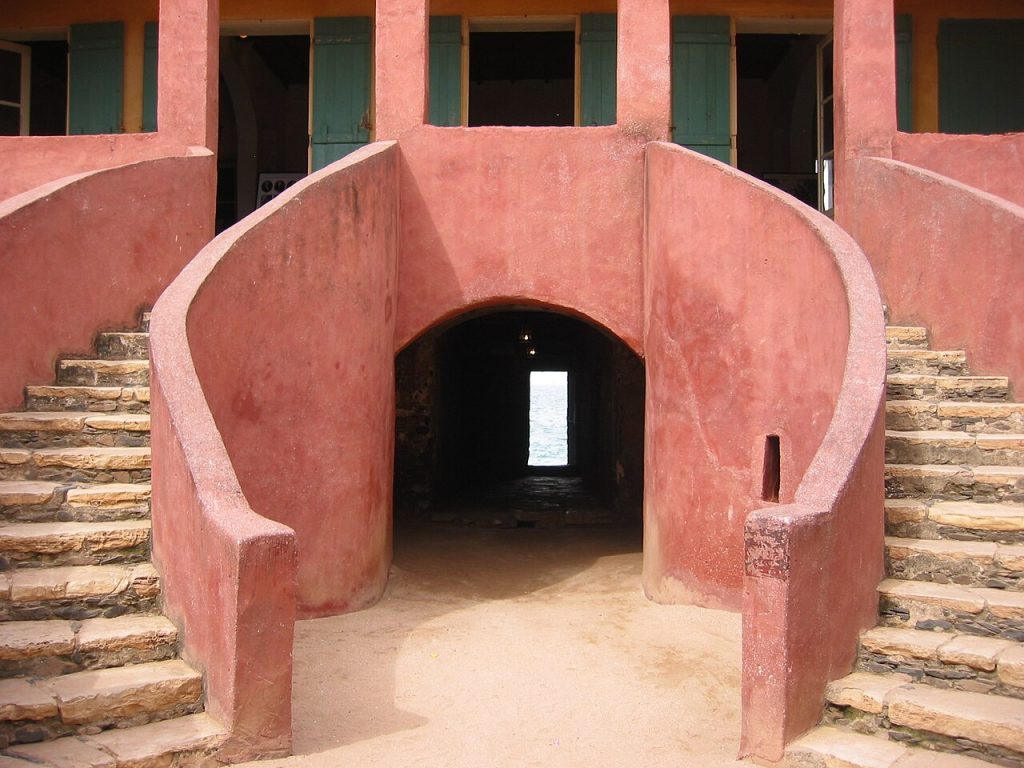
The Maison des Esclaves, or House of Slaves, is the most visited site on Gorée. It dates from the late 18th century, and today it is a museum and memorial.
Inside the House
On the ground floor, small, dark cells line a narrow corridor. Here, guides explain how captives were held, separated by age and sex. Upstairs, by contrast, the merchants lived in bright rooms with views of the sea. For many people, this difference is one of the most haunting parts of the visit.
The Door of No Return
Finally, at the end of the corridor, a doorway opens directly onto the ocean. It is known as the Door of No Return. For many visitors, standing in this doorway is the emotional heart of their trip. Over the years, world leaders such as Pope John Paul II, Nelson Mandela and Barack Obama have all stood here.
A Place of Debate and Remembrance
Historians debate how many enslaved people actually passed through this particular house and through Gorée as a whole. For instance, some argue that the island played a smaller role than other ports on the African coast. Even so, Gorée remains a powerful memorial to the millions of Africans taken across the Atlantic. Therefore, visit with respect and take time to reflect.
Exploring the Lanes of Gorée Island
Beyond the House of Slaves, the island is a joy to explore slowly. In general, most buildings date from the 18th and 19th centuries, built by merchant families of mixed African and European heritage.
Colonial Streets and Houses
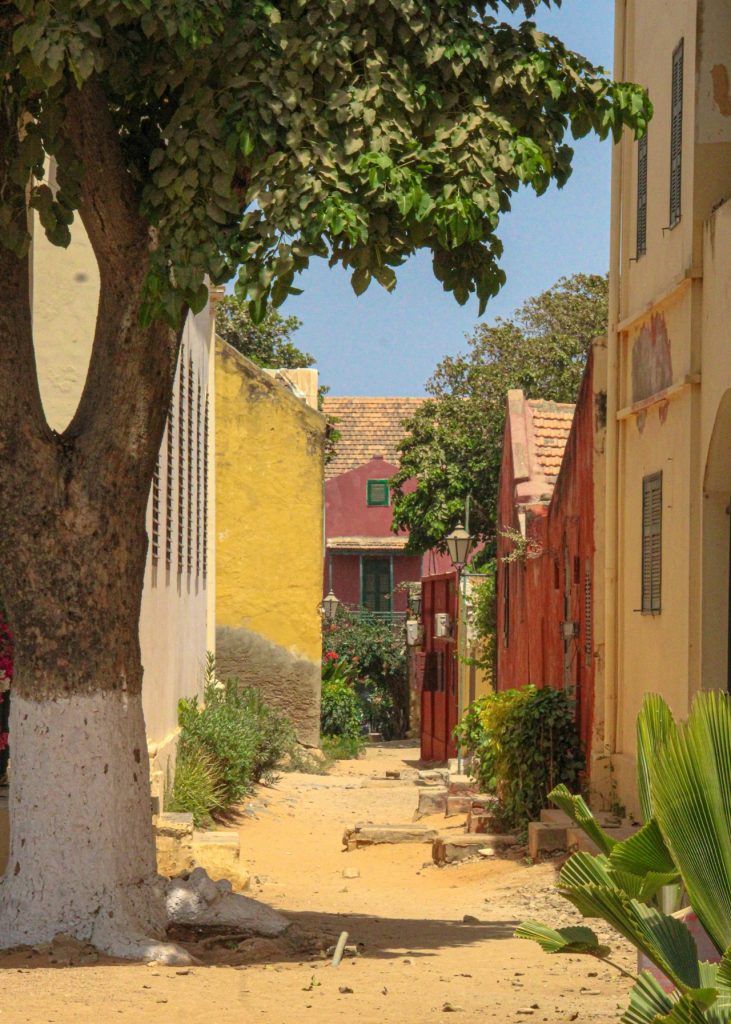
As you wander the sandy lanes, you will find courtyards, wooden balconies and walls in warm earth tones. Many houses have been restored, while others are slowly crumbling. Still, both are equally photogenic. Meanwhile, the small town hall and church add to the colonial atmosphere.
Museums and Forts
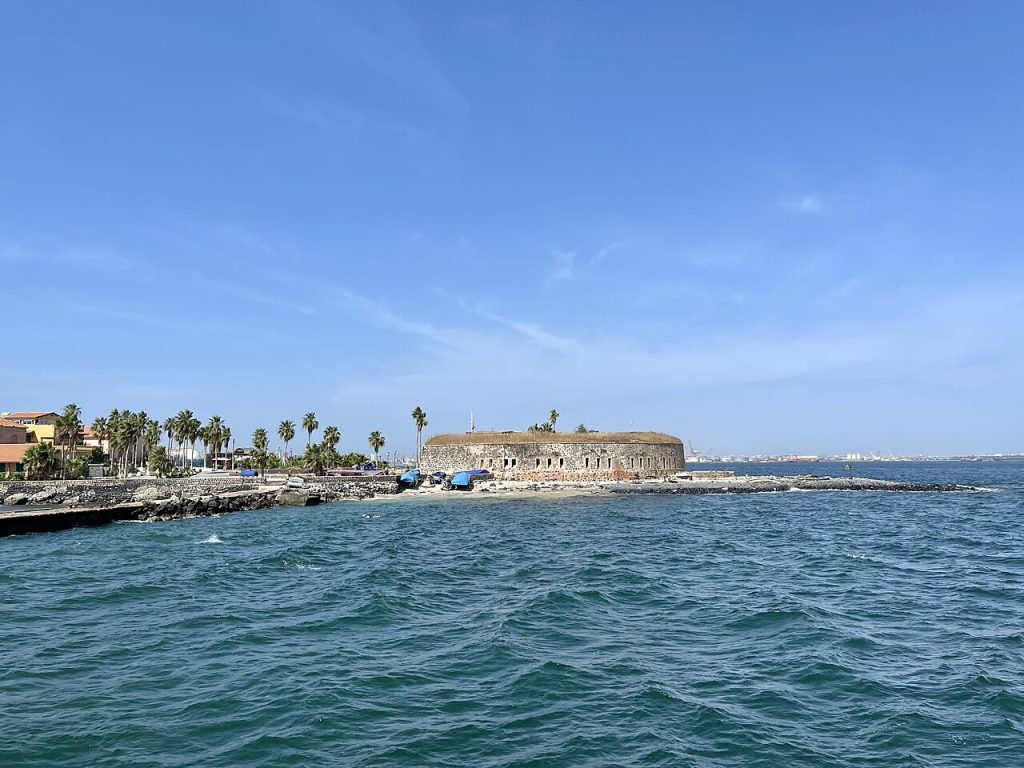
Gorée also has several small museums. Fort d’Estrées, a round 19th century fort on the north side of the island, houses the History Museum of Senegal. Inside, its rooms tell the story of the country from prehistory to independence.
The Castel and the Memorial
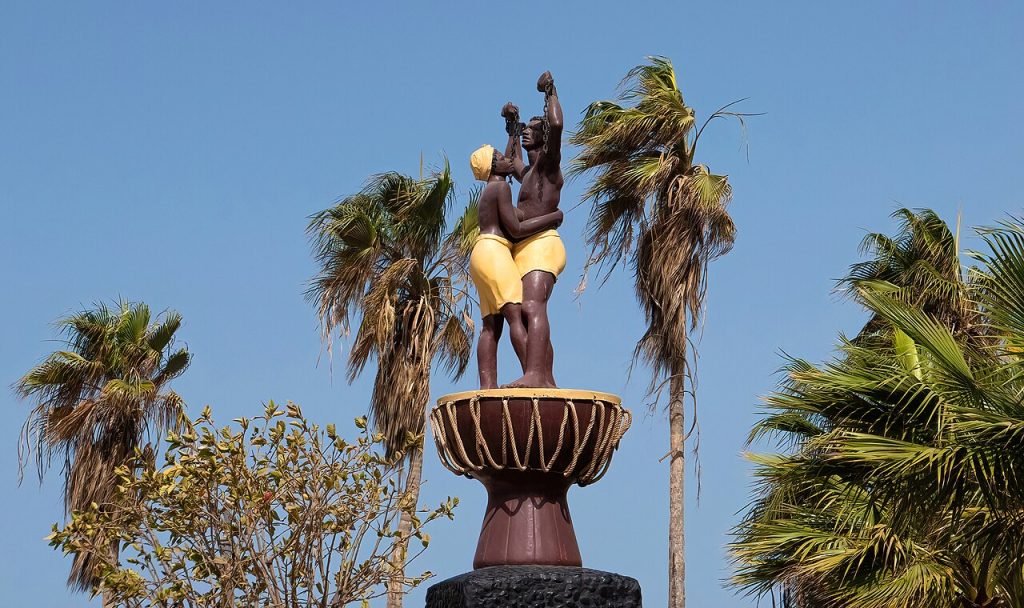
At the southern end, a path climbs to the Castel, a rocky plateau with old gun batteries from the Second World War. From here, you can also see the skyline of Dakar across the water. In addition, artists often set up studios in the old bunkers. Back near the House of Slaves, a bronze statue of a couple breaking their chains celebrates the end of slavery.
One Historical Fact About Gorée Island, Senegal
The island’s name probably comes from Dutch. In the late 16th century, Dutch traders called it Goede Reede, meaning “good harbor,” because the bay offered safe anchorage. Later, the Portuguese, Dutch, British and French all fought for control of the island. In the end, France held it for most of the colonial period.
How to Get to Gorée Island, Senegal
Ferries to Gorée leave from the Embarcadère, the ferry terminal near the port of Dakar. The crossing then takes about 20 minutes. Boats run regularly throughout the day, from early morning until the evening, so check the latest timetable when you arrive.
Note that foreign visitors pay a higher fare than residents, and there is a small tourist fee on arrival. Once on the island, everything is within walking distance. Meanwhile, official guides wait near the pier. Hiring one is a good way to understand the history and support the local community.
Most people visit Gorée as a day trip from Dakar. However, a few guesthouses on the island let you stay the night and enjoy it after the crowds leave.
Best Time to Visit Gorée Island, Senegal
The best time to visit is during the dry season, from November to May. During these months, the weather is sunny and pleasant, and the sea is calm for the crossing.
The rainy season runs from about July to October. It also brings heat, humidity and sudden storms. Weekends are busier year round, as many Dakar residents come to relax on the island. Therefore, try to visit on a weekday morning for a quieter experience.
Is Gorée Island, Senegal Worth Visiting?
Yes, it is one of the most meaningful places you can visit in West Africa. After all, few destinations combine such deep history with such a calm, beautiful setting.
Above all, Gorée invites you to slow down, listen and remember. Even so, just a few hours here will stay with you for a long time.
Final Thoughts
Gorée Island Senegal is a place of contrasts. Painful memories sit beside bright colors, while silence sits beside the laughter of children on the beach. Take the ferry, walk the lanes with an open heart and stand for a moment at the Door of No Return. It is a journey every traveler to Senegal should make.
To explore more of Africa’s historic island towns, also read our guides to Saint-Louis, Senegal and Stone Town, Zanzibar.
Image Credits
Unsplash
- Bougainvillea Lane on Gorée: Photo by Sweder Breet on Unsplash (Unsplash License)
- Colorful Street on Gorée: Photo by Sweder Breet on Unsplash (Unsplash License)
Wikimedia Commons
- Gorée Island Waterfront: Photo by Fawaz.tairou via Wikimedia Commons (CC BY-SA 4.0)
- Fort on Gorée Island: Photo by Fawaz.tairou via Wikimedia Commons (CC BY-SA 4.0)
- House of Slaves, Gorée Island: Photo by Robin Elaine via Wikimedia Commons (CC BY 2.0)
- Slavery Memorial on Gorée: Photo by Adrian Turner via Wikimedia Commons (CC BY-SA 2.0)