High in the coffee-covered mountains of western El Salvador, a small town has turned its walls into a giant open-air gallery. Bright murals of flowers, cats and village life cover almost every corner of its cobbled streets. This is Ataco, officially Concepción de Ataco, one of the most colorful stops on the famous Ruta de las Flores. In this guide, you will discover what to see, how to get there and when to visit.
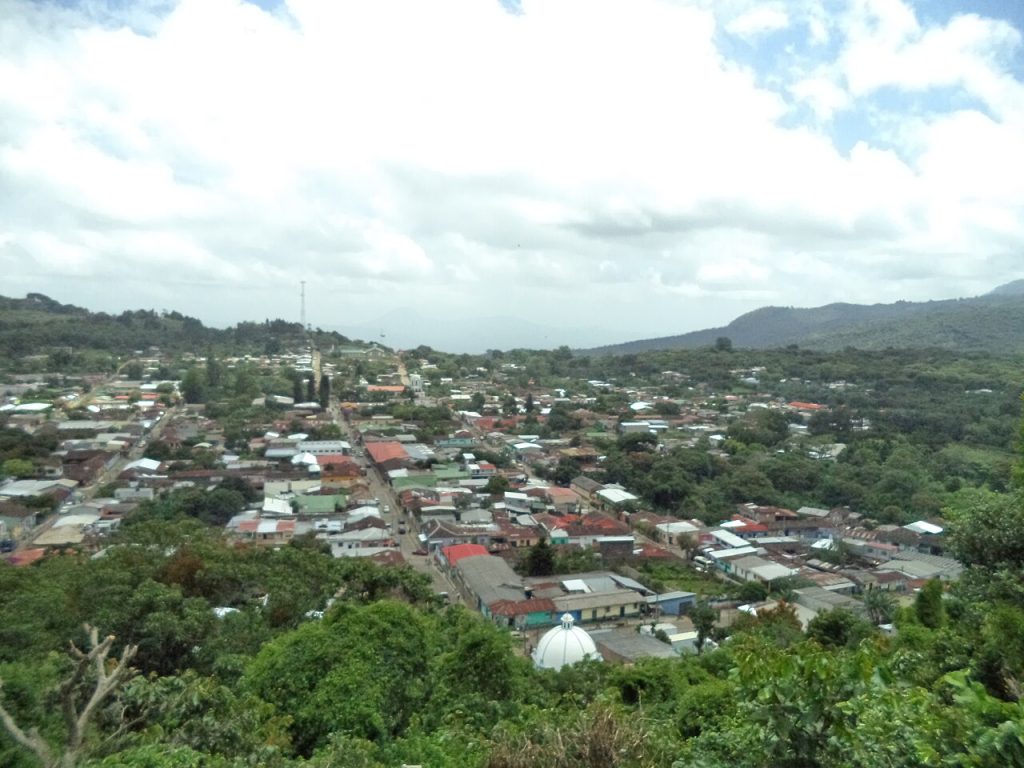
Quick Facts About Ataco, El Salvador
| Country | El Salvador |
| Region | Ahuachapán Department, Cordillera de Apaneca |
| Known For | Murals, cobbled streets, coffee and the Ruta de las Flores |
| UNESCO Status | Not listed |
| Founded | Pipil origins; established as a town in 1770 |
| Best Time to Visit | November to April |
| Time Needed | One to two days |
| Continent | Central America |
Where Is Ataco, El Salvador?
Ataco lies in the Ahuachapán Department of western El Salvador. Specifically, the town sits about 1,240 meters above sea level in the Cordillera de Apaneca, a range of volcanic mountains covered in coffee farms.
In addition, it is one of the main towns on the Ruta de las Flores, a scenic road that winds through the mountains. As a result, Ataco is easy to combine with Juayúa, Apaneca, Salcoatitán and Nahuizalco.
Why Visit Ataco, El Salvador?
First of all, Ataco is incredibly colorful. In fact, it is often called the mural village, and it is covered with painted walls that celebrate nature, culture and everyday life.
In addition, the town has a cool mountain climate. Indeed, temperatures rarely rise above 23°C, which makes it a refreshing escape from the heat of the coast.
Finally, Ataco is surrounded by coffee country. In particular, hills of coffee plants stretch in every direction, and you can visit local farms to see how the beans are grown and roasted.
Exploring the Murals of Ataco
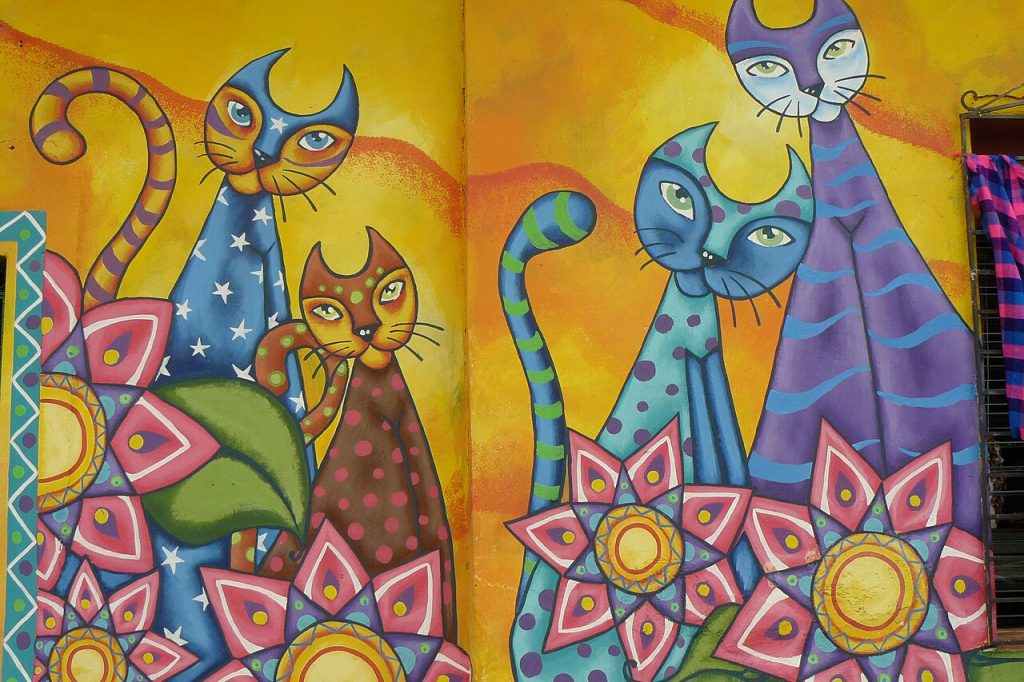
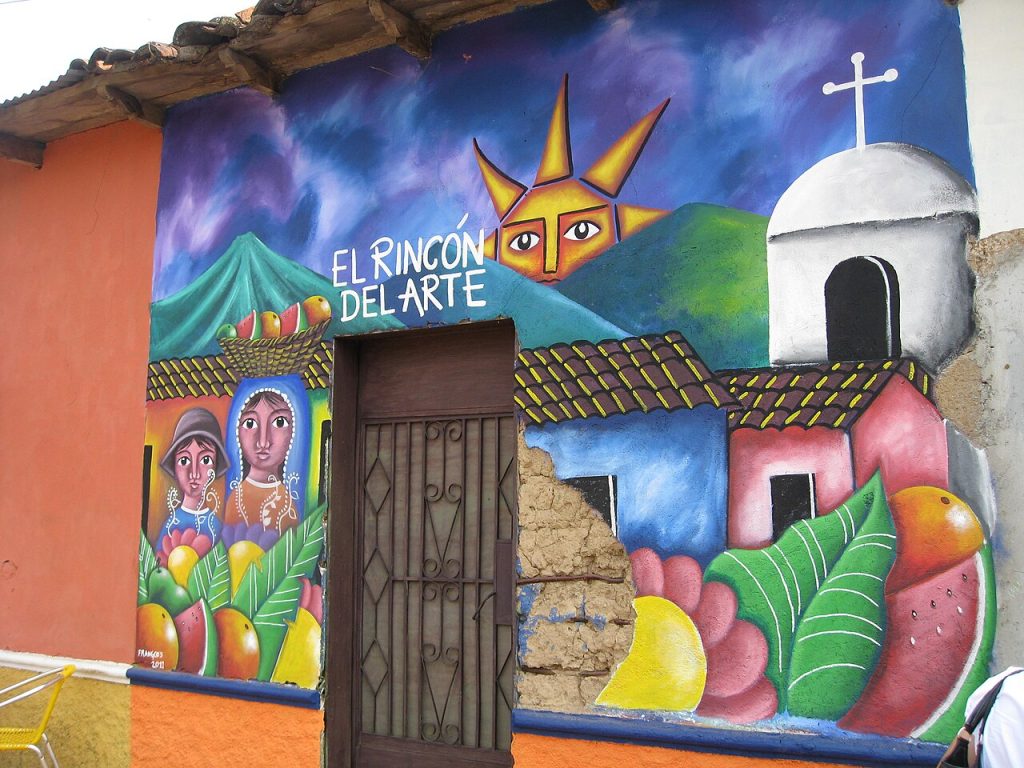
The murals are the heart of the town’s identity. Since tourism began to grow in the early 2000s, local artists have painted walls, doors and shopfronts all over town.
The Main Square
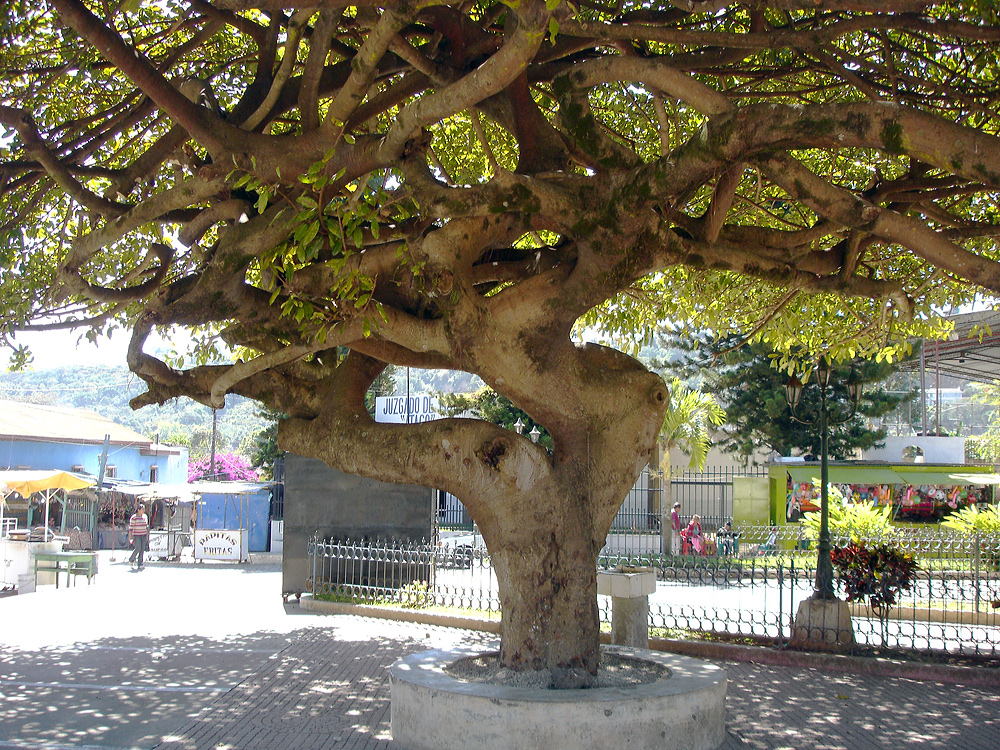
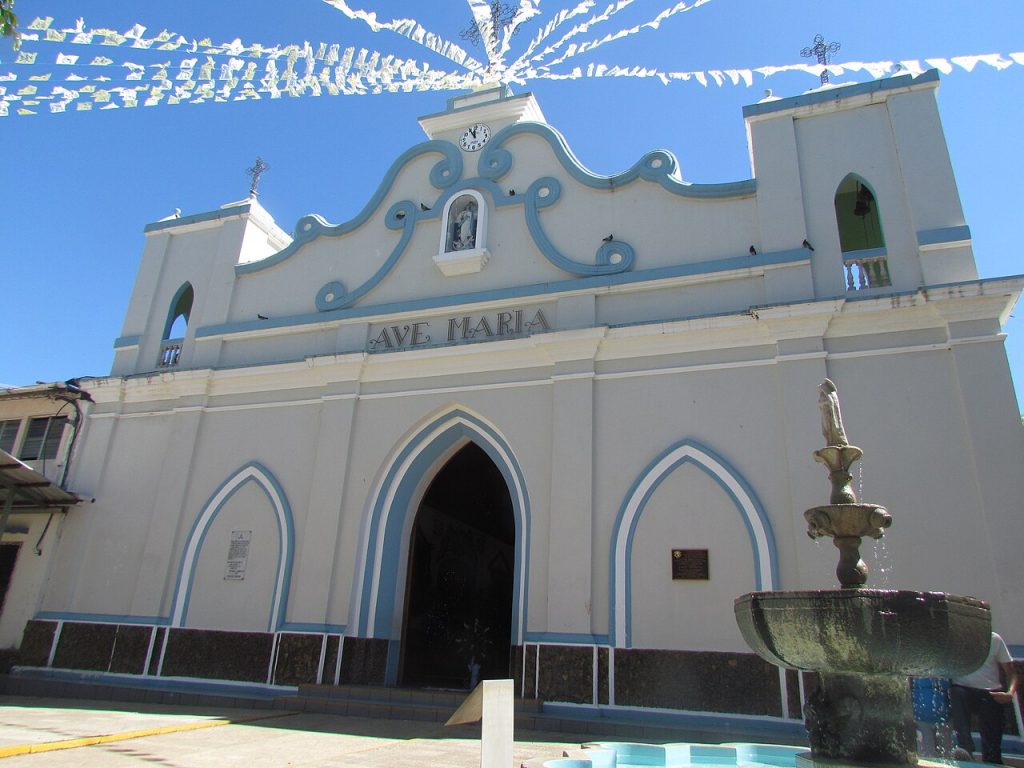
Start at the main square, where a large mural spells out the town’s name. Undoubtedly, it is the most popular photo spot in Ataco. Around the square, you will also find cafes, craft shops and the parish church.
Wander the Painted Streets
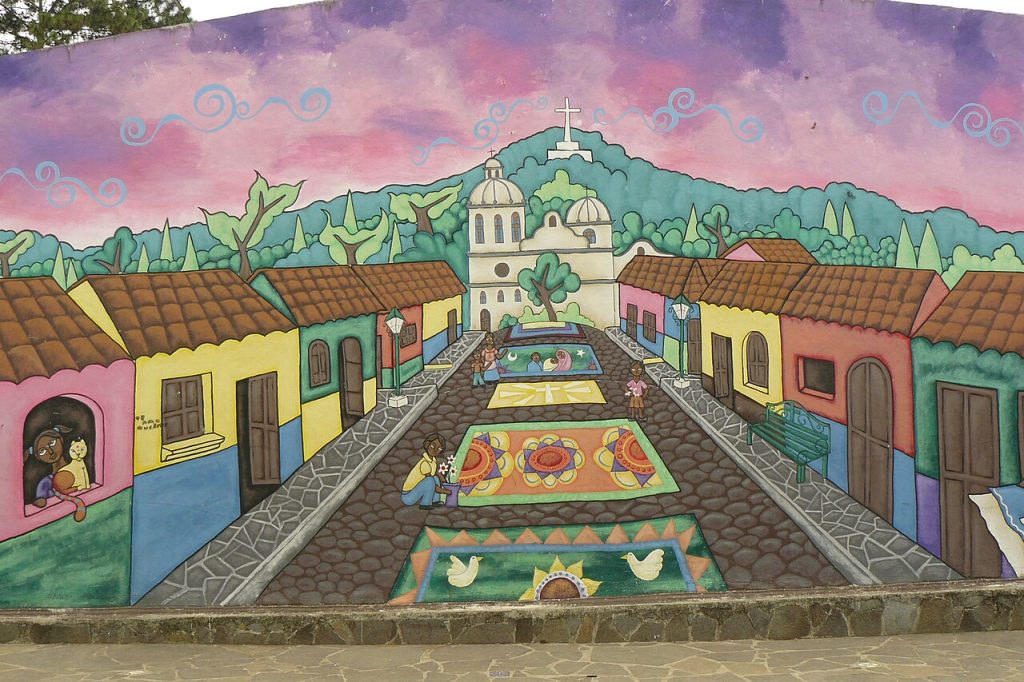
Next, wander the cobbled streets nearby. Indeed, almost every wall here tells a story. For example, some murals show traditional village scenes, while others feature flowers, birds and indigenous figures.
Look for the Cats
In particular, some of the most beloved murals feature colorful cats. They are playful and bright, and they also make a fun treasure hunt as you walk around town.
Art, Crafts and Coffee in Ataco
Beyond the murals, Ataco is a center for local crafts. For example, shops and workshops sell handwoven textiles, embroidery, ceramics and woodwork. In fact, some weaving workshops let visitors watch artisans at work on traditional looms.
Coffee is just as important. After all, agriculture is the backbone of the local economy, and coffee plays a major role. Many cafes serve beans grown on the surrounding slopes, so be sure to try a cup. Moreover, coffee tours take visitors through nearby plantations to learn about the whole process.
Beyond the Town Center
Besides, the countryside around Ataco offers plenty of outdoor adventures.
Hike to the Mirador de la Cruz
A path climbs from town to a hilltop viewpoint marked by a large white cross. However, the trail can be a little unclear at first. Even so, the views over the red roofs and green mountains are well worth the effort.
The Ruta de las Flores
Overall, the Ruta de las Flores links five main towns, each with its own character.
Juayúa
Juayúa is known for its weekend food festival and nearby waterfalls. Chicken buses also connect it with Ataco in under 30 minutes.
Apaneca
Meanwhile, Apaneca is one of the highest towns in El Salvador and a good base for outdoor activities in the mountains. It is also a short bus ride from Ataco.
One Historical Fact About Ataco, El Salvador
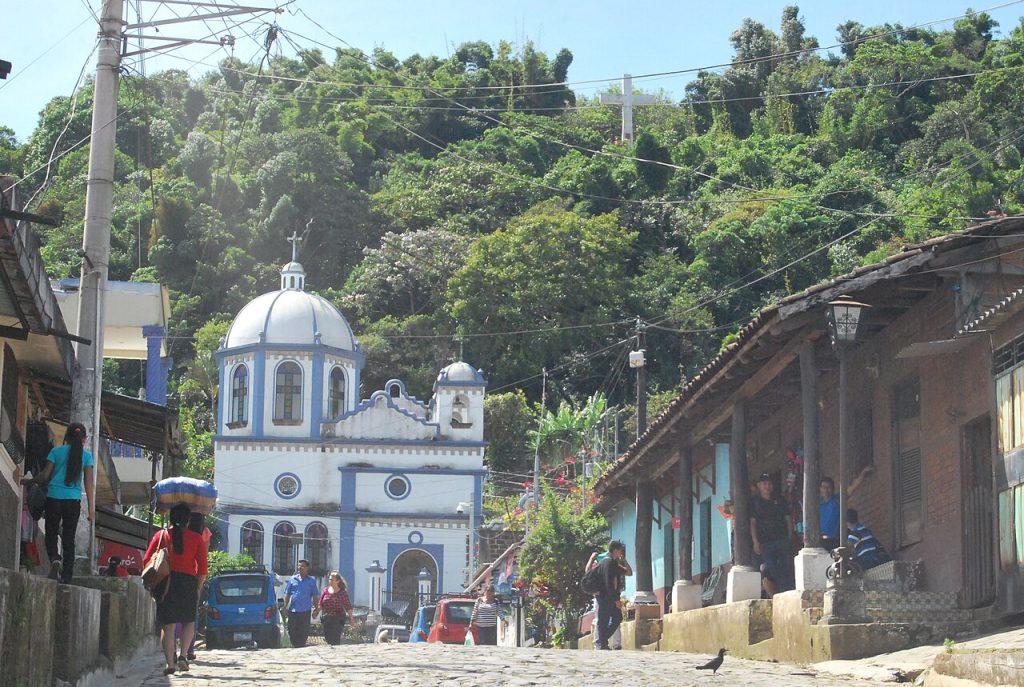
The town has pre-Columbian roots and was founded by the Pipil people. In fact, in the Nawat language, Ataco means high place of springs. Later, in 1770, it was formally established as a town in the parish of Ahuachapán. Furthermore, each 7 September, residents light the streets with lanterns for Día de los Farolitos, a tradition of more than 200 years.
How to Get to Ataco, El Salvador
Ataco is connected by the paved CA-8 road with Ahuachapán, Sonsonate, Apaneca and San Salvador.
- By bus: Local chicken buses run along the Ruta de las Flores. The trip from Juayúa or Apaneca takes under 30 minutes and costs very little.
- By car: Driving lets you explore the whole Ruta de las Flores at your own pace.
- By tour: Many day tours from San Salvador visit Ataco and other towns along the route.
Best Time to Visit Ataco, El Salvador
In general, the dry season, from November to April, is the best time to visit. During these months, skies are clearer and hiking trails are easier to walk.
From May to October, the rainy season brings afternoon showers, with July usually the wettest month. On the bright side, the hills are lush and green. If you can, plan your trip for a weekend, when the region’s food fairs are in full swing, or for Día de los Farolitos on 7 September.
Is Ataco, El Salvador Worth Visiting?
Yes, absolutely. Ataco is one of the most charming small towns in Central America. Its murals, crafts, coffee and mountain setting make it a delight to explore.
Moreover, it is a perfect introduction to the Ruta de las Flores. Spend a night here, and you will see the town at its most relaxed.
Final Thoughts
Ataco is a town that wears its creativity on its walls. Wander the painted streets, sip a cup of local coffee and hike up to the hilltop cross for the view. Above all, take your time and enjoy the friendly, unhurried pace. If you are exploring more of the region, you may also enjoy our guides to Suchitoto and Antigua Guatemala.
Image Credits
Wikimedia Commons
- View From the Mirador de la Cruz: Photo by feinteriano via Wikimedia Commons (CC BY-SA 3.0)
- Parish Church of Ataco: Photo by Jose Quintanilla via Wikimedia Commons (CC BY-SA 3.0)
- El Rincón del Arte Mural: Photo by Samuel Cruz Prado via Wikimedia Commons (CC BY-SA 3.0)
- Mural of Village Life: Photo by Erickssonr via Wikimedia Commons (CC BY-SA 3.0)
- Cat Mural in Ataco: Photo by Erickssonr via Wikimedia Commons (CC BY-SA 3.0)
- El Calvario Church: Photo by Aherrera1996 via Wikimedia Commons (CC BY-SA 4.0)
- Park on the Main Square of Concepción de Ataco: Photo by Martin Haeusler via Wikimedia Commons (CC BY-SA 3.0)