
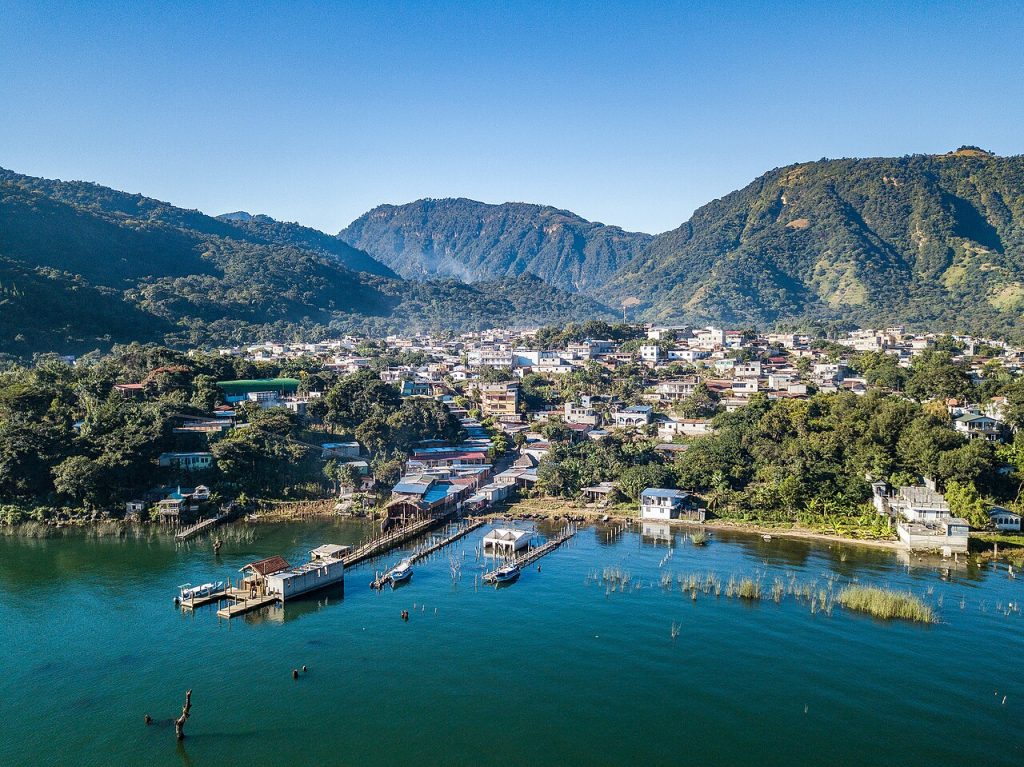
On the shore of Lake Atitlán, surrounded by volcanoes, a small Maya village has turned its streets into a gallery of color. Murals celebrate local life, women weave on traditional looms and cooperatives share the secrets of coffee, cacao and honey. This is San Juan La Laguna, one of the most authentic villages on the lake. In this guide, you will learn what to see, how to get there and when to visit.
Quick Facts About San Juan La Laguna, Guatemala
| Country | Guatemala |
| Region | Sololá, southwest shore of Lake Atitlán |
| Known For | Murals, weaving cooperatives, Tz’utujil culture and lake views |
| UNESCO Status | Not listed |
| Founded | Tz’utujil Maya settlement |
| Best Time to Visit | November to April |
| Time Needed | One to two days |
| Continent | Central America |
Where Is San Juan La Laguna, Guatemala?
San Juan La Laguna lies on the southwest shore of Lake Atitlán, in the department of Sololá. In fact, the lakeshore here sits at about 1,562 meters above sea level.
The village is close to San Pedro La Laguna, a short tuk-tuk ride or walk away. As a result, it is easy to visit from other towns around the lake.
Why Visit San Juan La Laguna, Guatemala?
First of all, the village feels authentic. Around 95% of residents are Tz’utujil Maya. Moreover, a local law prevents outsiders from buying land, which helps preserve its character.
In addition, the village is full of art and creativity. For example, murals cover many walls, and galleries display paintings by local artists.
Finally, San Juan is known for its cooperatives. Therefore, you can learn about weaving, chocolate, coffee and honey directly from the people who make them.
Exploring the Village Streets
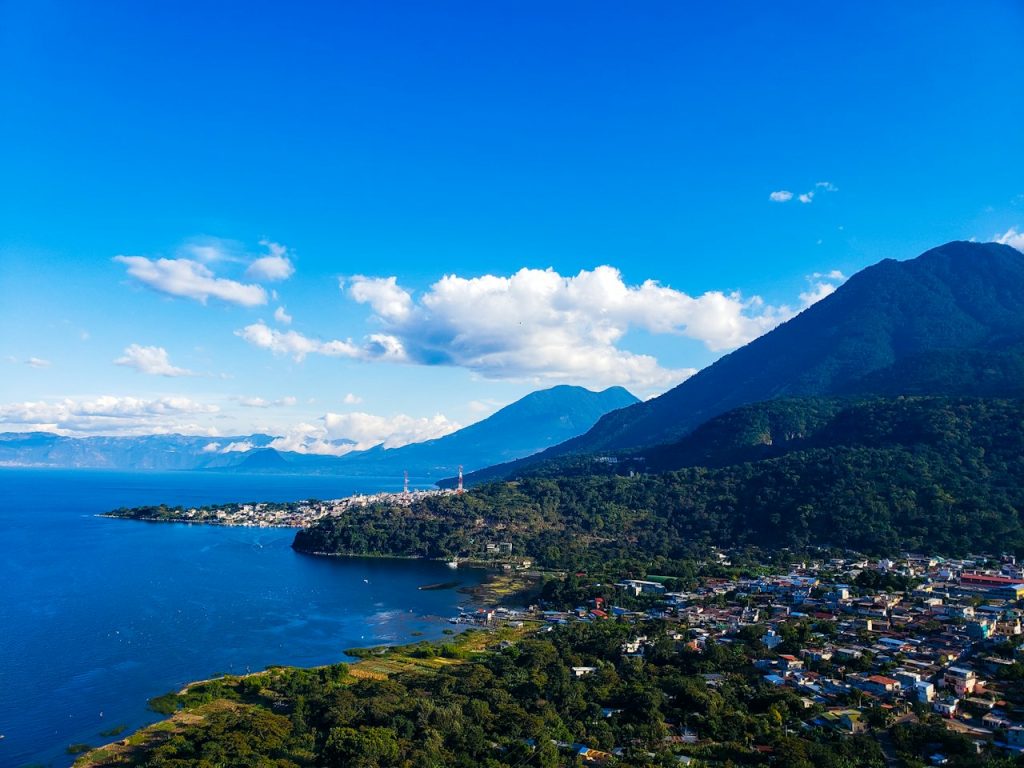
In general, the village is small and easy to explore on foot. Above all, take your time to admire the art along the way.
Murals and Street Art
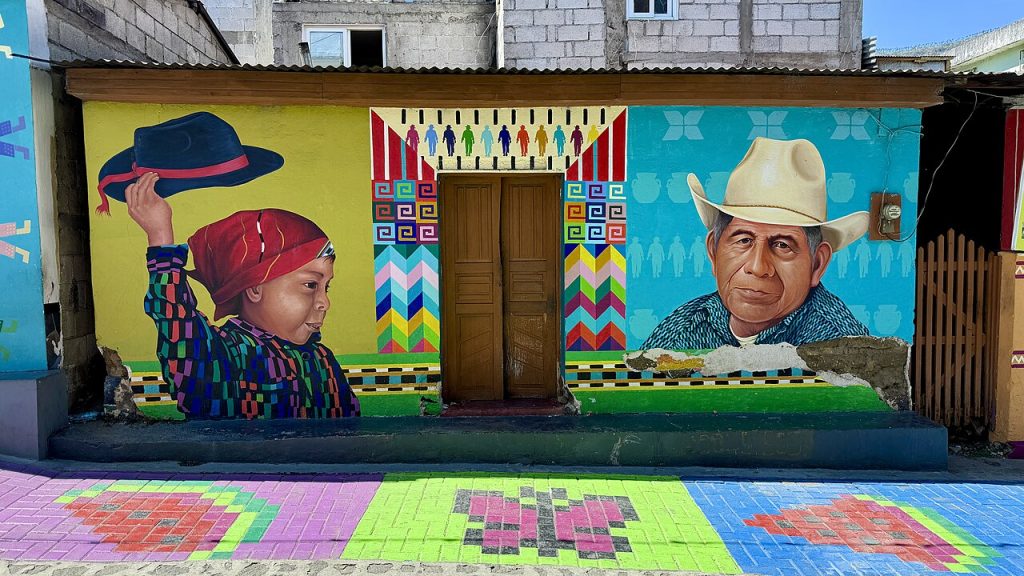
A community-led street art project has filled the village with murals. They show musical instruments, local foods, folklore and portraits of residents. Consequently, every street feels like an open-air gallery.
Decorated Streets
Moreover, several streets have their own themes. For instance, Calle de las Sombrillas is decorated with colorful umbrellas, while Calle de las Artes is lined with art shops.
Art Galleries
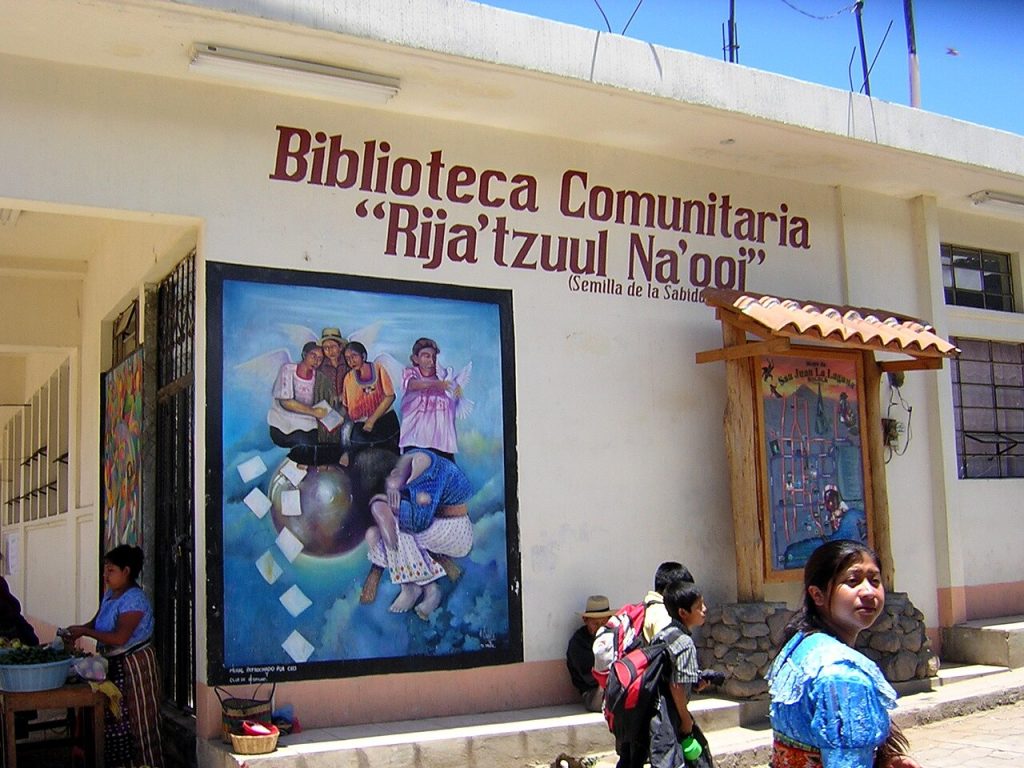
Beyond the street art, small galleries show paintings by Tz’utujil artists. In particular, look for works that depict village life and the landscapes around the lake.
Visiting the Cooperatives
Visiting the cooperatives is one of the highlights of any trip here.
Weaving and Natural Dyes
Women’s cooperatives practice backstrap loom weaving and have revived traditional natural dyes made from plants, bark and minerals. Many of these co-ops grew after the civil war, when many women were left without male providers. Today, some offer tours and classes.
Chocolate and Coffee
The area produces cacao and coffee, and several small businesses offer tastings and tours. For example, you can learn how cacao becomes chocolate or visit an organic coffee cooperative.
Stingless Bee Honey
Local families also produce honey from native stingless bees. As a result, you can taste a sweet product that is rarely found elsewhere.
Lake Atitlán Views
Lake Atitlán is one of the most beautiful lakes in Central America, and San Juan offers wonderful views of it.
Mirador Kaqasiiwaan
A short but steep trail climbs to the Mirador Kaqasiiwaan, a lookout with sweeping views over the lake and volcanoes. The walk takes about 10 to 20 minutes up. Therefore, start early to avoid the heat.
Indian Nose at Sunrise
The same area leads toward the Indian Nose, a famous sunrise viewpoint. However, for safety, it is best to visit with a guided tour.
On the Water
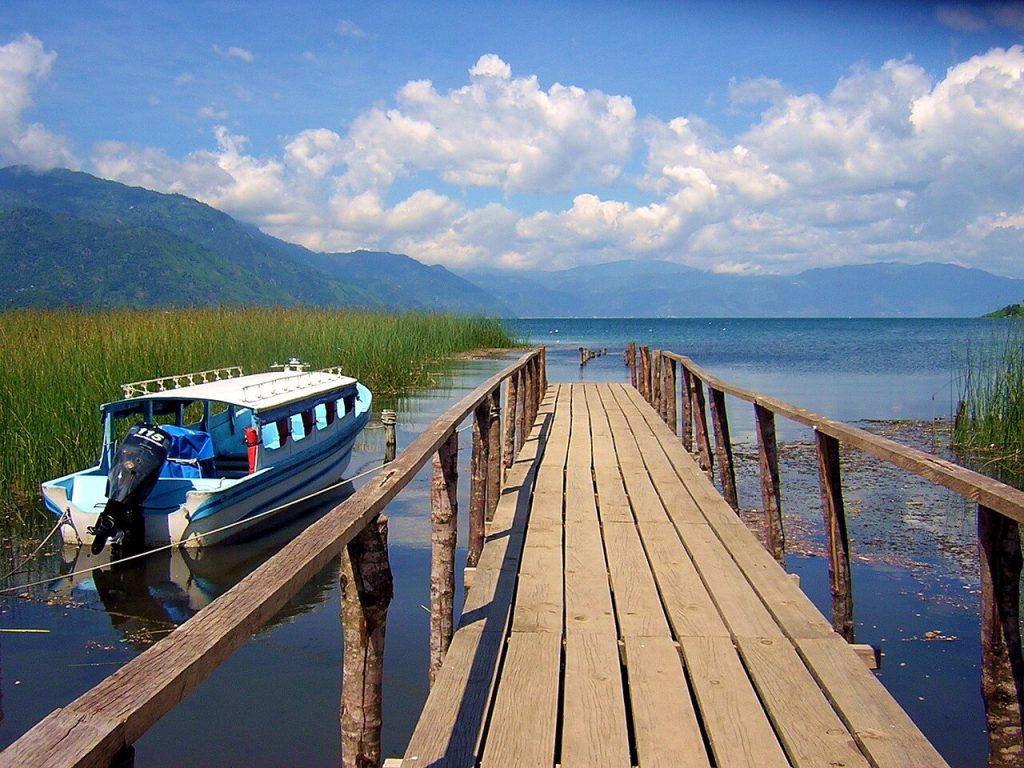
Many local fishermen now take visitors out on the lake in traditional boats. Consequently, a boat trip is a relaxing way to see the shoreline.

One Historical Fact About San Juan La Laguna, Guatemala
In 1523, the Spanish conquistador Pedro de Alvarado conquered the Tz’utujil capital near Santiago Atitlán. Centuries later, the Guatemalan Civil War, from 1960 to 1996, deeply affected the region. In response, local women founded weaving cooperatives, which are still a vital part of village life today.
How to Get to San Juan La Laguna, Guatemala
In general, most travelers arrive by boat across the lake.
- From Panajachel: Public boats take about 30 to 40 minutes.
- From San Pedro La Laguna: A tuk-tuk takes about 10 minutes, or you can walk in about 25 minutes during daylight.
- From San Marcos: Boats also connect San Juan with San Marcos La Laguna in just a few minutes.
Best Time to Visit San Juan La Laguna, Guatemala
The dry season, from November to April, is generally the best time to visit. During these months, skies are clearer and the lake views are at their best.
In contrast, the rainy season brings afternoon showers. Even so, mornings are often clear, and the hills are lush and green.
Is San Juan La Laguna, Guatemala Worth Visiting?
Yes, absolutely. The village combines Maya culture, colorful art and stunning lake views in one welcoming village. Moreover, visiting the cooperatives directly supports local families.
For travelers who want a more authentic side of Lake Atitlán, it is a perfect choice. Therefore, plan to spend at least a full day here.
Final Thoughts
In short, this is a village of color, craft and community. Wander the mural-covered streets, visit the weaving and chocolate co-ops and climb to the lookout for the view. Above all, travel respectfully and support local artisans. If you are exploring more of Guatemala, you may also enjoy our guides to Antigua Guatemala and Flores.
Planning a longer trip? You can also pair this visit with our guides to Antigua Guatemala, Flores and Concepción de Ataco.
Image Credits
Unsplash
- View From the Mirador: Photo by Enrique Marroquín on Unsplash (Unsplash License)
Wikimedia Commons
- Village and Lake Atitlán: Photo by Toby Argüelles via Wikimedia Commons (CC BY-SA 2.0)
- Dock on Lake Atitlán: Photo by Chixoy via Wikimedia Commons (CC BY-SA 3.0)
- Mural in the Village: Photo by lamblukas via Wikimedia Commons (CC BY 4.0)
- Harbor: Photo by lamblukas via Wikimedia Commons (CC BY 4.0)
- Community Library: Photo by Chixoy via Wikimedia Commons (CC BY-SA 3.0)