
Taroudant Morocco is a walled market town in the fertile Souss Valley, between the High Atlas and the Anti-Atlas mountains. Its ochre ramparts look like a smaller version of those in Marrakech. However, the pace of life here is slower, and the souks feel refreshingly local. So, this guide covers what to see, how to get there and when to go.
Quick Facts About Taroudant, Morocco
| Country | Morocco |
| Region | Souss-Massa |
| Known For | Ochre city walls, souks, the kasbah, Souss Valley |
| UNESCO Status | Not listed; the medina is a national monument of Morocco |
| Founded | Before the 11th century; walls laid out in the 16th century |
| Best Time to Visit | October to May |
| Time Needed | 1 to 2 days |
| Continent | Africa |
Where Is Taroudant, Morocco?
Taroudant lies in the Souss-Massa region of southwestern Morocco. More precisely, it sits east of Agadir, on the road toward Ouarzazate. Meanwhile, Marrakesh lies to the north, on the other side of the High Atlas.
Why Visit Taroudant, Morocco?
First, the city walls are among the best preserved in Morocco. Second, the medina is lively but relaxed, so you can browse without much pressure from sellers. In addition, the town is a great base for exploring the Souss Valley, with its argan trees, oases and Berber villages.
Also, Taroudant feels authentic. Most people here are locals going about their day, rather than tourists. As a result, it is a wonderful place to experience everyday Moroccan life.
Exploring the Medina of Taroudant
Walk or Ride Along the Ramparts

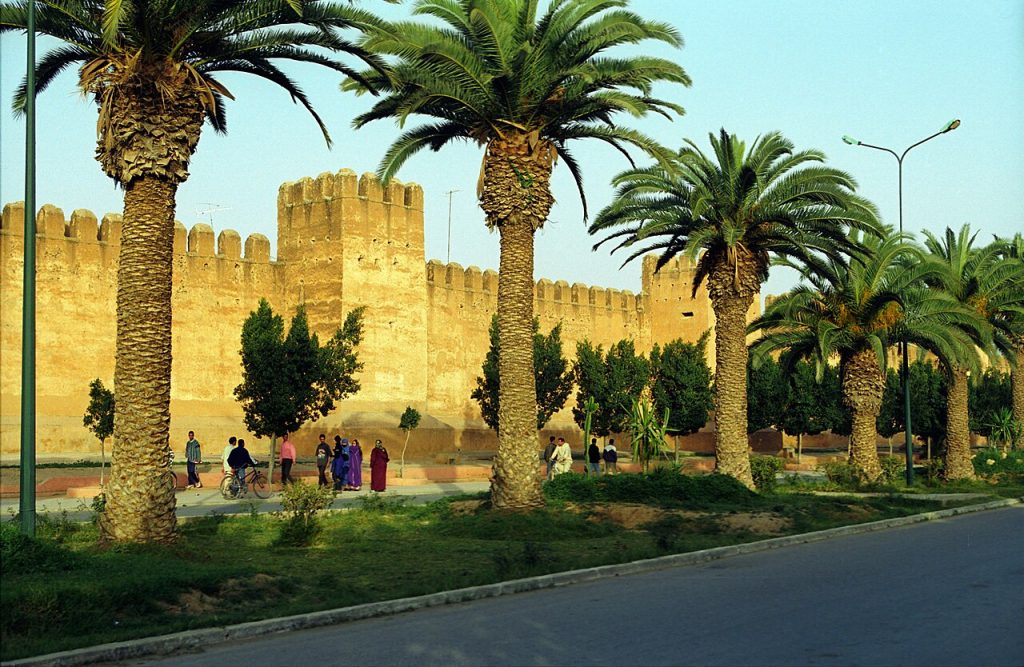
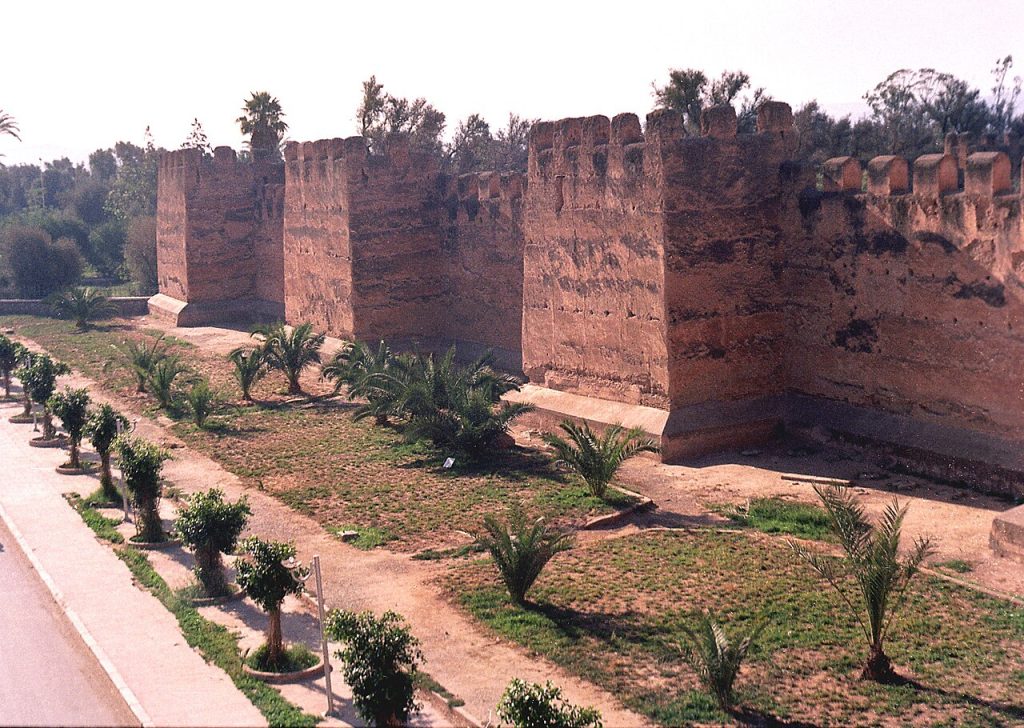
The historic walls of Taroudant stretch for around 6 to 8 kilometers. Bastions rise at regular intervals, and nine gates still let traffic in and out of the old town.
For the best experience, take a ride in a horse drawn calèche around the outside of the walls. Alternatively, rent a bicycle or simply walk a section in the late afternoon. At that time, the earthen walls glow deep orange.
Shop in the Souks
The medina has two main squares, Assarag and Talmoklate, and each one has its own souk. Here, you can buy spices, olives, leather goods, silver jewelry and argan oil. Unlike in bigger cities, prices are usually fair, and haggling is friendly.
Moreover, a large weekly market takes place outside the walls. Farmers from the valley come to sell fruit, vegetables and livestock, so it is a colorful scene.
Visit the Kasbah Quarter
The old kasbah sits in the southeast corner of the medina. Once, it was the fortified seat of power in the town. Today, it is a quiet residential area with narrow lanes and old gateways.
Traditions of the Souss Valley
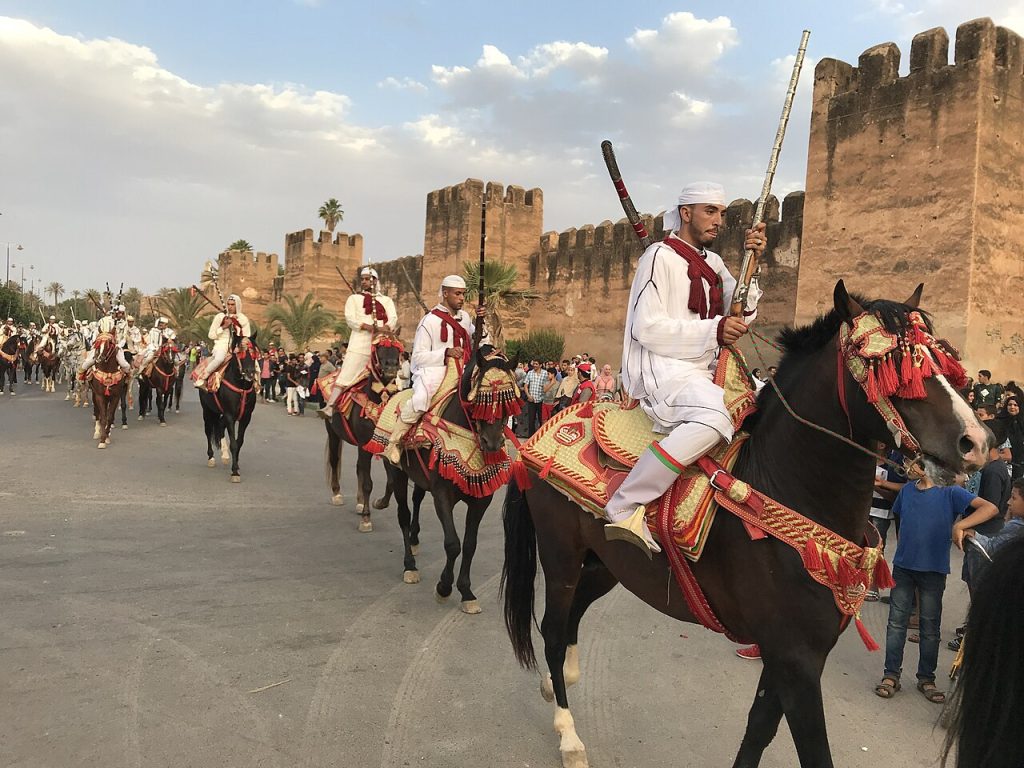
Taroudant is a proud center of Berber culture. For instance, you may see a tbourida show, a traditional display of horsemanship. In it, riders in white robes charge together on decorated horses and fire their old rifles at the same moment.
In addition, the region is famous for argan oil. Women’s cooperatives around the valley still crack the nuts by hand. Therefore, a visit to one of these cooperatives is both interesting and a good way to support local families.
Day Trips From Taroudant
Into the Countryside
Tiout Oasis
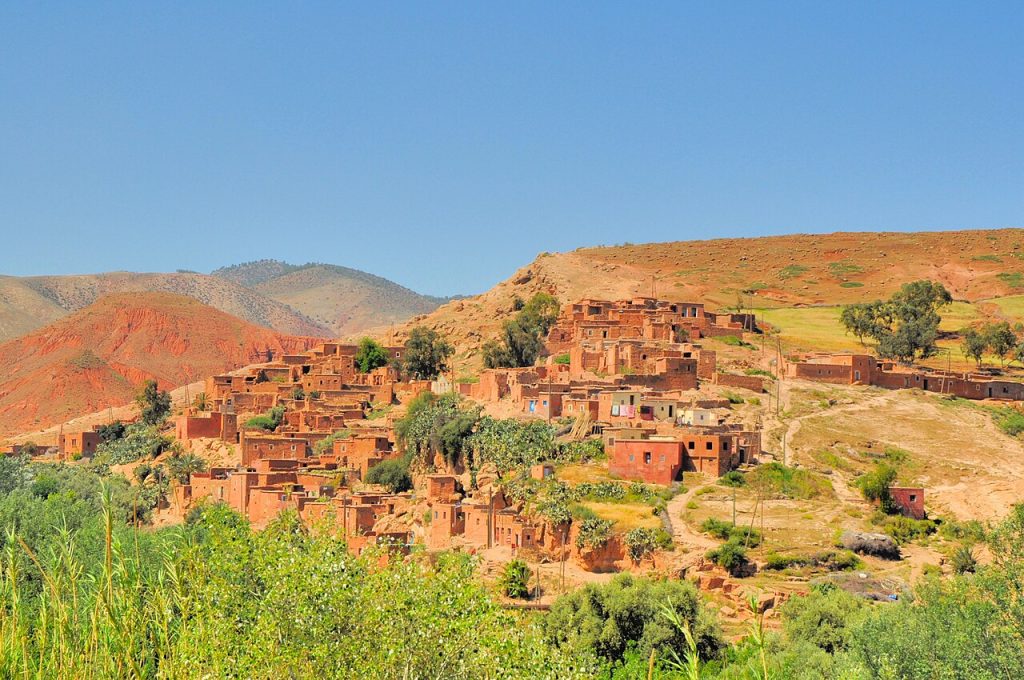
The palm grove of Tiout lies a short drive southeast of town. There, you can walk among date palms and visit a ruined kasbah on a hill. The views over the valley are wonderful at sunset.
Argan Forests
Argan trees grow almost nowhere else in the world except this part of Morocco. Interestingly, goats sometimes climb into the branches to eat the fruit. So, keep your camera ready when you drive through the countryside.
Along the Coast
Agadir
Agadir is the closest big city, with a long sandy beach and modern hotels. Therefore, it is easy to combine a few days by the sea with a quieter stay in Taroudant.
One Historical Fact About Taroudant, Morocco
In the 16th century, the Saadi dynasty rose to power in the Souss, and Taroudant became one of its most important bases. According to Moroccan sources, the current layout of the city walls dates from that period.
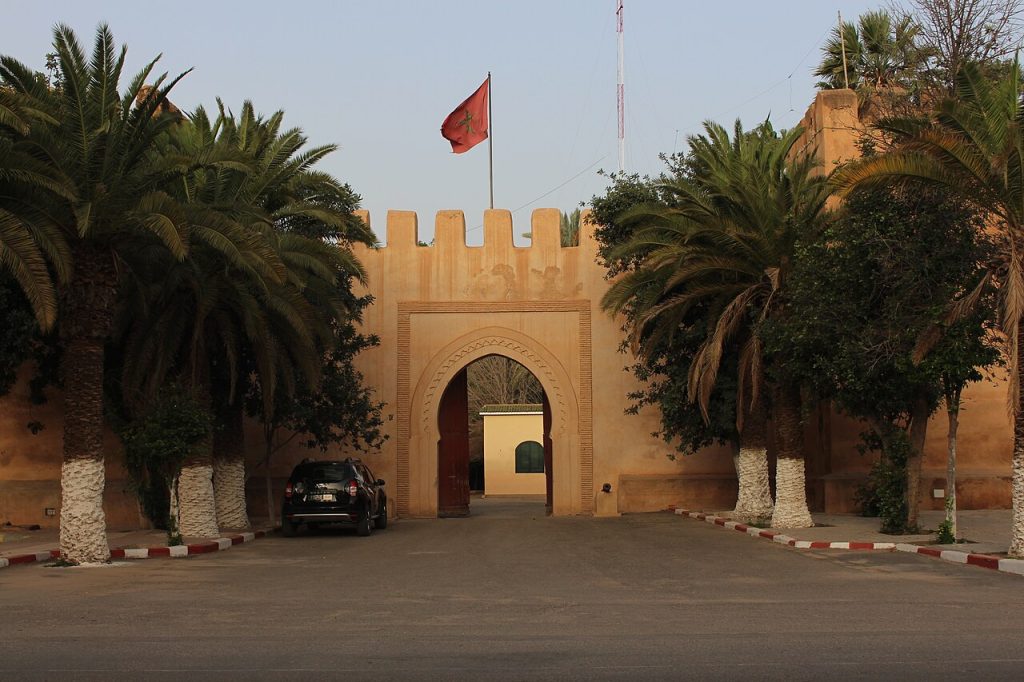
Much later, in 1912, the resistance leader Ahmed al-Hiba used Taroudant as his capital in the fight against the French. In fact, French forces only took control of the town in 1917.
How to Get to Taroudant, Morocco
The nearest airport is Agadir Al Massira, which has flights from many European cities. From there, the drive to Taroudant takes about one hour. Alternatively, buses and shared taxis connect Taroudant with Agadir, Marrakesh and Ouarzazate.
Inside the walls, the medina is easy to explore on foot. However, a calèche is a fun way to reach places further apart.
Best Time to Visit Taroudant, Morocco
The best time to visit is from October to May. During these months, the days are warm and sunny, while the evenings are pleasant. In contrast, July and August can be very hot in the valley.
Also, keep in mind that the dates of Ramadan change every year. During this month, some cafés and restaurants close during the day.
Is Taroudant, Morocco Worth Visiting?
Yes, especially if you want a calmer alternative to Marrakech. Taroudant has impressive walls, lively souks and a genuine local atmosphere. Moreover, it is the perfect gateway to the argan forests and oases of the Souss Valley.
Final Thoughts
Taroudant, Morocco is a town that rewards travelers who slow down. So, ride around its ramparts, browse its friendly souks and watch the walls glow at sunset. In the end, you will discover a side of Morocco that many visitors miss.
Planning a longer trip? You can also pair this visit with our guides to Essaouira, Aït Benhaddou and Chefchaouen.
Image Credits
Wikimedia Commons
- City Walls of Taroudant: Photo by Jerzy Strzelecki via Wikimedia Commons (CC BY 3.0)
- Bastion of the Taroudant Walls: Photo by Taroudant_City_Walls_2011.jpg: Bjørn Christian Tørrissen derivative work: Inkey via Wikimedia Commons (CC BY-SA 3.0)
- Taroudant Ramparts: Photo by Dguendel via Wikimedia Commons (CC BY 3.0)
- Tbourida Festival in Taroudant: Photo by Hamza Izourane via Wikimedia Commons (CC BY-SA 4.0)
- Countryside Near Taroudant: Photo by Viault via Wikimedia Commons (CC BY-SA 3.0)
- Bureau des Affaires Indigènes, Taroudant: Photo by Hamza Izourane via Wikimedia Commons (CC BY-SA 4.0)