
Tavira Portugal is a graceful riverside town in the eastern Algarve, far from the high rise resorts of the coast. Whitewashed houses, old churches and a seven arched bridge line the banks of the Gilão River. Meanwhile, quiet island beaches lie just a short ferry ride away. So, this guide covers what to see, how to get there and when to go.
Quick Facts About Tavira, Portugal
| Country | Portugal |
| Region | Eastern Algarve |
| Known For | The old bridge, the castle, many churches, Ria Formosa beaches |
| UNESCO Status | Not listed |
| Founded | Ancient origins; an important Moorish town before 1242 |
| Best Time to Visit | March to June and September to October |
| Time Needed | 2 to 3 days |
| Continent | Europe |
Where Is Tavira, Portugal?
Tavira lies in the Algarve, the southernmost region of Portugal. More precisely, it sits on both banks of the Gilão River, a few kilometers from the Atlantic coast. In addition, Faro is about 30 kilometers to the west, while the Spanish border is roughly 25 kilometers to the east.
Why Visit Tavira, Portugal?
First, Tavira is often called one of the prettiest towns in the Algarve. Its historic center is full of elegant 18th century houses with unusual pyramid shaped roofs. Second, it has a relaxed and authentic atmosphere, even in summer.
In addition, the town is close to some of the best beaches in southern Portugal. For example, the long sandy shores of Ilha de Tavira are part of the Ria Formosa Natural Park. Finally, the food is excellent, especially the fresh fish and seafood.
Things to Do in Tavira
Cross the Old Bridge
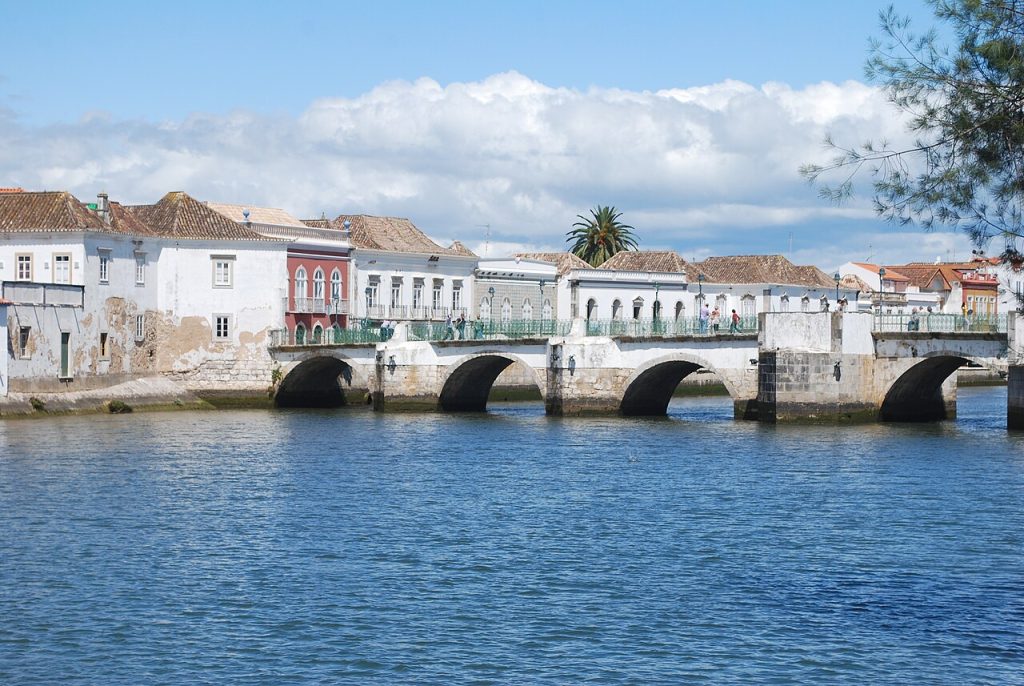
The old bridge is the symbol of Tavira. Locals call it the Roman Bridge. However, archaeologists found that it actually began as a Moorish bridge in the 12th century. Its seven stone arches are especially beautiful when they glow in the evening light.
Visit the Castle and Its Garden
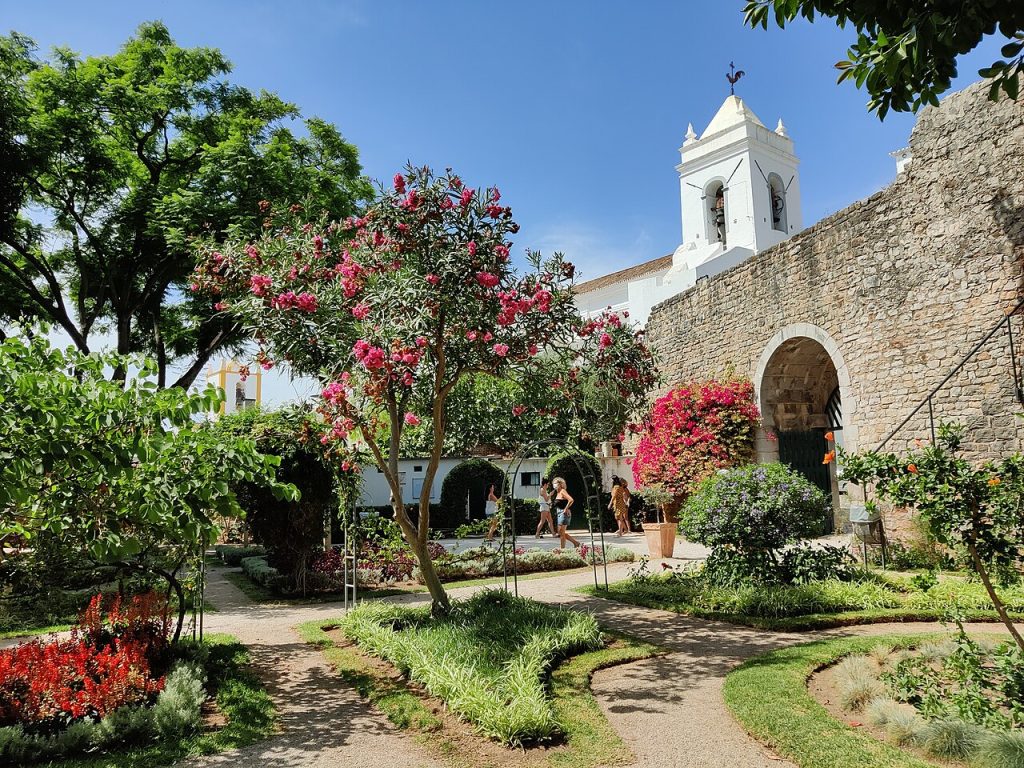
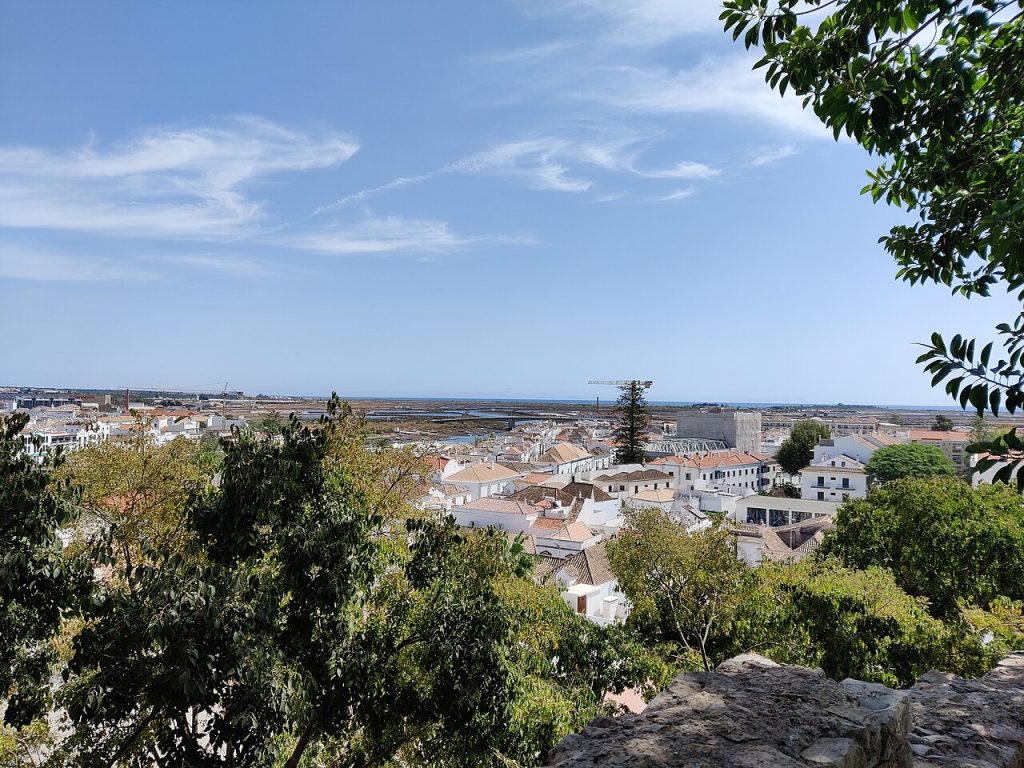
On the highest hill of the old town stand the ruins of the castle. Inside its walls, a small garden blooms with flowers and shady trees. Above all, climb the walls for a wonderful view over the rooftops, the river and the sea.
Explore the Churches
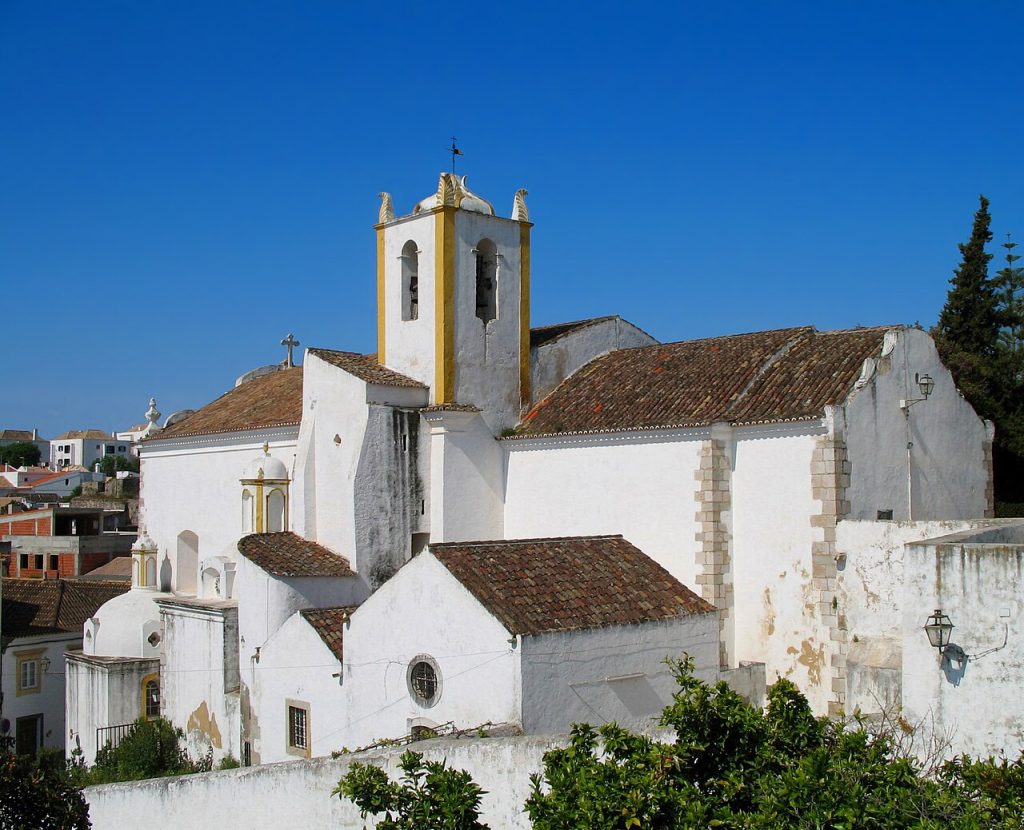
Tavira is famous for its many churches, and there are said to be 37 of them. The most important is Santa Maria do Castelo, which stands near the castle on the site of an old mosque. Nearby, the white Church of Santiago is also worth a visit. As a result, a walk through the old town feels like a tour of Portuguese religious art.
Along the River and the Ria Formosa
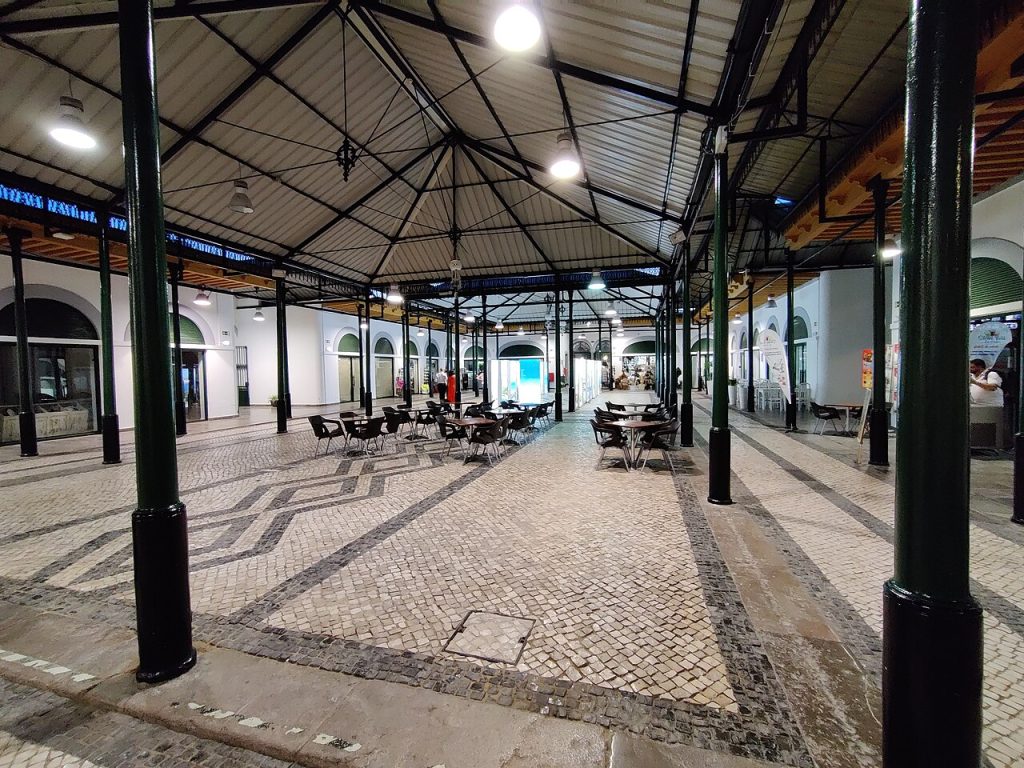
The Gilão River is the heart of daily life in Tavira. Along its banks, gardens, cafés and fishing boats create a lively scene. Similarly, the old iron market hall by the river now holds restaurants and small shops.
From the riverside, a pleasant walk or short drive leads to Quatro Águas. Here, the river meets the lagoons of the Ria Formosa Natural Park. This protected wetland is home to flamingos, herons and many other birds. Therefore, bring binoculars if you love wildlife.
Beaches and Day Trips
Island Beaches
Ilha de Tavira
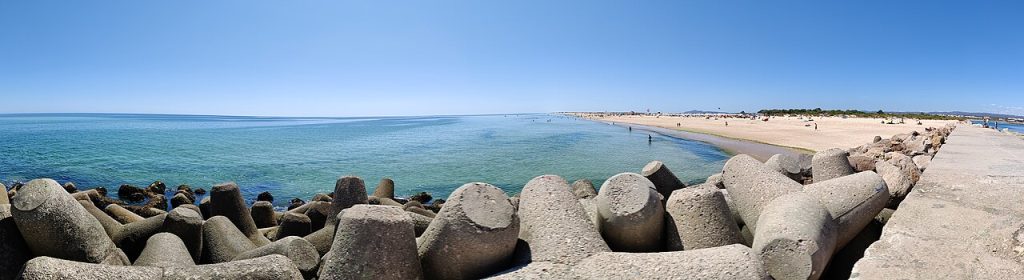
Ilha de Tavira is a long, sandy barrier island facing the Atlantic. Ferries cross from the town and from Quatro Águas, and the trip is short and cheap. Once there, you will find golden sand, clear water and plenty of space, even in high season.
Praia do Barril
Praia do Barril lies a little further west and is reached by a small train or a walk across the lagoon. On the dunes, rows of old rusty anchors form an unusual memorial to the tuna fishermen who once worked here.
Nearby Villages
Cacela Velha
Cacela Velha is a tiny whitewashed village on a low cliff above the lagoon. Its church, small fort and sea views make it one of the most photogenic places in the Algarve.
One Historical Fact About Tavira, Portugal
In 1242, the knight Dom Paio Peres Correia captured Tavira from the Moors. According to the story, he attacked after seven of his knights were killed during a truce. Today, his tomb and those of his knights lie in the church of Santa Maria do Castelo. Later, in 1755, a great earthquake destroyed much of the town. Consequently, many of the elegant buildings you see today date from the rebuilding that followed.
How to Get to Tavira, Portugal
The nearest airport is Faro, which has flights from many European cities. From the airport, the drive to Tavira takes about 35 minutes. Alternatively, regional trains run along the Algarve coast and stop right in town.
Once you arrive, Tavira is easy to explore on foot. In addition, a ferry and a small tourist train help you reach the beaches.
Best Time to Visit Tavira, Portugal
The best time to visit is from March to June or in September and October. During these months, the weather is warm and sunny, but the town is not too crowded. In contrast, July and August are hot and busy, especially at the beaches.
Winter, on the other hand, is mild and quiet. Although some beach restaurants close, the town itself stays open and pleasant.
Is Tavira, Portugal Worth Visiting?
Yes, absolutely. Tavira combines a beautiful historic center with superb beaches and a calm, local atmosphere. Moreover, it makes a perfect base for exploring the eastern Algarve and the Ria Formosa.
Final Thoughts
Tavira, Portugal is a town that shows the softer side of the Algarve. So, cross the old bridge at sunset, climb the castle walls and take the ferry to the island beaches. In the end, you will see why so many travelers fall in love with this riverside town.
Planning a longer trip? You can also pair this visit with our guides to Óbidos, Monsanto and Frigiliana.
Image Credits
Wikimedia Commons
- Old Bridge in Tavira: Photo by Concierge.2C via Wikimedia Commons (CC BY-SA 3.0)
- Church of Santiago in Tavira: Photo by Marc Ryckaert (MJJR) (Photograph edited by Vassil) via Wikimedia Commons (CC BY 2.5)
- Tavira Castle Garden: Photo by El Pantera via Wikimedia Commons (CC BY-SA 4.0)
- View From Tavira Castle: Photo by El Pantera via Wikimedia Commons (CC BY-SA 4.0)
- Riverside Market in Tavira: Photo by El Pantera via Wikimedia Commons (CC BY-SA 4.0)
- Beach Near Tavira: Photo by El Pantera via Wikimedia Commons (CC BY-SA 4.0)