Overall, Bruges Belgium looks almost frozen in the fifteenth century. Indeed, canals wind through the city center, crossed by stone bridges. Brick houses line the water and lean gently with age. Notably, cobblestone streets connect a Gothic Markt square to quiet alleys barely wide enough for two people. In fact, Bruges once ranked among the wealthiest trading ports in medieval Europe. Today, its well preserved center still reflects that history. Additionally, chocolate shops now fill many of the same streets that once housed merchants and guild halls. Overall, this guide covers everything worth knowing before a trip to Bruges. Specifically, it covers the canals and Markt square, along with the chocolate shops and quieter corners beyond them.
Quick Facts About Bruges, Belgium
| Country | Belgium |
| Region | West Flanders, Flemish Region |
| Known For | Canals, medieval architecture, chocolate shops, and the Markt square with its Belfry tower |
| UNESCO Status | Historic Centre of Bruges is a UNESCO World Heritage Site |
| Founded | Founded around the 9th century |
| Best Time to Visit | Spring and early autumn |
| Time Needed | Two to three days |
| Continent | Europe |
Where is Bruges, Belgium?
Notably, Bruges sits in the West Flanders province of northwestern Belgium. Specifically, it lies about an hour by train from Brussels. Historically, the city grew up around a network of canals connected to the North Sea. Over time, however, the connecting waterway silted up, and Bruges lost its direct access to the coast. Today, the city sits roughly fifteen kilometers inland from the Belgian coastline. Naturally, the map below shows exactly where Bruges sits within Belgium.
Why Visit Bruges, Belgium?
In general, Bruges offers one of the best preserved medieval centers in Europe. In fact, UNESCO recognized the entire historic center as a World Heritage Site. Additionally, canals wind through nearly every part of town, crossed by dozens of small stone bridges. Meanwhile, the Markt square anchors the city with its Gothic Belfry tower and colorful gabled buildings. Furthermore, Bruges has built a reputation as one of Belgium’s best destinations for chocolate. Shops fill nearly every street near the center. Overall, Bruges suits travelers who enjoy walking, photography, and slow, unhurried exploration. Specifically, that might mean tracing the canals on foot or browsing chocolate shops. It could also simply mean getting lost in the quieter alleys away from the Markt.
Bruges’ Canals and Waterways
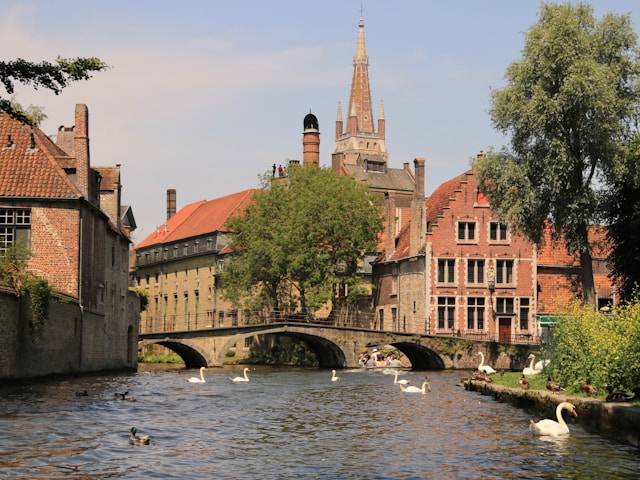
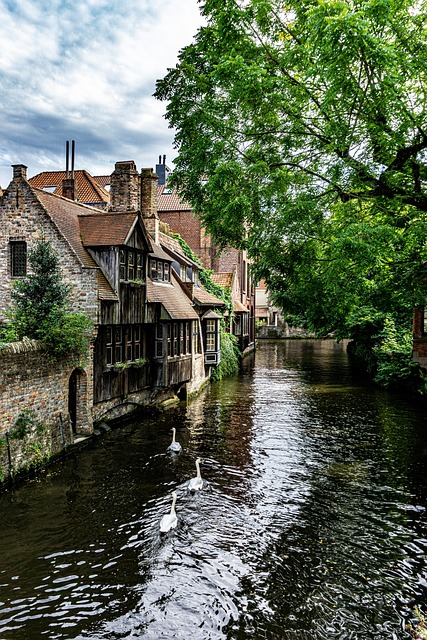
Notably, Bruges’ canals give the city its defining character. Indeed, they wind past nearly every major landmark, reflecting brick facades and church spires along the way. Consequently, boat tours and canal side walks rank among the most popular activities in the city. Specifically, three different sides of the canals stand out below.
Swans and Reflections on the Canals
Naturally, swans glide across many of Bruges’ canals, often trailing ducks close behind. Notably, this is not a coincidence. According to local legend, the city was ordered to keep swans on its waterways forever. This was penance for the execution of a nobleman named Pieter Lanchals in the fifteenth century, or so the story goes. Still, whether or not the legend is fully accurate, swans remain a defining feature of the canals today. Meanwhile, still water throughout the city creates near perfect reflections of the brick houses and bridges above.
Bruges’ Canals in Autumn
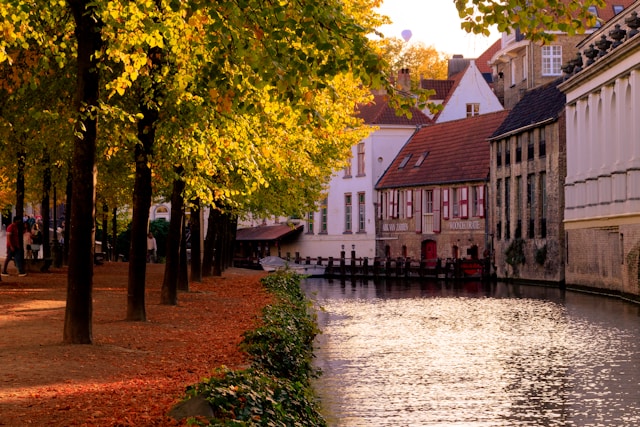
Notably, autumn transforms the canals into one of the most photographed scenes in Bruges. Specifically, trees lining the water turn shades of yellow and orange, scattering leaves across the paths below. As a result, reflections in the canal grow even more vivid. Autumn color mixes with the brick facades of nearby houses.
Bruges by Sunset and Night
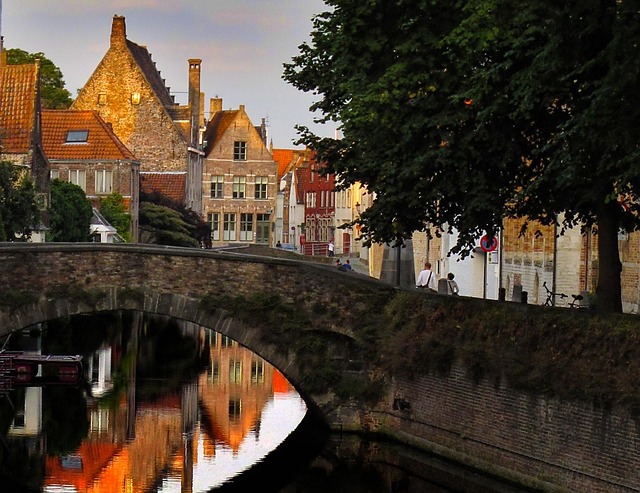
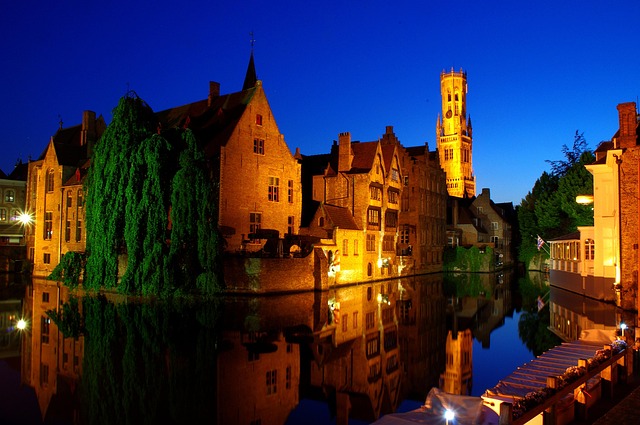
Then, as evening falls, the canals take on a completely different character. Specifically, warm sunset light often glows across the water near the old bridges. It catches the brick facades in gold and orange tones. Later, once night falls, many buildings and landmarks light up entirely, including the Belfry tower in the distance. Consequently, a nighttime canal walk offers a very different experience from the same route in daylight.
Bruges’ Chocolate Shops
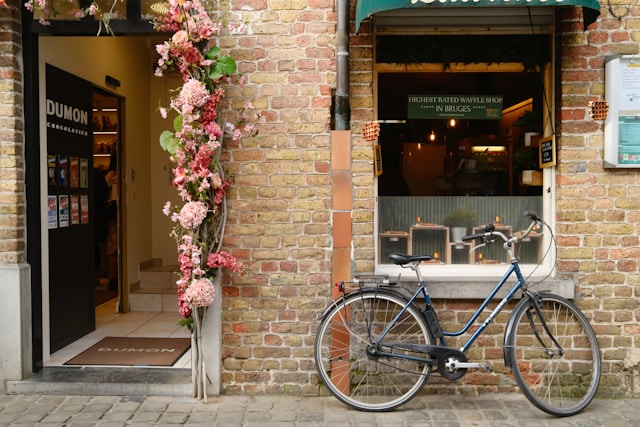
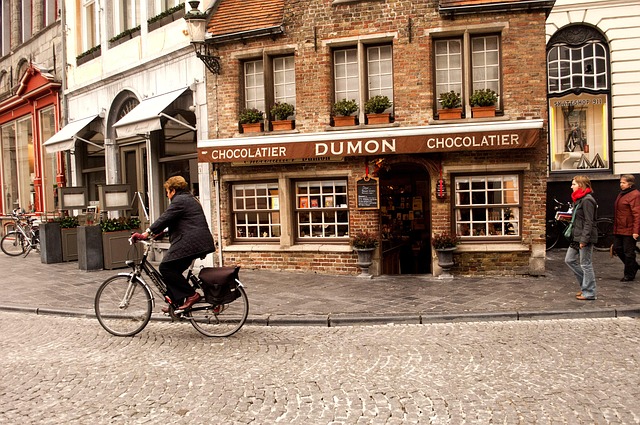
Chocolate shops fill nearly every street near Bruges’ center, and the city has built its reputation around them. Indeed, Belgium as a whole is famous for chocolate. Still, Bruges concentrates an unusually high number of shops into a small area. Notably, DUMON Chocolatier occupies a well known corner shop. Its awning and window boxes are recognizable from several angles around the block.
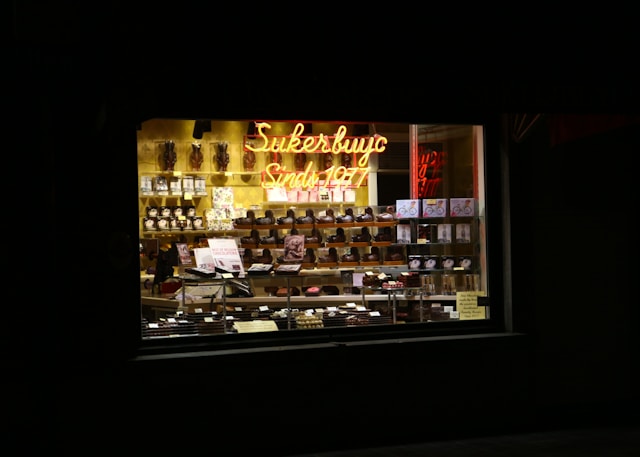
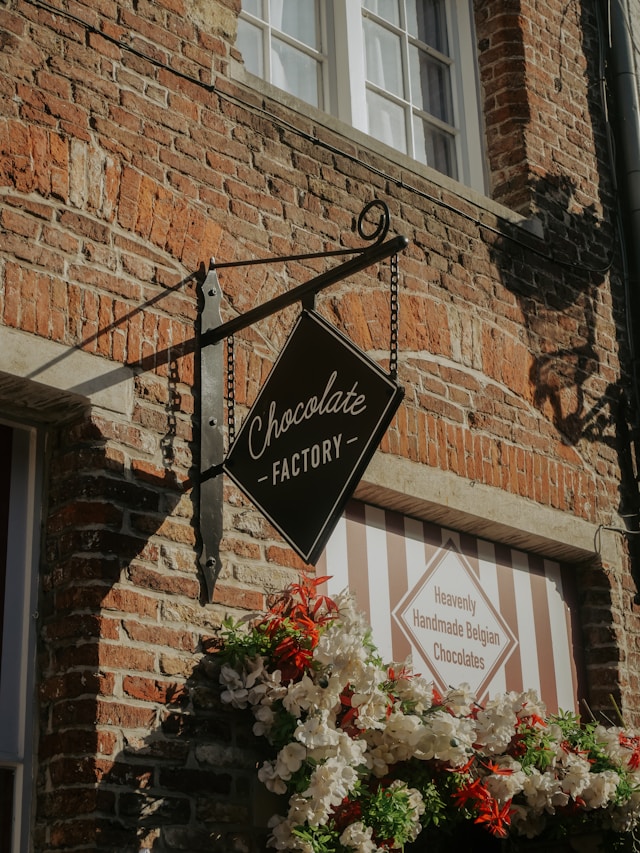
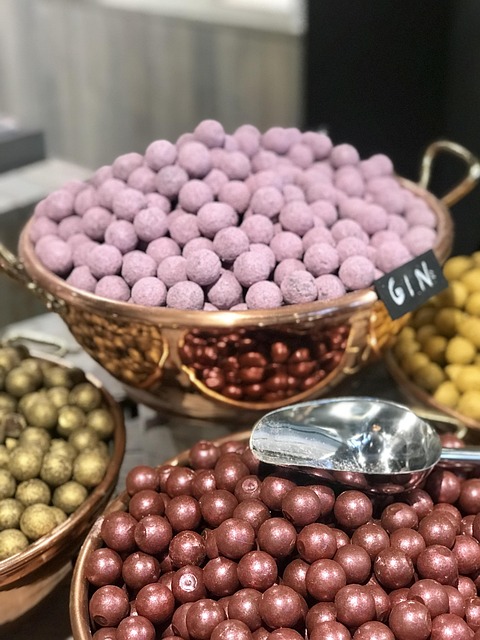
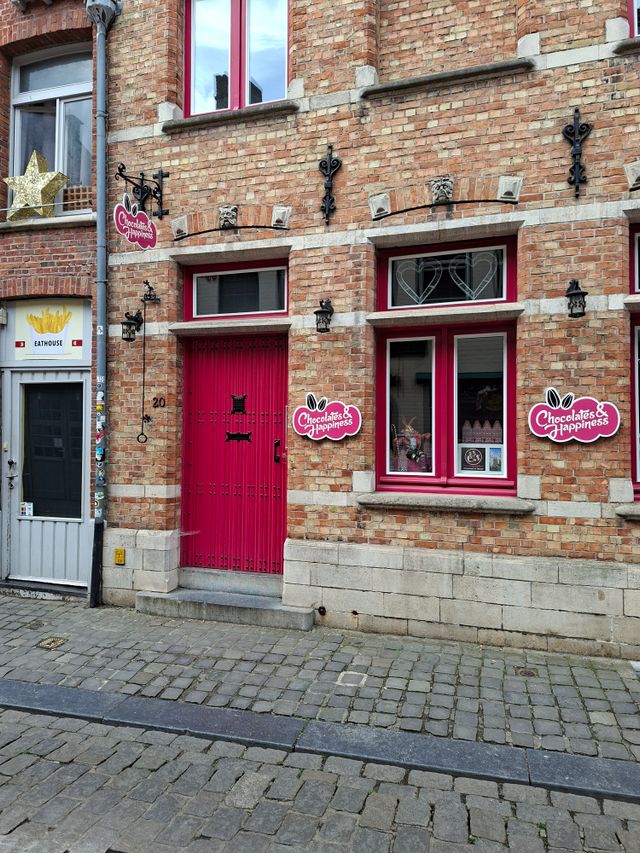
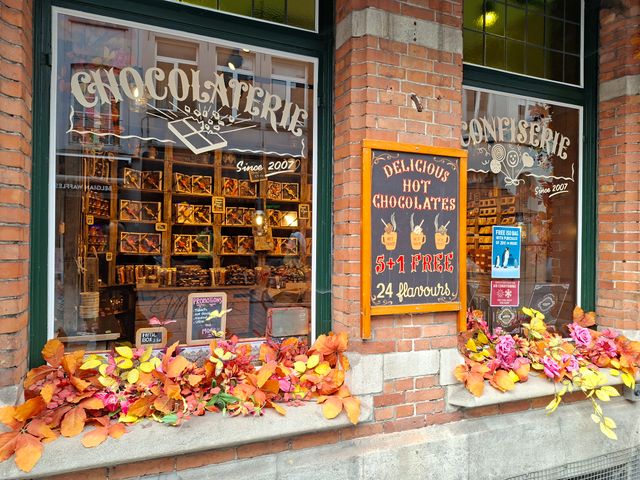
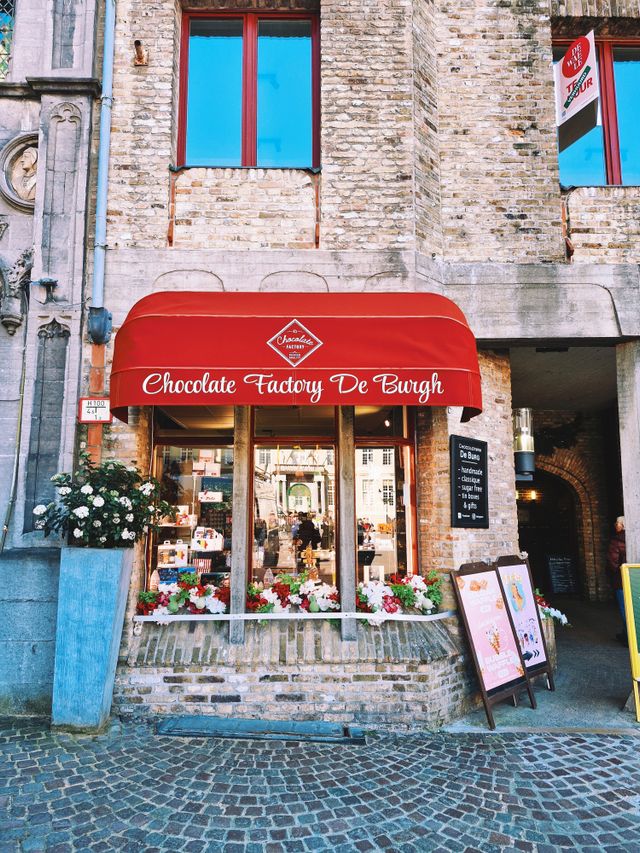
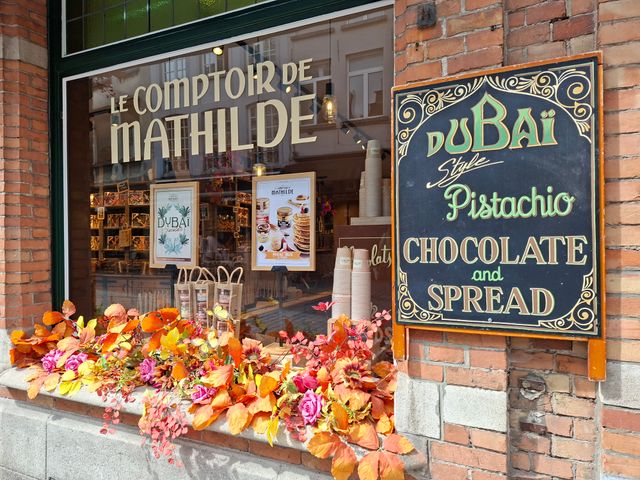
Similarly, Chocolate Factory De Burgh and Le Comptoir de Mathilde both draw visitors with elaborate window displays. The latter is known for its Dubai style pistachio chocolate. Meanwhile, smaller shops like Chocolates and Happiness and a Chocolaterie Confiserie round out the scene. Additionally, some shops display their pralines directly in copper bowls, including unusual flavors like gin. Notably, many shops stay lit well into the evening, their candlelit displays glowing after dark. Overall, sampling chocolate from multiple shops tends to be the best approach in Bruges.
The Markt Square and Bruges’ Historic Streets
Beyond the canals and chocolate shops, Bruges’ Markt square and surrounding streets hold much of the city’s remaining character. Specifically, the square itself has served as the commercial heart of Bruges for centuries. Meanwhile, quieter streets branch out in every direction. Each one is lined with its own mix of brick facades and small architectural details.
The Markt Square, Belfry, and Horse Carriages
The Belfry and Provinciaal Hof
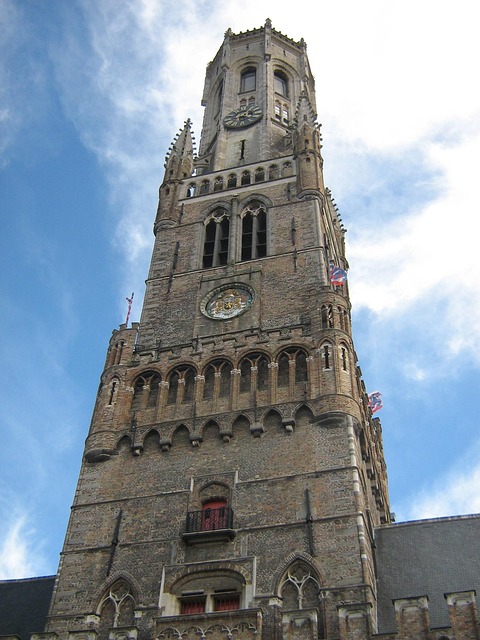
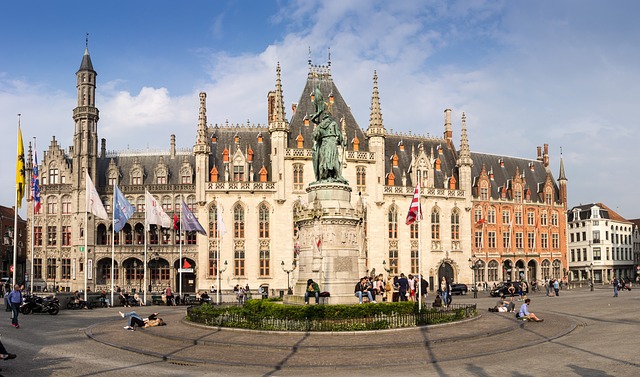
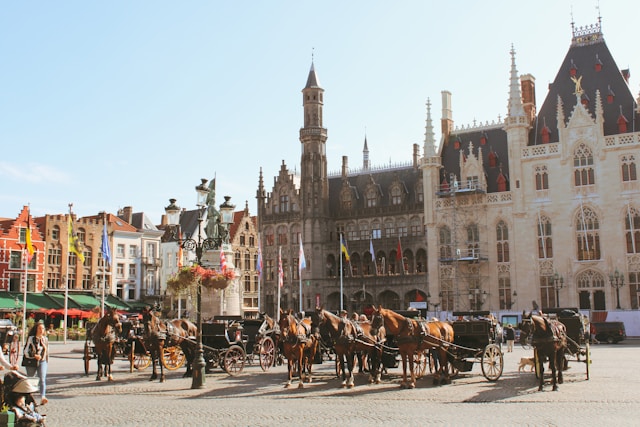
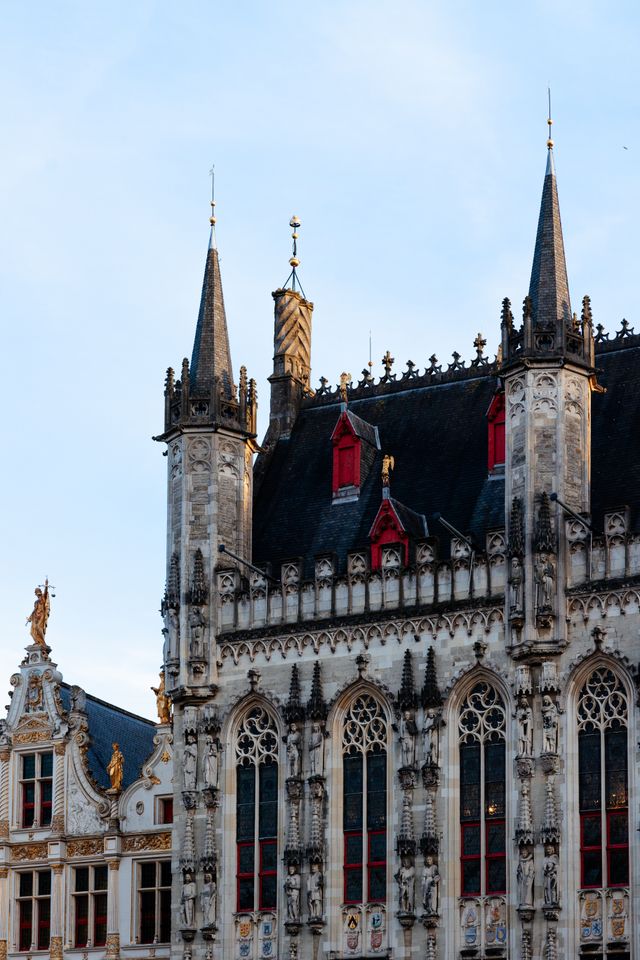
Notably, the Belfry of Bruges rises 83 meters above the Markt square. In fact, visitors can climb 366 steps to reach the top. Formerly, the tower served as a watchtower and treasury for the city, with construction starting in the thirteenth century. Nearby, the Provinciaal Hof adds a very different architectural style. Its neo Gothic spires and facade were completed in the nineteenth century. Together with the Belfry, the Provinciaal Hof anchors opposite ends of the square.
Horse Carriages and Colorful Facades
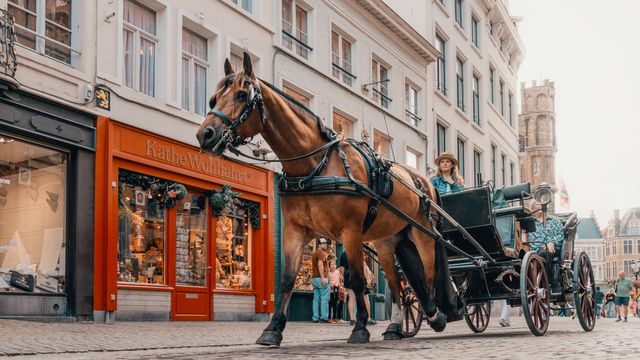
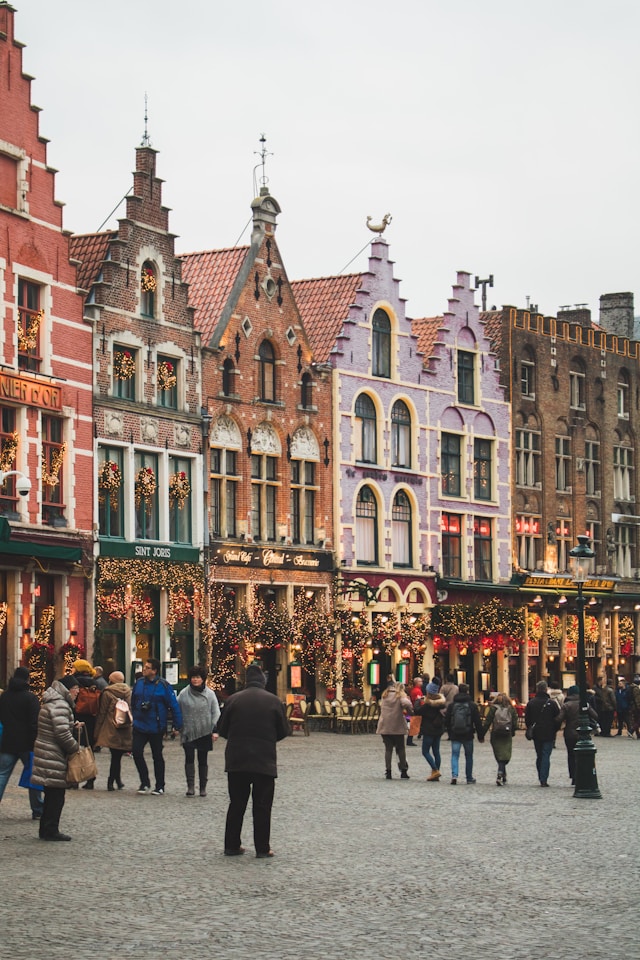
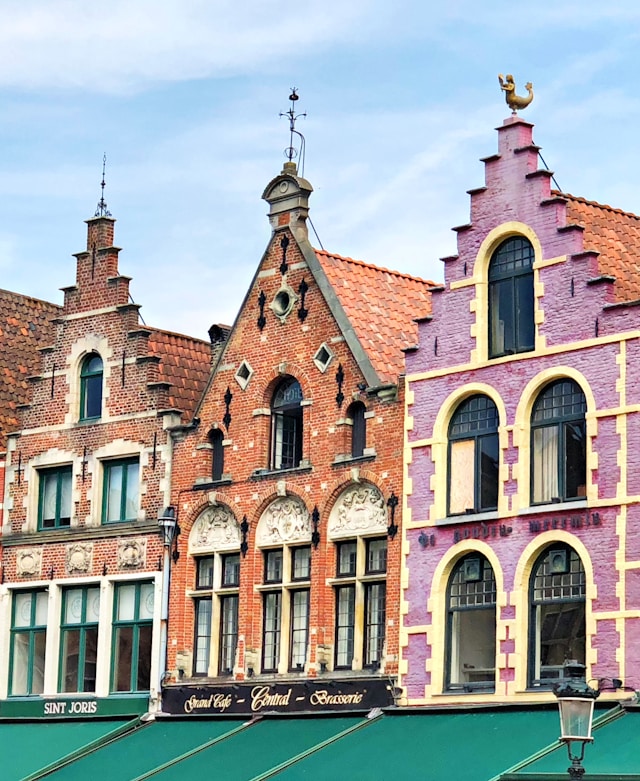
Horse drawn carriages still circle the Markt square today, offering short tours past its most photogenic corners. Meanwhile, the buildings ringing the square show off Bruges’ colorful gabled architecture. Red, pink, and purple facades stand side by side. Later, in the evening, string lights often wrap around the square’s awnings and window boxes, adding to the atmosphere.
Wandering the Quiet Side Streets
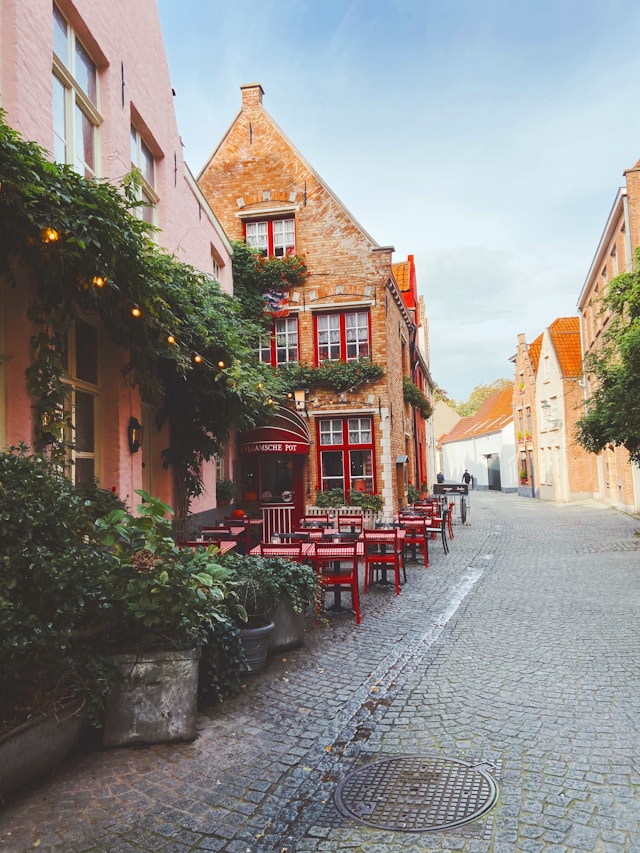
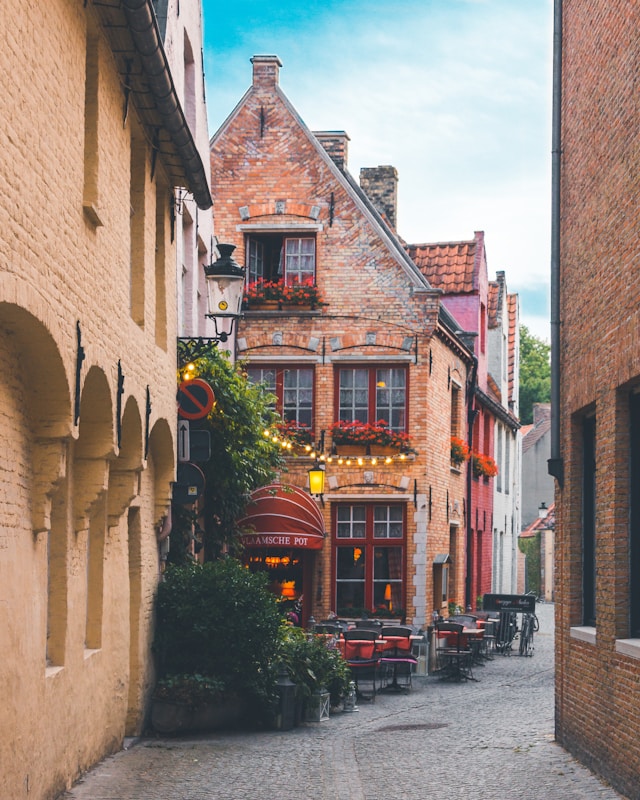
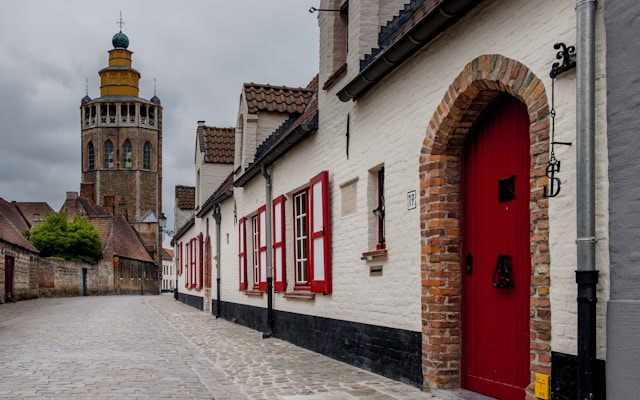
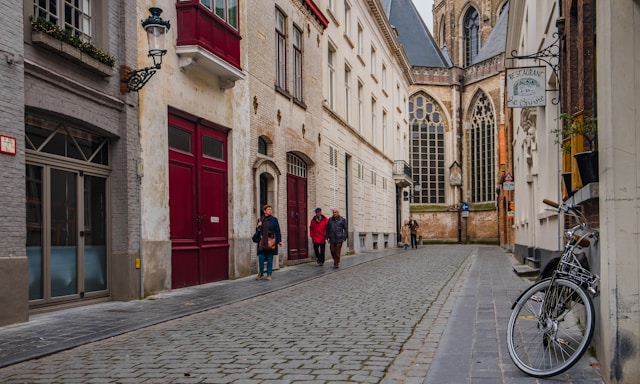
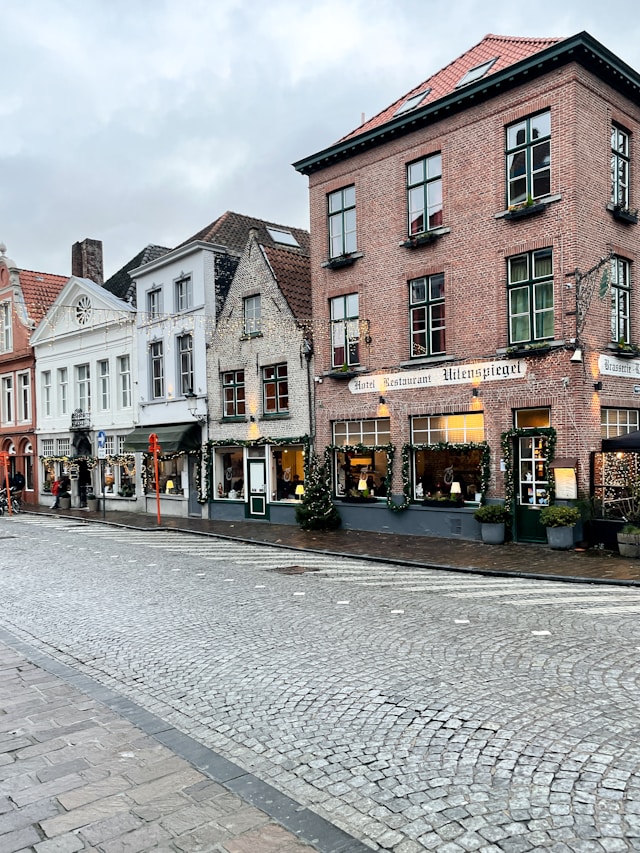
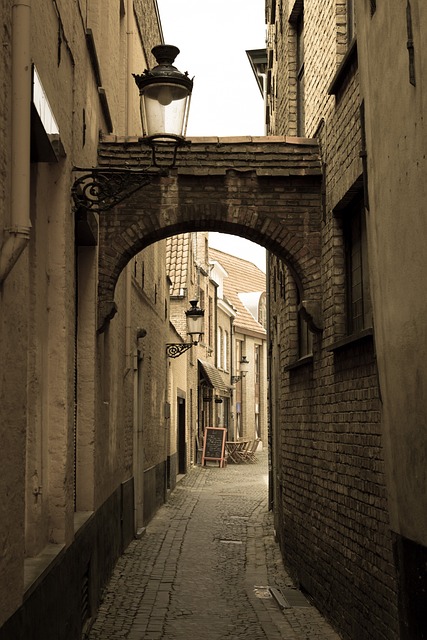
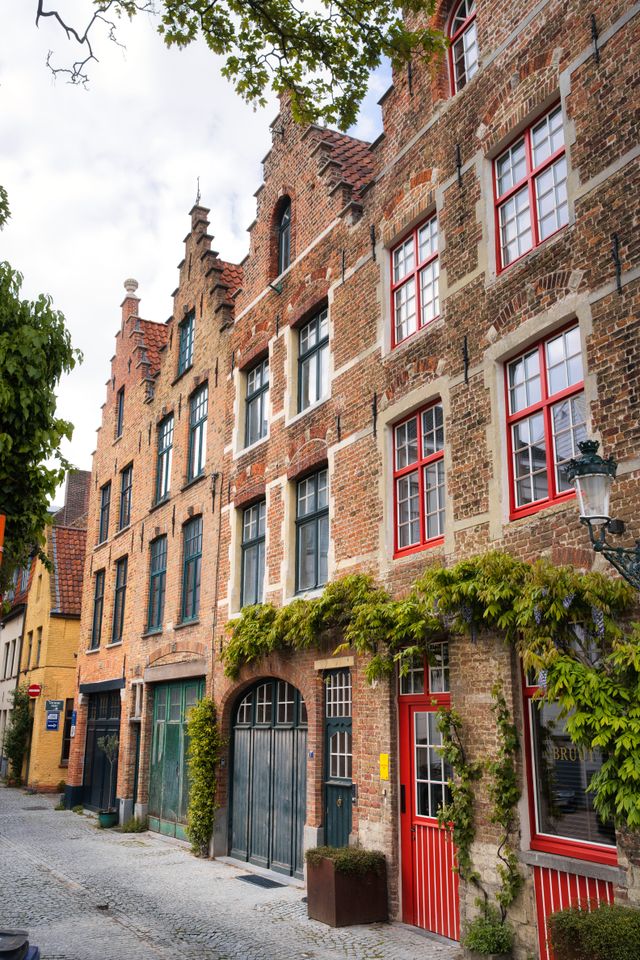
Notably, away from the Markt square, Bruges’ side streets offer a quieter, slower pace. Specifically, narrow cobblestone alleys wind between whitewashed and brick facades, many decorated with flowers or climbing greenery. Similarly, small restaurants like Vlaamsche Pot set out red bistro tables along otherwise empty lanes. Also, some streets still carry stone archways topped with old iron lanterns, remnants of the city’s medieval layout. Meanwhile, a short walk toward a Gothic cathedral reveals more of Bruges’ quieter architecture. Pale stone facades and red painted doors line the way. Naturally, from above, aerial views show just how densely packed these streets and their red tiled roofs really are. In fact, one street near Hotel Restaurant Uilenspiegel captures this mix particularly well. It combines shopfronts, brick gables, and quiet cobblestones in a single scene.
One Historical Fact About Bruges, Belgium
Notably, Bruges was once one of the most important trading ports in northern Europe. In fact, the city’s wealth peaked in the fourteenth century. At the time, it served as a hub for the Hanseatic League’s trade routes. Eventually, however, the Zwin channel connecting Bruges to the North Sea began silting up. As a result, the city gradually lost its role as a major port. Meanwhile, the wider Belgian economy shifted toward Antwerp. In fact, this economic decline is largely why Bruges survives today looking so distinctly medieval. Specifically, without the wealth to constantly rebuild and modernize, much of the city’s Gothic architecture stayed untouched for centuries.
How to Get To Bruges, Belgium
Generally, most travelers reach Bruges through Brussels, Belgium’s capital and main international gateway. Specifically, direct trains run from Brussels to Bruges roughly every half hour, and the trip takes about an hour. Instead, travelers arriving through other European cities can often connect through Brussels or Ghent with minimal extra travel time. For those coming from Paris or London, high speed rail connections into Brussels help. They make Bruges an easy add-on to a wider European trip. Once in Bruges, the historic center is compact and entirely walkable, so a car becomes unnecessary once you arrive. Still, the train station sits a short walk or tram ride from the center. This is worth factoring into travel plans.
Best Time to Visit Bruges, Belgium
Generally, Bruges suits a visit throughout most of the year, though certain seasons offer clear advantages. Specifically, spring and early autumn bring mild weather and thinner crowds than the peak summer months. In particular, autumn adds the bonus of colorful foliage along the canals, as seen throughout much of this guide. Meanwhile, winter brings a quieter, more atmospheric version of the city. Around the holiday season, markets and lights fill the Markt square. Still, summer remains the busiest season, with the largest crowds and longest lines for popular sights like the Belfry. Consequently, visiting on weekdays, regardless of season, tends to make for a noticeably calmer experience.
Is Bruges, Belgium Worth Visiting?
In general, for travelers interested in medieval architecture, Bruges ranks among Europe’s most rewarding stops. Indeed, its canals, Markt square, and quiet streets remain remarkably intact. They offer a clearer sense of medieval life than many larger, more modernized cities. Furthermore, the sheer concentration of chocolate shops adds an entirely different, more indulgent reason to visit. Naturally, Bruges draws significant crowds, especially around the Markt square during peak season. Even so, it rarely feels as overwhelmed as some of Europe’s other major tourist destinations. Overall, Bruges earns its reputation as one of the best preserved and most photogenic medieval towns in Europe.
Final Thoughts
In short, Bruges offers a rare combination of canals, medieval architecture, and chocolate shops. All of it fits into a compact and walkable city. Indeed, few destinations let you cross from a Gothic square to a quiet, swan filled canal. The walk takes just a few minutes on foot. Whether wandering the Markt square or working through a list of chocolate shops, visitors stay busy. In fact, they rarely run out of things to do in Bruges. For travelers building a broader European itinerary, Bruges pairs well with other well preserved historic towns. For instance, Villa de Leyva, Colombia offers a colonial counterpart on the opposite side of the world. It has its own distinct historic character.
Image Credits
Unsplash
- Photo by Earlyrain Studio on Unsplash. A Whitewashed Brick Canal House Reflected in a Bruges Canal at Dusk.
- Photo by Roman Wimmers on Unsplash. Illuminated Candle Display in a Bruges Chocolate Shop Window at Night.
- Photo by Liese Schuurman on Unsplash. Chocolate Factory Sign Above a Flower-Lined Shop Window in Bruges.
- Photo by daniel mironov on Unsplash. Bicycle Parked Outside the DUMON Chocolatier Shop Entrance in Bruges.
- Photo by Peter Boccia on Unsplash. Bruges Canal Lined With Autumn Trees and Reflections of Canal Houses.
- Photo by Tamar Gogua on Unsplash. Cobblestone Street Lined With Red Cafe Tables Outside a Bruges Restaurant.
- Photo by Nicole Baster on Unsplash. Colorful Gabled Buildings Decorated With Lights on the Markt Square in Bruges.
- Photo by Niels Bosman on Unsplash. Horse Drawn Carriage on the Markt Square in Bruges.
- Photo by Thierry Lemaitre on Unsplash. Narrow Bruges Alley Decorated With String Lights and Flowers.
- Photo by Hongbin on Unsplash. Swans Swimming Beneath a Stone Bridge on a Bruges Canal.
- Photo by Despina Galani on Unsplash. Close-up of Colorful Stepped Gable Facades in Bruges.
- Photo by Elijah G on Unsplash. Whitewashed Brick Street With a Red Door and Distant Bell Tower in Bruges.
- Photo by Elijah G on Unsplash. Cobblestone Street Leading Toward a Gothic Cathedral in Bruges.
- Photo by Agata Smok on Unsplash. Cobblestone Street Lined With Shops Including Hotel Restaurant Uilenspiegel in Bruges.
Pixabay
- Image of Chocolates in Bruges, Belgiumy from Pixabay. Bowls of Colorful Belgian Chocolate Pralines Including Gin Flavored Ones.
- Image by Arantzazu Quiroga Alonso from Pixabay. Close-up of the Belfry of Bruges Bell Tower Against a Blue Sky.
- Image by Andreas H. from Pixabay. Swans Swimming Past a Half-Timbered Building on a Bruges Canal.
- Image by meineresterampe from Pixabay. Panoramic View of the Provinciaal Hof Building on Bruges’ Markt Square.
- Image by meineresterampe from Pixabay. Narrow Bruges Alley With a Stone Arch and Hanging Lantern.
- Image by Chris Wiedenhoff from Pixabay. Bruges Canal Illuminated at Night With the Belfry Tower Reflected in the Water.
- Image by Michael Drummond from Pixabay. Stone Bridge Over a Bruges Canal Glowing With Sunset Light.
- Image of Dumon Chocolate Shop from Pixabay. Woman Cycling Past the DUMON Chocolatier Corner Shop in Bruges.
Pexels
- Photo by Ryan Thomas, Pexels. Horse Drawn Carriage Passing a Shop on a Bruges Street.
- Photo by wai sing, Pexels. Chocolates and Happiness Shop Entrance With a Red Door in Bruges.
- Photo by wai sing, Pexels. Chocolaterie Confiserie Shop Window Decorated With Autumn Flowers in Bruges.
- Photo by Zeynep Merve Kılıç Çakır, Pexels. Chocolate Factory De Burgh Shop Entrance With a Red Awning in Bruges.
- Photo by wai sing, Pexels. Colorful Storefront of Le Comptoir de Mathilde Chocolate Shop in Bruges.
- Photo by Ludovic Delot, Pexels. Gothic Spires and Stonework of a Historic Bruges Building.
- Photo by Ruben Boekeloo, Pexels. Row of Medieval Brick Buildings Draped in Greenery on a Bruges Street.