Takayama sits deep in the Japanese Alps. Snow capped peaks rise above a town that still feels like the Edo period. Wooden merchant houses line the old streets, and sake breweries fill the air with a familiar scent. Visitors come for the architecture, but they stay for the slow pace and the mountain air. So, this guide covers everything you need to plan a trip to Takayama, Japan.
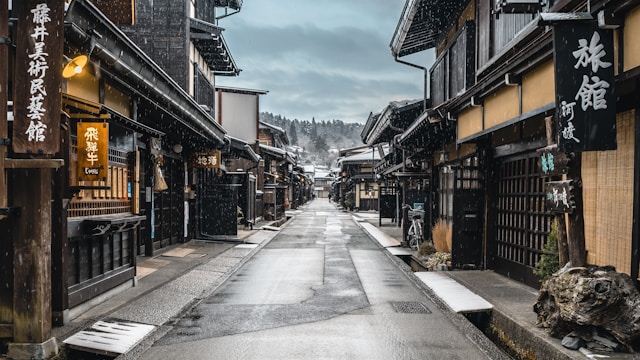
Quick Facts About Takayama, Japan
| Country | Japan |
| Region | Hida Region, Gifu Prefecture |
| Known For | Preserved Edo-era merchant streets, sake breweries, morning markets, and the Takayama Festival |
| UNESCO Status | Not a UNESCO World Heritage Site |
| Founded | Castle town founded in 1588 by Kanamori Nagachika, with earlier settlement across the surrounding Hida region |
| Best Time to Visit | Spring and autumn |
| Time Needed | One to two days |
| Continent | Asia |
Where is Takayama, Japan?
Takayama lies in Gifu Prefecture, tucked into the mountains of central Japan. It sits roughly three hours north of Nagoya by train, and it also serves as a gateway to Shirakawa-go. Since it rests in a valley surrounded by peaks, the town keeps a cooler climate than most of lowland Japan. Still, this location is part of why so much of its old architecture survived.
Why Visit Takayama, Japan?
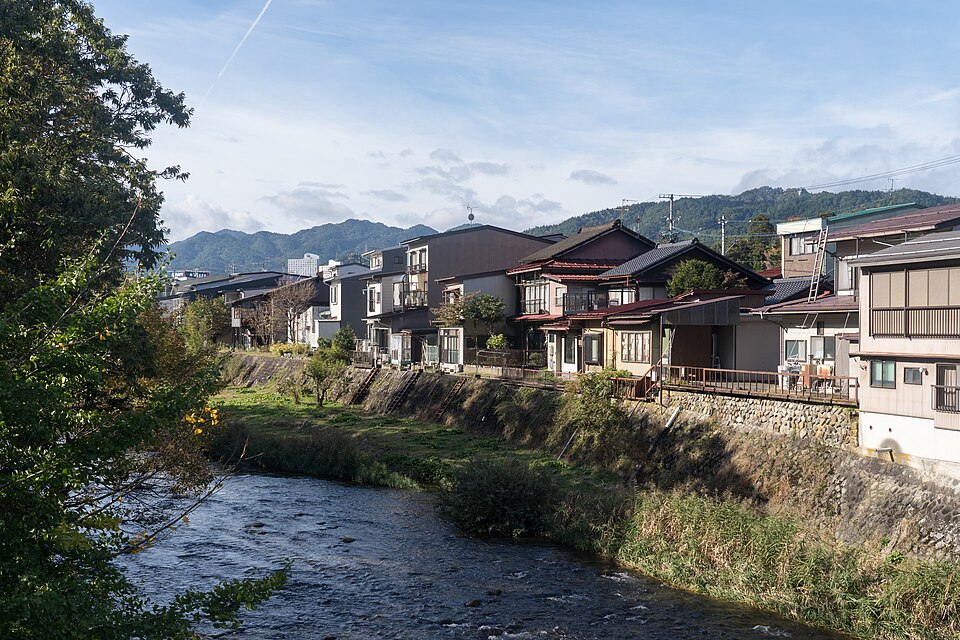
Takayama offers a version of old Japan that is hard to find elsewhere. Kyoto draws bigger crowds, but Takayama keeps its streets calm even in peak season. Since the town sits close to the Alps, visitors also get easy access to hiking trails and mountain villages. The food scene stands out too, especially the Hida beef and the sake from nearby breweries. Many travelers pair Takayama with a day trip to Shirakawa-go, so it works well as a base for the wider region. Along the Miya River, mountains rise behind the rooftops, and the view changes with every season.
Takayama’s Sanmachi Suji Old Town
Sanmachi Suji is the historic merchant district at the heart of Takayama, and it draws most first time visitors. Still, the area preserves rows of dark wooden buildings that once housed sake merchants and local officials. Since cars are restricted on the narrowest lanes, walking here feels like stepping into an earlier century.
Wooden Merchant Houses Along the Old Streets
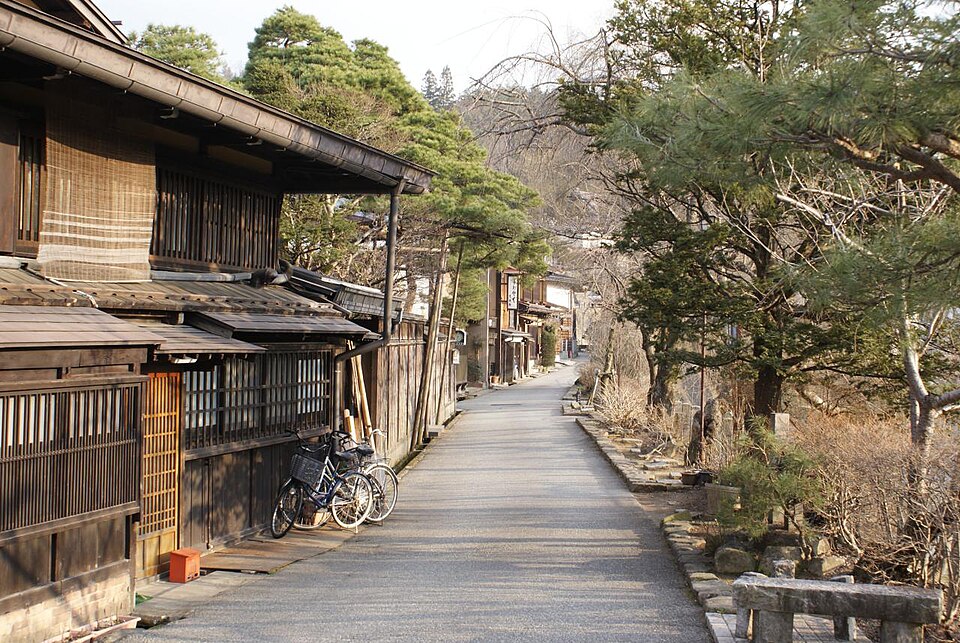
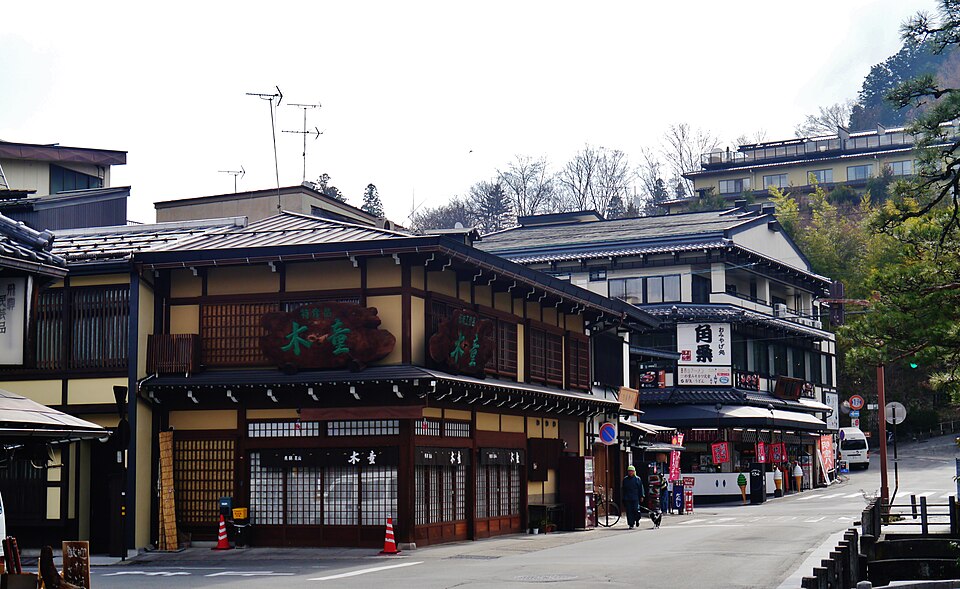
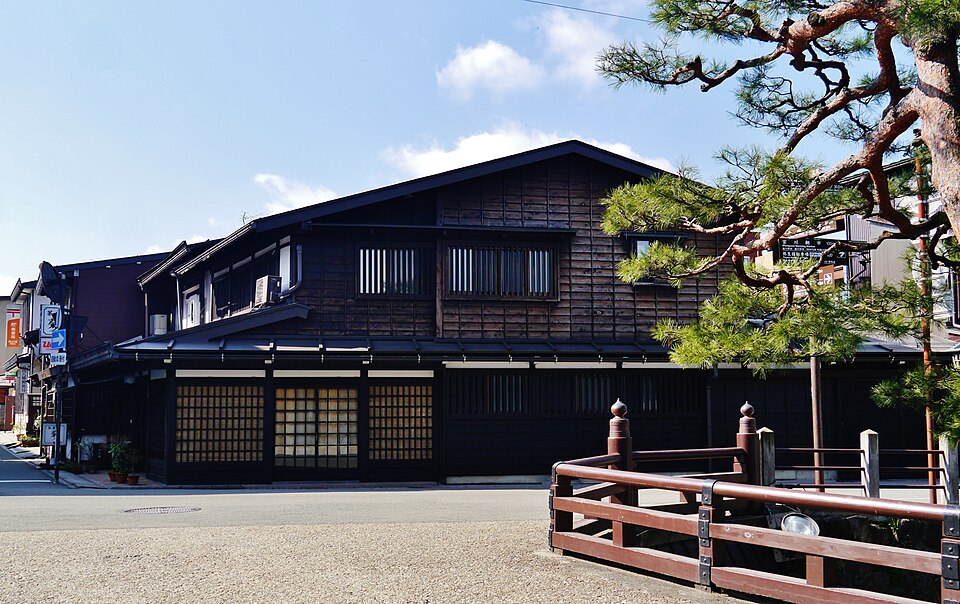
In fact, the merchant houses of Sanmachi Suji share a similar style, with lattice windows and low eaves. Bicycles often lean against the wooden facades, and stone lanterns line some of the walkways. Near Nunobiki Bridge, a cluster of dark wood and white plastered houses shows this style especially well. Meanwhile, the nearby Takayama Museum of History and Art gives context for the district’s past. So, it makes a natural stop on the same walk.
Sake Breweries and Traditional Shops
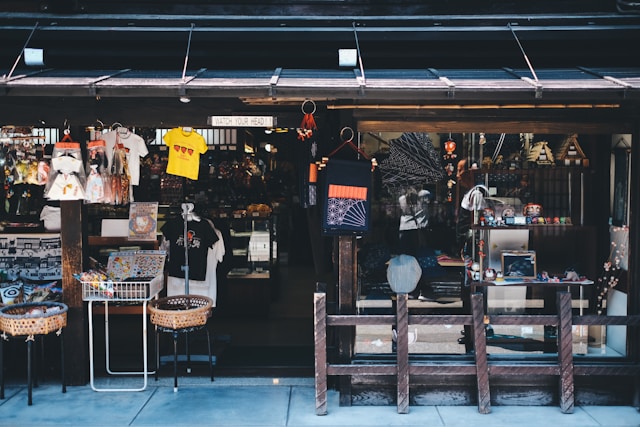
Takayama has been a sake producing town for centuries, and several breweries still operate in Sanmachi Suji today. A round cedar ball called a sugidama hangs outside each brewery, and it darkens over the year as the sake ages. Many shops also sell Hida crafts, from carved charms to woven baskets set out on the street. Since these shops sit close together, a short walk covers a wide range of local goods.
Night Markets and Local Museums
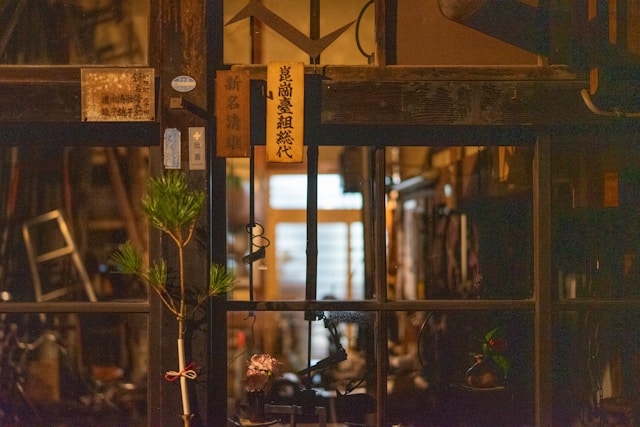
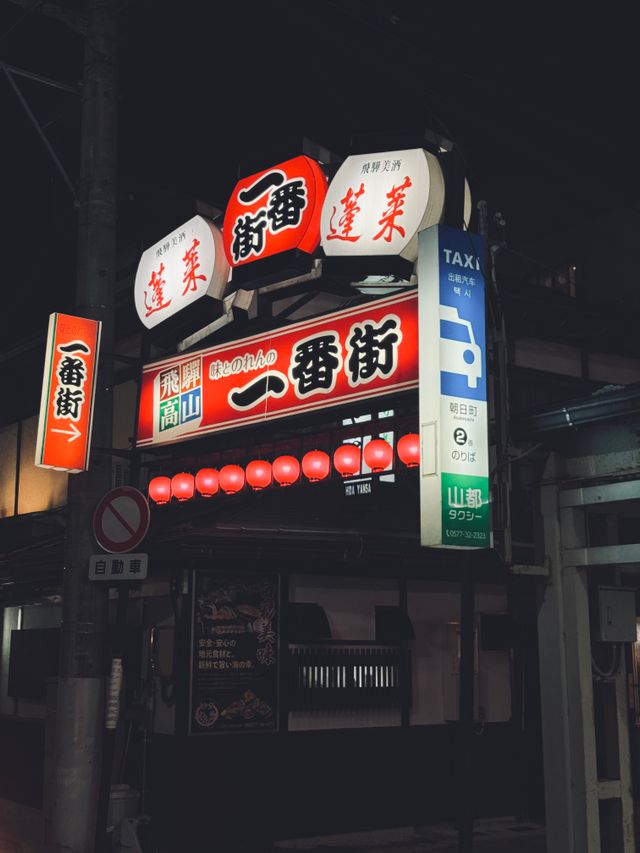
Once the sun sets, parts of Sanmachi Suji take on a different mood, with signs glowing above quiet entrances. The Ichibangai shopping street stays lively later than most other lanes, and its signage makes for a good evening walk. During the day, the same streets also host small museums that explain local crafts in more depth. So, visitors can mix daytime learning with evening wandering.
Takayama’s Gassho-Zukuri Farmhouses
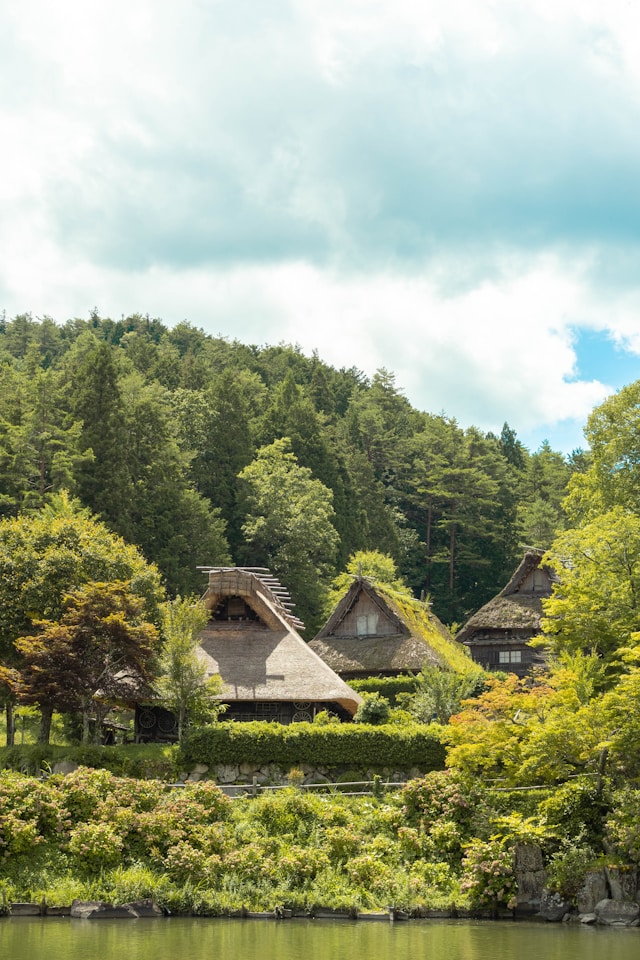
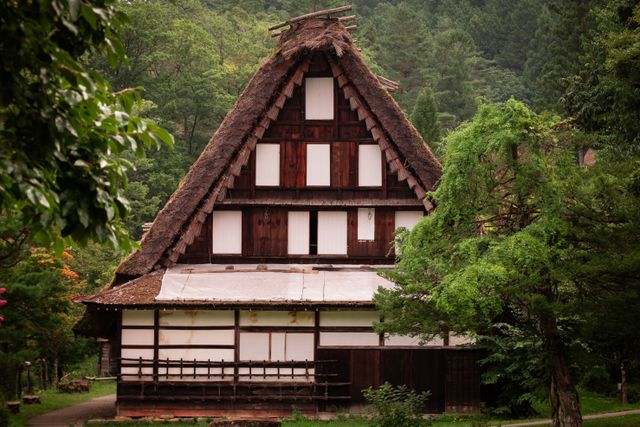
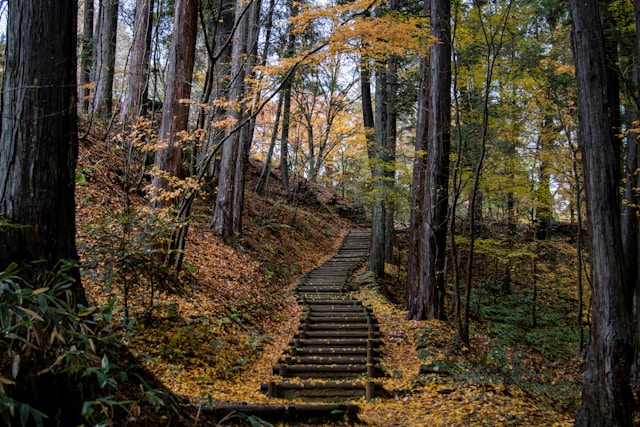
Just outside the old town, Takayama also preserves a collection of gassho-zukuri farmhouses, known for their steep thatched roofs. These roofs were built steep, so heavy snow slides off instead of collapsing the structure. This design suits the region’s harsh winters too. Still, several houses sit beside a quiet lake, framed by dense forest and low hills. Others stand in small clusters too, their gables rising sharply against the mountains behind them. A wooden staircase nearby climbs through the surrounding forest, and in autumn its steps disappear under fallen leaves. Since these farmhouses sit within easy reach of the old town, they pair naturally with a Sanmachi Suji walk.
Takayama’s Shrines, Temples, and Festivals
Beyond the old town, Takayama also holds a dense cluster of shrines and temples, many linked by the Higashiyama walking course. This side of town moves at a slower pace than Sanmachi Suji. Since most visitors come specifically for the festival floats or temple grounds, the crowds thin out.
Sakurayama Hachimangu Shrine and the Takayama Festival
In fact, Sakurayama Hachimangu Shrine hosts one of the most famous events in the region, the Takayama Festival. Held each spring and autumn, it ranks among Japan’s most celebrated festivals, alongside those in Kyoto and Chichibu.
The Spring and Autumn Takayama Festivals
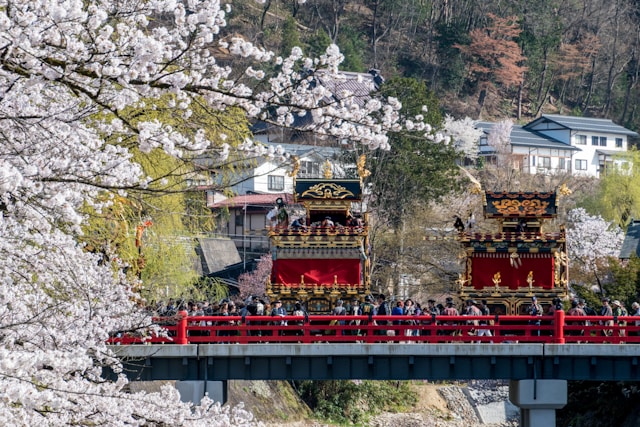
The spring festival, called Sanno Matsuri, takes place in April, while the autumn version, Hachiman Matsuri, follows in October. Then, elaborately gilded yatai floats parade through town during both events. Some also cross the red railed bridge over the Miya River. Cherry blossoms often frame the spring procession, so photographers plan trips around this exact week each year.
Hachimangu Shrine’s Torii Gates and Stone Paths
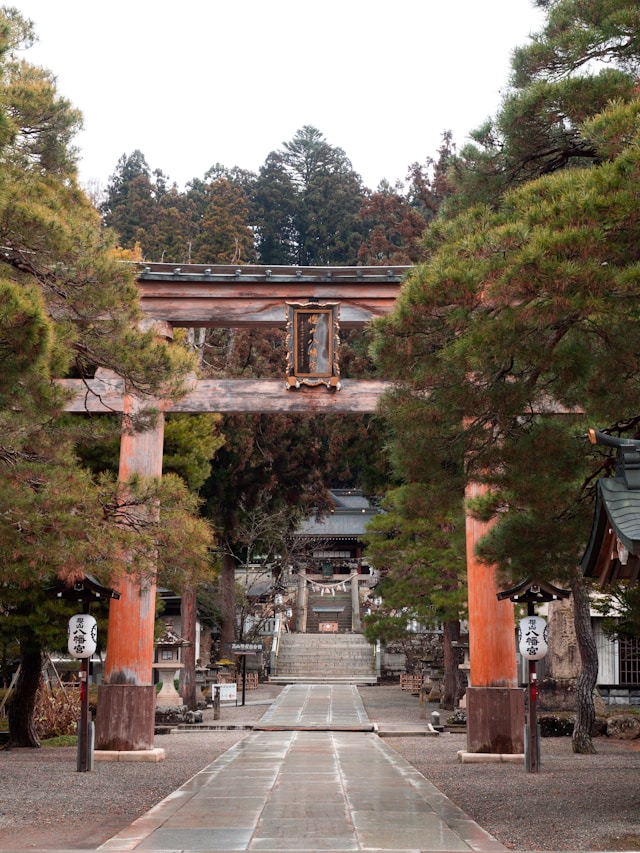
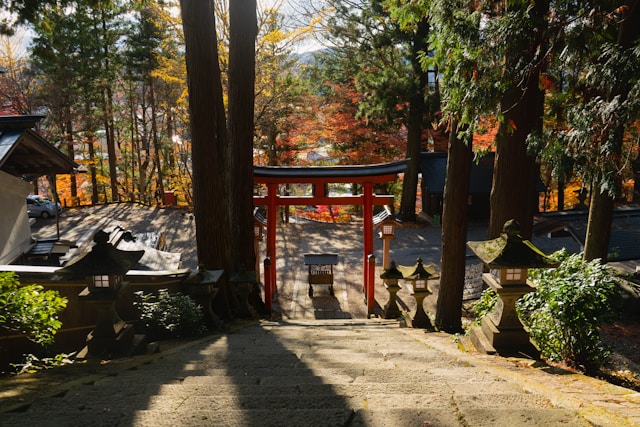
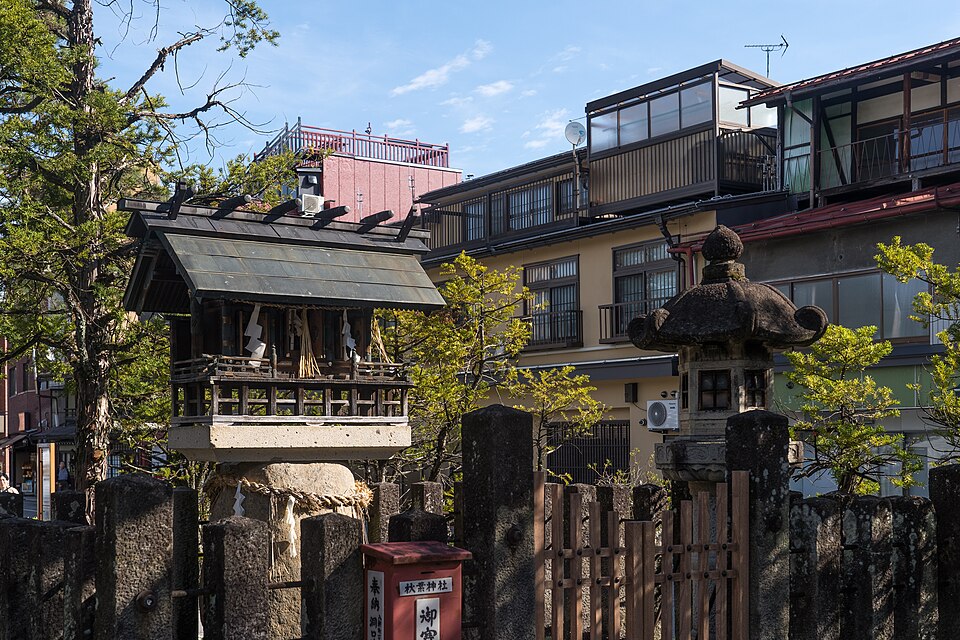
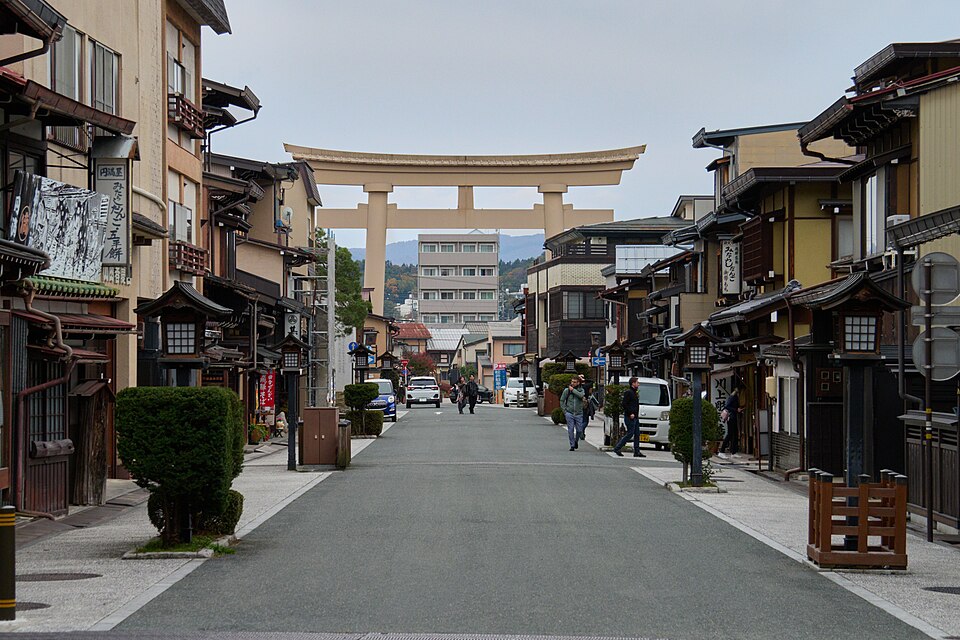
A long stone walkway also leads visitors through a weathered orange torii gate toward the shrine’s main buildings. Paper lanterns line much of the path. Other torii gates mark smaller shrines tucked among the rooftops, including one perched above the old town near a stone lantern. Further along a nearby merchant street, another gate stands framed by traditional shophouses. So, even a short walk between sites turns into a small shrine tour.
Hokke-ji and Soyu-ji Temples
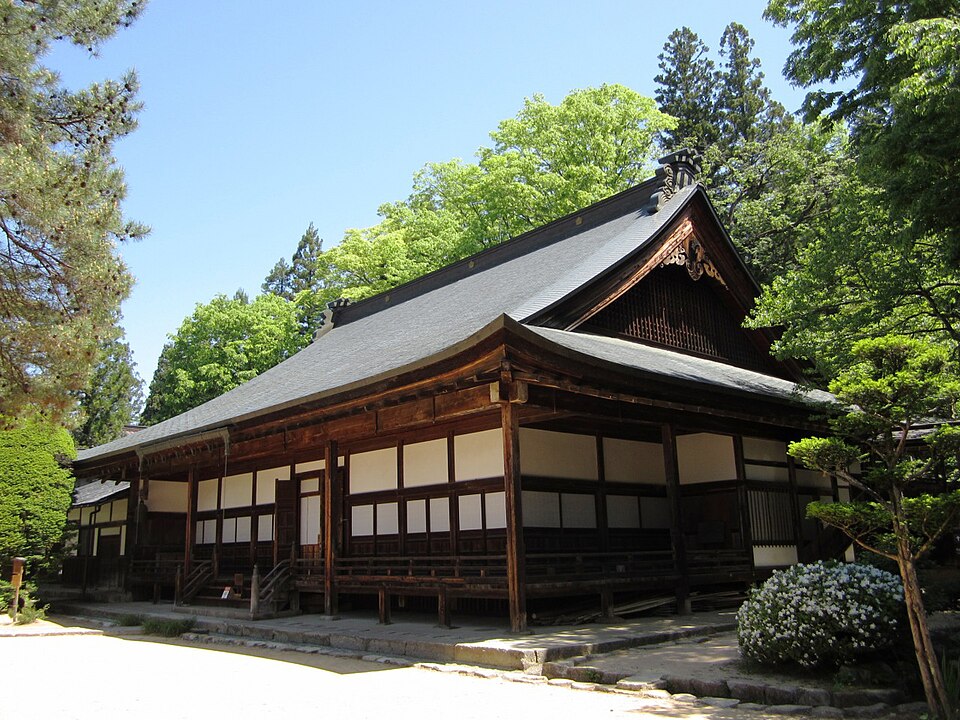
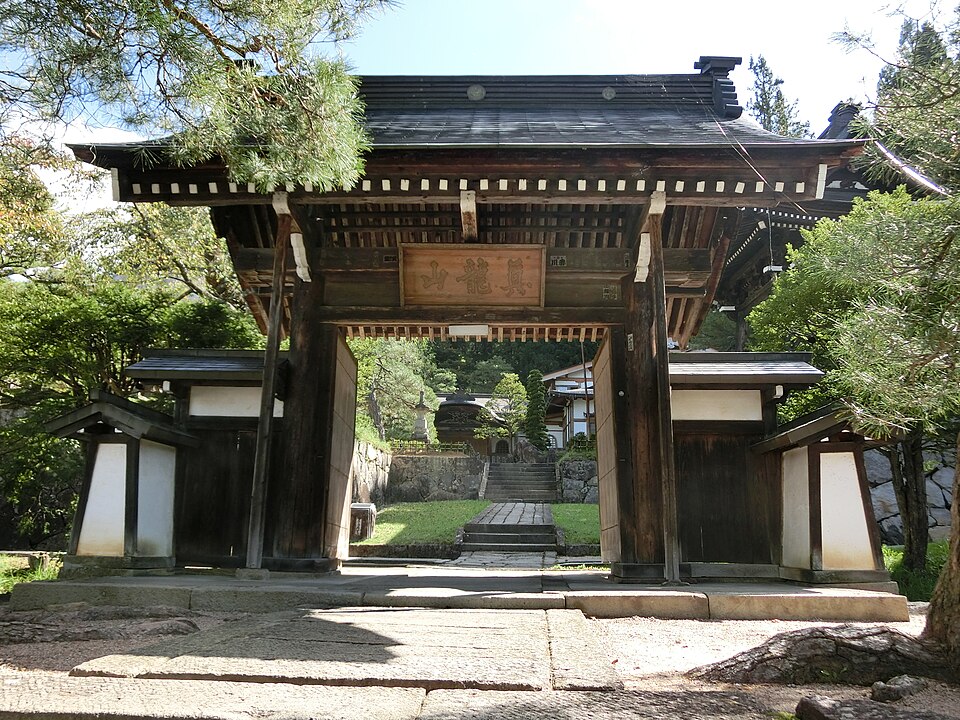
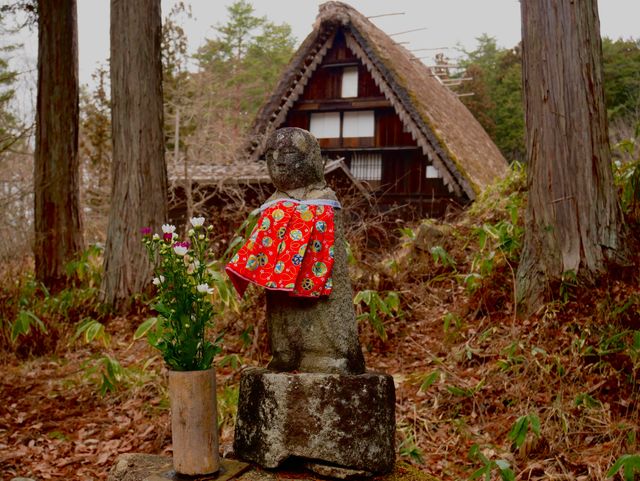
Hokke-ji and Soyu-ji sit among the quieter temples along the Higashiyama course, and both stay calm even during festival season. Hokke-ji’s main hall stands beneath tall pine trees. Soyu-ji’s wooden gate, meanwhile, opens onto a stone path leading deeper into the grounds. Nearby, a weathered jizo statue in a red bib watches over a thatched farmhouse, a common sight here too. So, these smaller sites give visitors a quieter alternative to the busier shrine grounds closer to town.
One Historical Fact About Takayama, Japan
Takayama began as a castle town in 1588, when the feudal lord Kanamori Nagachika built Takayama Castle. He also laid out the streets that still shape Sanmachi Suji today. In 1692, however, the Tokugawa shogunate took direct control of the region, drawn by its valuable timber and mineral resources. As a result, Takayama was governed straight from Edo through officials at the Takayama Jinya, rather than by a local daimyo. This unusual system lasted nearly 180 years, and it explains the town’s distinct style, one that still survives today.
How to Get To Takayama, Japan
The easiest route to Takayama starts in Nagoya. From there, the train then reaches Takayama Station in about two and a half hours on the JR Hida limited express. Travelers coming from Tokyo can also reach Takayama by highway bus, though the ride takes longer than the train from Nagoya. Those arriving from Toyama can instead take a shorter train ride across the mountains. Since Takayama Station sits within walking distance of Sanmachi Suji, visitors rarely need a taxi once they arrive.
Best Time to Visit Takayama, Japan
Spring and autumn both offer strong reasons to visit Takayama. In April, the Sanno Matsuri festival brings cherry blossoms and parading floats together. October’s Hachiman Matsuri, meanwhile, pairs the same floats with turning leaves. Winter, on the other hand, transforms the old town into a quieter, snow covered place. It also appeals to visitors who want smaller crowds. Summer stays green and mild, though it lacks the festival energy of the two shoulder seasons.
Is Takayama, Japan Worth Visiting?
In fact, Takayama is worth visiting, especially for travelers who want an alternative to busier historic towns like Kyoto. The preserved streets, working sake breweries, and nearby mountain scenery also combine into a destination that rewards a slower pace. Since it also connects easily to Shirakawa-go, Takayama fits naturally into a wider Japanese Alps itinerary rather than standing alone.
Final Thoughts
Takayama proves that well preserved towns still exist outside the usual tourist circuit. Its wooden streets, mountain backdrop, and long running festivals give visitors plenty to explore in just a day or two. For example, read our guide to Bruges, Belgium, another town that has kept its historic character intact.
Image Credits
Unsplash
- Photo by Rogério Toledo on Unsplash. Snow Falls on Takayama’s Historic Sanmachi Suji Street.
- Photo by Lucas Calloch on Unsplash. Autumn Colors Frame a Torii Gate at a Takayama Shrine.
- Photo by Vladimir Haltakov on Unsplash. Takayama Festival Floats Cross a Red Bridge Beneath Cherry Blossoms.
- Photo by Phurichaya Kitticharin on Unsplash. Thatched Farmhouses Sit Beside a Quiet Lake Near Takayama.
- Photo by Caleb Jack on Unsplash. A Wooden Staircase Winds Through Fall Foliage Near Takayama.
- Photo by Vicky Ng on Unsplash. A Stone Path Leads Through a Torii Gate to Sakurayama Hachimangu Shrine.
- Photo by Rap Dela Rea on Unsplash. A Souvenir Shop Storefront in Takayama’s Old Town.
- Photo by Jong Hyuk Lee on Unsplash. A Softly Lit Interior Glows Behind a Dark Wooden Facade.
Pexels
- Photo by Cheng from Pexels. Neon Signs Light Up a Takayama Market Entrance After Dark.
- Photo by Vivien from Pexels. A Stone Jizo Statue Watches Over a Thatched Takayama Farmhouse.
- Photo by Giuseppe Paoletti from Pexels. A Steep Thatched Roof Rises Above Green Trees in Takayama.
Wikimedia Commons
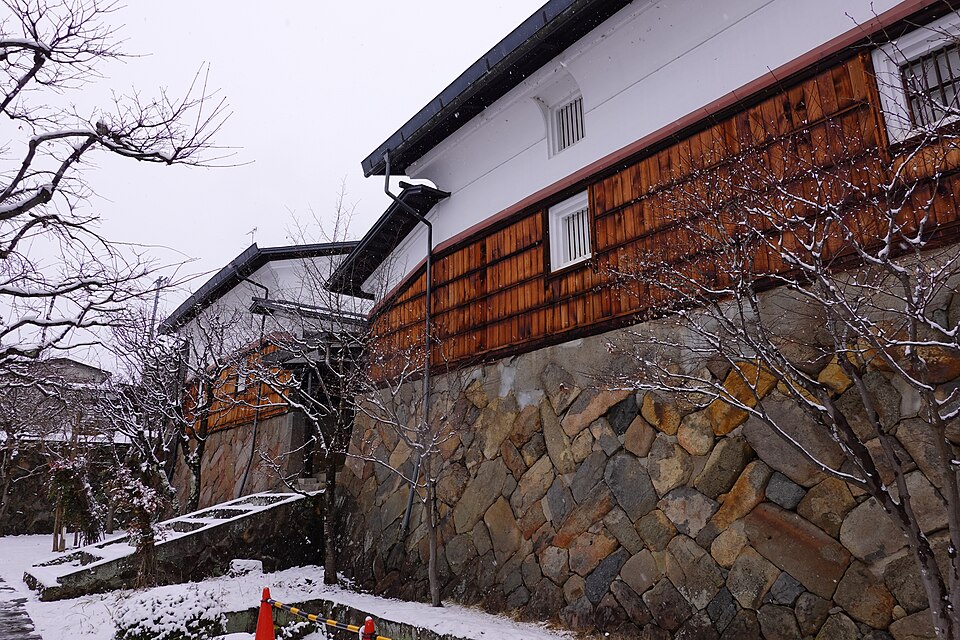
- 663highland, CC BY-SA 4.0, via Wikimedia Commons. Snow Dusts the Takayama Museum of History and Art.
- 立花左近, CC BY-SA 3.0, via Wikimedia Commons. The Main Hall of Hokke-ji Temple in Takayama.
- English: Abasaa日本語: あばさー, Public domain, via Wikimedia Commons. The Wooden Entrance Gate of Soyu-ji Temple in Takayama.
- ncole458, CC BY 2.0, via Wikimedia Commons. Bicycles Rest Along a Quiet Street in Old Takayama.
- Alexkom000, CC BY 4.0, via Wikimedia Commons. A Small Shrine Perches Above the Rooftops of Takayama.
- lumoplank, CC0, via Wikimedia Commons. A Merchant Street in Takayama Leads Toward a Golden Torii Gate.
- Zairon, CC BY-SA 4.0, via Wikimedia Commons. A Wooden Corner Shop in Takayama’s Sanmachi Suji District.
- Zairon, CC BY-SA 4.0, via Wikimedia Commons. A Dark Wooden Merchant House Stands Near Nunobiki Bridge.
- Alexkom000, CC BY 4.0, via Wikimedia Commons. The Miya River Flows Past Houses Beneath Takayama’s Mountains.


.JPG)
.jpg)


