Perched along the scenic South Shore of Nova Scotia, Lunenburg is one of Canada’s most remarkable historic towns. With its colorful waterfront, centuries-old architecture, and deep connection to the Atlantic Ocean, this UNESCO World Heritage Site offers visitors a rare opportunity to experience a living piece of maritime history.
So, this guide covers the best things to do in Lunenburg, along with tips on how to get there and when to visit Lunenburg.
Founded in 1753, Lunenburg grew from a British colonial settlement into one of North America’s most important fishing and shipbuilding centers. While many historic ports have changed dramatically over the centuries, Lunenburg has preserved much of its original character, allowing travelers to walk streets that have witnessed generations of sailors, merchants, craftsmen, and fishermen.
Today, visitors are drawn to the town’s vibrant harbor, beautifully preserved buildings, rich maritime traditions, and welcoming coastal atmosphere. Whether you’re a history enthusiast, photographer, architecture lover, or simply seeking a charming destination by the sea, Lunenburg delivers an unforgettable experience.
Quick Facts About Lunenburg
| Fact | Details |
|---|---|
| Country | Canada |
| Province | Nova Scotia |
| Known For | Maritime heritage, colorful waterfront, historic architecture |
| UNESCO Status | UNESCO World Heritage Site (1995) |
| Founded | 1753 |
| Best Time to Visit | June to October |
| Time Needed | Half Day to Two Days |
| Continent | North America |
Where Is Lunenburg?
Lunenburg is located on the South Shore of Nova Scotia, approximately 90 kilometers southwest of Halifax. The town overlooks a natural harbor on Canada’s Atlantic coast and enjoys one of the most picturesque waterfront settings in the country.
Its location provided ideal conditions for fishing, shipbuilding, and maritime trade, helping transform Lunenburg into an important economic center during the eighteenth and nineteenth centuries. Today, the harbor remains central to the community’s identity and continues to attract visitors from around the world.
Why Visit Lunenburg?
Lunenburg offers a combination of history, culture, architecture, and coastal scenery rarely found in a single destination. Its UNESCO designation reflects not only its historical importance but also the exceptional preservation of its original street layout and historic buildings.
Visitors can stroll through colorful neighborhoods, admire maritime landmarks, enjoy fresh Atlantic seafood, and learn about centuries of seafaring tradition. The town’s compact size makes it easy to explore on foot, while its scenic waterfront provides endless opportunities for photography and relaxation.
Unlike destinations that rely solely on tourism, Lunenburg remains an active community where heritage and daily life exist side by side. This authenticity is one of the reasons travelers consistently rank it among Canada’s most rewarding small towns.
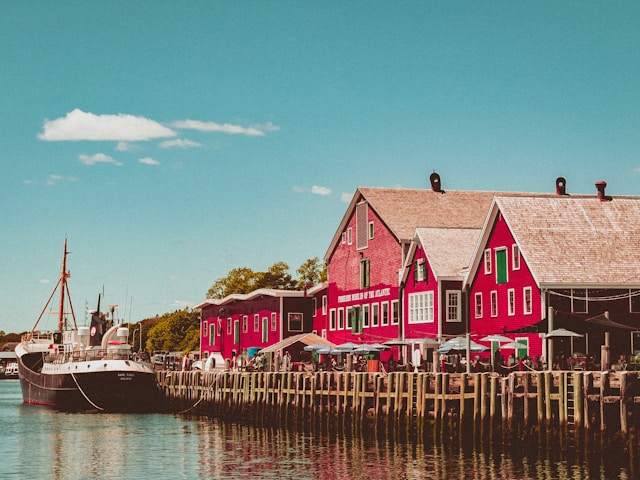
A Legacy Shaped by the Sea
The story of Lunenburg cannot be separated from the Atlantic Ocean.
Established by British settlers in 1753, the town was strategically positioned to support settlement efforts in Nova Scotia and strengthen British influence in the region. Its sheltered harbor quickly became a hub for fishing vessels, merchant ships, and maritime commerce.
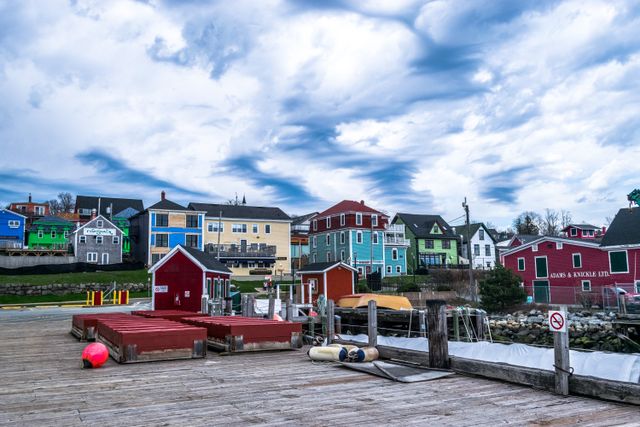
As the community expanded, shipbuilding emerged as one of its most important industries. Skilled craftsmen constructed wooden vessels that sailed throughout the Atlantic, contributing to both local prosperity and international trade. Fishing also played a central role in the economy, with generations of residents earning their livelihoods from the sea.
The harbor became the town’s lifeline. Ships carried fish, lumber, and goods to distant markets while bringing new opportunities and influences back to the community. This constant interaction with the Atlantic shaped Lunenburg’s economy, culture, and identity.
Despite modernization elsewhere, much of Lunenburg’s historical character survived. The original street grid remains intact, and many buildings continue to reflect the craftsmanship of earlier generations. These qualities ultimately led UNESCO to designate Lunenburg a World Heritage Site in 1995, recognizing it as one of the best-preserved examples of a planned British colonial settlement in North America.
Today, visitors walking through town can still sense the maritime traditions that have defined Lunenburg for more than two and a half centuries.
The Historic Waterfront and Working Harbour
The waterfront remains the beating heart of Lunenburg.
For centuries, fishing vessels and merchant ships have entered and departed from the harbor, supporting the industries that built the town. Even today, the waterfront maintains a working character that distinguishes it from many purely tourist-oriented destinations.
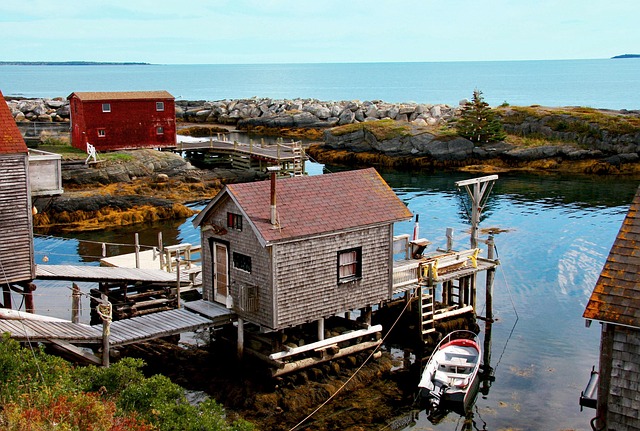
Traditional fishing sheds, wharves, and waterfront buildings line the harbor, creating a landscape that reflects generations of maritime activity. Visitors can watch fishing boats return with their catch, observe harbor operations, and gain an appreciation for the industries that continue to support the local economy.
The harbor also serves as a focal point for recreation and tourism. Restaurants, museums, and waterfront attractions allow visitors to experience the maritime atmosphere while learning about the town’s history. The combination of working industry and tourism creates an authentic environment that feels both historic and alive.
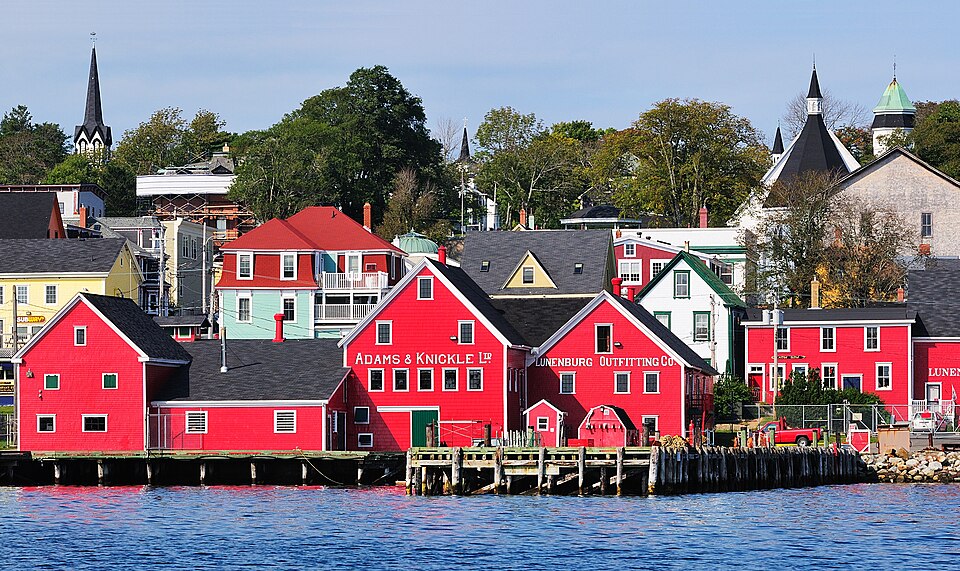
During sunrise and sunset, the waterfront becomes especially beautiful. Reflections dance across the harbor while colorful buildings rise above the shoreline, creating one of the most photographed scenes in Atlantic Canada.
Colorful Streets and Architectural Heritage
One of Lunenburg’s most distinctive features is its architecture.
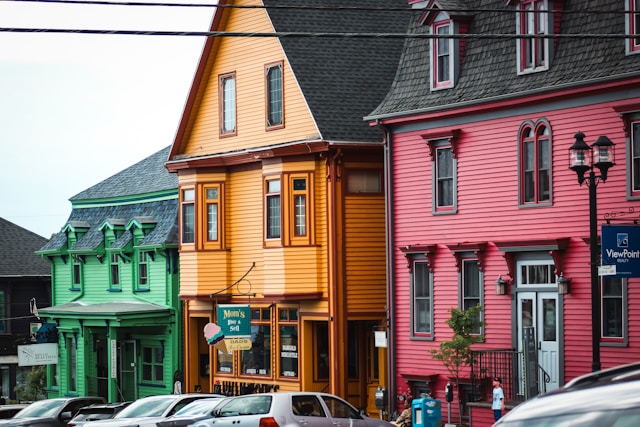
The town is famous for brightly painted homes, churches, businesses, and public buildings that create a vibrant streetscape unlike any other in Canada. These colorful facades are more than decorative—they represent a longstanding tradition that has become part of the town’s identity.
Many buildings date back to the nineteenth century and display architectural styles influenced by both British traditions and local craftsmanship. Decorative woodwork, steep roofs, and carefully maintained facades showcase the skills of generations of builders.
Historic residences such as the Captain William Smith House, the House of Godfrey Jacobs, the Allan R. Morash House, and the Kaulbach House demonstrate the remarkable variety of architectural styles found throughout the community. These buildings help tell the story of families whose lives were connected to the sea and whose success helped shape the town’s development.
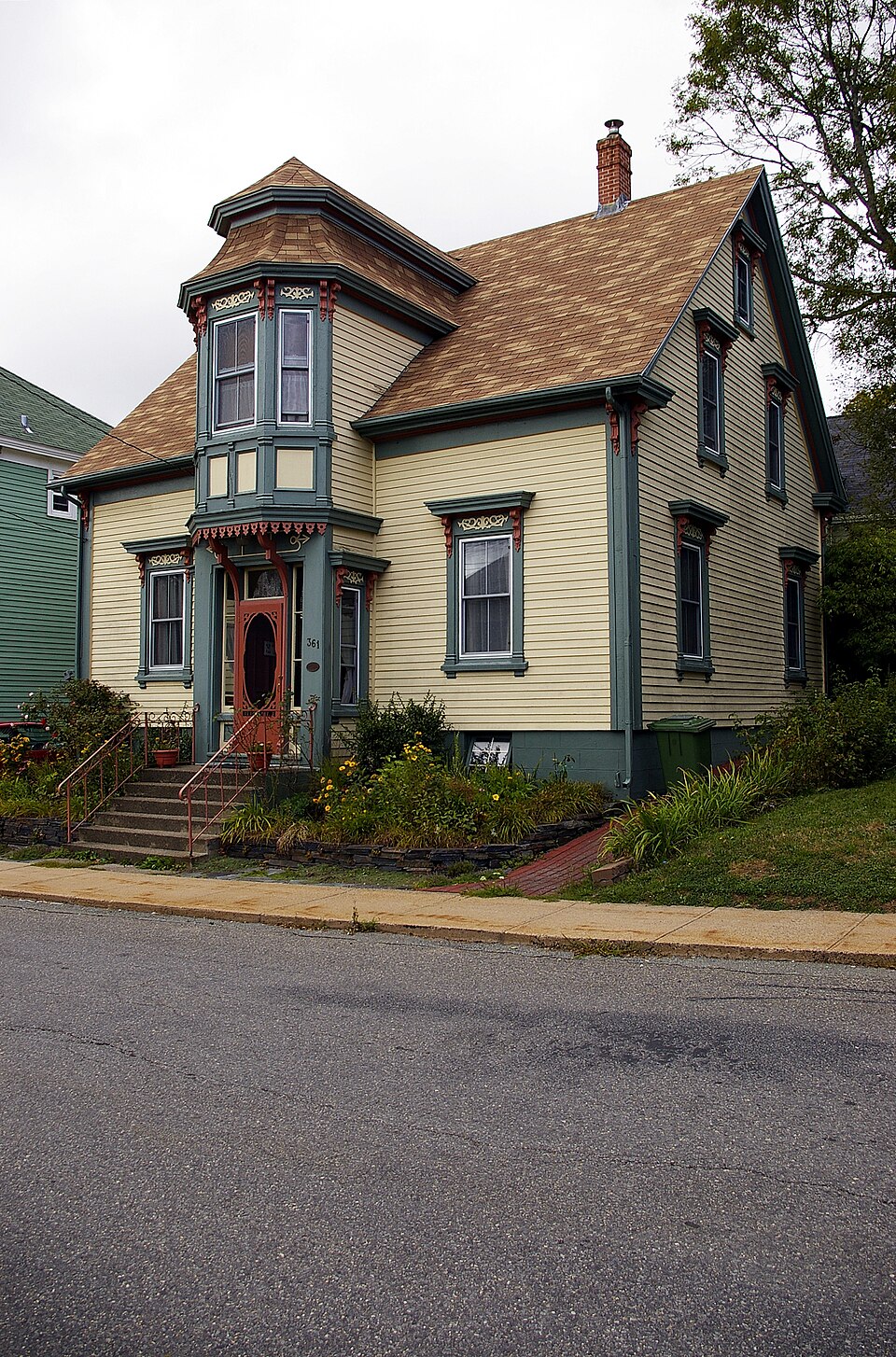
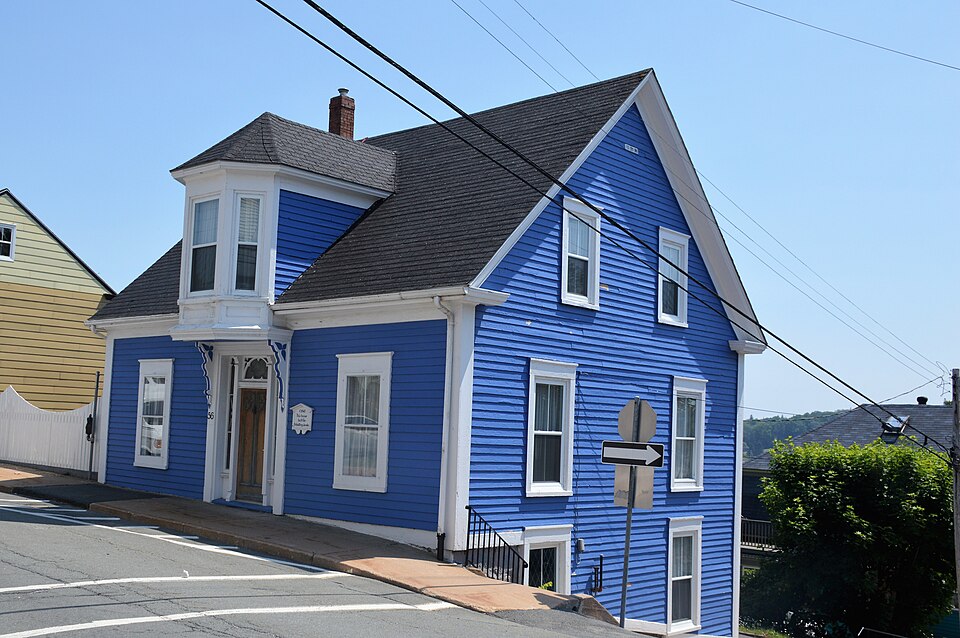
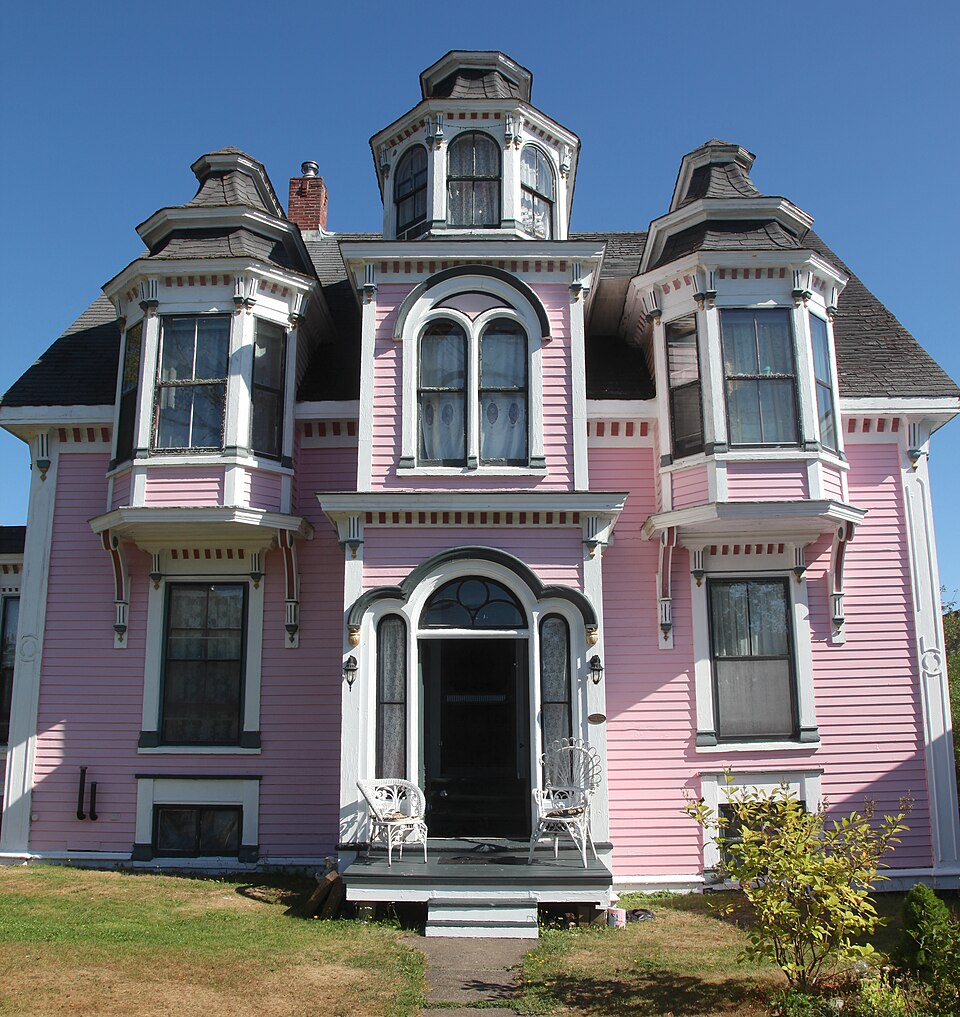
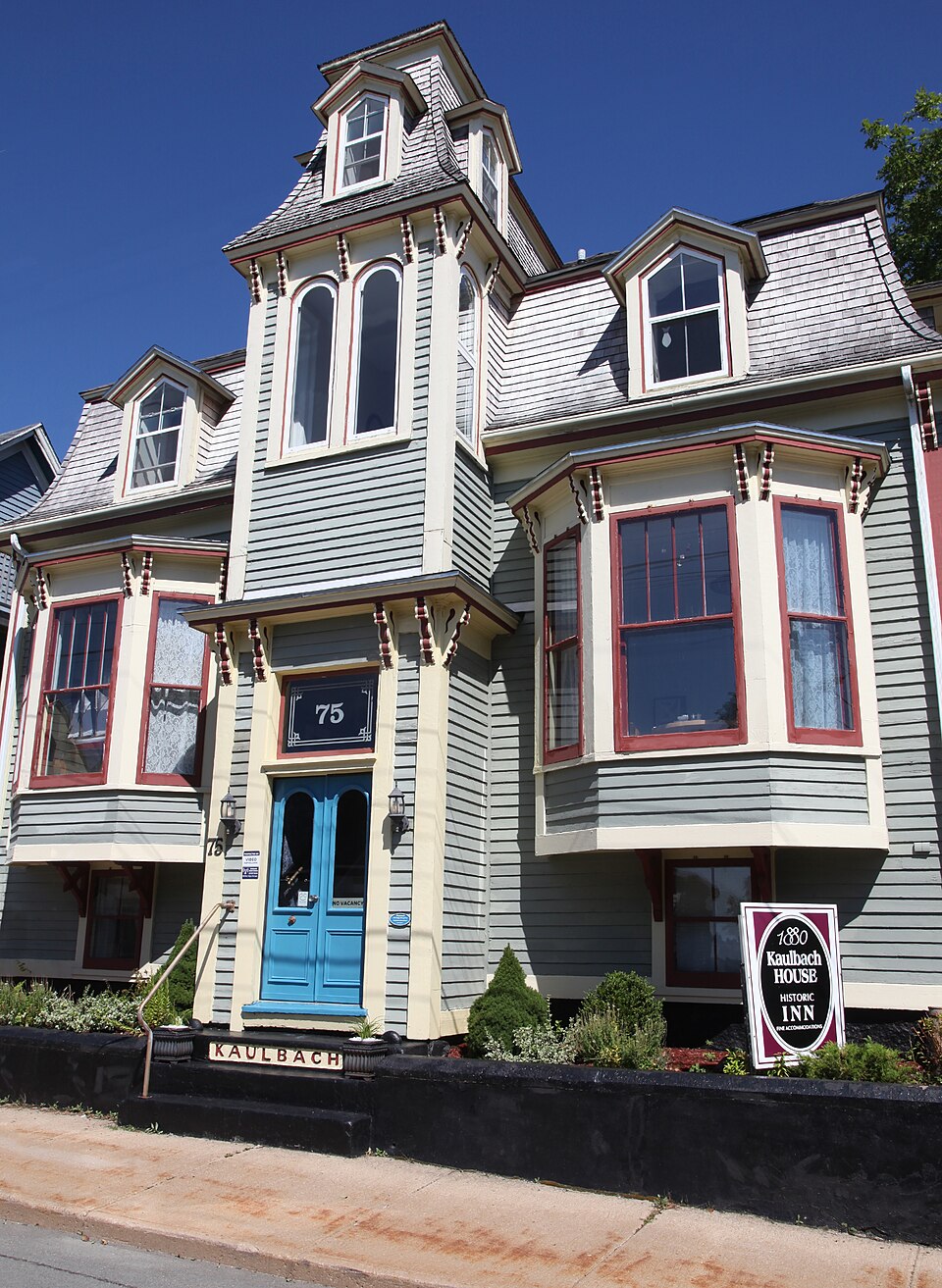
Walking through Lunenburg often feels like exploring an open-air museum. Every street reveals another collection of colorful homes and historic structures that contribute to the town’s unique character.
The exceptional preservation of this architectural heritage played a major role in securing UNESCO recognition and continues to be one of the primary reasons visitors choose to explore Lunenburg.
Landmarks, Local Businesses, and Community Life
Beyond its waterfront and residential streets, Lunenburg is home to numerous landmarks that reflect the community’s rich heritage.
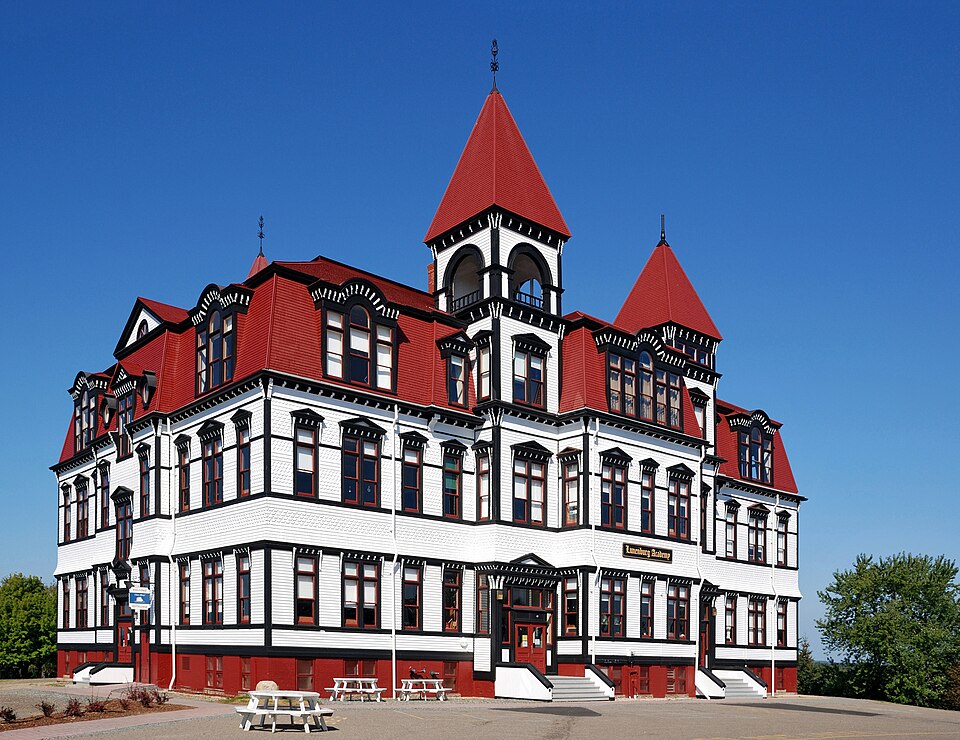
Lunenburg Academy stands among the town’s most recognizable structures. Overlooking the community from an elevated position, it remains one of Canada’s most impressive historic educational buildings and serves as a symbol of local pride.
Historic churches have also played an important role in shaping community life. Their architecture contributes significantly to the town’s skyline while reflecting the cultural traditions of earlier generations.
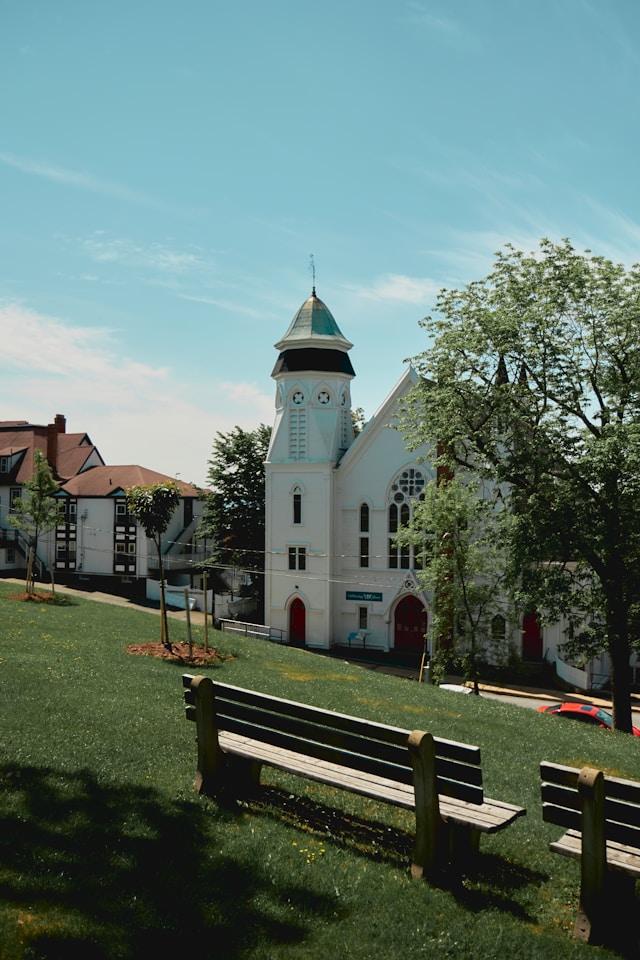
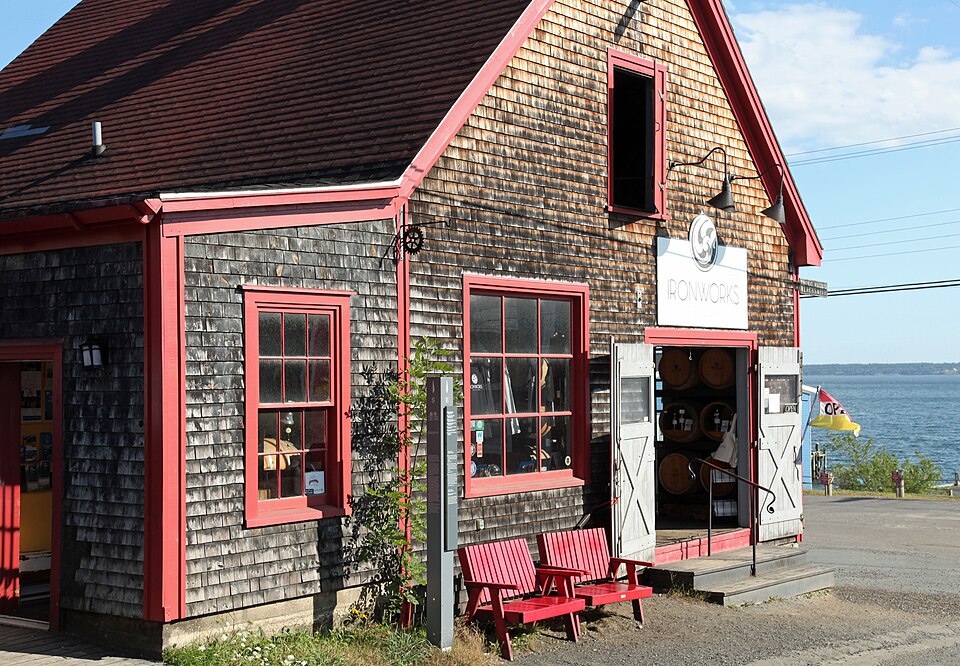
Local businesses help preserve Lunenburg’s historic character. Establishments such as the Ironworks Distillery occupy restored heritage buildings, connecting modern commerce with the town’s maritime past. Smaller businesses, including long-standing local shops, contribute to the welcoming atmosphere that visitors experience throughout the community.
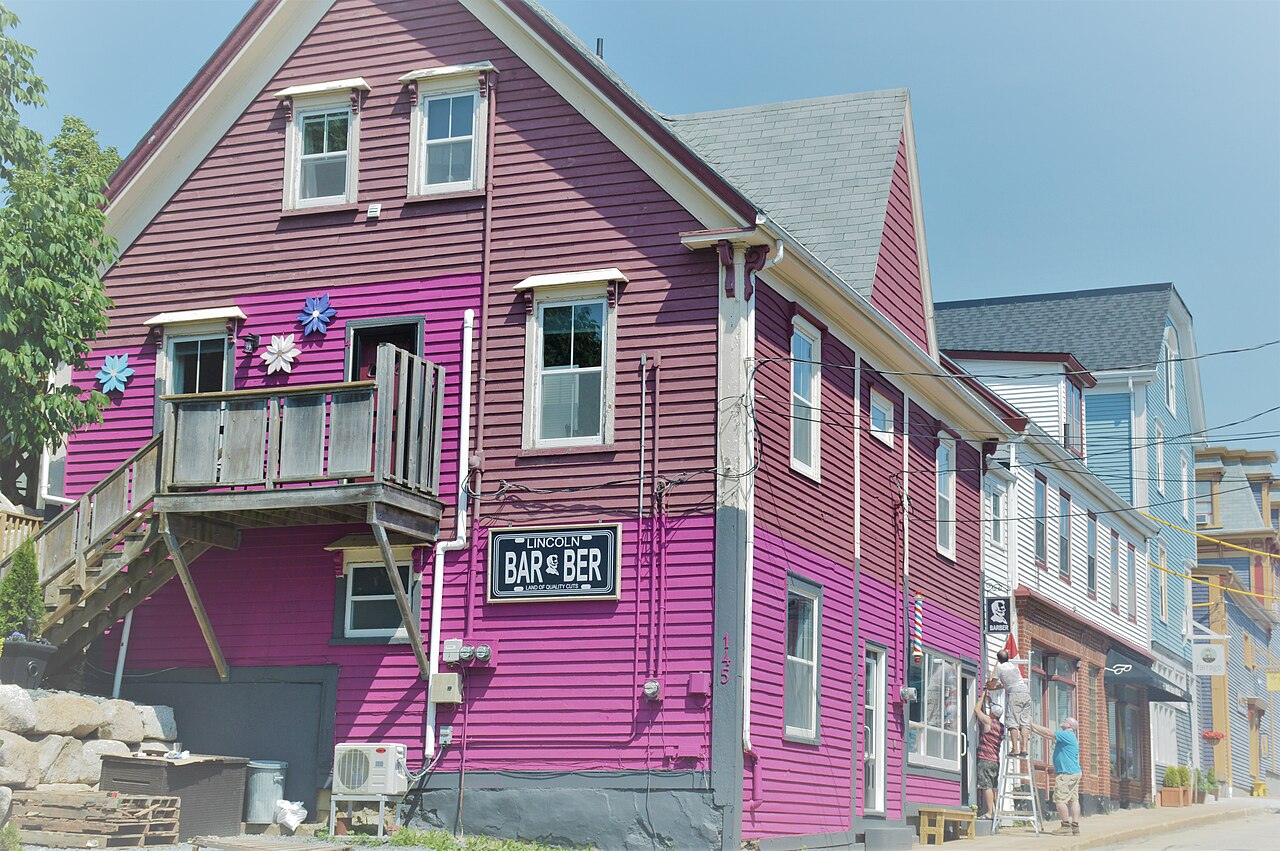
Historic inns such as the Lennox Tavern continue a tradition of hospitality that stretches back generations. Together, these landmarks and businesses create a vibrant community where history remains a visible and meaningful part of daily life.
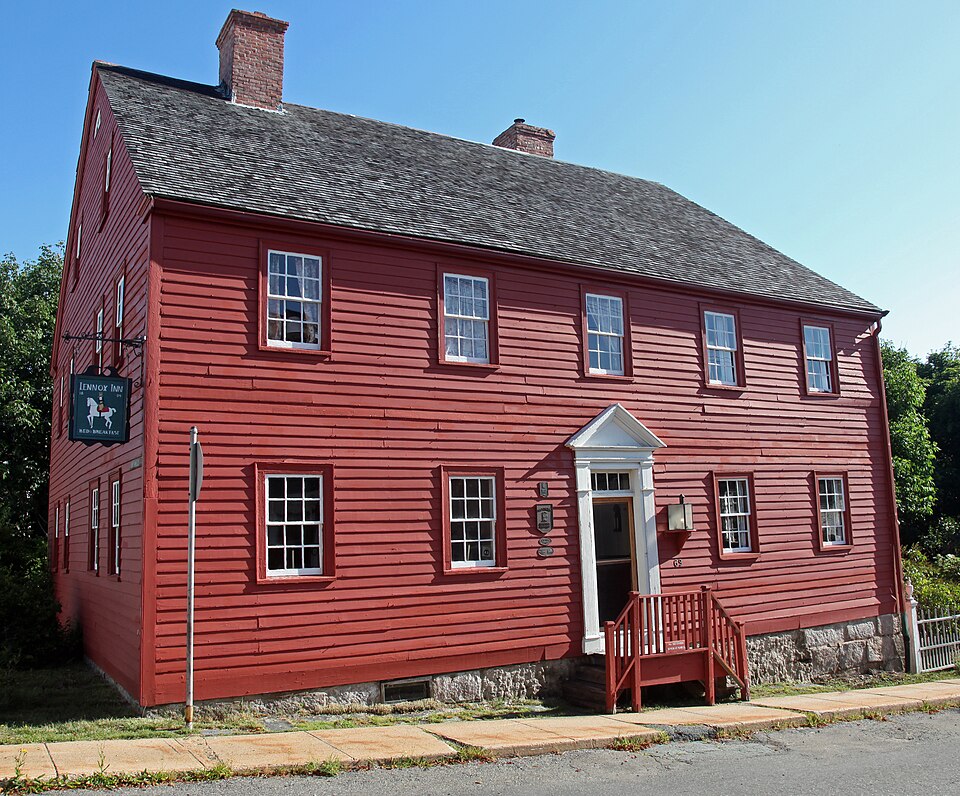
Life Along Nova Scotia’s South Shore
The appeal of Lunenburg extends beyond its historic center.
The surrounding South Shore region offers beautiful coastal scenery, quiet neighborhoods, and stunning harbor views that showcase a slower pace of life. Waterfront homes, tree-lined streets, and scenic landscapes provide visitors with opportunities to experience the region’s natural beauty.
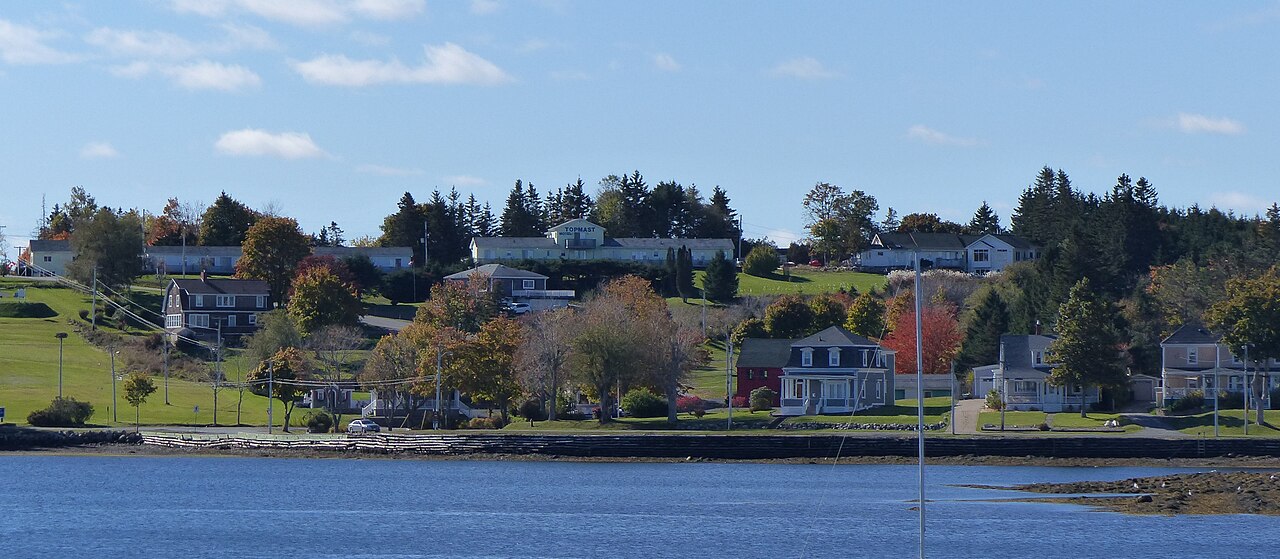
Looking across the harbor reveals another side of the community, where residents enjoy daily life against a backdrop of boats, colorful buildings, and Atlantic waters. These residential areas help visitors understand that Lunenburg is not merely a preserved historic site—it is a thriving town where people continue to live, work, and build their futures.
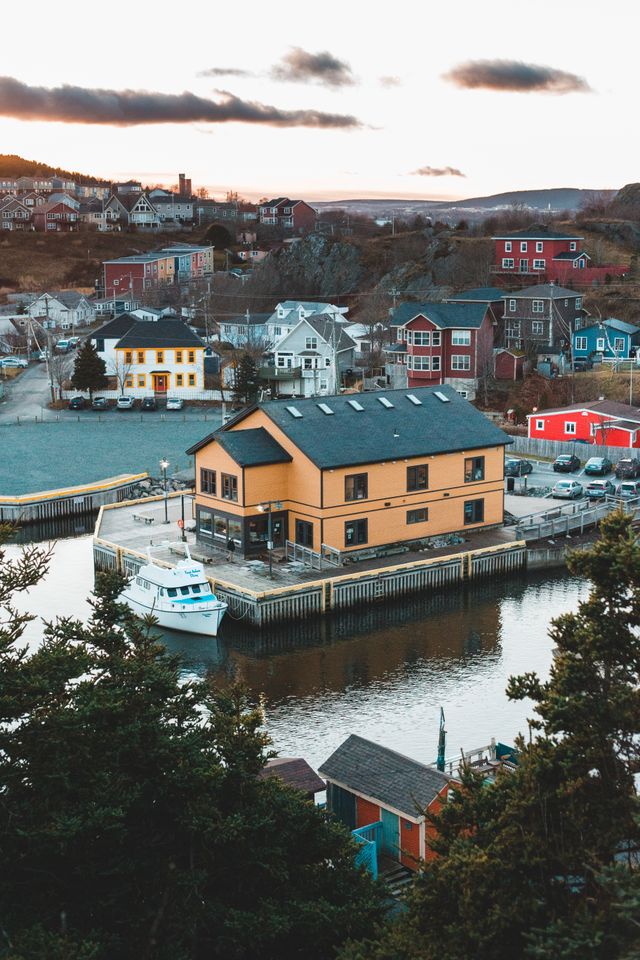
The combination of maritime heritage, natural beauty, and community spirit has helped establish Lunenburg as one of the most beloved destinations in Atlantic Canada.
One Historical Fact About Lunenburg
Lunenburg is famously associated with the schooner Bluenose, launched in 1921. Built in Nova Scotia, the vessel became an international champion in fishing and racing competitions and quickly earned recognition as a symbol of Canadian excellence.
Today, the image of the Bluenose appears on Canada’s ten-cent coin, ensuring that Lunenburg’s maritime legacy remains visible throughout the country.
How to Get to Lunenburg
- Halifax to Lunenburg: approximately 1.5 hours by car
- Nearest airport: Halifax Stanfield International Airport (YHZ)
- Scenic coastal highways connect Lunenburg with other South Shore communities
- Guided day tours from Halifax are widely available
- Many travelers combine Lunenburg with visits to Mahone Bay and Peggy’s Cove
Is Lunenburg Worth Visiting?
Absolutely.
Lunenburg offers a remarkable blend of history, architecture, maritime culture, and coastal scenery. Its UNESCO designation reflects its global significance, while its active harbor and welcoming atmosphere ensure that it remains much more than a historical attraction.
Whether you’re interested in heritage, photography, architecture, or simply exploring one of Canada’s most picturesque communities, Lunenburg provides an experience that is both authentic and memorable.
Final Thoughts on Lunenburg
Lunenburg is more than a colorful harbor town—it is a living testament to Canada’s maritime heritage.
From its historic waterfront and beautifully preserved architecture to its centuries-old connection with the Atlantic Ocean, every corner of the community tells a story. The combination of cultural significance, scenic beauty, and authentic character makes Lunenburg one of the most rewarding destinations in Atlantic Canada.
For travelers seeking a destination where history, culture, and coastal beauty come together, Lunenburg remains a place well worth unveiling.
Image Credits
- Boat Docked Along Lunenburg Waterfront — Photo by Chetanpreet Singh Sachdeva on Unsplash
- Traditional Working Waterfront of Lunenburg — Image by gloverbh222 from Pixabay
- Colorful Storefronts in Downtown Lunenburg — Photo by Dariia Lemesheva on Unsplash
- Historic Church in Lunenburg — Photo by snap shoot on Unsplash
- View of Lunenburg’s UNESCO Old Town — Photo by Enrique from Pexels
- Lunenburg Academy — Wladyslaw, CC BY-SA 3.0, via Wikimedia Commons
- Captain William Smith House — James Sherar, CC BY-SA 3.0, via Wikimedia Commons
- House of Godfrey Jacobs — Michael Stokes, CC BY 2.0, via Wikimedia Commons
- Allan R. Morash House — Marc-Lautenbacher, CC BY-SA 4.0, via Wikimedia Commons
- Kaulbach House Inn — Marc-Lautenbacher, CC BY-SA 4.0, via Wikimedia Commons
- Ironworks Distillery Building — Marc-Lautenbacher, CC BY-SA 4.0, via Wikimedia Commons
- Lincoln Barber Shop — Michael Stokes, CC BY 2.0, via Wikimedia Commons
- Lennox Tavern Inn — Marc-Lautenbacher, CC BY-SA 4.0, via Wikimedia Commons
- Historic Harbour View of Lunenburg — Taxiarchos228, CC BY-SA 3.0, via Wikimedia Commons
- Waterfront Neighborhood Across Lunenburg Harbour — giggel, CC BY 3.0, via Wikimedia Commons
- Harbourfront Building and Colorful Hillside Homes — Photo by Erik Mclean from Pexels
Sources: UNESCO World Heritage Centre; Tourism Nova Scotia; Encyclopaedia Britannica; The Canadian Encyclopedia.


