Český Krumlov looks like a town from a storybook. Below it, red roofs and pastel houses crowd into a tight bend of the Vltava River. Then, above them, rises a painted castle tower, part of one of the largest castle complexes in Central Europe. In fact, the street plan has barely changed since the Renaissance. Therefore, UNESCO listed the historic centre in 1992. So, this guide covers everything you need to plan your visit to Český Krumlov.

Quick Facts About Český Krumlov
| Country | Czech Republic |
| Region | South Bohemia |
| Known For | Český Krumlov Castle, the Cloak Bridge, a rare Baroque theatre, and rafting on the Vltava River |
| UNESCO Status | UNESCO World Heritage Site, Historic Centre of Český Krumlov, since 1992 |
| Founded | Castle founded before 1250, with the town first mentioned in 1253 |
| Best Time to Visit | Late spring and early autumn |
| Time Needed | One full day, ideally with an overnight stay |
| Continent | Europe |
Where Is Český Krumlov?
Český Krumlov sits in the far south of the Czech Republic, in the region of South Bohemia. Specifically, it lies about 20 km southwest of České Budějovice, the regional capital. Also, the Austrian border is close by. As a result, the town is an easy stop between Prague and Linz, Salzburg or Vienna.
Why Visit Český Krumlov?
Of course, many European towns have a castle and an old quarter. However, Český Krumlov has both in a remarkable state of preservation. On top of that, the river loops around the town so tightly that almost every street ends in a view.
The town grew rich under the Rosenberg family, who held it for nearly three centuries. Later, the Eggenbergs and then the Schwarzenbergs took over. Similarly, each family left its mark, from Gothic churches to Renaissance murals and Baroque gardens.
Český Krumlov Castle
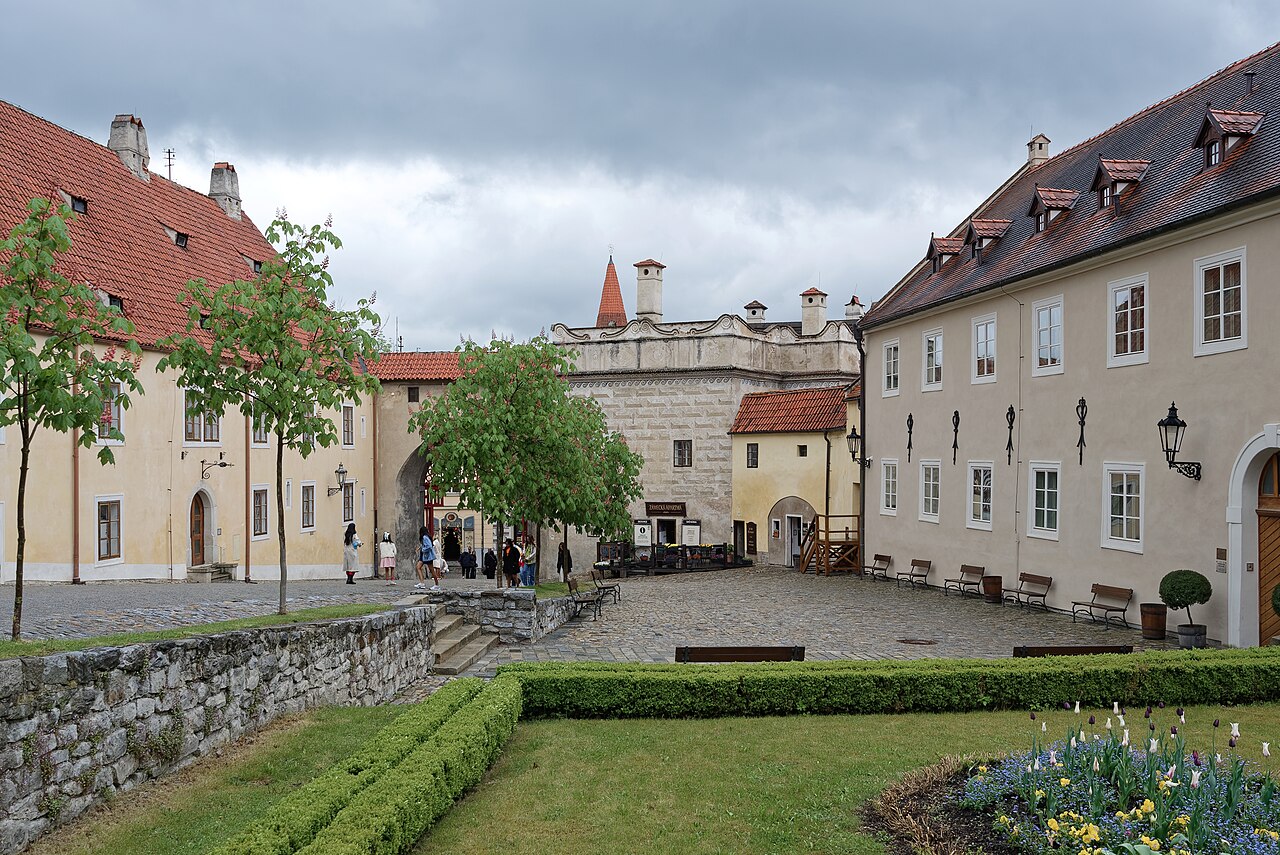
Overall, the castle spreads across a rocky ridge above the river. Altogether, it covers about 7 hectares, with around 40 buildings set around five courtyards. Generally, you can explore the courtyards and gardens on your own. The interiors, however, are only open on guided tours.
The Castle Tower
Above all, the round, painted tower is the symbol of the town. Then about 150 steps lead to a gallery at the top. From there, you get the best view in town, with the whole river bend and old town below.
The Bear Moat
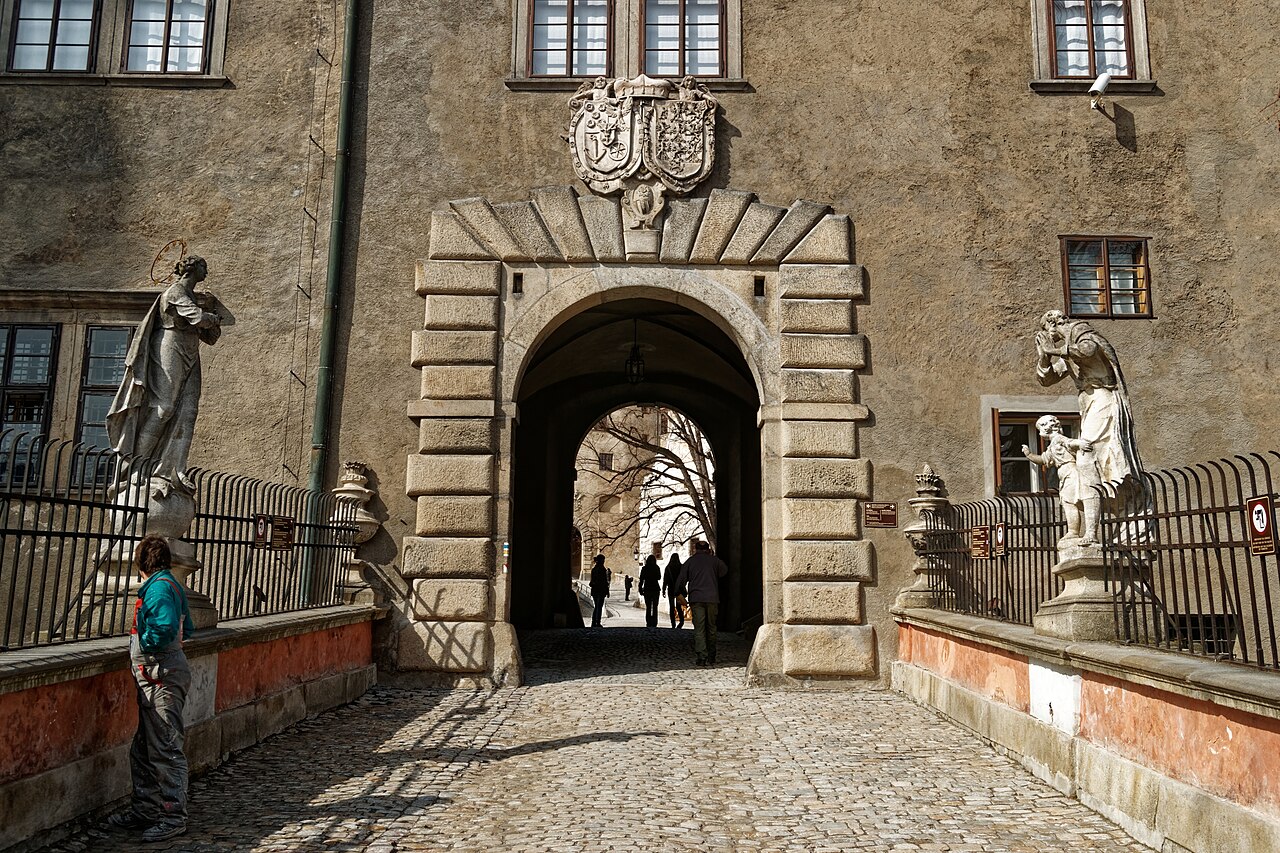
Instead of water, the moat at the castle entrance holds bears. Indeed, this tradition goes back to the Rosenbergs. They claimed a link to the Italian Orsini family, whose name sounds like the Italian word for bear. Since then, bears have lived here for centuries.
The Cloak Bridge
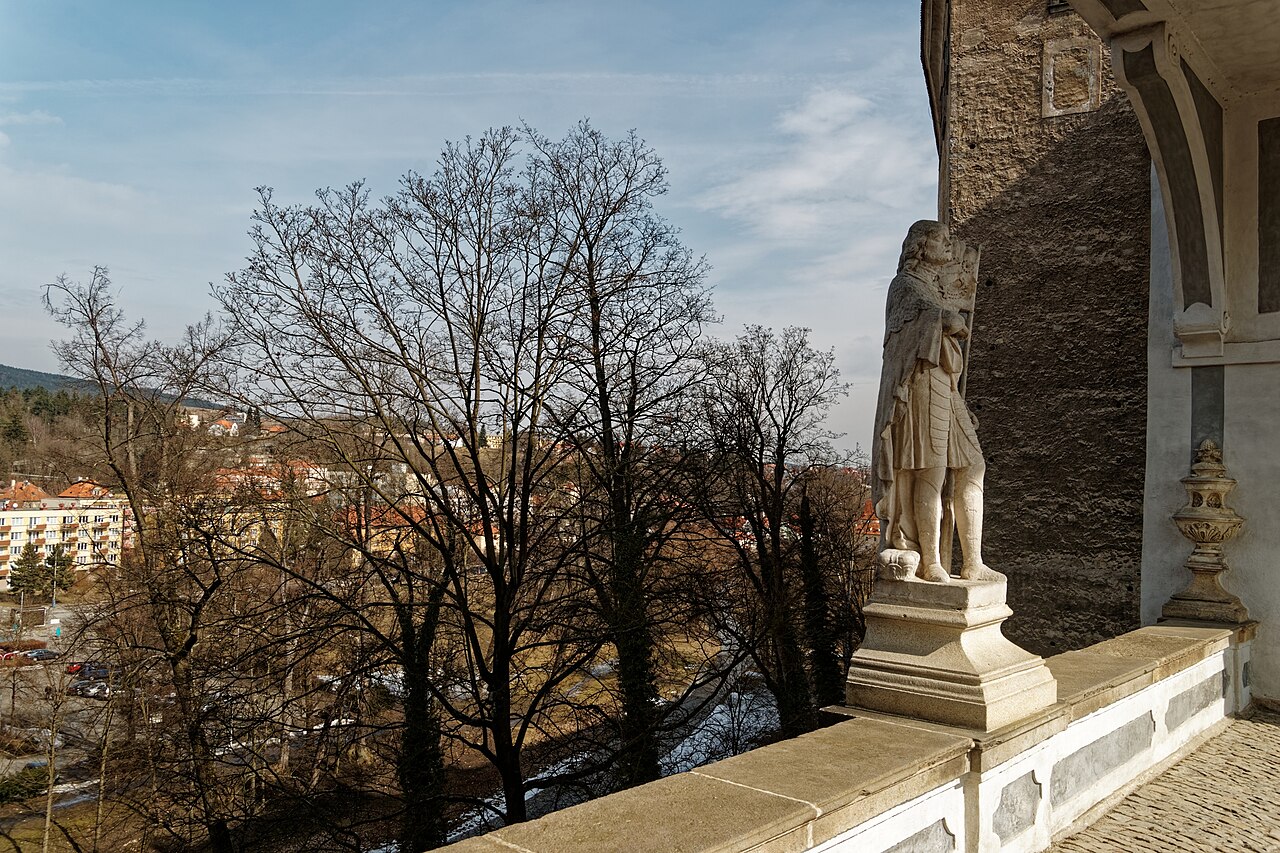
The Cloak Bridge is one of the most photographed sights in town. Essentially, it is a covered walkway stacked on three levels of stone arches. Also, it links the castle with the theatre and gardens across a deep ravine. First, look at it from the path below. Then walk across the top.
The Baroque Theatre and Castle Gardens
The Baroque theatre is one of the rarest sights in Europe. Originally, it was built in 1680 to 1682 and later remodelled. Remarkably, it still has its original stage machinery and painted scenery. Because it is so fragile, it opens only for occasional tours. So, book ahead if you want to see it.
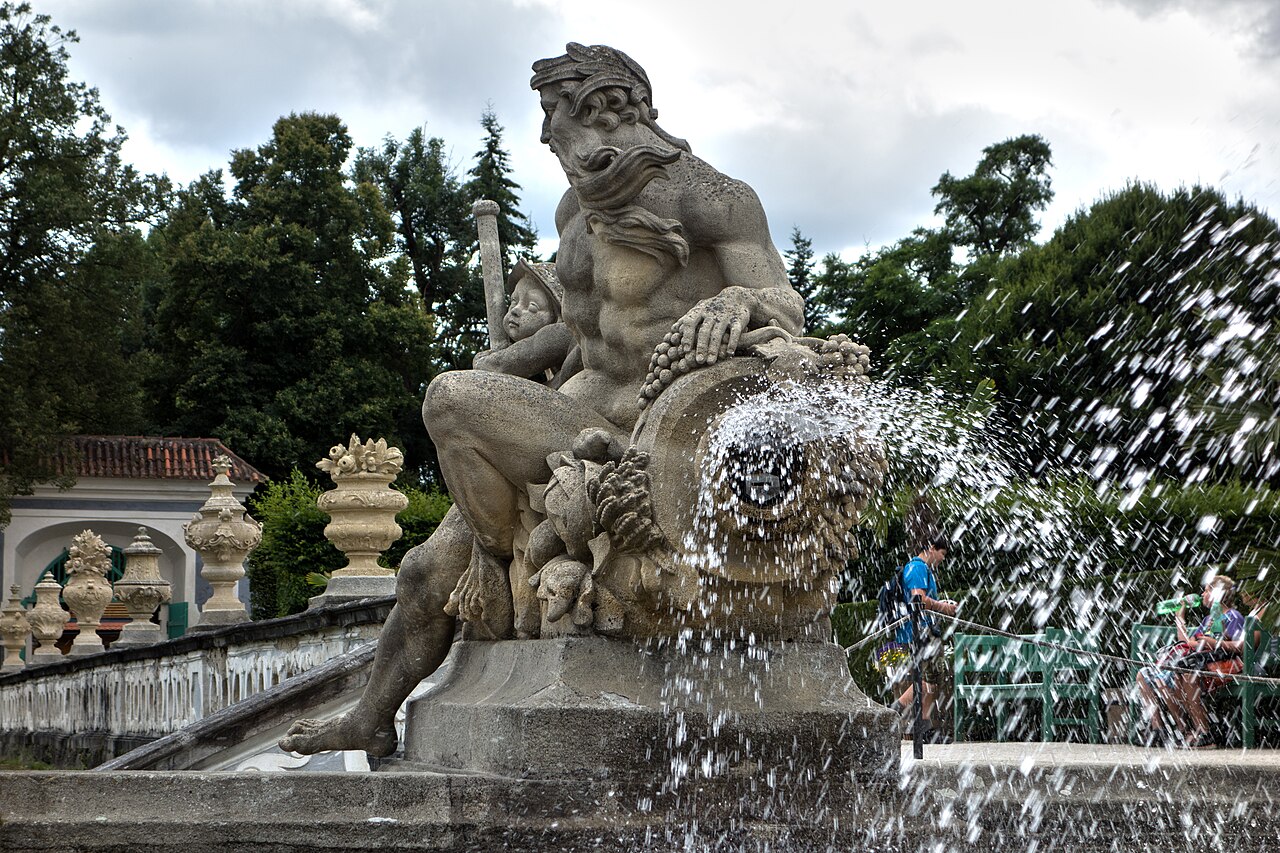
Beyond the theatre, the castle gardens stretch along the ridge. There, you will also find formal flower beds, shady paths and the Cascade Fountain.
Things to Do in Český Krumlov Old Town
Across the river from the castle, the old town fills the inside of the river bend. In fact, it is small enough to cross in fifteen minutes. Still, it is easy to spend a whole day wandering its lanes.
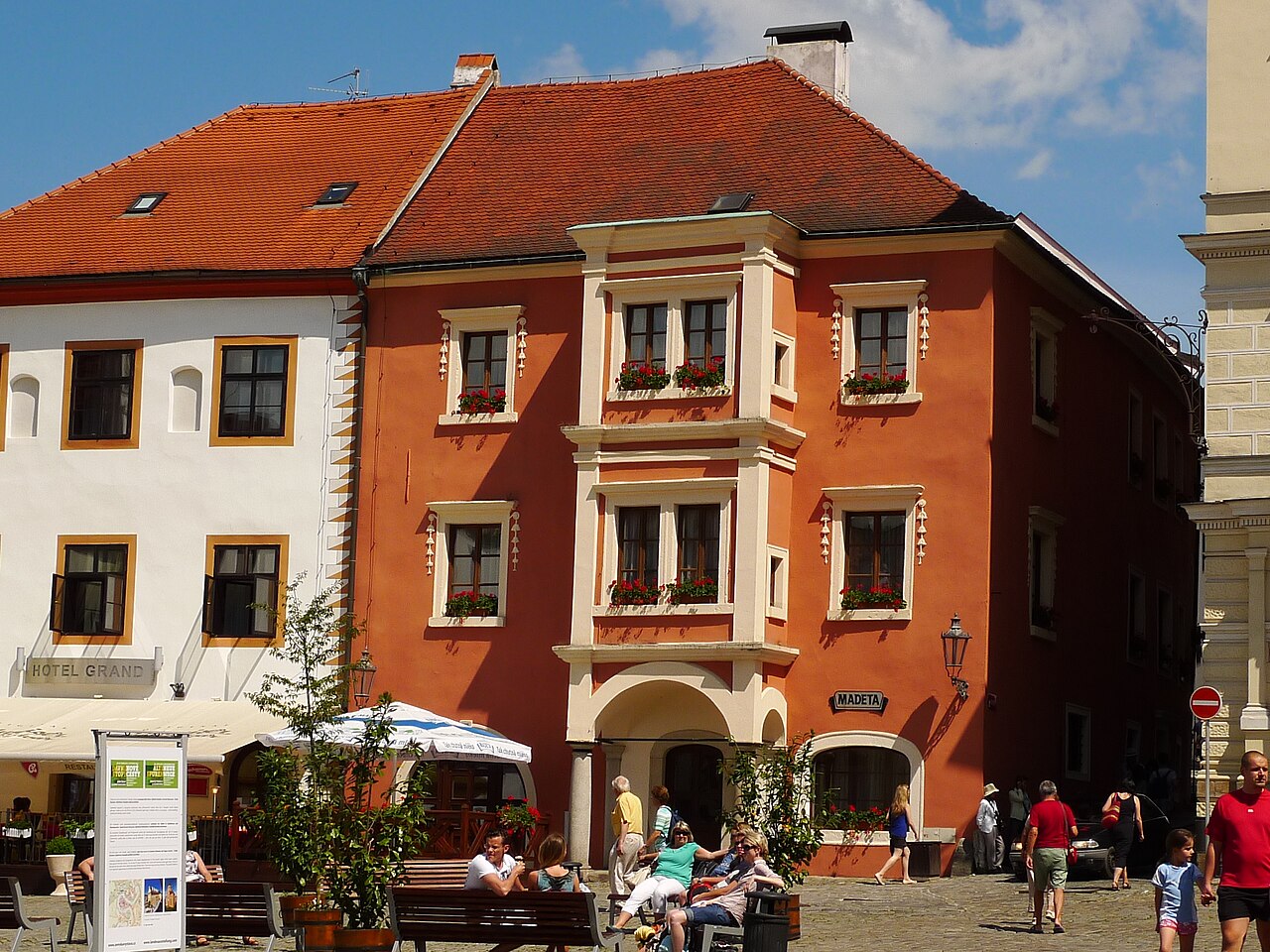
Náměstí Svornosti
The main square, Náměstí Svornosti, is lined with old merchant houses and the town hall. In the middle stands a plague column. Therefore, this is the natural starting point for a walk. Also, the cafes here are great for watching the town wake up before the crowds arrive.
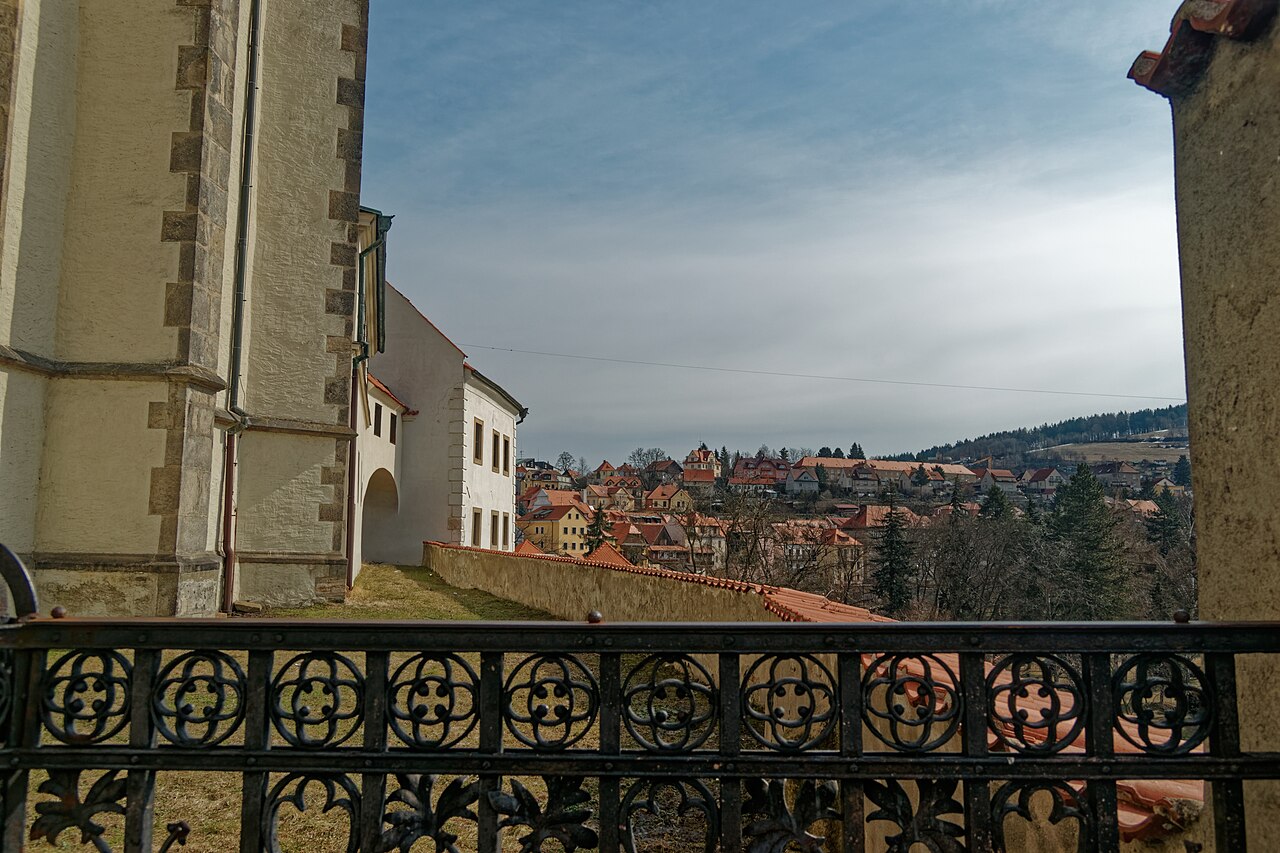
St. Vitus Church
The Gothic Church of St. Vitus stands on a terrace above the river. Its slim tower is also the second landmark of the skyline, after the castle. Behind the church, the terrace offers a lovely view back over the rooftops.
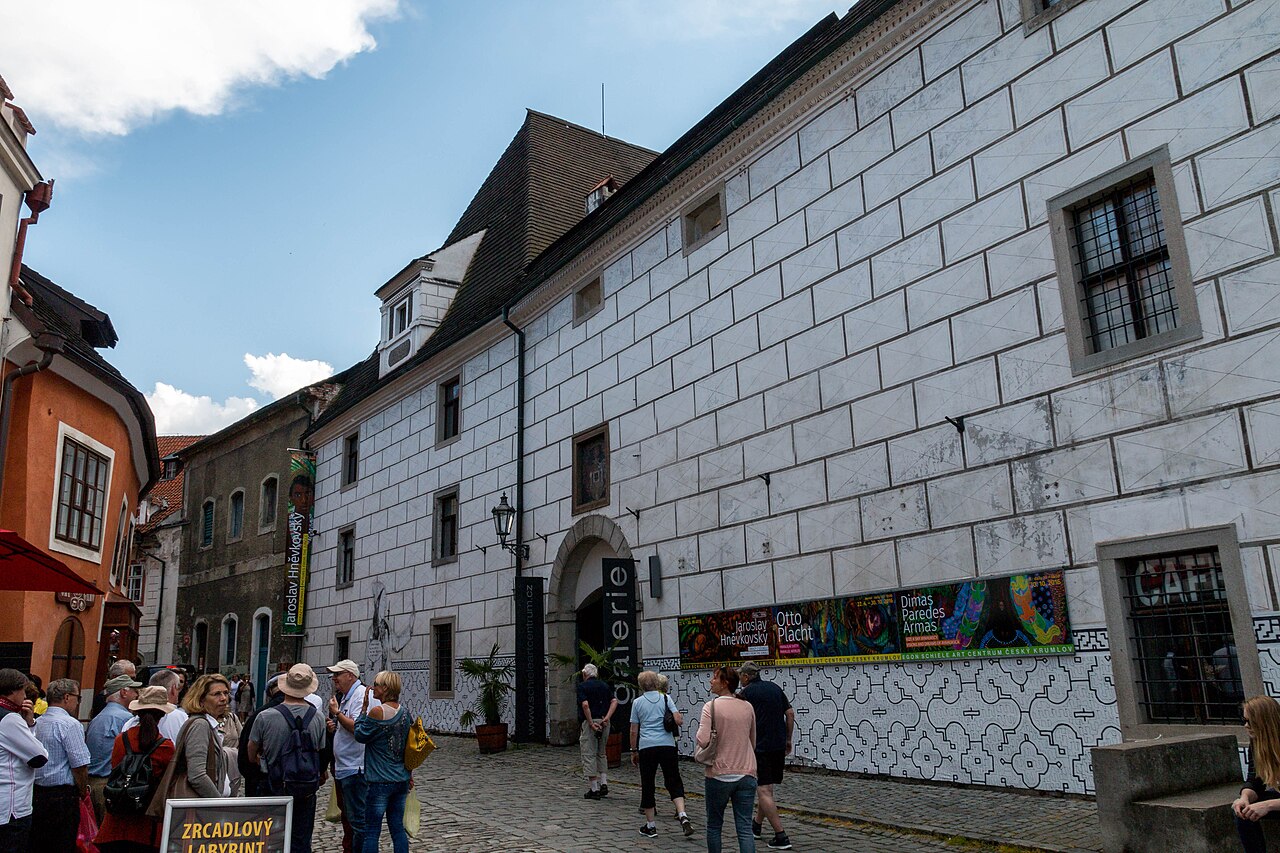
Egon Schiele Art Centrum
The Austrian painter Egon Schiele had family ties to the town. In fact, he lived here briefly in 1911. Today, the Egon Schiele Art Centrum shows his work in a former brewery. Alongside it, you will find changing exhibitions of modern art.
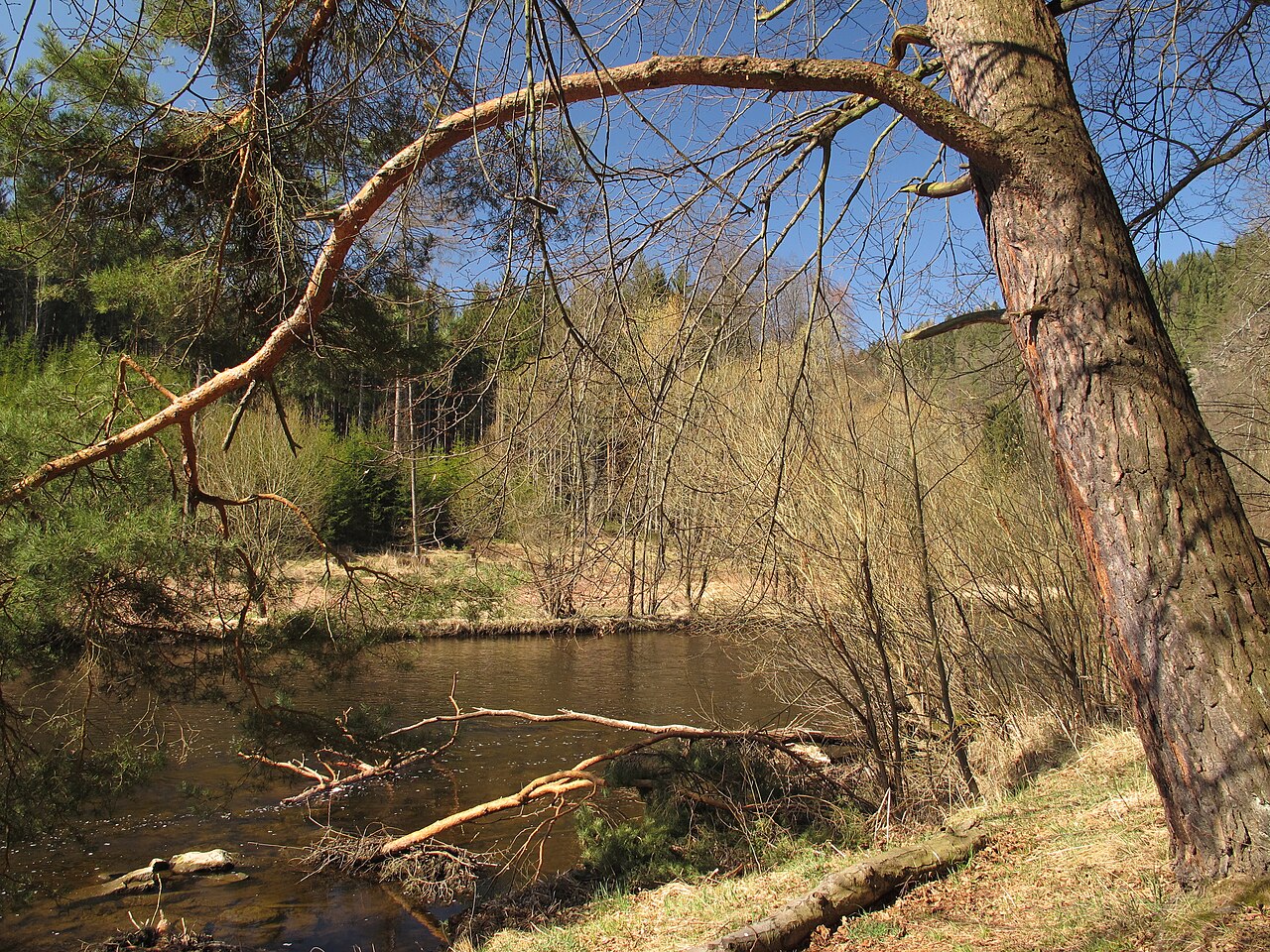
Rafting on the Vltava River
The river is a big part of any trip to Český Krumlov. In summer, rental shops along the banks hire out canoes, kayaks and rafts. Then you can float through town and out into the countryside. On the way, stop at riverside pubs for a break. Even if you stay dry, the footbridges offer some of the best castle views.
One Historical Fact About Český Krumlov
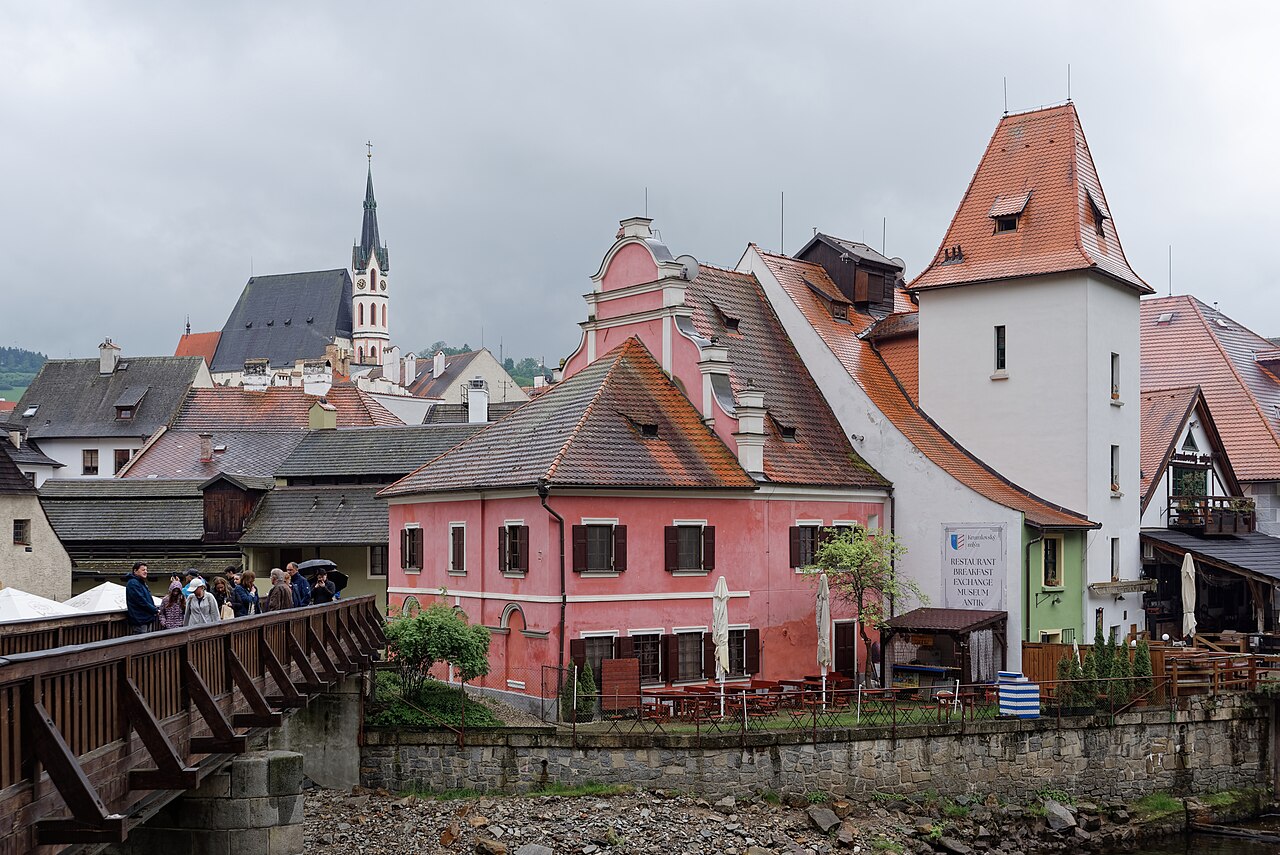
In 1602, the last of the Rosenbergs sold the town to Emperor Rudolf II. The emperor then gave it to his son, Julius d’Austria. Sadly, his violent behaviour in the castle became one of the darkest chapters in local history.
How to Get to Český Krumlov
- Train: Direct trains from Prague take a little under three hours. Also, the station is about a 20 minute walk from the old town.
- Bus: Direct buses from Prague take about three hours. However, they drop you closer to the centre than the train.
- From Austria and Germany: Buses and shuttles link the town with Linz, Salzburg and Munich.
- Driving: Parking in the historic centre is limited. Instead, use one of the paid car parks on the edge of town.
Best Time to Visit Český Krumlov
Late spring and early autumn are ideal, because the weather is mild and there are fewer tour groups. Summer, on the other hand, is the season for river trips. It is also when the Five-Petaled Rose Festival takes place, close to the summer solstice. During the festival, the town turns medieval with jousting, music and costumes. So, book your room early.
Winter is quiet and magical, especially under snow. However, some castle tours run less often. Whatever the season, stay overnight to see the town in the evening.
Is Český Krumlov Worth Visiting?
Absolutely. Český Krumlov is one of the best-preserved small towns in Europe. Moreover, few places combine a castle, an old town and a river setting so neatly. It works as a long day trip from Prague. Still, it really shines when you stay a night or two.
Final Thoughts on Český Krumlov
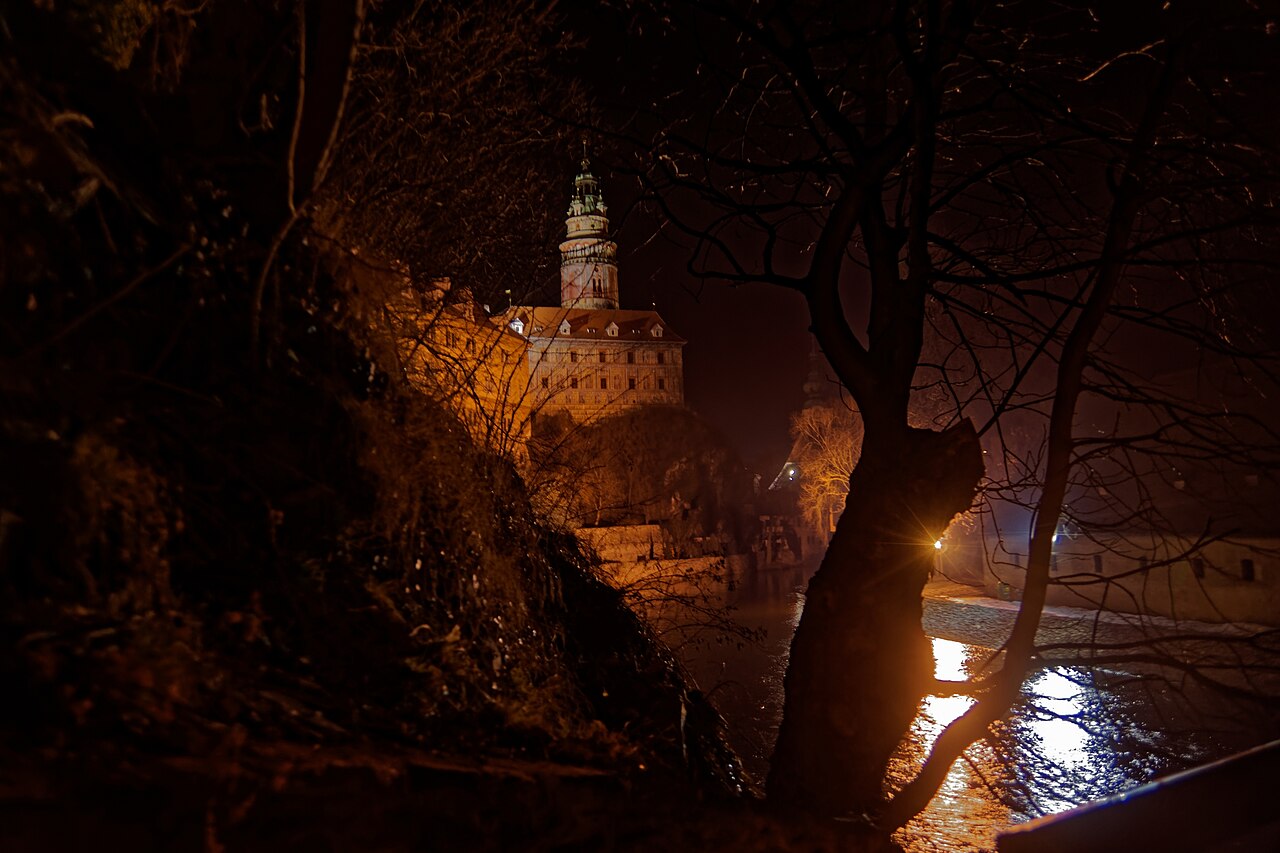
First, climb the castle tower for the view. Next, cross the Cloak Bridge and take a slow walk around the main square. Then spend an afternoon on the river. By evening, the crowds have gone and the tower lights up above the Vltava. At that moment, Český Krumlov feels like it belongs to you.
Image Credits
Wikimedia Commons
Pudelek: Český Krumlov (Krummau) – panorama, CC BY-SA 3.0

Txllxt TxllxT: Český Krumlov – Plaštovy Most – Cloak Bridge – Mantelbrücke 1777 – View NE along St.Wenceslas 1747 by Jan Antonín Zinner, CC BY-SA 4.0

Jakub Hałun: 1st courtyard of Český Krumlov Castle, 20250504 1300 8873, CC BY 4.0

Jerzy Strzelecki: Baroque gardens in Česky Krumlov – Cascade Fountain 02(js), CC BY-SA 3.0

Txllxt TxllxT: Český Krumlov – Zámek – Ist Courtyard – Bridge over Bear Moat – Statues of Virgin Mary Immaculate & St. Joseph with baby Jesus 1759 by Jan Antonín Zinner – View West, CC BY-SA 4.0

Tadeáš Gregor: Vltava river below Český Krumlov, spring morning, CC BY-SA 4.0

H2k4: Český Krumlov, měšťanský dům, nám. Svornosti čp.4, CC BY-SA 3.0

Txllxt TxllxT: Český Krumlov – At St.Vitus Church – View East, CC BY-SA 4.0

Marco Almbauer: Egon Schiele Art Centrum, Public domain

Jakub Hałun: Old town in Český Krumlov with Jelení lávka, 20250504 1251 8862, CC BY 4.0

Txllxt TxllxT: Český Krumlov – Rybářská – View East towards illuminated Castle Tower, CC BY-SA 4.0
