Saint-Louis Senegal sits on a narrow island in the Senegal River, just before the river meets the Atlantic. For example, its streets are lined with pastel colonial houses, wrought-iron balconies and shady courtyards, many of them beautifully faded by the salty wind. Meanwhile, across a small channel, hundreds of painted fishing boats crowd the beach of the Guet Ndar quarter. In short, this is one of the most atmospheric towns in West Africa. So, here is everything you need to plan a visit.
Quick Facts About Saint-Louis Senegal
| Country | Senegal |
| Region | Mouth of the Senegal River, northern Senegal, near the Mauritanian border |
| Known For | Colonial island architecture, the Faidherbe Bridge, Guet Ndar pirogues, jazz and birdlife |
| UNESCO Status | Island of Saint-Louis, UNESCO World Heritage Site since 2000 |
| Founded | 1659, as a French trading post |
| Best Time to Visit | November to May, the dry season |
| Getting There | About four to five hours by road from Dakar |
Where Is Saint-Louis Senegal?
The city lies in the far north of Senegal, close to the border with Mauritania and about 260 kilometers north of Dakar. Saint-Louis spreads across three parts. First, there is Sor on the mainland. Next comes the historic island in the middle of the river. Finally, the Langue de Barbarie, a long, thin sand spit, separates the river from the ocean. The old town of Saint-Louis Senegal is on the island, which is only about two kilometers long.
Why Visit Saint-Louis Senegal?
To begin with, the history is remarkable. The French founded Saint-Louis in 1659, and it became the first French settlement in West Africa. Later, it served as the capital of French West Africa and then of the colony of Senegal until 1957. As a result, the island is packed with colonial buildings, and UNESCO listed it as a World Heritage Site in 2000.
Beyond the architecture, the town has a relaxed, creative spirit. There are galleries, music bars, small hotels in old merchant houses and a famous jazz festival. In addition, the surrounding wetlands are among the best places in Africa to watch birds. If you liked our guide to Essaouira in Morocco, you will enjoy this laid-back Atlantic town too.
Things to Do in Saint-Louis Senegal
Cross the Faidherbe Bridge
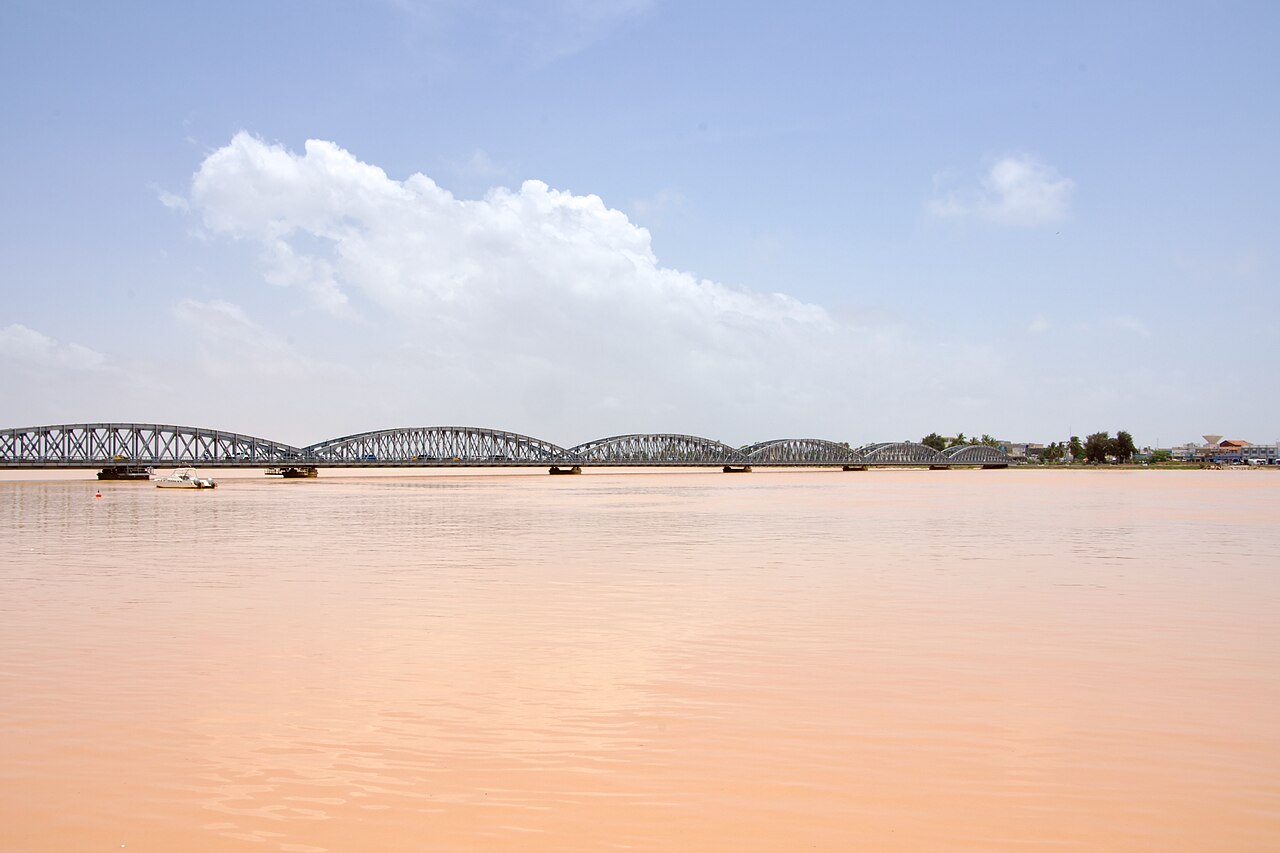
Most visitors arrive over the Faidherbe Bridge, a steel bridge just over 500 meters long. It opened in 1897 and links the mainland to the island. Later, the bridge was fully renovated, but it kept its classic design. Then, walk across it at sunset for great views of the river, the fishing boats and the island skyline.
Wander the Colonial Streets
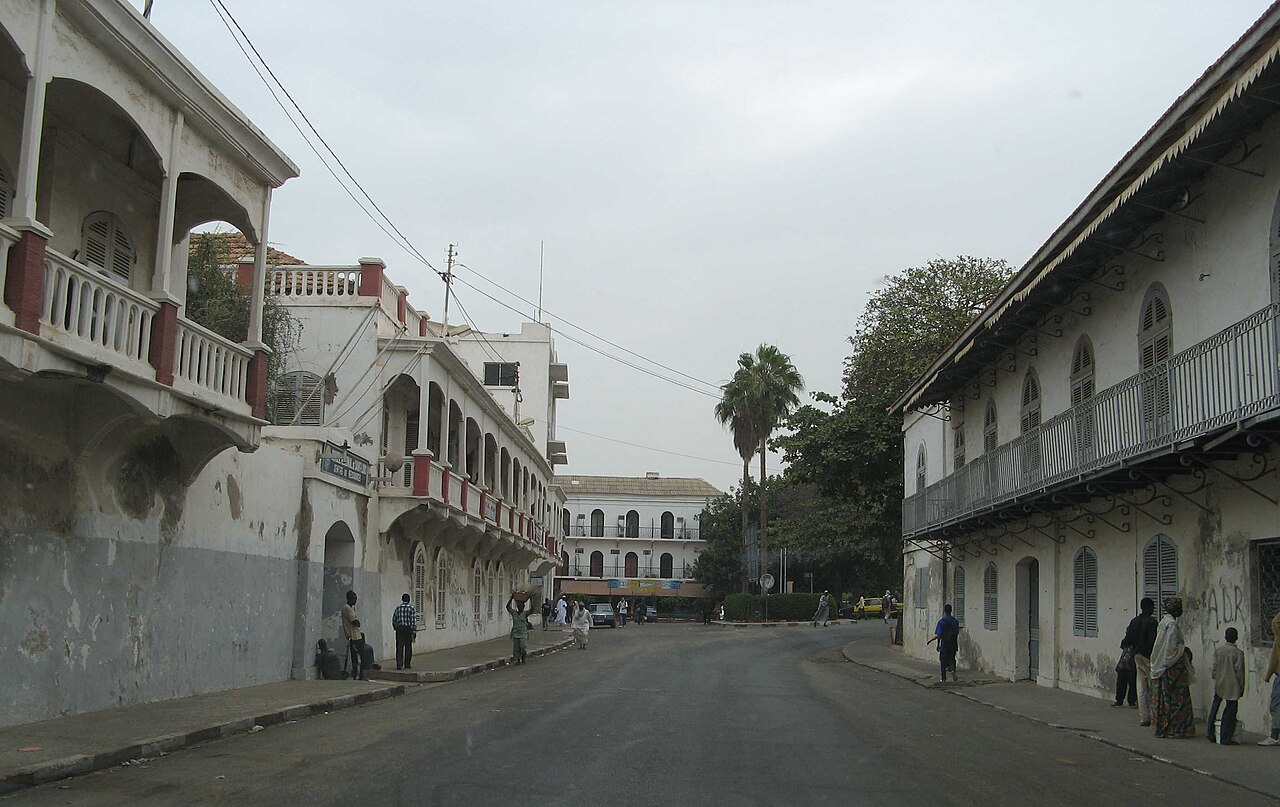
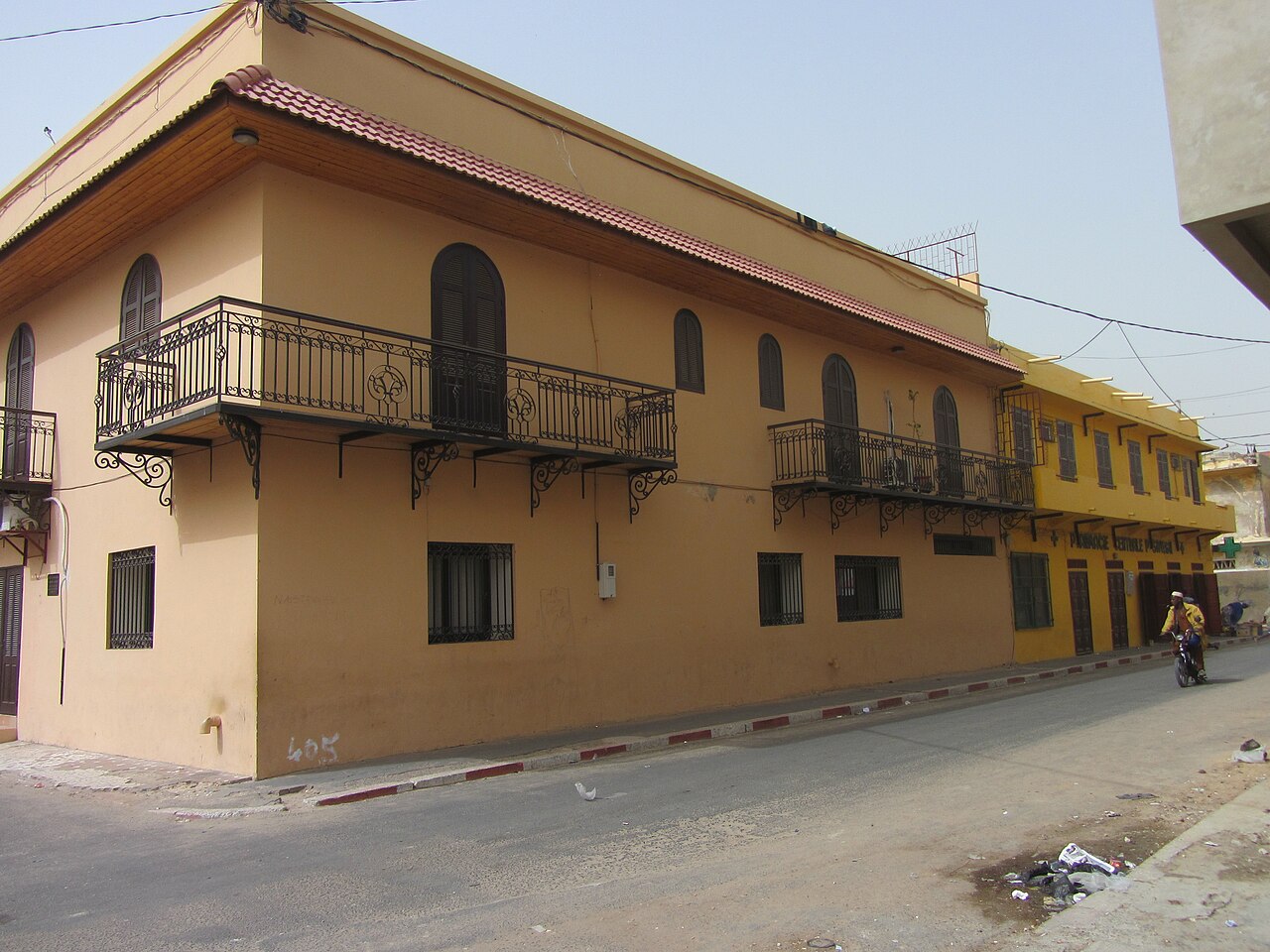
The island is small and flat, so it is perfect for walking. Stroll along the grid of streets and look for two-story houses with wooden balconies, tiled roofs and large inner courtyards. In fact, many were built for wealthy merchants and for the signares, influential women of mixed African and European heritage who ran trading businesses. Then, take a horse-drawn carriage tour if you want a short history lesson along the way.
Visit Guet Ndar, the Fishing Quarter
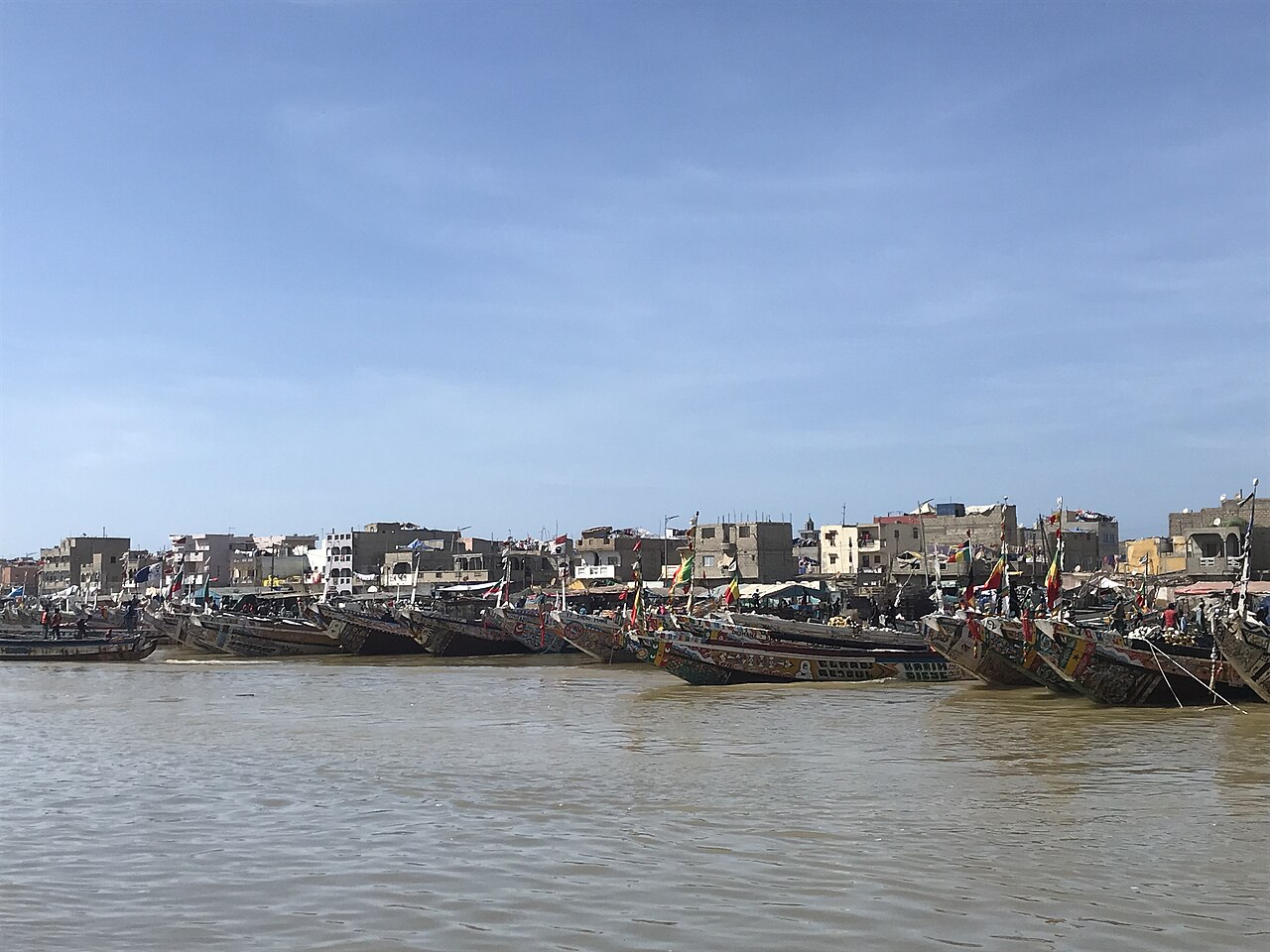
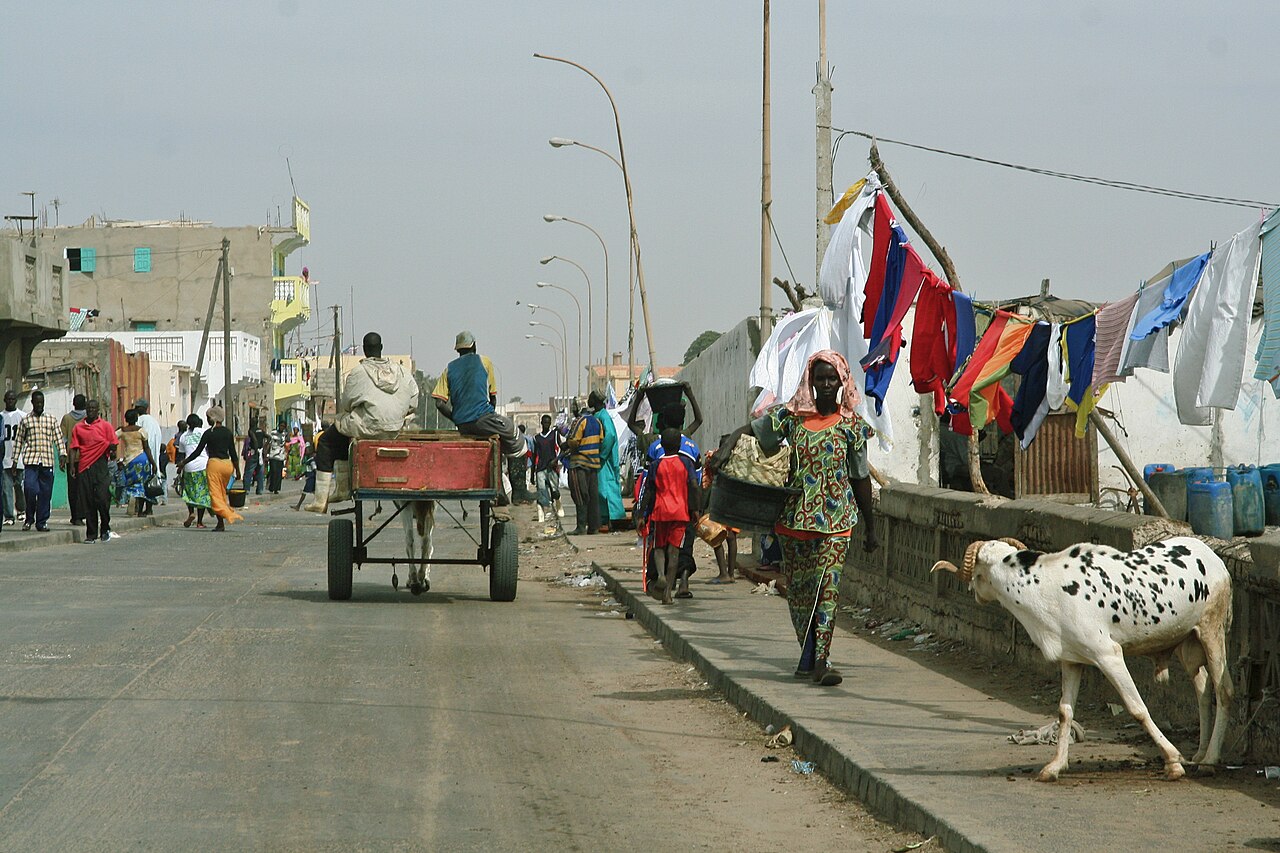
Across a small bridge on the Langue de Barbarie lies Guet Ndar. In fact, this is one of the most densely populated fishing communities in West Africa. Every afternoon, colorful wooden pirogues return from the ocean, and the beach fills with people unloading and selling fish. However, this is a working neighborhood, so ask before taking photos of people. For this reason, a local guide can make the visit easier and more respectful.
See the Landmarks of the Island
First, look for the Governor’s Palace, the old cathedral and the grand Hôtel de la Poste. In addition, the town has strong links to the early days of airmail. In the 1920s and 1930s, pilots of the French Aéropostale company stopped here on routes to South America. Today, small museums and plaques recall that history.
Listen to Live Music
Similarly, music is part of daily life here. On weekend nights, bars and restaurants host live mbalax, jazz and Afro fusion bands. Above all, the Saint-Louis Jazz Festival, usually held in late spring, draws musicians and fans from across Africa and Europe.
Day Trips From Saint-Louis Senegal
Djoudj National Bird Sanctuary
About 60 kilometers north of town, Djoudj National Bird Sanctuary is one of the most important wetlands in Africa. Every year, millions of migratory birds spend the winter here. In particular, huge colonies of pelicans and flamingos are a highlight. Visit between November and April, and take a boat trip through the reeds.
Langue de Barbarie National Park
South of the city, this park covers the tip of the sand spit and the river estuary. Above all, it is a good place to see seabirds, and in some seasons, nesting turtles. Boat trips usually leave from the area around Gandiol.
One Historical Fact About Saint-Louis Senegal
For many years, Saint-Louis Senegal was the capital of all French West Africa, a territory that covered much of the region. The capital moved to Dakar in 1902. Even so, Saint-Louis remained the capital of the colony of Senegal for decades afterward.
How to Get to Saint-Louis Senegal
Most travelers fly into Blaise Diagne International Airport near Dakar. From there, it is a drive of about four to five hours by private car, shuttle or shared taxi. In addition, buses run regularly from Dakar. Once you arrive, you can explore the island on foot or by bicycle.
Best Time to Visit Saint-Louis Senegal
The best time to visit is during the dry season, from November to May. During these months, the weather is warm, sunny and less humid. Also, this is the peak season for birdwatching. On the other hand, the rainy season from July to October brings heat and humidity. Keep in mind that Senegal is mainly Muslim, so dress modestly when you walk around town.
Is Saint-Louis Senegal Worth Visiting?
Yes, it is. Saint-Louis Senegal offers colonial history, a lively fishing culture, great music and some of the best birdwatching in Africa. Moreover, it is calmer than Dakar and full of character. For another remarkable African destination, see our guide to Aït Benhaddou in Morocco.
Final Thoughts on Saint-Louis Senegal
To sum up, this island city is a place to slow down and soak in the atmosphere. Walk the faded streets, watch the pirogues come home at sunset and listen to jazz late into the night. By the time you leave, Saint-Louis will feel like an old friend.
Image Credits
Wikimedia Commons
- Fawaz.tairou: Pont Faidherbe à Saint-Louis au Sénégal 01, CC BY 4.0
- No machine-readable author provided. Bernard J. Noël assumed (based on copyright: Saint-Louis maisons coloniales, CC BY-SA 3.0
- Ibfal: Pirogues Guet ndar, CC BY-SA 4.0
- HaguardDuNord: Saint-Louis – 02 Maison coloniale, CC BY-SA 3.0
- Olivier Flambeau: Color of Guet Ndar, CC BY-SA 4.0


