Sucre Bolivia is known as the White City, and the name fits perfectly. Its colonial center is full of whitewashed churches, mansions and arcades, all set against green Andean hills. In addition, it is the constitutional capital of Bolivia and the place where the country declared independence. Meanwhile, its mild climate, friendly plazas and low prices make it a favorite with travelers. In fact, many people come for a few days and end up staying for weeks. So, here is how to plan your visit.
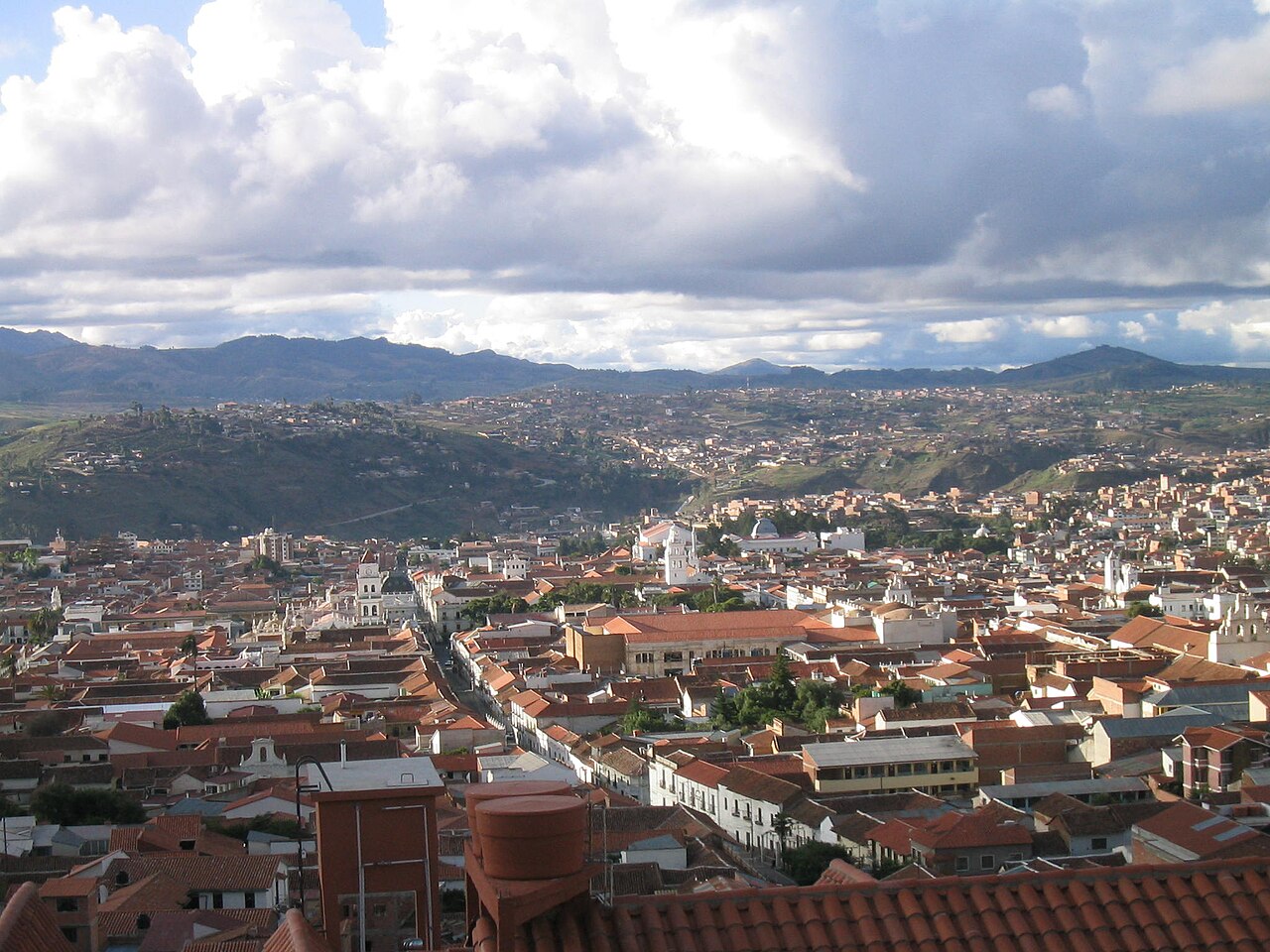
Quick Facts About Sucre Bolivia
| Country | Bolivia |
| Region | Chuquisaca Department, in the southern Andes |
| Known For | Whitewashed colonial architecture, independence history, dinosaur tracks and Spanish schools |
| UNESCO Status | Historic City of Sucre, UNESCO World Heritage Site since 1991 |
| Founded | 1538, as La Plata |
| Altitude | About 2,800 meters above sea level |
| Best Time to Visit | April to October, the dry season |
| Getting There | Fly into Sucre’s airport or take a bus from Potosí |
Where Is Sucre Bolivia?
Sucre lies in south-central Bolivia, in the Chuquisaca Department. Specifically, it sits in a valley at about 2,800 meters above sea level. As a result, it is lower and warmer than La Paz or nearby Potosí. Also, it is a popular stop on routes between Potosí, Santa Cruz and the Uyuni salt flats.
Why Visit Sucre Bolivia?
First, the colonial architecture is beautiful and very well preserved. For this reason, UNESCO listed the historic city as a World Heritage Site in 1991. Second, the history here is important, because many key events in Bolivia’s independence took place in Sucre.
Moreover, Sucre Bolivia is a relaxing place to spend time. For example, many travelers take Spanish lessons here, since the schools are good and affordable. Finally, the city is a gateway to dinosaur tracks, indigenous markets and mountain hikes. If you loved our guide to Cuenca in Ecuador, you will enjoy this other Andean colonial city.
Things to Do in Sucre Bolivia
Relax in Plaza 25 de Mayo
Plaza 25 de Mayo is the heart of the city. It is surrounded by elegant buildings, including the Metropolitan Cathedral and government offices. In addition, the plaza is shaded by trees and full of benches, so it is perfect for people-watching. Then, stop for an ice cream or a coffee on one of the balconies nearby.
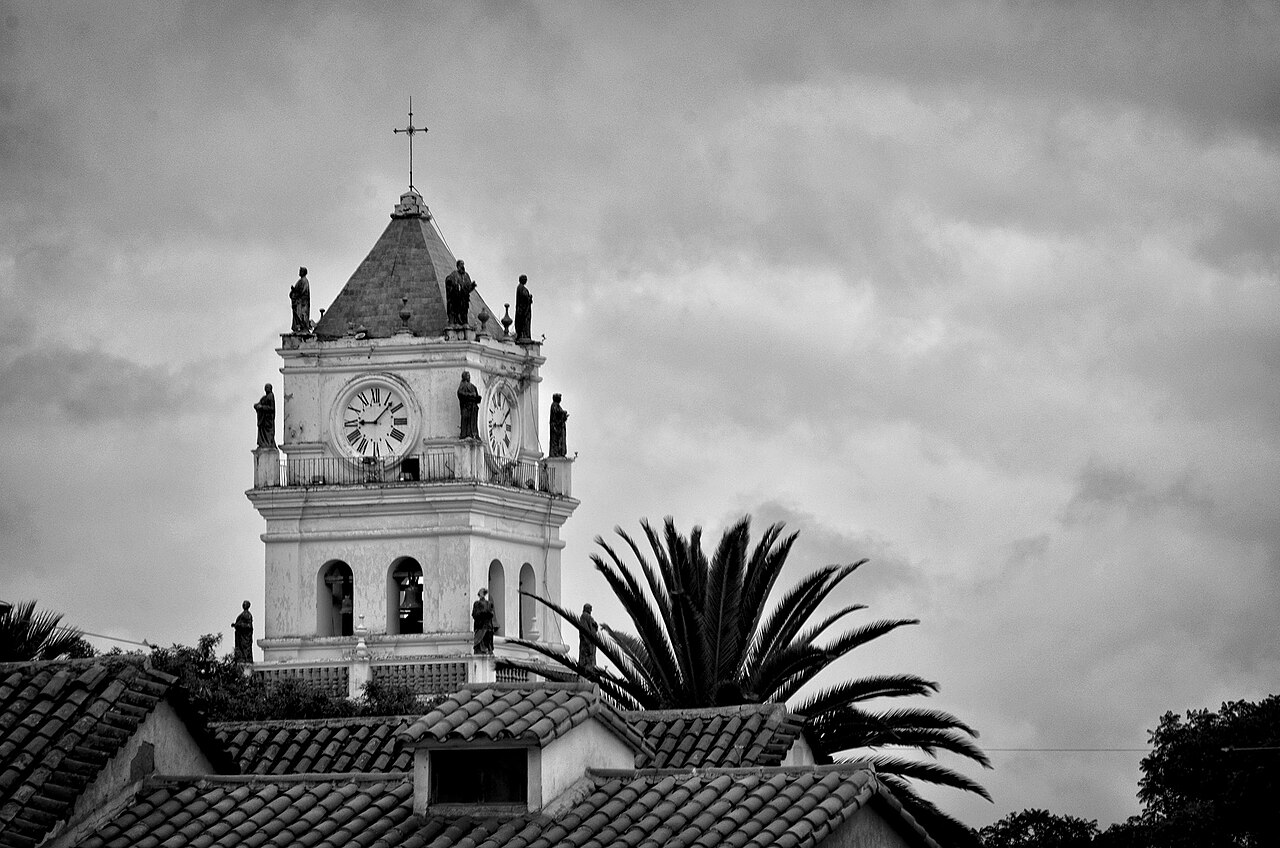
Visit Casa de la Libertad
On the plaza, Casa de la Libertad is one of the most important buildings in Bolivia. Here, the country’s declaration of independence was signed on August 6, 1825. Today, the museum displays historic documents, portraits and the original declaration hall. Therefore, it is a must for anyone interested in South American history.
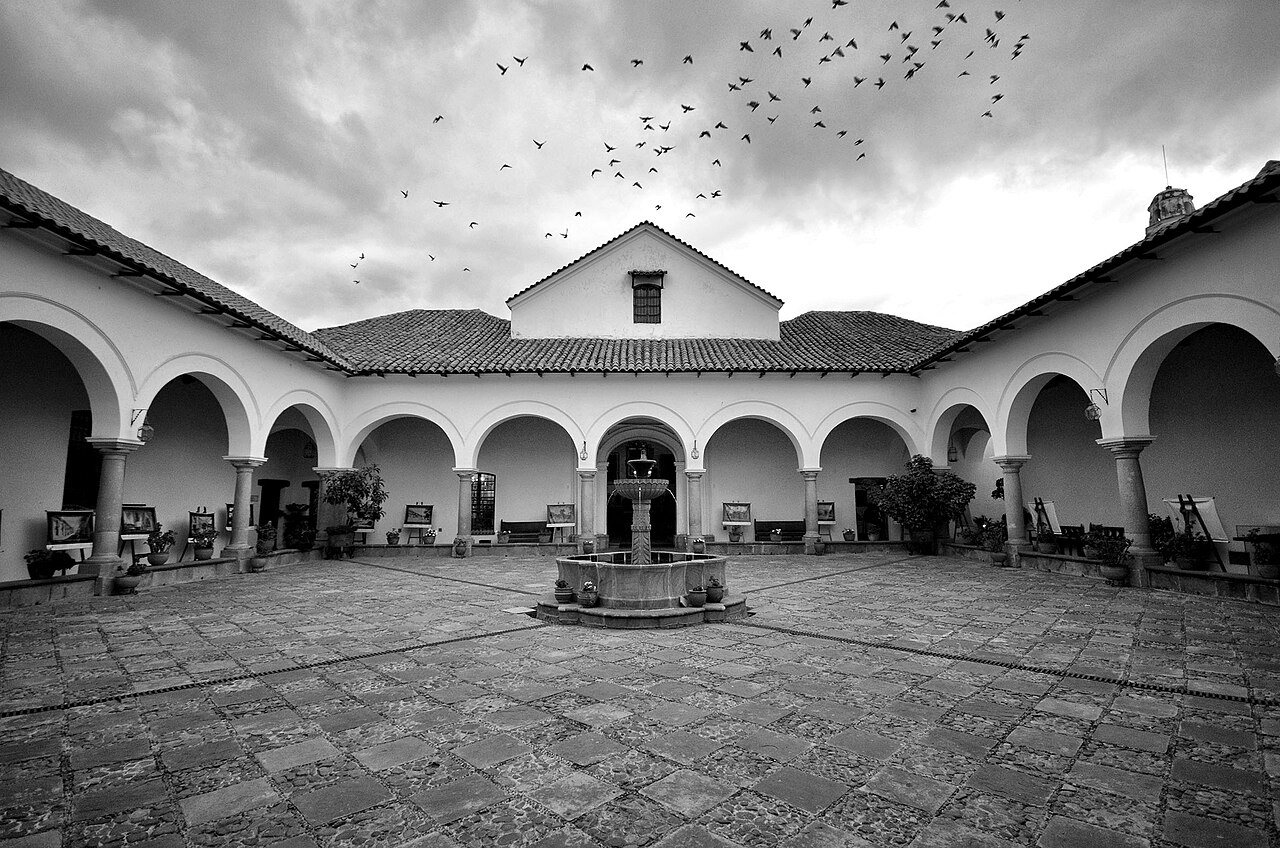
Climb to La Recoleta
For the best views of the city, walk uphill to La Recoleta. At the top, a whitewashed arcade frames the red rooftops and hills. Also, the Recoleta convent next door has a peaceful courtyard and a small museum. Above all, come at sunset, when the city glows below you.
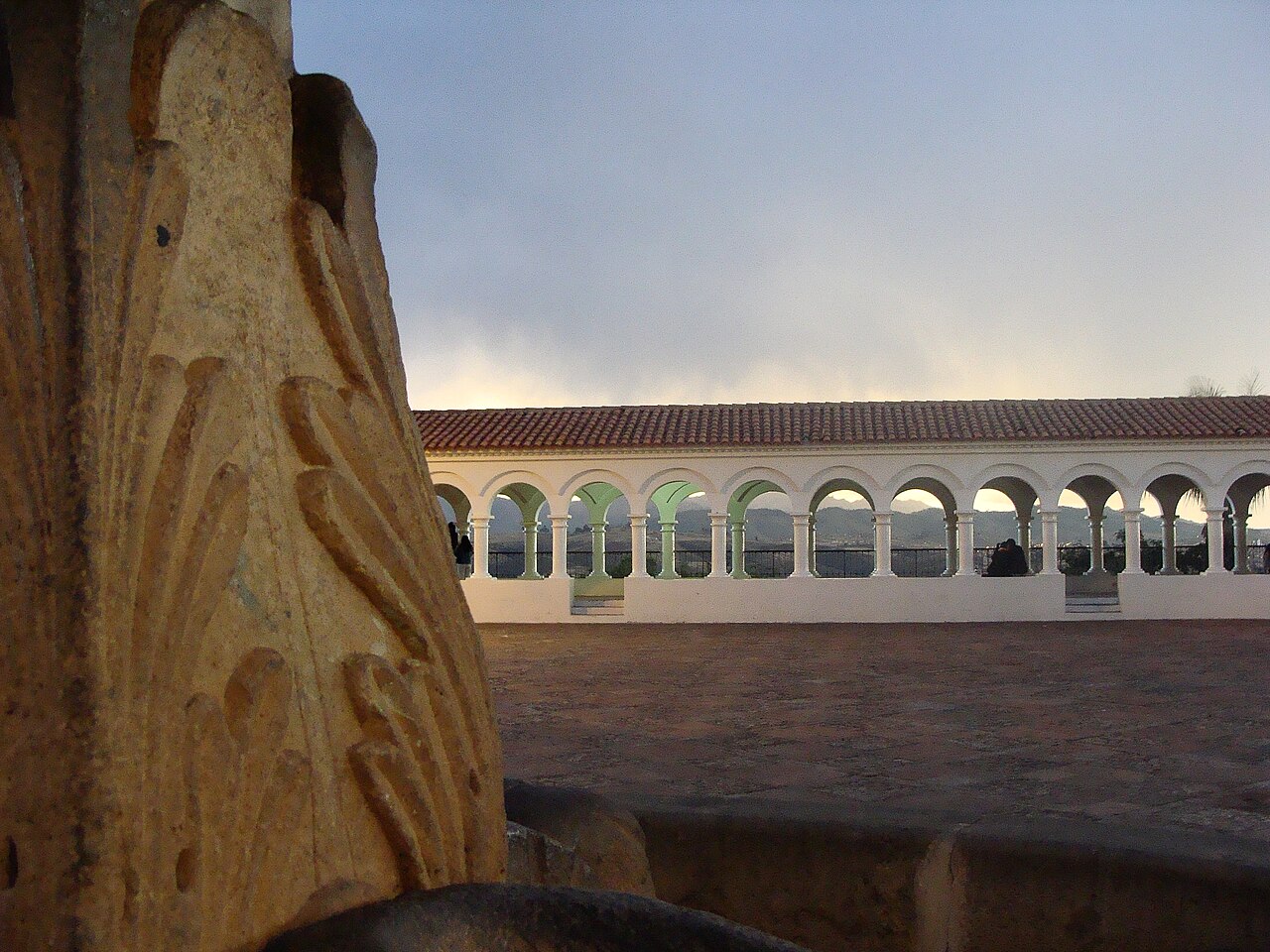
Walk the Rooftops of San Felipe Neri
The Convent of San Felipe Neri lets visitors walk on its white rooftops. From there, for instance, you can see bell towers and domes in every direction. As a result, it is one of the most photogenic spots in Sucre Bolivia.
Shop and Eat at the Central Market
The Mercado Central is a great place to try local food. For example, order a fresh fruit salad, a juice or a salteña, a baked pastry filled with a juicy stew. Furthermore, Sucre is famous for its chocolate, so pick up a box before you leave.
Day Trips From Sucre Bolivia
Cal Orck’o Dinosaur Tracks
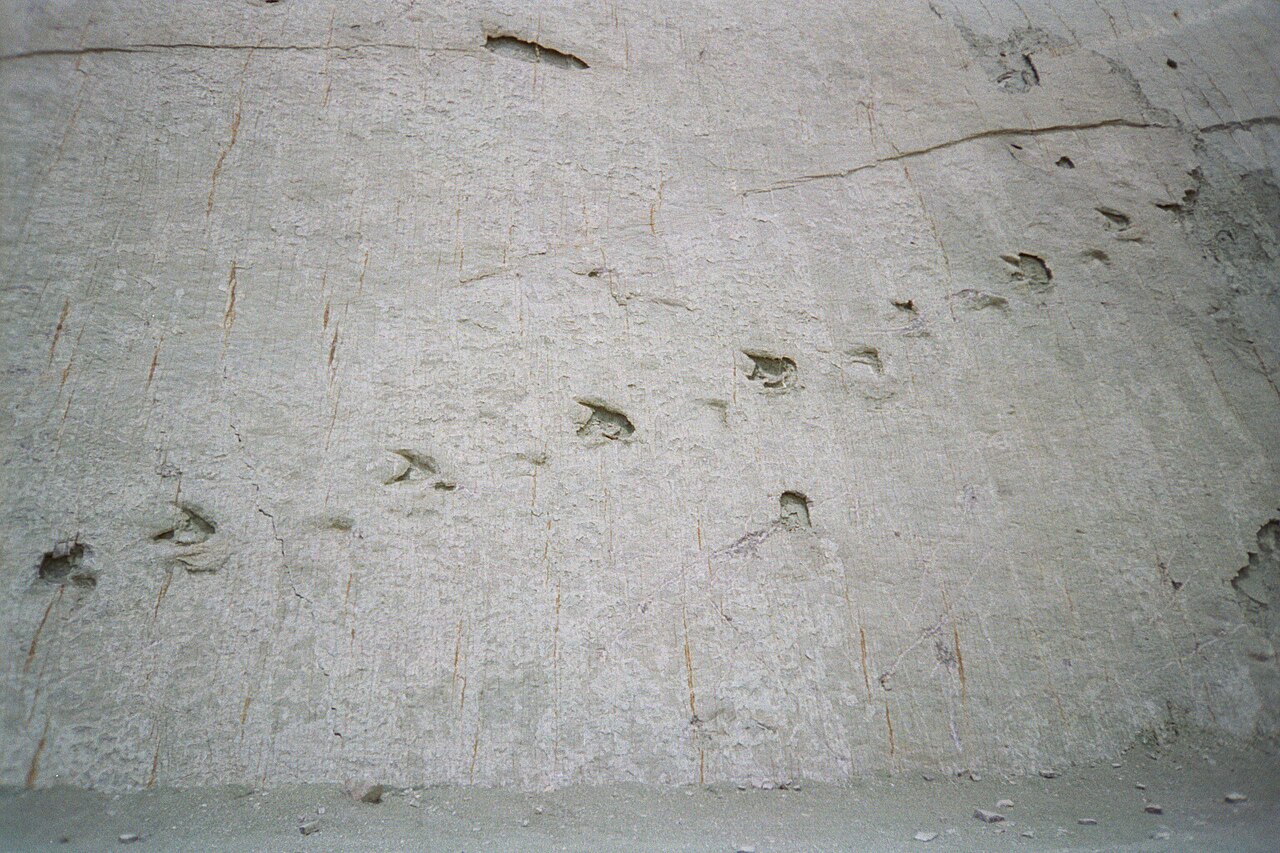
Just outside the city, Cal Orck’o is a huge limestone wall covered with thousands of dinosaur footprints. In fact, it is one of the largest sites of its kind in the world. The nearby Parque Cretácico has life-size models and viewing platforms, so it is great for families.
Tarabuco Sunday Market
Tarabuco is a village about 65 kilometers from Sucre. Every Sunday, it hosts a colorful market where local Yampara people sell handwoven textiles. Similarly, you can watch weavers at work and try local food. Therefore, it is a great cultural day trip.
One Historical Fact About Sucre Bolivia
On May 25, 1809, the people of Sucre rose up against Spanish rule. This event is often called the first cry of independence in Spanish America. Consequently, the main square is named Plaza 25 de Mayo in its honor.
How to Get to Sucre Bolivia
Sucre’s Alcantarí Airport has flights from La Paz, Santa Cruz and Cochabamba. Alternatively, buses connect the city with Potosí in about three hours. In addition, overnight buses run from Uyuni and La Paz. Once you arrive, the center is compact and easy to explore on foot.
Best Time to Visit Sucre Bolivia
The best time to visit is during the dry season, from April to October. During these months, days are sunny and pleasant, although nights can be cool. On the other hand, the rainy season from November to March brings afternoon showers. Also, remember that the city is at high altitude, so take it easy on your first day.
Is Sucre Bolivia Worth Visiting?
Yes, absolutely. Sucre Bolivia is one of the most beautiful and relaxing cities in South America. Ideally, stay at least three nights to enjoy the city and its day trips. For another charming colonial town, read our guide to Villa de Leyva in Colombia.
Final Thoughts on Sucre Bolivia
In short, Sucre is a city that invites you to slow down. Wander the white streets, watch the sunset from La Recoleta and walk among dinosaur tracks. By the end of your stay, you will understand why so many travelers find it hard to leave the White City.
Image Credits
Wikimedia Commons
- Micah MacAllen from Travel Bums, Latin America: Sucre capital de Bolivia, CC BY-SA 2.0
- Henry Ponce Barco: Casa de la Libertad Sucre, CC BY-SA 4.0
- Henry Ponce Barco: Catedral de Sucre (Plaza Principal), CC BY-SA 4.0
- Rodwy1328: RECOLETA MAGICA, CC BY-SA 3.0
- John Martin Perry: Cal Orcko fossil tracks 2, CC BY-SA 4.0


