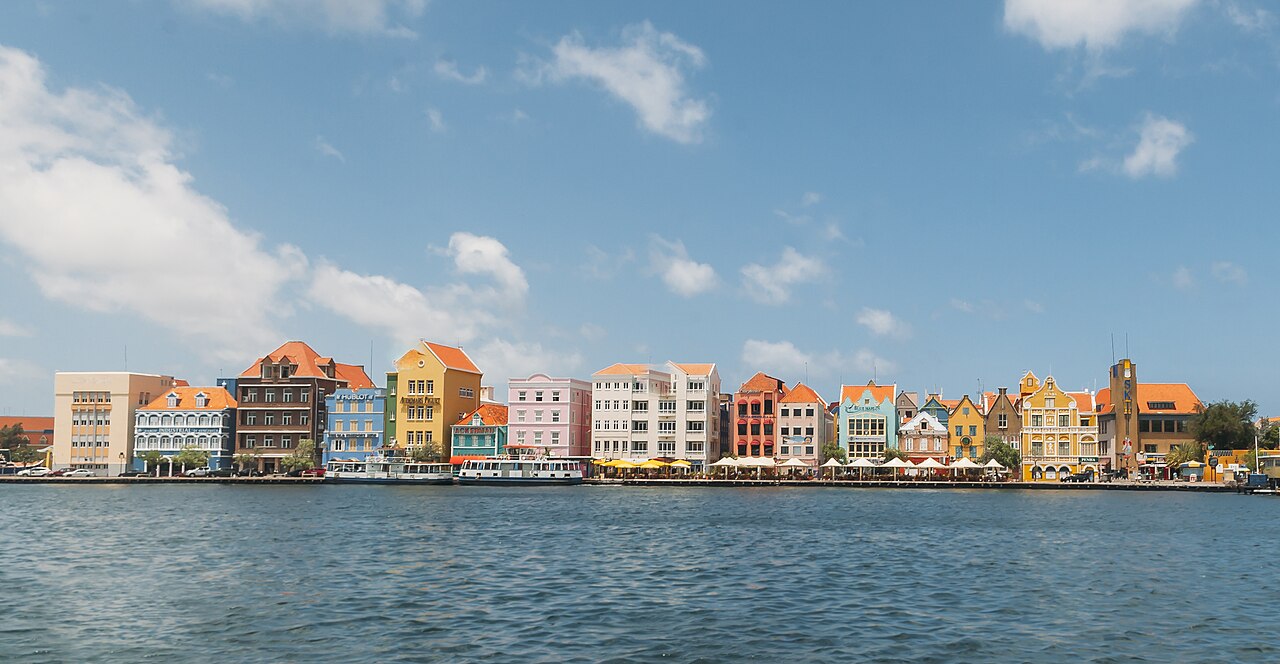
Willemstad Curaçao looks like a row of Dutch canal houses that someone dipped in tropical paint. Along the waterfront, gabled buildings in pink, yellow, blue and green line the harbor. Meanwhile, a floating bridge swings open to let ships pass, and the turquoise Caribbean sparkles just beyond. In fact, it is one of the most photogenic cities in the Caribbean. Also, it is full of history, food and culture. So, here is how to plan your visit.
Quick Facts About Willemstad Curaçao
| Country | Curaçao, a constituent country of the Kingdom of the Netherlands |
| Region | Southern Caribbean, about 65 kilometers off the coast of Venezuela |
| Known For | Pastel Dutch colonial facades, the Queen Emma Bridge, a historic synagogue and beaches |
| UNESCO Status | Historic Area of Willemstad, Inner City and Harbour, UNESCO World Heritage Site since 1997 |
| Founded | 1634, by the Dutch West India Company |
| Best Time to Visit | Year-round, with the driest weather from February to September |
| Getting There | Fly into Curaçao International Airport, about 20 minutes from the center |
Where Is Willemstad Curaçao?
Willemstad is the capital of Curaçao, an island in the southern Caribbean. Specifically, it sits on the island’s south coast, around the deep natural harbor of St. Anna Bay. In addition, Curaçao lies outside the main hurricane belt. As a result, it is a good choice for a Caribbean trip in almost any season.
Why Visit Willemstad Curaçao?
First, the architecture is unique. Dutch colonists brought gabled houses and merchant buildings from Europe, but adapted them to the tropical climate. Consequently, UNESCO listed the historic area and harbor as a World Heritage Site in 1997.
Second, Willemstad Curaçao is a melting pot of cultures. For example, you will hear Papiamentu, Dutch, English and Spanish on the streets. Finally, the island has beautiful beaches and excellent diving just a short drive away. If you loved our guide to Old San Juan in Puerto Rico, you will enjoy this other colorful Caribbean capital.
Things to Do in Willemstad Curaçao
Admire the Handelskade
The Handelskade is the famous waterfront of the Punda district. Its pastel buildings date mainly from the 18th century. According to local legend, a governor once ordered the houses painted in colors because the glare from white walls gave him headaches. Whether or not the story is true, the result is spectacular. Then, cross to the Otrobanda side of the bay for the classic view.
Cross the Queen Emma Bridge
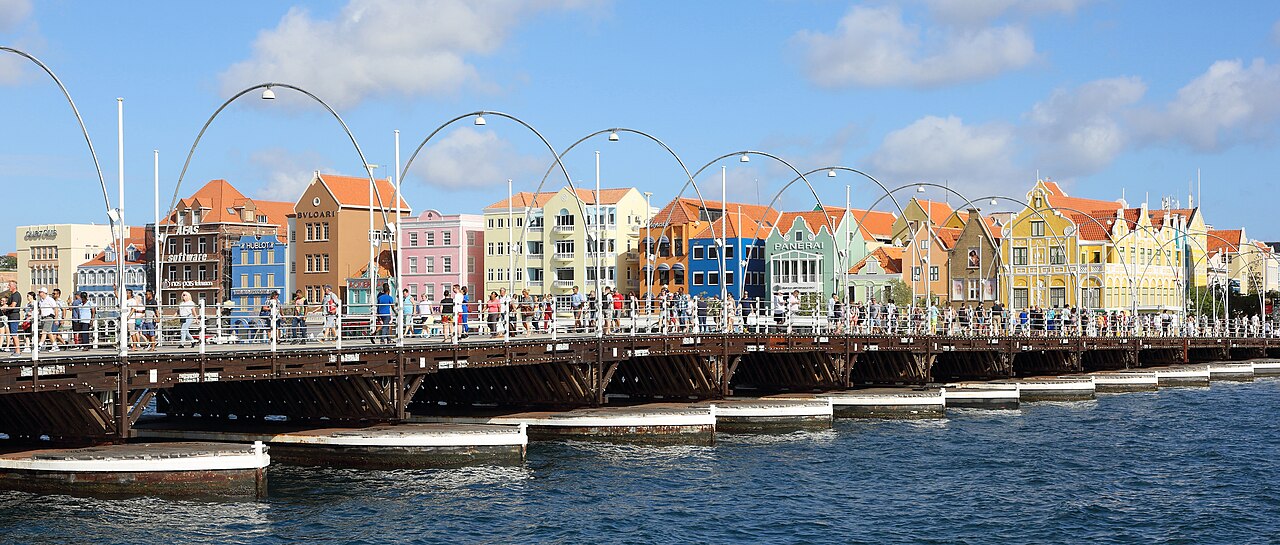
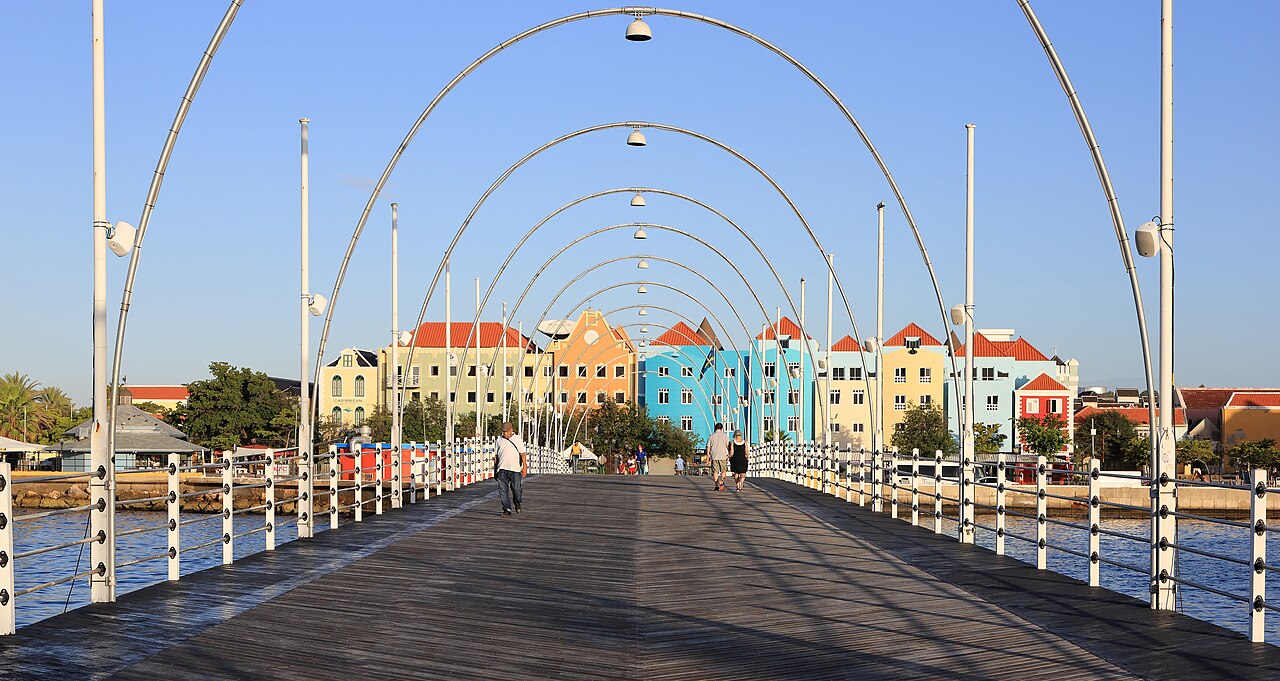
The Queen Emma Bridge is a pedestrian pontoon bridge that floats on the water. It opened in 1888, and locals call it the Swinging Old Lady. Whenever a ship needs to pass, the bridge swings aside. Meanwhile, free ferries carry pedestrians across the bay. Above all, walk across it at night, when it lights up with colorful bulbs.
Explore Punda
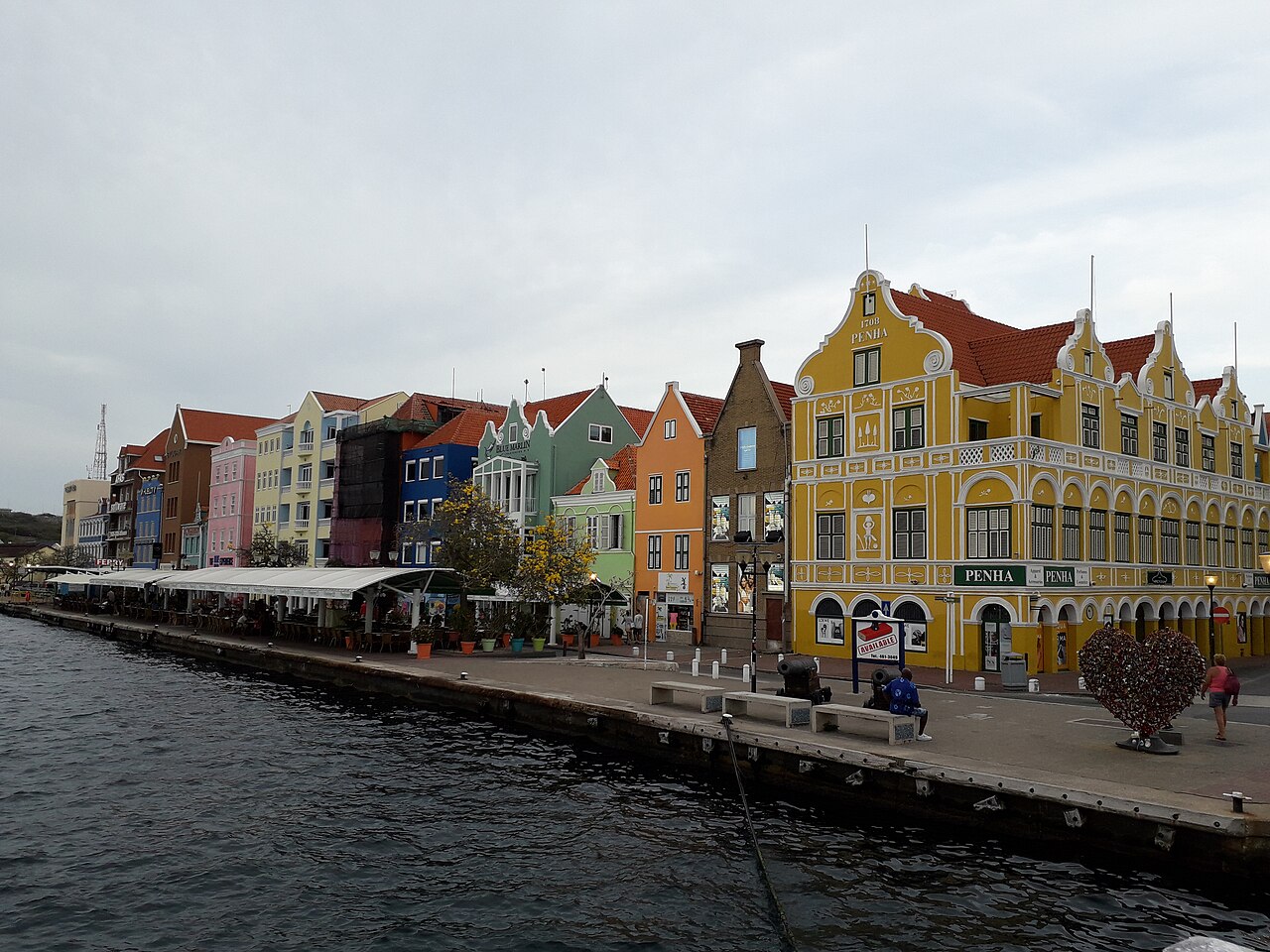
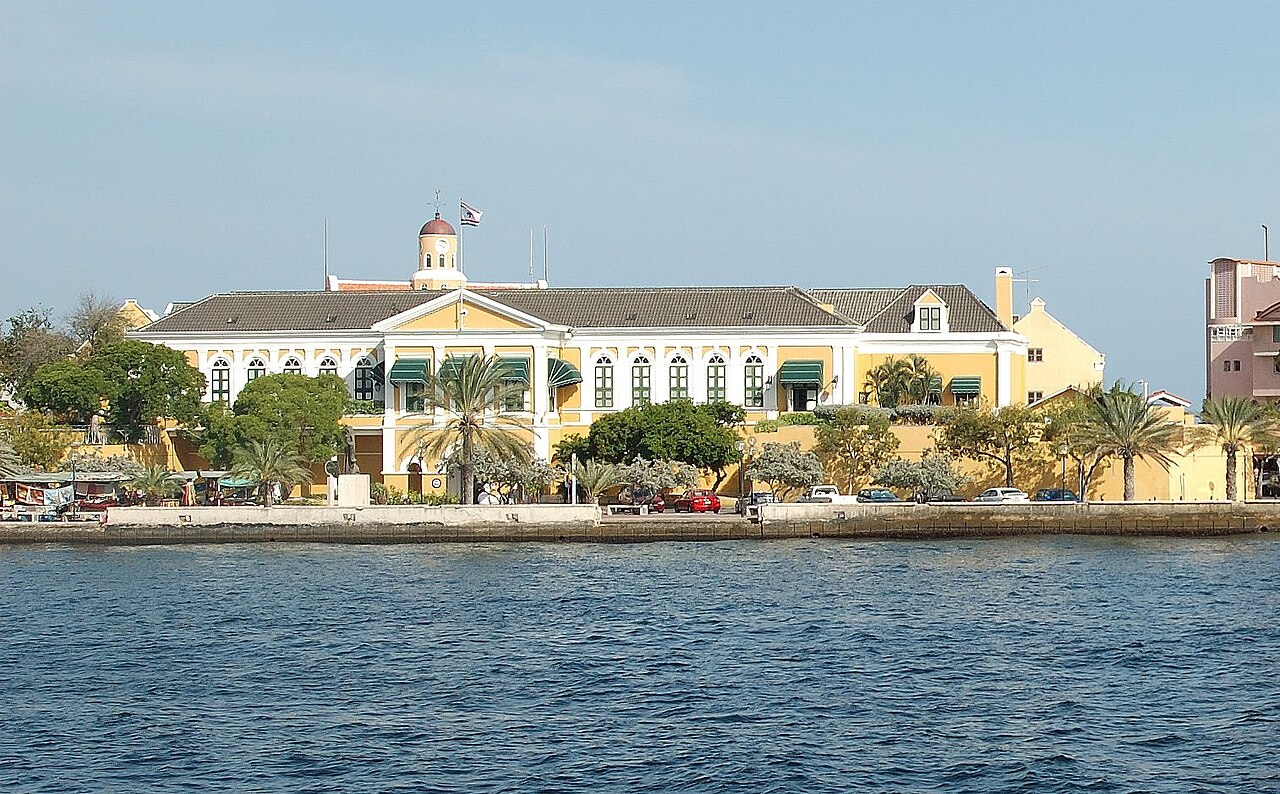
Punda is the oldest part of Willemstad. Its narrow streets are lined with shops, cafés and historic buildings. In particular, visit the Mikvé Israel-Emanuel Synagogue, built in 1732. It is the oldest synagogue in continuous use in the Americas, and its floor is covered with sand. In addition, Fort Amsterdam, near the harbor entrance, now houses the governor’s offices and a small museum.
Discover Otrobanda
Otrobanda, which means “the other side”, lies across St. Anna Bay. It has a more local feel, with winding lanes and restored houses. For example, the Kura Hulanda Museum explores African history and the transatlantic slave trade. Therefore, it is an important stop for understanding the island’s past.
See the Street Art in Pietermaai
East of Punda, the Pietermaai district has been beautifully restored. Today, its old mansions hold boutique hotels, bars and restaurants. Similarly, colorful murals cover many walls, so bring your camera.
Day Trips From Willemstad Curaçao
Beaches of the West Coast
Curaçao’s west coast has some of the best beaches in the Caribbean. For instance, Grote Knip has white sand and bright blue water. In addition, Playa Lagun and Playa Piskado are great for snorkeling, and you may even swim with sea turtles.
Christoffel National Park and Shete Boka
In the northwest, Christoffel National Park protects the island’s highest hill and a dry forest full of cacti. Nearby, Shete Boka National Park has wild coastal cliffs, where waves crash into rocky inlets. Together, they show a wilder side of the island.
One Historical Fact About Willemstad Curaçao
The Dutch took Curaçao from Spain in 1634 and founded Willemstad soon after. Because of its fine natural harbor, the city became a major trading port. In addition, a large Sephardic Jewish community settled here in the 1600s, which is why the island has such a historic synagogue.
How to Get to Willemstad Curaçao
Curaçao International Airport has direct flights from North America, Europe and South America. From the airport, the center of Willemstad is about 20 minutes away by taxi. In addition, many cruise ships dock right in the harbor. To explore the beaches, however, a rental car is the best option.
Best Time to Visit Willemstad Curaçao
Willemstad is warm and sunny all year. That said, the driest months usually run from February to September. On the other hand, the short rainy season from October to January brings brief showers. Also, Carnival in February and March fills the streets with music and parades.
Is Willemstad Curaçao Worth Visiting?
Yes, absolutely. Willemstad Curaçao combines colorful architecture, rich history and beautiful beaches in one compact island. Ideally, spend at least a few nights to enjoy both the city and the coast. For another charming colonial town by the sea, read our guide to Trinidad in Cuba.
Final Thoughts on Willemstad Curaçao
In short, Willemstad is a burst of color on the Caribbean Sea. Walk the Handelskade, cross the swinging bridge and dive into crystal-clear water. By the end of your trip, you will understand why this Dutch Caribbean capital charms everyone who visits.
Image Credits
Wikimedia Commons
- Matthew T Rader: The colorful buildings of the Handelskade in Willemstad, Curaçao, CC BY-SA 4.0
- Martin Falbisoner: Queen Emma Bridge and Handelskade, Willemstad, Curaçao – February 2020 – 01, CC BY-SA 4.0
- DDJJ: Willemstad Punda, CC BY-SA 4.0
- Martin Falbisoner: View of Otrobanda, Willemstad, Curaçao – February 2020, CC BY-SA 4.0
- Niels Karsdorp, Dh3201: Fort Amsterdam, CC BY-SA 3.0


